1/
New evidence confirms that SARS-CoV-2 can reach the fetus through the amniotic fluid. This isn't just about maternal health; researchers have now detected the virus directly within fetal organs, including the lungs and intestines.
Here’s why this changes the conversation. ⬇️
New evidence confirms that SARS-CoV-2 can reach the fetus through the amniotic fluid. This isn't just about maternal health; researchers have now detected the virus directly within fetal organs, including the lungs and intestines.
Here’s why this changes the conversation. ⬇️

2/
How does it happen? The study highlights "amniotic infection." When a pregnant person is infected, the virus can enter the amniotic fluid. As the fetus naturally swallows this fluid, the virus gains a direct pathway into the fetal digestive and respiratory systems. 💧🦠
How does it happen? The study highlights "amniotic infection." When a pregnant person is infected, the virus can enter the amniotic fluid. As the fetus naturally swallows this fluid, the virus gains a direct pathway into the fetal digestive and respiratory systems. 💧🦠

3/
This isn't theoretical. Using advanced imaging and molecular testing, scientists found viral replication within fetal tissues. This proves that the fetus can face direct viral impact long before birth, potentially affecting organ development.
This isn't theoretical. Using advanced imaging and molecular testing, scientists found viral replication within fetal tissues. This proves that the fetus can face direct viral impact long before birth, potentially affecting organ development.

4/
We cannot continue to treat COVID-19 as a "simple cold" when it has the capacity to cross the placental barrier and infect developing organs. Protecting pregnant individuals means protecting the next generation from systemic viral exposure. 🛡️👶
We cannot continue to treat COVID-19 as a "simple cold" when it has the capacity to cross the placental barrier and infect developing organs. Protecting pregnant individuals means protecting the next generation from systemic viral exposure. 🛡️👶

5/
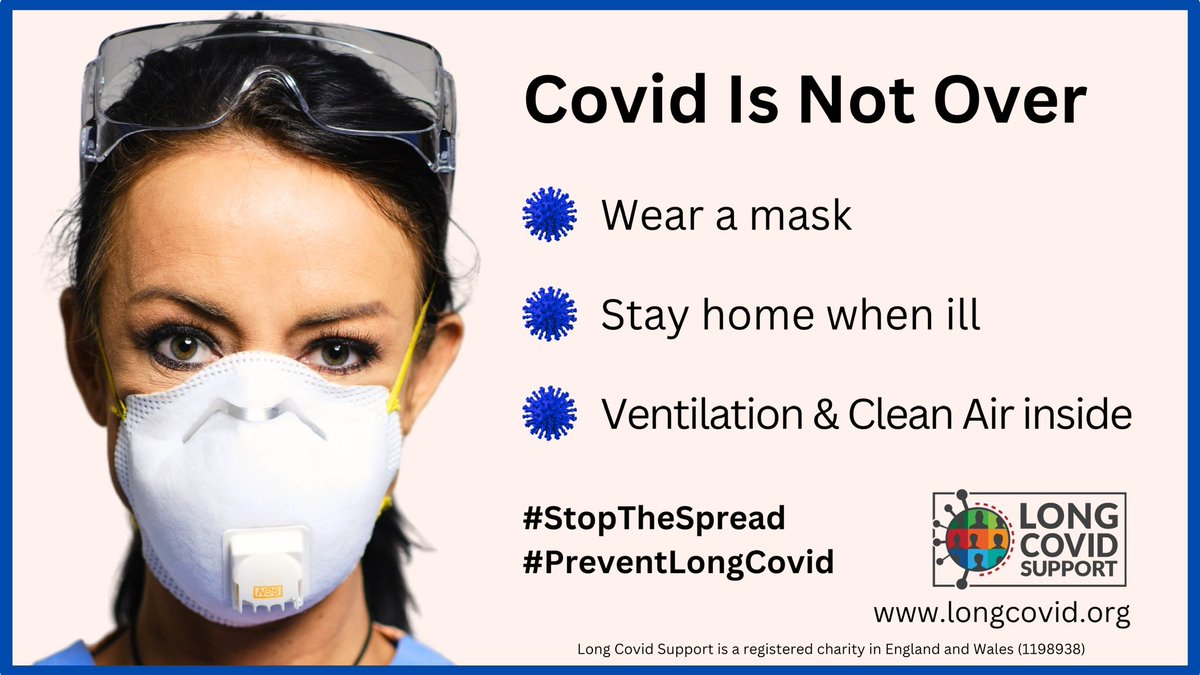
To prevent these infections, we must clear the air. We have the technology to stop airborne transmission before it reaches vulnerable populations:
✅ N95/FFP2 Respirators for personal safety.
✅ HEPA Filtration to scrub the air.
✅ Far-UVC to neutralize virus in real-time.
To prevent these infections, we must clear the air. We have the technology to stop airborne transmission before it reaches vulnerable populations:
✅ N95/FFP2 Respirators for personal safety.
✅ HEPA Filtration to scrub the air.
✅ Far-UVC to neutralize virus in real-time.

6/
It is time to stop the cycle of mass infection. We demand Clean Air and Far-UVC in all public spaces, starting with our schools. We must provide a safe environment for everyone, especially those carrying the future. 📢🌬️
#CleanAirNow #SafeSchools #FarUVC #MaternalHealth
It is time to stop the cycle of mass infection. We demand Clean Air and Far-UVC in all public spaces, starting with our schools. We must provide a safe environment for everyone, especially those carrying the future. 📢🌬️
#CleanAirNow #SafeSchools #FarUVC #MaternalHealth

/7
H/T @scott_squires for his poster collection.
H/T @lady_bourg for the spell check.
H/T @NukitToBeSure for picture.
nature.com/articles/s4146…
H/T @scott_squires for his poster collection.
H/T @lady_bourg for the spell check.
H/T @NukitToBeSure for picture.
nature.com/articles/s4146…
• • •
Missing some Tweet in this thread? You can try to
force a refresh