Sonu Bhaskar Profile picture
Mar 31 11 tweets 5 min read Read on X
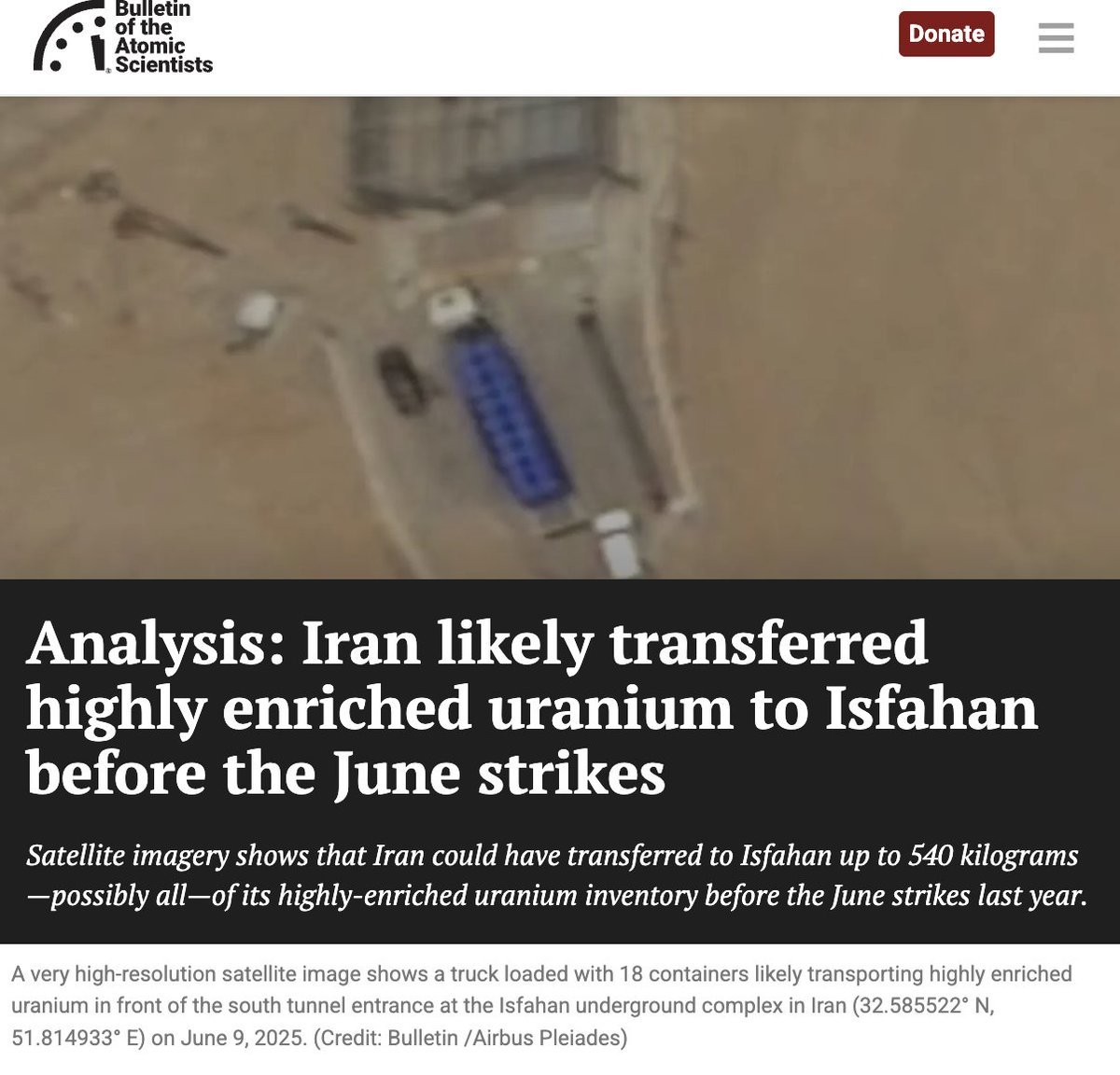
🚨 BREAKING: New satellite analysis suggests Iran may have moved a large portion, possibly all, of its highly enriched uranium (HEU) to a fortified underground site in Isfahan just before strikes in 2025.

This is revealed in an analysis published in Bulletin of the Atomic Scientists @BulletinAtomic authored by François Diaz-Maurin on March 29, 2026.
[Link at the end of the thread]

If confirmed, this changes the strategic picture entirely.

Image: High-resolution satellite image of a truck with containers at Isfahan tunnel entrance.

1/10 🧵Image
2/10

The imagery shows a heavy transport truck carrying 18 shielded containers, consistent with nuclear material transport systems.

Experts assess the cargo could include hundreds of kilograms of enriched uranium - enough to alter nuclear timelines.

Image: Annotated satellite image highlighting containers and tunnel entrance.Image
3/10

Why this matters:

Uranium enriched to ~60% is already near weapons-grade.

From there, it can be pushed to ~90% - usable for a nuclear weapon - in days to weeks, not years.

This is the difference between program and capability.Image
4/10

The International Atomic Energy Agency has already warned it has lost “continuity of knowledge” over Iran’s stockpile.

➡️ Inspectors don’t fully know where the material is

➡️ Access to key sites remains restricted

That is a red flag in nuclear governance.

Below is a photo of Natanz facility
[source: ]trtworld.com/article/f4680a…Image
5/10

Iran has simultaneously:

-> Expanded underground facilities
-> Limited inspections
-> Increased enrichment levels

This is textbook nuclear latency strategy - remaining just below weaponization while retaining rapid breakout potential.

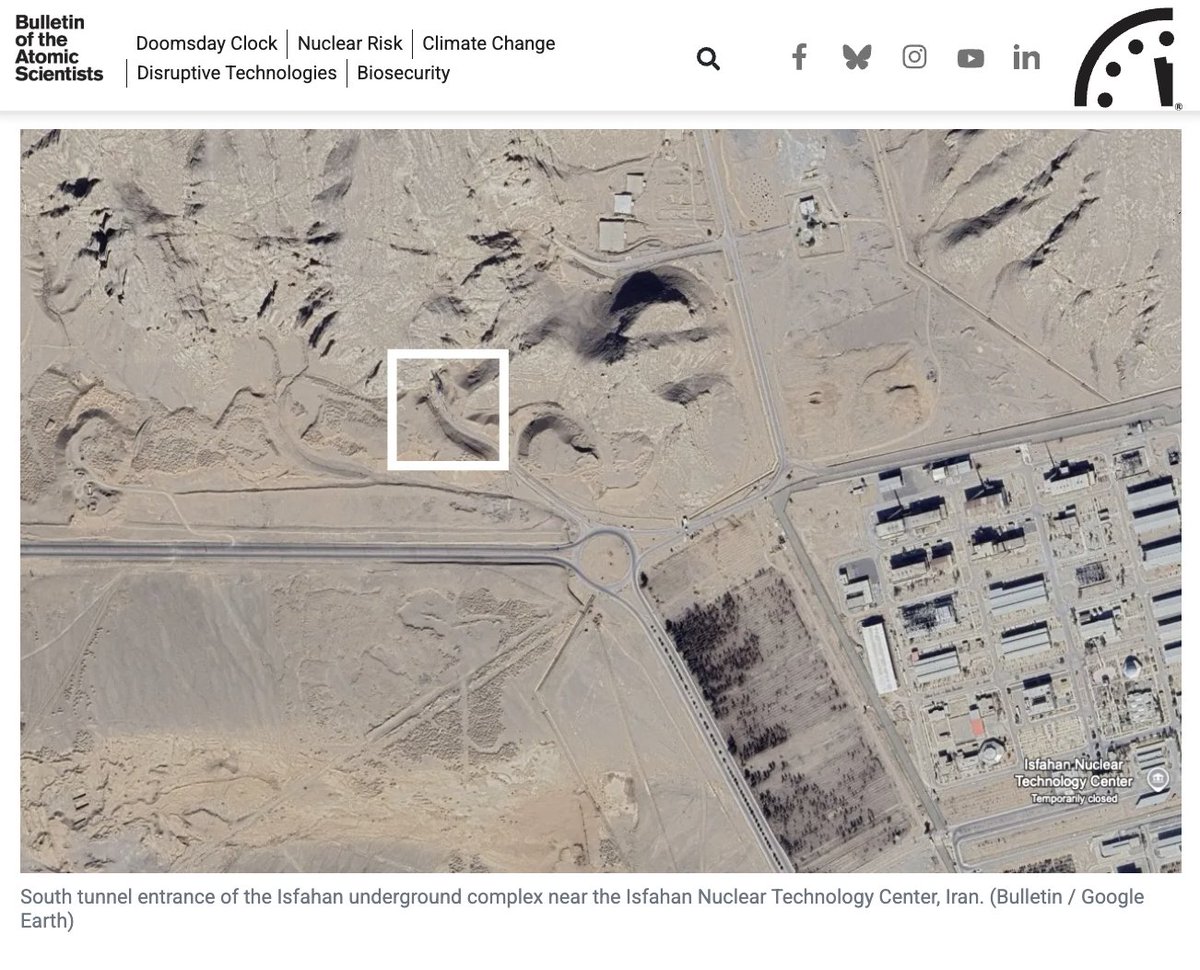
Natanz, Fordow, and Isfahan - these three sites form the core operational triangle of Iran’s nuclear infrastructure and have been central to recent strikes and geopolitical tensions.

Natanz → Iran's primary uranium enrichment hub (central Iran)
Fordow → Deep underground facility near Qom, heavily fortified inside a mountain
Isfahan → Conversion + storage + advanced processing centre, including uranium handling and potential stockpiles

Image: Map of Iran’s nuclear sites (Natanz, Fordow, Isfahan).Image
6/10

A key technical reality:
A modest cascade of advanced centrifuges could convert existing HEU into weapons-grade uranium in ~10 days.

That compresses decision-making timelines to near zero.

Image: Representative diagram of centrifuge cascade.Image
7/10

This is the core of Israel’s concern:
When material is hidden, hardened underground, and rapidly enrichable —
➡️ Detection is delayed
➡️ Response windows shrink
➡️ Deterrence weakens

In nuclear strategy, uncertainty itself is the threat.

Image: Nuclear site in the Isfahan Area
Source: foxnews.com/politics/israe…Image
8/10

History matters here. Let's dig little into history!

In Operation Opera, Israel struck Iraq’s Osirak reactor before it became operational.

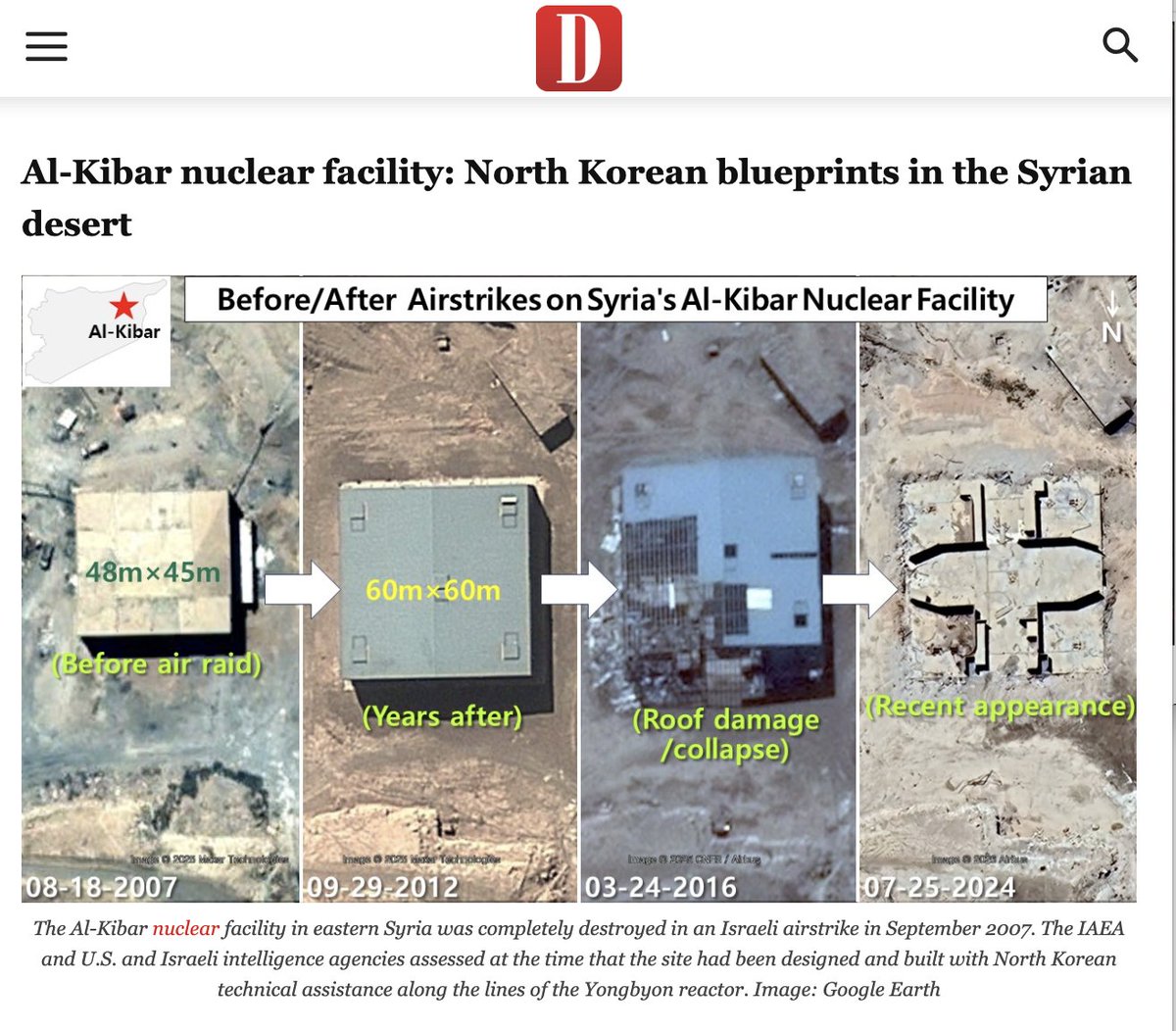
In Operation Orchard, it destroyed a covert Syrian nuclear site.

Both were preemptive. Both were controversial. Both prevented escalation.

Image: Al-Kibar nuclear facility before/after Operation Orchard.

Source: dailynk.com/english/satell…Image
9/10

The doctrine is consistent:

If a hostile actor approaches nuclear threshold status
AND verification collapses

➡️ Preemption becomes a strategic option, not an impulse

This is about probability × consequence, not ideology.

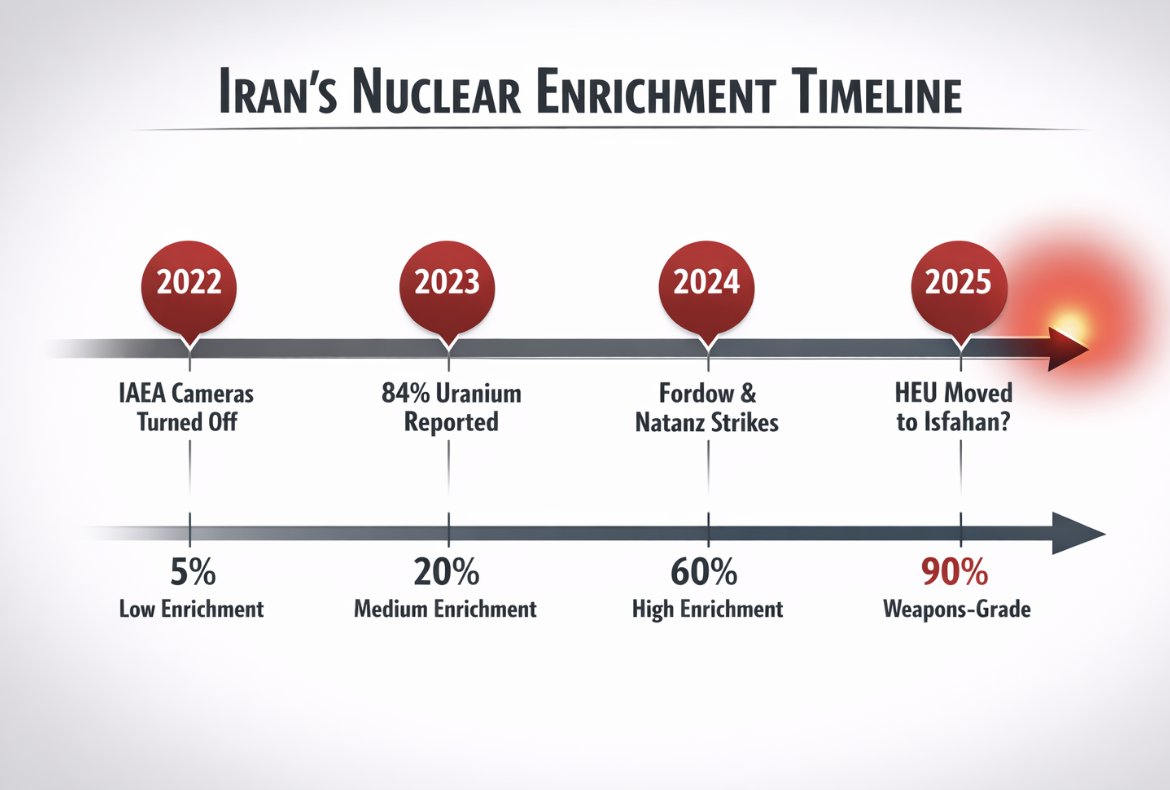
Image: Representative image of Iran's nuclear enrichment timeline.Image
10/10

Bottom line:

This new evidence reinforces a hard reality:

Iran may now possess dispersed, concealed, near-weapons-grade material with reduced oversight.

From Israel’s perspective, this is not abstract.

It is immediate, technical, and existential.

And that is why this issue is escalating now.

More on this story: Bulletin of Atomic Scientists by François Diaz-Maurin [March 29, 2026].

thebulletin.org/2026/03/analys…Image
@threadreaderapp Unroll, thank you!

• • •

Missing some Tweet in this thread? You can try to force a refresh

 

Keep Current with Sonu Bhaskar

Sonu Bhaskar Profile picture

Stay in touch and get notified when new unrolls are available from this author!

Read all threads

This Thread may be Removed Anytime!

PDF

Twitter may remove this content at anytime! Save it as PDF for later use!

Try unrolling a thread yourself!

how to unroll video
  1. Follow @ThreadReaderApp to mention us!

  2. From a Twitter thread mention us with a keyword "unroll"
@threadreaderapp unroll

Practice here first or read more on our help page!

More from @DrSonuBhaskar

Feb 24
1/15

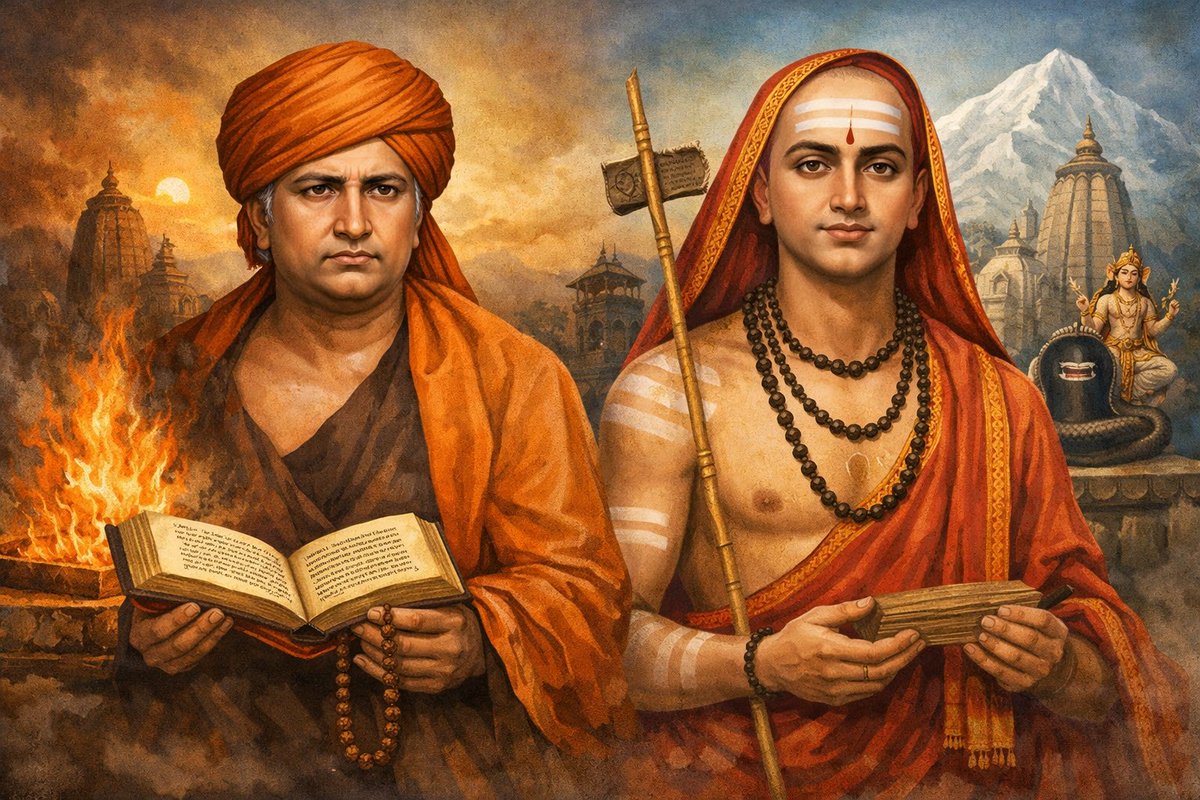
In a time when fault lines within a segment of the community seem louder than ever - sect vs sect, ritual vs reform - a question arises:

Have we forgotten the giants who healed these fractures before us?

Let’s revisit two such figures.

A thread 🧵that journeys into our spiritual legacy to illuminate the questions of our present.

Here's a deep dive.Image
2/15

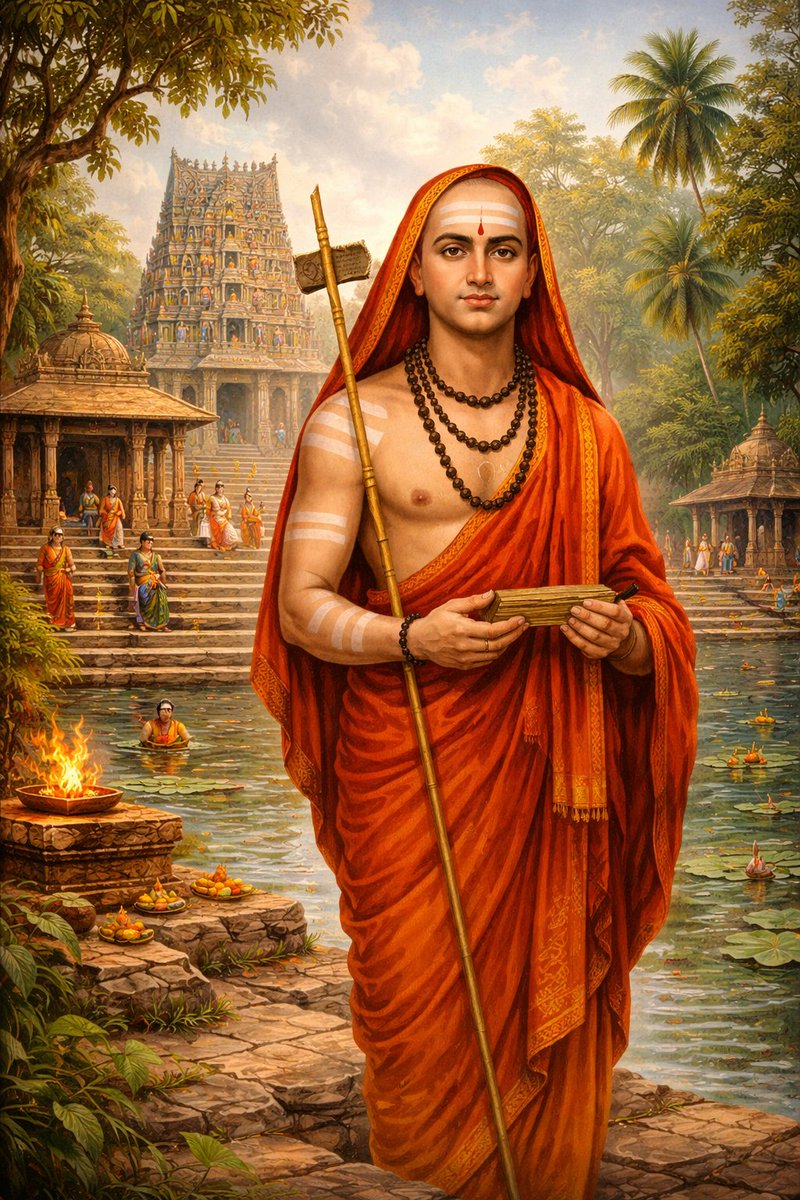
In the 8th century, Bharat 🇮🇳was intellectually vibrant; yet fragmented.

Shaiva.
Vaishnava.
Shakta.
Ganapatya.
Smartas.

Each fiercely devoted. Each convinced of exclusive truth.

Into this climate stepped Adi Shankaracharya.

Not to destroy traditions. But to harmonize them.Image
3/15

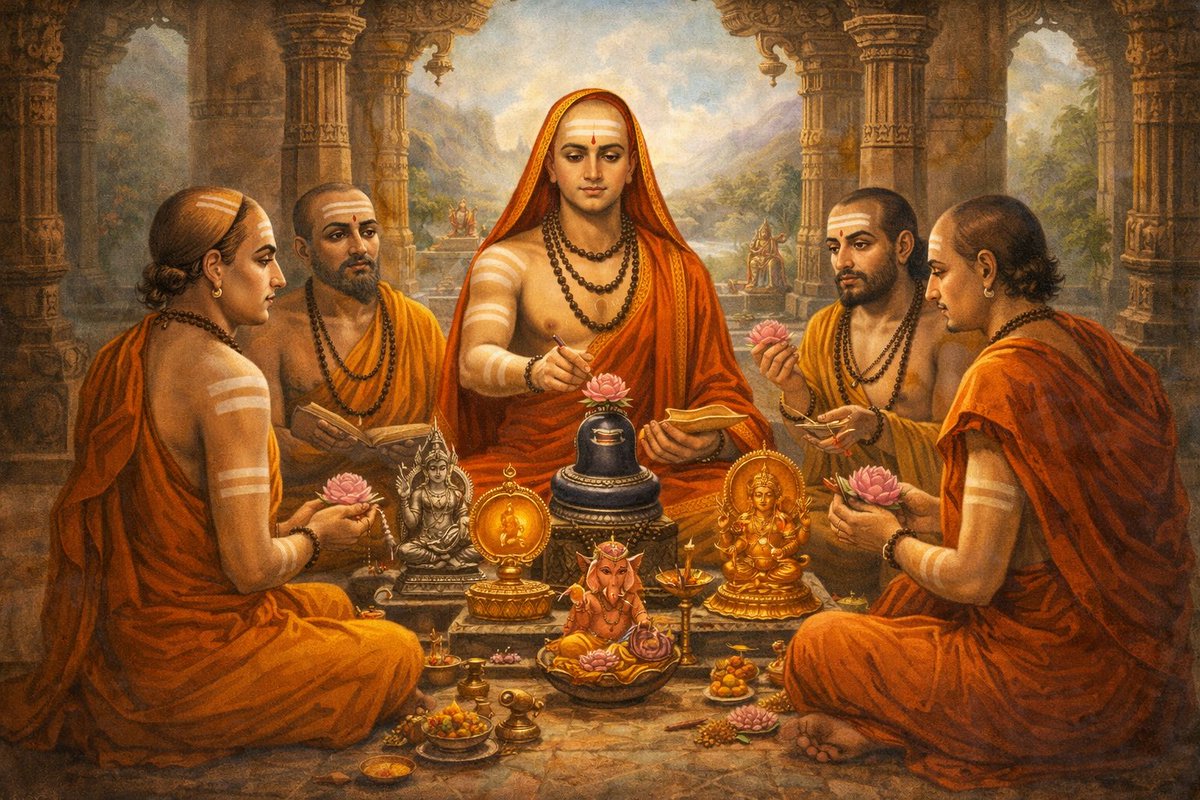
Adi Shankaracharya did something extraordinary.

He established the system of Panchayatana Puja, worship of five deities (Shiva, Vishnu, Shakti, Surya, Ganesha) on one altar.

A quiet theological masterstroke for its time.

It said:
Diversity in form.
Unity in essence.

This was not merely philosophical abstraction, but a quiet act of social healing.Image
Read 16 tweets
Feb 24
🧵 1/10

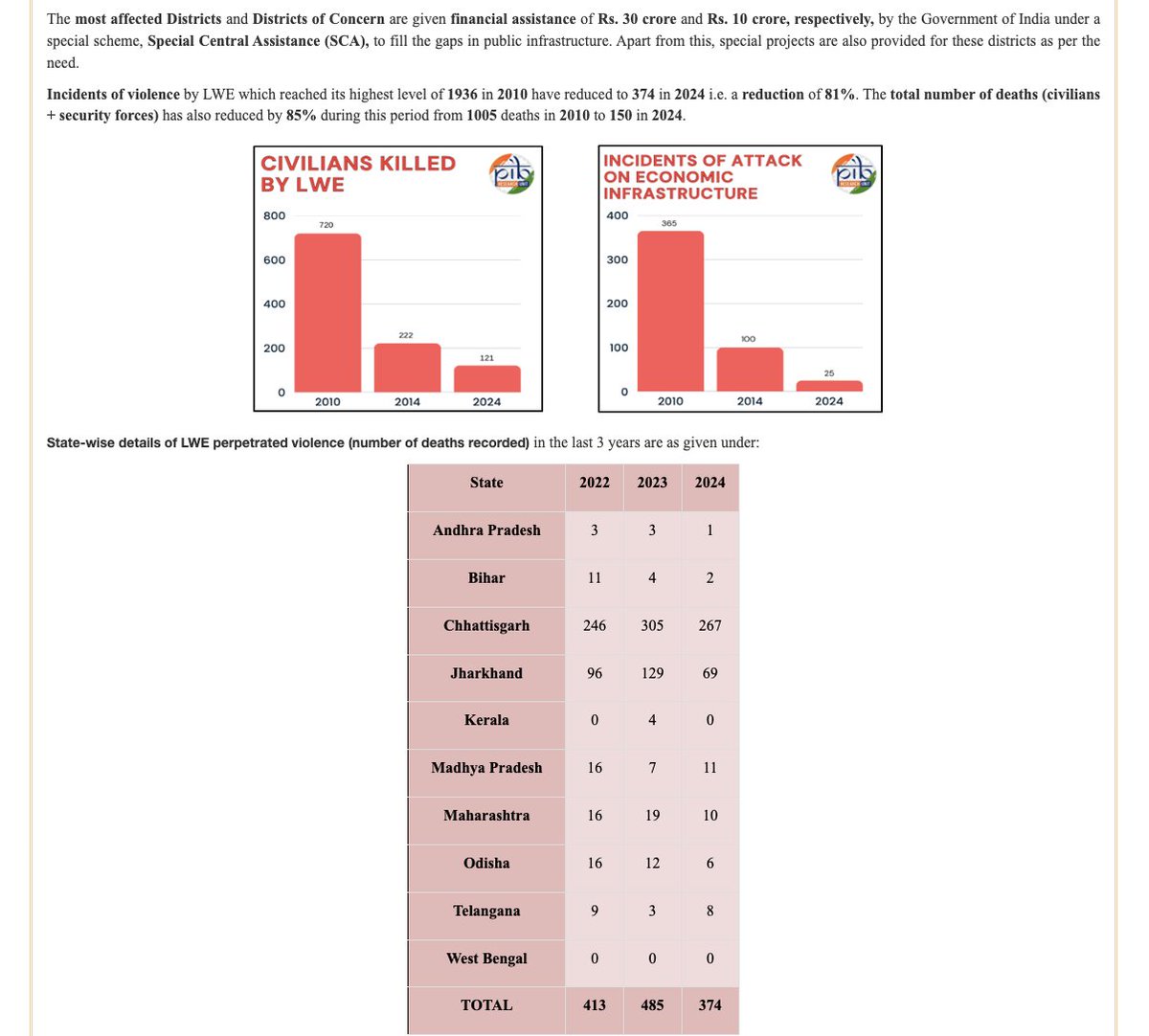
How did India go from “Maoism is our biggest internal security threat” to “only a handful of districts remain”?

And here’s the real question: was it only about guns and operations—or about roads, rights, and the state finally showing up?

Left Wing Extremism (LWE) didn’t start in 2014.

Its roots go back to the Naxalbari uprising of 1967 and the later consolidation of CPI (Maoist) in 2004.

By 2010, violence had peaked: 1,936 incidents and 1,005 deaths (civilians + security forces).

So when people say “Modi eliminated Maoism,” the accurate claim is: the Modi years oversaw a steep, systematic roll-back of LWE’s geography, funding, and operational space, while pairing security pressure with development delivery.

But let’s unpack how that happened - step by step -because the method matters.

What changed on the ground?
What changed in incentives?
And what changed in state capacity?

This thread you can't miss! 🧵

Further reading:

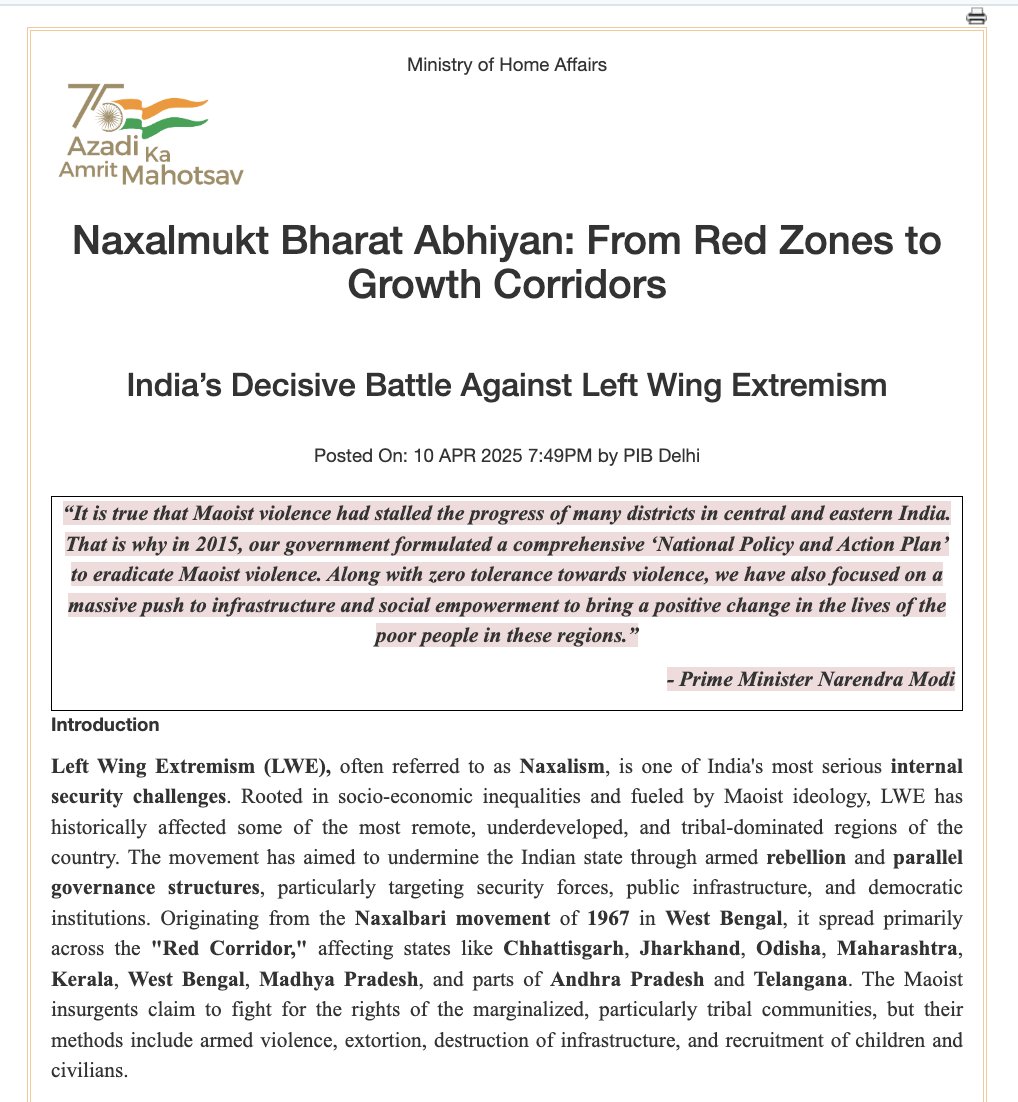
PIB (2025): Naxalmukt Bharat Abhiyan: From Red Zones to Growth Corridors pib.gov.in/PressReleasePa…

PIB (2024) National Policy To Combat Left Wing Extremism pib.gov.in/PressReleasePa…Image
Image
2/10

First, the scale. Left-Wing Extremism (LWE) wasn’t merely an ideology; it was parallel control:

extortion,
“taxation,”
intimidation of tribals,
capture of forests and worksites,
disruption of schools,
roads, and elections.

The most revealing metric isn’t speeches; it’s the shrinking map.

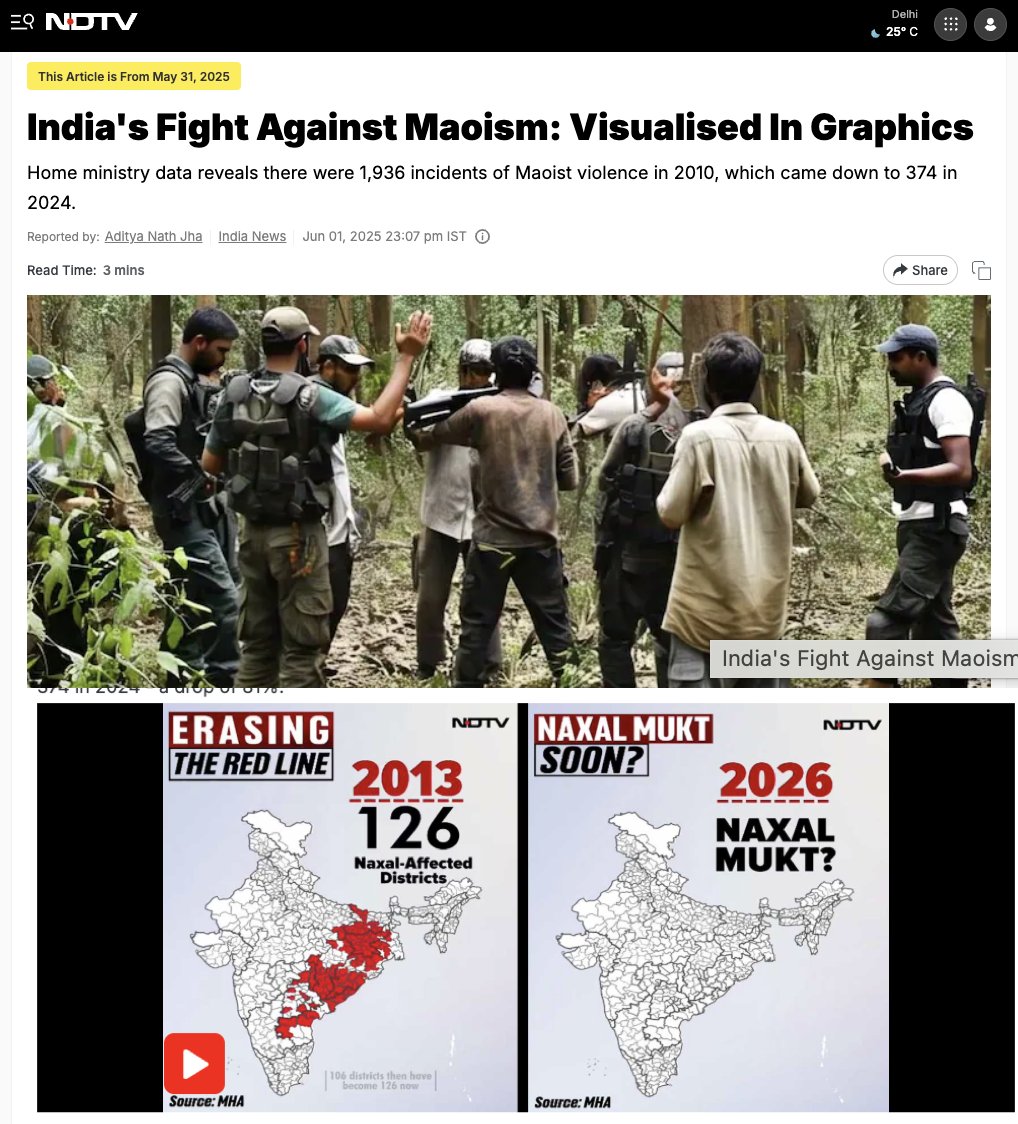
In an official Parliament reply, the Government reported that LWE-affected districts fell from

126 → 90 (2018) → 70 (2021) → 38 (Apr 2024) → 18 (Apr 2025) → 11 (Oct 2025),

with only 3 categorised as “most affected.”

And the violence curve is even sharper:
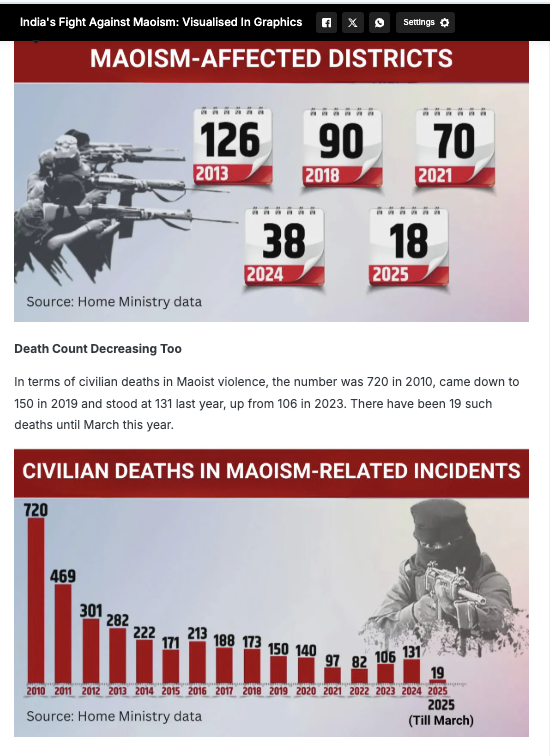
from the 2010 peak to 374 incidents in 2024 (Govt summary) and deaths down to 150 in 2024.

Ask yourself: movements don’t lose territory like that unless something breaks - money, mobility, recruitment, or legitimacy.

So what exactly was targeted?

Not just cadres. The ecosystem.

Further reading: India's Fight Against Maoism (2025; NDTV) ndtv.com/india-news/ind…Image
3/10

The Modi-era approach can be summarised in one idea: stop treating LWE as a “single department problem.”

In 2015, the Centre approved a National Policy and Action Plan to address LWE; explicitly “multi-pronged”:

security measures + development + ensuring rights/entitlements + governance.

And operationally, in 2017, the Home Ministry articulated SAMADHAN:

Smart leadership,
Aggressive strategy,
Motivation/training,
Actionable intelligence,
Dashboard/KRAs,
Harness technology,
Action plan per theatre,
No access to financing.

Read that again. It’s not a slogan.
It’s a management model:

👉 intelligence-led ops (not random sweeps)

👉 measurable district targets (dashboard governance)

👉 tech + mobility (drones/comms/roads)

👉 finance choke (extortion networks disrupted)

Now the uncomfortable question: Why didn’t this happen earlier with the same intensity and coordination?

Because coordination, accountability, and last-mile delivery are everything in insurgency.

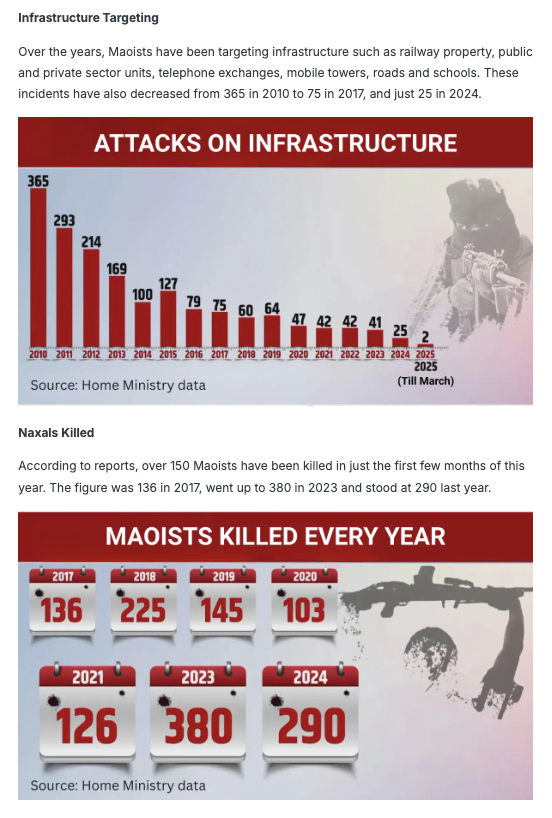
The graphics/results below are testimony to the success of this strategy!

Further reading: India's Fight Against Maoism (2025; NDTV) ndtv.com/india-news/ind…Image
Image
Read 11 tweets
Feb 20
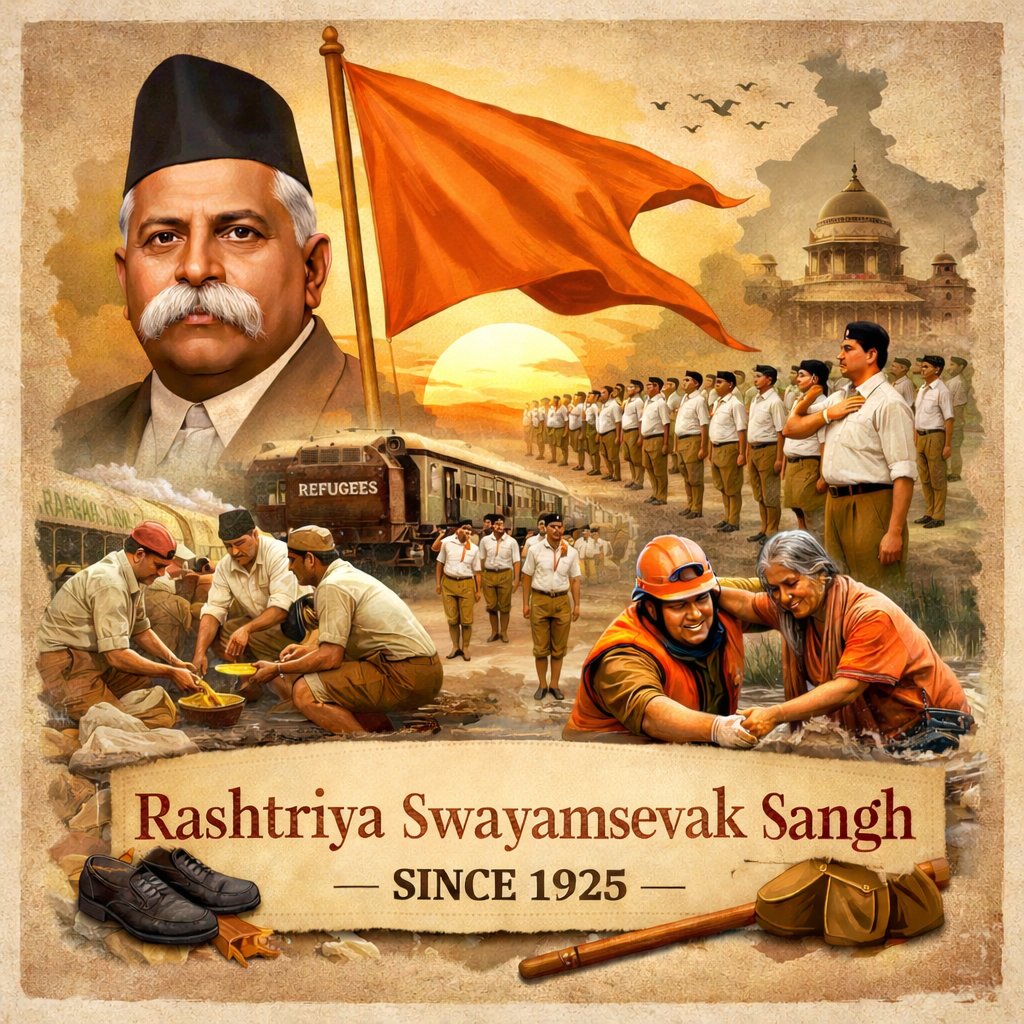
Thread 🧵 | RSS: इतिहास, सेवा और संगठन

1/15 👇🛕🕉️🪷

क्या कोई संगठन बिना सत्ता, बिना सरकारी अनुदान और बिना चुनावी राजनीति के - लगभग 100 वर्ष तक टिक सकता है?

Rashtriya Swayamsevak Sangh (RSS), जिसकी स्थापना 1925 में नागपुर में हुई, स्वयं को एक सांस्कृतिक-सामाजिक संगठन के रूप में परिभाषित करता है।

लगभग एक सदी के दौरान इसने शाखा-आधारित अनुशासन, स्वयंसेवा और संगठन के माध्यम से अपना विस्तार किया।

यह थ्रेड 🧵भावनात्मक विमर्श नहीं, बल्कि ऐतिहासिक तथ्यों, सार्वजनिक अभिलेखों और प्रलेखित घटनाओं पर आधारित एक व्यापक परिचय है।Image
2/15

RSS ke संस्थापक: Dr K. B. Hedgewar।

Dr. Hedgewar एक भारतीय चिकित्सक और राष्ट्रवादी चिंतक थे, जिन्होंने 1925 में राष्ट्रीय स्वयंसेवक संघ की स्थापना समाज में अनुशासन, संगठन और सांस्कृतिक आत्मबोध के निर्माण के उद्देश्य से की।

1920 के दशक का भारत: औपनिवेशिक शासन, सांप्रदायिक तनाव, और सामाजिक विखंडन।

हेडगेवार का विचार था कि “संगठित समाज” ही दीर्घकालीन राष्ट्रीय शक्ति का आधार बनेगा।

RSS ने शाखा मॉडल अपनाया: दैनिक मिलन, शारीरिक प्रशिक्षण, बौद्धिक चर्चा और अनुशासन।

यह मॉडल राजनीतिक रैलियों से भिन्न था; इसका उद्देश्य दीर्घकालिक चरित्र निर्माण बताया गया।

Further info: Khabargaon [100 Years of RSS: Origin, History & Ambition] Youtube - youtube.com/watch?v=N1pCFp…Image
3/15

1947 का विभाजन - इतिहास का सबसे बड़ा मानवीय विस्थापन।

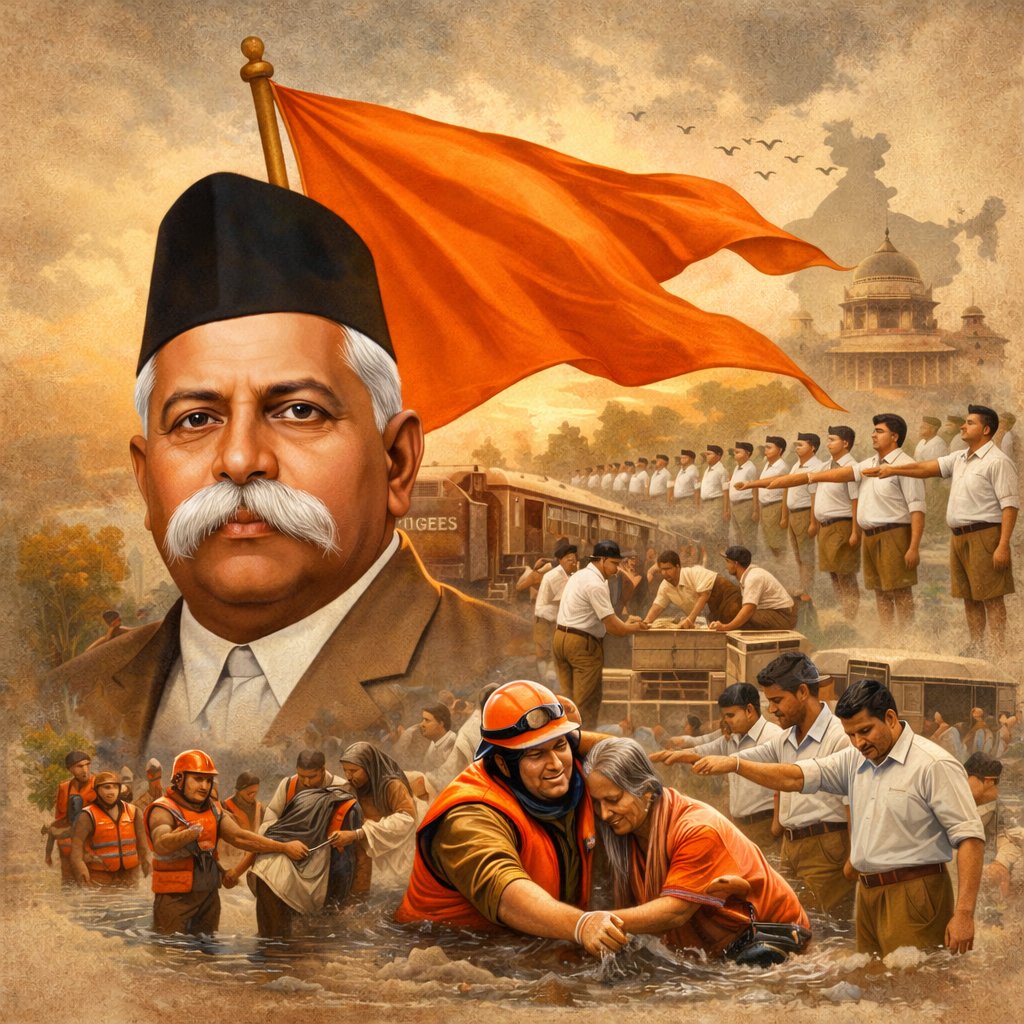
विभिन्न ऐतिहासिक स्रोतों में उल्लेख मिलता है कि स्वयंसेवकों ने शरणार्थी शिविरों में भोजन, सुरक्षा और पुनर्वास सहायता में भाग लिया।

दिल्ली, पंजाब और राजस्थान के शिविरों में स्थानीय स्तर पर सहयोग की घटनाएँ दर्ज हैं।

यह वह काल था जब संगठित स्वयंसेवा की आवश्यकता तीव्र थी।

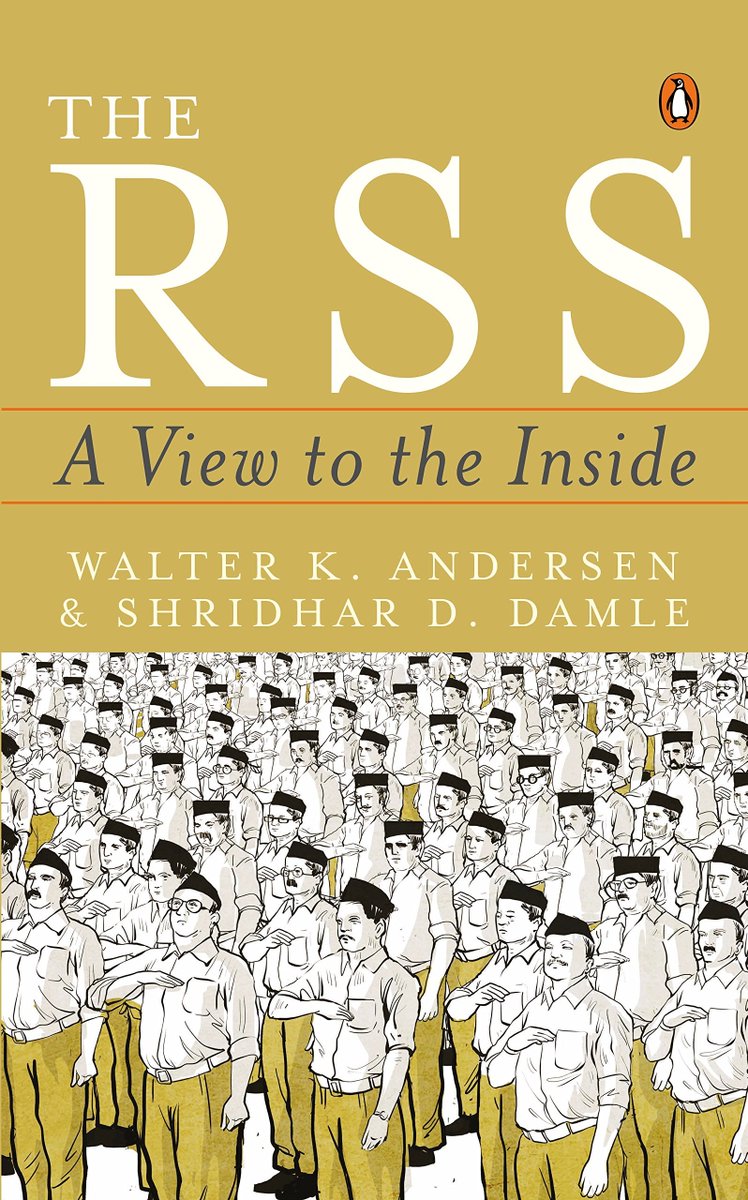
Reference: RSS: A View to the Inside (Walter K. Andersen & Shridhar D. Damle) [Penguin/Princeton]Image
Read 16 tweets
Sep 6, 2025
What if the tiny blood vessels in our brain, the ones we rarely think about, hold the key to understanding dementia? 🧠❓

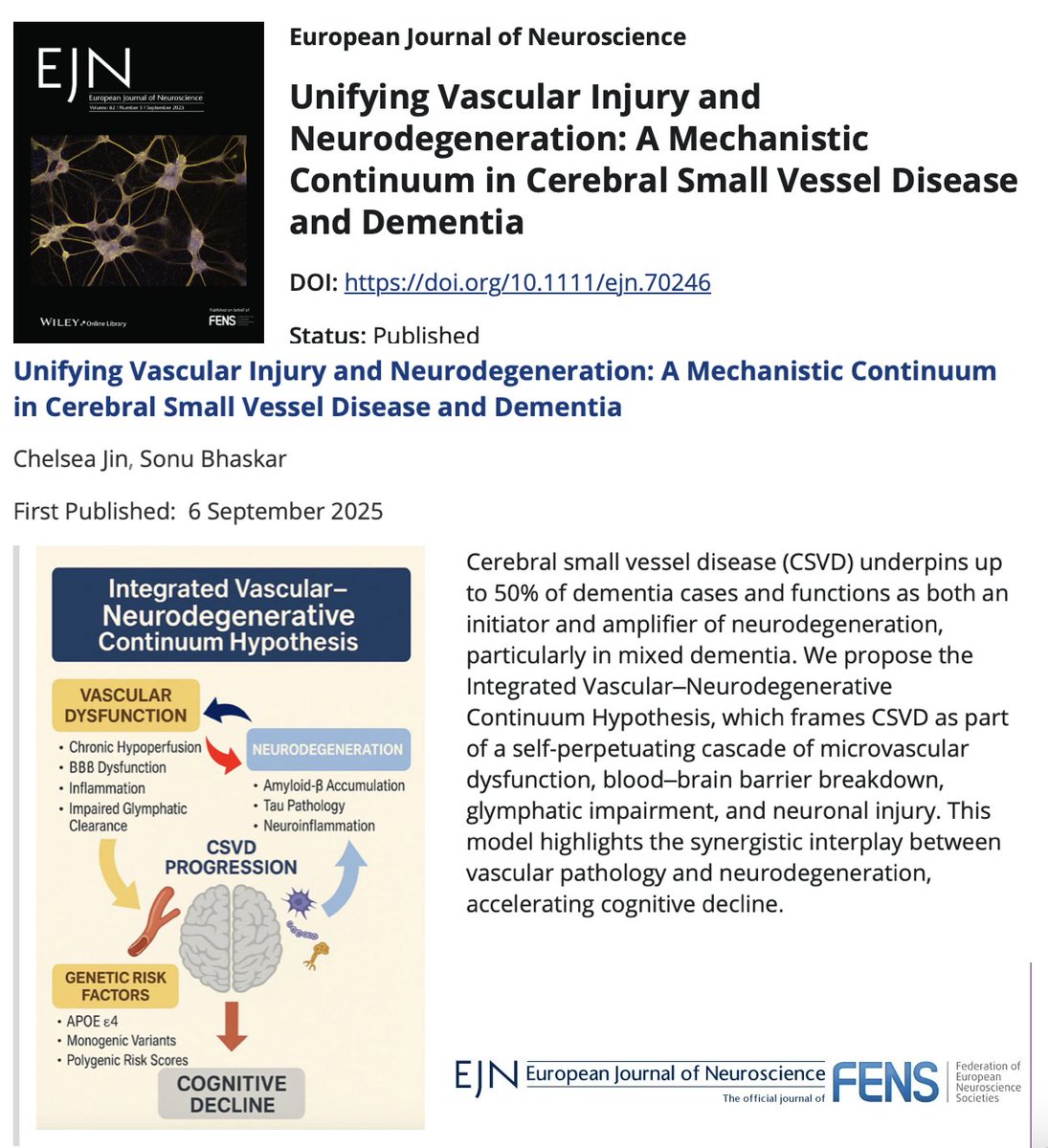
Excited to share our latest publication in the European Journal of Neuroscience from the NEUROGEN-SVD study.

A big shout-out to the rising star of my team, Chelsea Jin!

A THREAD 🧵

1/5Image
For decades, scientists treated vascular brain disease & Alzheimer’s as separate.

👉 Our study proposes a new model: small vessel disease (SVD) isn’t just a bystander - It actively drives & accelerates neurodegeneration.

2/5
So, what’s new?

-> SVD disrupts blood flow & the blood–brain barrier.

-> This leads to inflammation + waste build-up in the brain.

-> Genetics (like APOE ε4) amplify the damage.

-> Advanced imaging now lets us “see” these hidden changes earlier.

3/5
Read 5 tweets
Aug 28, 2025
1/5

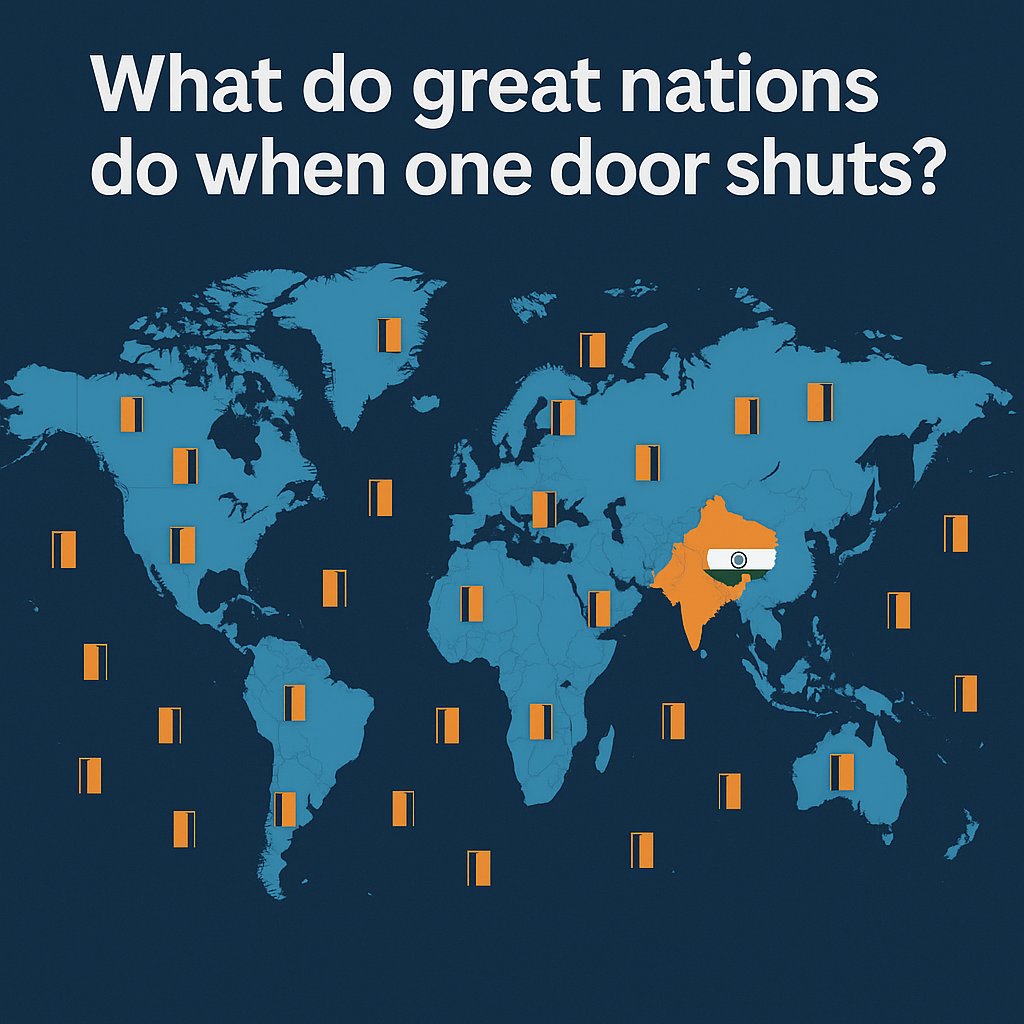
What do great nations do when one door is slammed shut?

Amid the India–US tariff war, India is not sulking: it is strategising.

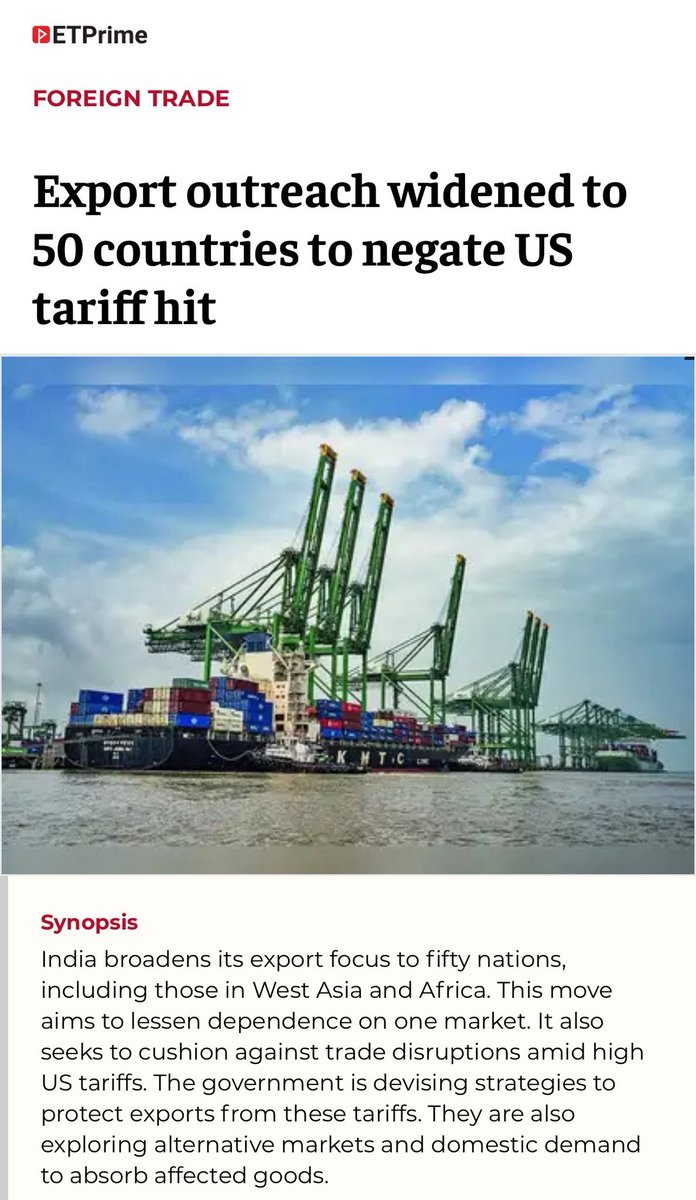
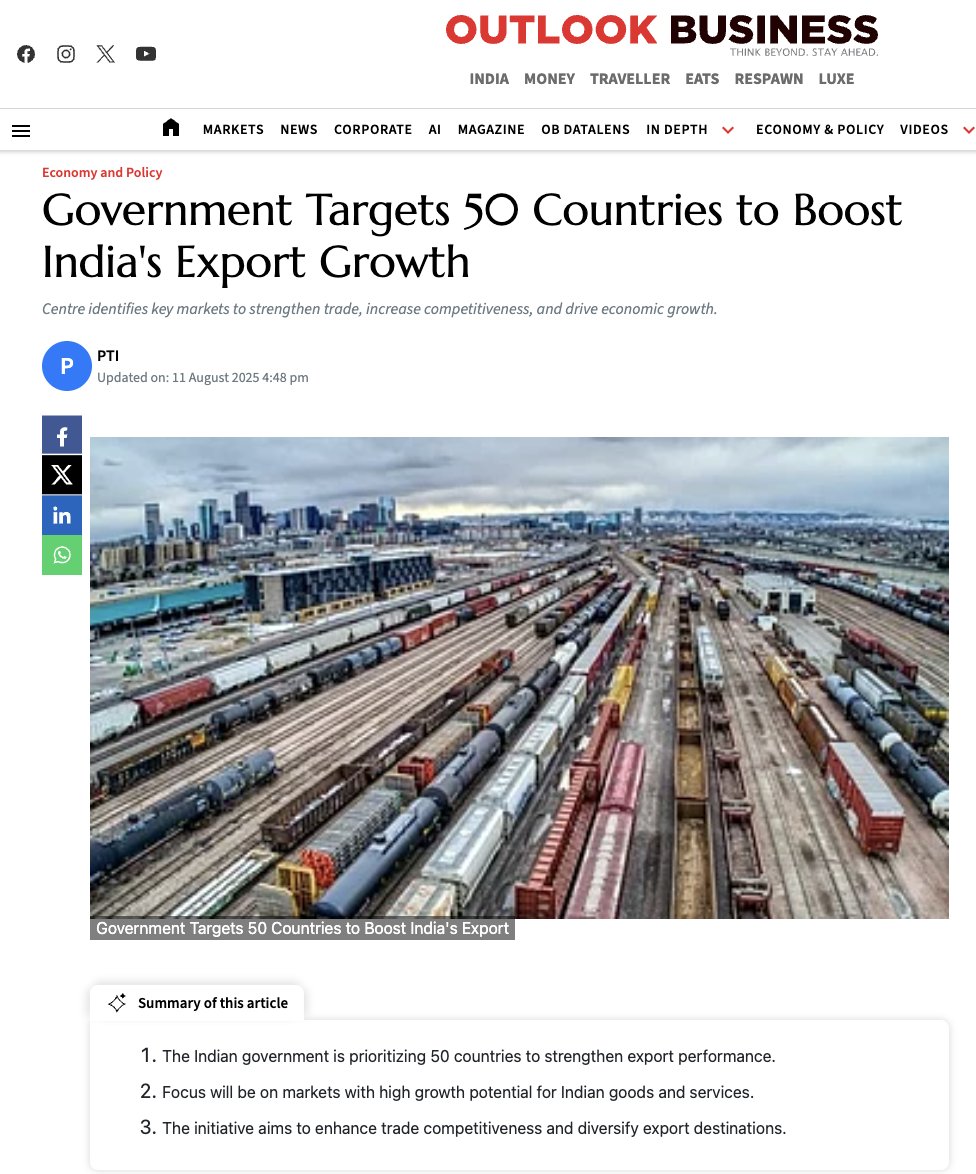
The Economic Times (via Reuters) reports that India has drawn up a new export strategy covering nearly 50 countries.

Yes, 50 nations! 🌏🇮🇳

A thread 🧵Image
2/5

This isn’t just a reaction; it’s realignment.

Outreach is widening to China, the Middle East, and Africa.

Free trade agreements with Iceland, Liechtenstein, Norway, and Switzerland take effect on October 1.

The UK deal comes into force next April. Talks with Oman, Chile, Peru, Australia, New Zealand, and the EU are already finalised.Image
3/5

Sector by sector, the shift is clear.

Seafood exports are pivoting to Russia, the UK, the EU, Norway, Switzerland, and South Korea.

For diamonds and jewelry, India is turning to Vietnam, Thailand, Malaysia, and Africa.

The message?

India is finding tailored markets for each industry, hedging risk, and multiplying opportunity.

economictimes.indiatimes.com/news/economy/f…

outlookbusiness.com/economy-and-po…Image
Read 6 tweets
Aug 25, 2025
1/10🧵

What happens when faith cloaks politics?

It’s time to challenge the myth of “tolerant Sufism” with a critical examination, and yes, with receipts.

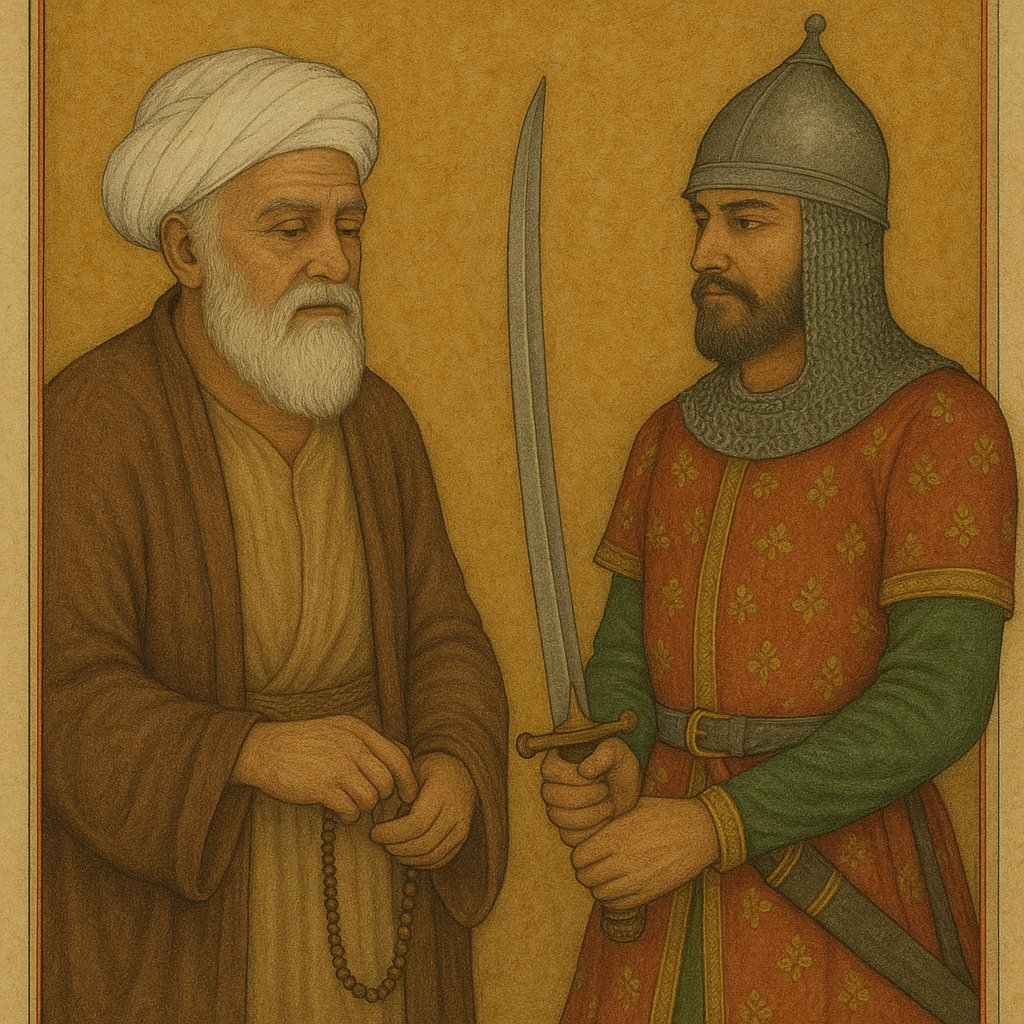
Sufism, often romanticised as “poetry, peace, and love" or “mystical Islam,” was not always just poetry & whirling dervishes.

Behind the music and mysticism, history shows Sufi orders often acted as Trojan horses - embedding Islam into non-Muslim societies through culture, settlement, and shrines.

It wasn’t just about devotion; it was about expansion.

As J.S. Trimingham (The Sufi Orders in Islam, 1971) explains, Sufi brotherhoods were not just mystical circles but mass organisations with military, political, and economic clout, crucial in the Islamisation of Africa, Anatolia, and Asia.

They offered a “velvet glove” for the iron fist of conquest.

A thread you don't want to miss! 🧵Image
2/10 🧵

Take Bengal. Richard M. Eaton’s The Rise of Islam and the Bengal Frontier, 1204–1760 (1993) is the landmark study here.

He shows how Sufi pirs spearheaded Islamisation by clearing forests, cultivating land, and founding shrines.

Conversion wasn’t sudden or forced - it was a slow transformation tied to settlement.

People entered the economic orbit of the Sufi lodge (khanqah), and gradually, Islam became embedded.

Eaton concludes: Sufis were the “frontier agents” of Islamisation, expanding Muslim presence without armies, but with ploughs and mosques.Image
3/10 🧵

In North India, the Chishti order is celebrated for “tolerance”.

But K.A. Nizami’s studies (The Life and Times of Shaikh Farid-ud-din Ganj-i-Shakar, 1955; Essays on the Chishti Order, 1972) document how Sufis like Moinuddin Chishti and Nizamuddin Auliya worked closely with Delhi Sultans.

Their shrines, like Ajmer Sharif, became political sanctuaries, legitimising rulers and extending Sultanate influence into society.

The saint provided “moral capital,” the ruler gave patronage.

This symbiosis blurred spiritual charisma with political authority, embedding Islamic rule into local culture.Image
Read 11 tweets

Did Thread Reader help you today?

Support us! We are indie developers!


This site is made by just two indie developers on a laptop doing marketing, support and development! Read more about the story.

Become a Premium Member ($3/month or $30/year) and get exclusive features!

Become Premium

Don't want to be a Premium member but still want to support us?

Make a small donation by buying us coffee ($5) or help with server cost ($10)

Donate via Paypal

Or Donate anonymously using crypto!

Ethereum

0xfe58350B80634f60Fa6Dc149a72b4DFbc17D341E copy

Bitcoin

3ATGMxNzCUFzxpMCHL5sWSt4DVtS8UqXpi copy

Thank you for your support!

Follow Us!

:(