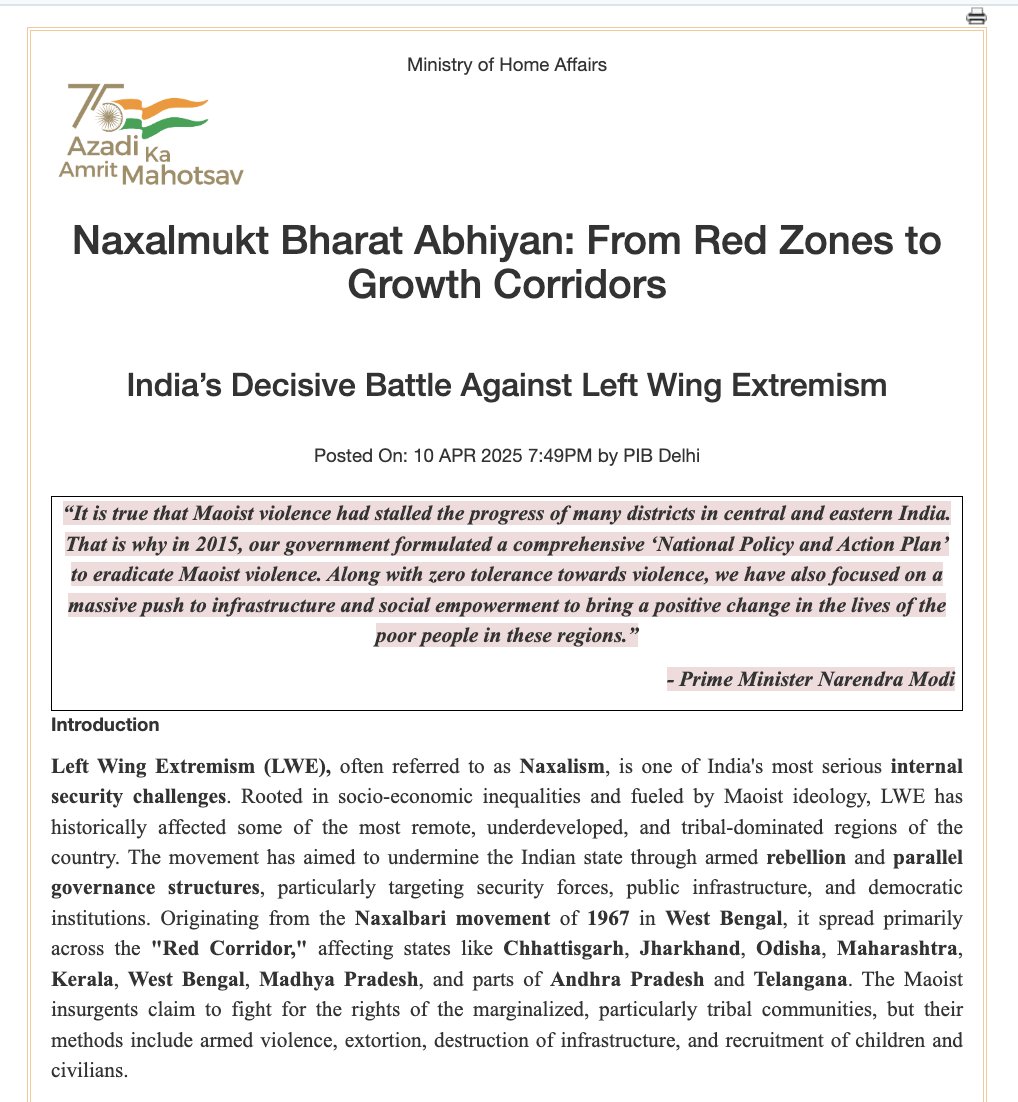
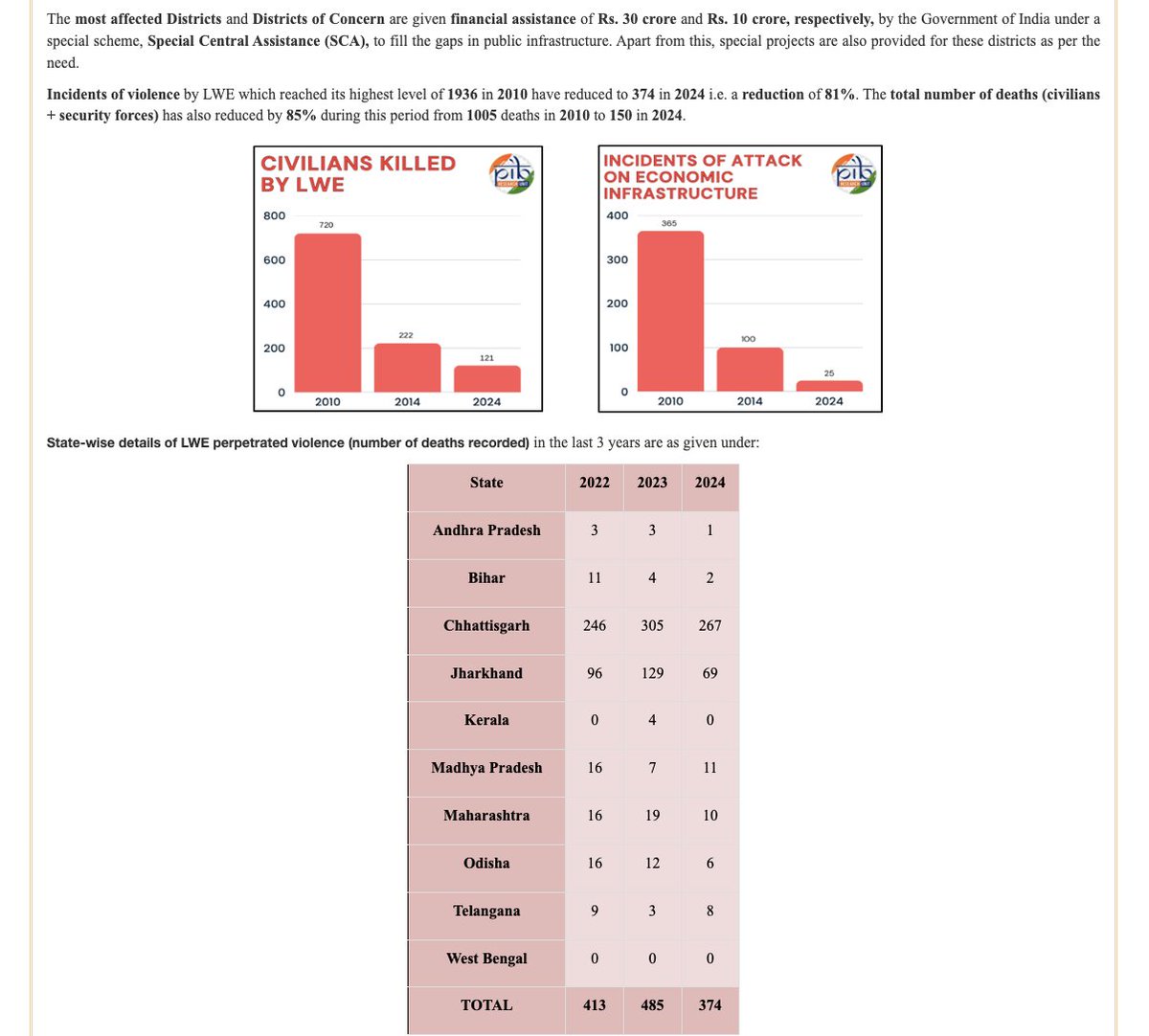
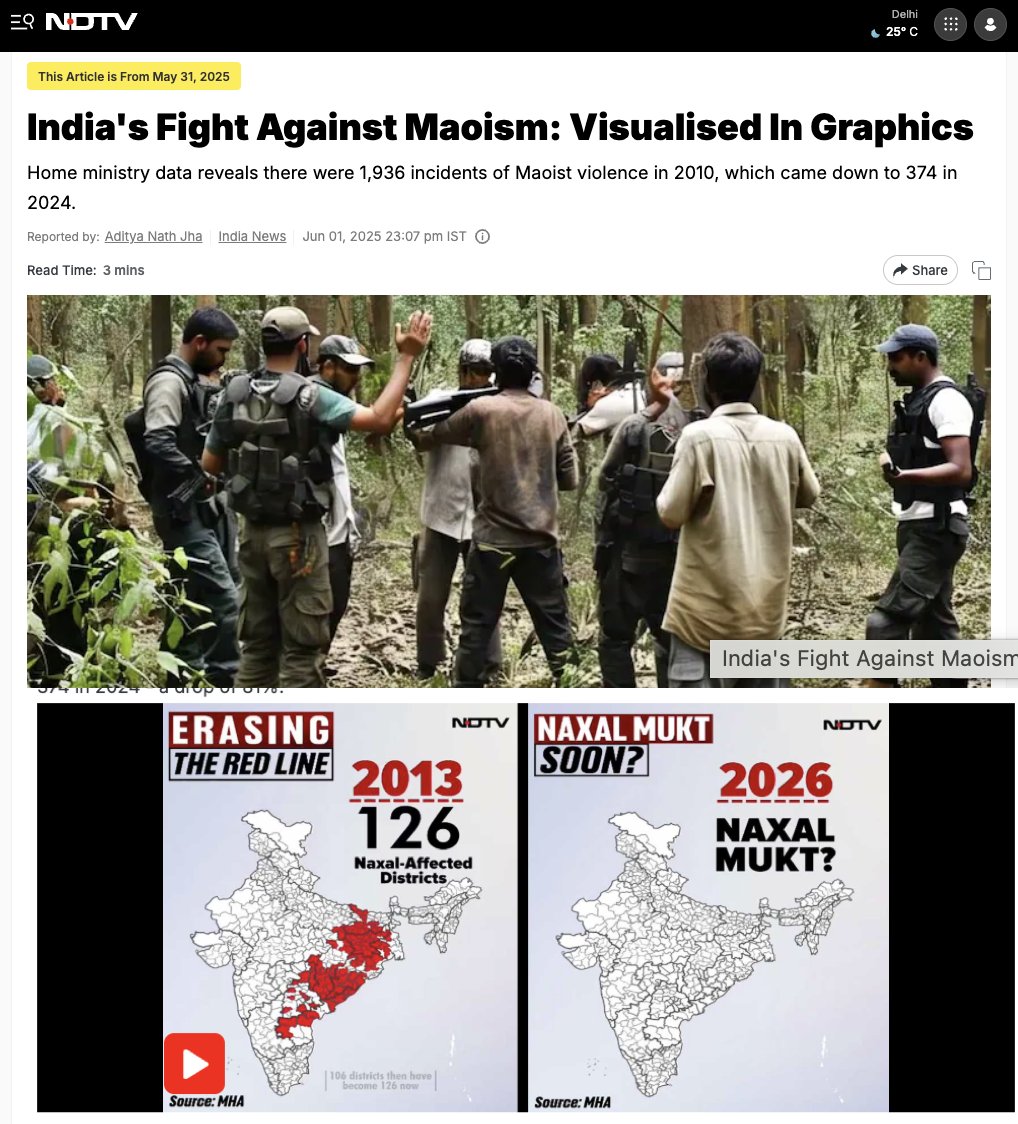
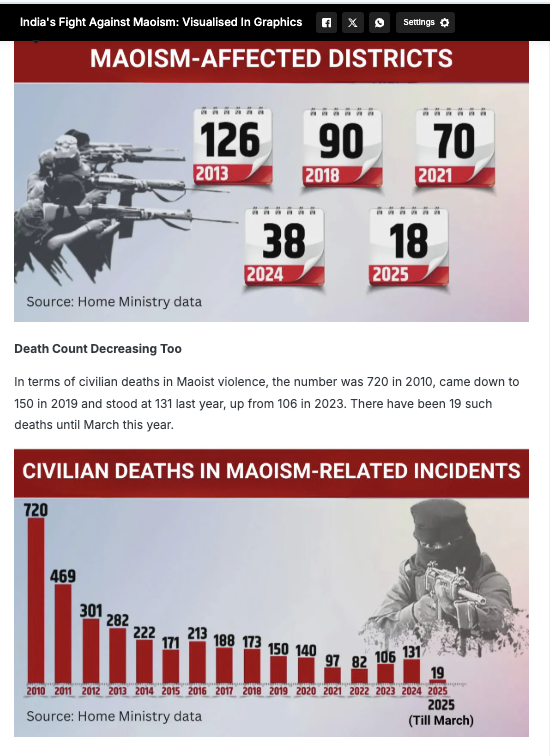
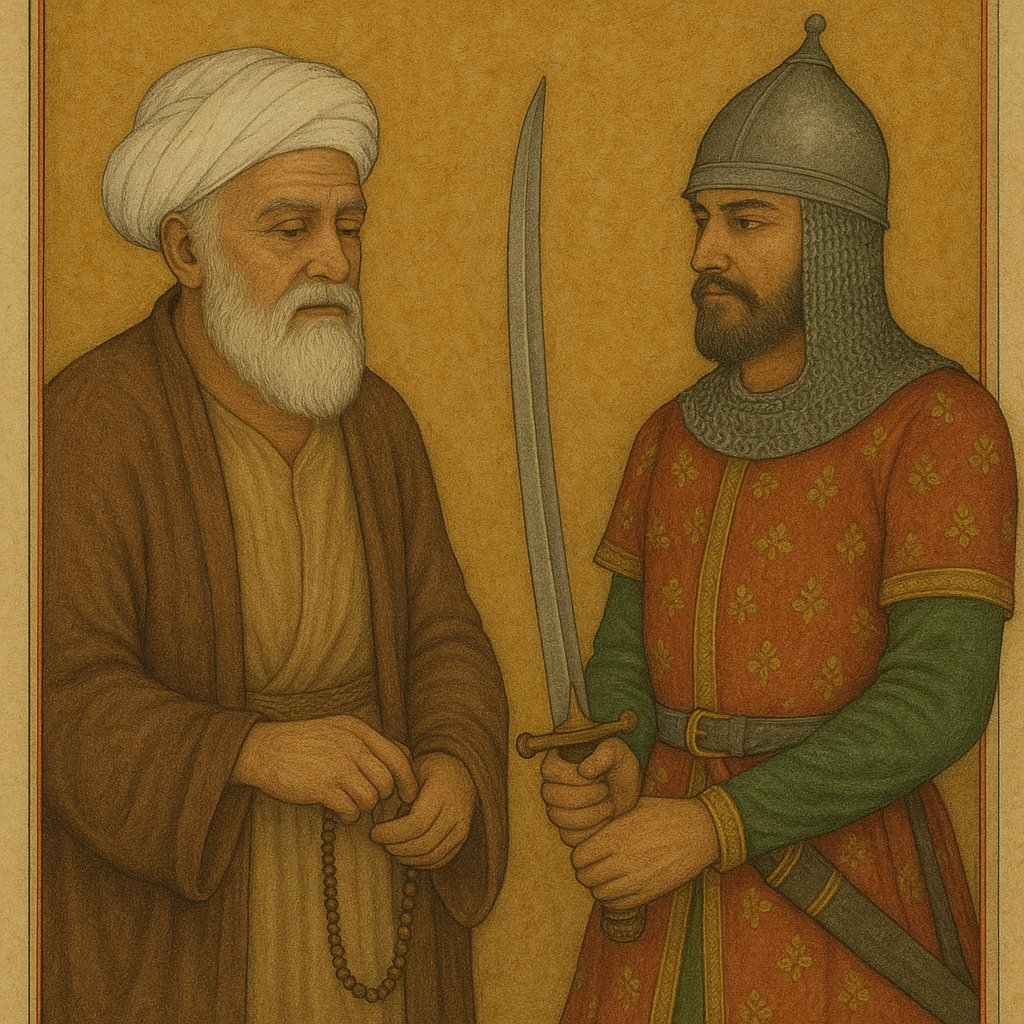
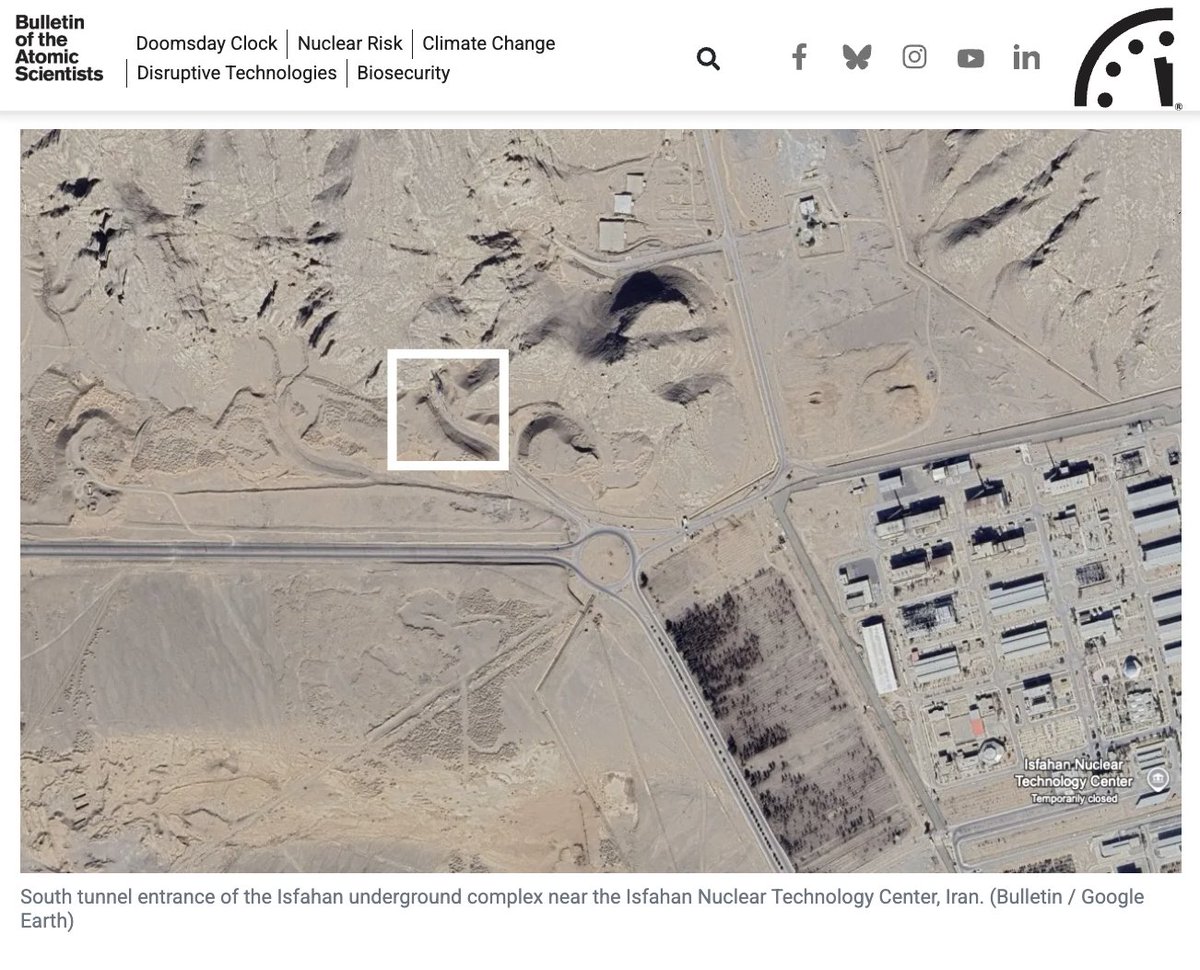
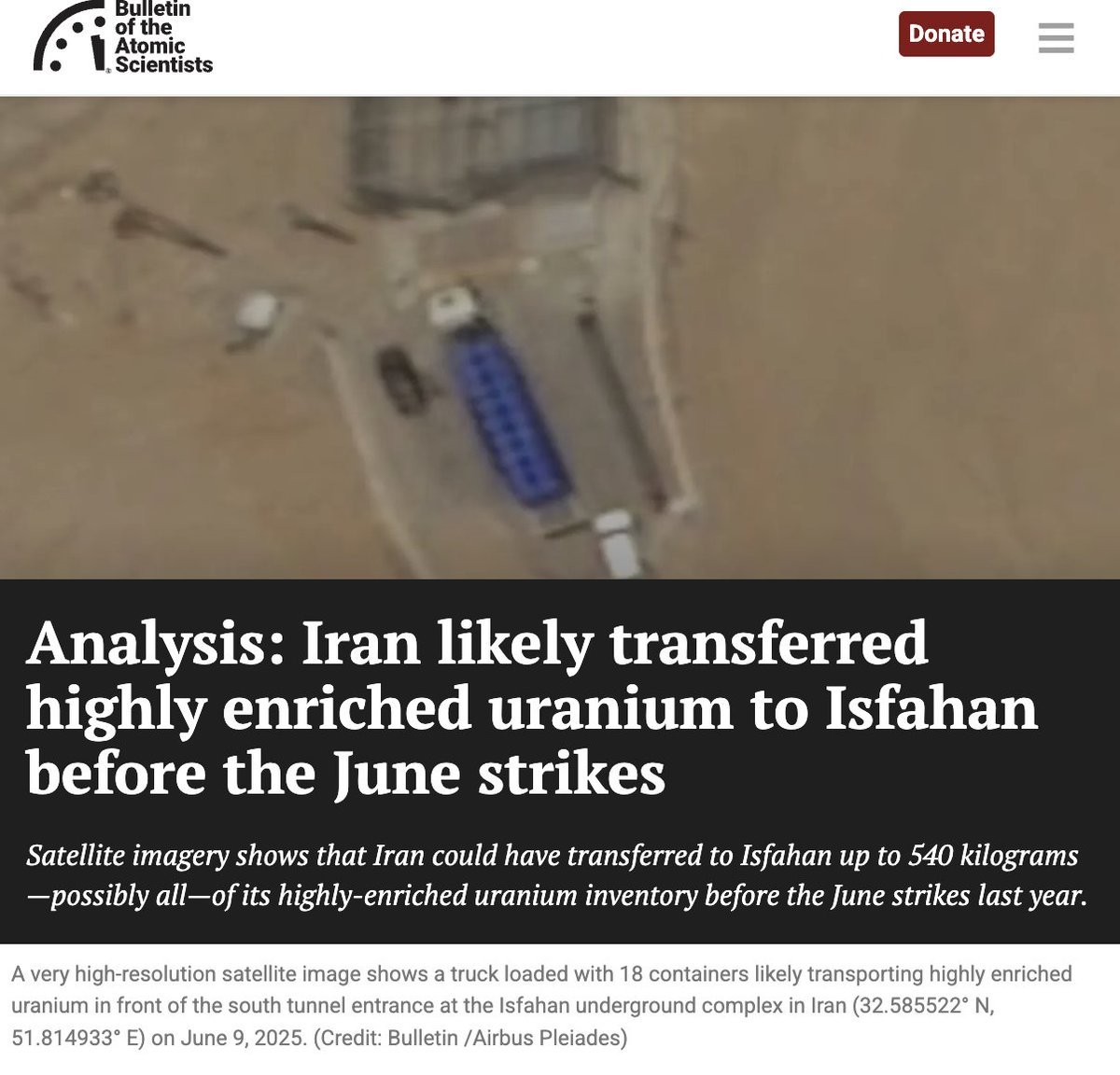
🚨 BREAKING: New satellite analysis suggests Iran may have moved a large portion, possibly all, of its highly enriched uranium (HEU) to a fortified underground site in Isfahan just before strikes in 2025.
This is revealed in an analysis published in Bulletin of the Atomic Scientists @BulletinAtomic authored by François Diaz-Maurin on March 29, 2026.
[Link at the end of the thread]
If confirmed, this changes the strategic picture entirely.
Image: High-resolution satellite image of a truck with containers at Isfahan tunnel entrance.
1/10 🧵
This is revealed in an analysis published in Bulletin of the Atomic Scientists @BulletinAtomic authored by François Diaz-Maurin on March 29, 2026.
[Link at the end of the thread]
If confirmed, this changes the strategic picture entirely.
Image: High-resolution satellite image of a truck with containers at Isfahan tunnel entrance.
1/10 🧵

2/10
The imagery shows a heavy transport truck carrying 18 shielded containers, consistent with nuclear material transport systems.
Experts assess the cargo could include hundreds of kilograms of enriched uranium - enough to alter nuclear timelines.
Image: Annotated satellite image highlighting containers and tunnel entrance.
The imagery shows a heavy transport truck carrying 18 shielded containers, consistent with nuclear material transport systems.
Experts assess the cargo could include hundreds of kilograms of enriched uranium - enough to alter nuclear timelines.
Image: Annotated satellite image highlighting containers and tunnel entrance.
3/10
Why this matters:
Uranium enriched to ~60% is already near weapons-grade.
From there, it can be pushed to ~90% - usable for a nuclear weapon - in days to weeks, not years.
This is the difference between program and capability.
Why this matters:
Uranium enriched to ~60% is already near weapons-grade.
From there, it can be pushed to ~90% - usable for a nuclear weapon - in days to weeks, not years.
This is the difference between program and capability.

4/10
The International Atomic Energy Agency has already warned it has lost “continuity of knowledge” over Iran’s stockpile.
➡️ Inspectors don’t fully know where the material is
➡️ Access to key sites remains restricted
That is a red flag in nuclear governance.
Below is a photo of Natanz facility
[source: ]trtworld.com/article/f4680a…
The International Atomic Energy Agency has already warned it has lost “continuity of knowledge” over Iran’s stockpile.
➡️ Inspectors don’t fully know where the material is
➡️ Access to key sites remains restricted
That is a red flag in nuclear governance.
Below is a photo of Natanz facility
[source: ]trtworld.com/article/f4680a…

5/10
Iran has simultaneously:
-> Expanded underground facilities
-> Limited inspections
-> Increased enrichment levels
This is textbook nuclear latency strategy - remaining just below weaponization while retaining rapid breakout potential.
Natanz, Fordow, and Isfahan - these three sites form the core operational triangle of Iran’s nuclear infrastructure and have been central to recent strikes and geopolitical tensions.
Natanz → Iran's primary uranium enrichment hub (central Iran)
Fordow → Deep underground facility near Qom, heavily fortified inside a mountain
Isfahan → Conversion + storage + advanced processing centre, including uranium handling and potential stockpiles
Image: Map of Iran’s nuclear sites (Natanz, Fordow, Isfahan).
Iran has simultaneously:
-> Expanded underground facilities
-> Limited inspections
-> Increased enrichment levels
This is textbook nuclear latency strategy - remaining just below weaponization while retaining rapid breakout potential.
Natanz, Fordow, and Isfahan - these three sites form the core operational triangle of Iran’s nuclear infrastructure and have been central to recent strikes and geopolitical tensions.
Natanz → Iran's primary uranium enrichment hub (central Iran)
Fordow → Deep underground facility near Qom, heavily fortified inside a mountain
Isfahan → Conversion + storage + advanced processing centre, including uranium handling and potential stockpiles
Image: Map of Iran’s nuclear sites (Natanz, Fordow, Isfahan).

6/10
A key technical reality:
A modest cascade of advanced centrifuges could convert existing HEU into weapons-grade uranium in ~10 days.
That compresses decision-making timelines to near zero.
Image: Representative diagram of centrifuge cascade.
A key technical reality:
A modest cascade of advanced centrifuges could convert existing HEU into weapons-grade uranium in ~10 days.
That compresses decision-making timelines to near zero.
Image: Representative diagram of centrifuge cascade.

7/10
This is the core of Israel’s concern:
When material is hidden, hardened underground, and rapidly enrichable —
➡️ Detection is delayed
➡️ Response windows shrink
➡️ Deterrence weakens
In nuclear strategy, uncertainty itself is the threat.
Image: Nuclear site in the Isfahan Area
Source: foxnews.com/politics/israe…
This is the core of Israel’s concern:
When material is hidden, hardened underground, and rapidly enrichable —
➡️ Detection is delayed
➡️ Response windows shrink
➡️ Deterrence weakens
In nuclear strategy, uncertainty itself is the threat.
Image: Nuclear site in the Isfahan Area
Source: foxnews.com/politics/israe…

8/10
History matters here. Let's dig little into history!
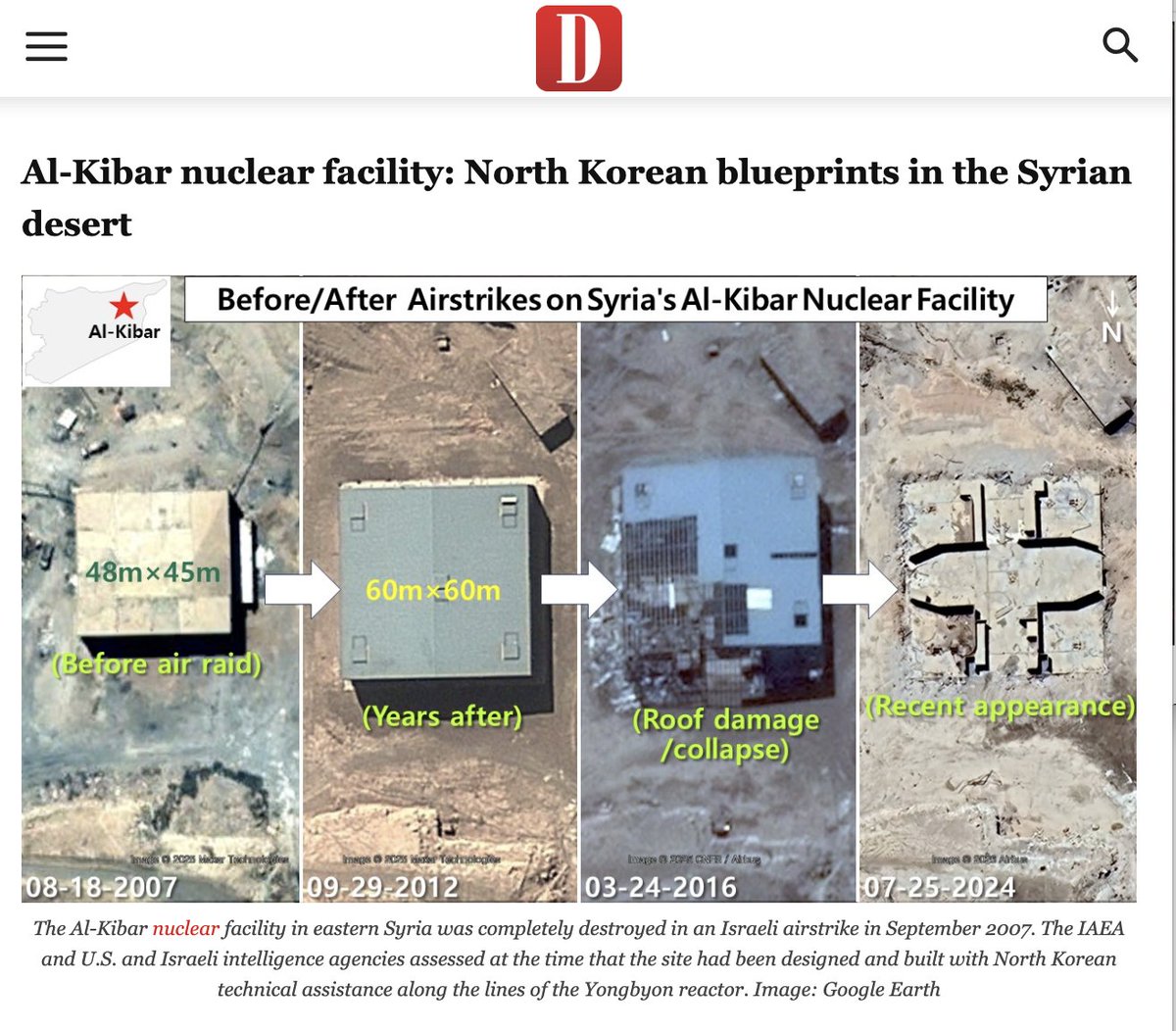
In Operation Opera, Israel struck Iraq’s Osirak reactor before it became operational.
In Operation Orchard, it destroyed a covert Syrian nuclear site.
Both were preemptive. Both were controversial. Both prevented escalation.
Image: Al-Kibar nuclear facility before/after Operation Orchard.
Source: dailynk.com/english/satell…
History matters here. Let's dig little into history!
In Operation Opera, Israel struck Iraq’s Osirak reactor before it became operational.
In Operation Orchard, it destroyed a covert Syrian nuclear site.
Both were preemptive. Both were controversial. Both prevented escalation.
Image: Al-Kibar nuclear facility before/after Operation Orchard.
Source: dailynk.com/english/satell…
9/10
The doctrine is consistent:
If a hostile actor approaches nuclear threshold status
AND verification collapses
➡️ Preemption becomes a strategic option, not an impulse
This is about probability × consequence, not ideology.
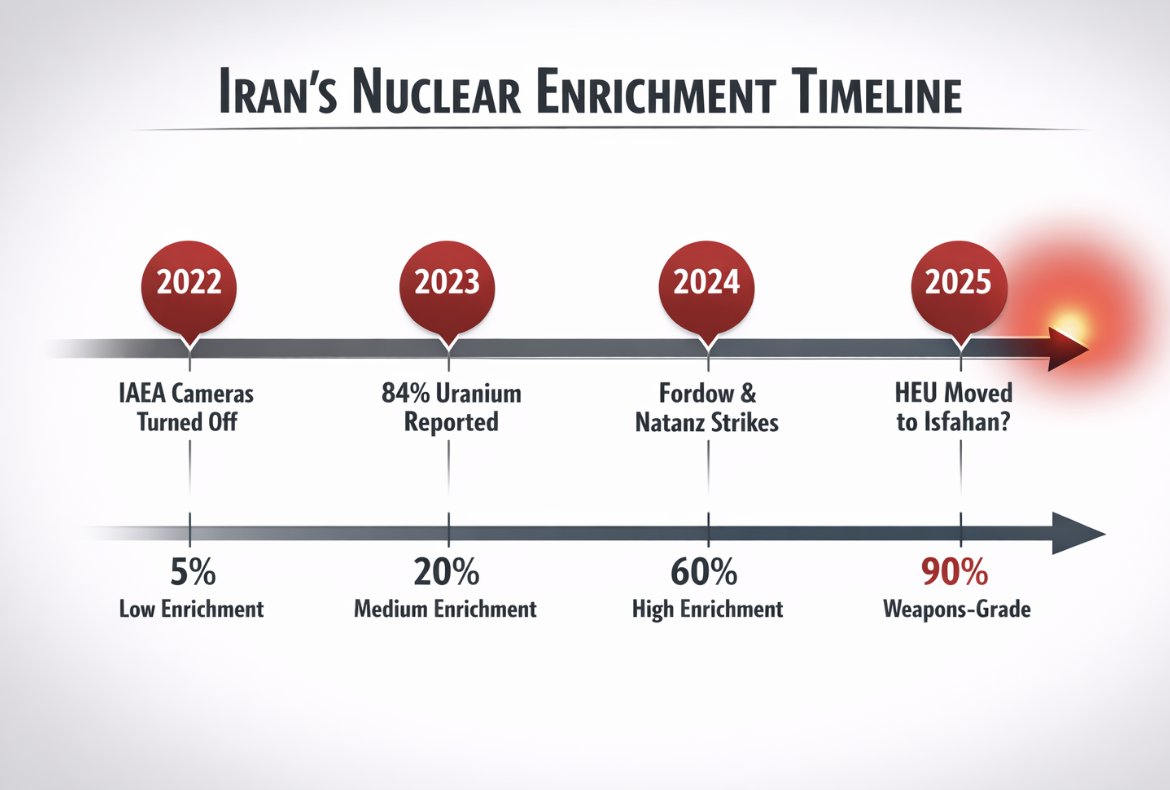
Image: Representative image of Iran's nuclear enrichment timeline.
The doctrine is consistent:
If a hostile actor approaches nuclear threshold status
AND verification collapses
➡️ Preemption becomes a strategic option, not an impulse
This is about probability × consequence, not ideology.
Image: Representative image of Iran's nuclear enrichment timeline.
10/10
Bottom line:
This new evidence reinforces a hard reality:
Iran may now possess dispersed, concealed, near-weapons-grade material with reduced oversight.
From Israel’s perspective, this is not abstract.
It is immediate, technical, and existential.
And that is why this issue is escalating now.
More on this story: Bulletin of Atomic Scientists by François Diaz-Maurin [March 29, 2026].
thebulletin.org/2026/03/analys…
Bottom line:
This new evidence reinforces a hard reality:
Iran may now possess dispersed, concealed, near-weapons-grade material with reduced oversight.
From Israel’s perspective, this is not abstract.
It is immediate, technical, and existential.
And that is why this issue is escalating now.
More on this story: Bulletin of Atomic Scientists by François Diaz-Maurin [March 29, 2026].
thebulletin.org/2026/03/analys…
@threadreaderapp Unroll, thank you!
• • •
Missing some Tweet in this thread? You can try to
force a refresh