
Unlocking the Future of AI in Crypto
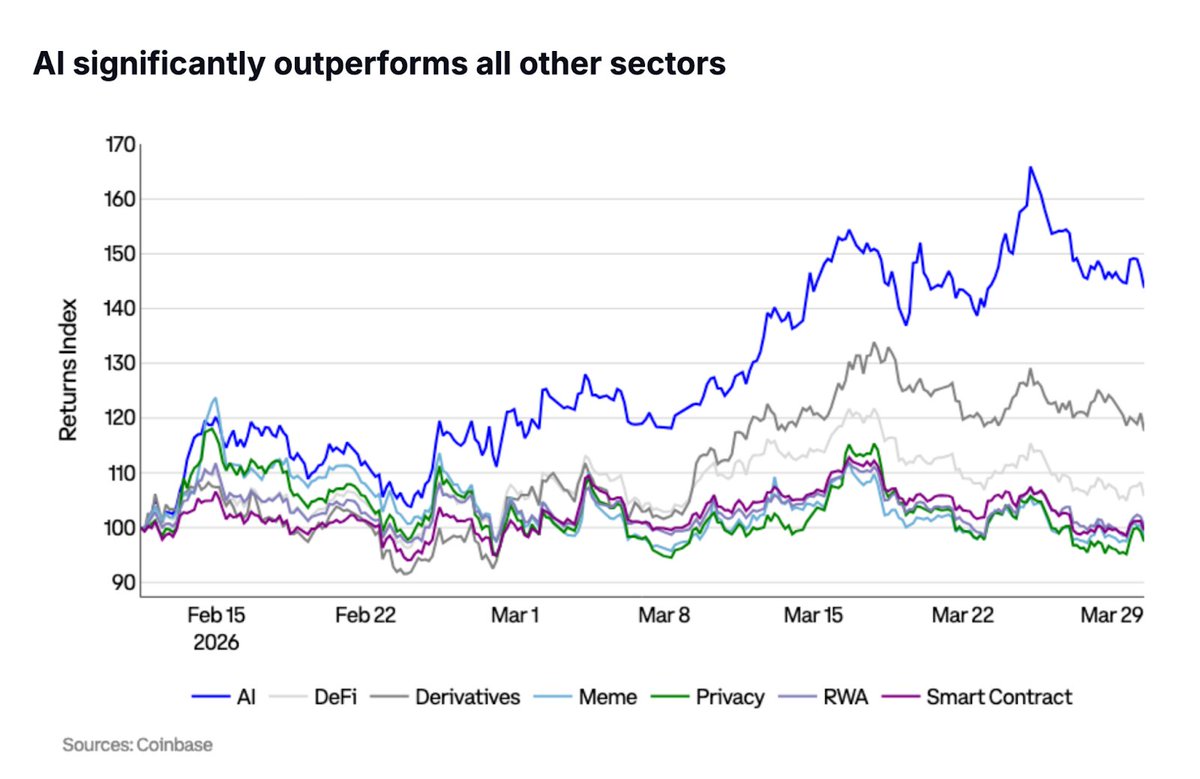
The intersection of AI and blockchain is happening. We see a transformative opportunity in the infrastructure that enables autonomous software to transact at scale.
Here’s how we break it down:
‣ Foundational Rails: stablecoins, settlement layers, and wallet infrastructure form the ecosystem's backbone, ready to monetize recurring machine activity. Early usage data shows promising traction, particularly on @Base and with x402.
‣ Coordination Layer: focuses on agent interaction and collaboration, capturing value through decentralized intelligence and coordinated efforts.
‣ Integrity Layer: ensures trust and verification, this layer captures value through tokenized inference, but it comes with higher execution and ecosystem risks.
In our view, the foundational rails hold the most defensible value for investable opportunities because they monetize recurring machine activity.
As we move forward, how do you see the role of crypto evolving in supporting AI-driven transactions?
The intersection of AI and blockchain is happening. We see a transformative opportunity in the infrastructure that enables autonomous software to transact at scale.
Here’s how we break it down:
‣ Foundational Rails: stablecoins, settlement layers, and wallet infrastructure form the ecosystem's backbone, ready to monetize recurring machine activity. Early usage data shows promising traction, particularly on @Base and with x402.
‣ Coordination Layer: focuses on agent interaction and collaboration, capturing value through decentralized intelligence and coordinated efforts.
‣ Integrity Layer: ensures trust and verification, this layer captures value through tokenized inference, but it comes with higher execution and ecosystem risks.
In our view, the foundational rails hold the most defensible value for investable opportunities because they monetize recurring machine activity.
As we move forward, how do you see the role of crypto evolving in supporting AI-driven transactions?
If you haven’t already, get early access to this report and many others by subscribing to Coinbase One↓
coinbase.com/one?utm_source…
Coinbase Research team publishes on a weekly, monthly, and quarterly basis. Visit our Research and Insights page for more reports: coinbase.com/institutional/…
coinbase.com/one?utm_source…
Coinbase Research team publishes on a weekly, monthly, and quarterly basis. Visit our Research and Insights page for more reports: coinbase.com/institutional/…
• • •
Missing some Tweet in this thread? You can try to
force a refresh





