New study out in PNAS Nexus! 🚨Is modernization driving cultures farther apart?? Here it is in 60 seconds. 🧵 academic.oup.com/pnasnexus/arti…
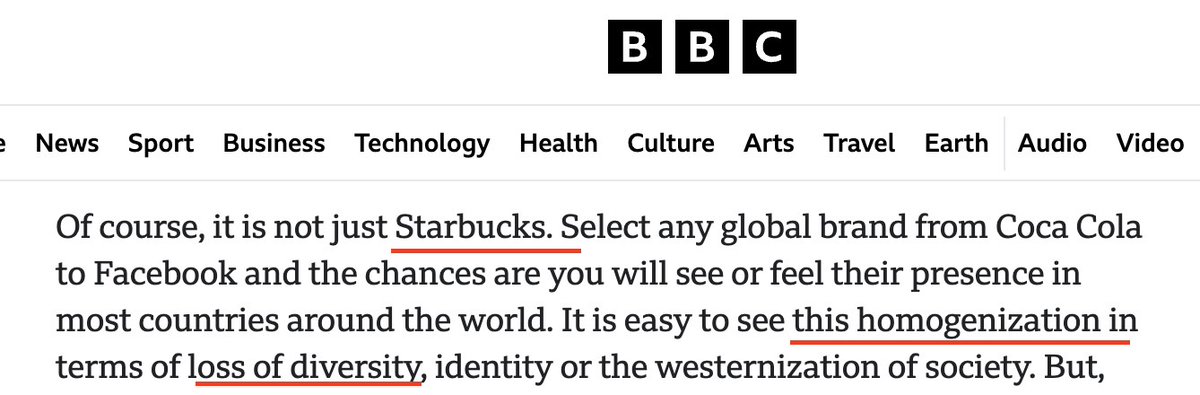
People have the strong intuition that modernization is erasing cultural differences. The idea is that people around the world have Netflix and Starbucks now...
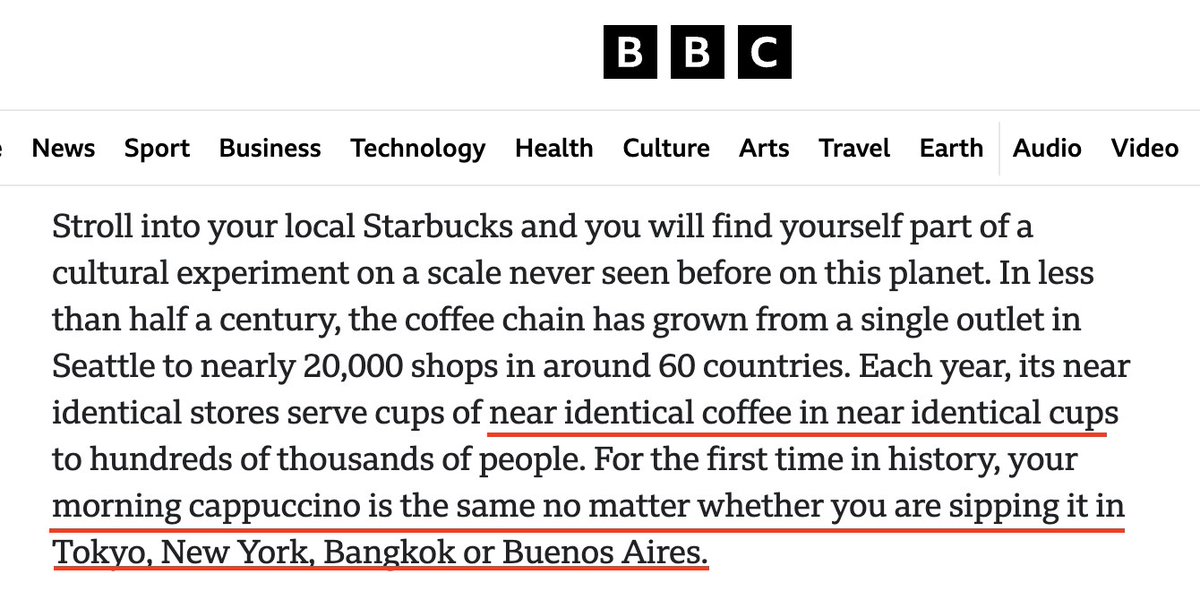
...and that's making cultures more similar.
But there's some evidence that cultural differences are actually becoming larger! 🧐 For example, if we look at all 40 values questions in the World Values Survey going back to the 1980s, cultures have become *more different*, not more similar. Weird! nature.com/articles/s4146…
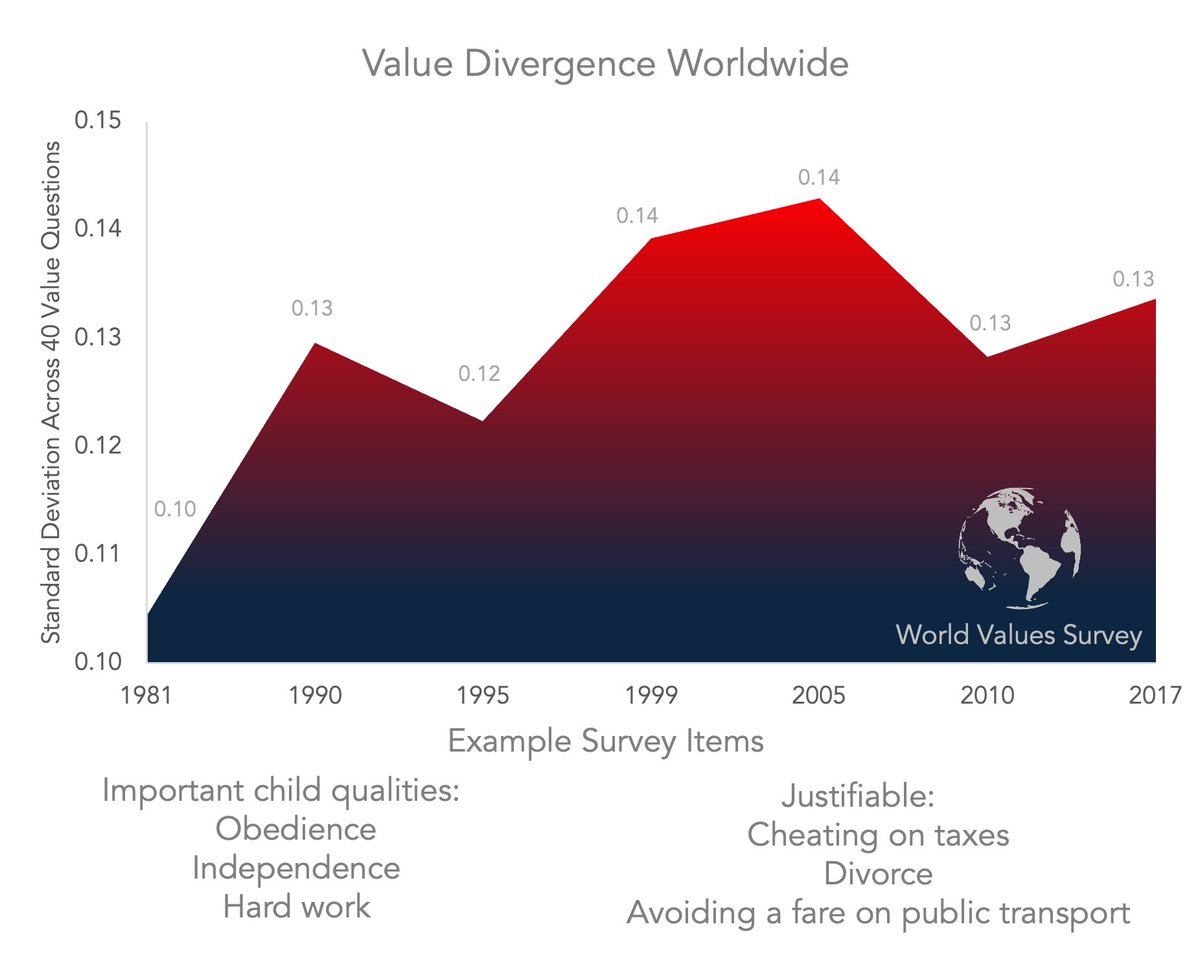
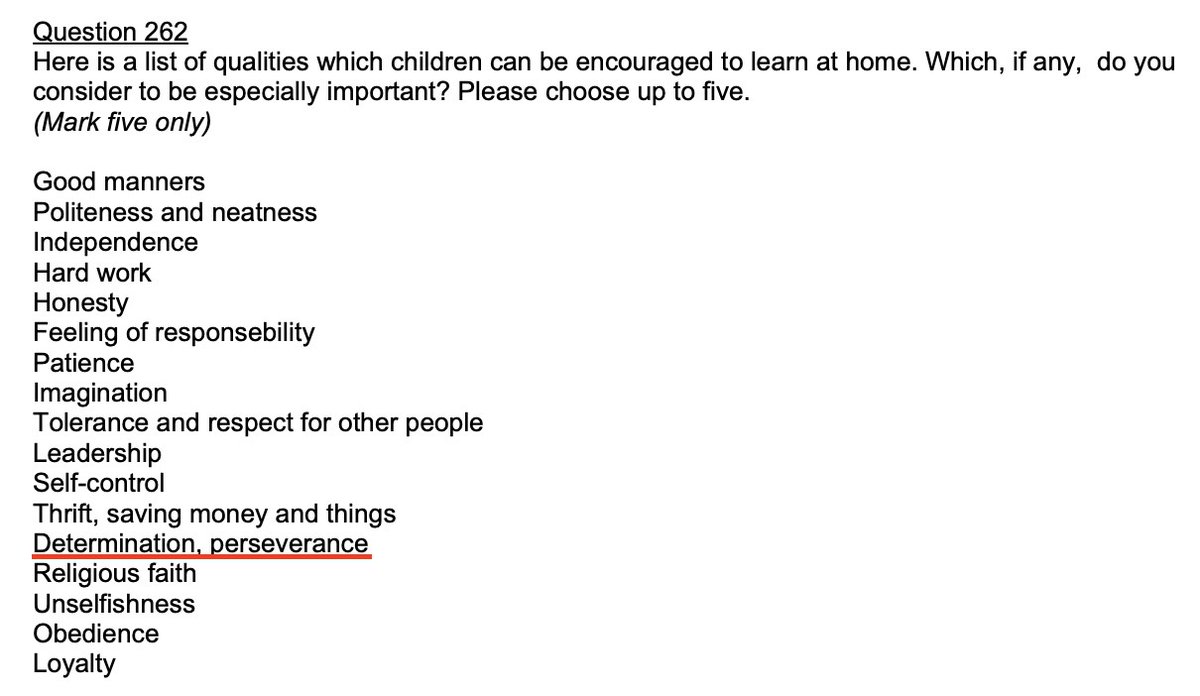
People around the world used to agree more about things like the morality of suicide and the importance of teaching children perseverance. Now people agree less than they used to.
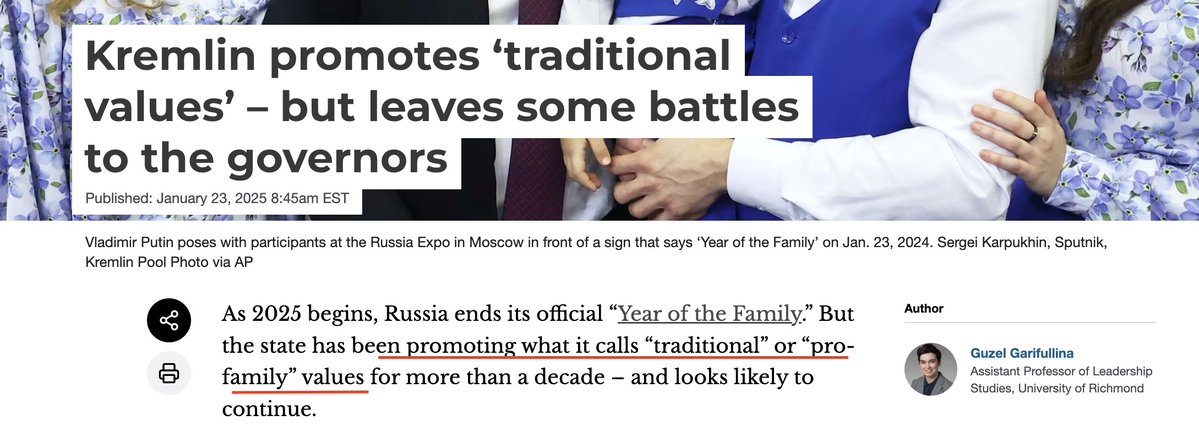
Is this political? Maybe it has something to do with geo-political rivalries and politicians fanning the flames of culture wars.
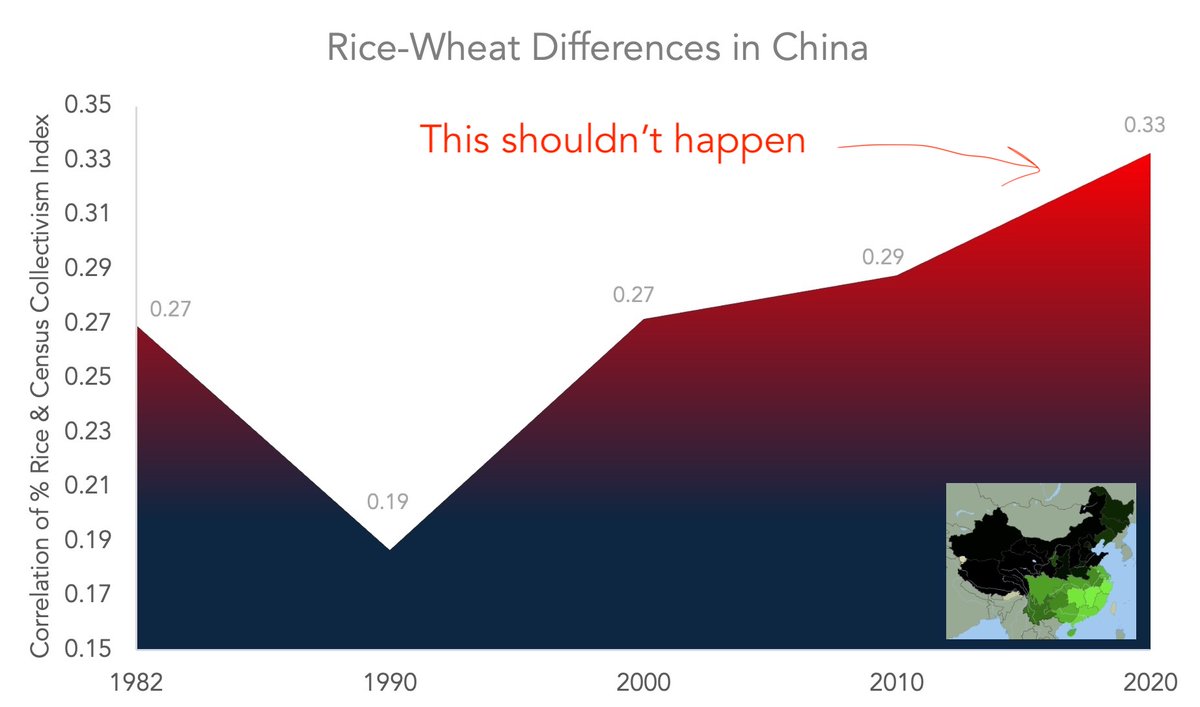
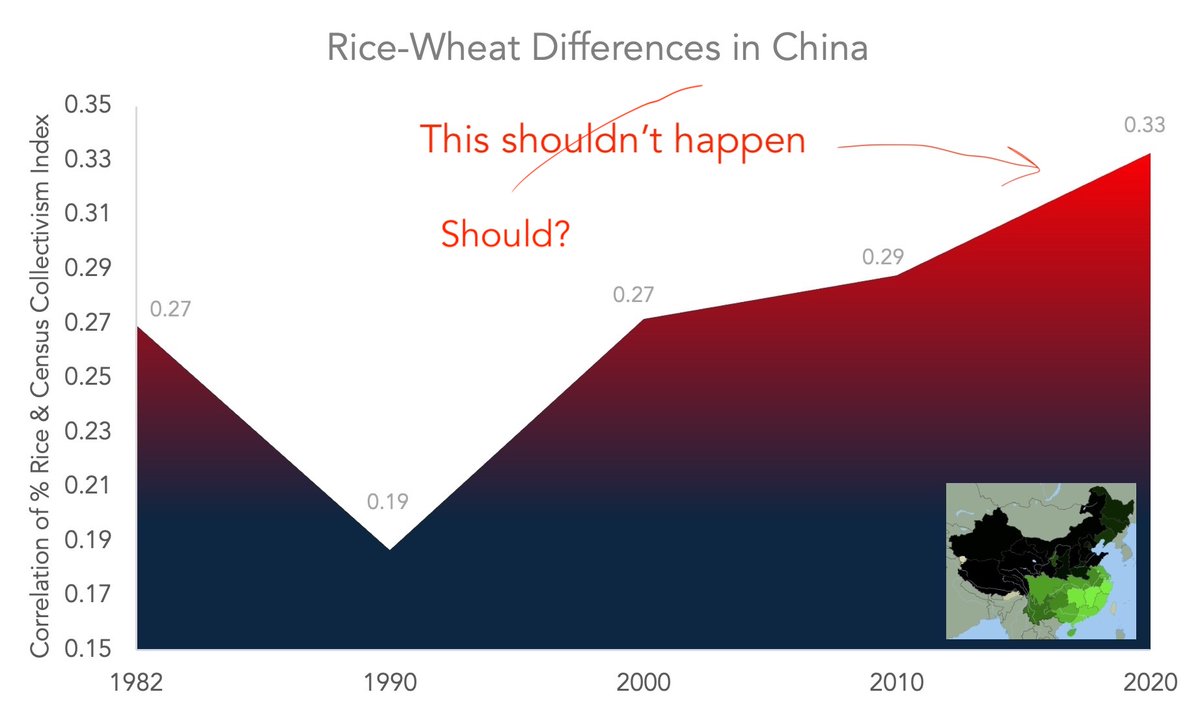
That sounds logical, but I have a hard time squaring that with this. I analyzed rice-wheat cultural differences within China over time...
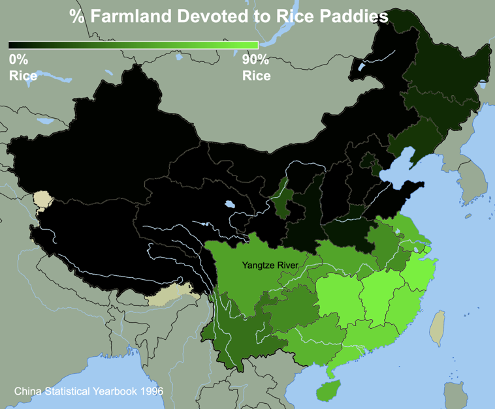
Northern and southern China have different cultures (I think) because rice required more labor and coordination than wheat in northern China. That could explain why southern China has tighter social norms and more nepotism. @AlexEngPsych @PNASNews pnas.org/doi/abs/10.107…

So how are those rice-wheat cultural differences changing as China modernizes?
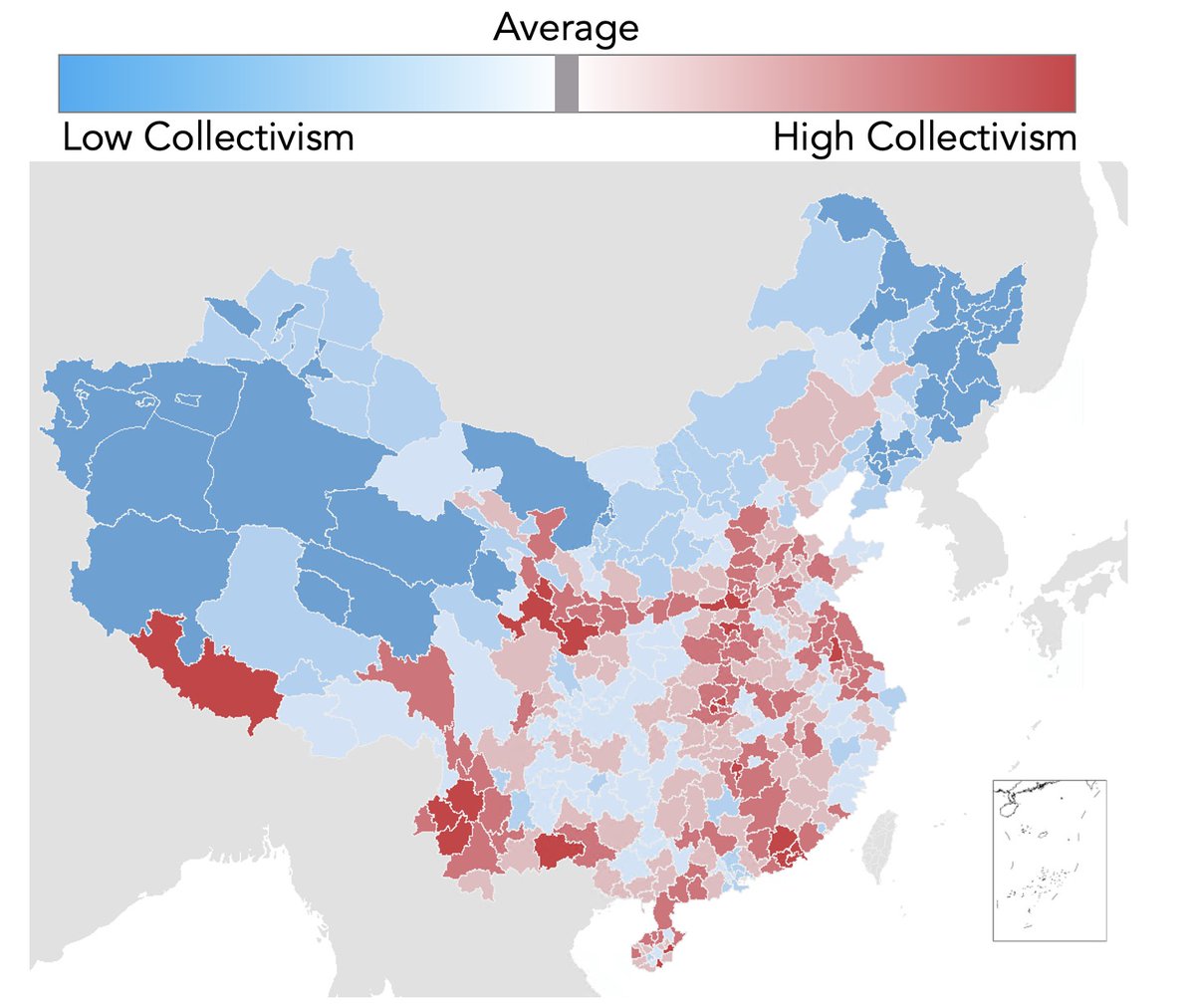
Census data to the rescue! Researchers have used Census data to estimate collectivism, and we can get data in China going back to the 1980s. Perfect!
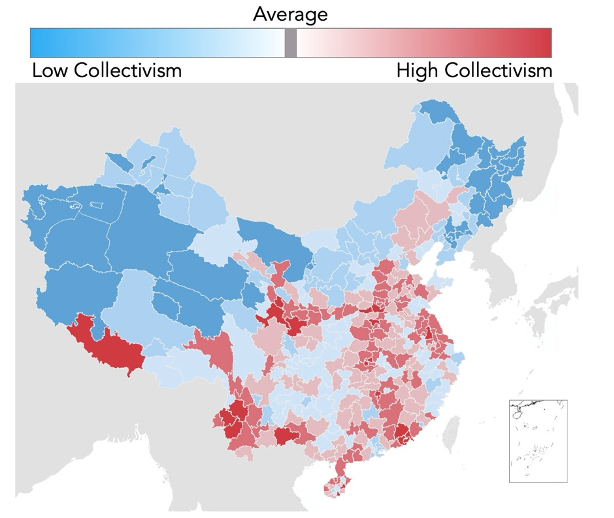
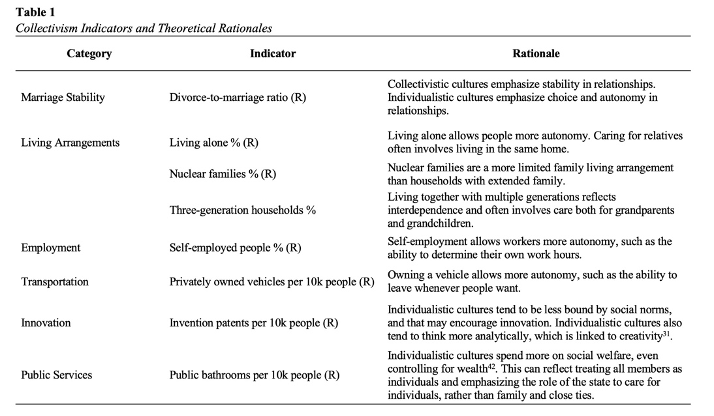
My team created a collectivism index uses data on living alone, living with extended family, divorce rates, and other factors. @NaturePortfolio nature.com/articles/s4159…
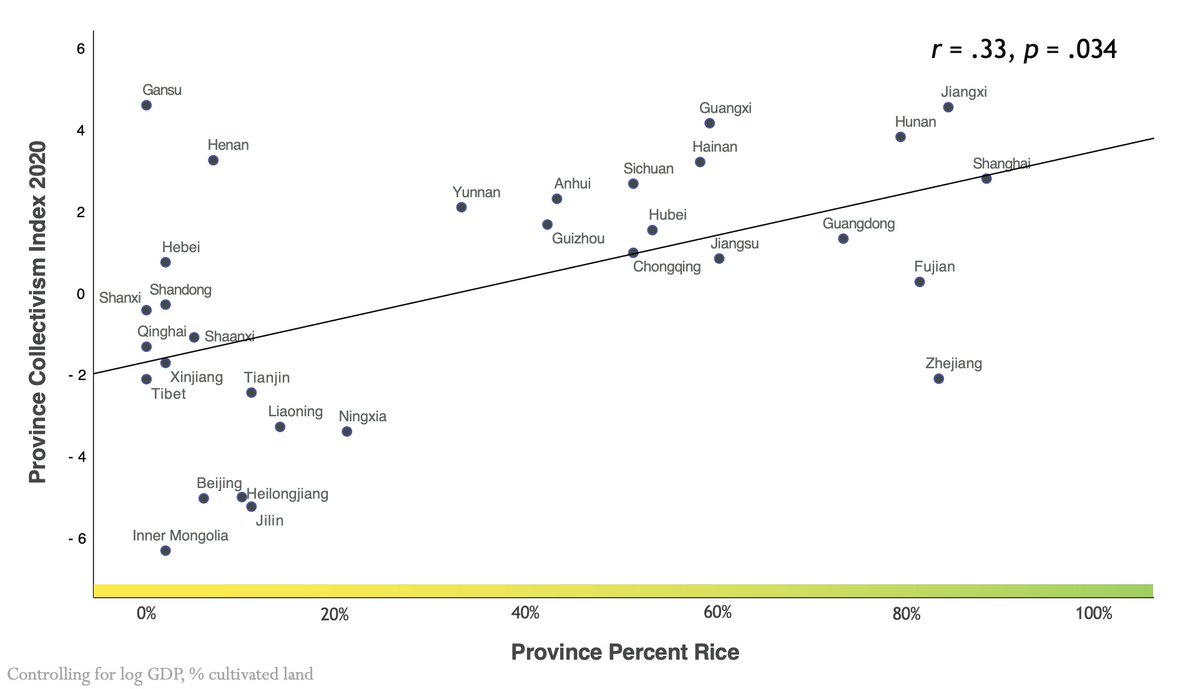
The rice theory would predict higher collectivism in rice-farming areas, but check it out. Thirty years ago, it's not significant. Uh oh!

But look at what happened in 2020. Rice-wheat differences are stronger now.
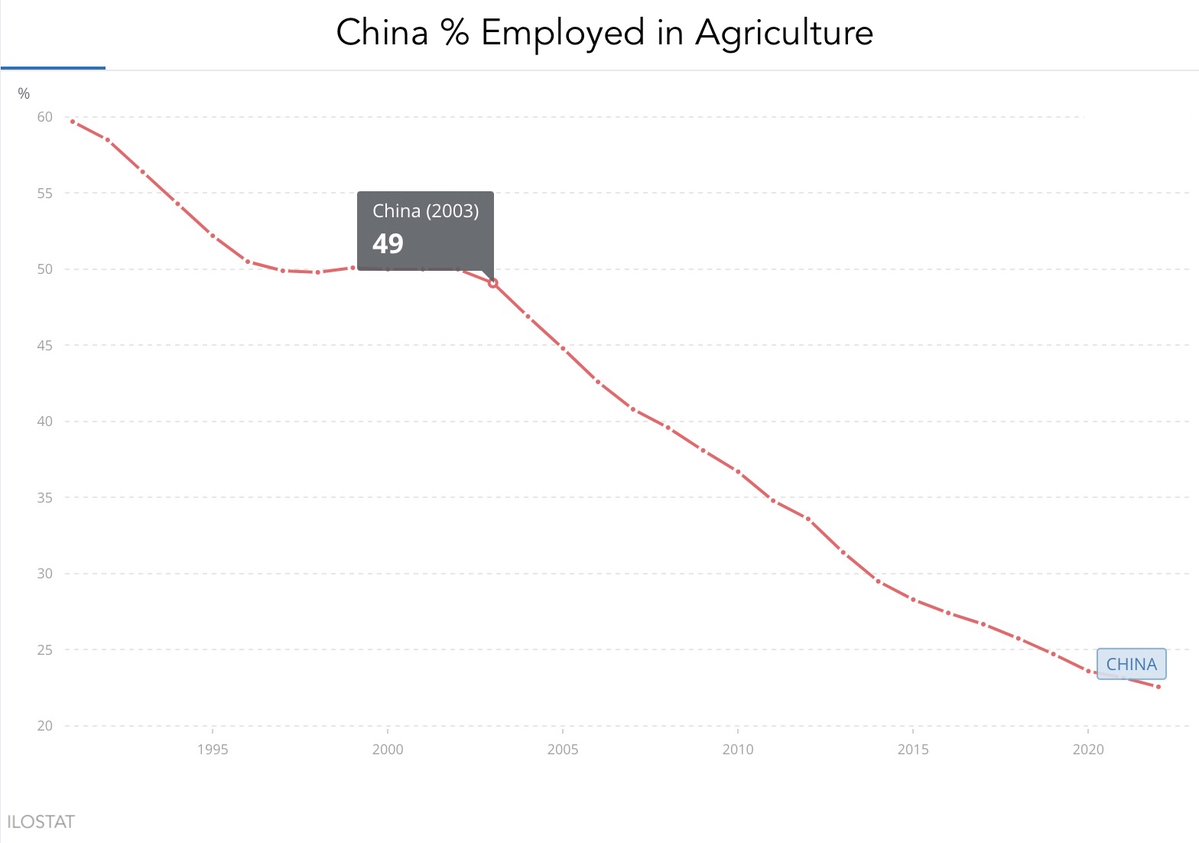
That's weird because people in China are leaving farming.
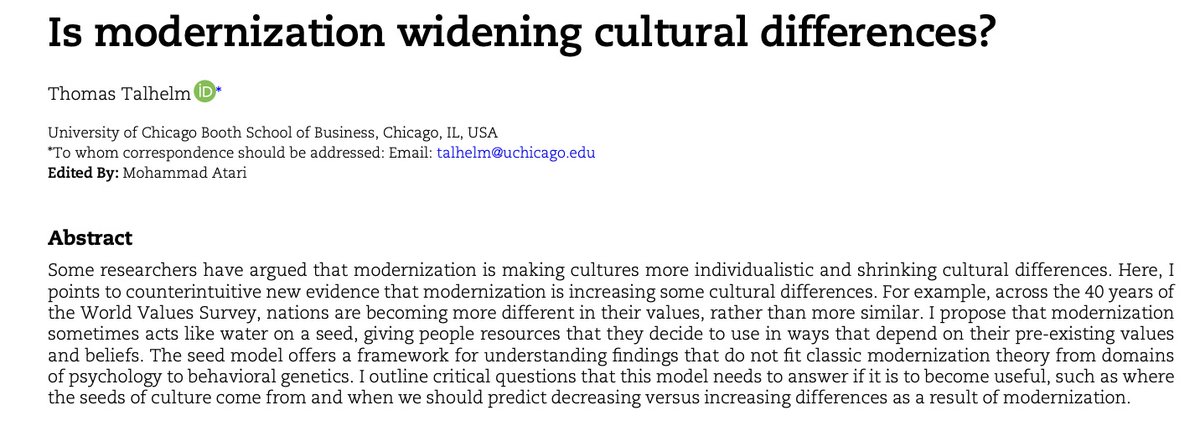
That's where my new paper comes in. I offer an explanation for these strange trends. I call it the "seed theory."
I think a lot of people (including me!) have the intuition that modernization works like radiation.

Like radiation, modernization weakens culture. And like radiation, it doesn't matter what's in people's heads. Radiation weakens people whether they believe it or not.
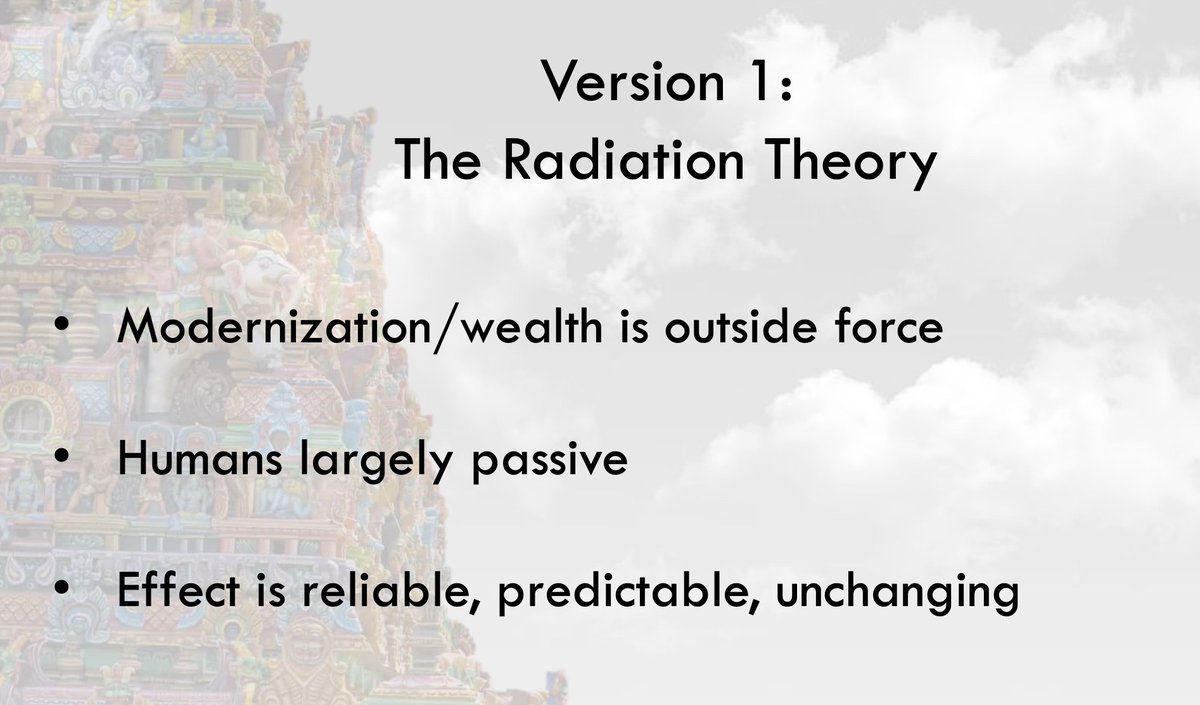
But that intuitive model doesn't fit with increasing cultural differences. The seed theory argues that modernization sometimes acts like water on a seed, increasing cultural differences.
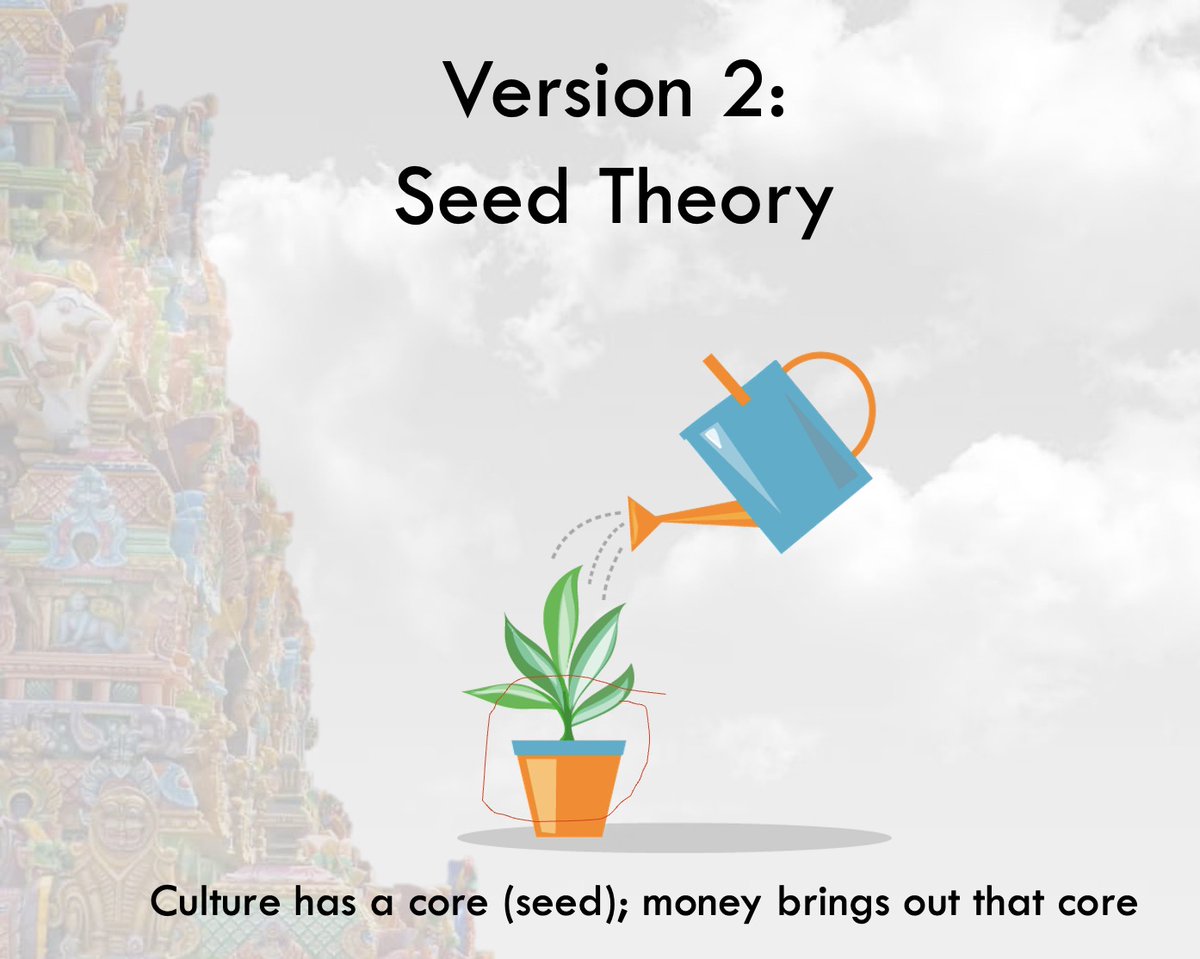
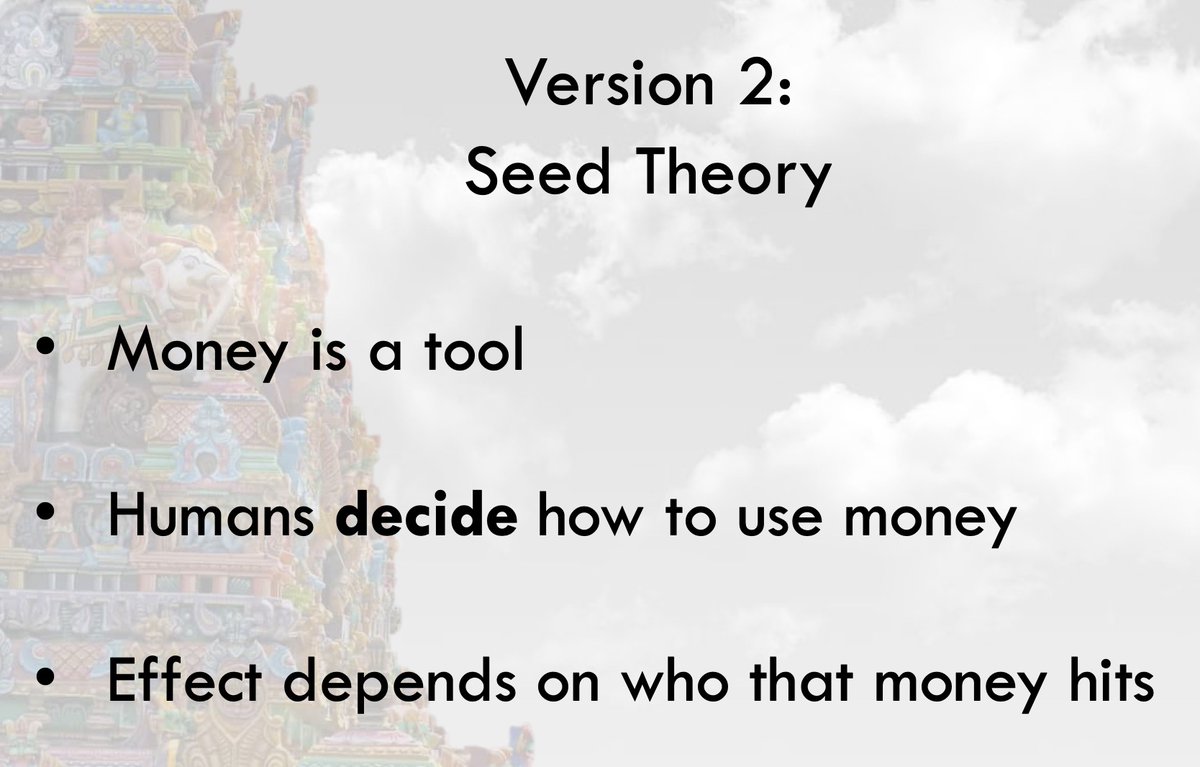
Here's why. Modernization brings wealth and technology. That gives people choice. People make choices depending on the values and beliefs in their culture. So the effect of money depends on who that money hits (unlike radiation).
That can explain why rice-wheat differences grew when China experienced 40 years of wild economic growth.
And it can explain why modernization increased liberal social values in the West, but not in Asia or Africa. Perhaps the West has different seeds—ones rooted in individual freedom.

Now, maybe I'm biased. For one, if these fascinating trends are true, it means I'll still have a job in 20 years. 😅
But there's enough misfit puzzle pieces to start asking why at least *some* cultural differences are increasing with modernization.
To me, that sounds like a fun question for researchers to solve! 🤩 In my new article, I lay out a few specific ways modernization can increase differences and why this is different from popular theories like Fukuyama's "End of History." No paywall! academic.oup.com/pnasnexus/arti…
Shout out to Josh Jackson and @DanMedvedev6 for documenting these fascinating trends in value divergence! 👏
@NaturePortfolio Thanks to @wei_liuqing @AnHuang96 @AlexEngPsych and Jiong for their hard work on the collectivism index. 👏
• • •
Missing some Tweet in this thread? You can try to
force a refresh