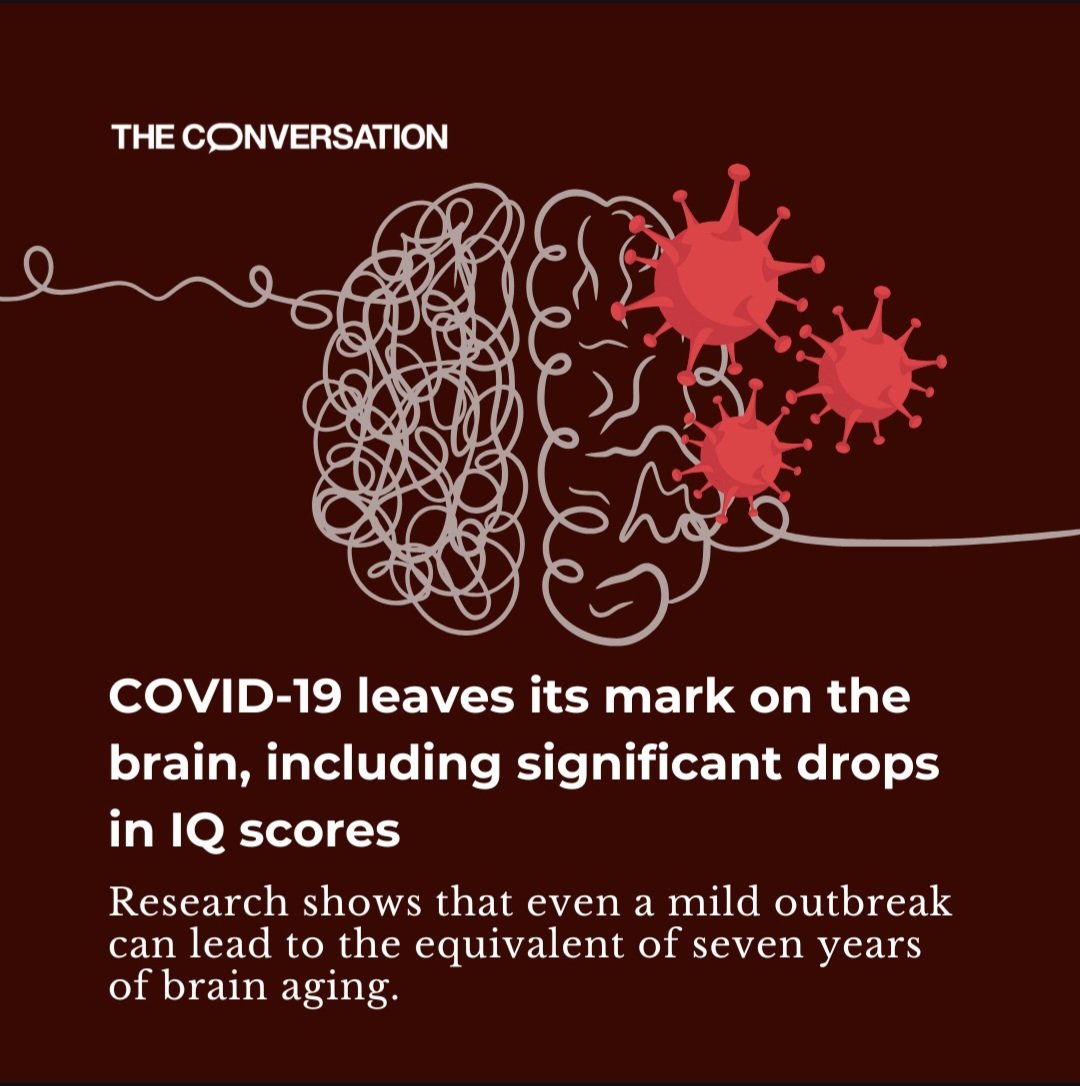
1/ We often hear the claim that children aren't affected by Long COVID or that it's extremely rare.
A new study published in @Nature (Scientific Reports) following children and adolescents through 2023 tells a different story. 🧵⬇️ #ChildHealth #SafeSchools #CleanAir

2/ The study found a Long COVID incidence rate of 8,5%.
That nearly 1 in 10 children suffering from persistent symptoms. This is not "pandemic stress"—it is a physiological consequence of the virus. 📉⚠️
3/ What are these children experiencing?
🚩 Chronic Fatigue
🚩 Respiratory issues (Dyspnea)
🚩 Persistent headaches
🚩 Cognitive impairment
These symptoms significantly impact their quality of life, school attendance, and ability to play sports. 🧠💔
4/ We cannot continue to ignore the long-term risks of mass infection in schools. "Living with the virus" must include protecting our children's future through prevention.
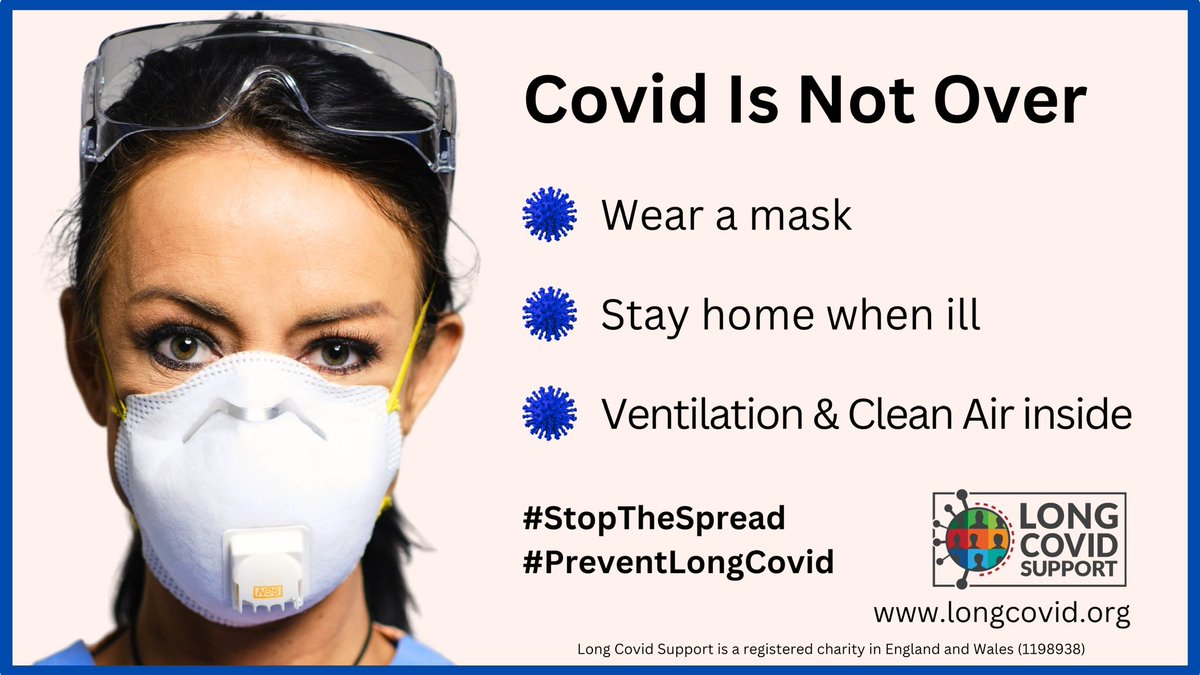
We need #CleanAirNow: HEPA filtration and Far-UVC are the tools we have. 🌬️🛡️

5/ One key takeaway: The study also evaluates the relationship with vaccination and reinfections.
Ignoring transmission in schools while 8.5% of infected children develop long-term symptoms is a failure to protect the next generation. 🌬️🛡️
1/ New evidence confirms that SARS-CoV-2 can reach the fetus through the amniotic fluid. This isn't just about maternal health; researchers have now detected the virus directly within fetal organs, including the lungs and intestines.
Here’s why this changes the conversation. ⬇️
2/ How does it happen? The study highlights "amniotic infection." When a pregnant person is infected, the virus can enter the amniotic fluid. As the fetus naturally swallows this fluid, the virus gains a direct pathway into the fetal digestive and respiratory systems. 💧🦠
3/ This isn't theoretical. Using advanced imaging and molecular testing, scientists found viral replication within fetal tissues. This proves that the fetus can face direct viral impact long before birth, potentially affecting organ development.
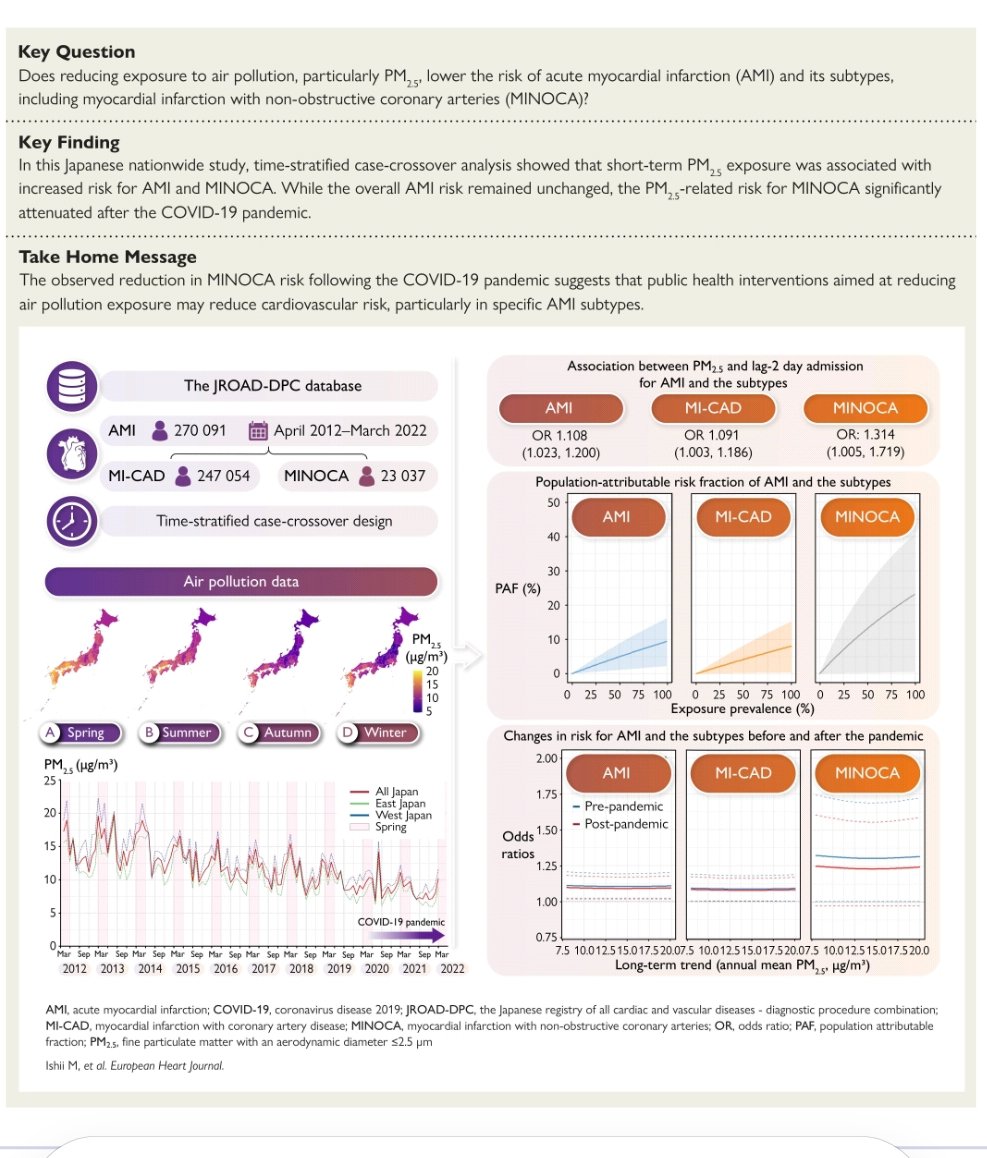
1/ The long term heart risks of C-19 💔 A massive new study in the European Heart Journal confirms what many feared: SARS-CoV-2 is not just a respiratory virus. It’s a long-term cardiovascular threat. The risk of major heart events remains elevated for years after infection.
2/ Here is what the data shows ⬇️
Researchers tracked over 10,000 individuals and found that a COVID-19 infection is associated with a significantly higher risk of MACE (Major Adverse Cardiovascular Events), including heart attack and stroke, for up to three years post-infection.
3/ Crucially, this risk isn't just for those who were severely ill. Even "mild" cases show an increased cardiovascular burden. The virus can cause persistent inflammation and vascular damage that doesn't simply disappear when the initial symptoms fade. 📉🩺
1/ New science from bioRxiv (10.64898/2025.12.31.697156) shows that asthma isn't just a "reaction"—it's a fundamental destruction of our airway's molecular program. Our lungs are being physically rewritten by chronic exposure. 🧵👇 The #LeonardiEffect is very real!
2/ Crucially, the study highlights how T-cells become dysfunctional and drive permanent scarring (remodeling). But there's more: research from MedUni Wien confirms that SARS-CoV-2 infections cause long-term damage to our entire immune system. 🫁⚠️
3/ The Vienna study shows that even mild infections can inhibit T-cell memory and significantly reduce immune cells in the blood for over 10 months. This means your body has a harder time fighting off common infections like Influenza A, Staph, or VZV.
1/ Is SARS-CoV-2 more than just a respiratory virus? Emerging research is raising a chilling question: Could COVID-19 be an oncovirus? Recent studies suggest the virus may interfere with our body’s ability to prevent and fight cancer. Let’s dive into the science. 🧬👇 #Cancer
2/ A key study in Nature shows that the SARS-CoV-2 spike protein can inhibit DNA damage repair. It blocks the recruitment of critical proteins like BRCA1 and 53BP1 to repair sites. If our DNA can’t fix itself, mutations accumulate: the first step toward cancer.
3/ The P53 protein is known as the ”Guardian of the Genome” because it stops tumors. Research in the Journal of Infection shows that P53 is significantly downregulated during and long after infection. Losing this shield creates a high-risk environment for oncogenesis. 📉🦠
1/ Following the thread on the cumulative risk of Long COVID in children after reinfection, let's look at a new study on vaccination and adults. The evidence is overwhelmingly clear: vaccination is protective. #VaccinesWork #PublicHealth
2/ A massive Swedish nationwide study (Sahlgrenska Academy, European Heart Journal) of over 8 million adults confirms that full COVID-19 vaccination significantly reduces the risk of severe cardiovascular conditions linked to the infection.
3/ 📉 VACCINES REDUCE SEVERE RISKS:
After full vaccination (especially the 3rd dose), the risk of severe cardiovascular events—including heart attack, stroke, and heart failure—was generally 20-30% lower compared to the unvaccinated.
1/ 🚨 The Double-Edged Sword: New research suggests #SARSCoV2 might be an unseen accelerant for #LungCancer. Beyond acute illness, the virus's long-term effects could fuel cancer development and progression. This is a critical public health warning. 👇 #COVID19 #Oncology
2/ The study highlights several terrifying potential mechanisms:
Chronic Inflammation: The cytokine storm and persistent, dysregulated inflammation after COVID are well-known cancer promoters.
3/ ACE2 Receptor: SARS-CoV-2 binding disrupts the protective RAS pathway, potentially contributing to cancer progression.
Dormant Cells: Respiratory infections like COVID-19 can even wake up dormant cancer cells (DCCs) in the lungs, triggering metastasis.