The ceasefire was supposed to end the risk. Instead, it exposed something much bigger. What if the real story isn’t peace, but what almost happened at Kharg Island?
1/12
1/12

Why this island keeps coming up?
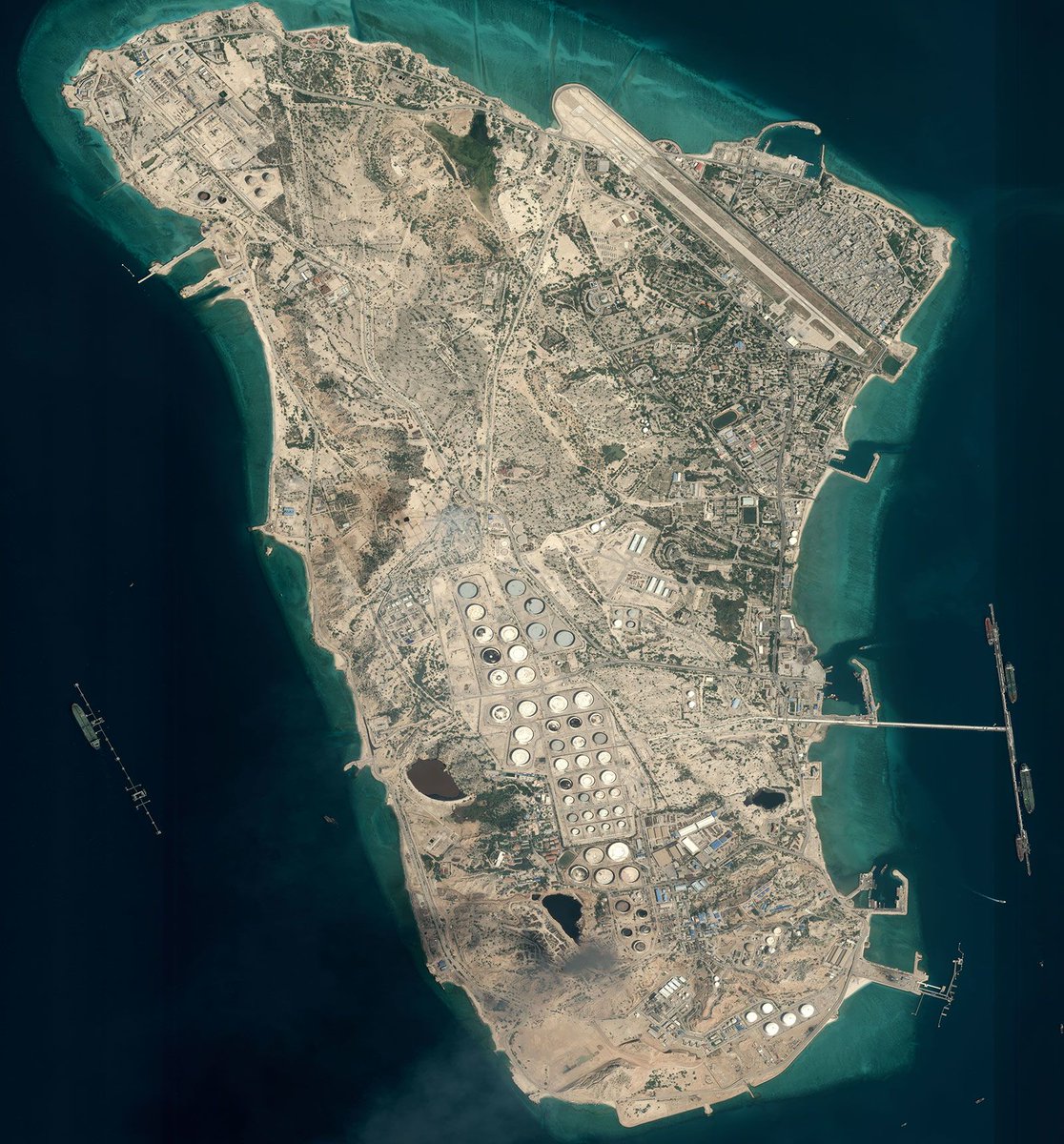
There is one location that keeps repeatedly appearing in discussions about escalation: Kharg Island in the Persian Gulf.
A large share of Iran’s oil exports flows through this point, with some estimates reaching as high as 80–90 percent. That alone explains why Washington has reportedly examined scenarios involving a limited military operation there, potentially combining naval and ground elements. At first glance, the idea looks rational and even efficient, because it targets a clear economic bottleneck.
But the problem is that strategies that look clean in theory rarely behave the same way once they are placed into real conditions, where geography, logistics, and political reactions begin to interact.
Some reports mention troop movements into the region, including airborne units and naval deployments. However, this is not about a full-scale invasion of Iran, which would be unrealistic. The discussion is centered on limited, targeted operations against specific points.
2/12
There is one location that keeps repeatedly appearing in discussions about escalation: Kharg Island in the Persian Gulf.
A large share of Iran’s oil exports flows through this point, with some estimates reaching as high as 80–90 percent. That alone explains why Washington has reportedly examined scenarios involving a limited military operation there, potentially combining naval and ground elements. At first glance, the idea looks rational and even efficient, because it targets a clear economic bottleneck.
But the problem is that strategies that look clean in theory rarely behave the same way once they are placed into real conditions, where geography, logistics, and political reactions begin to interact.
Some reports mention troop movements into the region, including airborne units and naval deployments. However, this is not about a full-scale invasion of Iran, which would be unrealistic. The discussion is centered on limited, targeted operations against specific points.
2/12
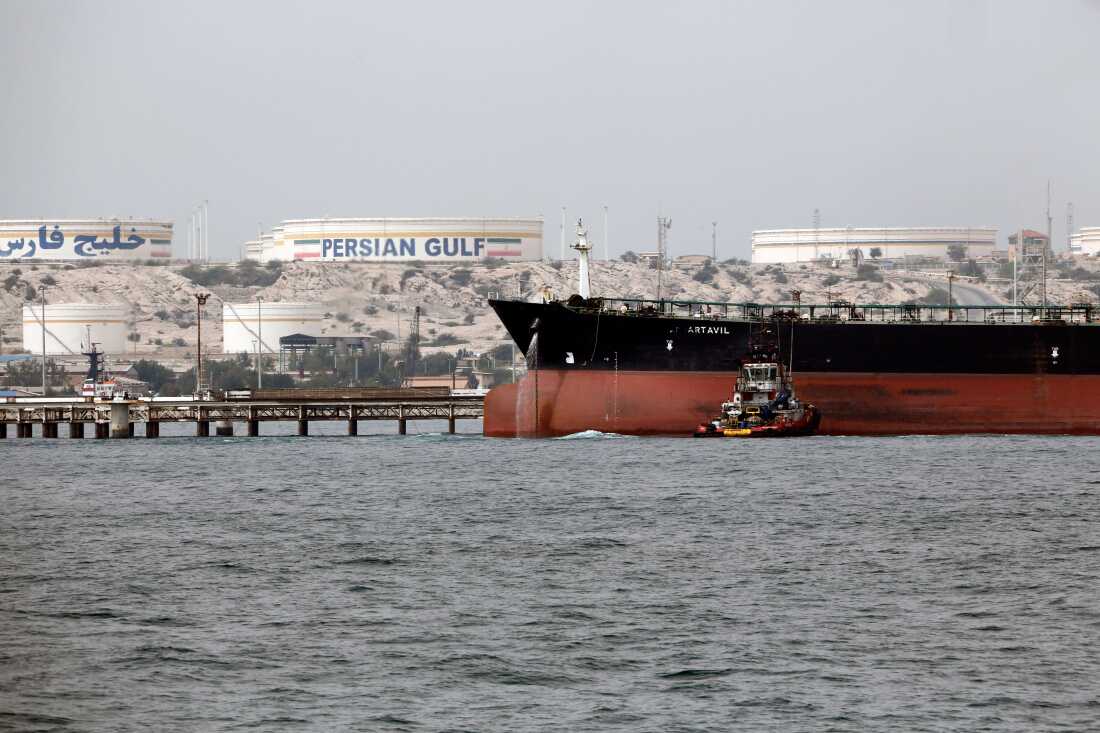
The reason so much oil is concentrated at Kharg is not political, but physical.
The seabed around the island is deep enough to allow large oil tankers to dock directly, while much of Iran’s coastline is too shallow for that kind of infrastructure. In other words, this is not simply a matter of preference but of geography shaping economic flows.
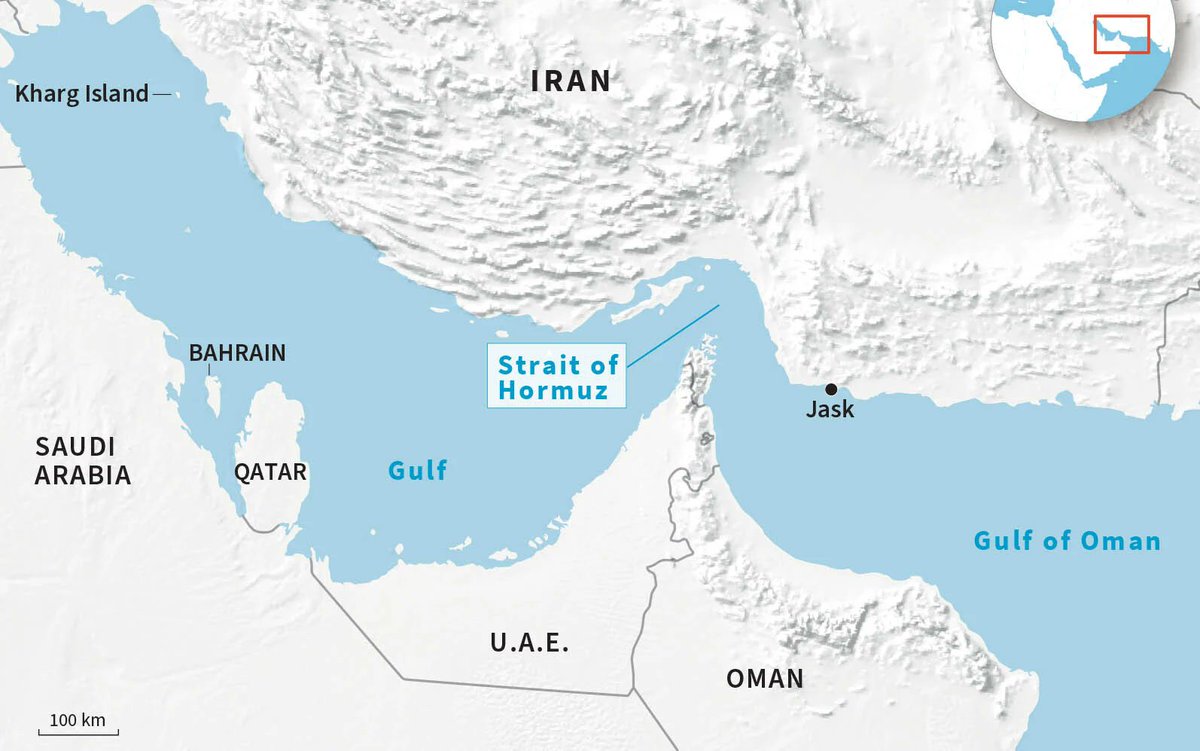
At the same time, Kharg is not Iran’s only export route, even if it is by far the most important one. During the Iran–Iraq war in the 1980s, repeated strikes on the island forced Tehran to rethink its vulnerability, which eventually led to the construction of a pipeline running to the port of Jask, further southeast, beyond the Strait of Hormuz.
This detail matters more than it may seem. Jask sits outside the main chokepoint of the region, which means that if Kharg were disrupted, Iran could still redirect part of its exports there. The capacity is significantly lower, so exports would drop sharply, but they would not collapse completely. The system would be damaged, not disabled.
3/12
The seabed around the island is deep enough to allow large oil tankers to dock directly, while much of Iran’s coastline is too shallow for that kind of infrastructure. In other words, this is not simply a matter of preference but of geography shaping economic flows.
At the same time, Kharg is not Iran’s only export route, even if it is by far the most important one. During the Iran–Iraq war in the 1980s, repeated strikes on the island forced Tehran to rethink its vulnerability, which eventually led to the construction of a pipeline running to the port of Jask, further southeast, beyond the Strait of Hormuz.
This detail matters more than it may seem. Jask sits outside the main chokepoint of the region, which means that if Kharg were disrupted, Iran could still redirect part of its exports there. The capacity is significantly lower, so exports would drop sharply, but they would not collapse completely. The system would be damaged, not disabled.
3/12
From a strategic perspective, the logic behind targeting Kharg appears straightforward:
- by disrupting the island, you reduce exports;
- by reducing exports, you reduce revenue;
- and by reducing revenue, you increase pressure on the state, potentially forcing concessions.
In theory, this chain is internally consistent. In practice, each step introduces complications that are often underestimated.
4/12
- by disrupting the island, you reduce exports;
- by reducing exports, you reduce revenue;
- and by reducing revenue, you increase pressure on the state, potentially forcing concessions.
In theory, this chain is internally consistent. In practice, each step introduces complications that are often underestimated.
4/12
Obstacle 1: Geography
Iran’s geography is not a neutral factor, it is a structural advantage.
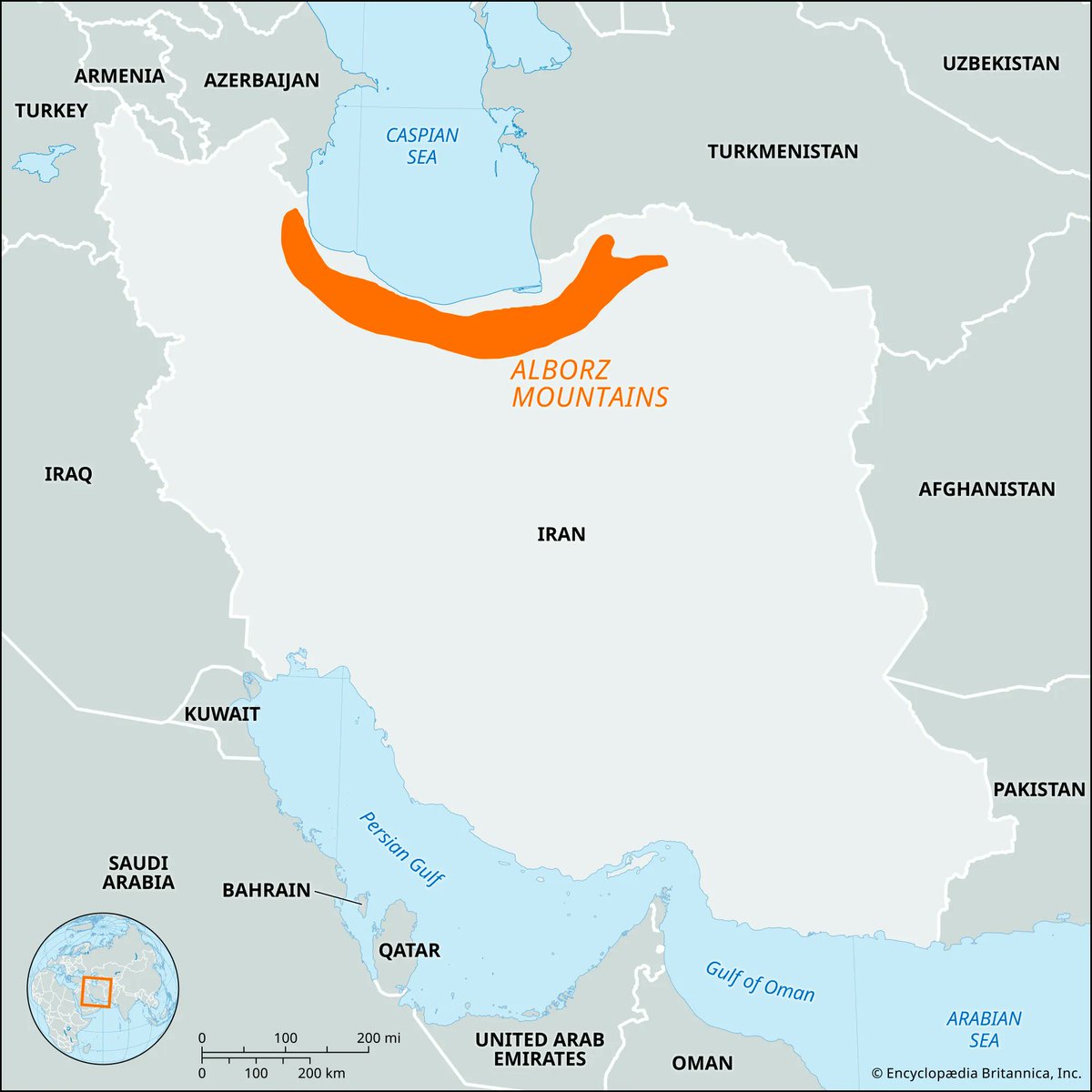
The country is defined by mountain systems such as the Zagros and the Alborz, which create natural defensive barriers, while the spaces between them are filled with vast desert regions like Lut and Kavir, where large-scale operations become extremely difficult to sustain. This combination effectively turns Iran into a layered defensive environment rather than an open battlefield.
Iranian military planning reflects this reality. Infrastructure is dispersed, often concealed, and adapted to terrain that complicates detection and targeting. Even before any major engagement, maintaining supply lines across such conditions would require enormous resources.
There is also a clear historical precedent. In 1980, Iraq attempted a rapid offensive into southwestern Iran, the most accessible part of the country, expecting a quick result. Instead, the conflict turned into an eight-year war with heavy losses and no decisive outcome.
5/12
Iran’s geography is not a neutral factor, it is a structural advantage.
The country is defined by mountain systems such as the Zagros and the Alborz, which create natural defensive barriers, while the spaces between them are filled with vast desert regions like Lut and Kavir, where large-scale operations become extremely difficult to sustain. This combination effectively turns Iran into a layered defensive environment rather than an open battlefield.
Iranian military planning reflects this reality. Infrastructure is dispersed, often concealed, and adapted to terrain that complicates detection and targeting. Even before any major engagement, maintaining supply lines across such conditions would require enormous resources.
There is also a clear historical precedent. In 1980, Iraq attempted a rapid offensive into southwestern Iran, the most accessible part of the country, expecting a quick result. Instead, the conflict turned into an eight-year war with heavy losses and no decisive outcome.
5/12
Obstacle 2: Scale mismatch
The scale of forces being discussed does not support anything beyond limited operations.
A few thousand troops may be sufficient for a specific objective, but they are entirely inadequate for controlling territory on the scale of Iran. Even in the case of Kharg Island itself, the situation is more complicated than it appears.
The island is located close to the Iranian coast and is well within range of missiles, drones, and coastal artillery. In addition, the surrounding waters could be mined, further complicating access and resupply.
Under such conditions, taking the island might be achievable, but maintaining control over it becomes a far more complex problem. Any deployed force would be exposed, operating at a distance from secure support bases, and continuously vulnerable to attack.
What initially appears as a position of leverage could quickly turn into a point of constant pressure.
6/12
The scale of forces being discussed does not support anything beyond limited operations.
A few thousand troops may be sufficient for a specific objective, but they are entirely inadequate for controlling territory on the scale of Iran. Even in the case of Kharg Island itself, the situation is more complicated than it appears.
The island is located close to the Iranian coast and is well within range of missiles, drones, and coastal artillery. In addition, the surrounding waters could be mined, further complicating access and resupply.
Under such conditions, taking the island might be achievable, but maintaining control over it becomes a far more complex problem. Any deployed force would be exposed, operating at a distance from secure support bases, and continuously vulnerable to attack.
What initially appears as a position of leverage could quickly turn into a point of constant pressure.
6/12

Obstacle 3: Cost dynamics
Another factor that is less visible but equally important is the economic structure of the conflict.
Iran relies heavily on relatively inexpensive systems, including drones that can cost tens of thousands of dollars. In contrast, intercepting those systems often requires significantly more expensive technology.
Over time, this creates an unfavorable cost dynamic, where cheaper tools force more expensive responses.
Even if technological developments reduce this gap, the broader pattern remains: asymmetry in cost can shape the sustainability of a conflict.
Shifting toward ground operations changes the balance by reducing reliance on expensive interceptors, but it replaces financial cost with human and political cost. Historically, these forms of cost are more difficult to sustain, particularly in systems where public opinion and electoral cycles play a role.
7/12
Another factor that is less visible but equally important is the economic structure of the conflict.
Iran relies heavily on relatively inexpensive systems, including drones that can cost tens of thousands of dollars. In contrast, intercepting those systems often requires significantly more expensive technology.
Over time, this creates an unfavorable cost dynamic, where cheaper tools force more expensive responses.
Even if technological developments reduce this gap, the broader pattern remains: asymmetry in cost can shape the sustainability of a conflict.
Shifting toward ground operations changes the balance by reducing reliance on expensive interceptors, but it replaces financial cost with human and political cost. Historically, these forms of cost are more difficult to sustain, particularly in systems where public opinion and electoral cycles play a role.
7/12
Obstacle 4: Internal consolidation
External pressure does not automatically weaken a state internally.
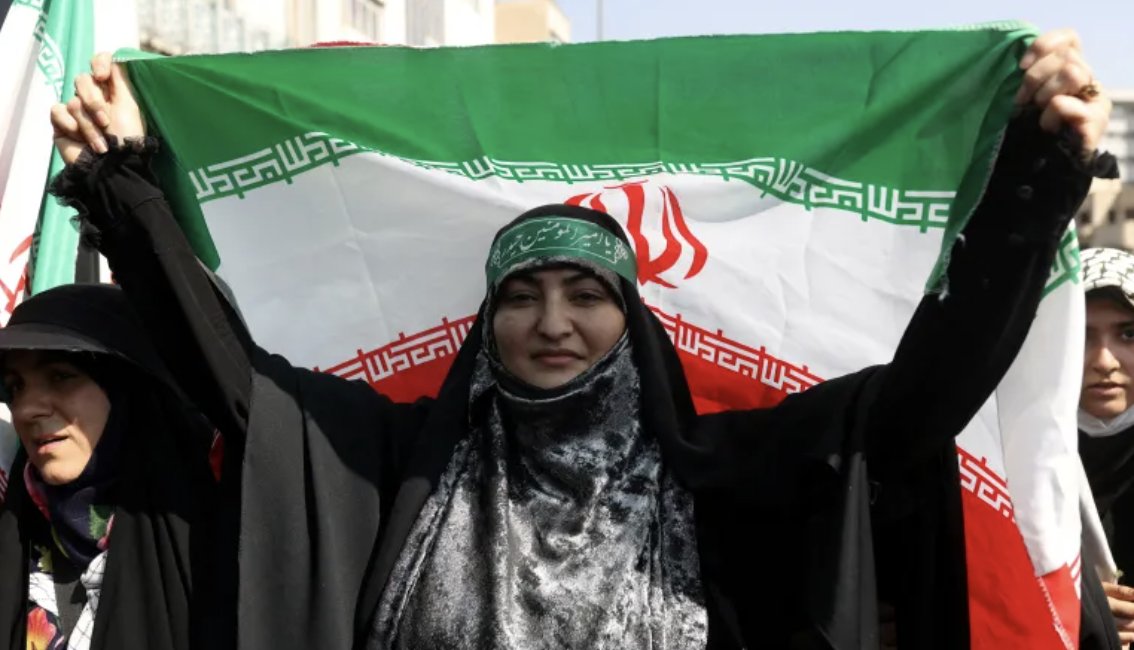
In many cases, it produces the opposite effect by strengthening internal cohesion. Even a limited occupation of territory, including something as small as an island, could provide a powerful narrative for domestic mobilization.
History shows that societies tend to consolidate around existing leadership when faced with an external threat, even if internal divisions were previously significant.
This creates a paradox: an operation intended to weaken the system may instead increase its stability.
8/12
External pressure does not automatically weaken a state internally.
In many cases, it produces the opposite effect by strengthening internal cohesion. Even a limited occupation of territory, including something as small as an island, could provide a powerful narrative for domestic mobilization.
History shows that societies tend to consolidate around existing leadership when faced with an external threat, even if internal divisions were previously significant.
This creates a paradox: an operation intended to weaken the system may instead increase its stability.
8/12
Obstacle 5: Historical precedent
Recent history reinforces this pattern.
In Iraq, the initial military phase in 2003 was rapid and appeared successful, but what followed was a prolonged conflict with high costs and outcomes that did not align with the original objectives.
Afghanistan presents a similar trajectory. Early goals were achieved relatively quickly, yet the long-term result ultimately reversed those gains.
The underlying pattern is consistent: achieving an initial objective is only the first stage, while managing the long-term consequences is far more complex.
9/12
Recent history reinforces this pattern.
In Iraq, the initial military phase in 2003 was rapid and appeared successful, but what followed was a prolonged conflict with high costs and outcomes that did not align with the original objectives.
Afghanistan presents a similar trajectory. Early goals were achieved relatively quickly, yet the long-term result ultimately reversed those gains.
The underlying pattern is consistent: achieving an initial objective is only the first stage, while managing the long-term consequences is far more complex.
9/12

Obstacle 6: Nuclear escalation
There is also a less visible but critical dimension related to nuclear development.
With inspections suspended, transparency has decreased, making it harder to assess the status of Iran’s program. In an environment where the state perceives an existential threat, incentives shift significantly.
What was previously maintained as strategic ambiguity can evolve into accelerated development.
In that sense, military pressure intended to contain the issue may contribute to intensifying it.
10/12
There is also a less visible but critical dimension related to nuclear development.
With inspections suspended, transparency has decreased, making it harder to assess the status of Iran’s program. In an environment where the state perceives an existential threat, incentives shift significantly.
What was previously maintained as strategic ambiguity can evolve into accelerated development.
In that sense, military pressure intended to contain the issue may contribute to intensifying it.
10/12

Obstacle 7: Global ripple effects
Finally, the consequences extend far beyond the immediate region.
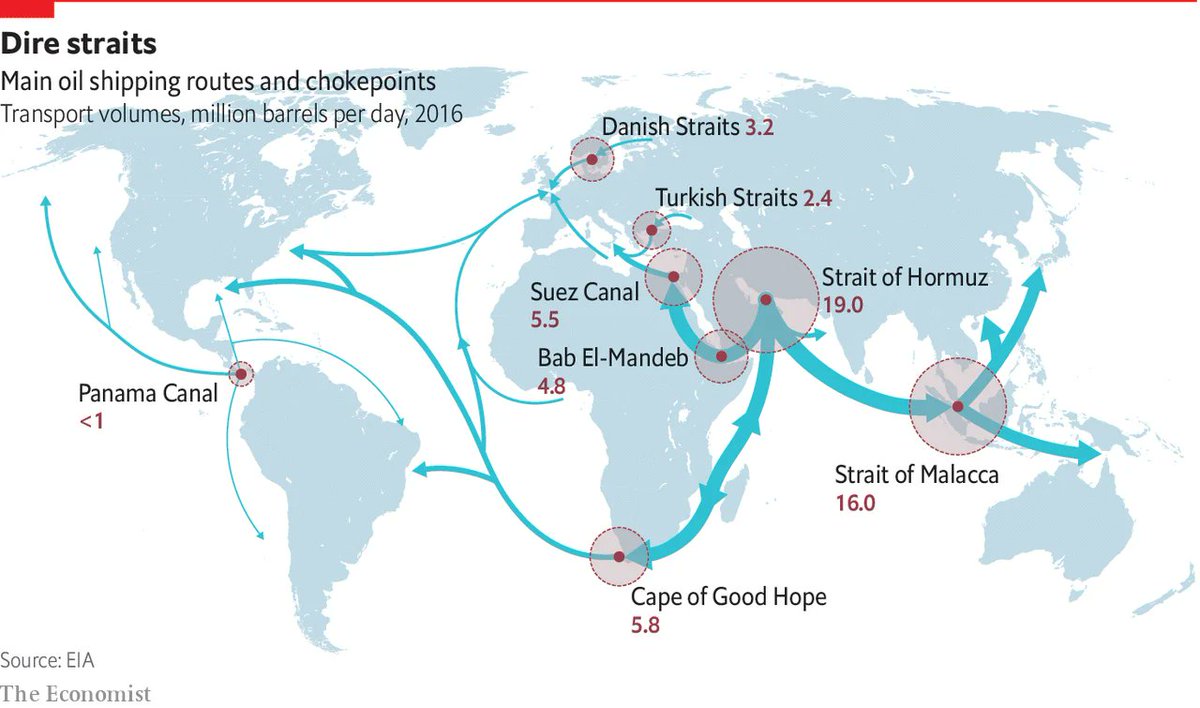
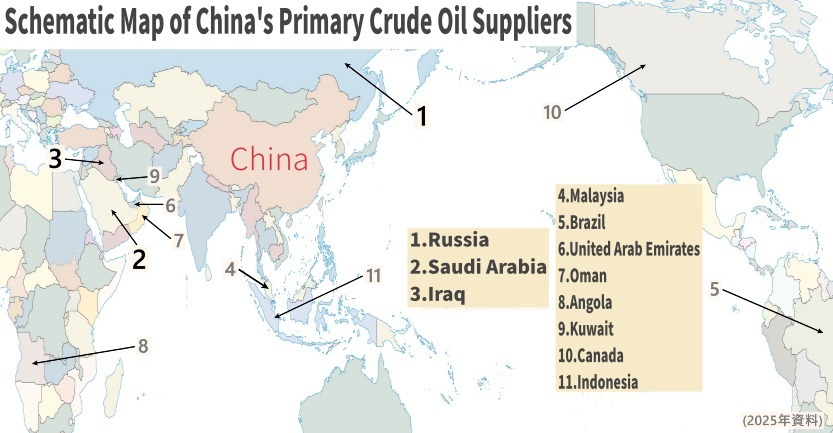
Disruptions in the Persian Gulf affect global shipping routes, insurance costs, and energy markets. Countries such as China, which rely heavily on energy flows from the region, would be directly impacted.
At the same time, prolonged engagement in the Middle East diverts U.S. resources, attention, and strategic focus away from other areas, particularly the Pacific.
There are also early indications of financial adjustments, including the use of alternative currencies in energy transactions. While these signals are still limited, they may reflect broader structural shifts already underway.
11/12
Finally, the consequences extend far beyond the immediate region.
Disruptions in the Persian Gulf affect global shipping routes, insurance costs, and energy markets. Countries such as China, which rely heavily on energy flows from the region, would be directly impacted.
At the same time, prolonged engagement in the Middle East diverts U.S. resources, attention, and strategic focus away from other areas, particularly the Pacific.
There are also early indications of financial adjustments, including the use of alternative currencies in energy transactions. While these signals are still limited, they may reflect broader structural shifts already underway.
11/12
Kharg Island appears to be a precise and efficient target within a strategic framework. However, it is not an isolated objective. It is embedded within a system where military, economic, political, nuclear, and geopolitical factors are tightly interconnected.
The question, therefore, is not whether such an operation is technically possible. The real question is whether it would remain limited once those interconnected effects begin to unfold.
12/12
The question, therefore, is not whether such an operation is technically possible. The real question is whether it would remain limited once those interconnected effects begin to unfold.
12/12
• • •
Missing some Tweet in this thread? You can try to
force a refresh