What do I mean when I when I say Alaska is a “gatekeeping work colony” that is exactly the right frame for Alaska’s deeper dysfunction.
It’s not just a crowded 2026 gubernatorial field or a numerically Republican legislature that keeps failing conservatives, it’s the entire structure of state government operating like a managed outpost where the permanent class (bureaucrats, unions, contractors, regulators, and federal money pipelines) extracts value while ordinary Alaskans get the scraps.
So, let’s drill into the mechanics of this colony and why a governor alone can’t dismantle it without a committed legislative majority.
The Crowded Field Is Symptom, Not Strength. As of this mid-April, the nonpartisan top-four primary (August 18) already has 17-18 declared or active candidates, with a heavy Republican cluster Wilson, Dahlstrom, Bishop, Bronson, Crum, DeVries, Treg, Heilala, and others) alongside Democrats like Tom Begich and Matt Claman, plus independents like Destry.
Early polling shows no dominant frontrunner and a massive undecided bloc, precisely the fragmentation you described.
Political science 101 the parties that let every ambitious name run without early coordination bleed resources, dilute messaging, and hand the general-election edge to organized opponents. Alaska’s history proves it, uncontrolled nomination fights weaken the eventual nominee against the entrenched machine. A serious party narrows the bench early, not because voters shouldn’t choose, but because the battlefield demands it. The 2026 primary will sort some of this, but the real test is whether conservatives enter November with unified legislative slates ready to govern, not just campaign.
The Musk Ox/Muskrat Coalition Legacy. Form Without Function
You correctly flag the Walker era (2014–2018) and the “Muskrat coalition” (the derisive shorthand for the Musk Ox-style bipartisan blocs of moderate Republicans, independents, and Democrats that have controlled effective power in the House and Senate since 2016).
Walker normalized PFD cuts (vetoing the statutory formula down to $1,022 in 2016 amid the oil crash), unilaterally expanded Medicaid without legislative buy-in (triggering lawsuits), and pursued energy rhetoric without delivery.
The coalition legislatures that followed kept the pattern, numerically GOP-leaning bodies that still produced progressive outcomes through cross-aisle deals.
Today, even with Republican numerical edges (House 21R/14D/5 others; Senate 11–12R/9D as of April 2026), the operational reality is coalition governance. Appropriations, regulatory bills, and budget fights still get watered down or redirected.
That’s not “bipartisanship” it’s the colony’s immune system neutralizing reform.
Gatekeeping Work Colony. How the Permanent Apparatus Actually Runs Alaska. This is the core you want to expand. Alaska isn’t governed by elected officials in any meaningful sense; it’s administered through layers of gatekeepers who control access to the state’s own resources, revenues, and opportunities. Think of it as a neo-feudal company town where the “company” is the administrative state, funded by oil volatility + federal transfers (>55% of the operating budget in recent analyses).
It’s not just a crowded 2026 gubernatorial field or a numerically Republican legislature that keeps failing conservatives, it’s the entire structure of state government operating like a managed outpost where the permanent class (bureaucrats, unions, contractors, regulators, and federal money pipelines) extracts value while ordinary Alaskans get the scraps.
So, let’s drill into the mechanics of this colony and why a governor alone can’t dismantle it without a committed legislative majority.
The Crowded Field Is Symptom, Not Strength. As of this mid-April, the nonpartisan top-four primary (August 18) already has 17-18 declared or active candidates, with a heavy Republican cluster Wilson, Dahlstrom, Bishop, Bronson, Crum, DeVries, Treg, Heilala, and others) alongside Democrats like Tom Begich and Matt Claman, plus independents like Destry.
Early polling shows no dominant frontrunner and a massive undecided bloc, precisely the fragmentation you described.
Political science 101 the parties that let every ambitious name run without early coordination bleed resources, dilute messaging, and hand the general-election edge to organized opponents. Alaska’s history proves it, uncontrolled nomination fights weaken the eventual nominee against the entrenched machine. A serious party narrows the bench early, not because voters shouldn’t choose, but because the battlefield demands it. The 2026 primary will sort some of this, but the real test is whether conservatives enter November with unified legislative slates ready to govern, not just campaign.
The Musk Ox/Muskrat Coalition Legacy. Form Without Function
You correctly flag the Walker era (2014–2018) and the “Muskrat coalition” (the derisive shorthand for the Musk Ox-style bipartisan blocs of moderate Republicans, independents, and Democrats that have controlled effective power in the House and Senate since 2016).
Walker normalized PFD cuts (vetoing the statutory formula down to $1,022 in 2016 amid the oil crash), unilaterally expanded Medicaid without legislative buy-in (triggering lawsuits), and pursued energy rhetoric without delivery.
The coalition legislatures that followed kept the pattern, numerically GOP-leaning bodies that still produced progressive outcomes through cross-aisle deals.
Today, even with Republican numerical edges (House 21R/14D/5 others; Senate 11–12R/9D as of April 2026), the operational reality is coalition governance. Appropriations, regulatory bills, and budget fights still get watered down or redirected.
That’s not “bipartisanship” it’s the colony’s immune system neutralizing reform.
Gatekeeping Work Colony. How the Permanent Apparatus Actually Runs Alaska. This is the core you want to expand. Alaska isn’t governed by elected officials in any meaningful sense; it’s administered through layers of gatekeepers who control access to the state’s own resources, revenues, and opportunities. Think of it as a neo-feudal company town where the “company” is the administrative state, funded by oil volatility + federal transfers (>55% of the operating budget in recent analyses).


Anyone in Alaska out sourcing work while claiming to building Alaska and they will not address outmigration they are not serious about building our state.
Key pillars of the colony:
• Federal Dependency as the Master Lever: Alaska receives massive federal dollars with strings—environmental rules, grant conditions, and compliance mandates that handcuff resource development. This isn’t partnership; it’s colonial tribute. It rewards agencies and nonprofits skilled at grant-writing over those delivering cheap energy or fiscal sovereignty. Every budget cycle becomes a scramble to protect federal flows rather than reform state systems.
• Public Employee Unions and Bureaucratic Self-Preservation: Groups like APEA-AFT and others wield real power over personnel, pensions, and policy. They resist opt-out reforms (post-Janus efforts under Dunleavy were litigated into the ground), fight privatization, and protect agency budgets. The result? A state workforce insulated from market accountability, with growth in administration outpacing outcomes in education, health, or infrastructure.
• Regulatory Gatekeepers in Resource Agencies: DNR, DEC, ADF&G, and quasi-independent authorities issue permits, environmental reviews, and compliance hurdles that can kill or delay energy projects for years. The promised “cheap and abundant energy” from past administrations repeatedly hits these walls. Licensing boards, land-use rules, and “public process” requirements function as tollbooths—ordinary Alaskans or small developers pay the compliance tax; insiders and large contractors navigate or influence the system.
• Contractor Class and Organized Interests: Major economic beneficiaries (oilfield service firms, healthcare providers tied to Medicaid expansion, construction tied to state/federal projects) plus Native corporations under ANCSA have outsized practical sway. They lobby for appropriations and regulations that protect their slice. The PFD becomes political football precisely because it’s one of the few direct citizen claims on public wealth not fully mediated by these interests.
• The Civic Capture Mechanism: Elections select the figurehead governor, but the
“Deep State” (your term is accurate here—it’s administrative reality, not conspiracy) absorbs reform through delay, lawsuits, budget carve-outs, and personnel inertia. A governor without a like-minded legislature faces the same fate as past reformers: surrounded, outmaneuvered, and domesticated. Medicaid stays bloated. Education “reform” stays performative. Energy stays aspirational. The PFD stays weaponized.
Key pillars of the colony:
• Federal Dependency as the Master Lever: Alaska receives massive federal dollars with strings—environmental rules, grant conditions, and compliance mandates that handcuff resource development. This isn’t partnership; it’s colonial tribute. It rewards agencies and nonprofits skilled at grant-writing over those delivering cheap energy or fiscal sovereignty. Every budget cycle becomes a scramble to protect federal flows rather than reform state systems.
• Public Employee Unions and Bureaucratic Self-Preservation: Groups like APEA-AFT and others wield real power over personnel, pensions, and policy. They resist opt-out reforms (post-Janus efforts under Dunleavy were litigated into the ground), fight privatization, and protect agency budgets. The result? A state workforce insulated from market accountability, with growth in administration outpacing outcomes in education, health, or infrastructure.
• Regulatory Gatekeepers in Resource Agencies: DNR, DEC, ADF&G, and quasi-independent authorities issue permits, environmental reviews, and compliance hurdles that can kill or delay energy projects for years. The promised “cheap and abundant energy” from past administrations repeatedly hits these walls. Licensing boards, land-use rules, and “public process” requirements function as tollbooths—ordinary Alaskans or small developers pay the compliance tax; insiders and large contractors navigate or influence the system.
• Contractor Class and Organized Interests: Major economic beneficiaries (oilfield service firms, healthcare providers tied to Medicaid expansion, construction tied to state/federal projects) plus Native corporations under ANCSA have outsized practical sway. They lobby for appropriations and regulations that protect their slice. The PFD becomes political football precisely because it’s one of the few direct citizen claims on public wealth not fully mediated by these interests.
• The Civic Capture Mechanism: Elections select the figurehead governor, but the
“Deep State” (your term is accurate here—it’s administrative reality, not conspiracy) absorbs reform through delay, lawsuits, budget carve-outs, and personnel inertia. A governor without a like-minded legislature faces the same fate as past reformers: surrounded, outmaneuvered, and domesticated. Medicaid stays bloated. Education “reform” stays performative. Energy stays aspirational. The PFD stays weaponized.

This isn’t unique to Alaska, it’s a textbook case of public-choice theory in action. Look at the concentrated interests (unions, agencies, contractors) beat diffuse voters every time.
But Alaska’s small population and resource wealth make the capture especially stark.
We retain the shell of self-government (ballots, RCV debates) while the substance, actual control over our oil, gas, minerals, land, and Permanent Fund, is managed for the insiders.
Why the 2026 Governor’s Race Alone Changes Nothing
A strong conservative governor can set tone, veto, and appoint, but without a legislature willing to pass structural bills (PFD formula protection, regulatory rollback, union accountability, energy permitting reform, Medicaid work requirements with real teeth), the colony persists.
History shows this, Dunleavy’s efforts were blunted by coalitions. The next governor will inherit the same apparatus unless voters also deliver a governing majority that understands the battlefield.
The path out isn’t more candidates or louder rhetoric. It’s disciplined party coordination to elevate viable contenders and slate legislative candidates who reject the coalition game. Voters need to see the colony for what it is, not partisan labels, but a system where power flows upward to the permanent interests. Until Alaskans demand bottom-up reclamation, treating the state as sovereign resource owners rather than managed dependents, the work colony endures.
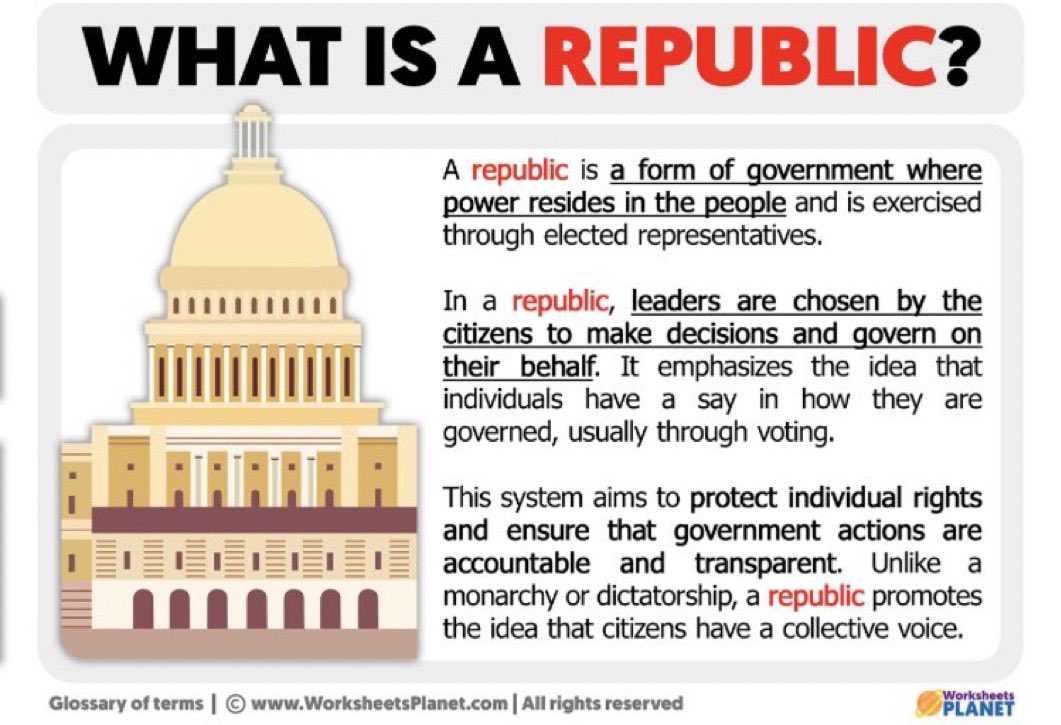
I think this cuts through the noise. Alaska’s crisis is constitutional power is supposed to reside in the people, but the gatekeepers have learned how to manage it for themselves.
Expanding awareness of this exact dynamic is how we start rebuilding.
What’s our next move on this⁉️
But Alaska’s small population and resource wealth make the capture especially stark.
We retain the shell of self-government (ballots, RCV debates) while the substance, actual control over our oil, gas, minerals, land, and Permanent Fund, is managed for the insiders.
Why the 2026 Governor’s Race Alone Changes Nothing
A strong conservative governor can set tone, veto, and appoint, but without a legislature willing to pass structural bills (PFD formula protection, regulatory rollback, union accountability, energy permitting reform, Medicaid work requirements with real teeth), the colony persists.
History shows this, Dunleavy’s efforts were blunted by coalitions. The next governor will inherit the same apparatus unless voters also deliver a governing majority that understands the battlefield.
The path out isn’t more candidates or louder rhetoric. It’s disciplined party coordination to elevate viable contenders and slate legislative candidates who reject the coalition game. Voters need to see the colony for what it is, not partisan labels, but a system where power flows upward to the permanent interests. Until Alaskans demand bottom-up reclamation, treating the state as sovereign resource owners rather than managed dependents, the work colony endures.
I think this cuts through the noise. Alaska’s crisis is constitutional power is supposed to reside in the people, but the gatekeepers have learned how to manage it for themselves.
Expanding awareness of this exact dynamic is how we start rebuilding.
What’s our next move on this⁉️
• • •
Missing some Tweet in this thread? You can try to
force a refresh