Orange / Arausia - Roman colony founded in 35 BC hosting some Roman remains from the first century AD. The impressive theatre is surrounded by a mysterious temple complex, a small museum with the remains of a Roman cadaster, and a monumental triumphal arch - thread 🧵🧵
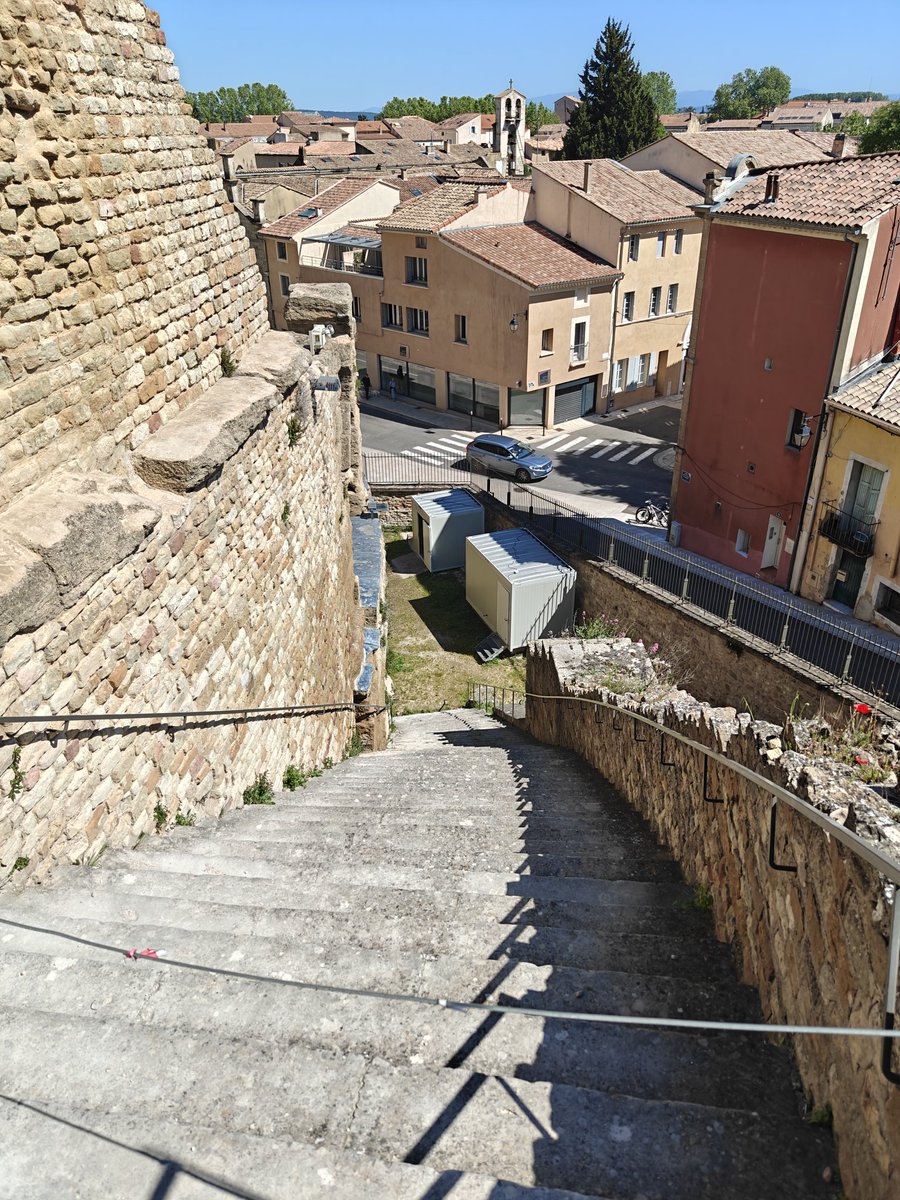
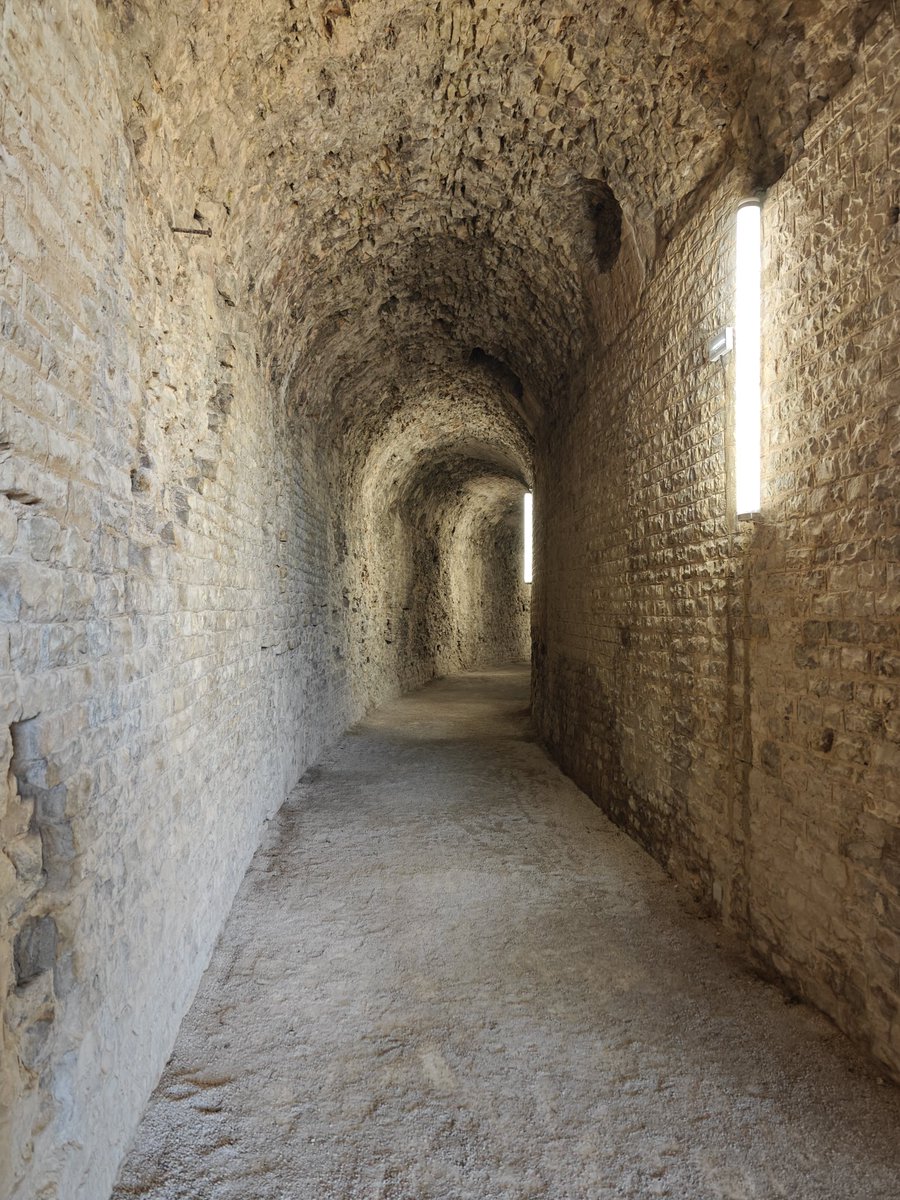
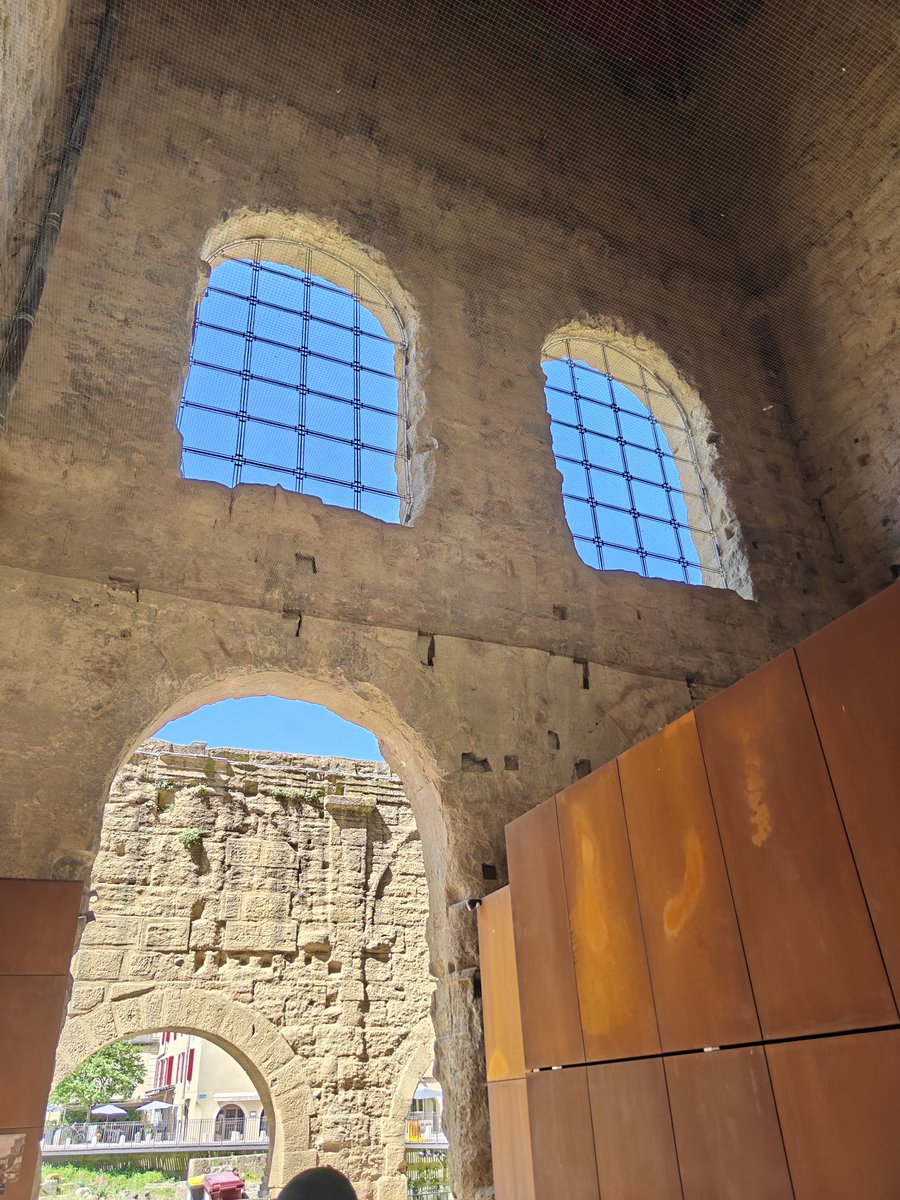
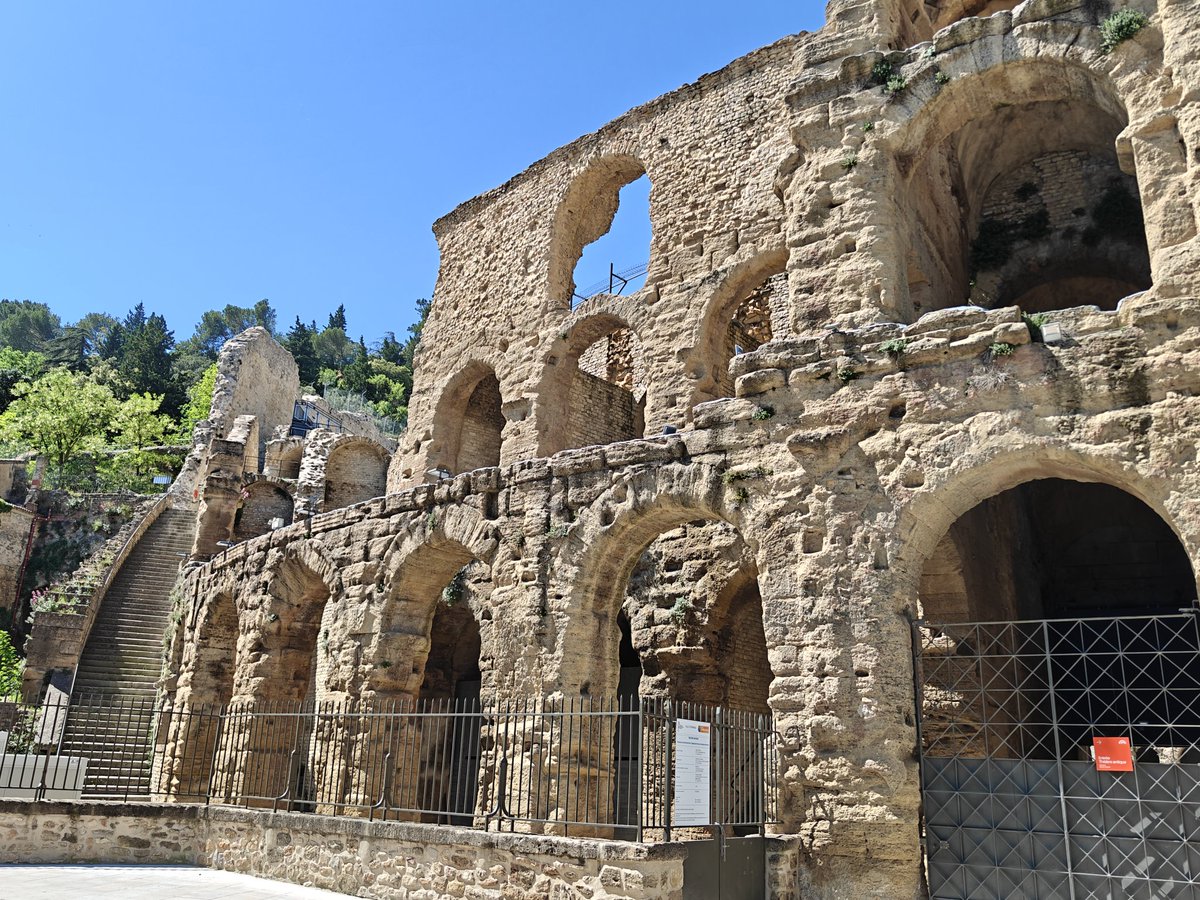
The theatre of Arausia was built in the first century AD, and was therewith one of the first in this region (contemporary with Arelate). The theatre has survived exceptionally well including the podium, walls, towers and even external staircases.
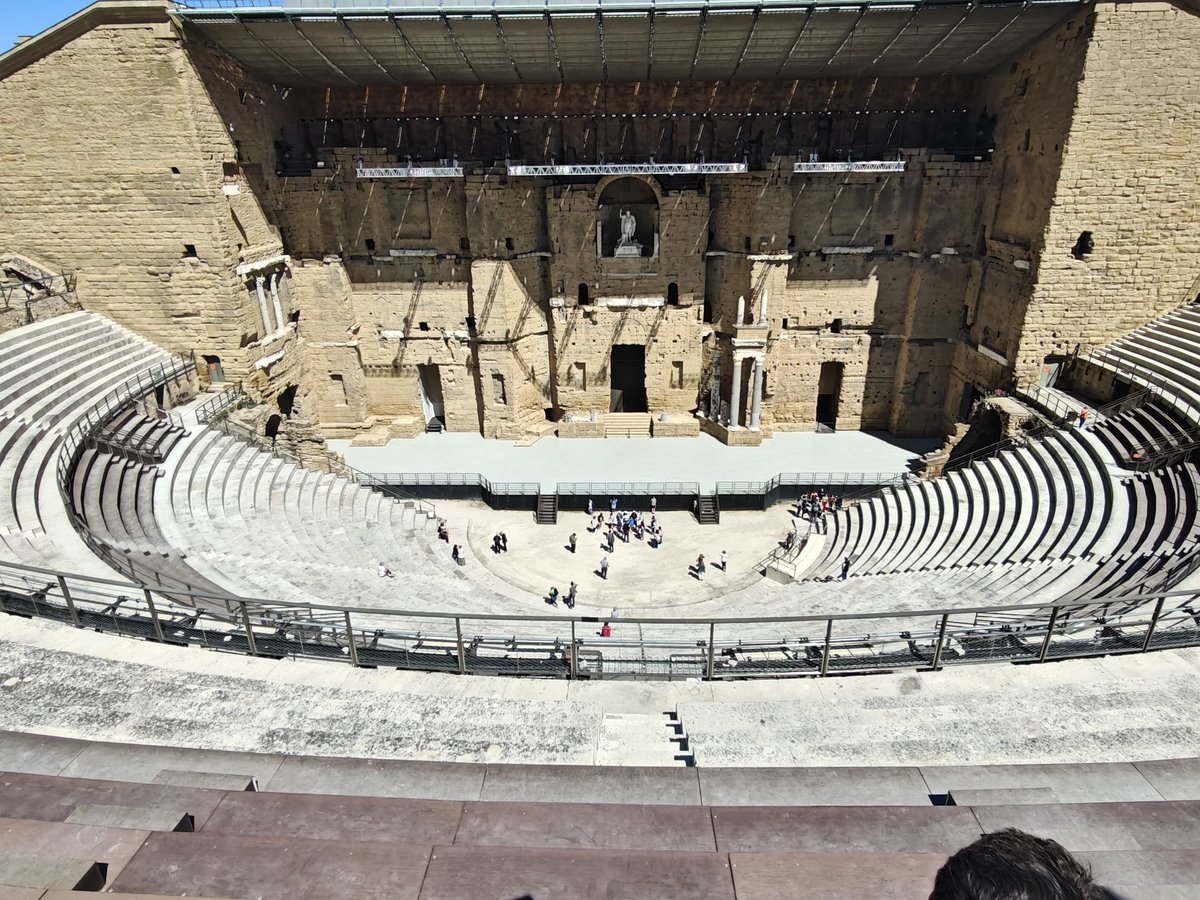
The exterior wall is still intact reaching a height of 37 meters. The theatre offered space to aprox. 7000 people. Although most of the decoration is gone, the podium wall still has some columns, marble slabs and a statue of Augustus (likely replacing an earlier Apollo statue)
The entrance, one of the towers, exterior view & a reconstruction
Next to the theatre we find the hemicycle complex - named after the large semicircular wall before we find a capital, columns remains and foundations of a temple. The wall has been interpreted as part of a circus, gymnasium, or more likely an exterior wall of the forum/temple
This identification issue ties into the Roman wall found in Rue de Pontillac, which has been identified as either the circus wall or the forum enclosure with a gallery on the inside
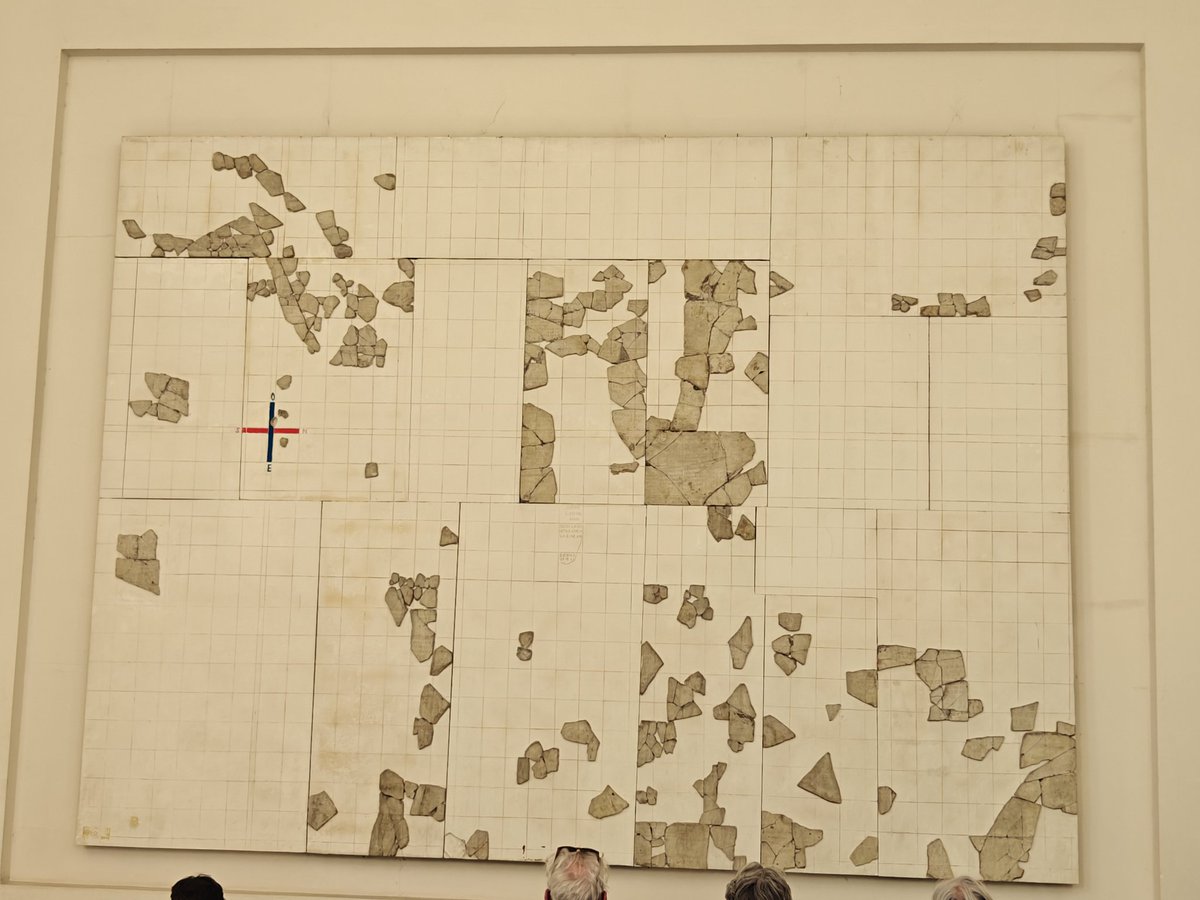
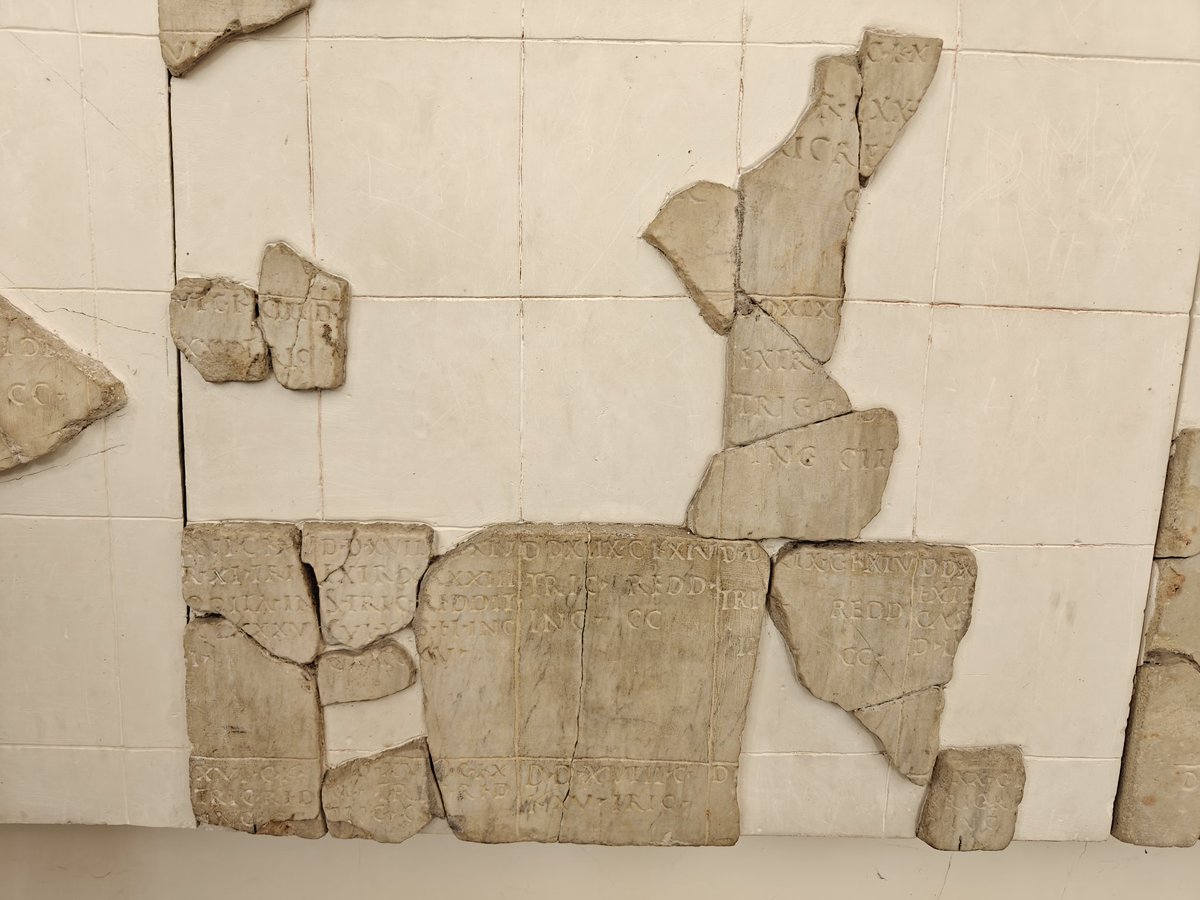
Next to the theatre we find a small municipal museum with some Roman remains, but really relevant for a not spectacular but very informative remain: the Roman Cadaster of Arausia.
There have been three Cadasters found which indicate the level of administration in the first century AD. The remains indicate the owner, the rent, the price and location of each property. Found together with an inscription of Vespasian
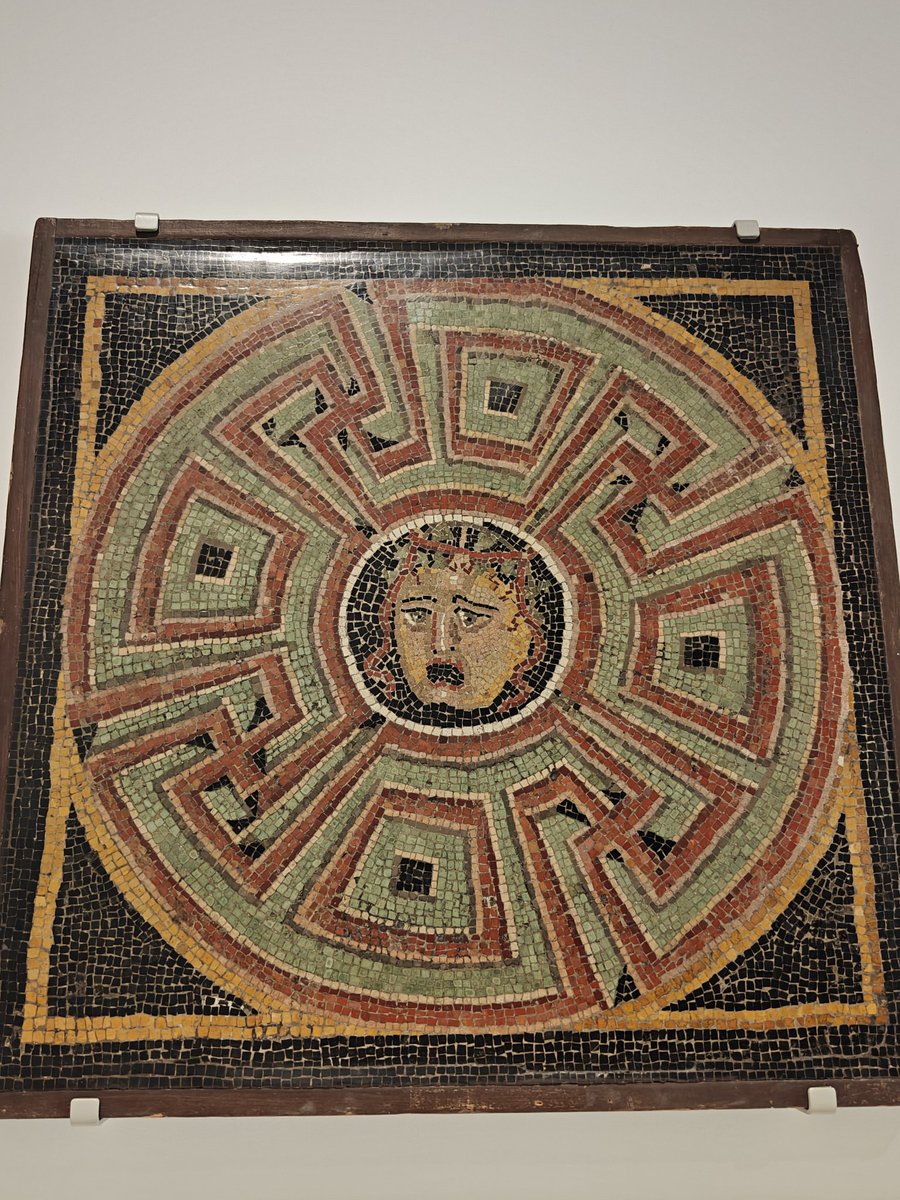
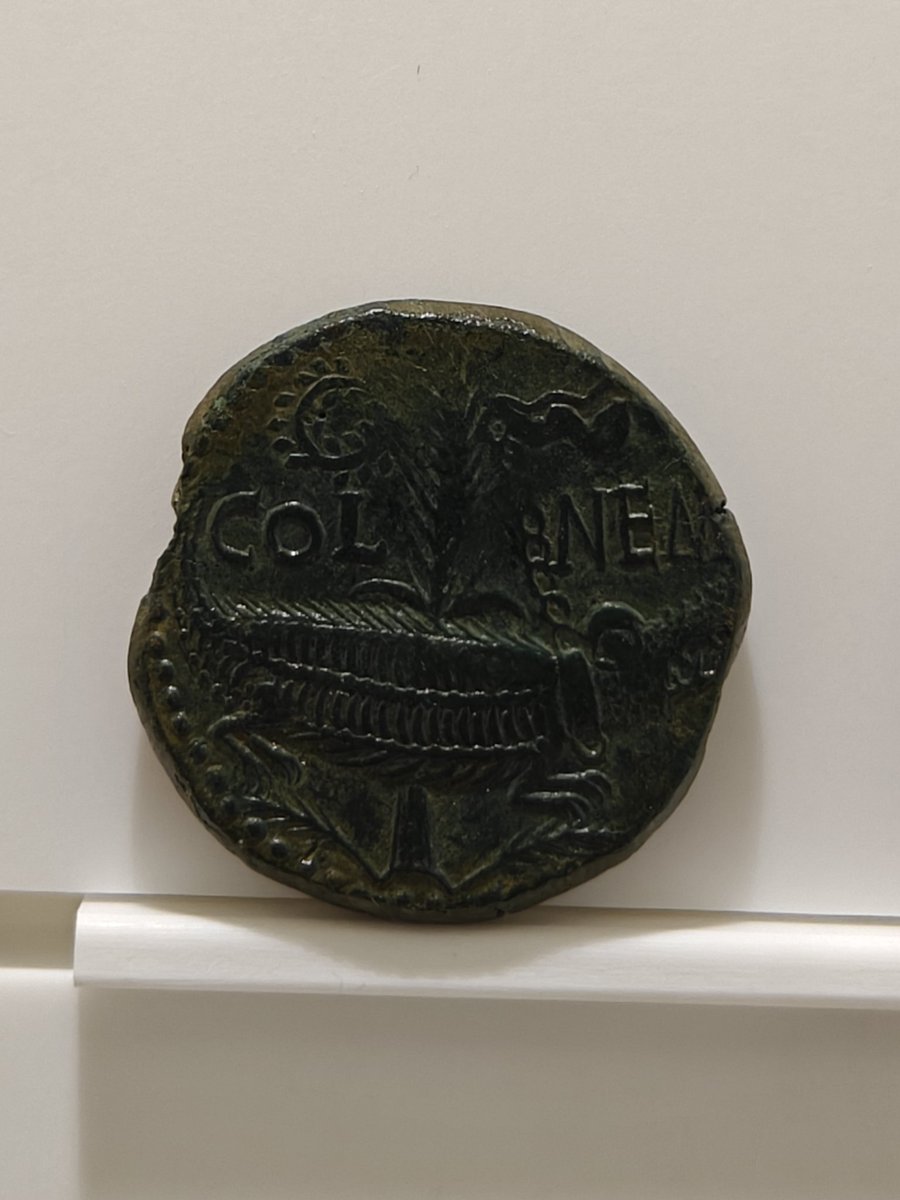
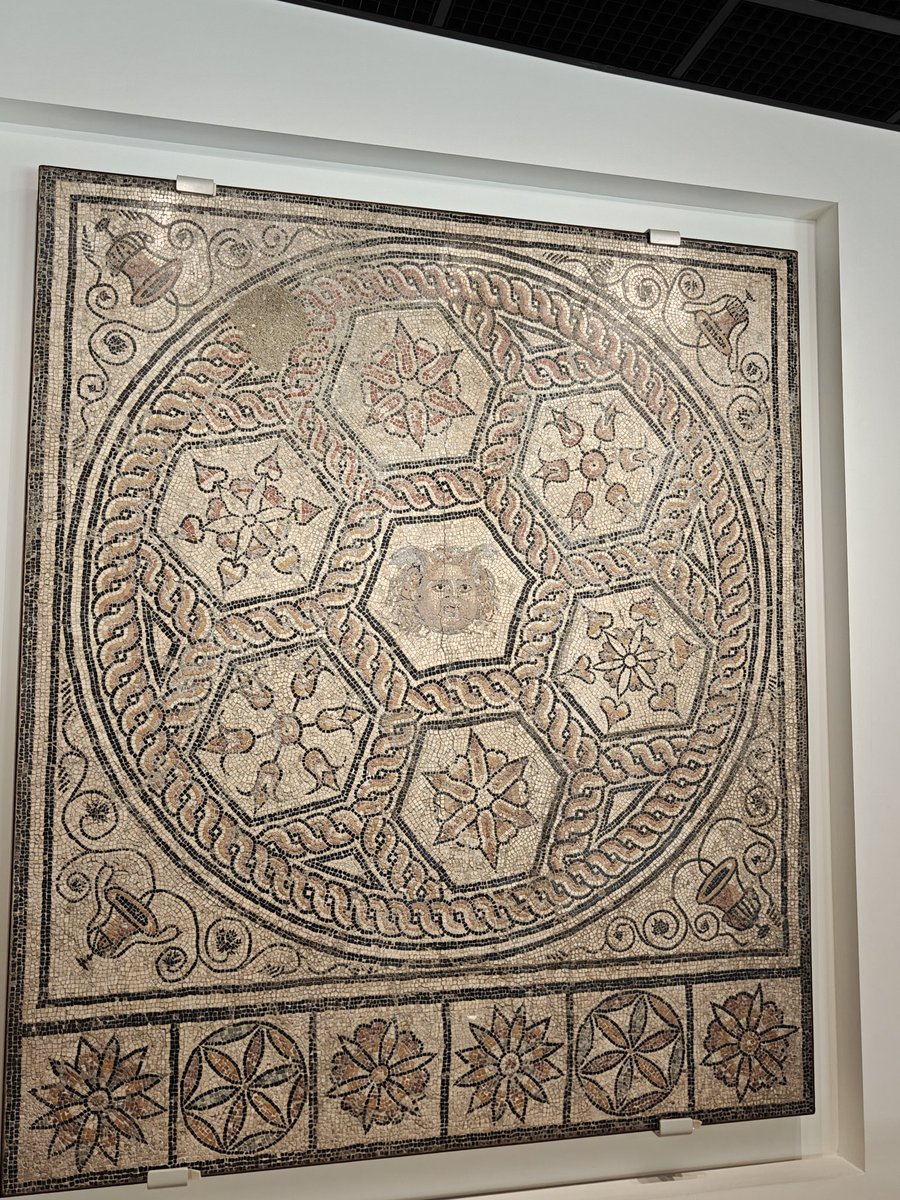
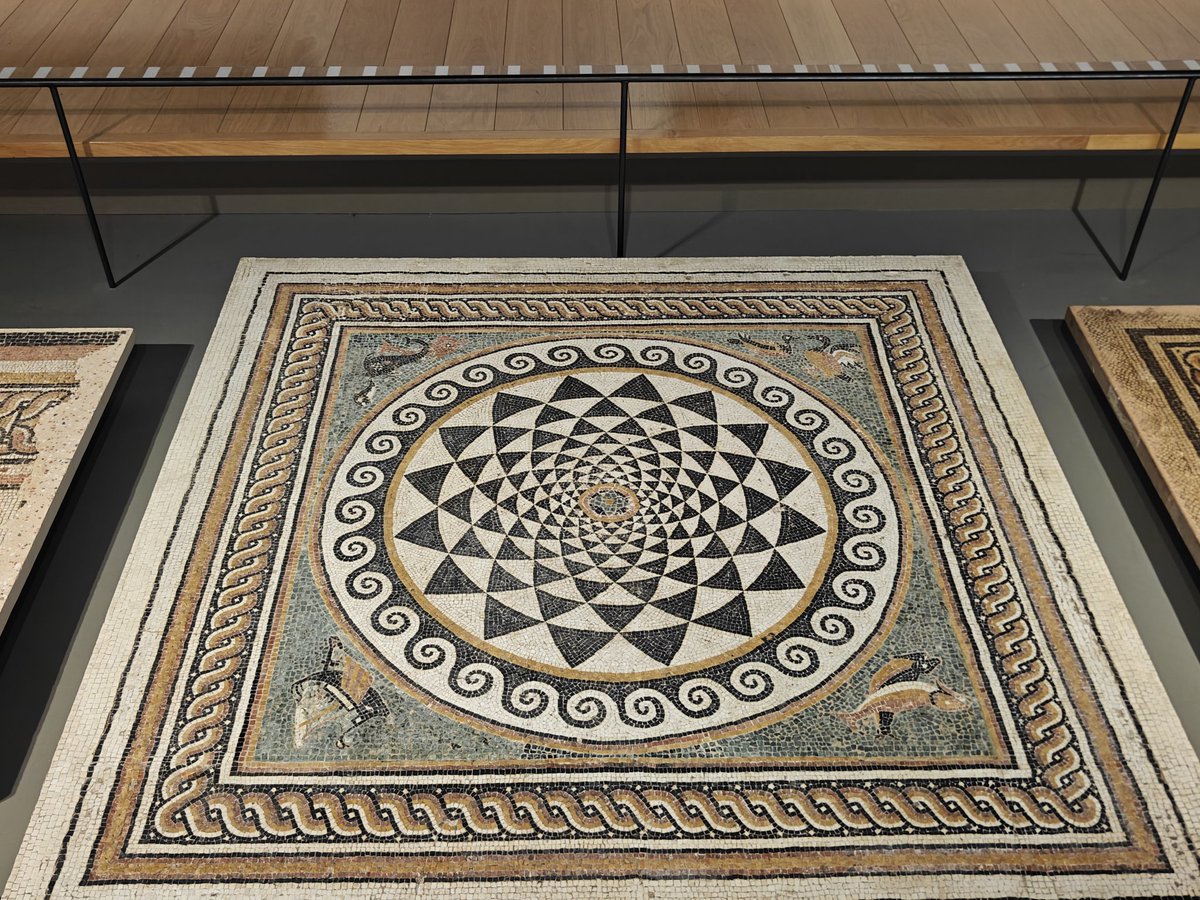
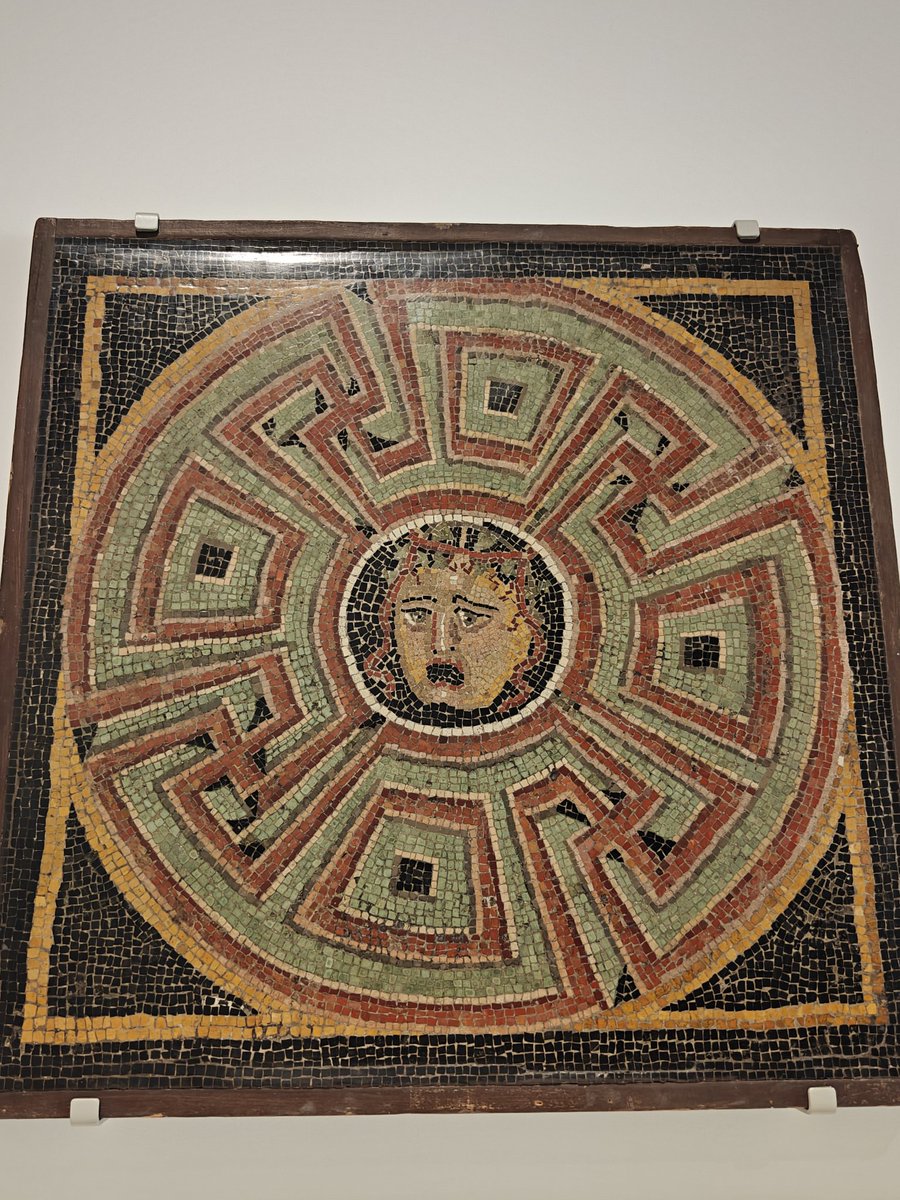
Some other remains of Roman Arausia in the museum
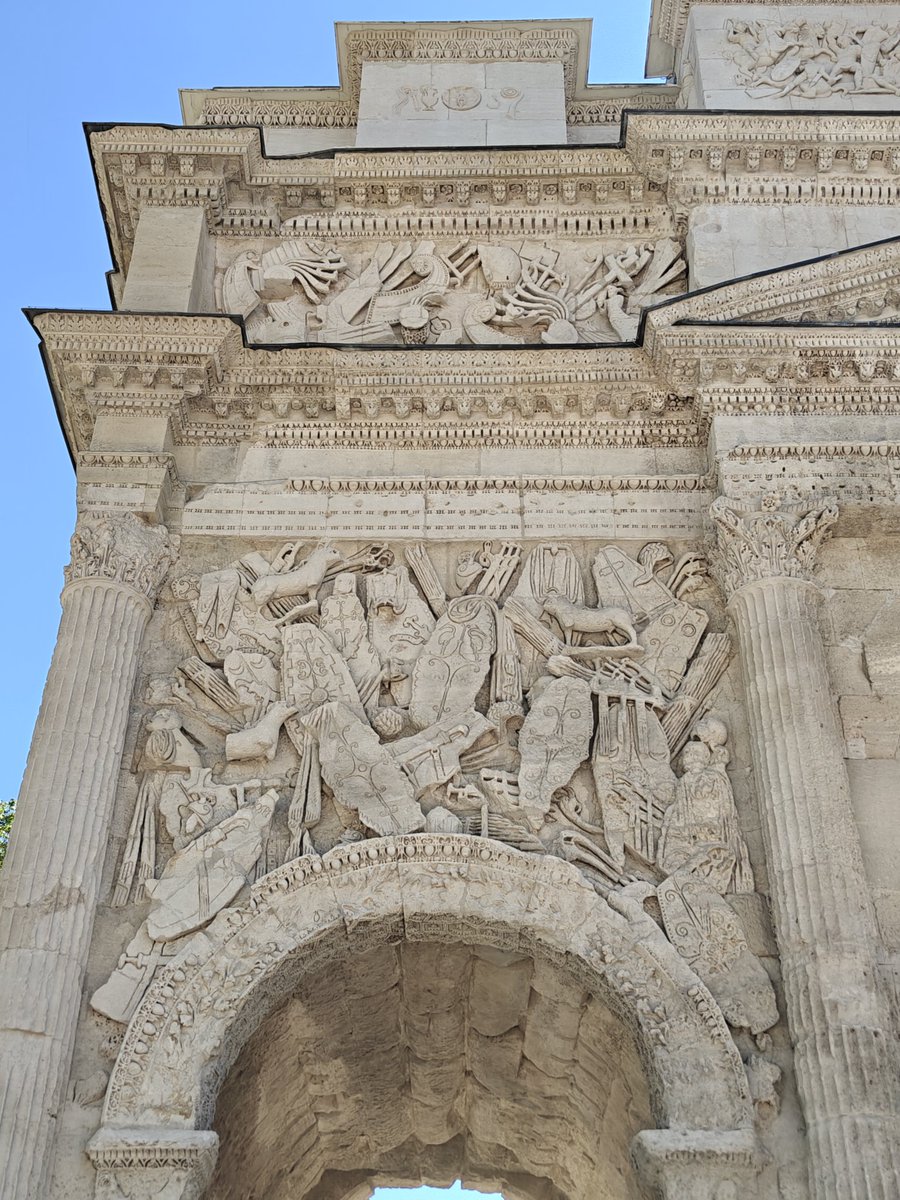
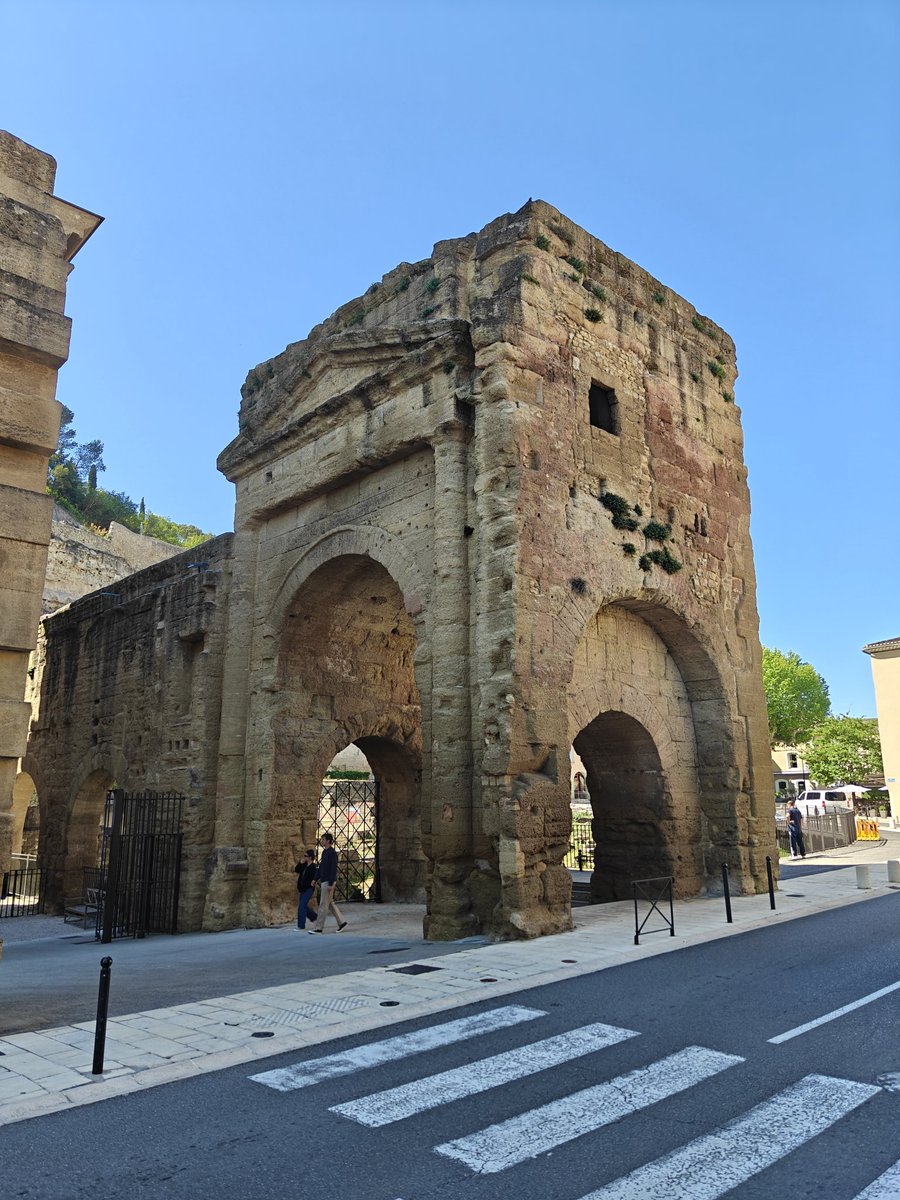
Finally, the triumphal arch - another mystery because of the lost inscription. The arch is monumental and therefore likely imperial. It shows Roman fighting Germanic and Gallic people on the upper reliefs and spoils of war and nautical scenes in the lower parts
Some more details --> the north relief is the best preserved, but similar to the south. Spoils of war and the spoils of war from sea warfare, finally the battle scène between Romans and the, by now, conquered barbarians.
The interpretation has been difficult due to the lacking inscription. Some have connected the name Sacrovir to a local rebellion by a Sarcovir repressed by the Romans. This local event would however unlikely result in an arch and also doesn't work with the nautical theme
It seems most likely this is an imperial statement indicating that the people here Gallics and Germanics (identified by their clothing in the upper relief) had been conquered by the Romans who showcase their spoils of war. An imperial statement of conquest which fits the 1st AD!
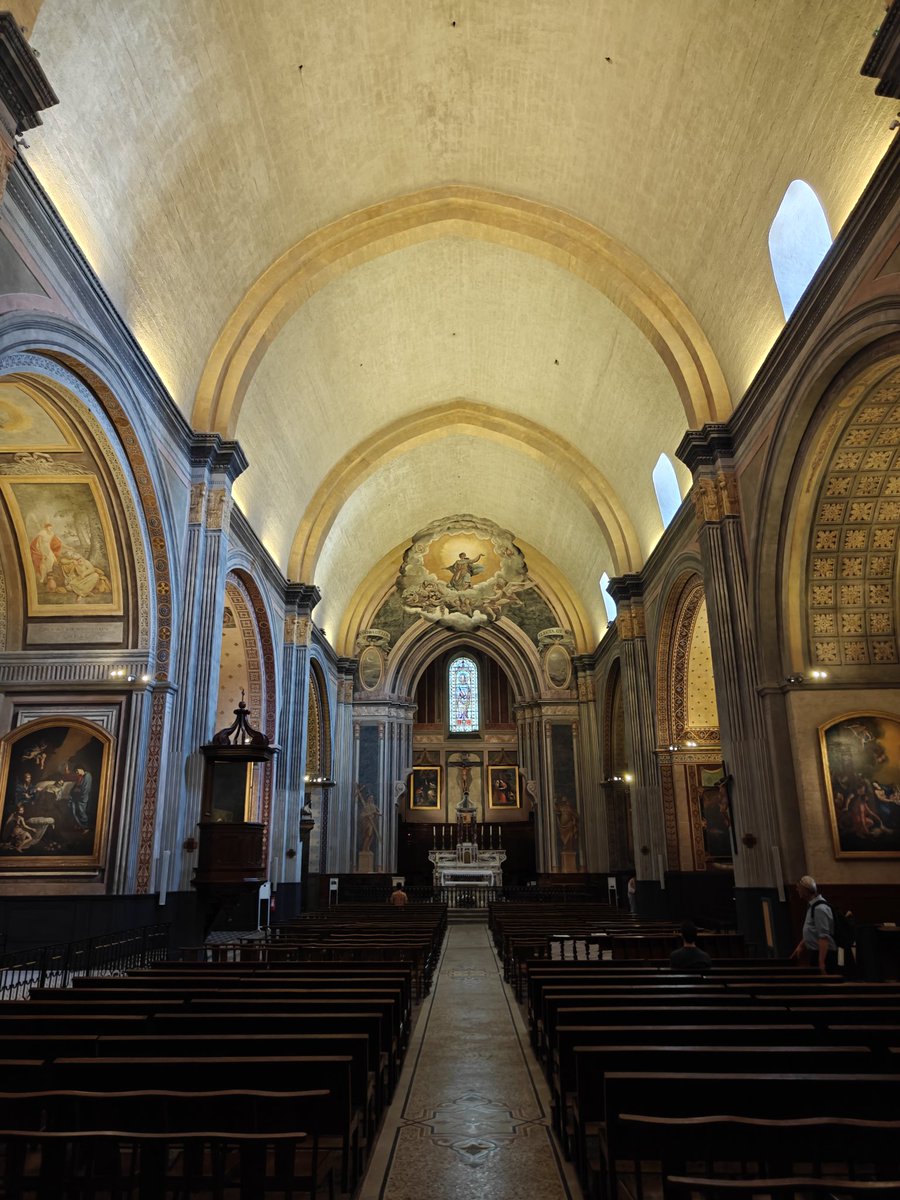
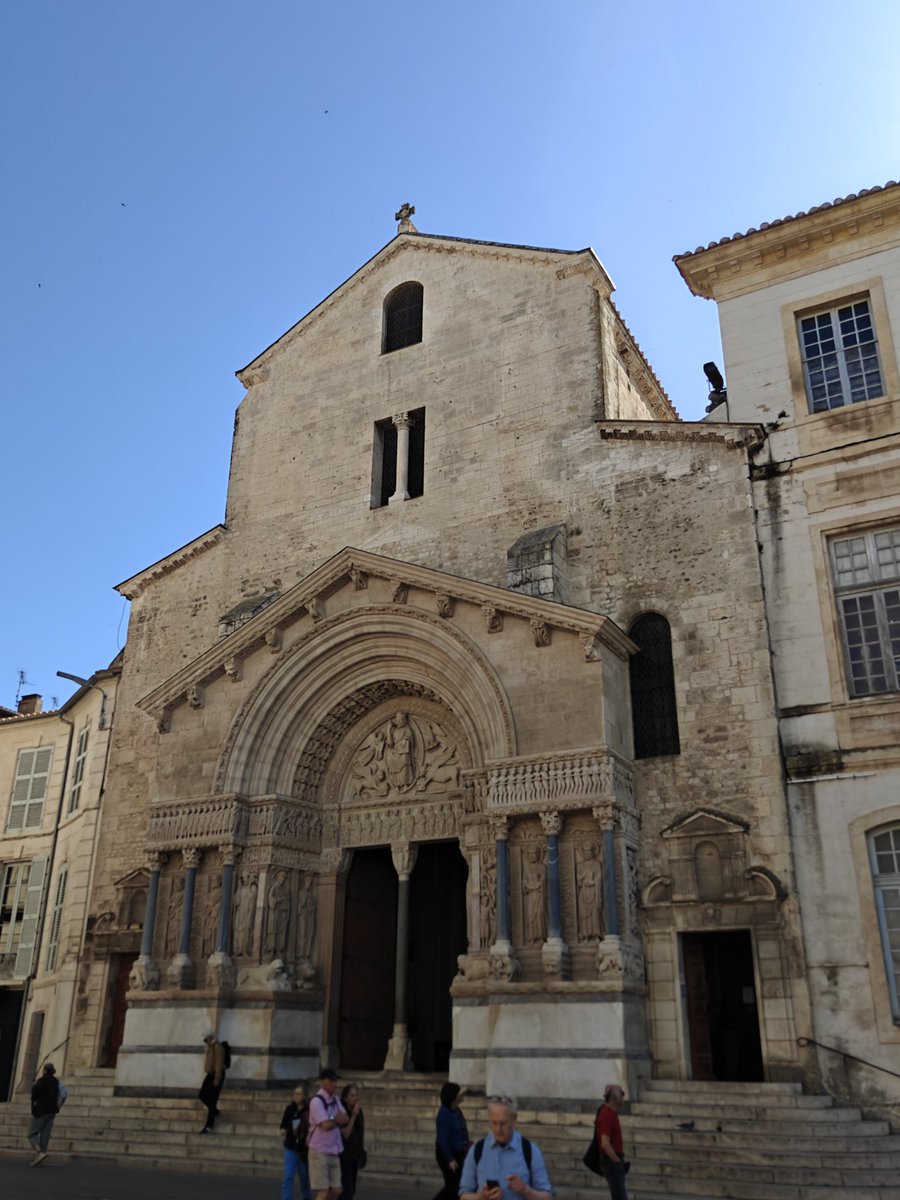
Orange also has a Romanesque cathedral, as well as the remains of the fortress the house of Orange lived in before moving to my home country, but the church has been heavily altered in later periods. The highlights are definitely the monumental Roman remains, not to be missed!
@threadreaderapp unroll
• • •
Missing some Tweet in this thread? You can try to
force a refresh

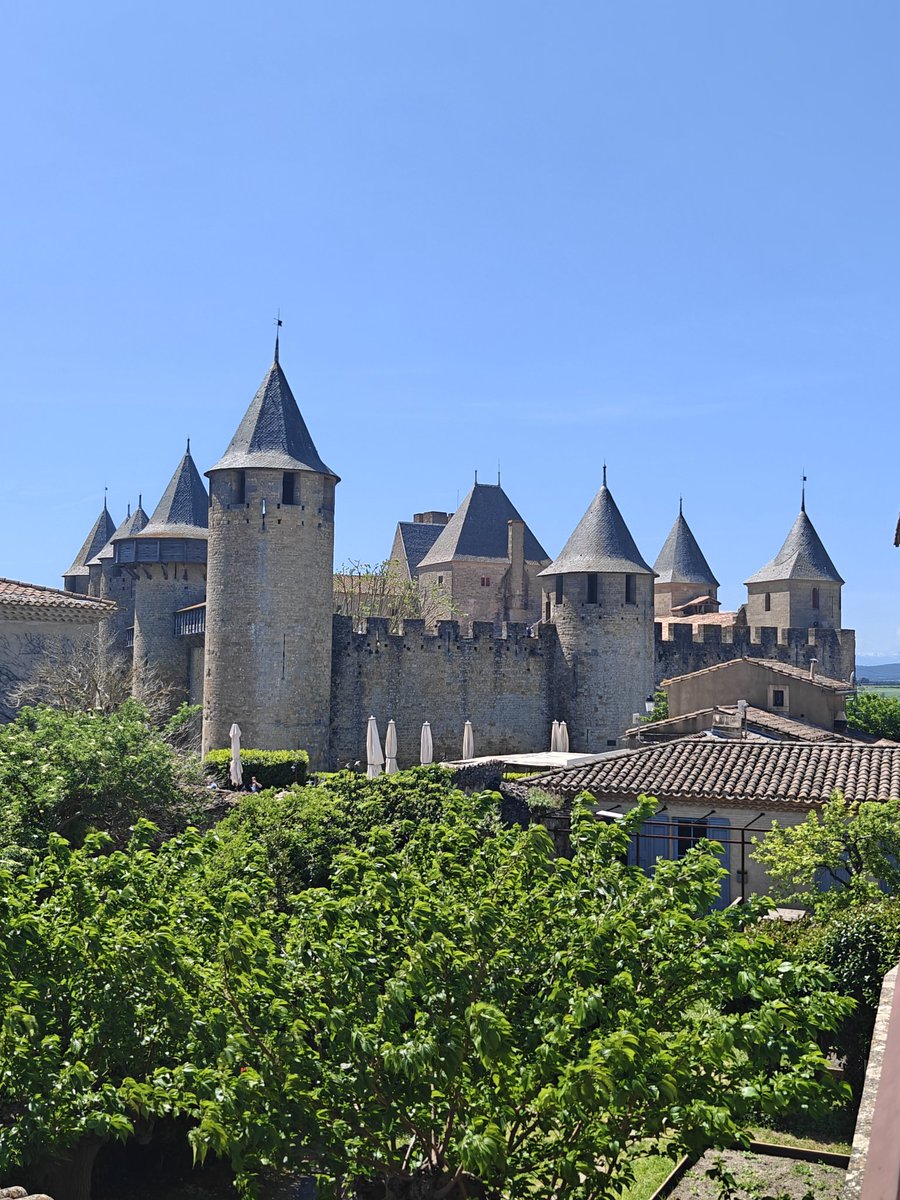
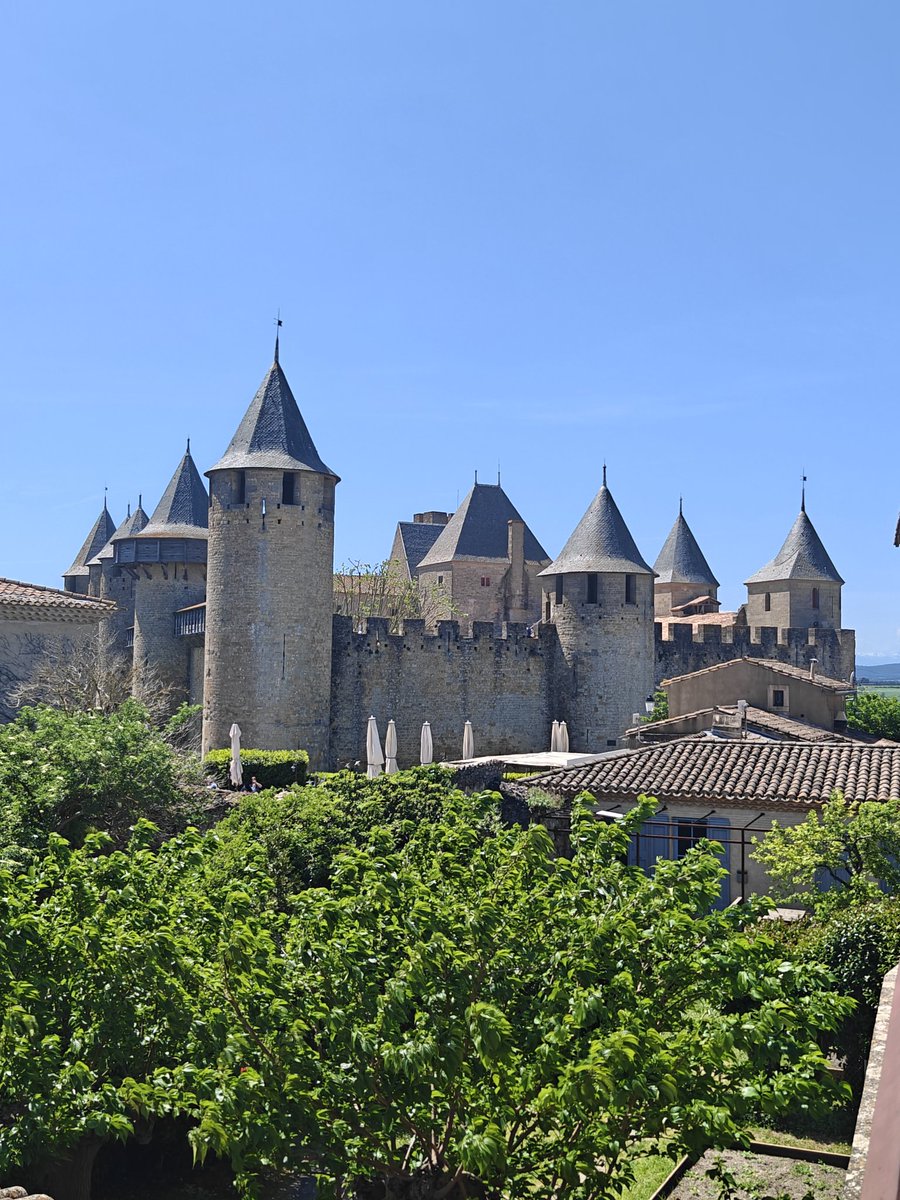
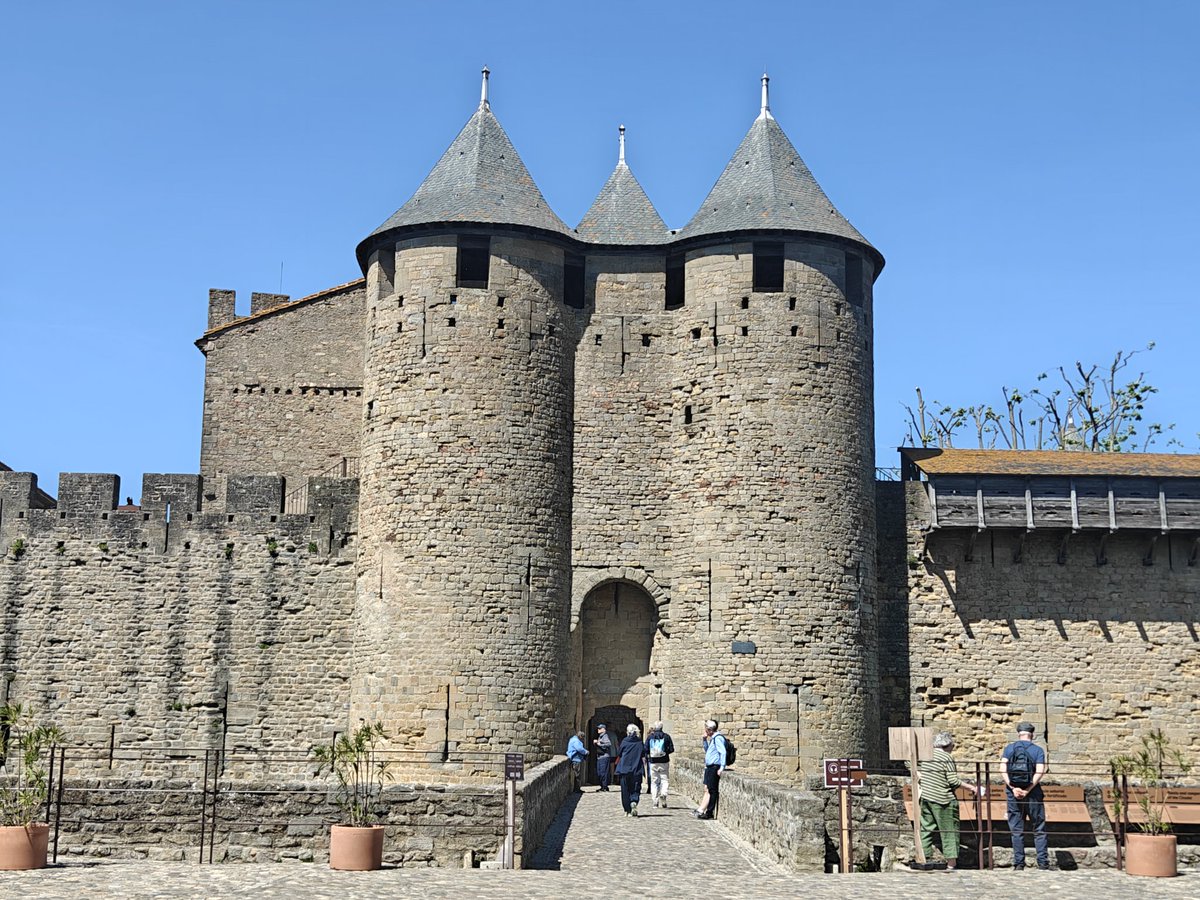
Cité de Carcassonne - this medieval upper city has a long history (Roman, Arabic, Frankish) but its current monumental defensive works are from the 13th century exiting out of two rings of walls and a castle with a dry moat. The result? The city was never taken! A small thread 🧵
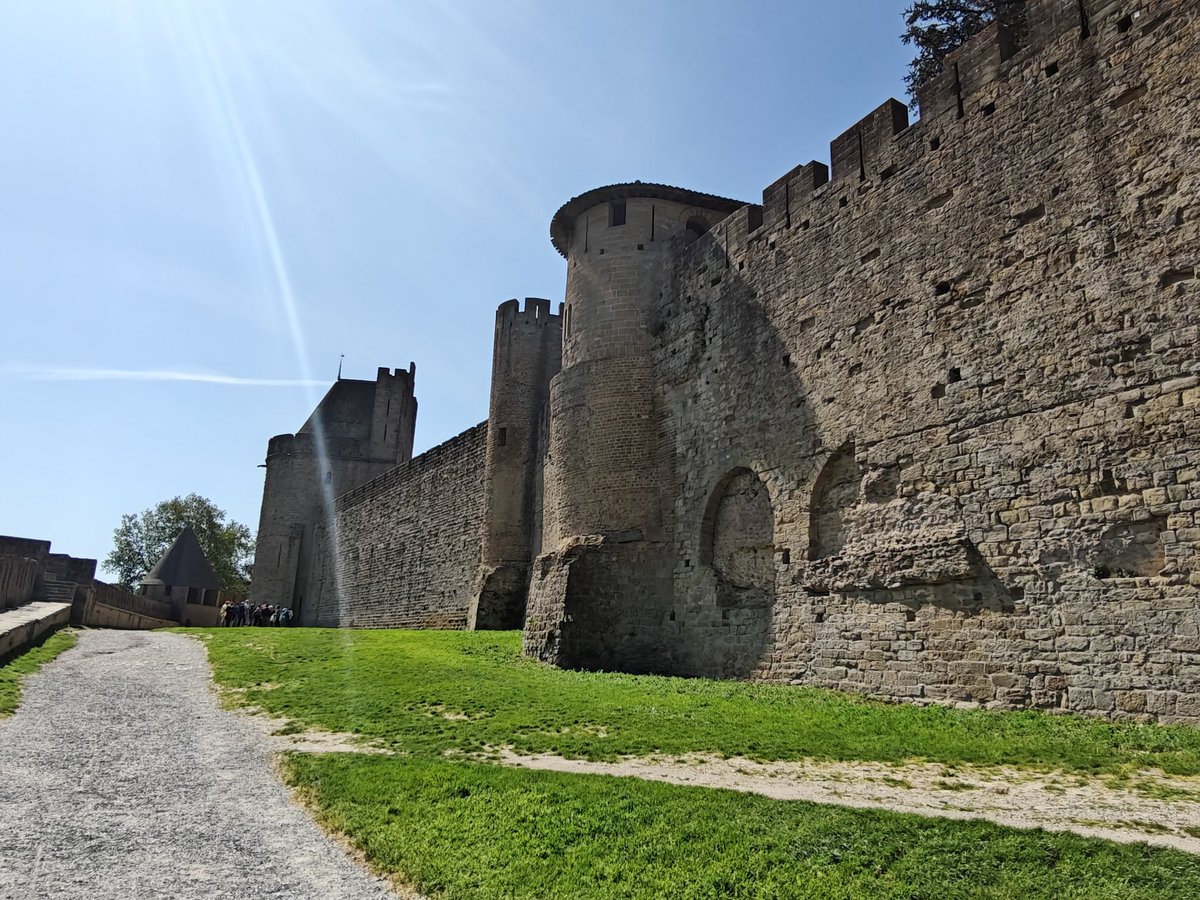
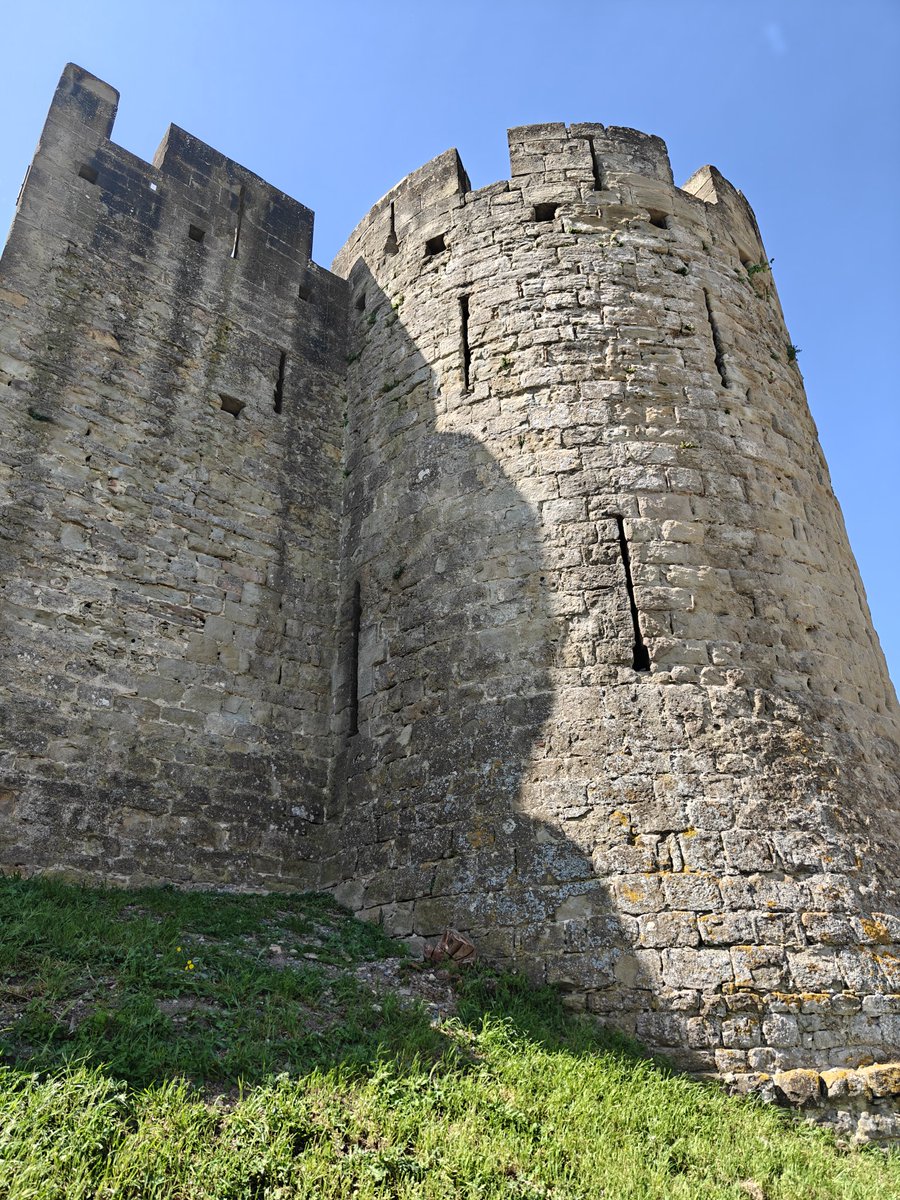
The foundation of the inner ring walls are late Roman, built upon the fortress of the Romans who already realised the defensive potential of this location.
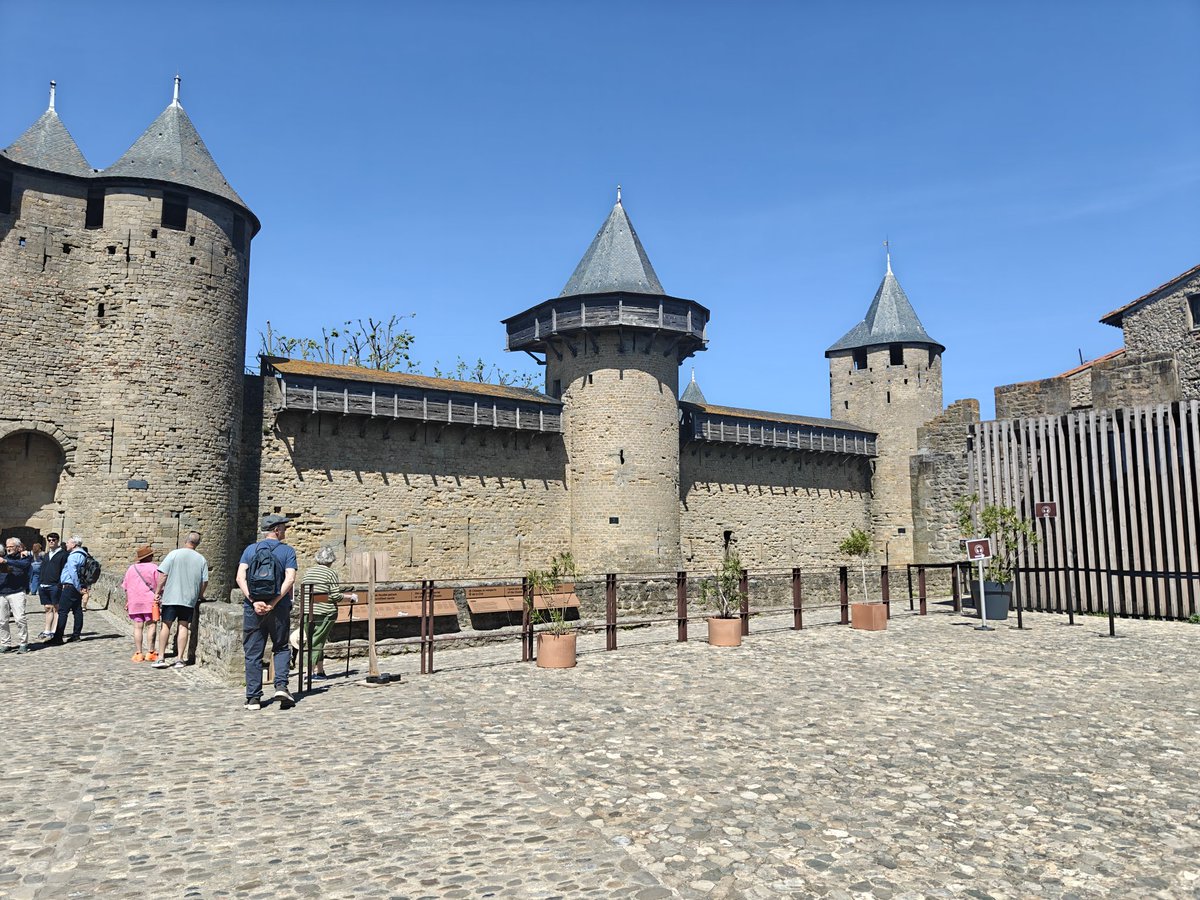
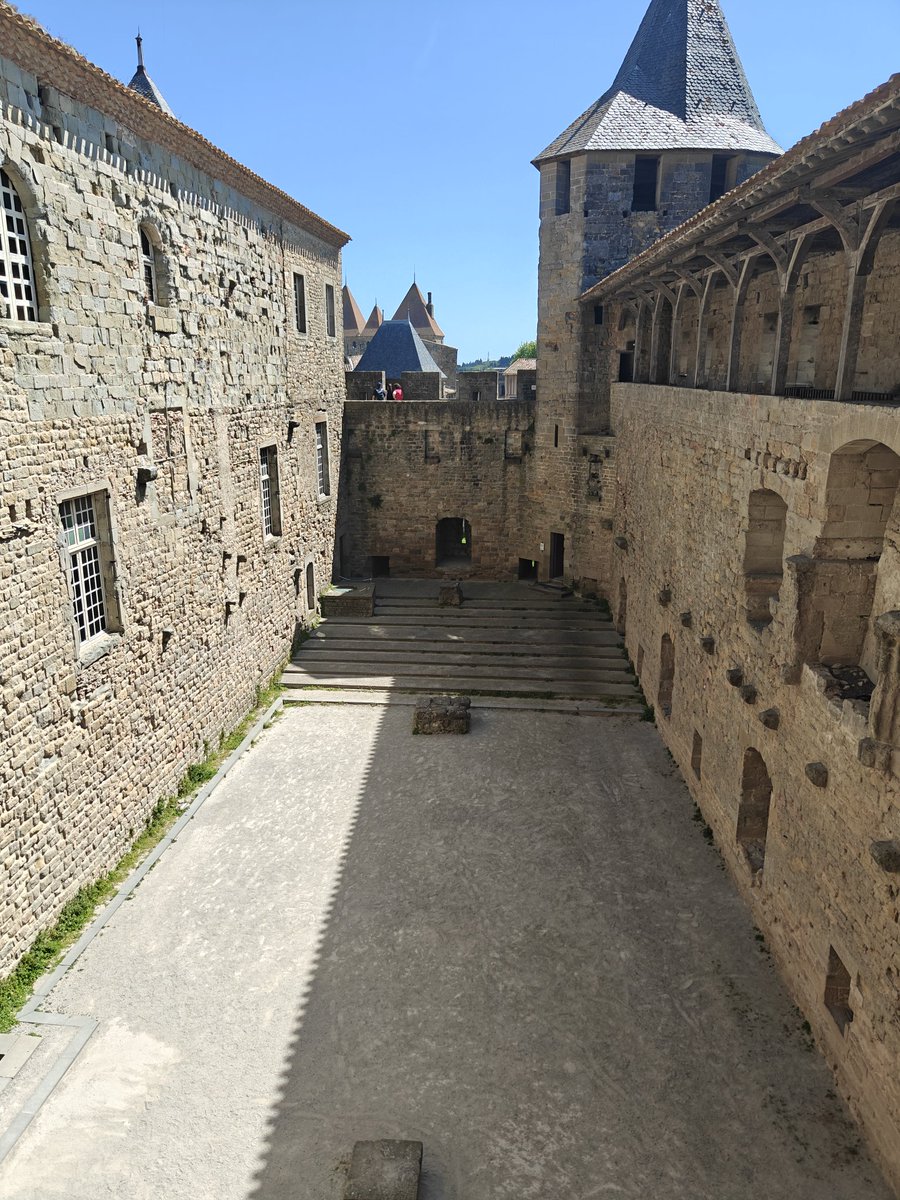
Château Comtal - the castle within the walls offered a final protective layer as well as a residence for the graves of Carcassonne.
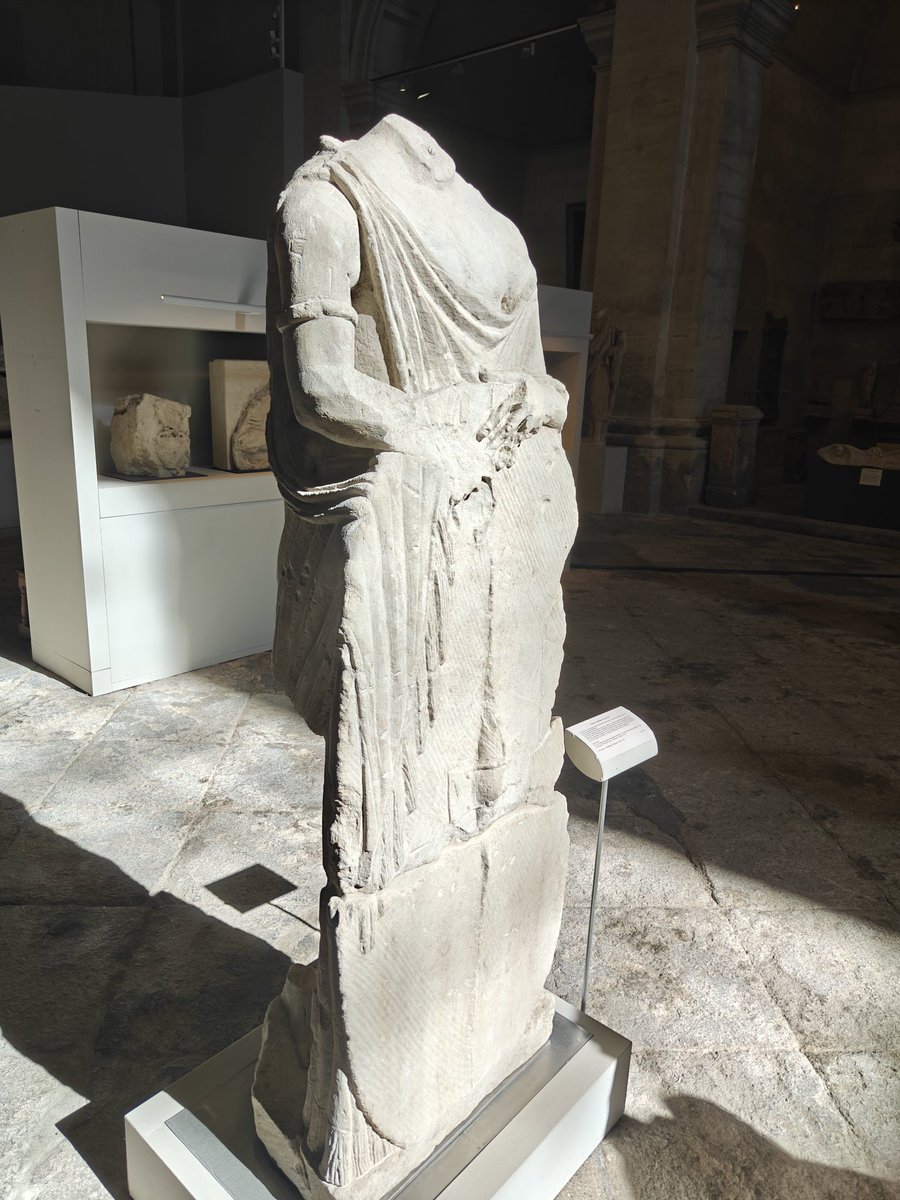
Lapidary museum Avignon - located in a former Jesuit church, this small Archeological museum hosts some interesting finds from various periods and cultures. A hidden gem in the Gothic city of Avignon. Small thread 🧵 (free entrance)
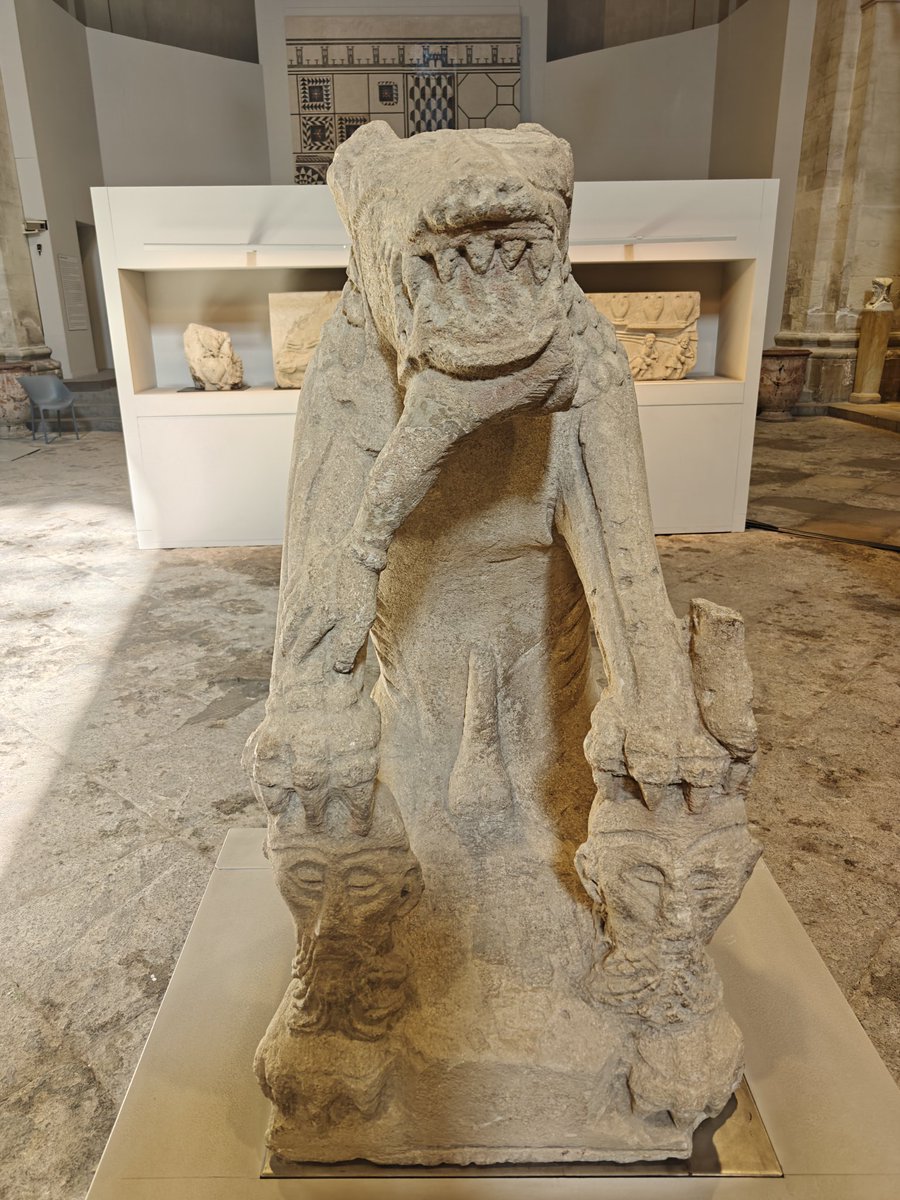
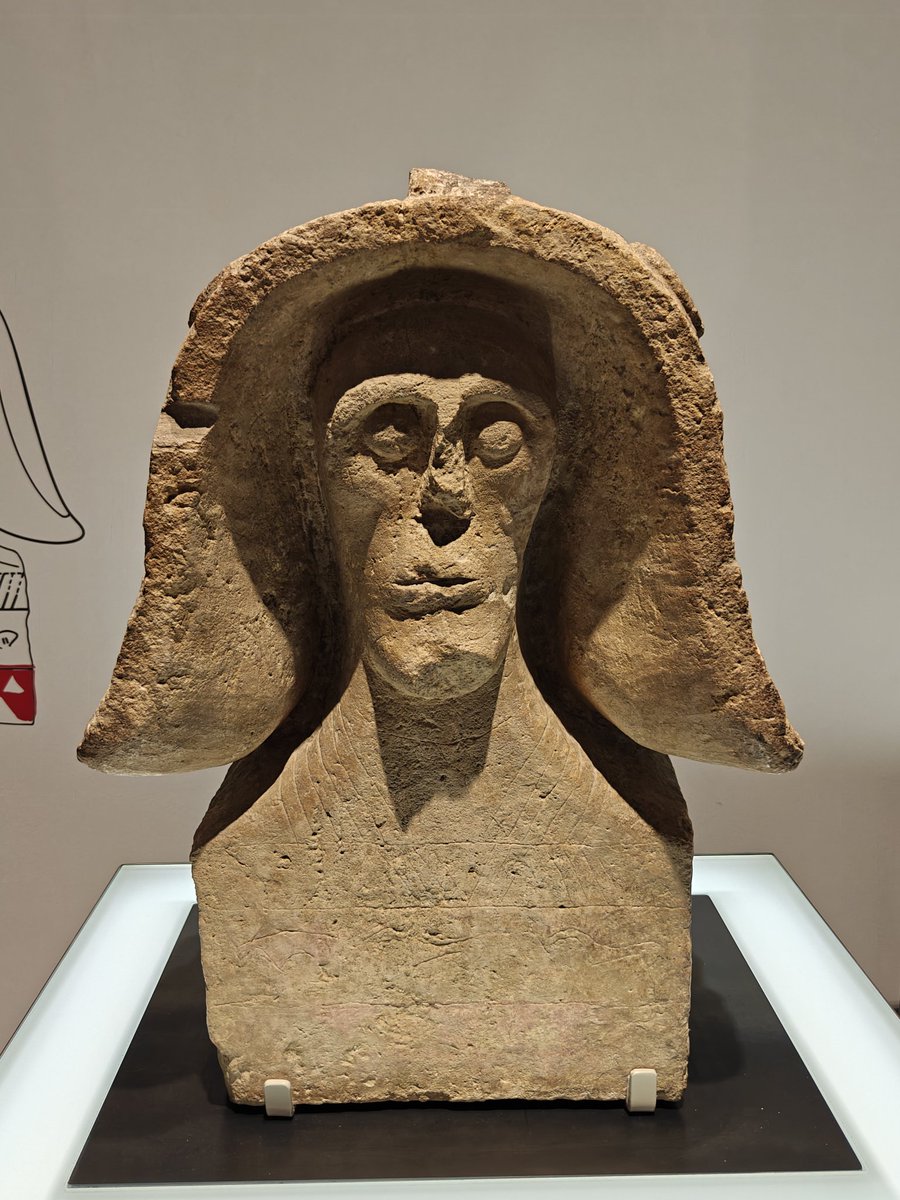
The most interesting part concerns the Gallic sculptures including the Tarasque of Noves, a strange wolf/lion hybrid with it's claws on two bearded heads, the Gallic Warrior of Vachéres, and a Gallic warrior with a large shield found in Mondragon
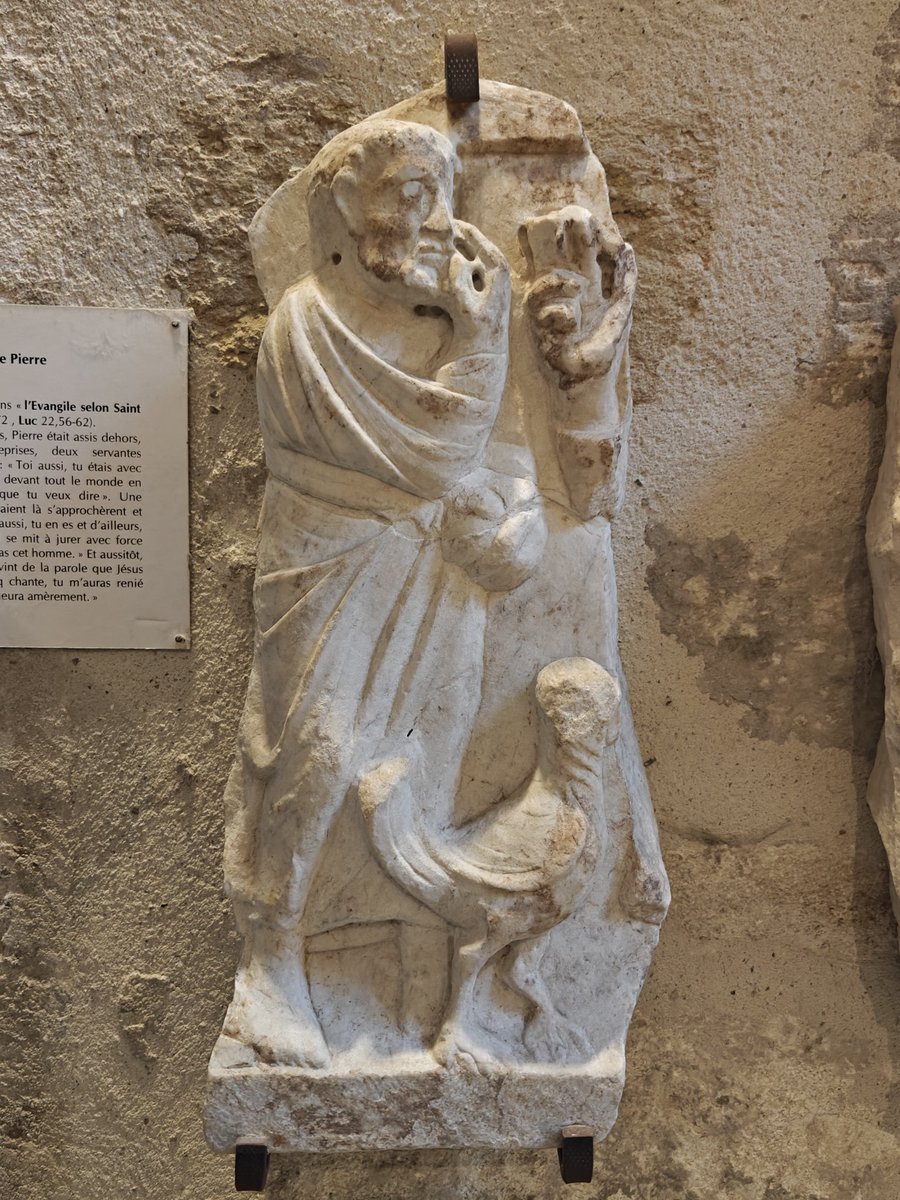
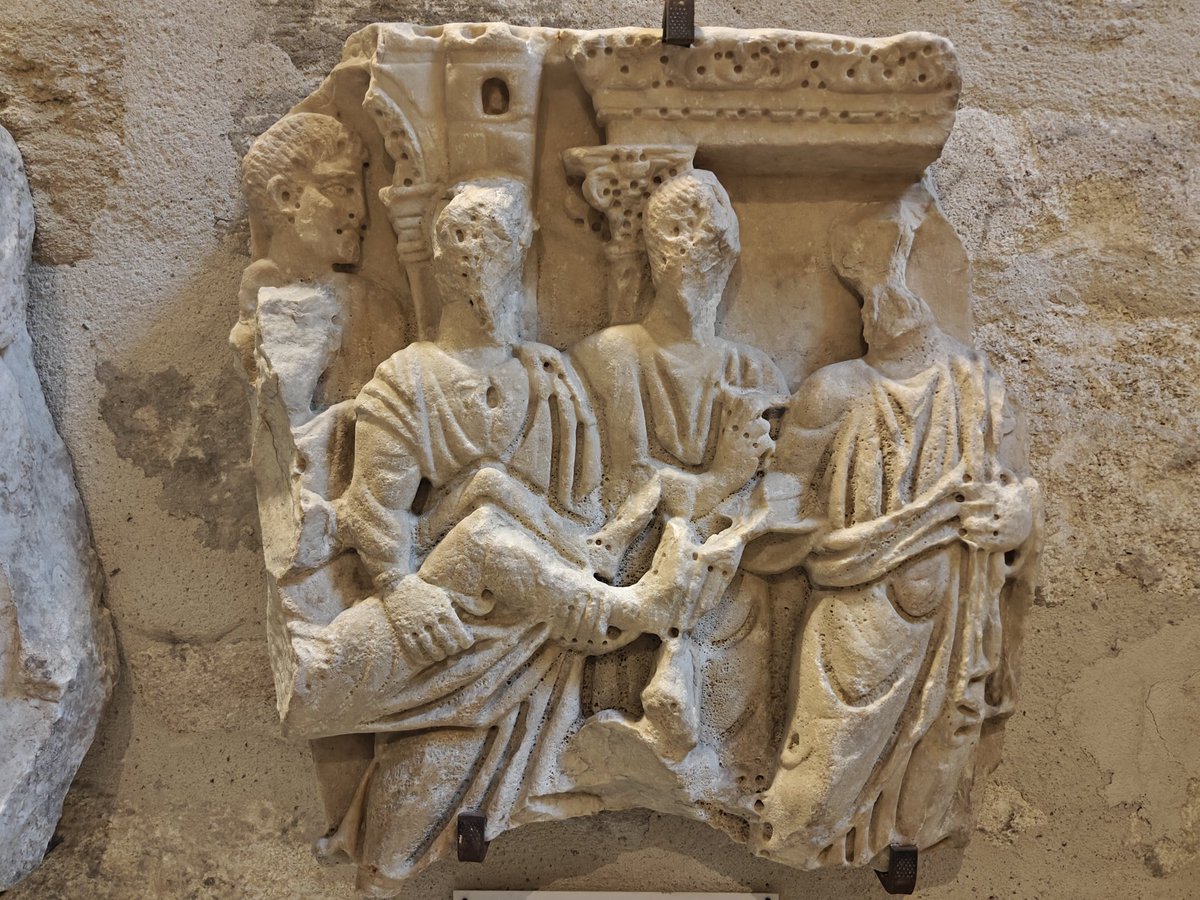
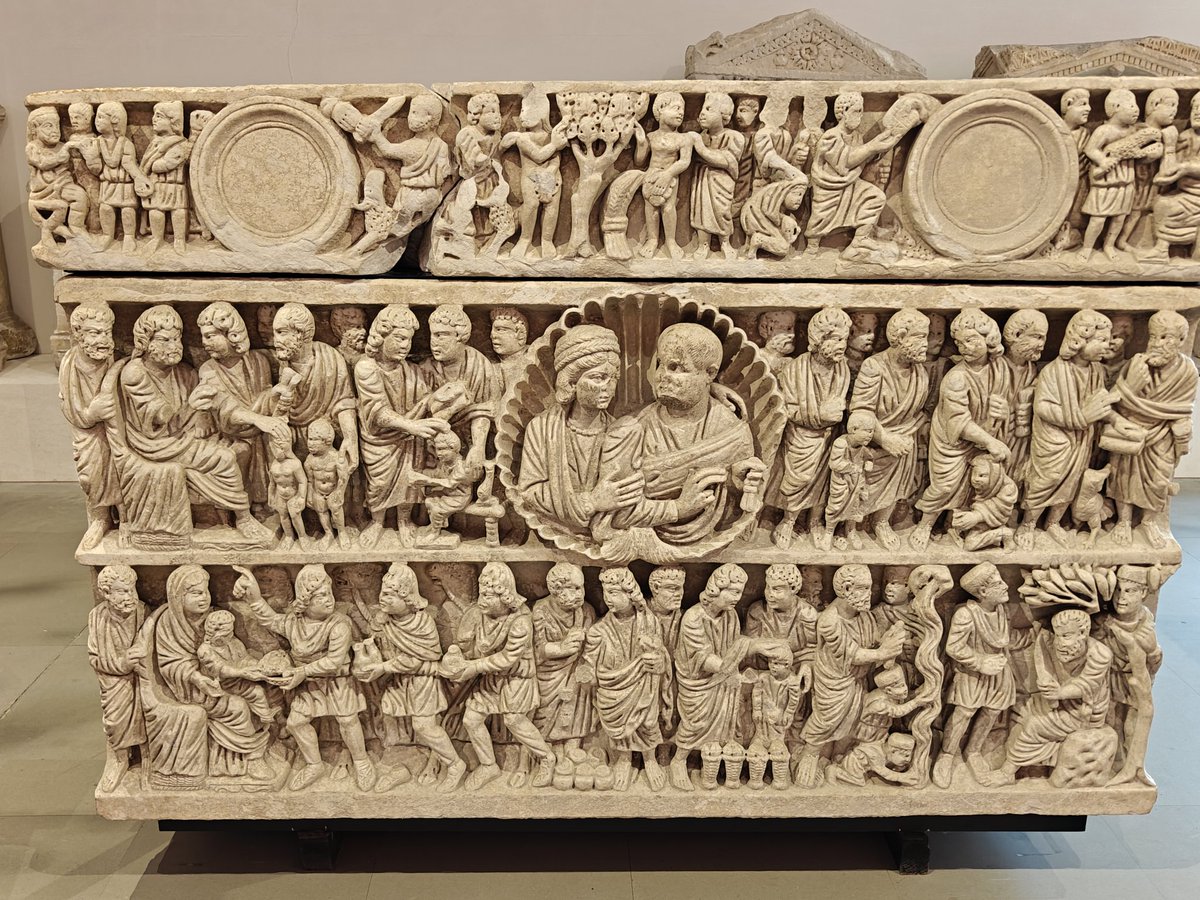
Another highlight (for me anyways) concerns the (fragments) of early Christian Sarcophagi, this isn't Arles, but they have some interesting examples, including Peter's arrest, Peter's denial, and Peter and Anasias (who is depicted in the moment of dying)
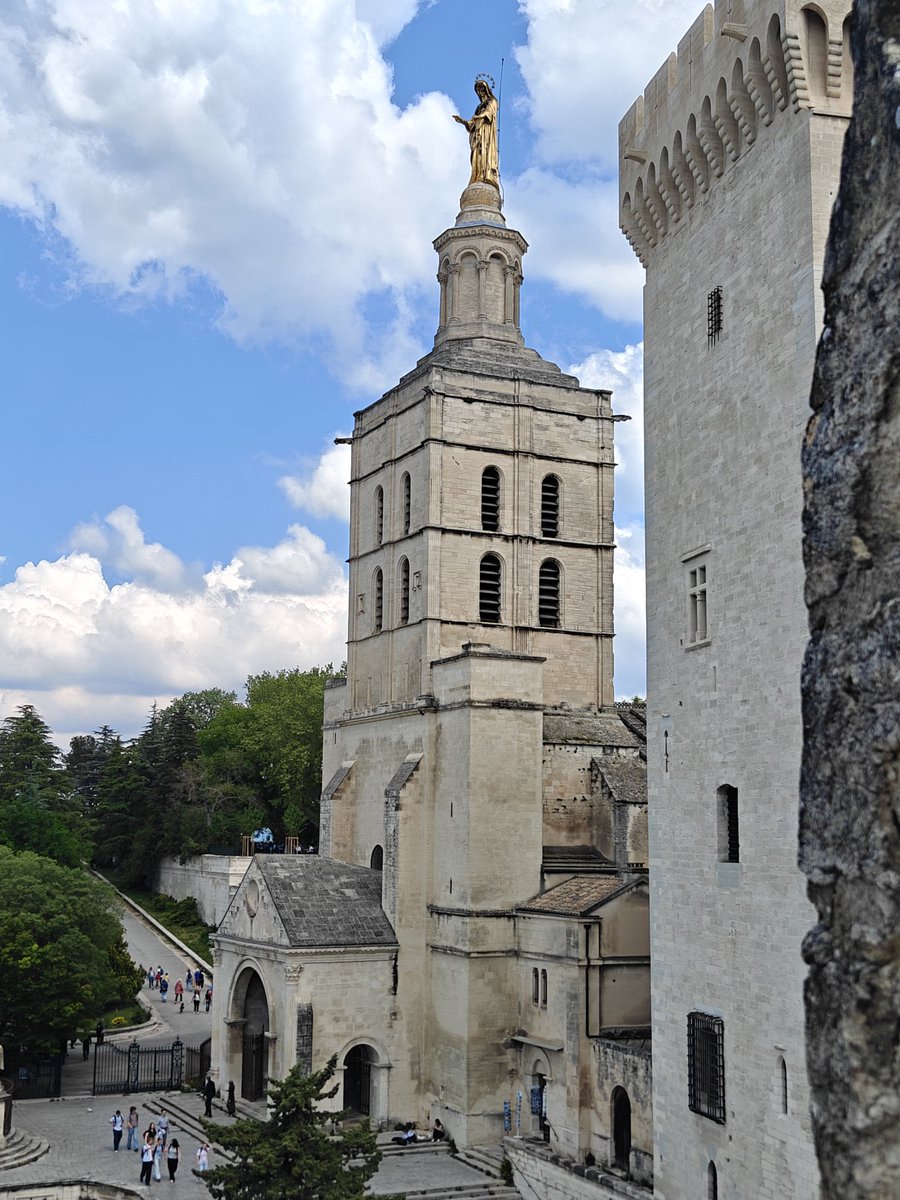
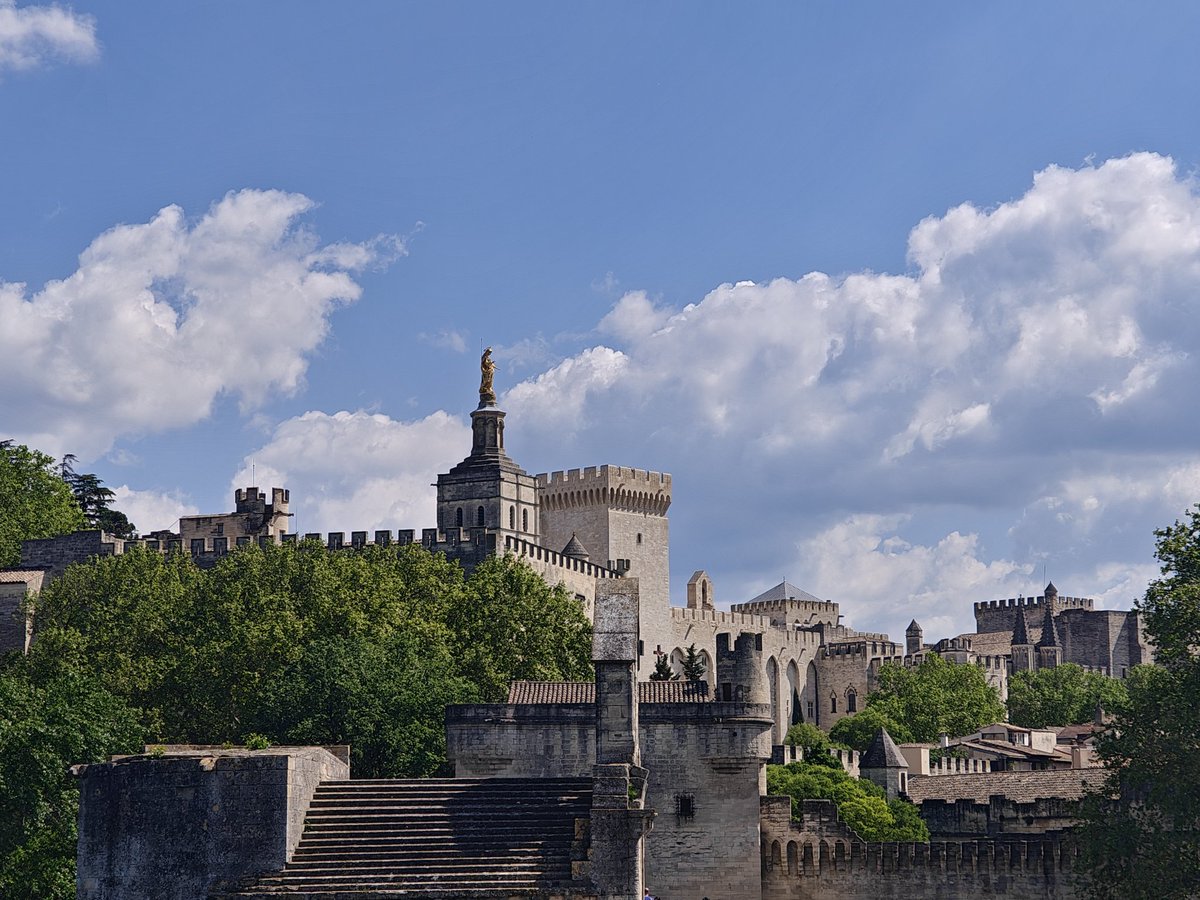
Avignon - the city of popes - the southern French city of Avignon became the residents of the popes from 1309-1377 and then again of one of the two popes during the Western/Great Schism 1378-1417. In these 100 years the papal court built a massive palace and churches - Thread 🧵
The first small papal palace of John XXII was quickly replaced by massive Gothic structure built by Benedict XII and a second part by Clemens VI
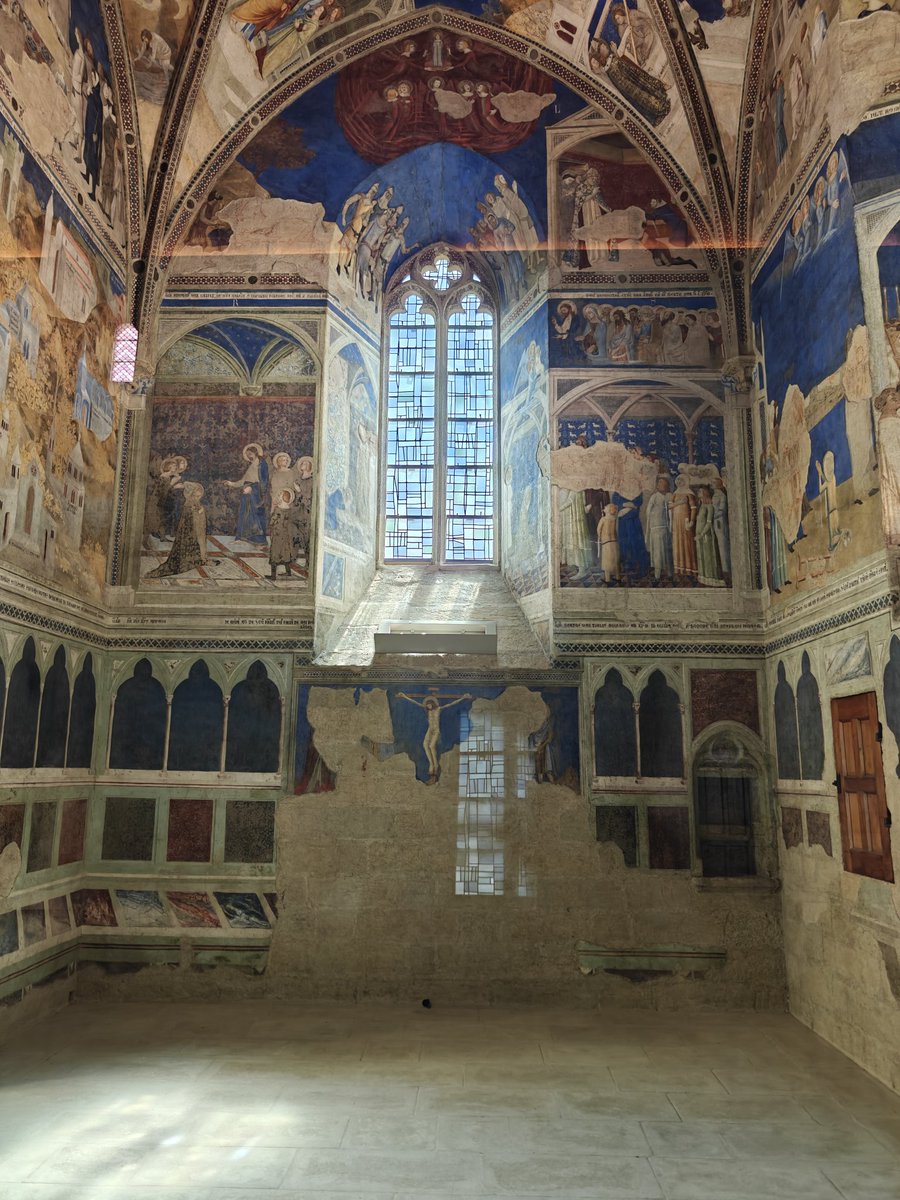
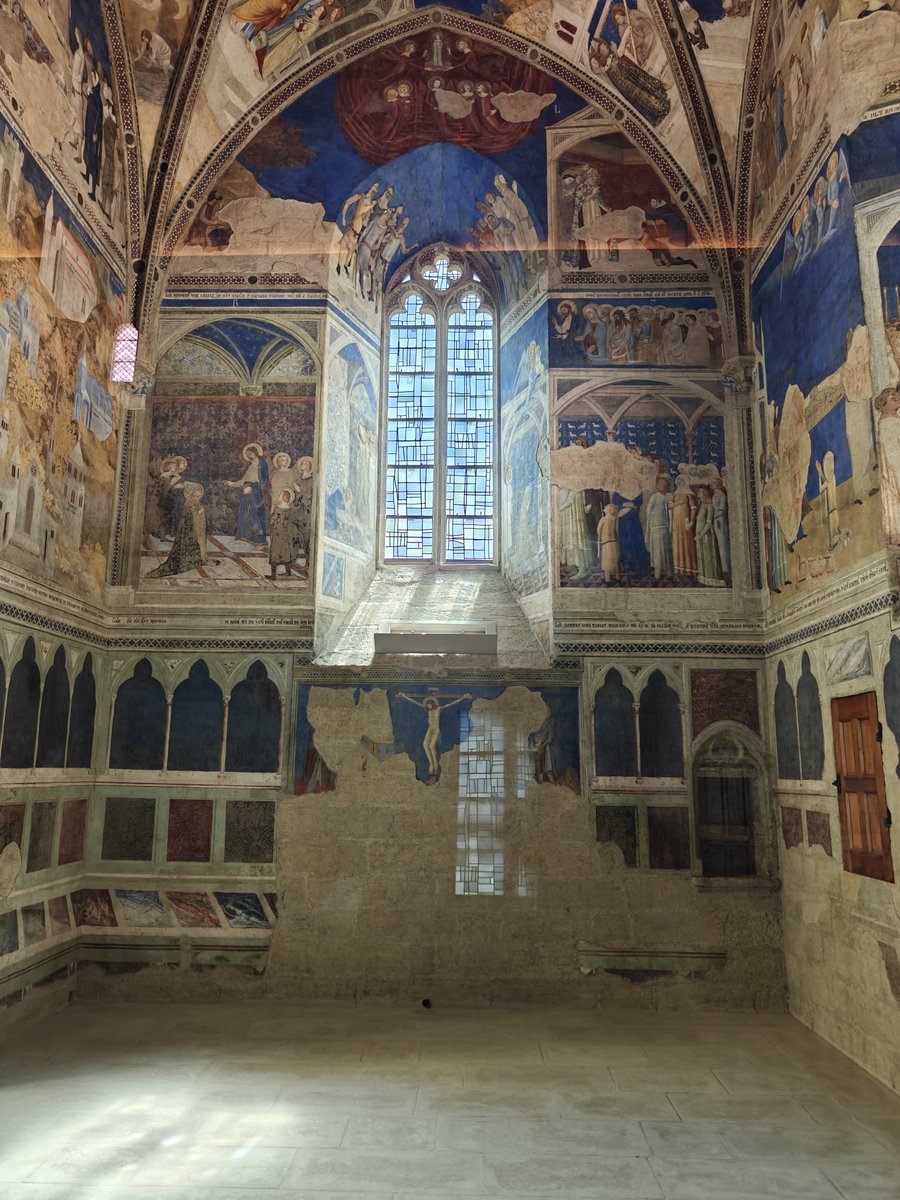
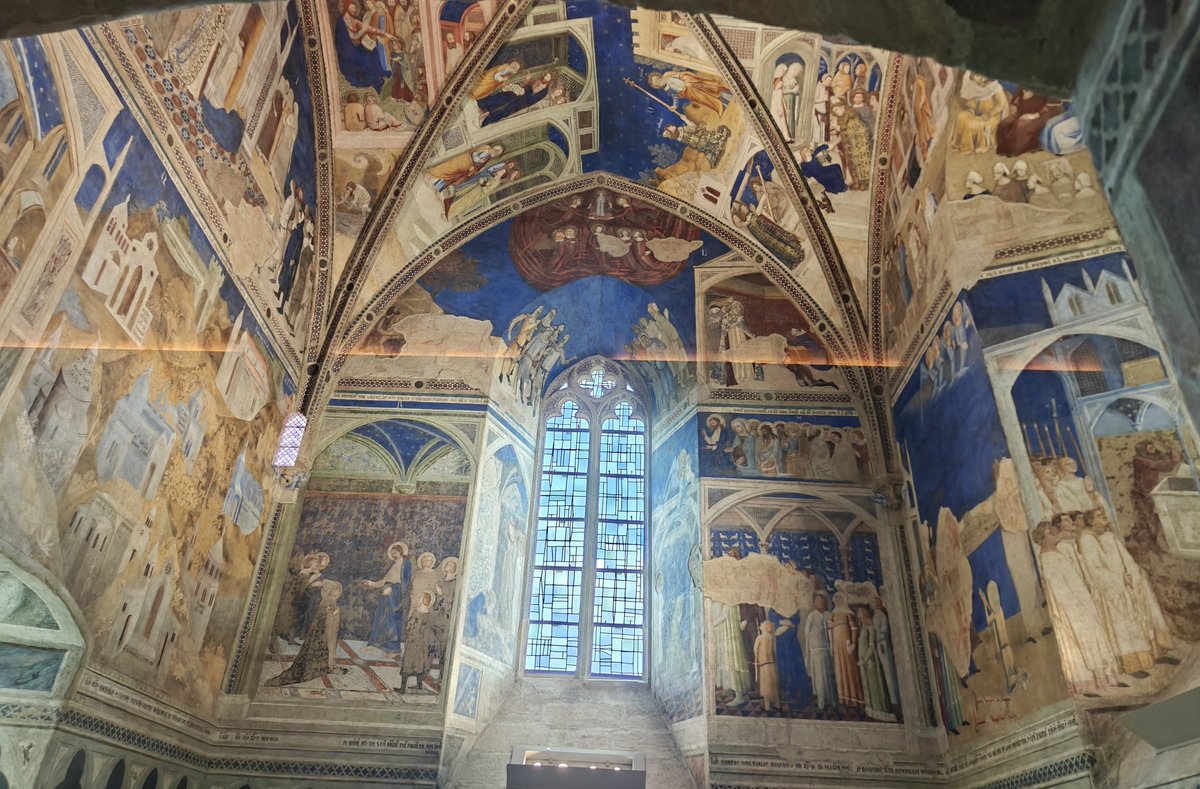
St. Martial Chapel - decoration by Giovannetti, unfortunately not accessible due to the fragile state of the paintings. The frescoes are in the style of the school of Sienna, expressive emotions and the characteristic blue. Iconography tells the tale of st. Martial
Musée départemental Arles antique - The archeological museum of Arles hosts a range of prehistoric but mainly Roman finds, including a spectacular collection of early Christian Sarcophagi that were found in Les Alycamps! Small thread 🧵 (For the Sarcophagi, see post 6-11)
Rhône 3 - a monumental Roman ship found with stone cargo in 2011, put in a special room in the museum in 2018.
The remains of the Amphitheatre of Arelate have been found outside the museum, which led to the reconstruction of the circus as a modern garden. The wooden pillars found on the site are dated to 150 AD (Dendrochronologically).
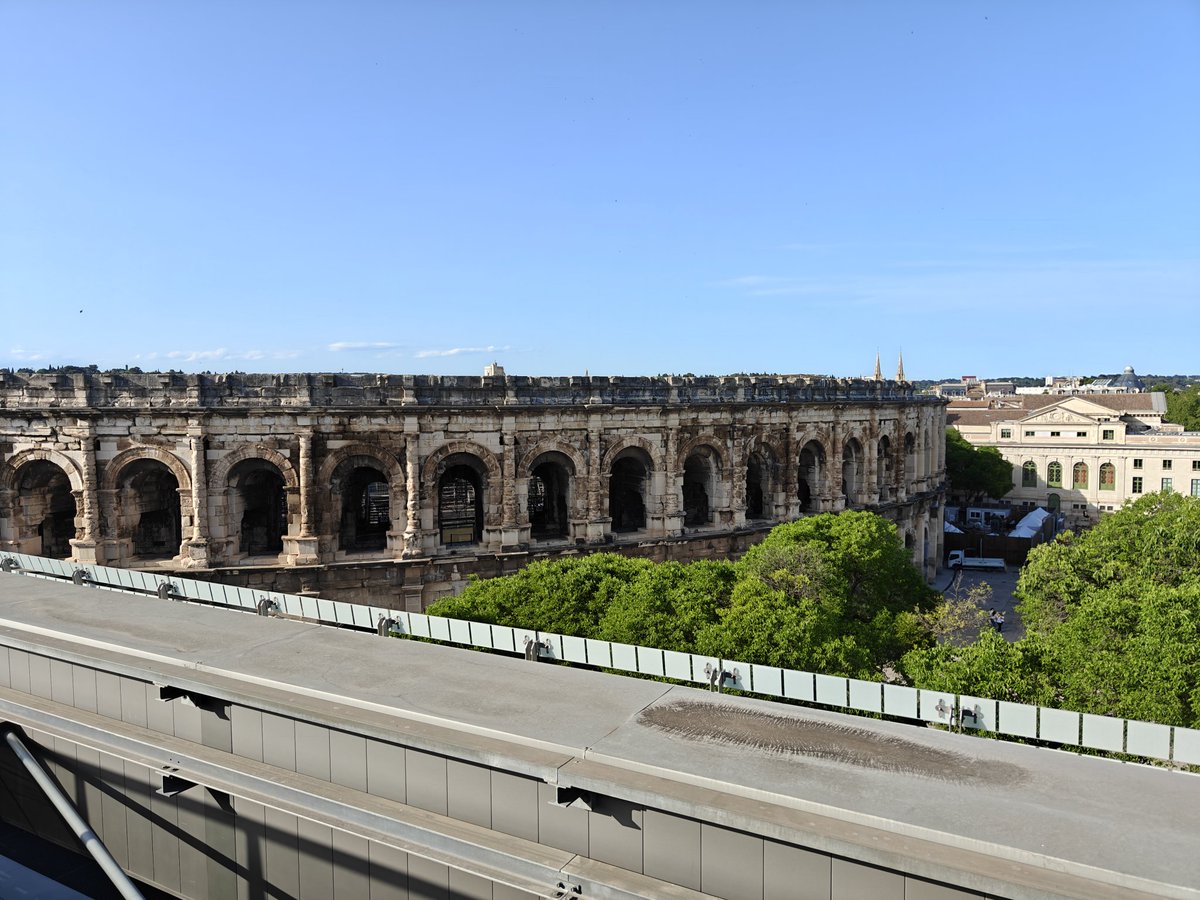
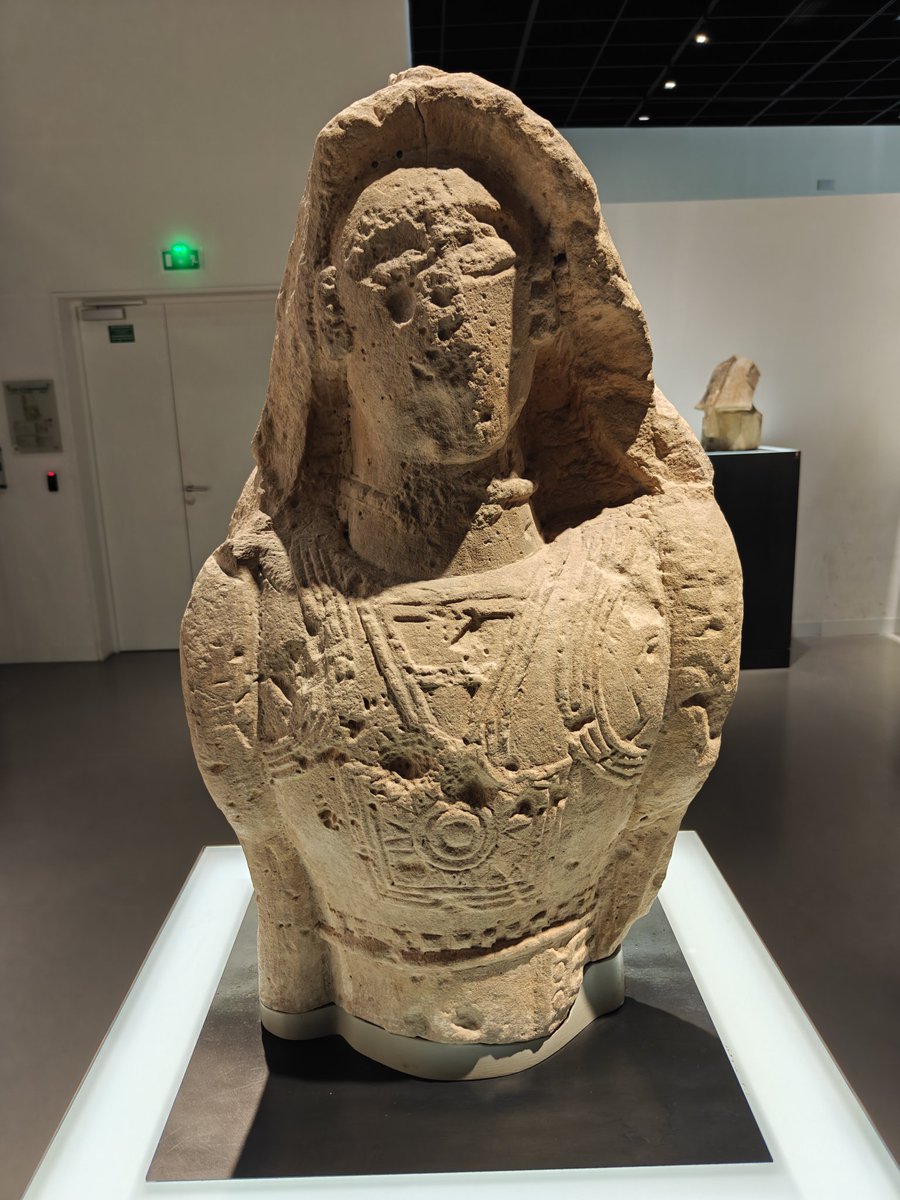
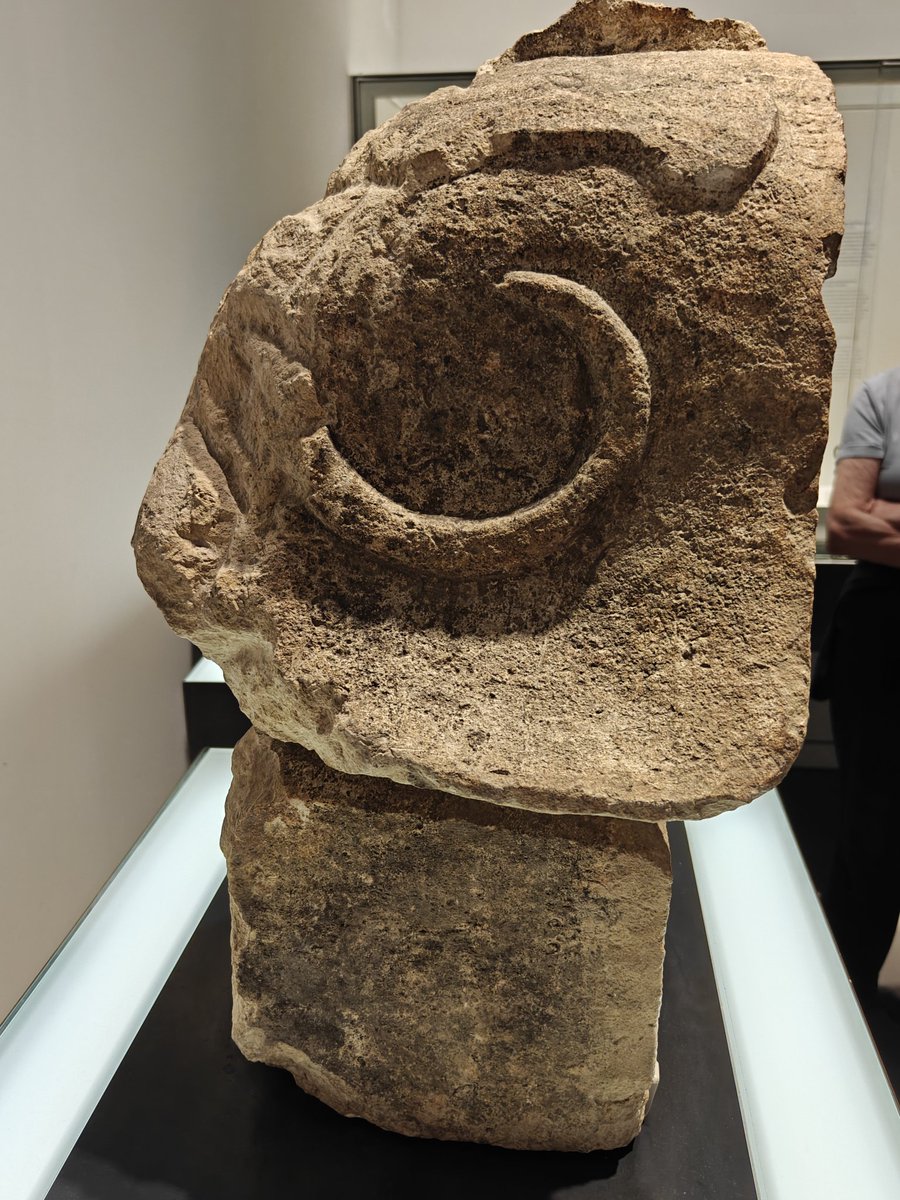
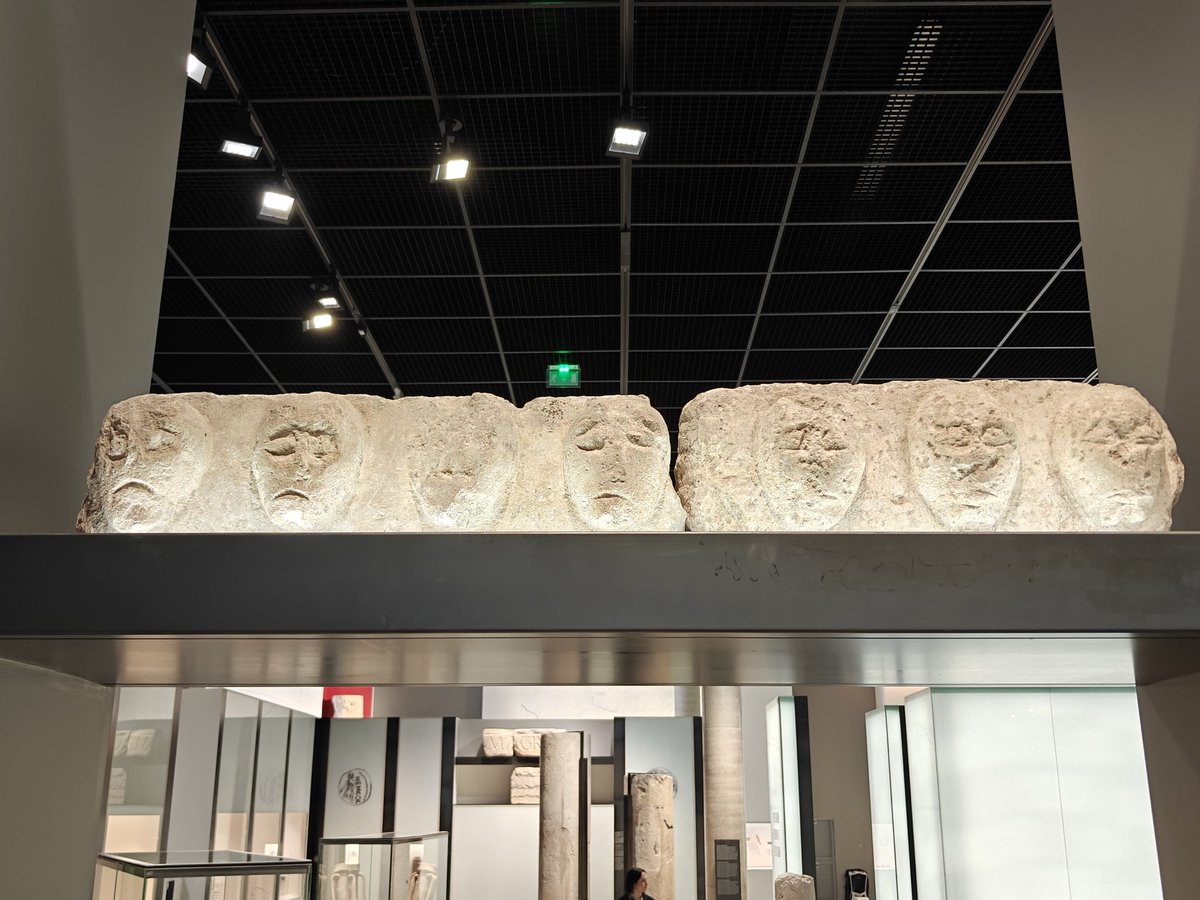
Musee de Romanite - The archeological museum of Nîmes is located in a modern building finished in 2018 with a 360 rooftop to view the city. The museum contains finds from the Gallic, Roman and Medieval period! Small thread 🧵
Gallic sculptures from the VII-Vth century BC, still a very different style from later Roman examples.
Arles / Arelate - Roman colony founded by Caesar in 46 BCE. The city became an important hub with an amphitheatre, theatre, forum, circus, and even its own productive mint! In later periods the city shrank. Nevertheless the city contains noteworthy Romanesque remains - Thread 🧵
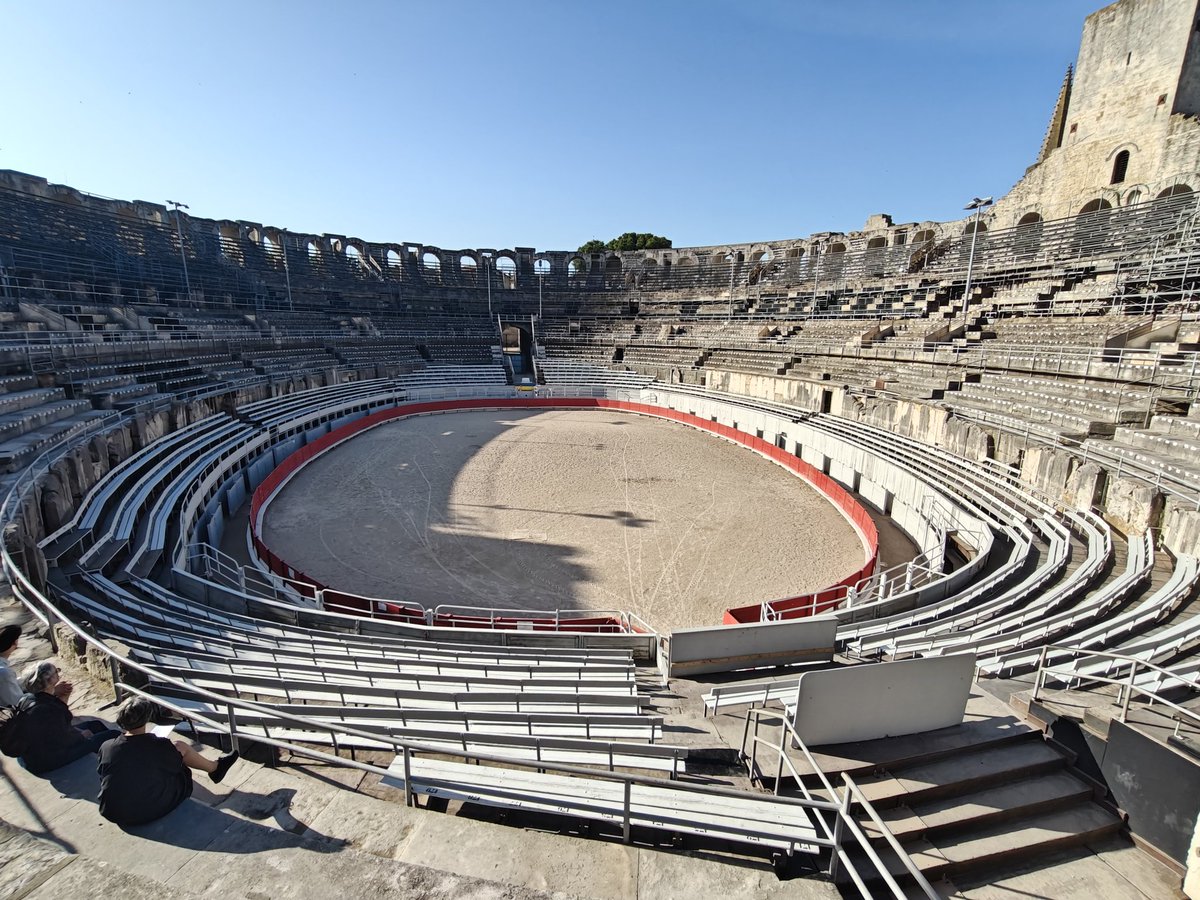
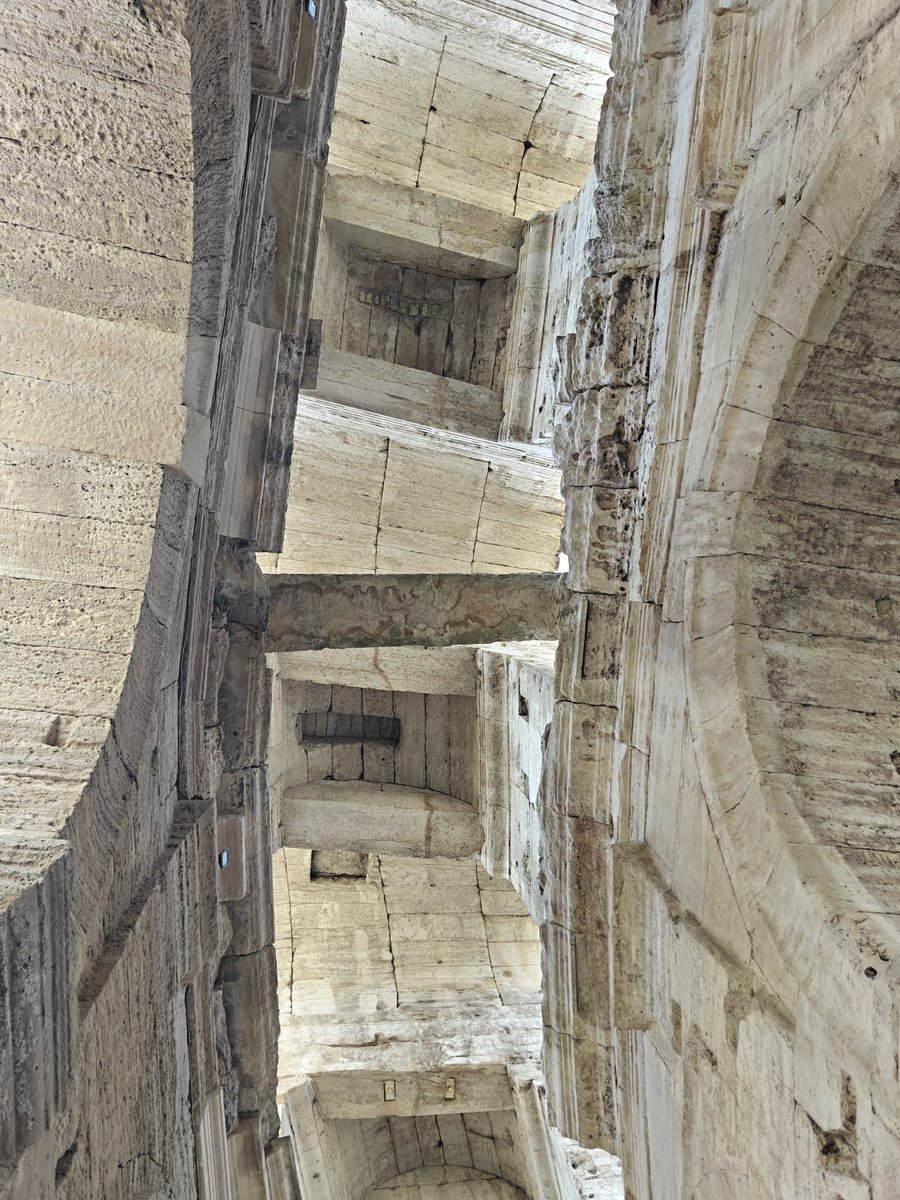
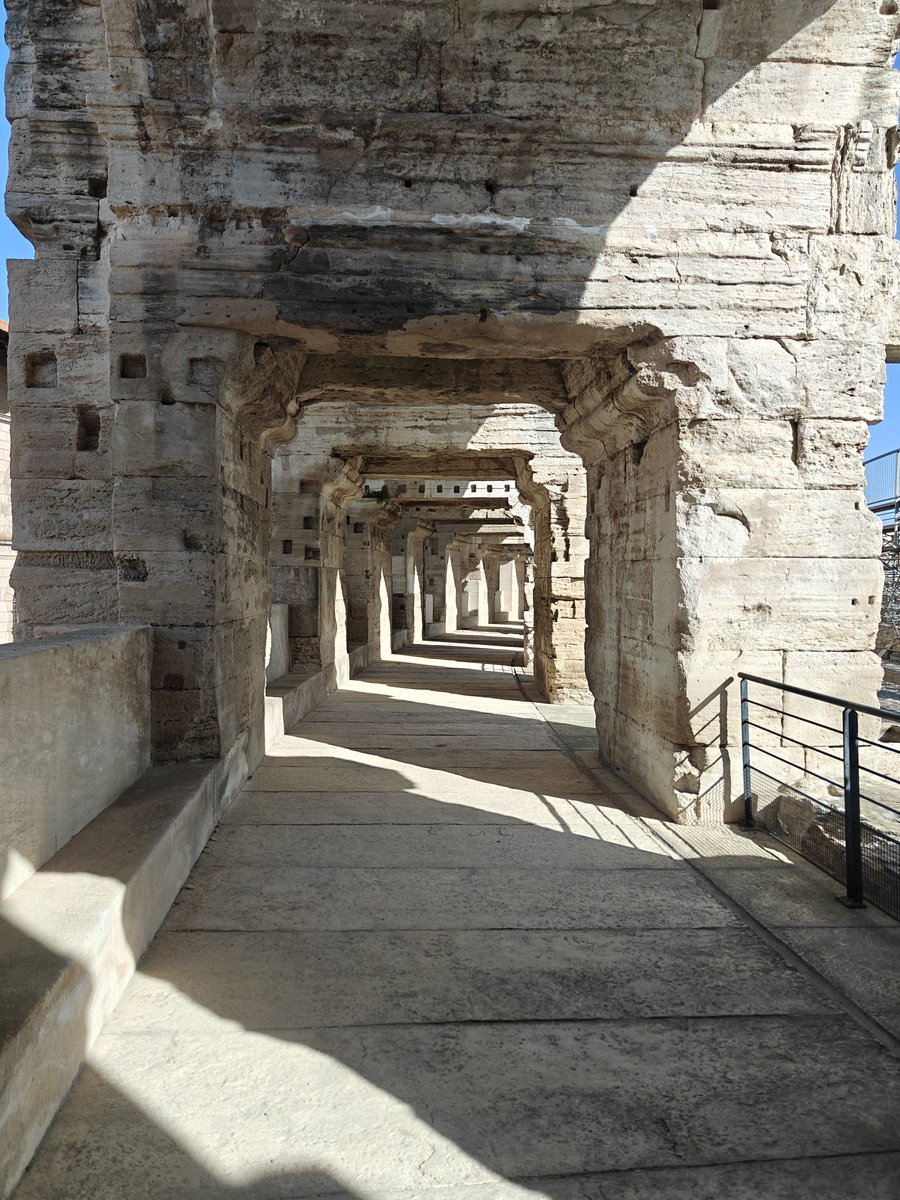
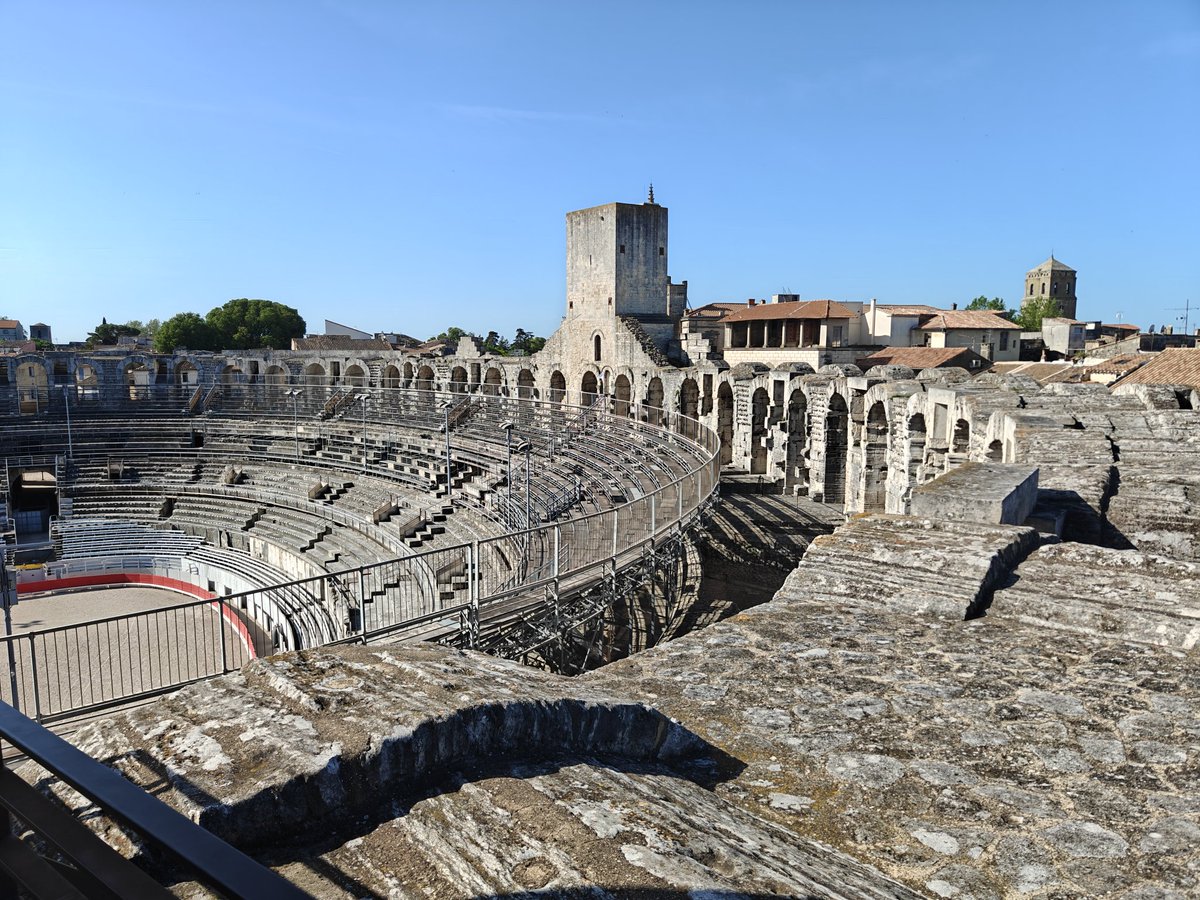
Amphitheatre (70-80 AD) - built slightly before the one in Nîmes both in the Flavian period. Arles still has some structural problems that are fixed in Nîmes. This includes the lack of a barrel vault but instead stone slabs that collapse because of the pressure on the galleries.
The towers were added in the middle ages on each of the cardinal directions (one is lost) when the arena was transformed into a fortress.