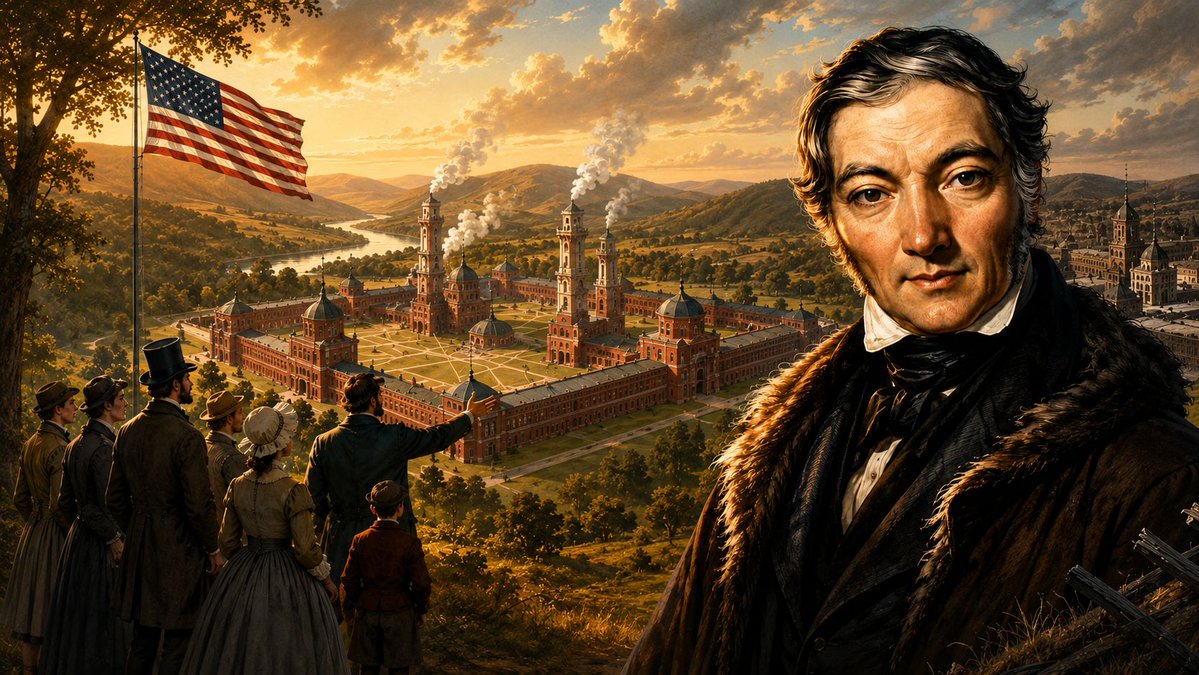
Property rights were never about protecting the wealthy.
They start somewhere the wealthy rarely have to think about: the right to own yourself.
If the government can take what you've built, it controls how you live. 🧵
They start somewhere the wealthy rarely have to think about: the right to own yourself.
If the government can take what you've built, it controls how you live. 🧵
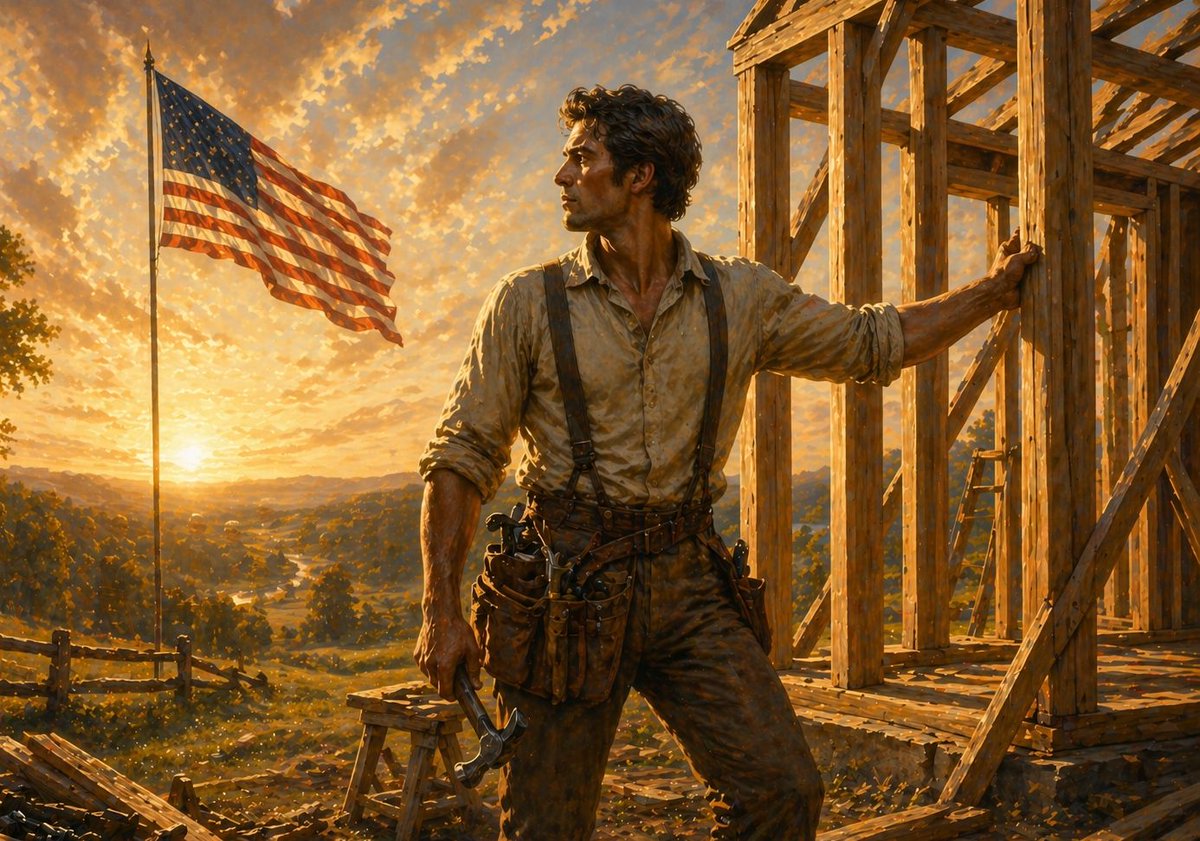
Most people assume property rights exist to protect the wealthy's mansions, estates, and portfolios.
That's not what the Founders were protecting. Their concern was the farmer one government seizure away from ruin. The craftsman whose tools were his entire livelihood. The shopkeeper who couldn't afford a lawyer.
The wealthy can flee. They can negotiate. They have liquid assets and political access.
The common man has one protection: the law.
That's not what the Founders were protecting. Their concern was the farmer one government seizure away from ruin. The craftsman whose tools were his entire livelihood. The shopkeeper who couldn't afford a lawyer.
The wealthy can flee. They can negotiate. They have liquid assets and political access.
The common man has one protection: the law.
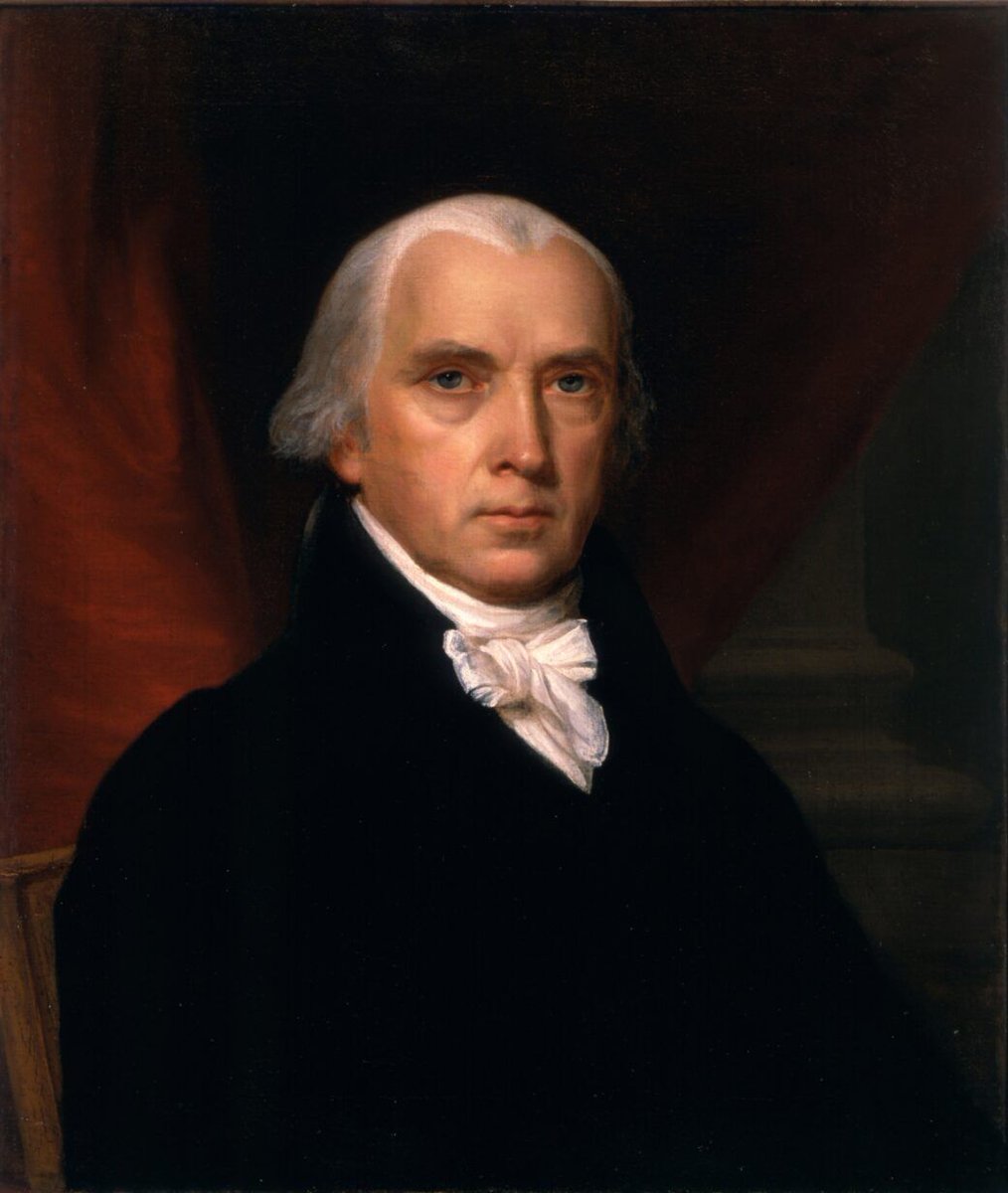
In 1792, James Madison published an essay titled simply "Property."
His definition was broader than land or money. A person has property in their opinions, their religious conscience, their free choice of work, the safety of their own body.
His logic followed from there: if rights are property, then any state action that abridges those rights is trespass. The government that can take your land can take your voice. The two have always moved together.
Madison called a government that failed to protect this "not just."
His definition was broader than land or money. A person has property in their opinions, their religious conscience, their free choice of work, the safety of their own body.
His logic followed from there: if rights are property, then any state action that abridges those rights is trespass. The government that can take your land can take your voice. The two have always moved together.
Madison called a government that failed to protect this "not just."
John Locke built the philosophical foundation a generation before the Founders picked it up.
His premise: every person owns themselves. "Every man has a property in his own person; this nobody has any right to but himself."
From self-ownership, the rest follows.
His premise: every person owns themselves. "Every man has a property in his own person; this nobody has any right to but himself."
From self-ownership, the rest follows.

When you mix your labor with the world, till a field, build a house, establish a trade, you join something of yourself to it.
The result is yours by moral right, not by government permission.
This made property inseparable from personhood. If the state claims the product of your work without consent, it has claimed ownership of you.
The result is yours by moral right, not by government permission.
This made property inseparable from personhood. If the state claims the product of your work without consent, it has claimed ownership of you.
In 1763, the English statesman William Pitt said something the American Founders never forgot:
"The poorest man may, in his cottage, bid defiance to all the forces of the Crown. The wind may blow through it. The rain may enter. But the King of England cannot enter."
Pitt was stating a moral principle: the law doesn't protect you because of your status. It protects you because of the sanctity of what you've built and what you hold.
"The poorest man may, in his cottage, bid defiance to all the forces of the Crown. The wind may blow through it. The rain may enter. But the King of England cannot enter."
Pitt was stating a moral principle: the law doesn't protect you because of your status. It protects you because of the sanctity of what you've built and what you hold.
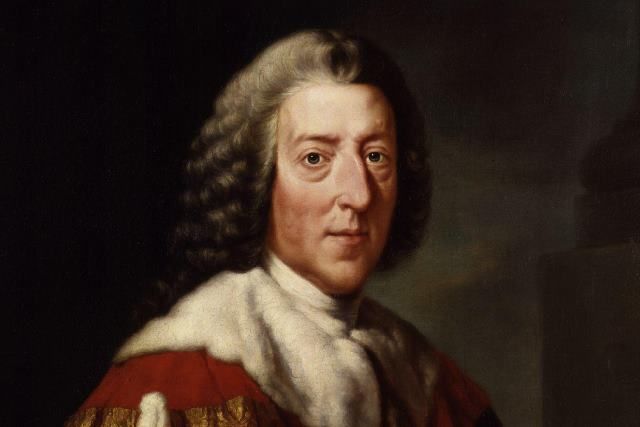
The Founders embedded this directly into the Fourth and Fifth Amendments. The poor man's cottage was the model. Not the manor.
Under feudal law, you were a subject. Your land was held at the pleasure of the Crown. Your rights were privileges, revocable, conditional, dependent on the king's goodwill.
The American experiment was built on a different premise: you are a citizen. Your property is held independently of any superior authority. No lord above you, no crown above the law.
Freedom of speech is a courtesy the government extends on good days, unless you have a domain it cannot enter without cause and cannot strip without compensation.
Under feudal law, you were a subject. Your land was held at the pleasure of the Crown. Your rights were privileges, revocable, conditional, dependent on the king's goodwill.
The American experiment was built on a different premise: you are a citizen. Your property is held independently of any superior authority. No lord above you, no crown above the law.
Freedom of speech is a courtesy the government extends on good days, unless you have a domain it cannot enter without cause and cannot strip without compensation.

Property is the physical manifestation of responsibility.
You built it. You bore the risk. You keep the result. It's a moral claim about what it means to be a free person.
Overriding that claim strips your standing as an agent in the world. You stop being someone who acts and start being someone acted upon.
Property rights determine whether you are a builder or a subject.
That distinction is as urgent in 2026 as it was in 1776.
You built it. You bore the risk. You keep the result. It's a moral claim about what it means to be a free person.
Overriding that claim strips your standing as an agent in the world. You stop being someone who acts and start being someone acted upon.
Property rights determine whether you are a builder or a subject.
That distinction is as urgent in 2026 as it was in 1776.

America is approaching 250 years.
Nearly 4 in 5 Americans believe the country is more divided than at any point in living memory.
The shared ethical ground that made the republic possible is fraying.
And right now, the generation coming of age will either decide to defend the principles that built this country or inherit the rubble of indifference.
That window is closing. This is the moment.
Nearly 4 in 5 Americans believe the country is more divided than at any point in living memory.
The shared ethical ground that made the republic possible is fraying.
And right now, the generation coming of age will either decide to defend the principles that built this country or inherit the rubble of indifference.
That window is closing. This is the moment.

The Founders agreed on one thing across every religious, philosophical, and cultural difference: the dignity and autonomy of every human being.
That agreement built a nation. And right now, it's yours to renew.
A new generation is adding their names to the Philadelphia Declaration, a commitment to carry that founding idea forward.
Read it. And then add your name to history.
👉 buff.ly/a9RLXw7
That agreement built a nation. And right now, it's yours to renew.
A new generation is adding their names to the Philadelphia Declaration, a commitment to carry that founding idea forward.
Read it. And then add your name to history.
👉 buff.ly/a9RLXw7

• • •
Missing some Tweet in this thread? You can try to
force a refresh