Did You Know that a Black enslaved man was Responsible for Saving America from a SmallPox Epidemic
Onesimus (potrait unavailable) introduced the idea of vaccination based upon the African practice of inoculation in Libya,to help mitigate spread of smallpox
💉THREAD💉
Onesimus was an enslaved African who introduced the concept of inoculation to America and helped save hundreds of Bostonians from smallpox in 1721. But his role has hardly been told.
It began in 1716. When asked by his owner, prominent Puritan minister Cotton Mather, about a scar on his forearm, Onesimus described the basics of smallpox inoculation - a practice that was common Africa (and Asia) but relatively unknown in the American colonies.
Onesimus explained that when the pus from an infected individual's pustules is inserted into the broken skin of an uninfected person, the person suffers a mild reaction, but becomes immune to future infection.
In the words of Onesimus, as transcribed by Mather some years later, "People take Juice of the Small-Pox; and Cutty-skin, and Putt in a Drop."
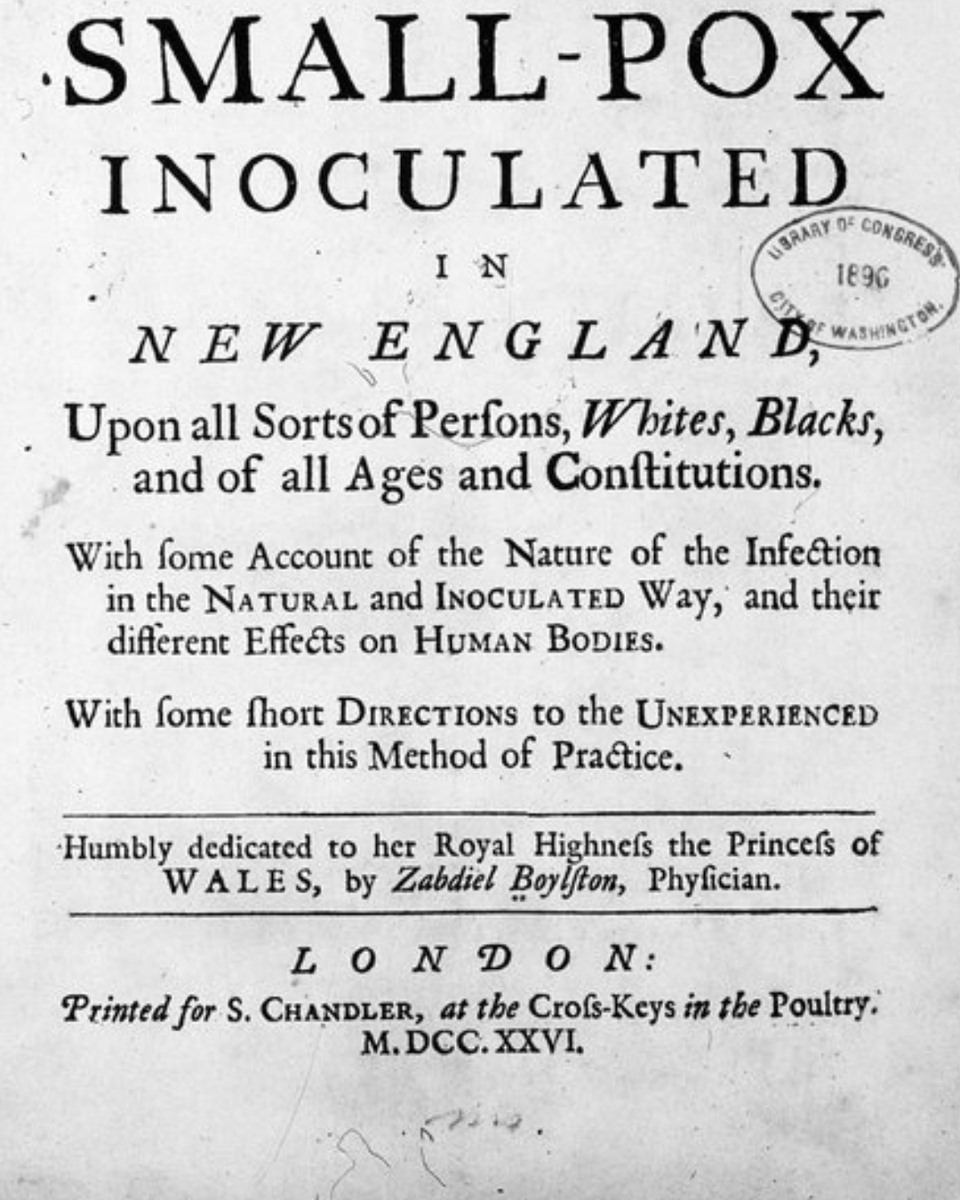
Mather shared the enslaved African's suggestion with physician Zabdiel Boylston, who went in to attempt the procedure on his son, and then on other patients.
Inoculation saved hundreds of lives, and the two men have gone down in history as the lifesaving duo who took inoculation to the American colonies. The procedure eventually led to Edward Jenner's discovery of vaccination, which has spared millions of lives from disease.
Onesimus, however, was all but erased from this story of medical triumph. Let’s appreciate the millions of lives saved and still being saved through his discovery.
67 years ago today, Mack Parker was murdered by a white mob. It’s considered one of the last civil rights era lynchings.
THREAD
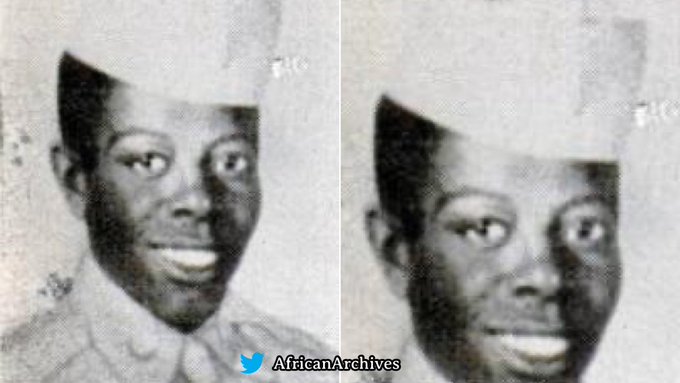
Mack Charles Parker was a 23-year-old truck driver who had returned to his hometown of Lumberton, Mississippi, after receiving a general discharge following two years in the Army.
On the morning of February 24, 1959, Parker was awakened by Marshal Ham Slade and several deputies, who alleged that he had raped a young white woman, June Walters, the night before.
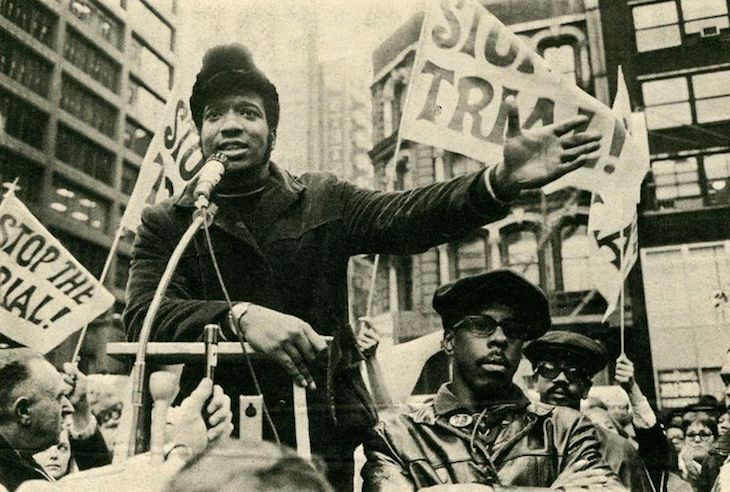
Akua Njeri, born Deborah Johnson, was a Black Panther activist and Fred Hampton’s wife. On Dec 4, 1969, she survived the Chicago Police raid that killed her husband. 8 and a half months pregnant, her story of survival is unforgettable.
A THREAD
At 4 AM, Chicago Police broke into Akua and Fred’s apartment. Bullets hit their bed as they slept. Fred Hampton, Black Panther leader, age 21, was shot and killed beside her.
Akua, hands raised, walked through lines of cops. One mocked, “A pregnant broad.” Another grabbed her hair, pushed her to the kitchen. She saw Ron Satchel and Verlina Brewer wounded, bleeding on the floor.
In 1904, The Battle of Waterberg known as the Herero and Namaqua Genocide, occured between the Herero people and German imperialists in German Southwest Africa (present-day Namibia), following the Germans occupation to steal their land and resources.
A THREAD
The German colonization of South-West Africa began in 1883, two years before the official Partition of Africa.
When the German settlers arrived, they expropriated land, cattle, and water rights from local peoples, including the Herero and by 1903, the Herero had ceded over 50,000 square miles of land to the GermansSome resisted the settlers encroachment and engaged in periodic battles.
On this day in 1939, Billie Holiday recorded the first great protest song of the Civil Rights Movement, 'Strange Fruit’
The Chilling Story of Strange Fruit and Billie Holiday.
A THREAD!
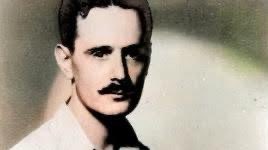
"Strange Fruit" was originally a poem written by Jewish-American writer, teacher and songwriter Abel Meeropol, under his pseudonym Lewis Allan, as a protest against lynchings and later set it to music.
The song soon came to Billie Holiday's attention & after so many frequent requests of that song, she closed out EVERY performance with it. The waiters would stop serving ahead of time for complete silence, the room would darken, a spotlight would shine on Holiday's face…
To combat the high rate of death among enslaved people, plantation owners demanded females start having children at 13.
By 20, the enslaved women would be expected to have about five children.
—THREAD—
An enslaved woman was a sex tool beneath the level of moral considerations.
She was an economic good, useful, in addition to her menial labor, for breeding more slaves. To attain that purpose, the master mated her promiscuously according to his breeding plans.
The Master ,his son(s) and other members of his family took turns with her to increase the family's fortune & to satisfy his extramarital sexual desires. Guests and neighbors were also invited to this luxury.