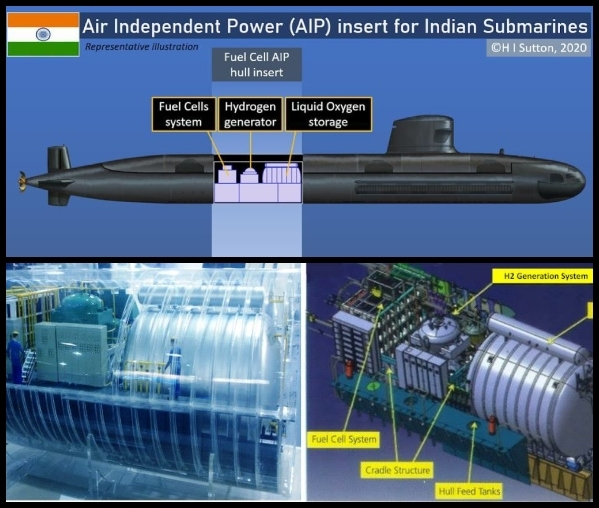
India is soon going to acquire 6 German Submarines in next few months with a proven fuel cell based AIP( Air Independant Propulsion) being one of the main requirements asked by the Indian Navy
Lets explore what is AIP, what is its importance, how many types of AIP are there and which is the best among them?
Lets explore what is AIP, what is its importance, how many types of AIP are there and which is the best among them?
One of the biggest disadvantage of SSKs (Diesel Electric submarines) is that they need to snorkel (resurface the submarine for oxygen) after a relatively short amount of time which makes them vulnerable to the enemy.
With the use of AIP SSK can stay underwater for a very long amount of time, which will help them stay undetected by the enemies.
With the use of AIP SSK can stay underwater for a very long amount of time, which will help them stay undetected by the enemies.

One of the biggest disadvantage of SSKs (Diesel Electric submarines) is that they need to snorkel (resurface the submarine for oxygen) after a relatively short amount of time which makes them vulnerable to the enemy.
With the use of AIP SSK can stay underwater for a very long amount of time, which will help them stay undetected by the enemies.
With the use of AIP SSK can stay underwater for a very long amount of time, which will help them stay undetected by the enemies.
There are 4 different kinds of AIP, the first one is
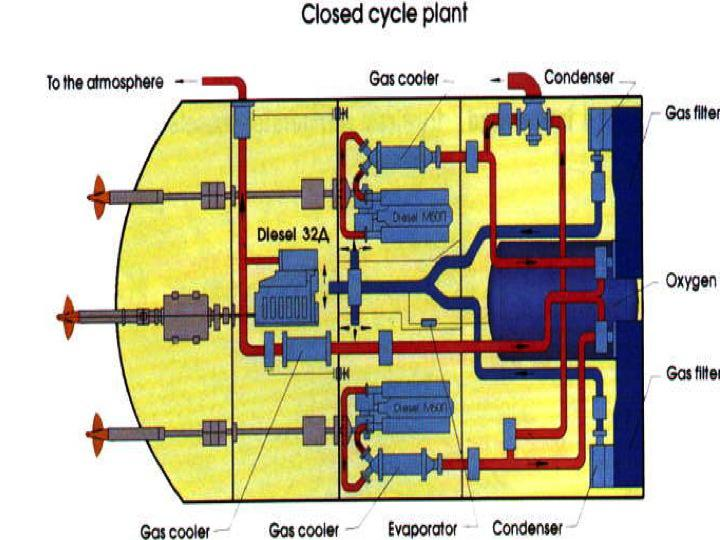
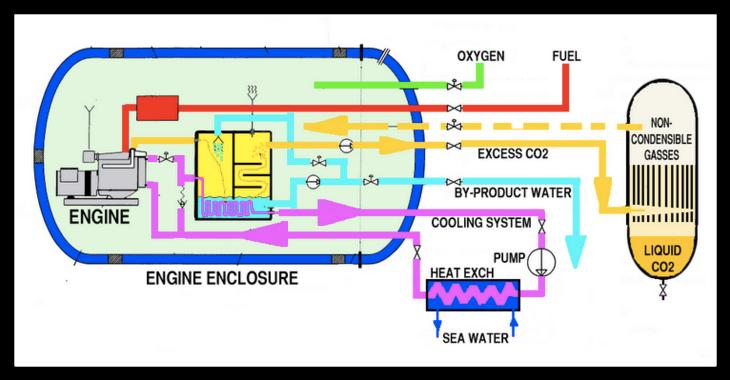
1 Closed-Cycle Diesel Engine (CCDE) - It modifies a standard diesel engine so it can operate underwater without atmospheric air. Instead of taking in oxygen from the atmosphere, it uses stored liquid oxygen.
The exhaust gases are not released directly; instead, they are cleaned, cooled, and recirculated back into the system. This creates a closed loop where combustion can continue underwater, producing power like a normal diesel engine.
1 Closed-Cycle Diesel Engine (CCDE) - It modifies a standard diesel engine so it can operate underwater without atmospheric air. Instead of taking in oxygen from the atmosphere, it uses stored liquid oxygen.
The exhaust gases are not released directly; instead, they are cleaned, cooled, and recirculated back into the system. This creates a closed loop where combustion can continue underwater, producing power like a normal diesel engine.
Advantages of CDDE
The biggest benefit is familiarity. Navies can adapt existing diesel technology rather than adopting entirely new systems.
It can also deliver relatively high power output, making it suitable for situations where speed is more important than stealth.
The biggest benefit is familiarity. Navies can adapt existing diesel technology rather than adopting entirely new systems.
It can also deliver relatively high power output, making it suitable for situations where speed is more important than stealth.

Disadvantages
This is the noisiest AIP system, since it still involves internal combustion similar to traditional engines. That makes it easier to detect.
It is also mechanically complex due to gas recycling and has not been widely adopted in modern submarines.
It was used in early Soviet Submarines but no other subamrines in my knowledge since then.
This is the noisiest AIP system, since it still involves internal combustion similar to traditional engines. That makes it easier to detect.
It is also mechanically complex due to gas recycling and has not been widely adopted in modern submarines.
It was used in early Soviet Submarines but no other subamrines in my knowledge since then.
2 Stirling Engine AIP
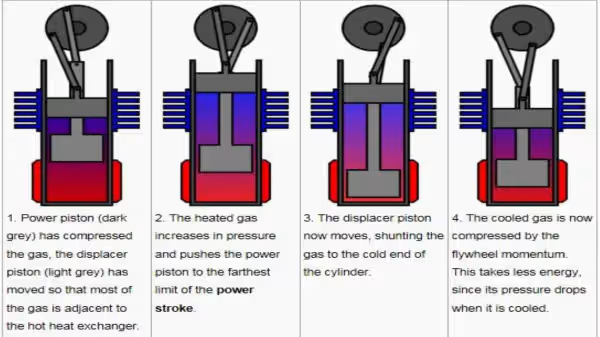
The Stirling engine is an external combustion engine, meaning fuel is burned outside the engine cylinders. In submarines, diesel fuel is burned using stored liquid oxygen to generate heat.
This heat expands a working gas (like helium) inside a sealed engine. The expansion and contraction of this gas move pistons, which drive a generator to produce electricity.
The Stirling engine is an external combustion engine, meaning fuel is burned outside the engine cylinders. In submarines, diesel fuel is burned using stored liquid oxygen to generate heat.
This heat expands a working gas (like helium) inside a sealed engine. The expansion and contraction of this gas move pistons, which drive a generator to produce electricity.
Advantages
Stirling engines are mechanically simpler and proven, especially compared to fuel cells. They are easier to maintain and have been operational for decades, making them reliable.
They provide better power output than fuel cells, which allows submarines to maintain moderate speeds while submerged without switching to batteries.
Stirling engines are mechanically simpler and proven, especially compared to fuel cells. They are easier to maintain and have been operational for decades, making them reliable.
They provide better power output than fuel cells, which allows submarines to maintain moderate speeds while submerged without switching to batteries.

Disadvantages
Because it involves combustion and moving pistons, the system generates more noise and vibration, making it less stealthy than fuel cells.
Efficiency is also lower, meaning more fuel and oxygen are required for the same output. Additionally, carrying liquid oxygen still presents storage challenges.
Stirling cycle AIP is used by Submarines made by SAAB such as Gotland class Submrines
Hangor class submarines of Pakistan made by China also use Stirling Cycle AIP
Because it involves combustion and moving pistons, the system generates more noise and vibration, making it less stealthy than fuel cells.
Efficiency is also lower, meaning more fuel and oxygen are required for the same output. Additionally, carrying liquid oxygen still presents storage challenges.
Stirling cycle AIP is used by Submarines made by SAAB such as Gotland class Submrines
Hangor class submarines of Pakistan made by China also use Stirling Cycle AIP
3 MESMA (Closed Cycle Steam Turbine)
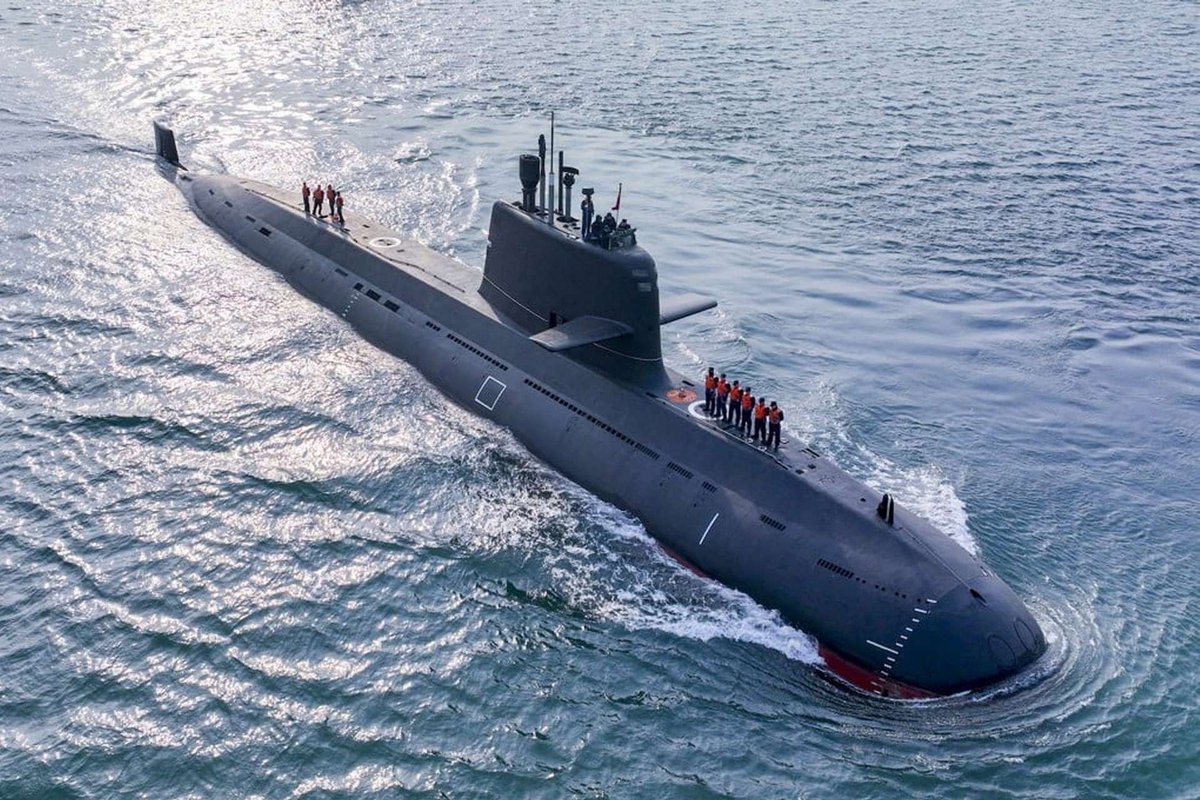
MESMA works like a mini steam power plant inside a submarine. Ethanol is burned with liquid oxygen to produce heat, which converts water into high-pressure steam.
This steam spins a turbine connected to a generator, producing electricity. The exhaust gases are then cooled, compressed, and expelled overboard. Unlike fuel cells, this is a thermal system with multiple mechanical stages, making it more complex.
MESMA works like a mini steam power plant inside a submarine. Ethanol is burned with liquid oxygen to produce heat, which converts water into high-pressure steam.
This steam spins a turbine connected to a generator, producing electricity. The exhaust gases are then cooled, compressed, and expelled overboard. Unlike fuel cells, this is a thermal system with multiple mechanical stages, making it more complex.

MESMA can generate higher power output than most other AIP systems, which is useful when the submarine needs more speed or operational flexibility underwater.
Originially France offered MESMA AIP system to India for its 6 Kalveri class submarines but India decided to move forwards with its own Fuel cell based AIP developed by DRDO
Originially France offered MESMA AIP system to India for its 6 Kalveri class submarines but India decided to move forwards with its own Fuel cell based AIP developed by DRDO

Disadvantages
The biggest drawback is noise and inefficiency. Steam turbines and combustion processes create detectable acoustic and thermal signatures.
It is also bulky, complex, and maintenance-heavy, which is why many navies are moving away from it in favor of fuel cells or lithium-ion batteries.
Is is used in Agosta 90B class submarines used by Pakistan and was offered for Scorpene class Submarines to India
The biggest drawback is noise and inefficiency. Steam turbines and combustion processes create detectable acoustic and thermal signatures.
It is also bulky, complex, and maintenance-heavy, which is why many navies are moving away from it in favor of fuel cells or lithium-ion batteries.
Is is used in Agosta 90B class submarines used by Pakistan and was offered for Scorpene class Submarines to India
4 Fuel Cell AIP (Hydrogen-Based)
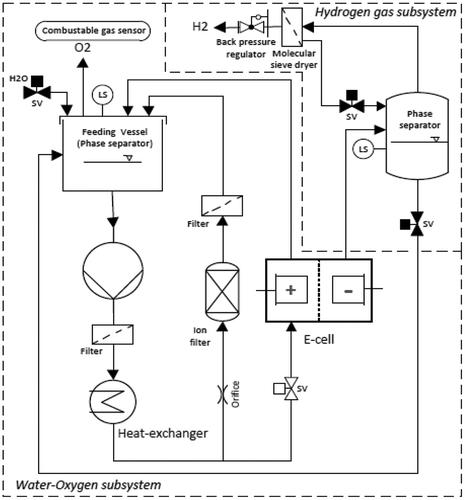
Fuel cell AIP relies on an electrochemical reaction instead of combustion, which is the key to its stealth. Hydrogen is stored onboard either in compressed form, metal hydrides, or generated from reformers. This hydrogen is combined with liquid oxygen (LOX) inside a fuel cell stack.
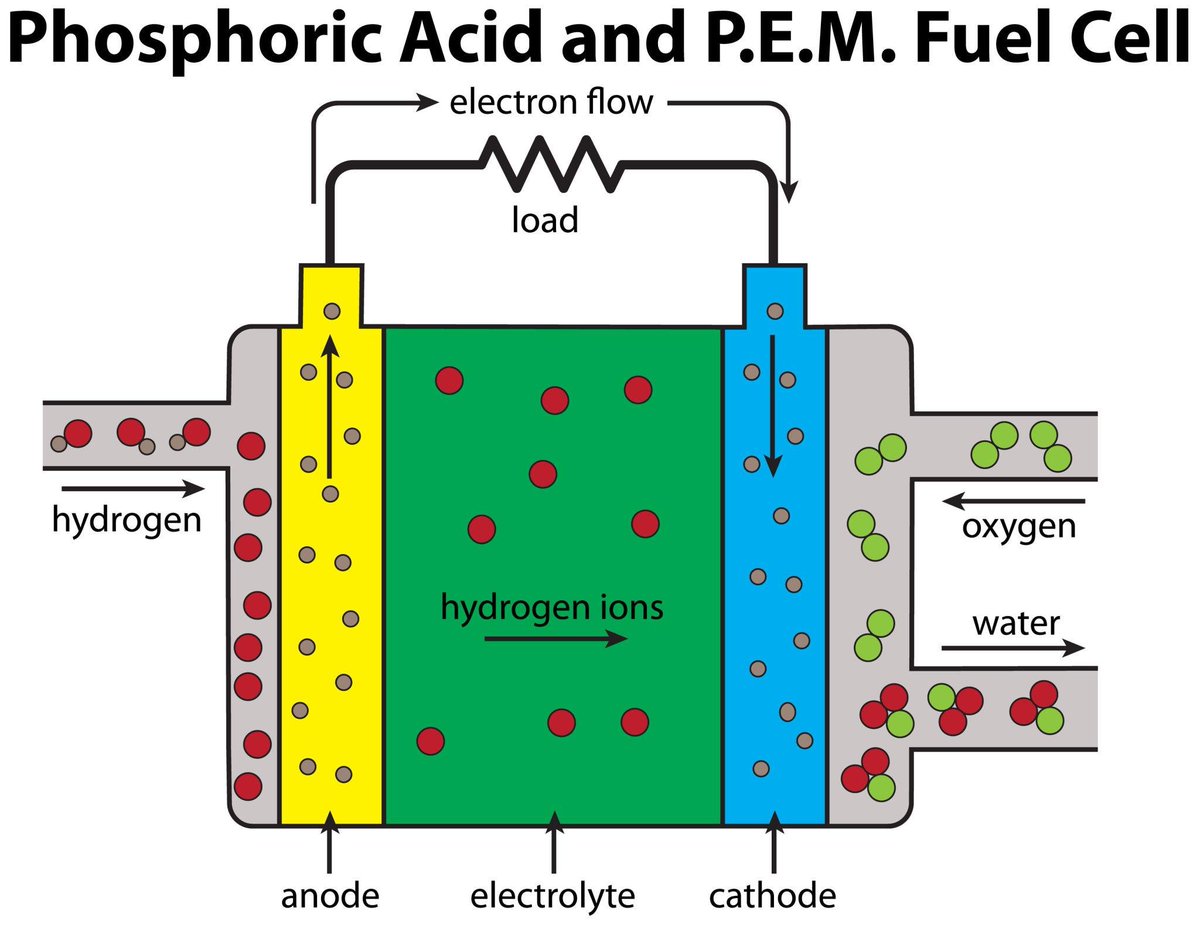
Inside the cell, hydrogen atoms split into protons and electrons. The electrons flow through an external circuit this is your electricity while protons combine with oxygen to form water.
Because this process has no moving parts and no burning, it produces almost no noise or heat signature, making detection extremely difficult.
Fuel cell AIP relies on an electrochemical reaction instead of combustion, which is the key to its stealth. Hydrogen is stored onboard either in compressed form, metal hydrides, or generated from reformers. This hydrogen is combined with liquid oxygen (LOX) inside a fuel cell stack.
Inside the cell, hydrogen atoms split into protons and electrons. The electrons flow through an external circuit this is your electricity while protons combine with oxygen to form water.
Because this process has no moving parts and no burning, it produces almost no noise or heat signature, making detection extremely difficult.

Advantages
The biggest advantage is stealth. Since there’s no combustion or moving mechanical system, the acoustic signature is extremely ideal for modern submarine warfare. It is also highly efficient, converting a large portion of chemical energy directly into electricity.
Another important advantage is endurance. Fuel cell submarines can remain submerged for 2 3 weeks without snorkeling, which is a massive tactical benefit in contested waters.
The biggest advantage is stealth. Since there’s no combustion or moving mechanical system, the acoustic signature is extremely ideal for modern submarine warfare. It is also highly efficient, converting a large portion of chemical energy directly into electricity.
Another important advantage is endurance. Fuel cell submarines can remain submerged for 2 3 weeks without snorkeling, which is a massive tactical benefit in contested waters.
Disadvantages
The main issue is hydrogen storage, which is both technically complex and potentially hazardous. Storing enough hydrogen safely in a submarine is a major engineering challenge.
Also, fuel cells produce limited peak power, meaning they are excellent for silent cruising but not ideal for sudden high speed maneuvers. Finally, the system is expensive and technologically demanding.
This will be the German AIP which will be offered to India in P75I class of submarines.
Meanwhile India has developed its own AIP which is very different from Hydrogen based Fuel Cell AIP.
The main issue is hydrogen storage, which is both technically complex and potentially hazardous. Storing enough hydrogen safely in a submarine is a major engineering challenge.
Also, fuel cells produce limited peak power, meaning they are excellent for silent cruising but not ideal for sudden high speed maneuvers. Finally, the system is expensive and technologically demanding.
This will be the German AIP which will be offered to India in P75I class of submarines.
Meanwhile India has developed its own AIP which is very different from Hydrogen based Fuel Cell AIP.
5 Indian Fuel Cell AIP (Non-Hydrogen Storage Type)
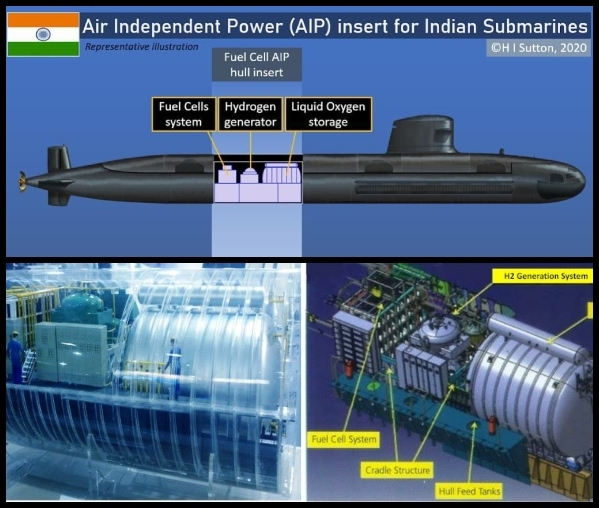
Indian AIP was developed by DRDO for Indian Scorpene class submarines after India refused French MESMA AIP.
Instead of storing dangerous hydrogen gas, the submarine carries liquid fuel(Ethanol/Methanol). Inside the system a reformer unit chemically converts this fuel into hydrogen rich gas using steam reforming. This hydrogen is then immediately fed into a phosphoric acid fuel cell (PAFC), where it reacts with stored liquid oxygen to produce electricity.
The generated electricity powers propulsion and onboard systems, while byproducts like water and CO₂ are managed and expelled. Because hydrogen is generated only when needed, the system avoids large scale hydrogen storage.
Indian AIP was developed by DRDO for Indian Scorpene class submarines after India refused French MESMA AIP.
Instead of storing dangerous hydrogen gas, the submarine carries liquid fuel(Ethanol/Methanol). Inside the system a reformer unit chemically converts this fuel into hydrogen rich gas using steam reforming. This hydrogen is then immediately fed into a phosphoric acid fuel cell (PAFC), where it reacts with stored liquid oxygen to produce electricity.
The generated electricity powers propulsion and onboard systems, while byproducts like water and CO₂ are managed and expelled. Because hydrogen is generated only when needed, the system avoids large scale hydrogen storage.
Advantages
Since hydrogen is not stored in bulk, the risk of explosion or leakage is significantly reduced. Liquid fuels are easier and safer to handle inside submarines.
The system can use existing naval fuel infrastructure, eliminating the need for a dedicated hydrogen supply chain. This makes it more practical for long deployments.
Since hydrogen is not stored in bulk, the risk of explosion or leakage is significantly reduced. Liquid fuels are easier and safer to handle inside submarines.
The system can use existing naval fuel infrastructure, eliminating the need for a dedicated hydrogen supply chain. This makes it more practical for long deployments.
Disadvantages
The addition of a reformer, gas purification, and fuel cell stack makes the system more complex than direct hydrogen fuel cells( basically not for noobs).
The reforming process produces heat and CO₂, which must be carefully managed to avoid detection, increasing system design challenges.(as said not for noobs).
Development of Indian AIP will help Indian Submarines stay underwater for extended peried of time without compromising its stealth. Moreover, it doesn't needs to store Hydrogen like German fuel cell AIP.
The addition of a reformer, gas purification, and fuel cell stack makes the system more complex than direct hydrogen fuel cells( basically not for noobs).
The reforming process produces heat and CO₂, which must be carefully managed to avoid detection, increasing system design challenges.(as said not for noobs).
Development of Indian AIP will help Indian Submarines stay underwater for extended peried of time without compromising its stealth. Moreover, it doesn't needs to store Hydrogen like German fuel cell AIP.
@threadreaderapp unroll
• • •
Missing some Tweet in this thread? You can try to
force a refresh