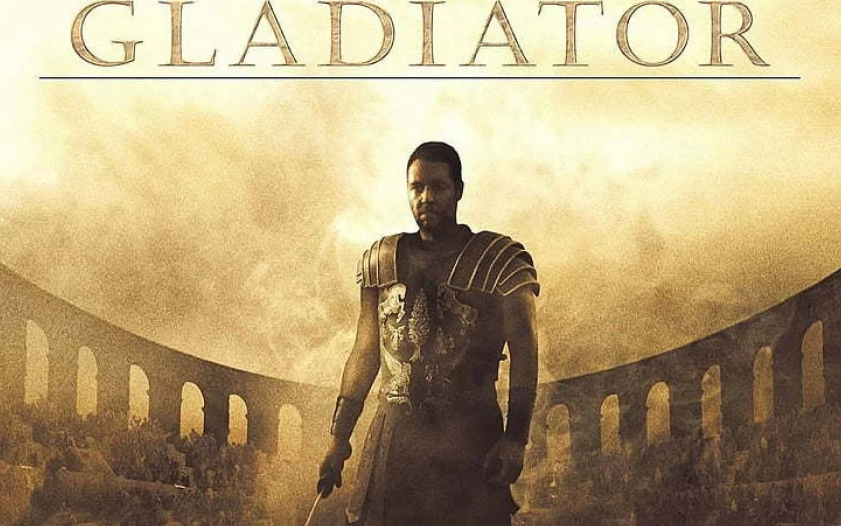
Ridley Scott’s GLADIATOR was released 26 years ago today. A sword and sandals classic, and the film that made a megastar of Russell Crowe, the making of story is worthy of the Colosseum…
1/43
1/43
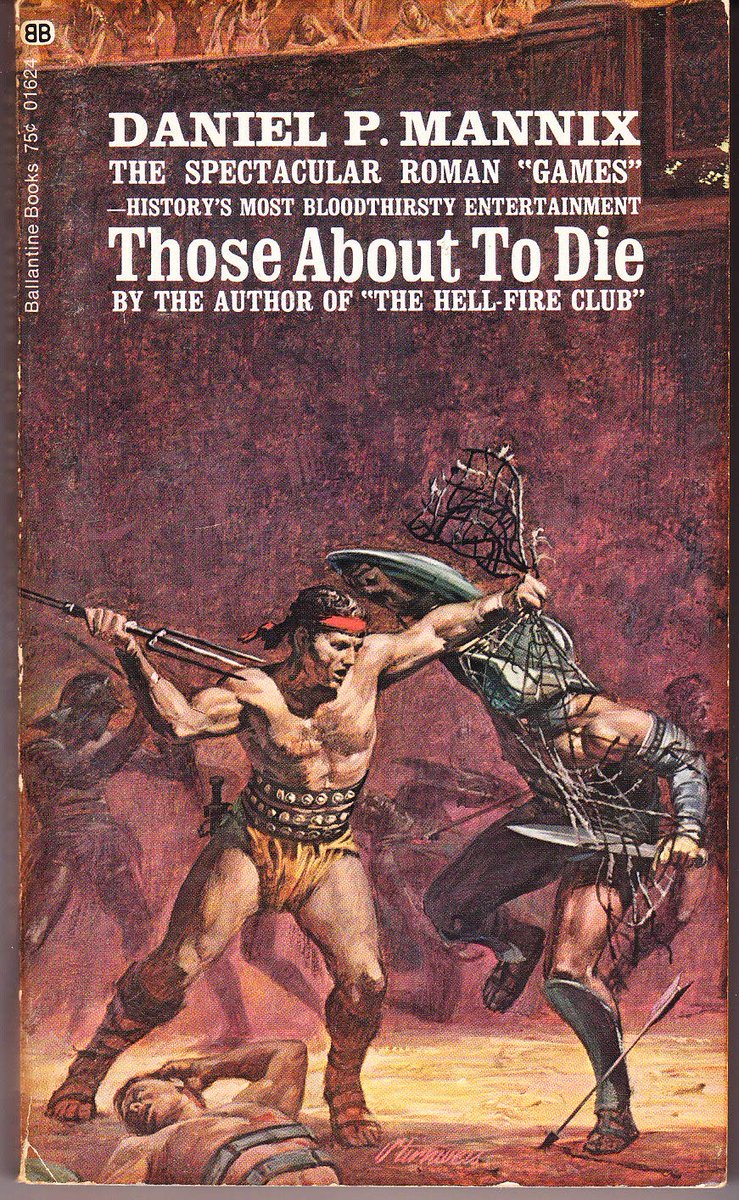
In the 1970s, aspiring screenwriter David Franzoni travelled across Europe and the Middle East. Coming across many ancient arenas, he read Daniel P. Mannix’s 1958 book Those About to Die. It was about Roman Gladiators, and Franzoni thought it would make a great movie.
2/43
2/43
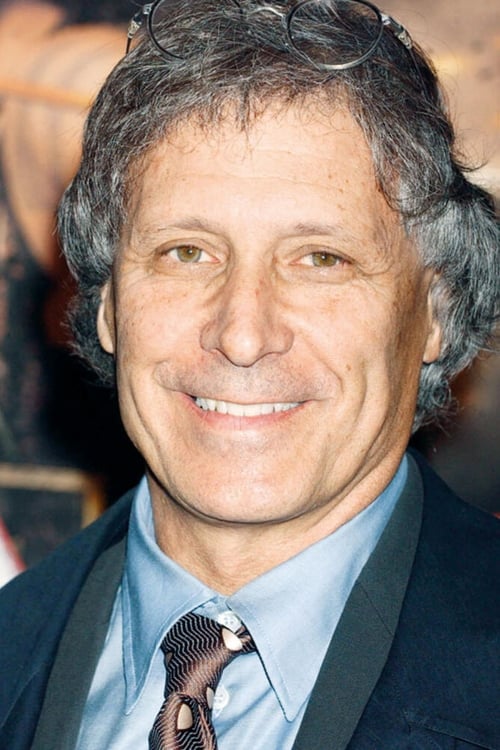
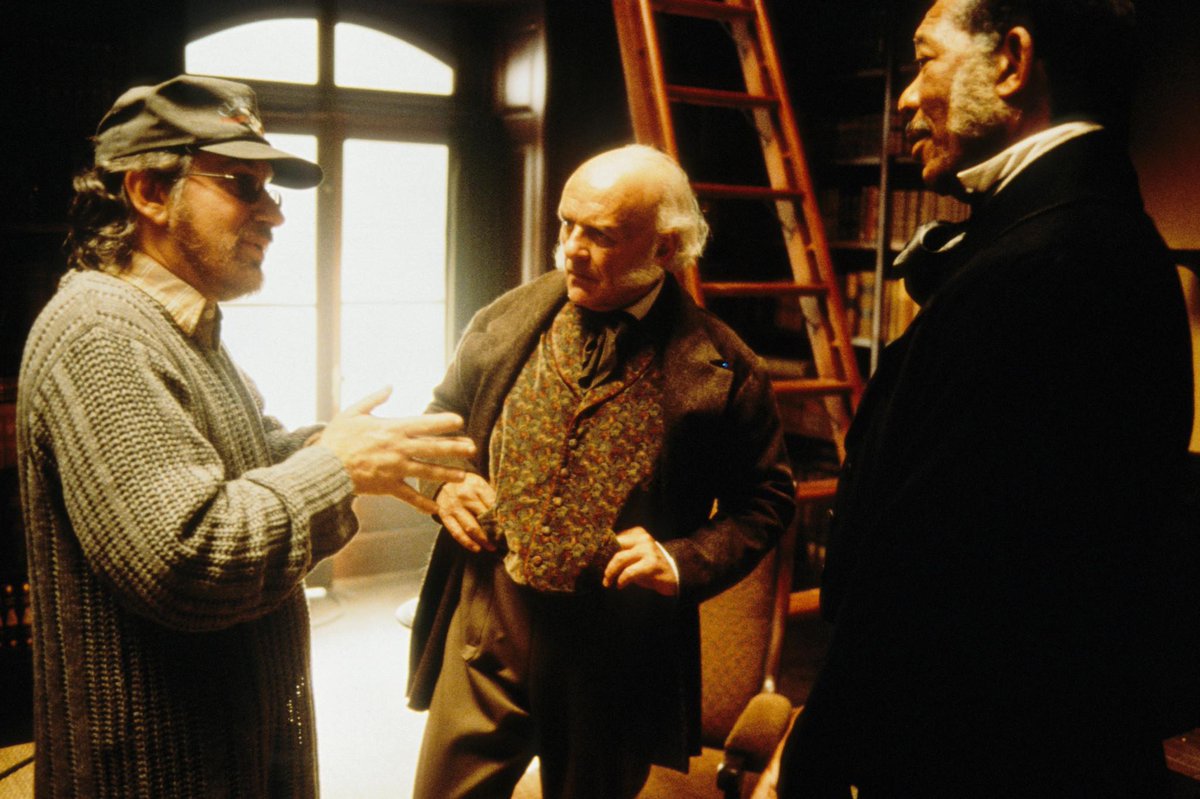
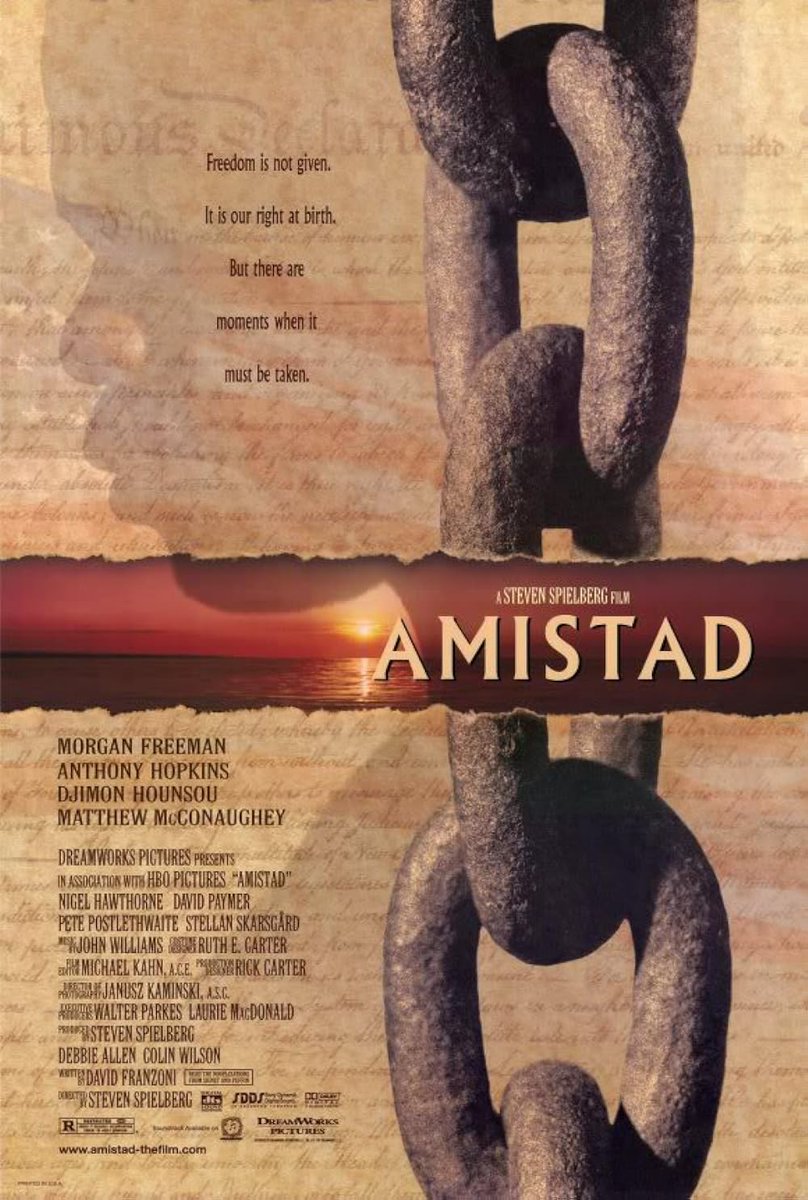
25 years later, Franzoni was a Hollywood success. Having written Amistad – a historical drama directed by Steven Spielberg – DreamWorks gave Franzoni a 3-picture writing deal. He pitched his gladiator story idea to Spielberg, who told him “you must write that script.”
3/43
3/43
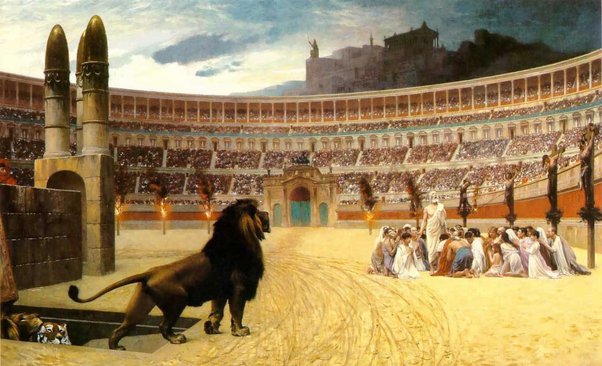
DreamWorks greenlit Franzoni’s script immediately and wanted Ridley Scott as director, but Scott wasn’t sure. To convince him, they showed him an 1872 painting by Jean Leon Gerome - Pollice Verso – as their inspiration. Scott said the painting played a part in him signing on.
4/43
4/43
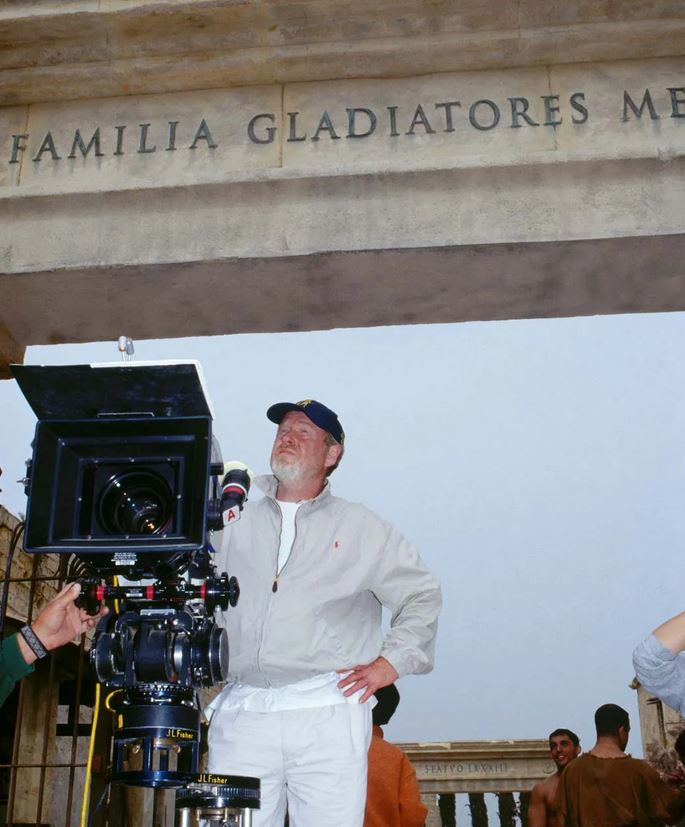

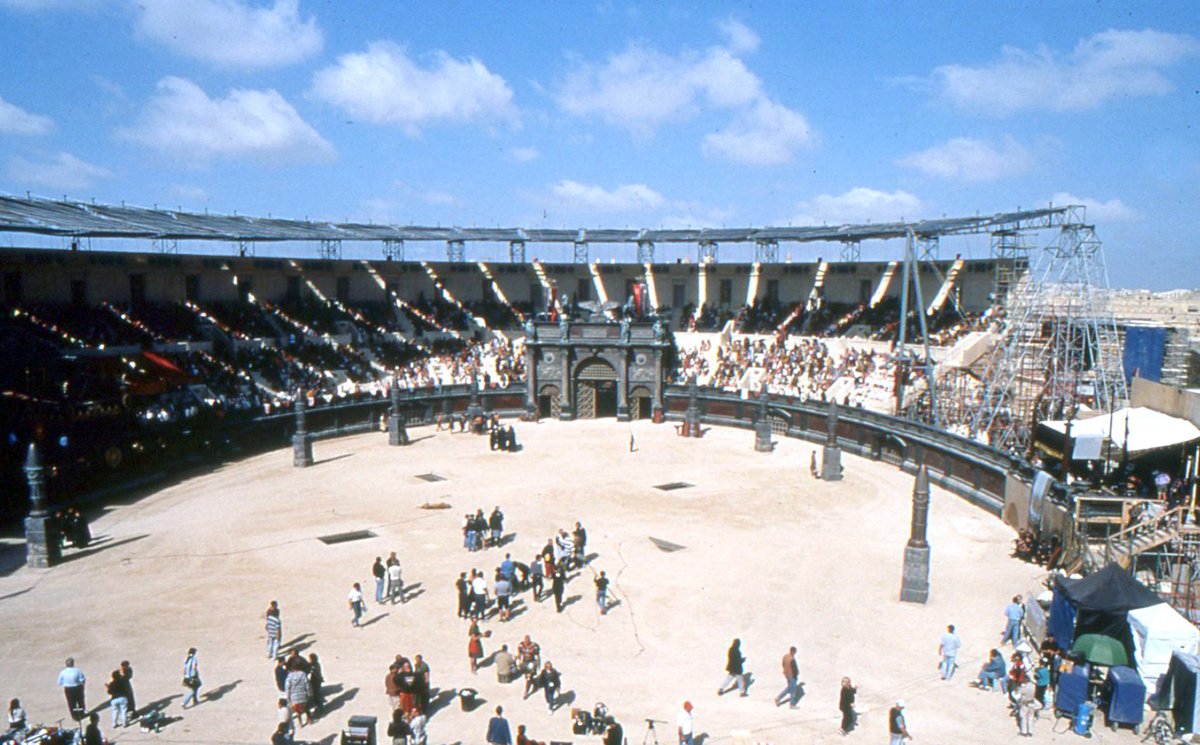
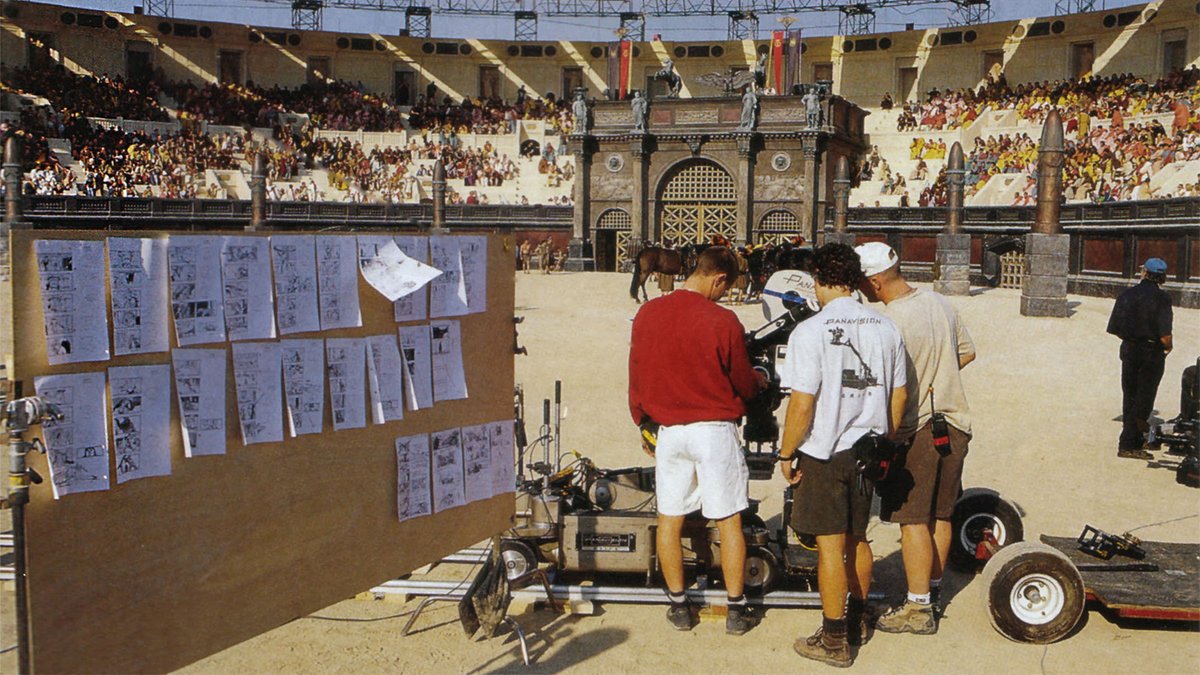
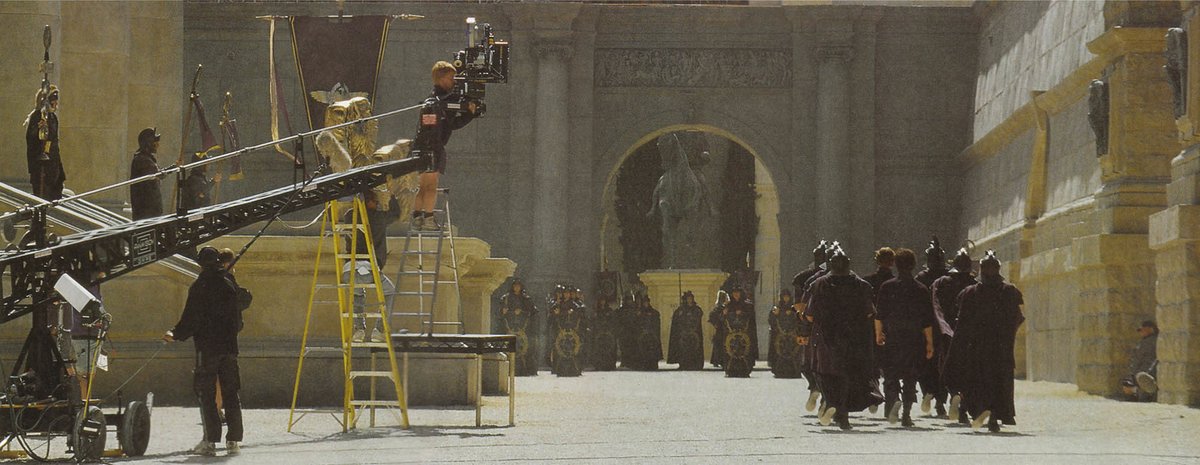
Scott’s vision was a huge production. They built a 52-ft tall Colosseum. It took 7 months to build and cost $1m. Ground-breaking digital effects created Rome, pushing effects boundaries of the time.
5/43
5/43
The film starts with the Roman Army battling Germanic tribes. It was filmed in Bourne Woods, England, and the Royal Forestry Commission slated the area for deforestation. Scott heard about it and offered to burn it to the ground, as long as he could film it over 20 days.
6/43
6/43
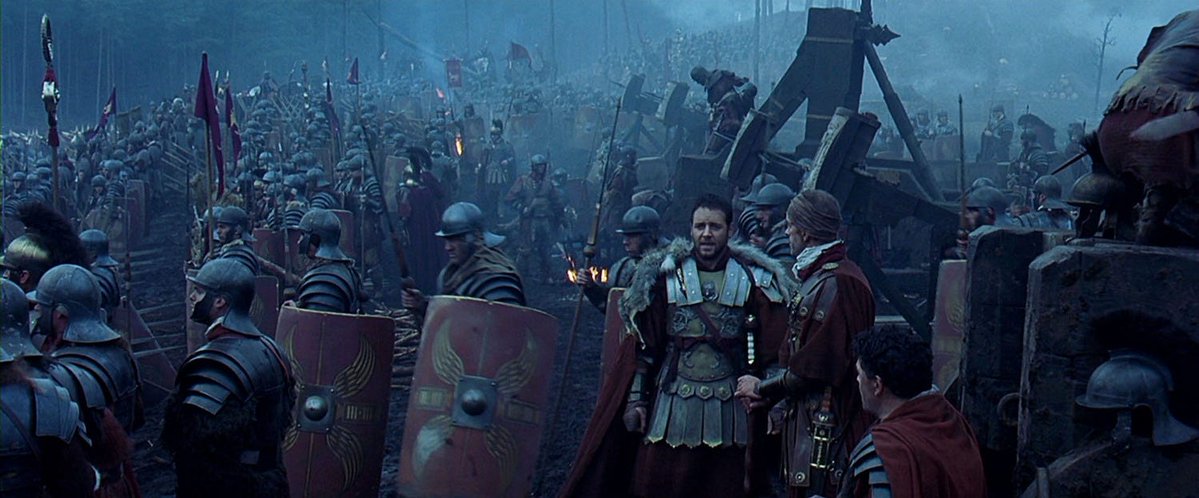
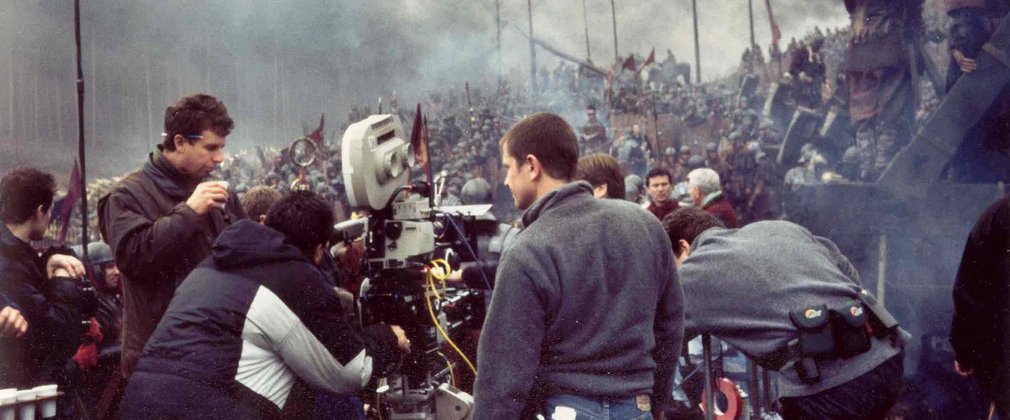
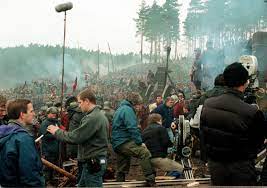
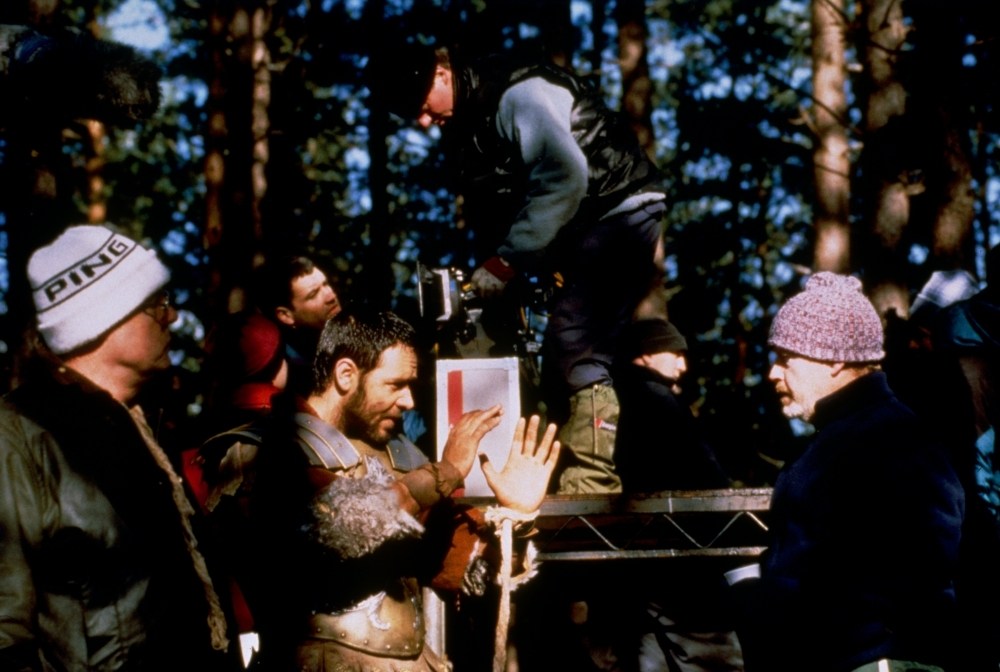
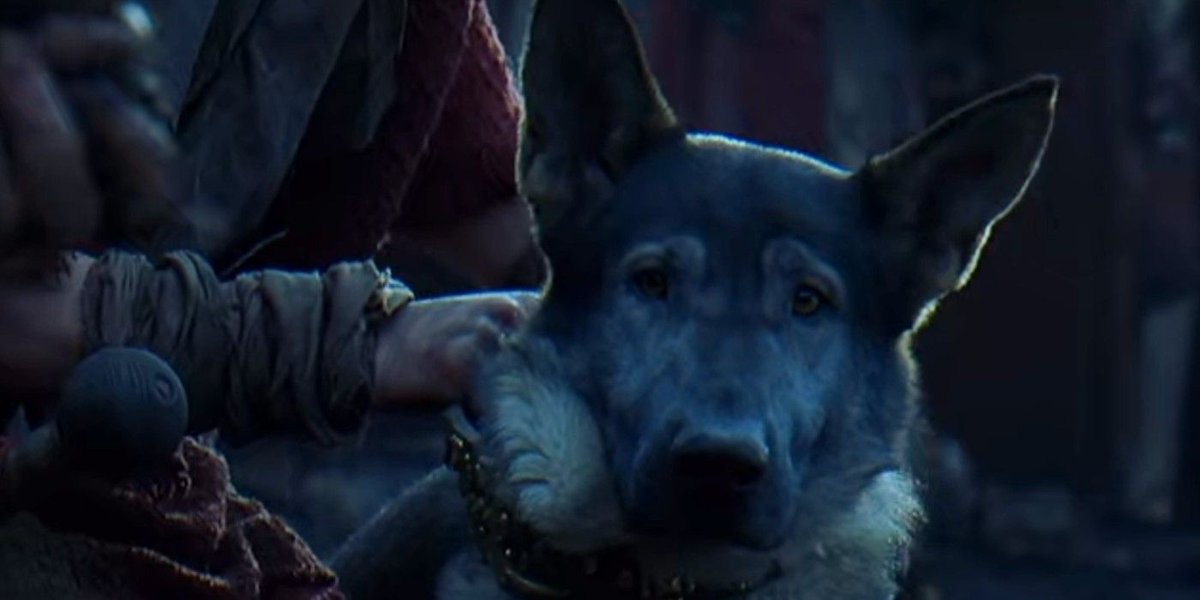
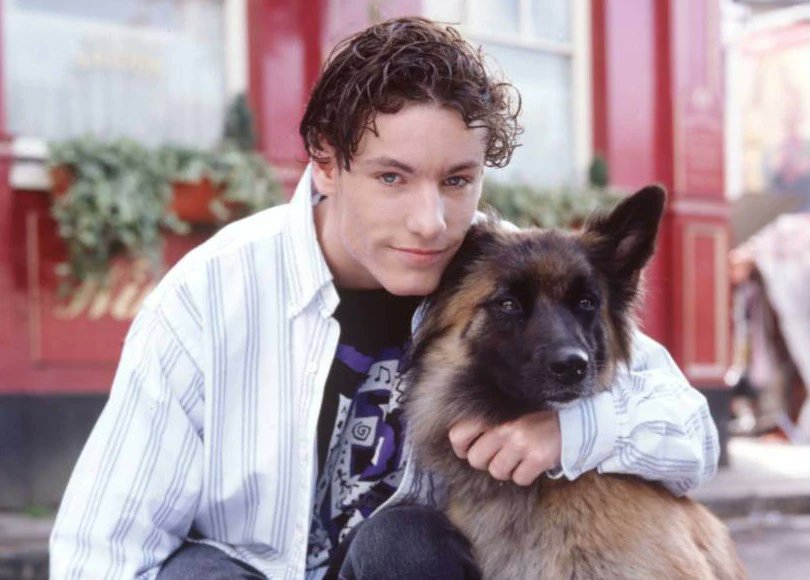
In the battle, we see Maximus’ pet wolf. He was played by a Tervuren Belgian Shepherd called Kyte. Kyte also played another famous screen dog – he was Robbie Jackson’s dog Wellard in UK soap, Eastenders, for a few years.
7/43
7/43
Russell Crowe is Maximus Decimus Meridius. Scott cast him after seeing Romper Stomper and said Crowe was “someone worth watching” and had the intensity and vulnerability he wanted for Maximus.
8/43
8/43


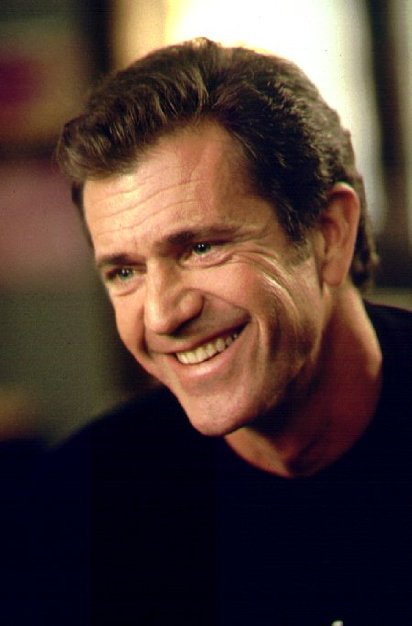
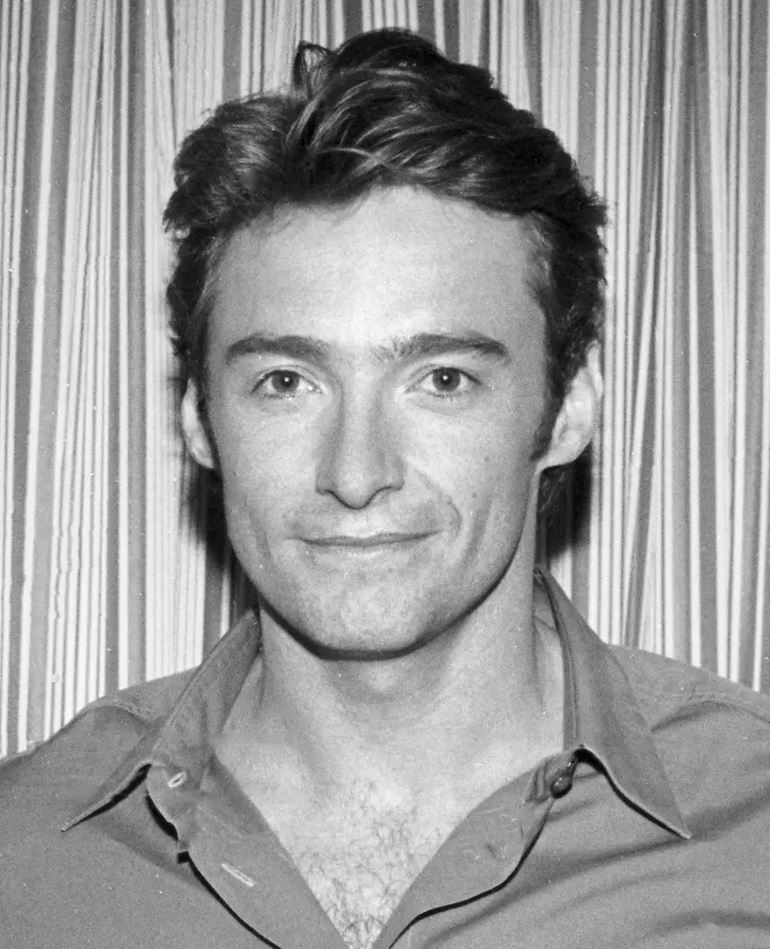
There were other names up for the part before Crowe was cast. There were rumours Mel Gibson was offered the role, and turned it down (Scott denied this). Also considered were Hugh Jackman and Antonio Banderas.
9/43
9/43
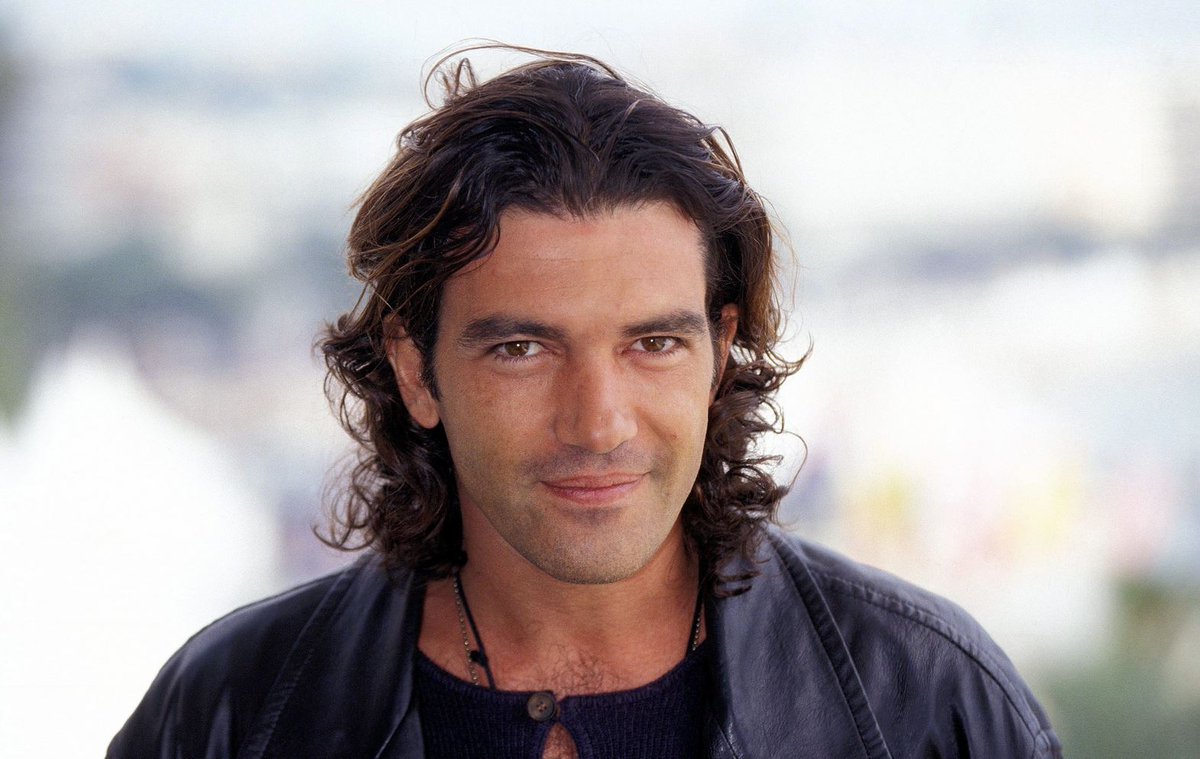
Crowe didn’t like the script and was going to say no until he met Scott. Crowe said “Ridley’s pitch was basically – ‘we’ve got a $100m budget. It’s ancient Rome. You’re playing a General. And you’re being directed by me.’” Crowe was impressed and took the part.
10/43
10/43
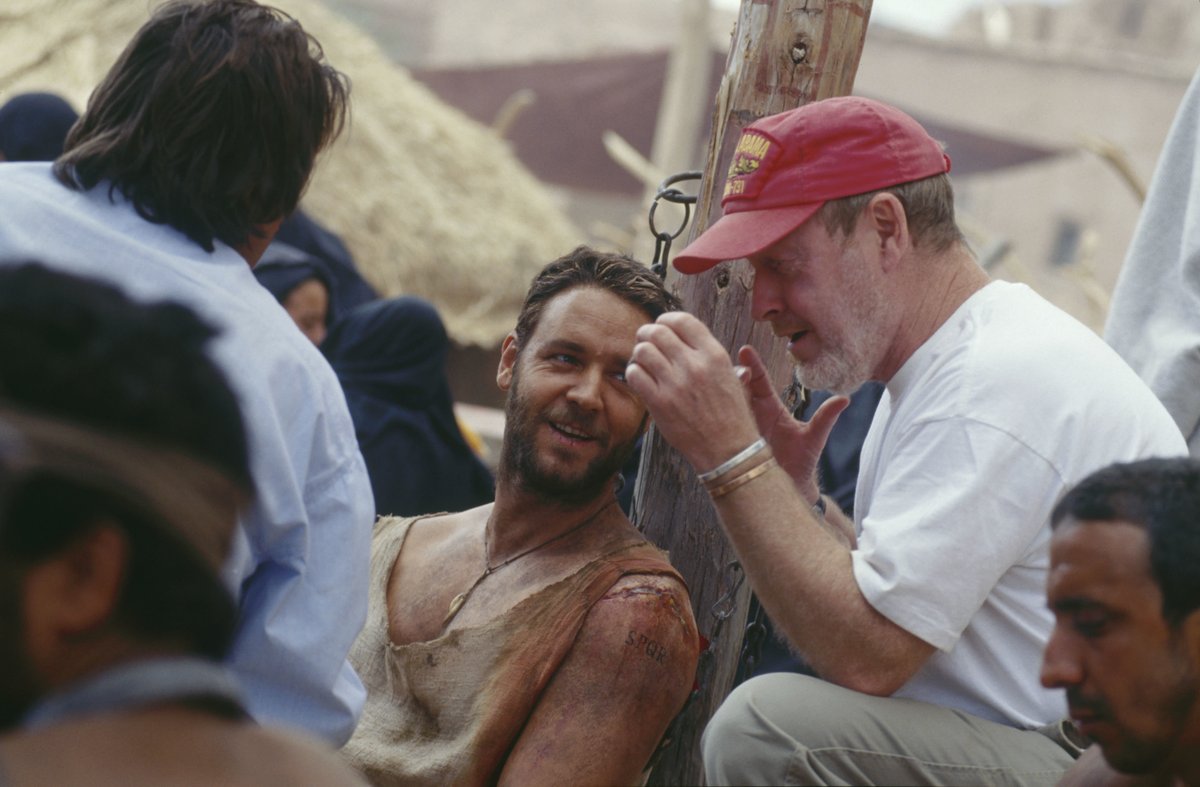

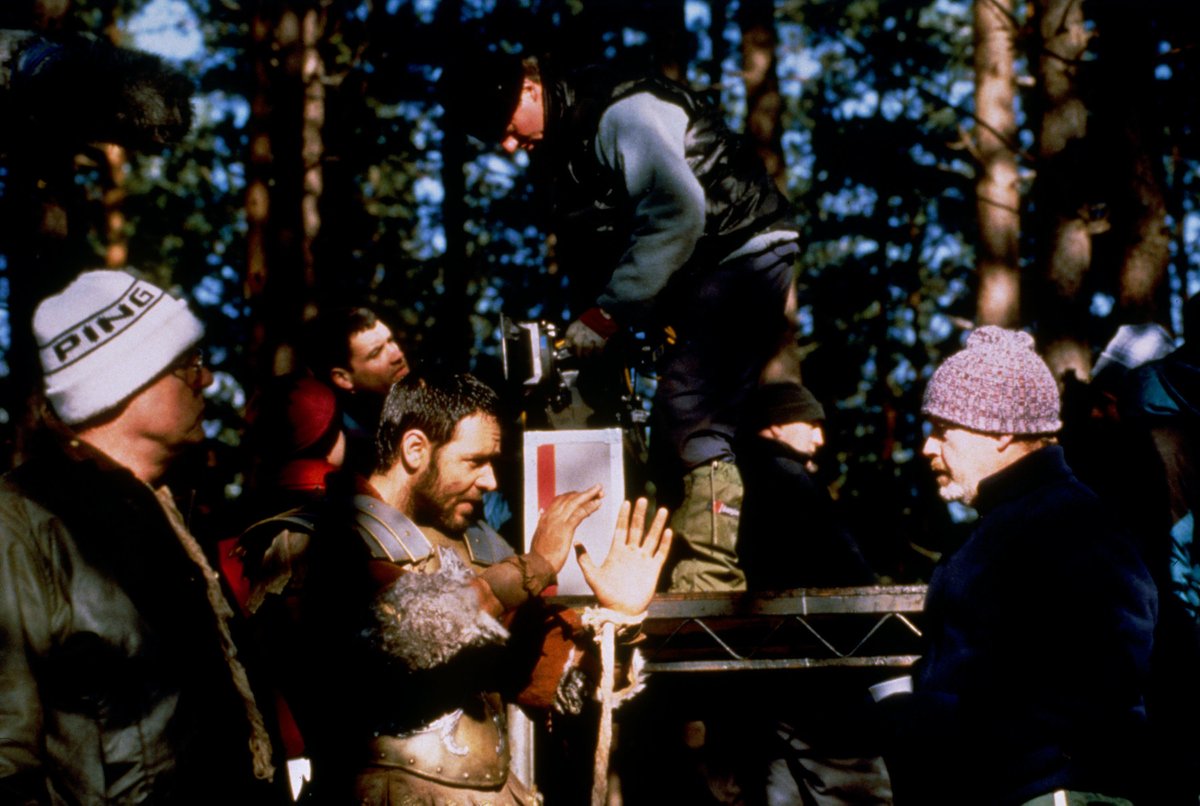
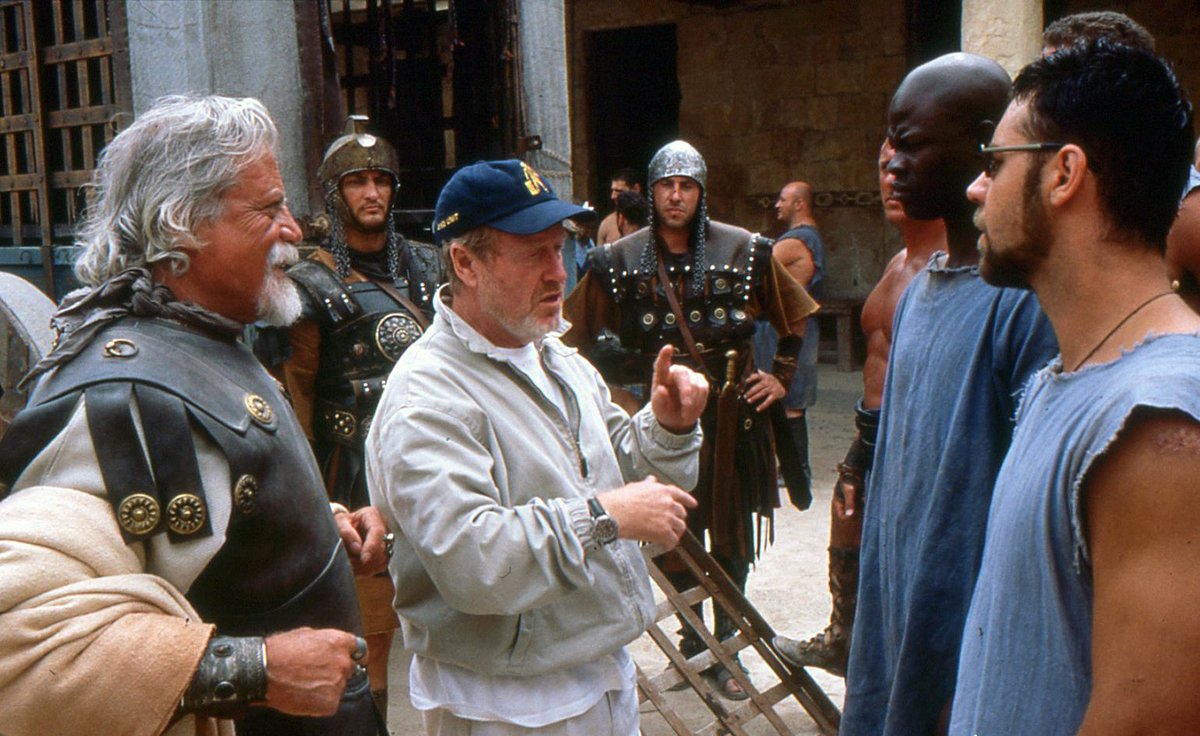
One of Maximus’ famous lines is “Strength and honour.” That wasn’t in the script, Crowe came up with it himself. He also ad-libbed dialogue when Maximus describes his home to Marcus Aurelius. He was actually describing his own home in Australia.
11/43
11/43


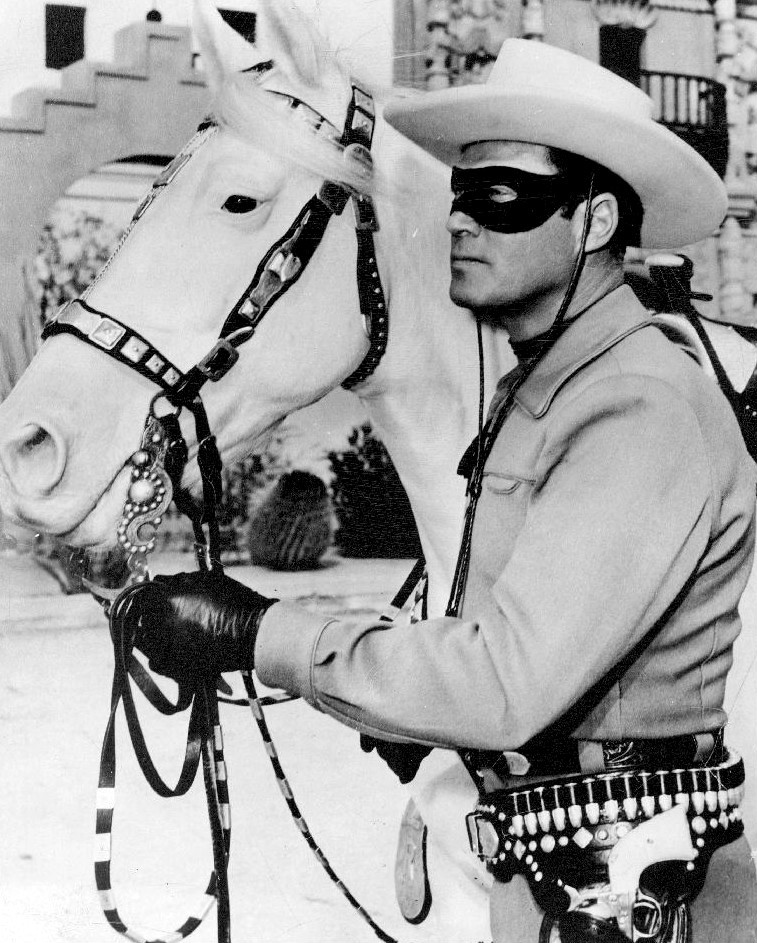
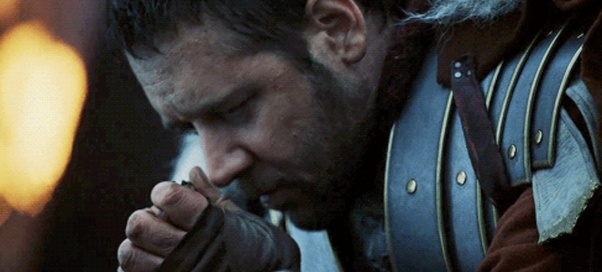
We find out Maximus has two horses – Argento and Scarto - both engraved on his breastplate. In Latin, Argento means Silver and Scarto means Trigger. Silver was the name of The Lone Ranger’s horse, and Trigger was the name of Roy Rodgers’ horse.
12/43
12/43



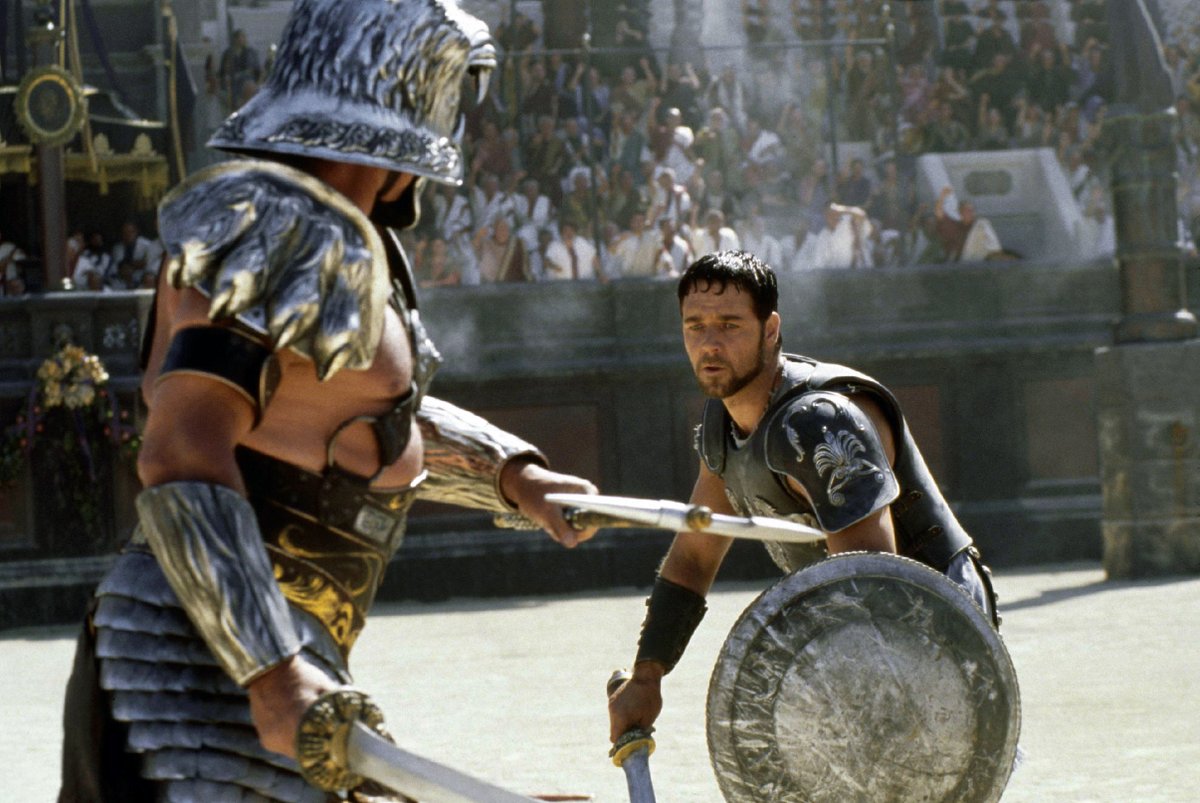
Crowe threw himself into the role. Over the course of the film, he lost all feeling in his right forefinger for two years. He also aggravated his achilles, broke his foot, cracked his hip, and popped some bicep tendons out of their sockets.
13/43
13/43

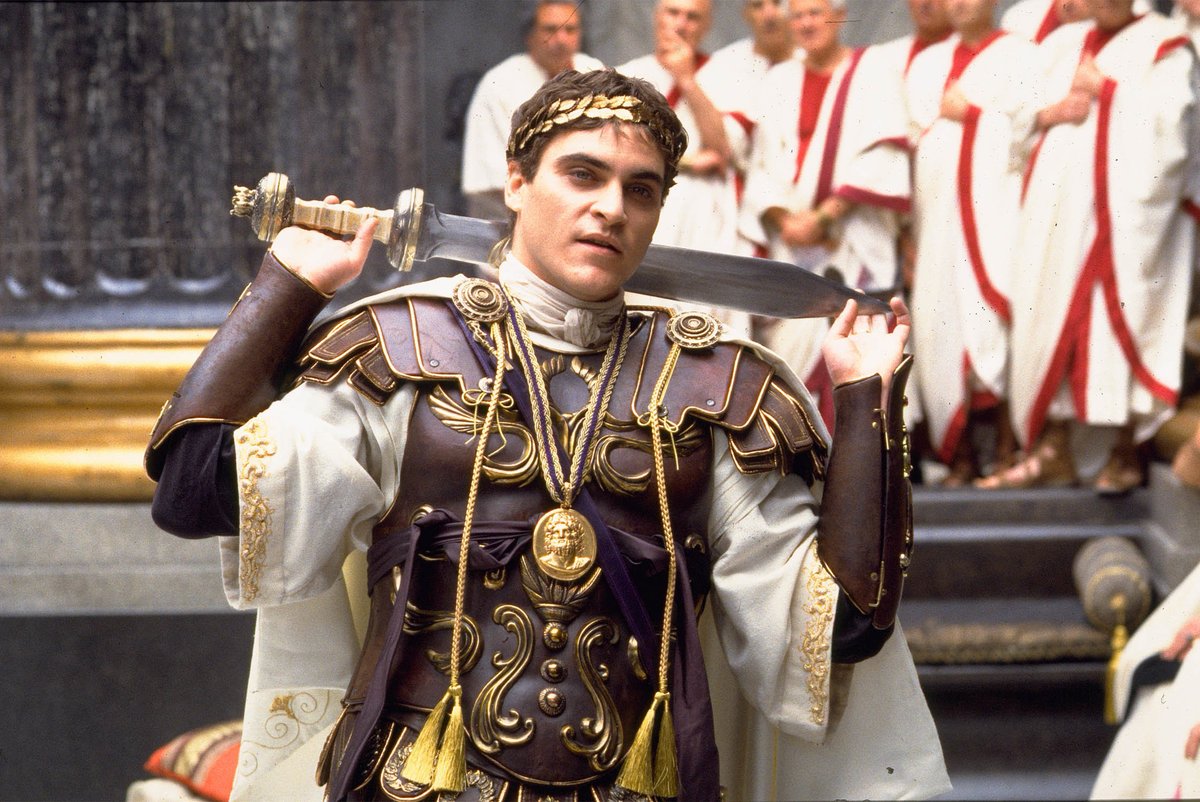
Joaquin Phoenix plays villain Emperor Commodus. Phoenix was Ridley Scott’s first choice, but he did have one other name in consideration in case it didn’t work out – Jude Law.
14/43
14/43

Phoenix was nervous about playing Commodus and felt so out of his depth he offered to pay the producers back if they let him walk away. He would ask Crowe to slap him to psyche himself up for scenes. Crowe said to him, “why don’t you try acting, you little maggot!”
15/43
15/43
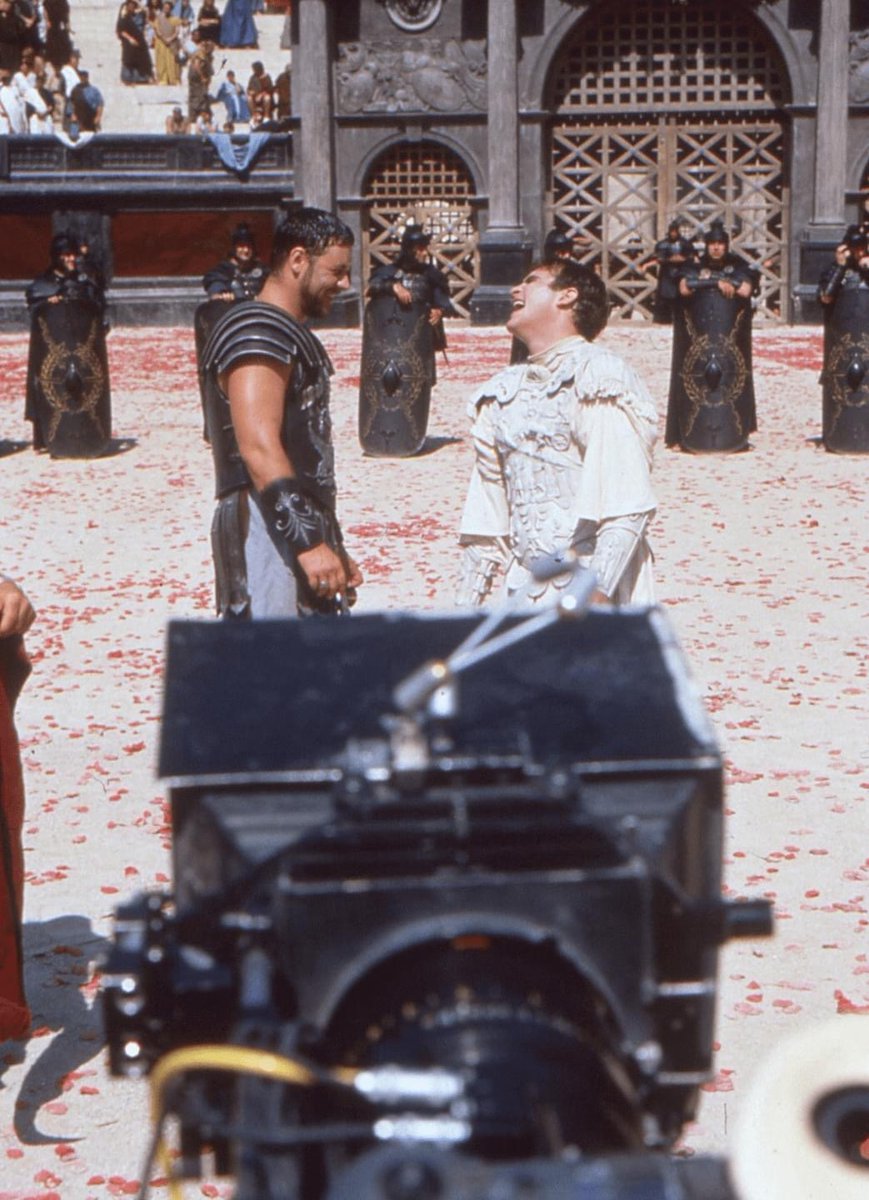
Crowe spoke to Richard Harris (Marcus Aurelius) said “what am I gonna do with this kid – he keeps asking me to abuse him before takes!” A legendary hellraiser, Harris said “let’s get him pissed,” and they took him for a few pints of Guinness.
16/43
16/43

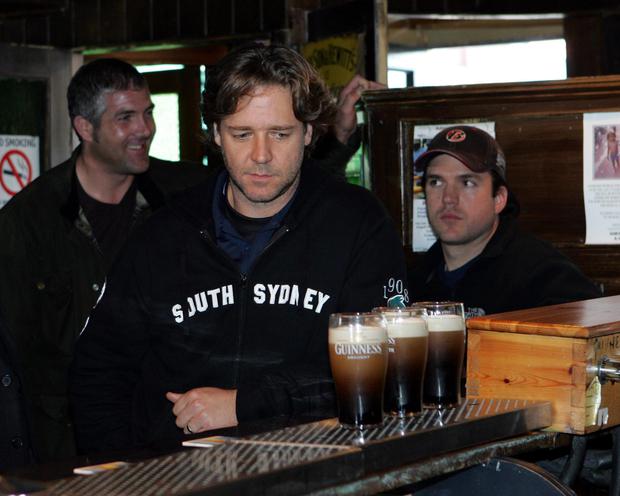
Through production, Scott noticed Phoenix was “chunkier”. He spoke to Phoenix, who said, “Yes, I’m a fat little hamster. Why wouldn’t I be? I’m the Emperor of Rome.” Scott told him to lose the weight immediately, which Phoenix did.
17/43
17/43
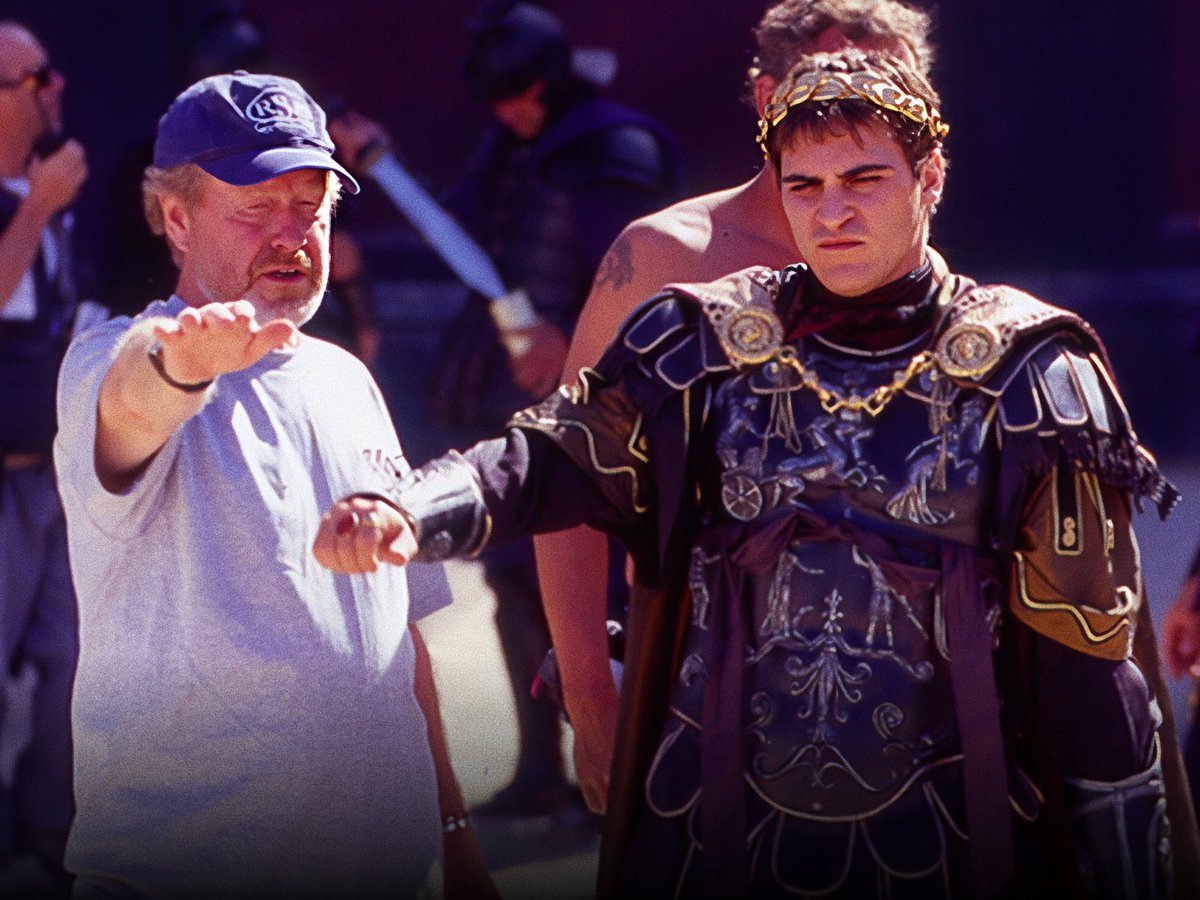
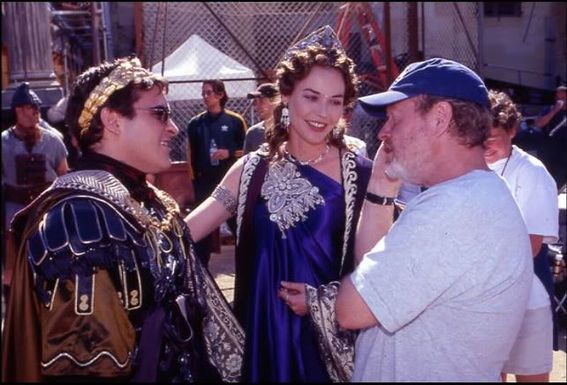
The real Commodus was a ruthless Emperor. He would take people with disabilities into the Colosseum and club them to death. And he renamed Rome to be called Colonia Commodiana. He was eventually killed – strangled by a wrestler named Narcissus.
18/43
18/43


Slave trader Proximo is played by Oliver Reed. Another hellraiser, he caused some issues on set. He said he took the role because he “fancied a trip to London to see a couple of shows.”
19/43
19/43
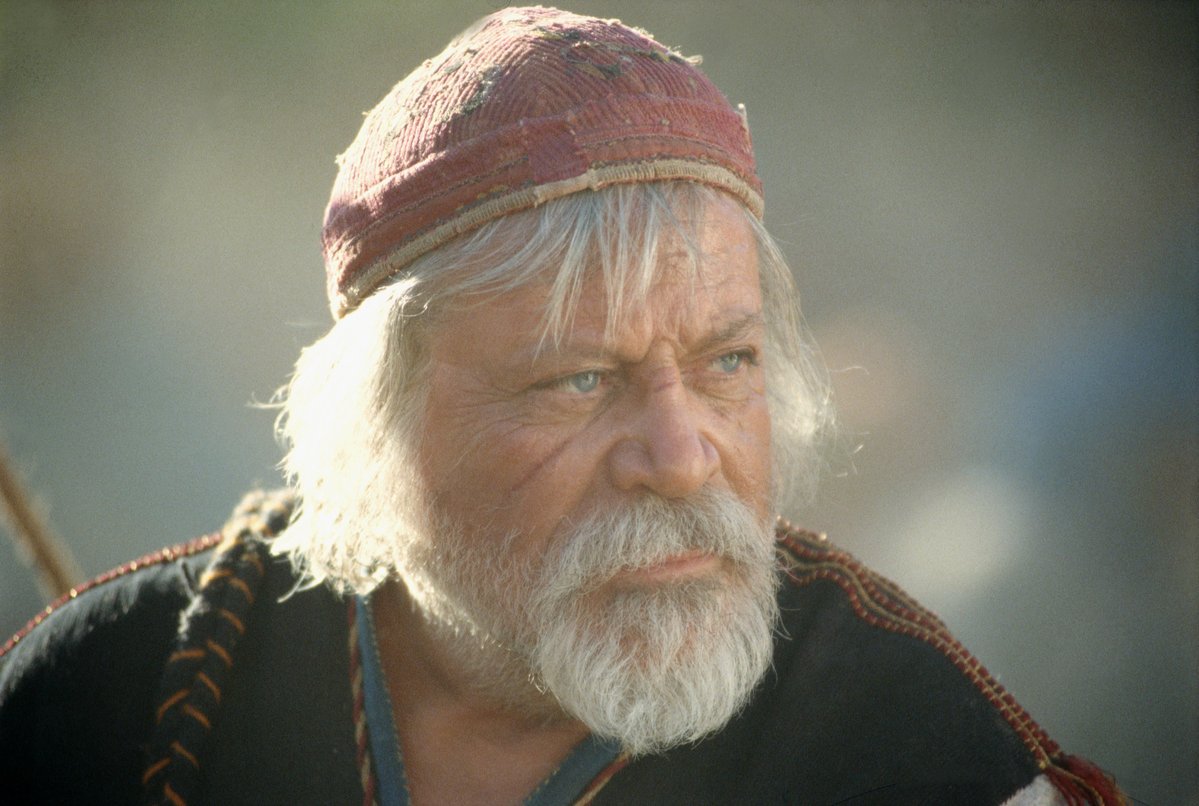

Scott originally didn’t want Reed to play Proximo. He reportedly had his eye on the Austrian Oak - Arnold Schwarzenegger – to play the part. He changed his mind to cast Reed when the character was changed to be older, with more lines of dialogue.
20/43
20/43
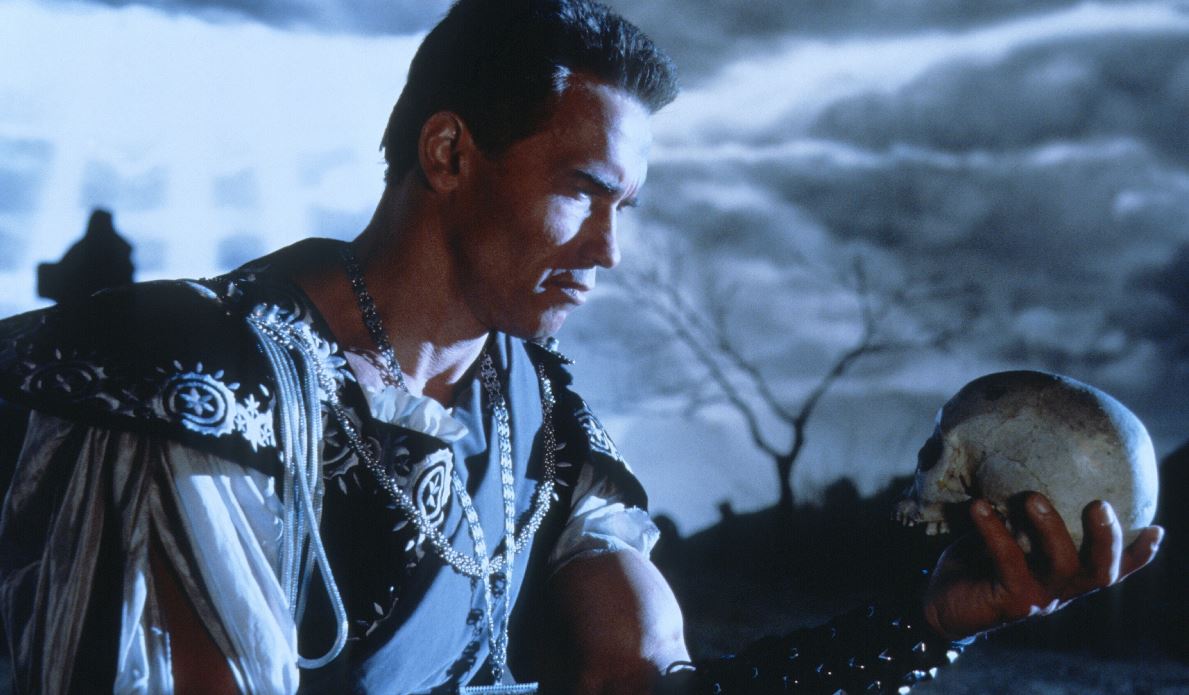
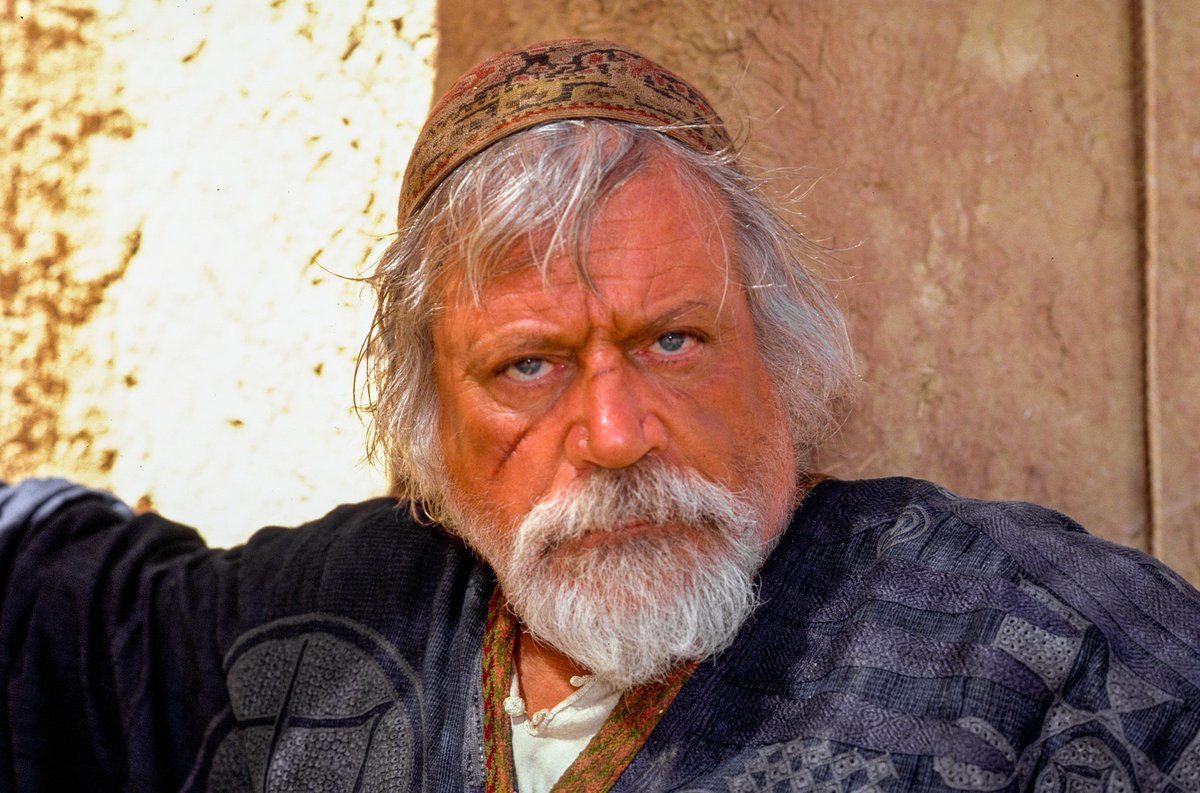
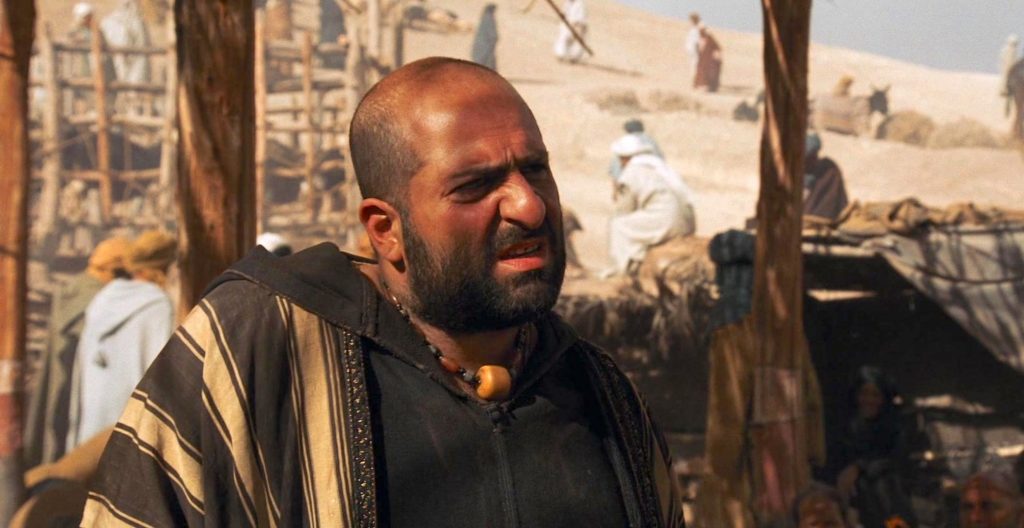
Omid Djalili tells plays a slave trader and in his scene, Proximo grabs him by the crotch. Reed improvised it and Djallil said: “The film got an Oscar, Russell Crowe got an Oscar, Ollie got a posthumous Oscar. I got a partial erection.”
21/43
21/43

Oliver Reed passed away three weeks before production ended. He died in a pub after drinking 8 pints of German lager, 12 shots of rum, half a bottle of whiskey, a few shots of cognac and after beating 5 Royal Navy sailors at arm-wrestling.
22/43
22/43
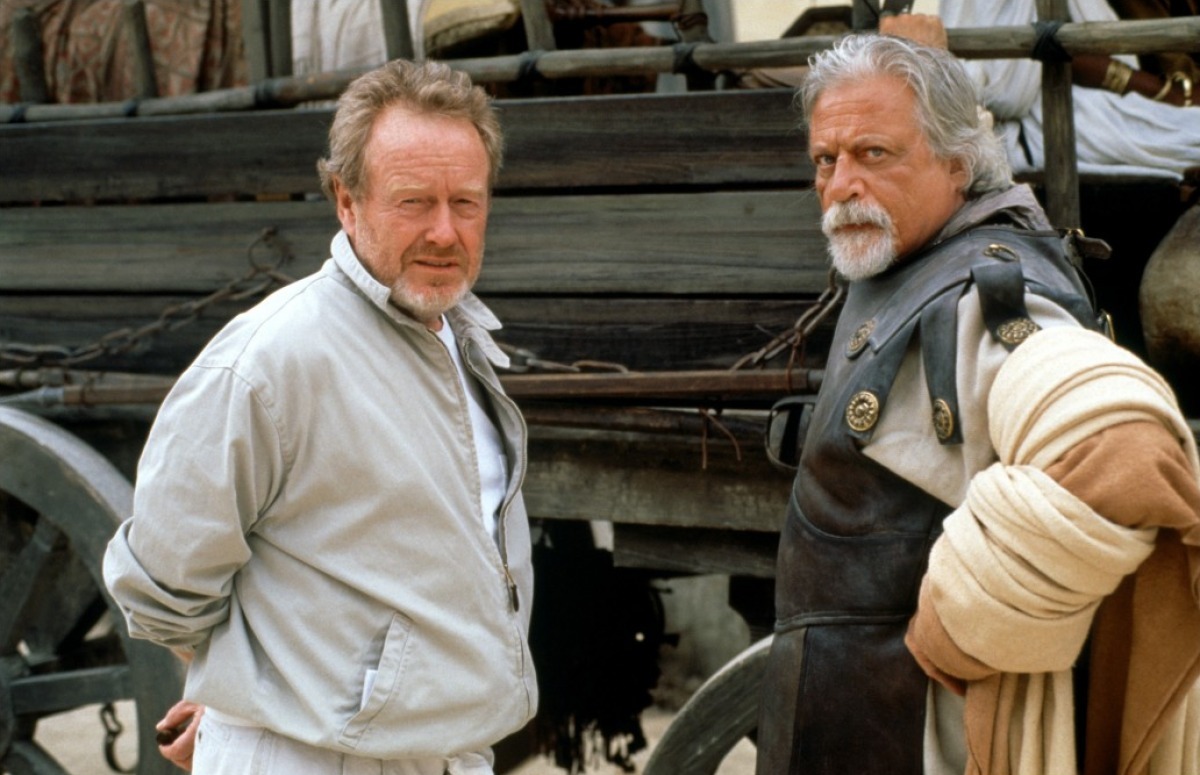

After the battle, Emperor Marcus Aurelius is killed by Commodus, who hugs the life out of him and takes the throne. Phoenix got so into it that the moment they stopped filming, he passed out.
23/43
23/43


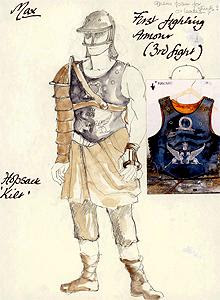
The costume designer was Janty Yates, and she and her team created over 10,000 costumes for the cast and extras. Almost 30,000 pieces of armour were created just for the movie.
24/43
24/43


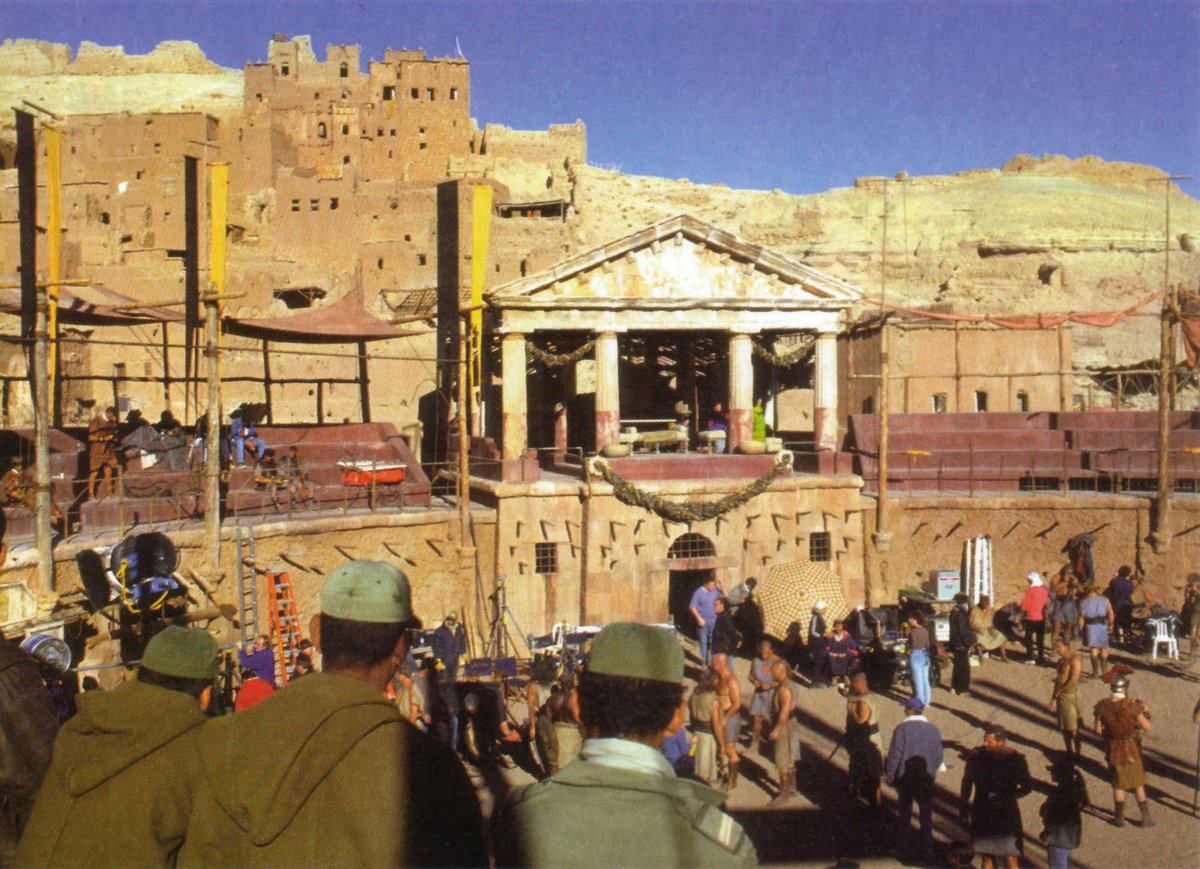
Most of the Rome-set scenes were filmed in Malta, and that included building a replica of the Colosseum. It was 52-feet tall, took seven months to build, and cost $1 million. The city was then enhanced by digital effects.
25/43
25/43


Before each fight, Maximus picks up sand and smells it. Scott said Maximus is a farmer and he tries to remember his wife and child every time he picks up a piece of the earth. It also signifies the fact he could die there and return to the soil.
26/43
26/43

Maximus’ biggest challenge in the arena is Tigris the Gaul, played by World’s Strongest Man winner Sven-Ole Thorsen. Initially, though the role went to Lou Ferrigno who played the Incredible Hulk in the 1970s before he had to pull out.
27/43
27/43


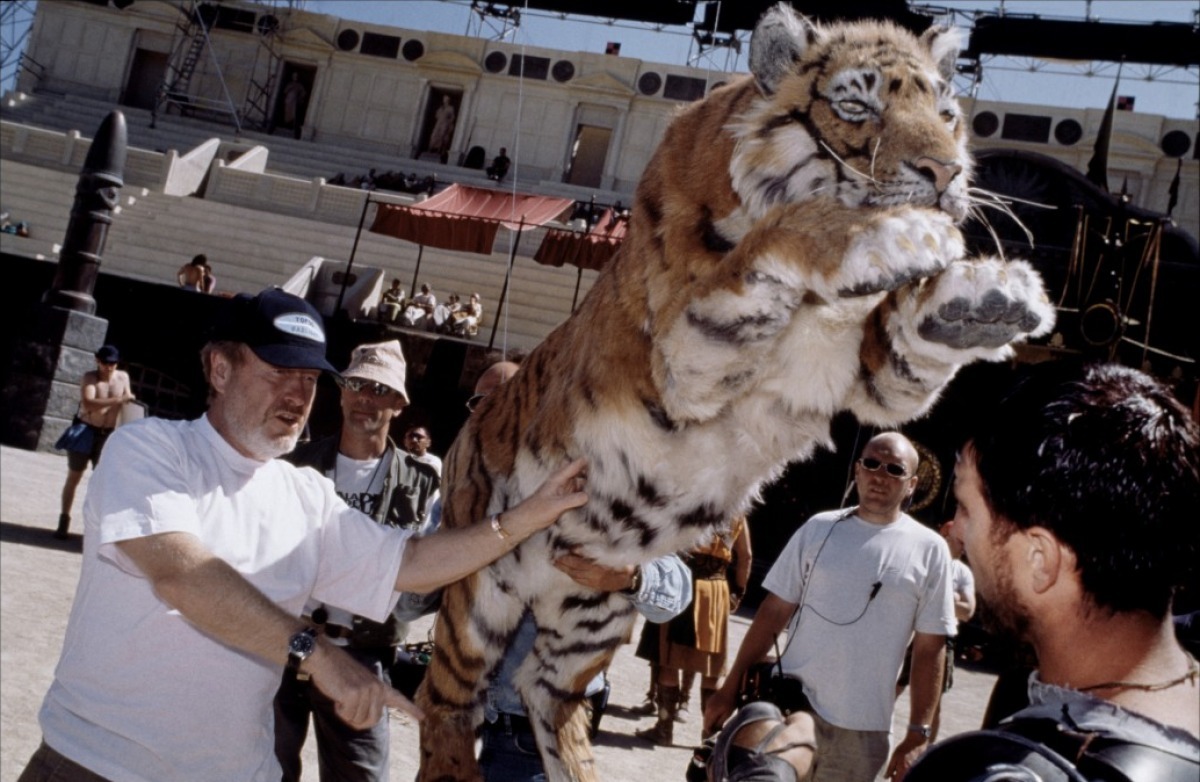
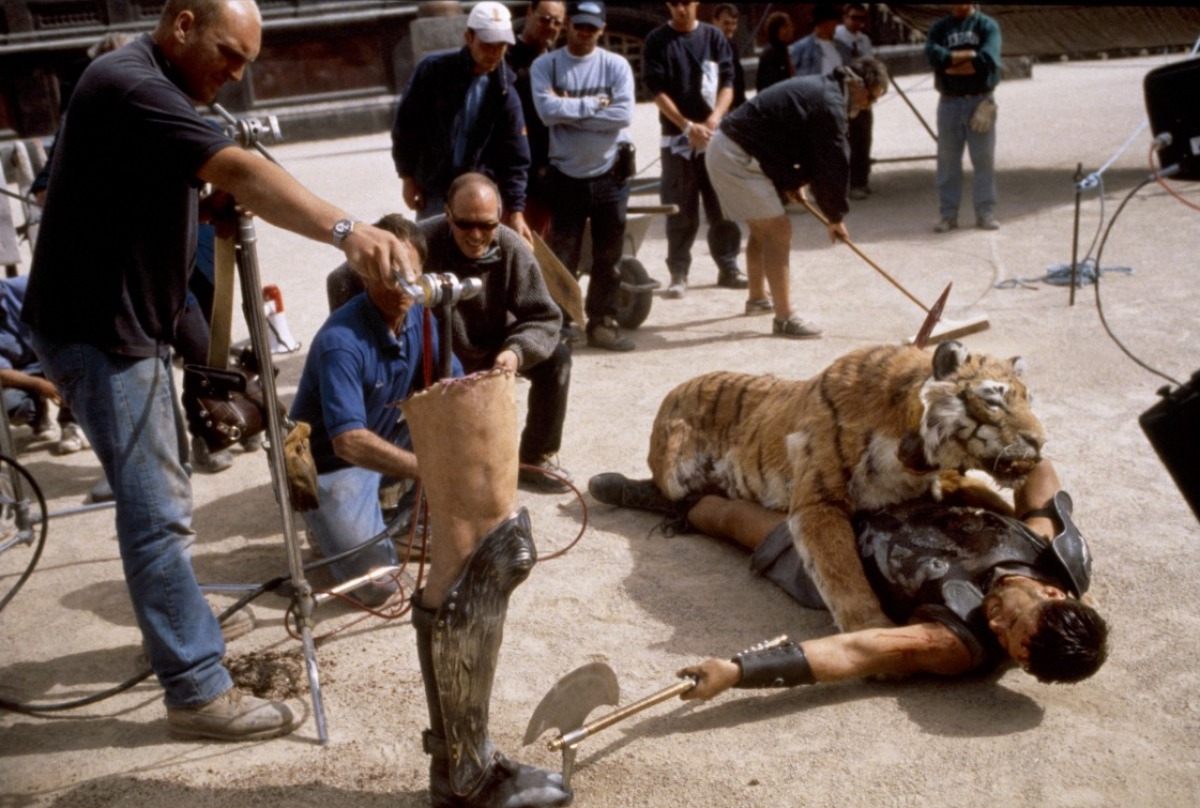
During the fight with Tigris, Commodus has live tigers released. This was based on reality as the Romans would often throw tigers or lions into the Colosseum unannounced for the gladiators to deal with.
28/43
28/43
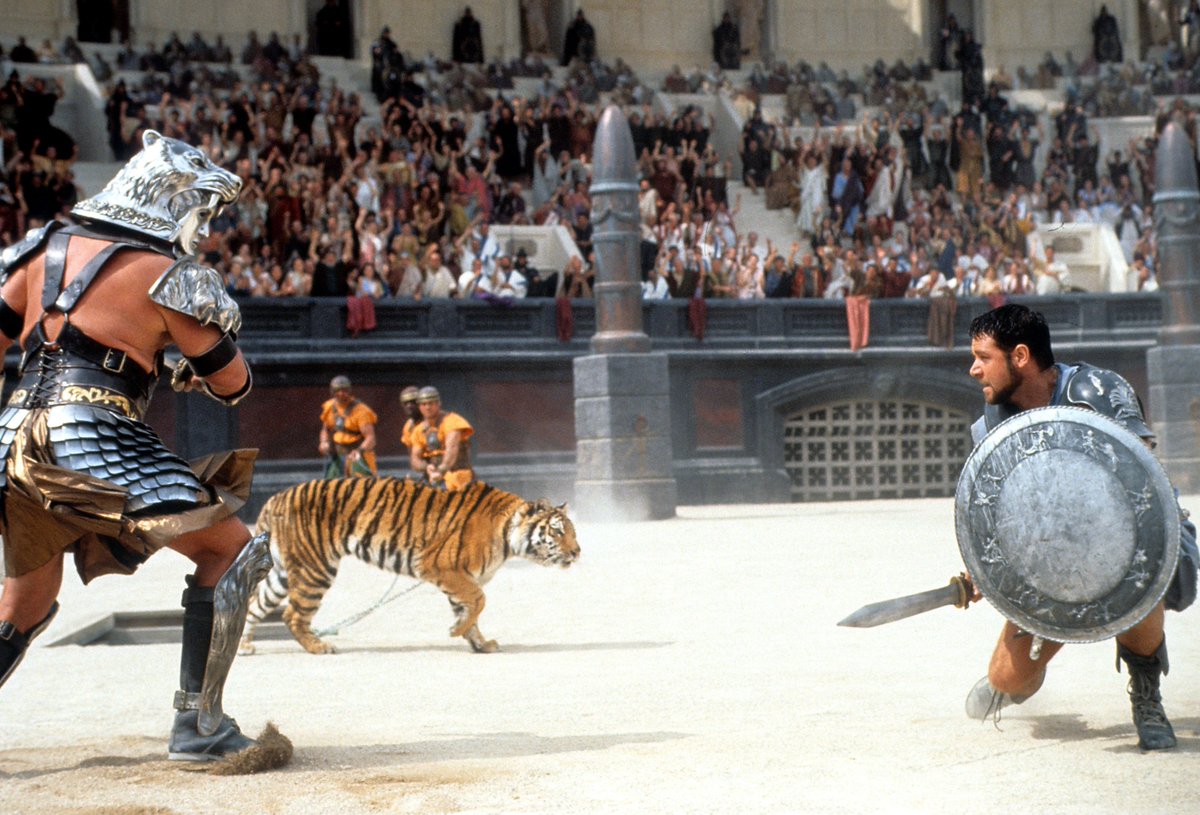
Scott had 5 tigers and an expert on hand with tranquiliser darts should anything go wrong. The tigers weren’t allowed within 15ft of Crowe but, due to a miscalculation, an11 ft tiger got within two feet and swiped at him. That shot is in the film.
29/43
29/43
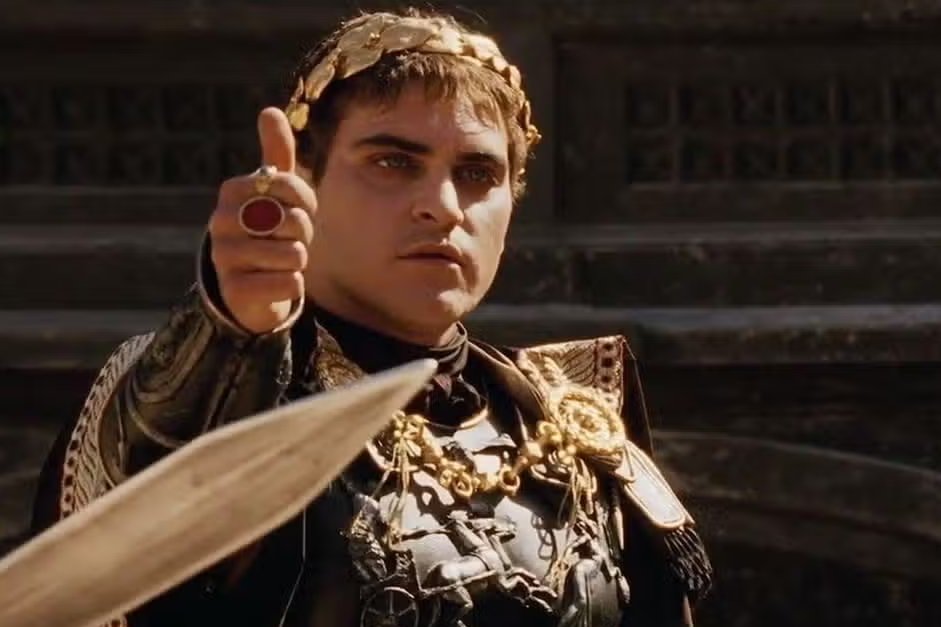
Commodus gives a thumbs up or down when deciding if a gladiator lives or dies. In real life, thumbs down represented the sheathing of a sword so meant mercy. Since thumbs up is a positive sign nowadays, it was changed to not confuse the audience.
30/43
30/43

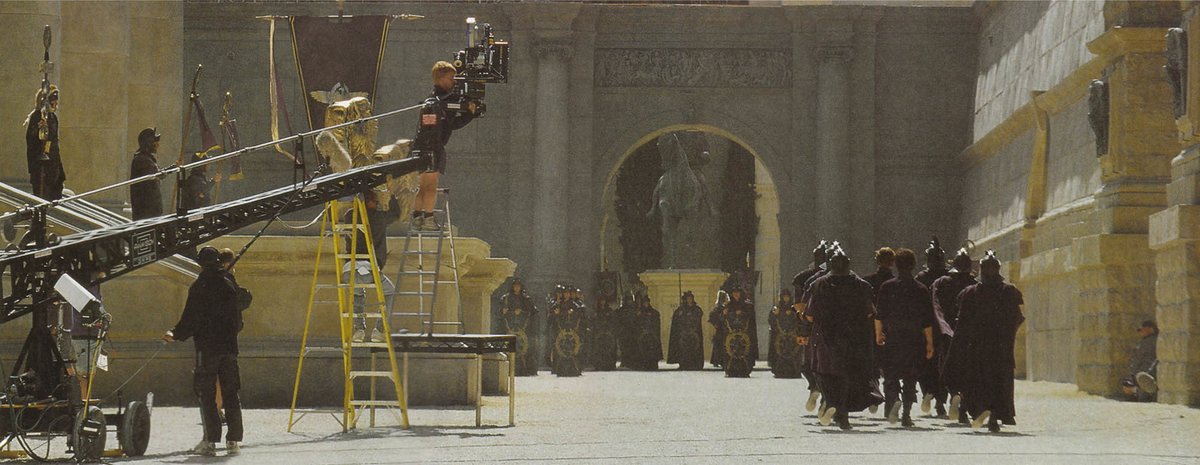
Scott’s DP on the film was John Mathieson, who had recently shot Plunket & Macleane for Scott’s son, Jake. Together they recreated Ancient Rome on an unprecedented scale and raised the bar for blockbuster epic cinematography.
31/43
31/43


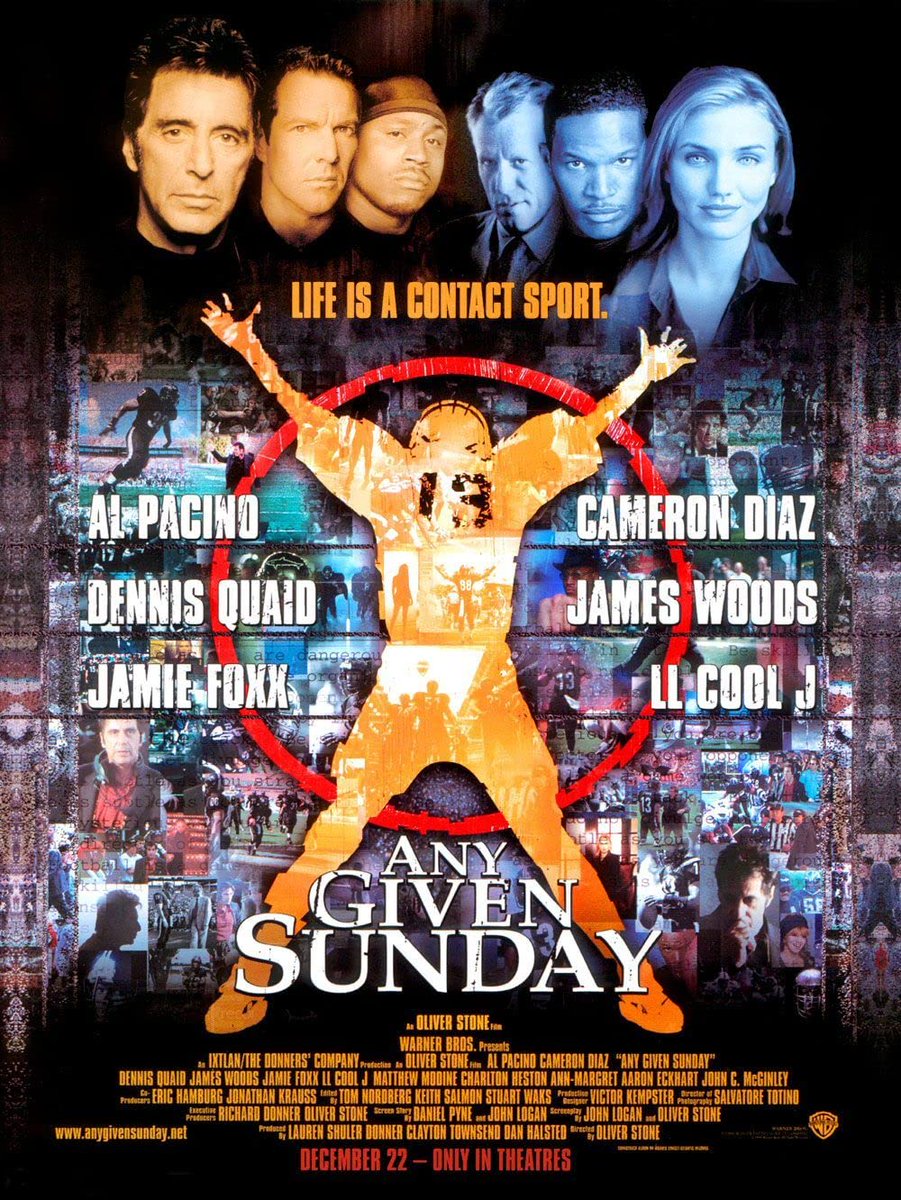
When Scott came on as director, he decided he didn’t like David Franzoni’s dialogue much, so hired John Logan (Any Given Sunday) to rewrite the film. It was Logan who made the decision to kill off Maximus’ family as character motivation.
32/43
32/43


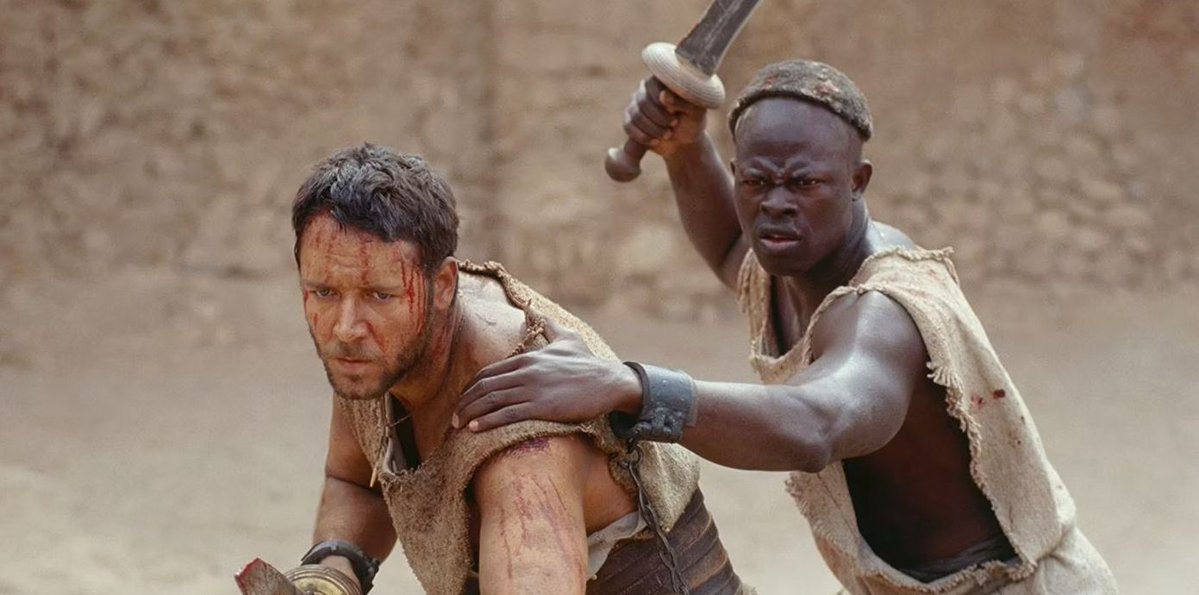
Having rewritten the script, filming began with only 32 pages approved, so writer William Nicholson (First Knight) was brought in. He made Maximus more sensitive, brought out his friendship with Juba, and added in the afterlife aspect, so Maximus wasn’t just out for revenge.
33/43
33/43



Crowe was so unhappy with the script that he initially refused to say the famous line “I will have my vengeance, in this life or the next.” He said to Nicholson “Your lines are garbage but I’m the greatest actor in the world, and I can make even garbage sound good.”
34/43
34/43
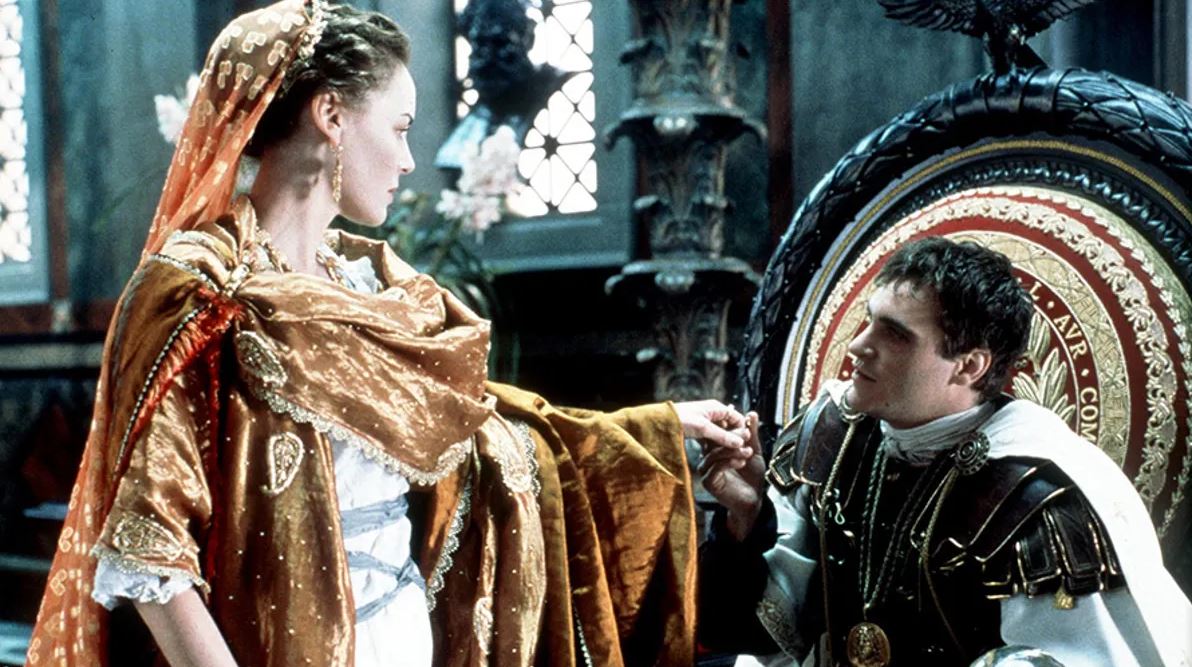
Connie Nielsen played Lucilla and, as a historian, knew a lot about ancient Rome. She complained about the first draft of the script as it referred to museums and the police, neither of which existed in ancient Rome.
35/43
35/43


The score was composed by Hans Zimmer and Lisa Gerrard. Zimmer was planning to use Israeli singer Ofra Haza who he worked with on Prince Of Egypt. Tragically though, she died before she was able to record, and Lisa Gerrard was chosen instead.
36/43
36/43
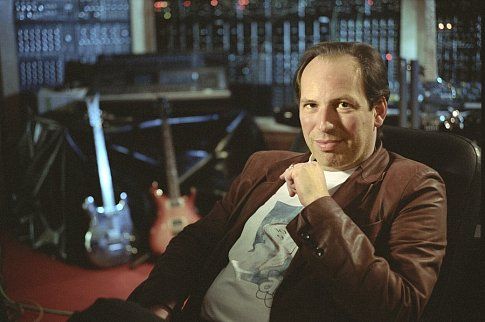

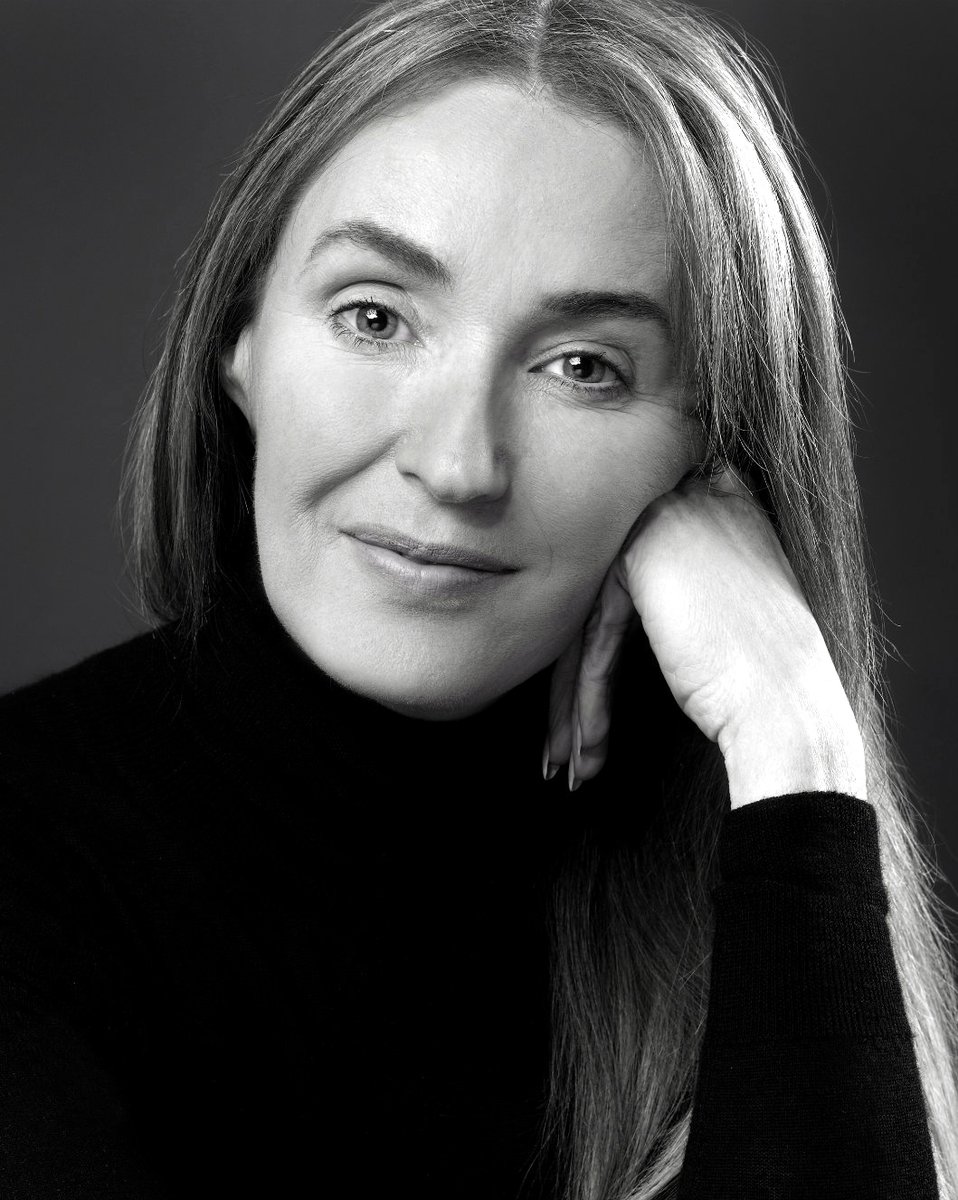
Originally, the legendary operatic tenor Luciano Pavarotti was asked to sing a song for the soundtrack, He said no so Gerrard came in, co-writing and performing the main song ‘Now We Are Free’, for which she made up a language.
37/43
37/43


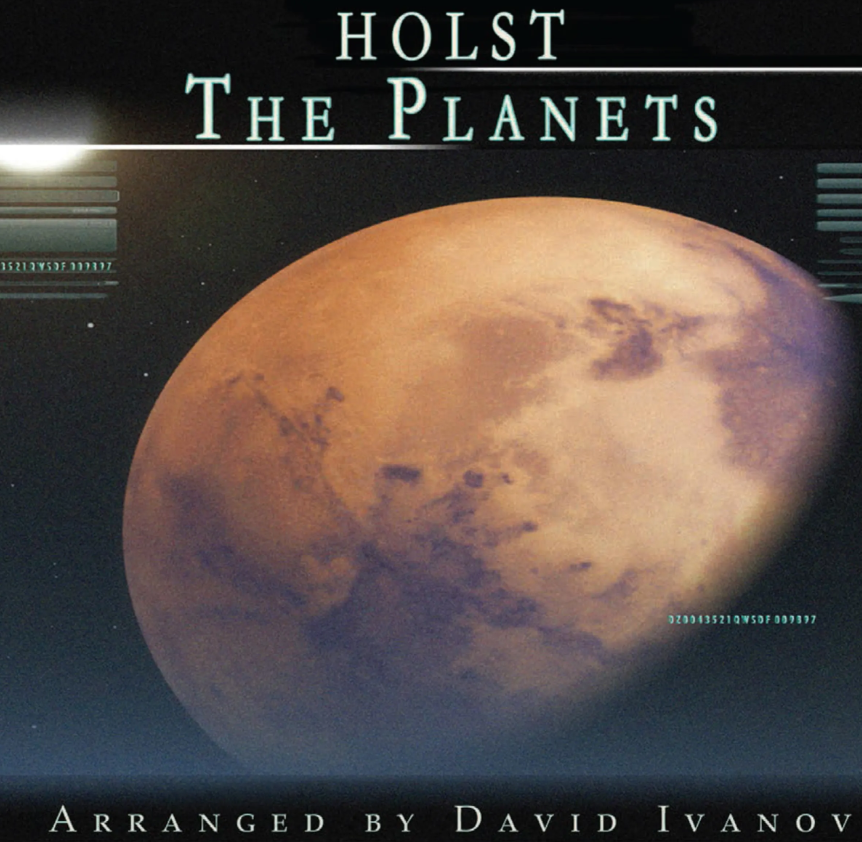
After the film was released, Zimmer was sued by the Gustav Holst Foundation, who said that parts of Zimmer’s score were too similar to Holst’s famous piece Mars: The Bringer Of War.
38/43
38/43

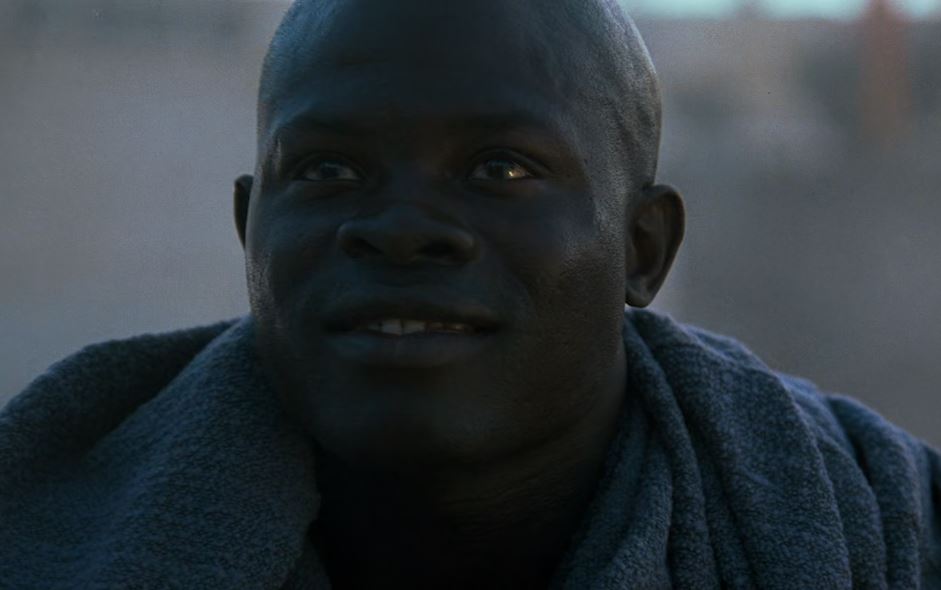
The film ends with Juba (Djimon Honsou) burying the figurines of Maximus’ family in the Colosseum before heading back to his family in Africa. Before the death of Oliver Reed, it was supposed to be Proximo burying the figures in the sand.
39/43
39/43


Maximus didn’t die in the original script and it was changed on set by Scott. He said to Crowe:
“I don’t see how you live. This character is about one act of vengeance. Once he’s got that, what does he do? Does he end up running a f***ing pizzeria by the Colosseum?”
40/43
“I don’t see how you live. This character is about one act of vengeance. Once he’s got that, what does he do? Does he end up running a f***ing pizzeria by the Colosseum?”
40/43
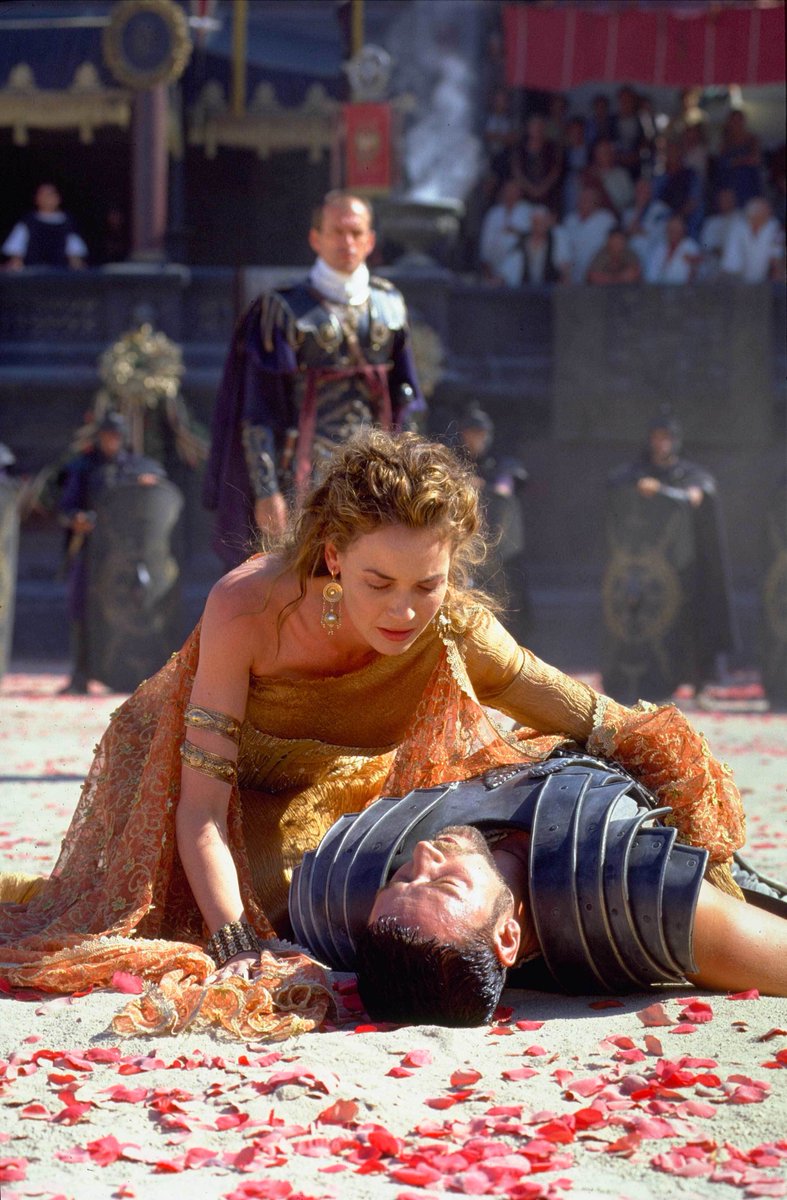
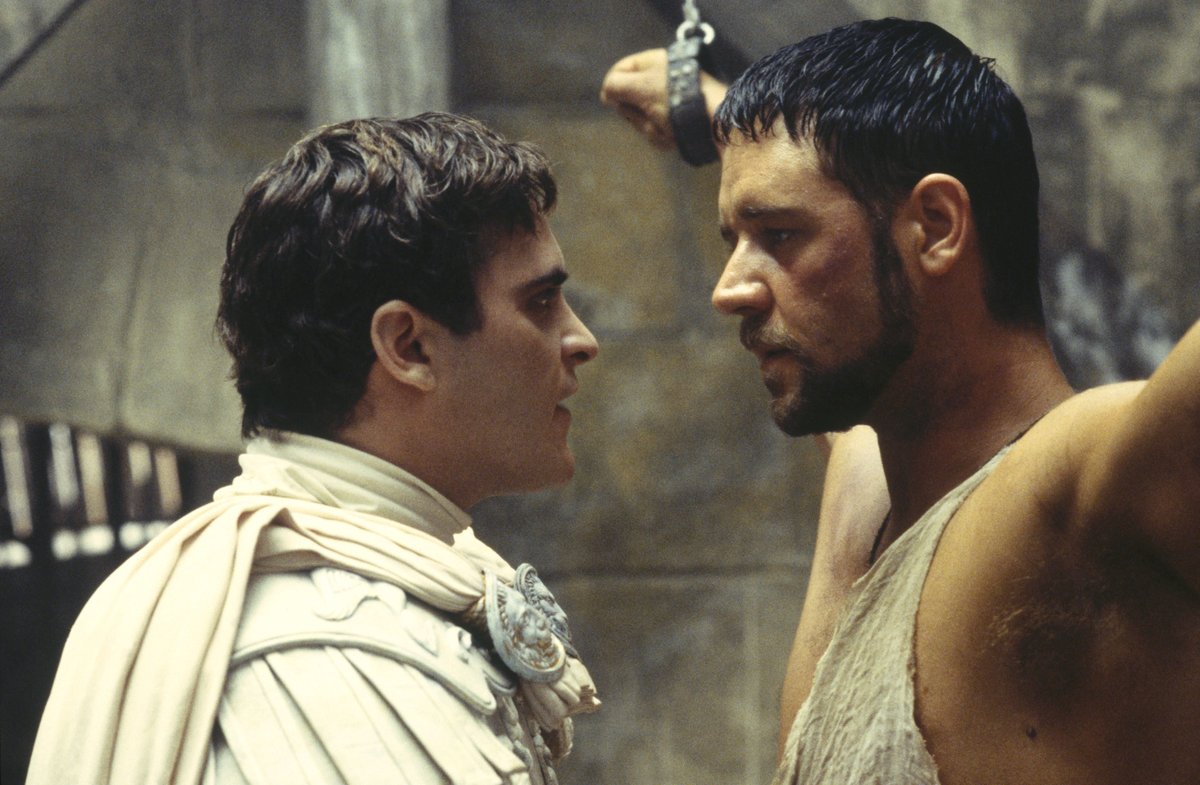
The film was a huge success on its release. With a production budget of $103m, it made over $465m at the box office. It also won 5 Oscars including Best Picture and Best Actor for Russell Crowe.
41/43
41/43
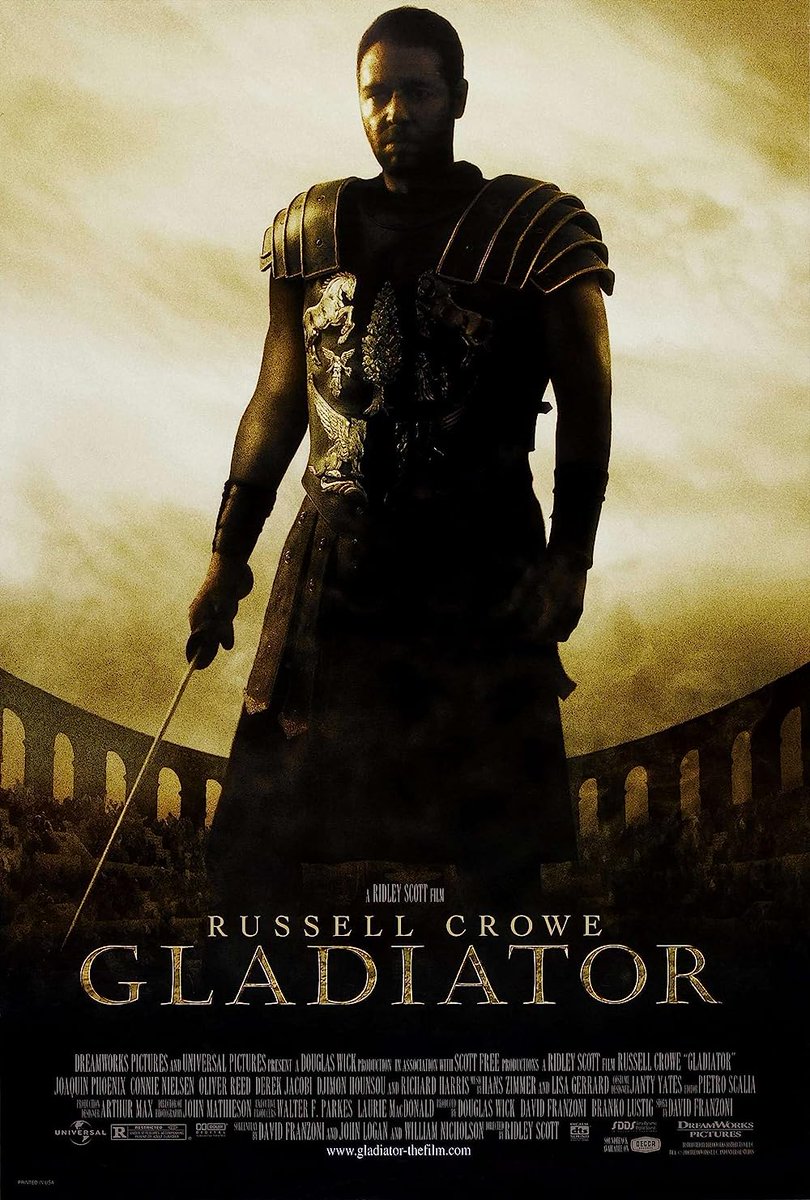


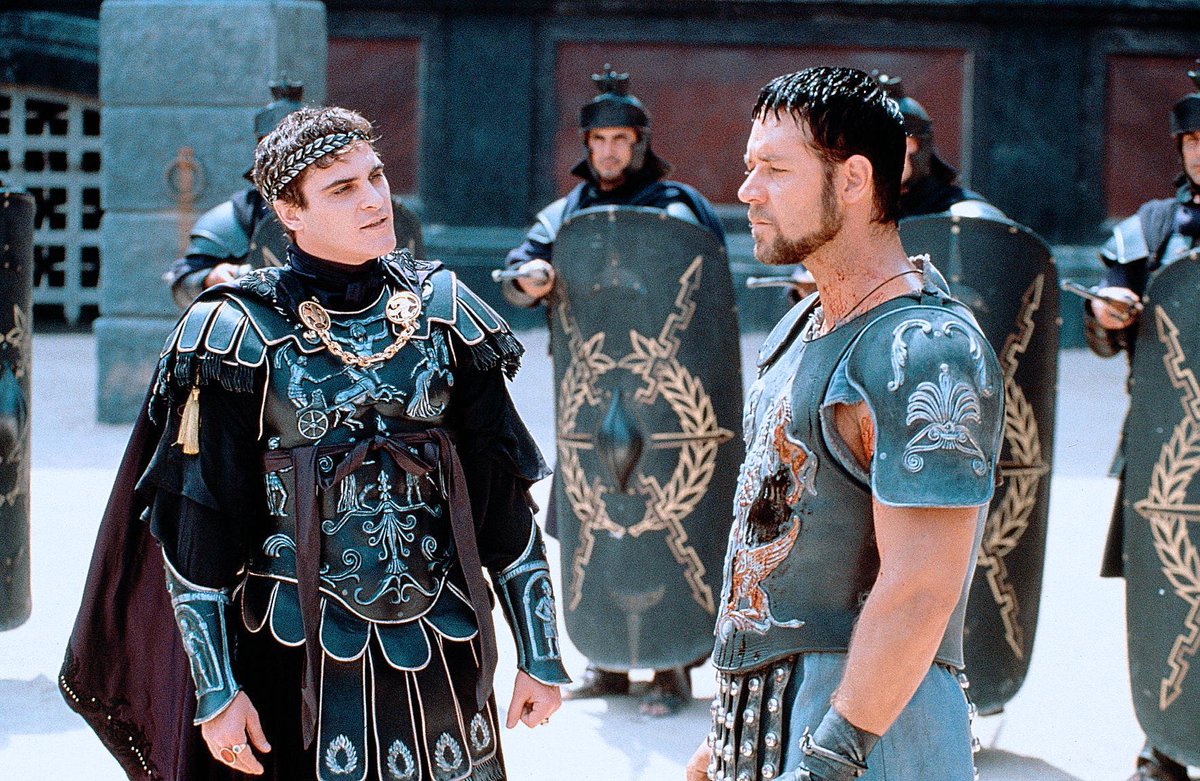
Gladiator was such a hit, it had an impact on interest in Roman history after it was released. The New York Times called it, “The Gladiator Effect,” and books like Cicero’s biography and Marcus Aurelius’ meditations received massive spikes in sales.
42/43
42/43


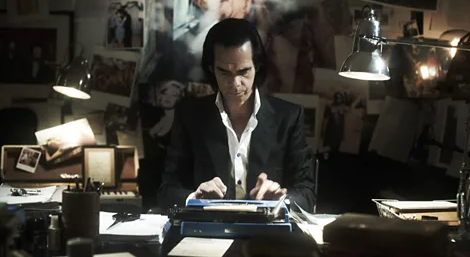
Finally… There was talk of a sequel, the strangest being a script by singer-songwriter Nick Cave. He had an idea for a reincarnated, time-travelling Maximus who was sent to WWII, the Vietnam War, and then became a modern-day General at the Pentagon. The studio said no.
43/43
43/43
If you liked our making of story of GLADIATOR, please share the opening post 😀
https://x.com/ATRightMovies/status/2051591836121137369?s=20
Our podcast tells the story of Hollywood one film at a time. Full of big laughs and opinions too so check it out wherever you get podcasts and on our site 😃
alltherightmovies.com/feature/listen…
alltherightmovies.com/feature/listen…
• • •
Missing some Tweet in this thread? You can try to
force a refresh