Tagging @FBIDirectorKash @TheJusticeDept @DAGToddBlanche @DNIGabbard @CIADirector for fear of public disinterest
https://twitter.com/caffeenheadache/status/2052427663818527192
1/ Let's turn this into another specifically targeted thread underneath your tags!
We conducted an exhaustive search of peer-reviewed literature for collaborative CRISPR or genomic editing research on hantavirus involving both Chinese and American scientists/researchers—covering any work since 1980 on both host-side and pathogen-side genomic interventions.
The search spanned:
PubMed, Web of Science, bioRxiv
International databases
Institutional repositories
50 specific search queries combining: hantavirus, CRISPR, genomic editing, China, USA, collaboration
🔍 Here's what we found:
We conducted an exhaustive search of peer-reviewed literature for collaborative CRISPR or genomic editing research on hantavirus involving both Chinese and American scientists/researchers—covering any work since 1980 on both host-side and pathogen-side genomic interventions.
The search spanned:
PubMed, Web of Science, bioRxiv
International databases
Institutional repositories
50 specific search queries combining: hantavirus, CRISPR, genomic editing, China, USA, collaboration
🔍 Here's what we found:
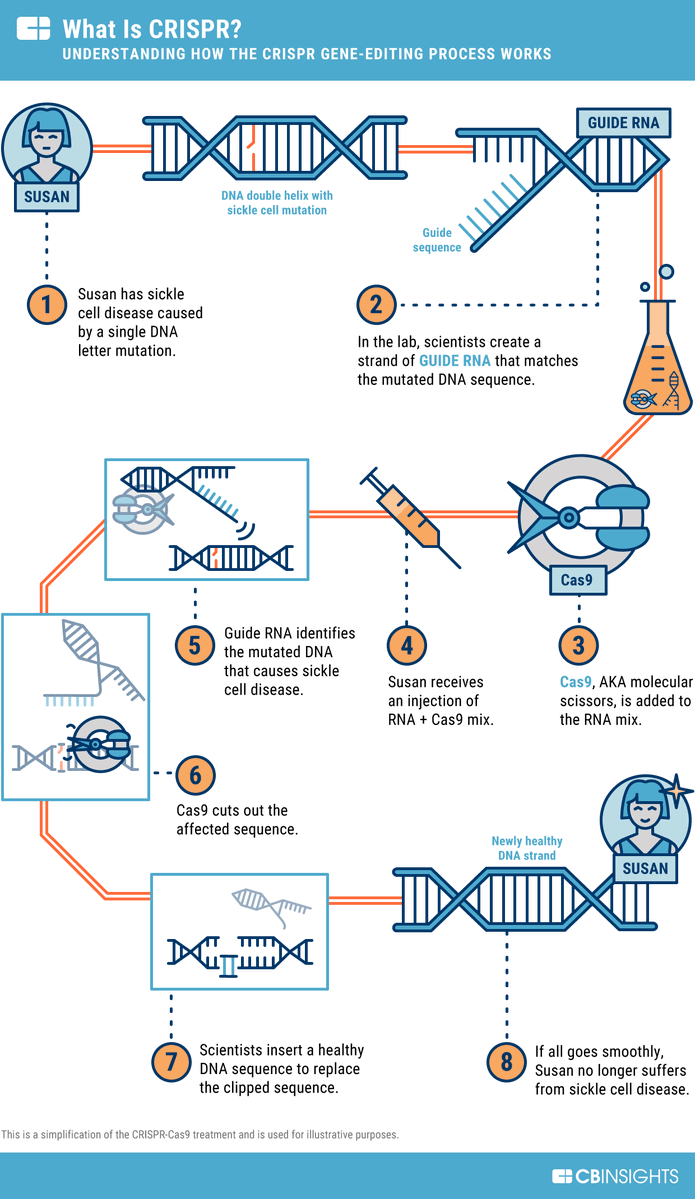
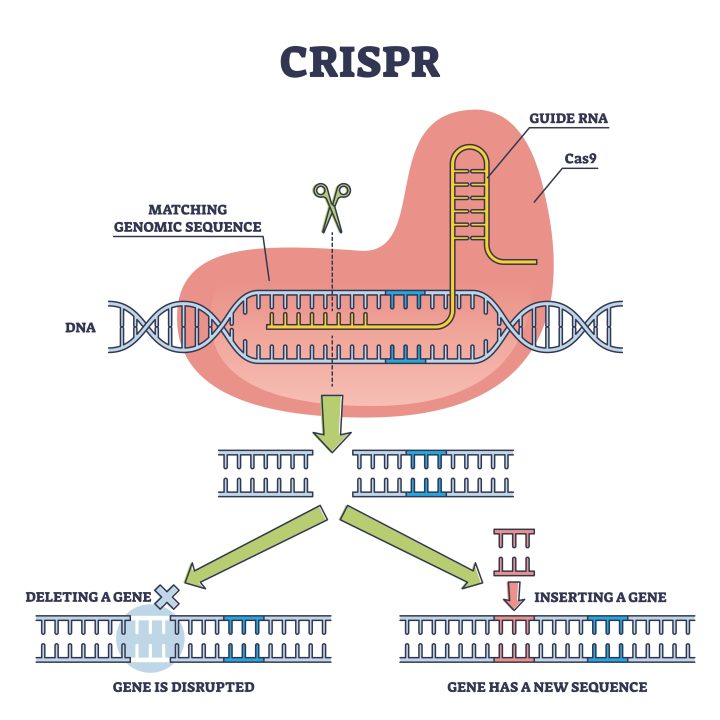


2/ WHAT WE DID FIND: Standalone CRISPR Hantavirus Work
China-Only CRISPR Research:🧪 "Sensitive & Visualized Detection of Hantavirus Using CRISPR/Cas12a" (2025, J Med Virol)
Wuhan University, Southern Medical University, CAMS, South China University of Technology
AutoCORDSv2-designed CRISPR detection system
42 copies/reaction sensitivity
All Chinese authors & institutions (1)
China-Only CRISPR Research:🧪 "Sensitive & Visualized Detection of Hantavirus Using CRISPR/Cas12a" (2025, J Med Virol)
Wuhan University, Southern Medical University, CAMS, South China University of Technology
AutoCORDSv2-designed CRISPR detection system
42 copies/reaction sensitivity
All Chinese authors & institutions (1)

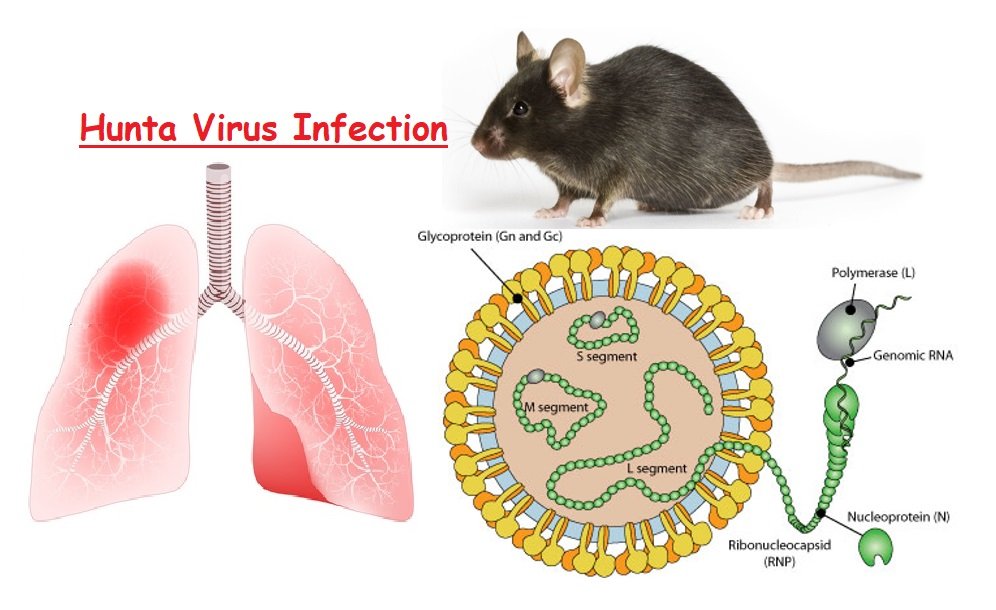
3/ WHAT WE DID FIND: USA/International CRISPR Research
American-Led Work (No Chinese Collaborators):
🧪 "Genetic Depletion Studies Inform Receptor Usage"
Albert Einstein College of Medicine, University of New Mexico, University of Colorado
CRISPR/Cas9 knockout of hantavirus entry receptors (PCDH1, DAF, ITGB3, ITGB1)
New-World vs Old-World receptor differences (2)
Swedish collaborator (Jonas Klingström, Karolinska)
🧪 "Amplification-Free Detection Using Cas13" (2025, J Gen Virol)
Princeton University lead; German & Swedish collaborators
No Chinese authors (3)
American-Led Work (No Chinese Collaborators):
🧪 "Genetic Depletion Studies Inform Receptor Usage"
Albert Einstein College of Medicine, University of New Mexico, University of Colorado
CRISPR/Cas9 knockout of hantavirus entry receptors (PCDH1, DAF, ITGB3, ITGB1)
New-World vs Old-World receptor differences (2)
Swedish collaborator (Jonas Klingström, Karolinska)
🧪 "Amplification-Free Detection Using Cas13" (2025, J Gen Virol)
Princeton University lead; German & Swedish collaborators
No Chinese authors (3)


4/ WHAT WE DID FIND: Chinese-American Hantavirus Collaboration (But NOT CRISPR)
The ONLY China-USA hantavirus co-authored papers involved virus discovery or epidemiology, NOT genomic editing:
☑️ "Fugong Virus: Novel Hantavirus in Chinese Mole Shrew" - Wuhan Institute of Virology (China), EcoHealth Alliance, New York (USA)
Virus characterization, NOT gene editing (4)
☑️ "Cao Bang Hantavirus in Mole Shrews" - University of Hawaii, Chinese institutions
Genetic diversity mapping, NOT CRISPR (5)
☑️ "Reservoir Host Expansion" - Shandong University (China) + UT Medical Branch (USA)
Epidemiology, NOT genomic editing (6)
The ONLY China-USA hantavirus co-authored papers involved virus discovery or epidemiology, NOT genomic editing:
☑️ "Fugong Virus: Novel Hantavirus in Chinese Mole Shrew" - Wuhan Institute of Virology (China), EcoHealth Alliance, New York (USA)
Virus characterization, NOT gene editing (4)
☑️ "Cao Bang Hantavirus in Mole Shrews" - University of Hawaii, Chinese institutions
Genetic diversity mapping, NOT CRISPR (5)
☑️ "Reservoir Host Expansion" - Shandong University (China) + UT Medical Branch (USA)
Epidemiology, NOT genomic editing (6)
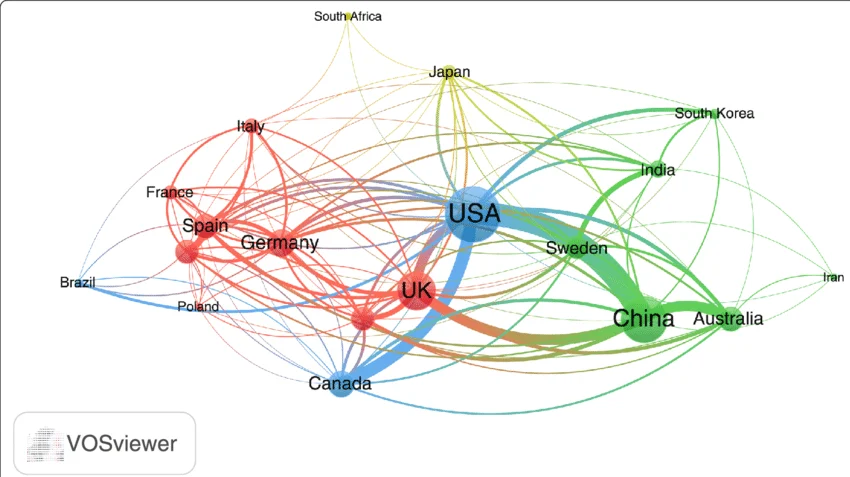


5/ THE RESEARCH LANDSCAPE: Why This Matters
Despite substantial bilateral collaboration in virology, the absence of Chinese-American CRISPR/hantavirus research is notable because:
📊 CRISPR Innovation Leaders:
China: First CRISPR embryo editing (2015), embryo immunity trials (2018)
USA: Princeton, MIT, UC Berkeley CRISPR pioneers
Both nations have top-tier BSL-4 facilities
🤝 Existing Collaborations:
🚨Wuhan Institute ↔ University of Texas (coronavirus work)
🚨EcoHealth Alliance ↔ Chinese institutions (viral discovery)
🚨Baric (UNC) ↔ Shi Zhengli (WIV) partnerships
Despite substantial bilateral collaboration in virology, the absence of Chinese-American CRISPR/hantavirus research is notable because:
📊 CRISPR Innovation Leaders:
China: First CRISPR embryo editing (2015), embryo immunity trials (2018)
USA: Princeton, MIT, UC Berkeley CRISPR pioneers
Both nations have top-tier BSL-4 facilities
🤝 Existing Collaborations:
🚨Wuhan Institute ↔ University of Texas (coronavirus work)
🚨EcoHealth Alliance ↔ Chinese institutions (viral discovery)
🚨Baric (UNC) ↔ Shi Zhengli (WIV) partnerships

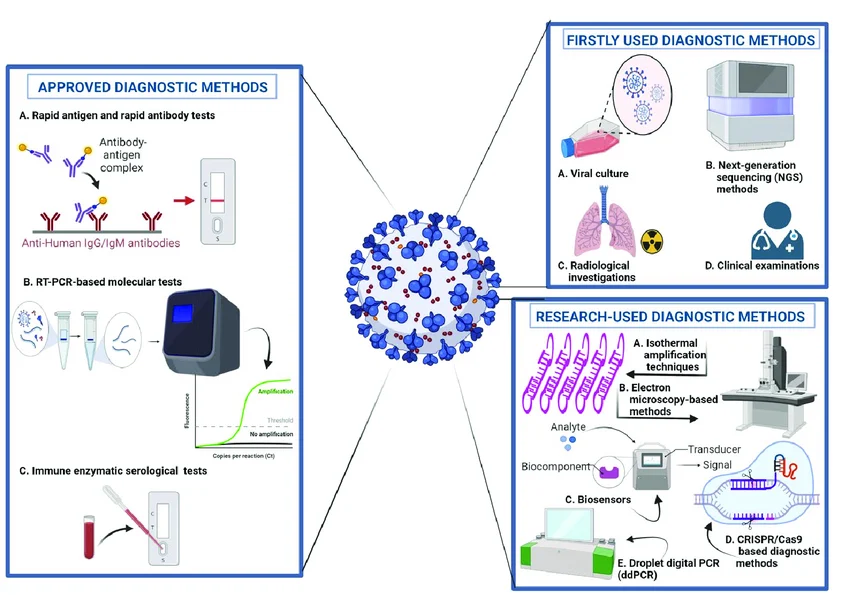

6/ Citations:
#1 CRISPR/Cas12a Hantavirus Detection onlinelibrary.wiley.com/doi/10.1002/jm…
#2 Genetic Depletion Studies - eLife elifesciences.org/articles/69708 ncbi.nlm.nih.gov/pmc/articles/P…
#3 Cas13 Detection - Journal of General Virology ncbi.nlm.nih.gov/pmc/articles/P…
#4 Fugong Virus Paper ncbi.nlm.nih.gov/pmc/articles/P…
#5 Cao Bang Hantavirus - Mole Shrews pmc.ncbi.nlm.nih.gov/articles/PMC48…
#6 Reservoir Host Expansion - China ncbi.nlm.nih.gov/pmc/articles/P…
#7 Hantavirus Entry Review ncbi.nlm.nih.gov/pmc/articles/P…
#8 Bibliometric Analysis (1980-2020) ncbi.nlm.nih.gov/pmc/articles/P…
#1 CRISPR/Cas12a Hantavirus Detection onlinelibrary.wiley.com/doi/10.1002/jm…
#2 Genetic Depletion Studies - eLife elifesciences.org/articles/69708 ncbi.nlm.nih.gov/pmc/articles/P…
#3 Cas13 Detection - Journal of General Virology ncbi.nlm.nih.gov/pmc/articles/P…
#4 Fugong Virus Paper ncbi.nlm.nih.gov/pmc/articles/P…
#5 Cao Bang Hantavirus - Mole Shrews pmc.ncbi.nlm.nih.gov/articles/PMC48…
#6 Reservoir Host Expansion - China ncbi.nlm.nih.gov/pmc/articles/P…
#7 Hantavirus Entry Review ncbi.nlm.nih.gov/pmc/articles/P…
#8 Bibliometric Analysis (1980-2020) ncbi.nlm.nih.gov/pmc/articles/P…
@FBIDirectorKash @TheJusticeDept @DAGToddBlanche @DNIGabbard @CIADirector @threadreaderapp unroll please
• • •
Missing some Tweet in this thread? You can try to
force a refresh