🚨 Dr. Oz just dropped a bombshell: Russia, China, and Cuba are running Medicaid fraud networks across America — stealing billions from U.S. taxpayers.
This isn’t random grift. It’s targeted exploitation of our system by hostile foreign actors.
The Trump administration is finally cracking down.
Here’s what we know. 🧵
This isn’t random grift. It’s targeted exploitation of our system by hostile foreign actors.
The Trump administration is finally cracking down.
Here’s what we know. 🧵
2/ In Los Angeles: Russian government involvement in hospice fraud on an industrial scale: $600 million across nearly 500 providers.
One in three hospices in the entire United States are in LA.
Democrat leaders had the evidence back in 2022. They did zippo.
Like in Minnesota, this was happening in plain sight.
One in three hospices in the entire United States are in LA.
Democrat leaders had the evidence back in 2022. They did zippo.
Like in Minnesota, this was happening in plain sight.

3/ In New York: Chinese government fraud rings.
But the bigger scandal? "Personal care services" is now the #1 job in the entire state!
Nearly 500,000 people are being paid by Medicaid to do what families used to do for free.
It has become a taxpayer-funded jobs program. And now they’re unionizing.
Because unions finance Democrats. So Democrats look the other way at the fraud.
But the bigger scandal? "Personal care services" is now the #1 job in the entire state!
Nearly 500,000 people are being paid by Medicaid to do what families used to do for free.
It has become a taxpayer-funded jobs program. And now they’re unionizing.
Because unions finance Democrats. So Democrats look the other way at the fraud.
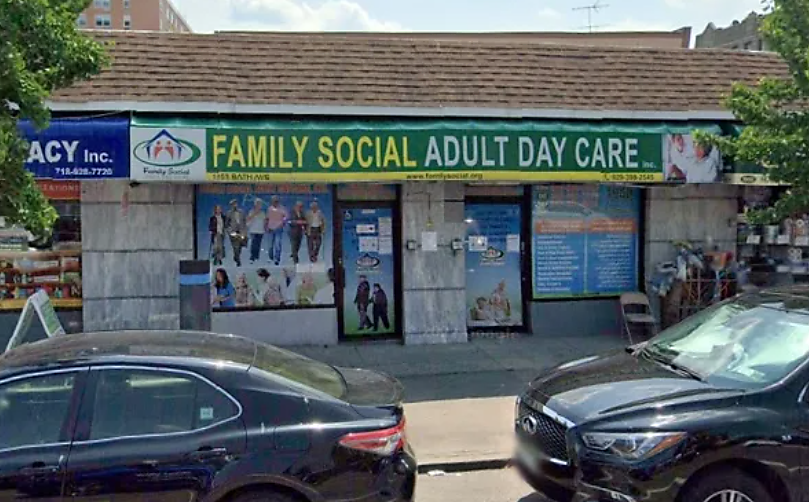
4/ In South Florida: Cuban government involvement in durable medical equipment fraud.
There are twice as many DME suppliers selling wheelchairs and knee braces in South Florida as there are McDonald’s.
The owners “all seem to be Cuban and they flee back to Cuba with the money when we come after them,” Dr. Oz said.
The anti-fraud task force has imposed a nationwide moratorium on high-risk suppliers.
There are twice as many DME suppliers selling wheelchairs and knee braces in South Florida as there are McDonald’s.
The owners “all seem to be Cuban and they flee back to Cuba with the money when we come after them,” Dr. Oz said.
The anti-fraud task force has imposed a nationwide moratorium on high-risk suppliers.

5/ While states run Medicaid, federal taxpayers pay most of the bill.
This is how adversaries turn America’s safety net into their own revenue stream.
Trump is cracking down:
• Anti-fraud task force chaired by Vice President JD Vance
• DOJ’s new National Fraud Enforcement Division already targeting nearly $1 billion in fraud
• Coordinated federal-state enforcement ramping up fast
This is how adversaries turn America’s safety net into their own revenue stream.
Trump is cracking down:
• Anti-fraud task force chaired by Vice President JD Vance
• DOJ’s new National Fraud Enforcement Division already targeting nearly $1 billion in fraud
• Coordinated federal-state enforcement ramping up fast

6/ Dr. Oz is demanding action from all 50 states.
He has ordered governors and Medicaid directors to revalidate high-risk providers and remove the noncompliant.
New pre-payment integrity controls, stronger eligibility verification, and real data sharing across programs are coming.
After years of looking the other way, accountability is returning.
He has ordered governors and Medicaid directors to revalidate high-risk providers and remove the noncompliant.
New pre-payment integrity controls, stronger eligibility verification, and real data sharing across programs are coming.
After years of looking the other way, accountability is returning.
7/ America’s entitlements are being looted by foreign actors while Democrat politicians look away, make excuses, or actively profit.
The Trump administration is restoring order. But the scale of the problem requires sustained pressure and zero tolerance.
It also requires kicking these Democrats out of office.
Retweet if you want people to go to jail. What’s your take? 👇
The Trump administration is restoring order. But the scale of the problem requires sustained pressure and zero tolerance.
It also requires kicking these Democrats out of office.
Retweet if you want people to go to jail. What’s your take? 👇

• • •
Missing some Tweet in this thread? You can try to
force a refresh