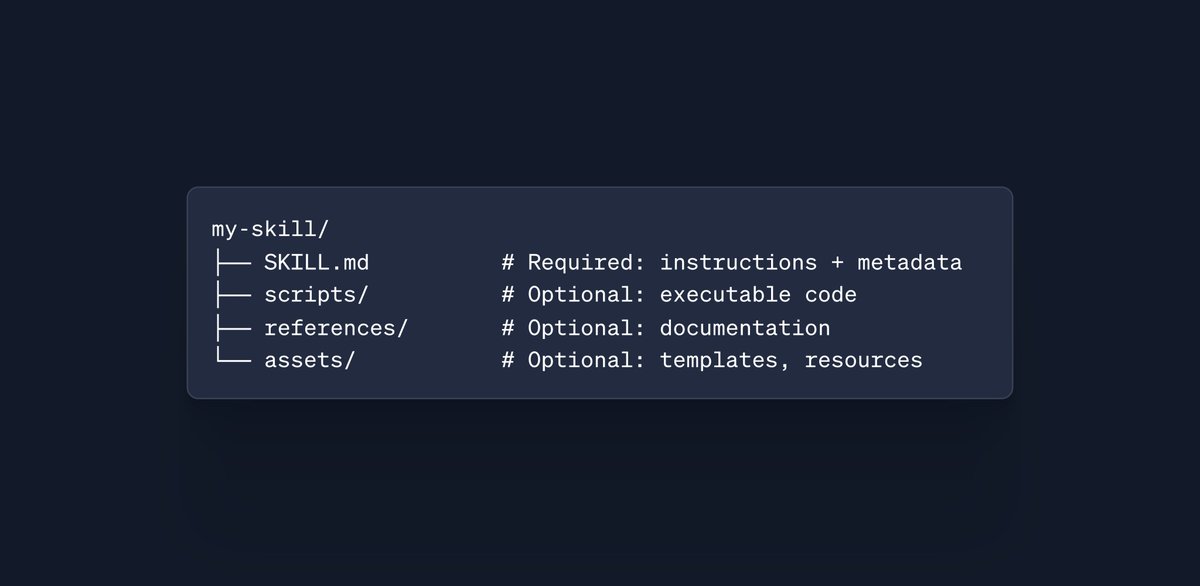
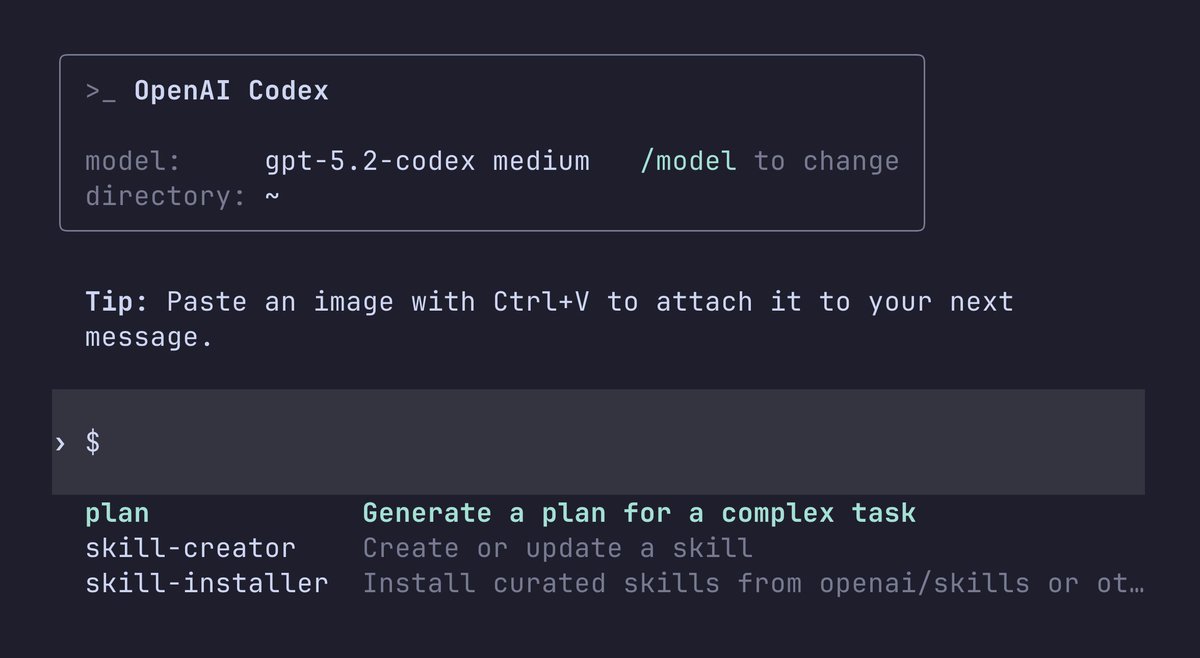
Codex is getting easier to automate and customize around your code.
🪝 Hooks customize the Codex loop with scripts that run at key points in a task:
• Run validators before or after work
• Scan prompts for secrets
• Log conversations to internal systems
• Create memories or customize behavior by repo or directory
⚙️ Programmatic access tokens provide scoped credentials for Business and Enterprise teams:
• Create tokens from ChatGPT workspace settings
• Use them in CI, release workflows, and internal automations
• Set expirations or revoke access when needed
• Keep usage tied back to the workspace
🪝 Hooks customize the Codex loop with scripts that run at key points in a task:
• Run validators before or after work
• Scan prompts for secrets
• Log conversations to internal systems
• Create memories or customize behavior by repo or directory
⚙️ Programmatic access tokens provide scoped credentials for Business and Enterprise teams:
• Create tokens from ChatGPT workspace settings
• Use them in CI, release workflows, and internal automations
• Set expirations or revoke access when needed
• Keep usage tied back to the workspace
• • •
Missing some Tweet in this thread? You can try to
force a refresh