Background:
Europe is rebuilding land-based deterrence. One of the key industrial pillars is now in play.
Europe is rebuilding land-based deterrence. One of the key industrial pillars is now in play.

1/21 – The bigger picture
Europe is rebuilding land-based deterrence. That requires more than defence budgets. It requires industrial control over the companies that build, maintain and upgrade key land-warfare systems.
Europe is rebuilding land-based deterrence. That requires more than defence budgets. It requires industrial control over the companies that build, maintain and upgrade key land-warfare systems.
2/21 – Why this matters now
One of those companies is KNDS. It is heading towards an IPO, while the German ownership block is reportedly being approached by strategic buyers. This is not just a corporate transaction.
One of those companies is KNDS. It is heading towards an IPO, while the German ownership block is reportedly being approached by strategic buyers. This is not just a corporate transaction.
3/21 – What KNDS is
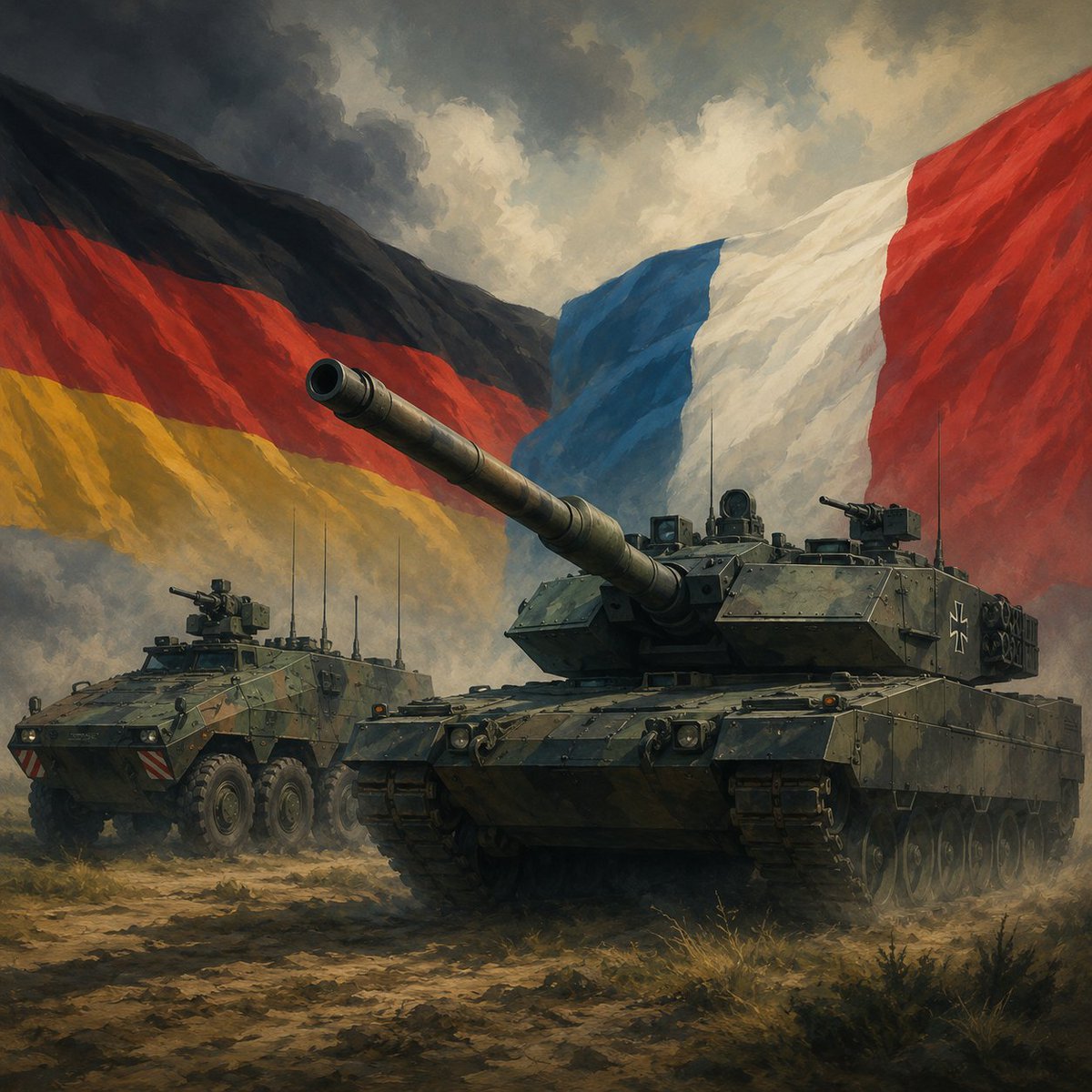
KNDS combines the former French Nexter and Germany’s Krauss-Maffei Wegmann. Its portfolio includes Leopard 2, Boxer, RCH 155, Panzerhaubitze 2000, artillery, armoured vehicles, maintenance and upgrades.
KNDS combines the former French Nexter and Germany’s Krauss-Maffei Wegmann. Its portfolio includes Leopard 2, Boxer, RCH 155, Panzerhaubitze 2000, artillery, armoured vehicles, maintenance and upgrades.
4/21 – The strategic issue
Whoever shapes KNDS helps shape the future industrial backbone of European land-warfare capabilities: production, spare parts, maintenance, modernisation and long-term support.
Whoever shapes KNDS helps shape the future industrial backbone of European land-warfare capabilities: production, spare parts, maintenance, modernisation and long-term support.
5/21 – The Chancellor’s pledge
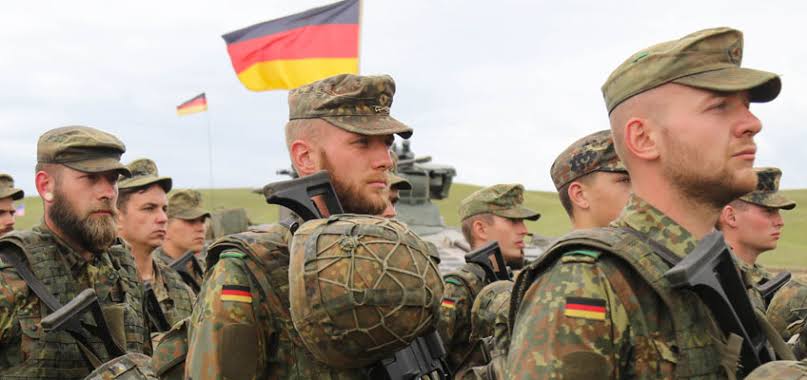
Germany’s Chancellor has pledged to make the Bundeswehr the strongest conventional army in Europe. That pledge meets reality in the industrial base: tanks, artillery, logistics, software, upgrades and repair capacity.
Germany’s Chancellor has pledged to make the Bundeswehr the strongest conventional army in Europe. That pledge meets reality in the industrial base: tanks, artillery, logistics, software, upgrades and repair capacity.
6/21 – Sovereignty enables cooperation
European cooperation does not emerge from industrial self-disempowerment. A country that secures its own capabilities can offer reliable cooperation to partners.
European cooperation does not emerge from industrial self-disempowerment. A country that secures its own capabilities can offer reliable cooperation to partners.
7/21 – LeoBen and harmonisation
LeoBen, the community of Leopard-using states, shows how German systems can support European harmonisation in the land domain.
LeoBen, the community of Leopard-using states, shows how German systems can support European harmonisation in the land domain.
8/21 – The capability cluster
This is not only about Leopard. Around KNDS Deutschland, Rheinmetall and ARTEC, a broader land-warfare capability cluster is emerging: Leopard 2, Boxer, RCH 155 and Panzerhaubitze 2000.
This is not only about Leopard. Around KNDS Deutschland, Rheinmetall and ARTEC, a broader land-warfare capability cluster is emerging: Leopard 2, Boxer, RCH 155 and Panzerhaubitze 2000.
9/21 – The UK RCH 155 order
The UK’s procurement of 72 RCH 155 howitzers strengthens this cluster. It links artillery, Boxer-based mobility and German-European industrial structures.
The UK’s procurement of 72 RCH 155 howitzers strengthens this cluster. It links artillery, Boxer-based mobility and German-European industrial structures.
10/21 – Managed fragmentation
Europe’s land forces will not become homogeneous. But fragmentation can be managed through common platforms, training, maintenance, spare parts, upgrade paths and industrial support.
Europe’s land forces will not become homogeneous. But fragmentation can be managed through common platforms, training, maintenance, spare parts, upgrade paths and industrial support.
11/21 – Partner trust
Partners buying Leopard, Boxer or RCH 155 do not just buy vehicles. They rely on German standards, German industrial capacity and German political reliability.
Partners buying Leopard, Boxer or RCH 155 do not just buy vehicles. They rely on German standards, German industrial capacity and German political reliability.
12/21 – Ownership structure
KNDS is broadly based on a Franco-German balance: French state ownership on one side, German owner families behind KMW on the other.
KNDS is broadly based on a Franco-German balance: French state ownership on one side, German owner families behind KMW on the other.
13/21 – The IPO question
The planned IPO could move KNDS towards 40% France, 40% Germany and 20% free float. That only works if Germany secures its side before the listing — and if France’s reduction is legally reflected.
The planned IPO could move KNDS towards 40% France, 40% Germany and 20% free float. That only works if Germany secures its side before the listing — and if France’s reduction is legally reflected.
14/21 – CSG as stress test
The Czech defence group CSG has reportedly approached the German owner families with an offer for a KNDS stake. CSG is not the main point. The main point is that the German block is now in play.
The Czech defence group CSG has reportedly approached the German owner families with an offer for a KNDS stake. CSG is not the main point. The main point is that the German block is now in play.
15/21 – investment screening: The under-discussed lever
Germany has a below-the-radar legal lever: investment screening. Foreign acquisitions in defence-relevant companies can be reviewed, conditioned or, in extreme cases, prohibited.
Germany has a below-the-radar legal lever: investment screening. Foreign acquisitions in defence-relevant companies can be reviewed, conditioned or, in extreme cases, prohibited.
16/21 – Shield, not strategy
Investment screening can prevent loss of control. It does not create German control. If Berlin wants to limit an external buyer, it also needs its own target structure.
Investment screening can prevent loss of control. It does not create German control. If Berlin wants to limit an external buyer, it also needs its own target structure.
17/21 – Not only 30 or 40
The debate is not simply 30% versus 40%. It is about ownership plus the quality of legal rights: board rules, veto rights, shareholder agreements and IPO governance.
The debate is not simply 30% versus 40%. It is about ownership plus the quality of legal rights: board rules, veto rights, shareholder agreements and IPO governance.
18/21 – Why 30% is fragile
30% plus special rights may work in theory. But special rights can be contested, narrowed or weakened over time. The more rights diverge from ownership, the more fragile the construction becomes.
30% plus special rights may work in theory. But special rights can be contested, narrowed or weakened over time. The more rights diverge from ownership, the more fragile the construction becomes.
19/21 – Why 40% matters
40% is not just a number. It is a second line of defence if legal arrangements are challenged. It reduces dependence on fragile special rights.
40% is not just a number. It is a second line of defence if legal arrangements are challenged. It reduces dependence on fragile special rights.
20/21 – Necessary math
At a €20bn valuation for KNDS as a whole, 40% equals about €8bn. 30% equals about €6bn. The difference is roughly €2bn.
At a €20bn valuation for KNDS as a whole, 40% equals about €8bn. 30% equals about €6bn. The difference is roughly €2bn.
21/21 – No negotiation magic
If France holds 40% and Germany holds 30%, why should Germany automatically receive equal rights? Paris negotiates with actors whose consent it needs. Germany should become more French: not against France, but on equal terms.
If France holds 40% and Germany holds 30%, why should Germany automatically receive equal rights? Paris negotiates with actors whose consent it needs. Germany should become more French: not against France, but on equal terms.
• • •
Missing some Tweet in this thread? You can try to
force a refresh