We all know the trope of the sunken city, a glittering metropolis swallowed by the waves for its hubris, like Atlantis. But hidden on the fog-swept coast of Brittany, France, lies a deeper, far more psychologically urgent myth: the tragic story of Ys.
🧵
🧵
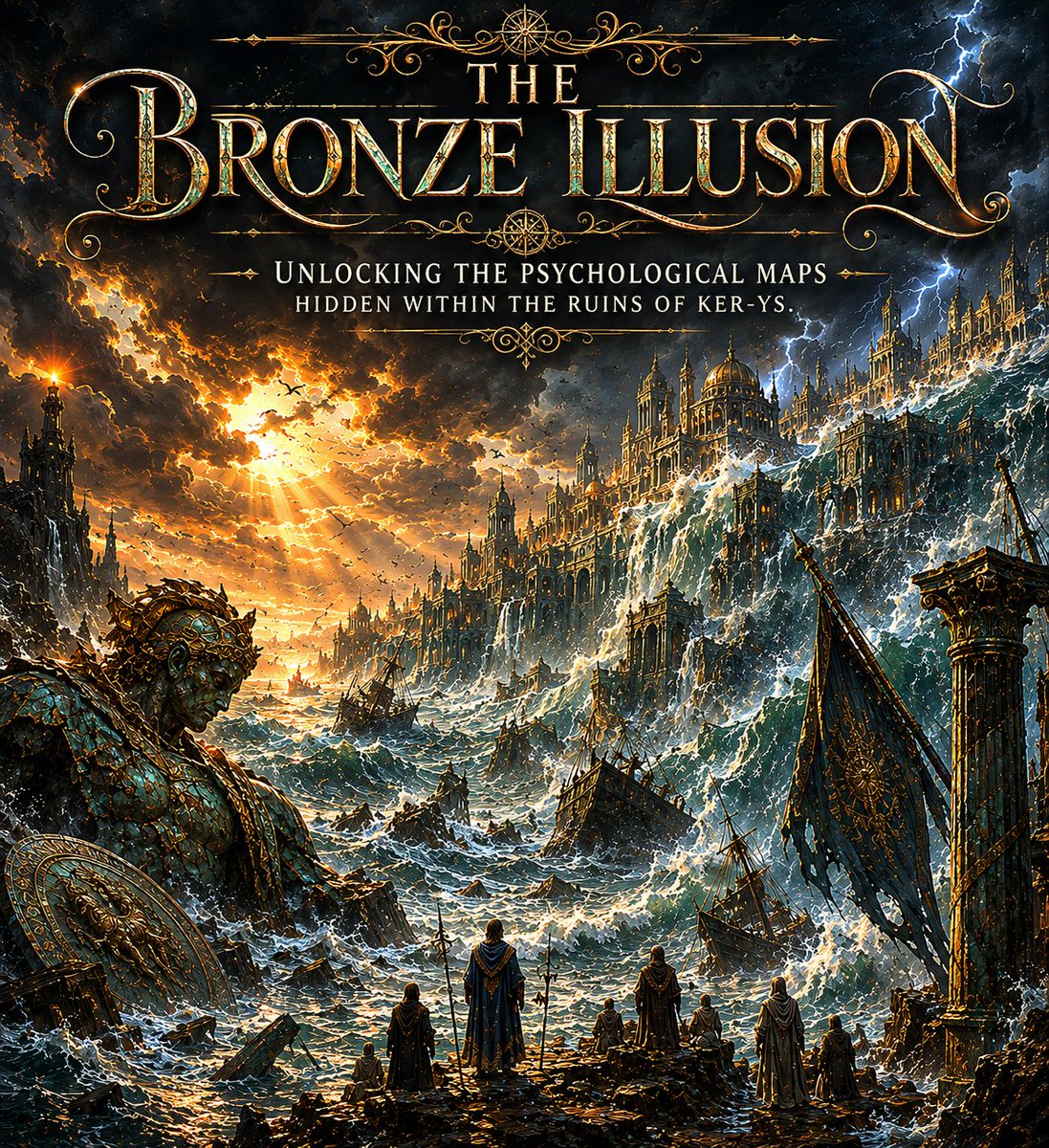
Known as Ker-Ys, this legendary city wasn't just stone and mortar... Strip away the medieval Christian censorship, and it reveals a highly sophisticated allegory of the human mind, material pride, and the collapse of an Ego cut off from life.
To understand Ys, we must travel to the 5th century, a time of massive spiritual friction. The old Druidic, pagan world of the Celts was receding, and Christianity was sweeping across the cliffs. It's in this clash of eras that our story begins.
The legend centers on King Gradlon. He was a noble ruler caught between two worlds, a convert to the new Christian faith whose heart remained tied to the wild roots of his land... And nowhere were those roots more alive than in his daughter, Dahut.
Dahut begged her father to build her a city by the ocean, a place where the old ways could thrive, free from the constraints of the monks. Driven by a blind, intense love for his daughter, King Gradlon agreed, choosing the Bay of Douarnenez.
But there was a catch: the site lay below sea level. To reclaim this space from ferocious Atlantic tides, Gradlon’s engineers built a marvel of ancient technology, a monumental stone dike reinforced with massive bronze gates to keep the ocean at bay.
In esotericism, this geography maps the human psyche... Ys exists precariously below the watermark. The bronze dike represents the human Ego, a rigid, rational barrier we construct to keep the chaotic waters of the Inconscient from overwhelming us.
The ocean outside represents the Prima Mater of alchemy, the vast, unmapped depths of the unconscious mind. To build a dike is to say: "We will live purely in the material world, and we will lock the deep, untamed spirit outside."
The bronze gates had only one key, forged of pure gold, it controlled the flow between the city and the abyss, between conscious life and the primal sea. King Gradlon, the rightful sovereign, kept this golden key chained around his neck at all times.
Under Dahut’s influence, Ys grew into an opulent capital of luxury and artistic genius. But as wealth flowed, the city closed in on itself, becoming a playground of pure hedonism... The citizens lived for the moment, insulated behind their bronze wall.
As Ys sank into debauchery, a sharp contrast emerged from the outside cliffs. Saint Guénolé, a revered holy man and founder of Landévennec Abbey, became the king’s spiritual advisor, constantly entering the city to warn Gradlon of an impending doom.
This brings us to the core arquetypal triad: Gradlon, Dahut, and the monk Guénolé. They aren't mere historical caricatures; they are different faculties wrestling within the human soul. Look closer, and the fairy tale becomes a deep psychological drama.
King Gradlon represents the Spiritual Consciousness, the Higher Self. He is noble but fatally passive... He watches his kingdom drift into decadence but chooses comfort and denial over active vigilance, he rules the land, but he does not govern himself.
Dahut represents the vital force, raw human Desire, and our connection to the Anima Mundi (the Soul of the World). In Celtic tradition, she is the true Sovereignty, the wild, creative, and instinctual feminine that refuses to be tamed by dogma.
But when Desire is completely severed from spiritual alignment, it turns inward and corrupts. Dahut’s court became infamous... Legend says she took a new lover every night, forcing them to wear a black mask that strangled them at dawn, discarding them.
This grim imagery speaks directly to the shadow side of desire: absolute consumerism. It's the archetype of using up people, experiences, and resources for a temporary dopamine hit, leaving a trail of emotional ghosts in our wake when the sun rises.
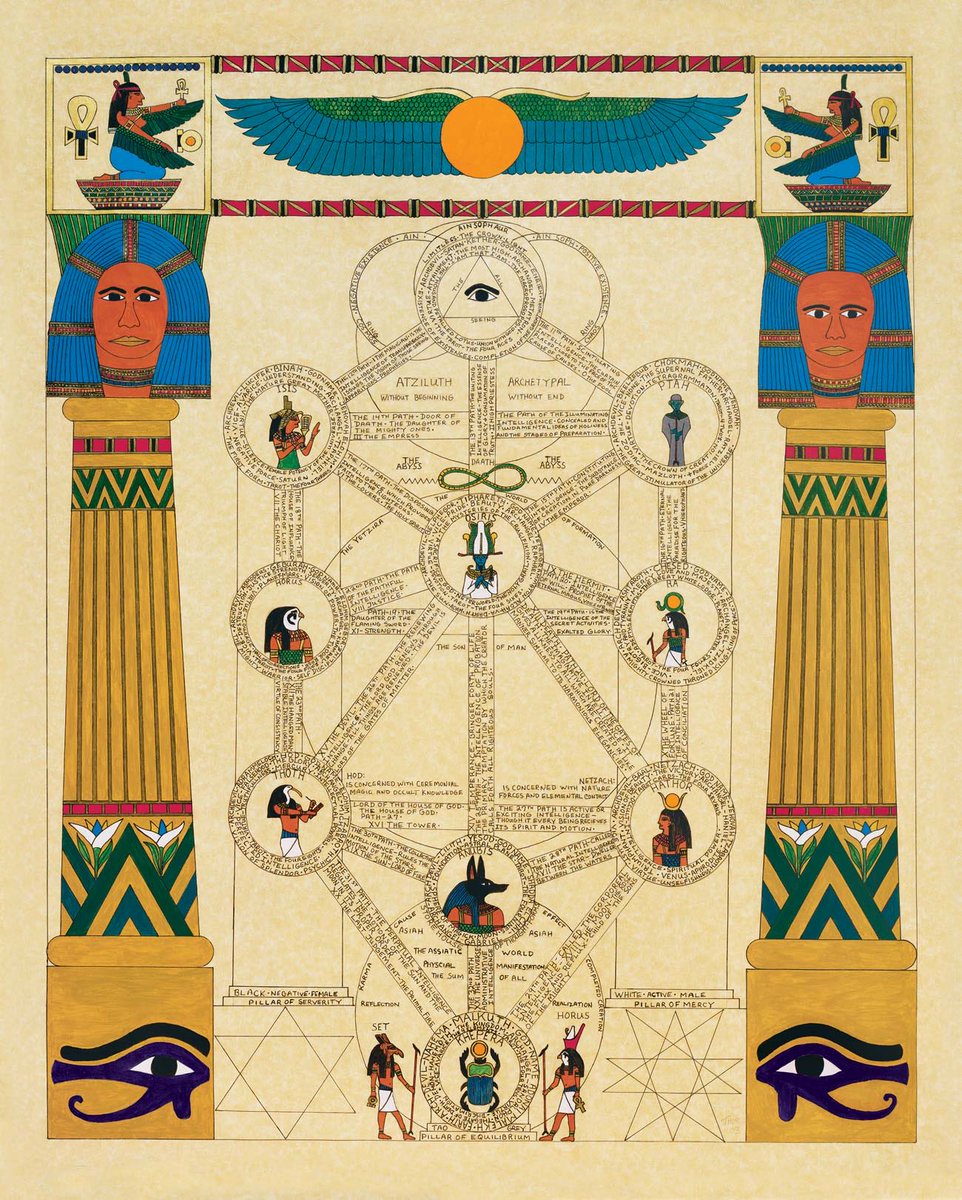
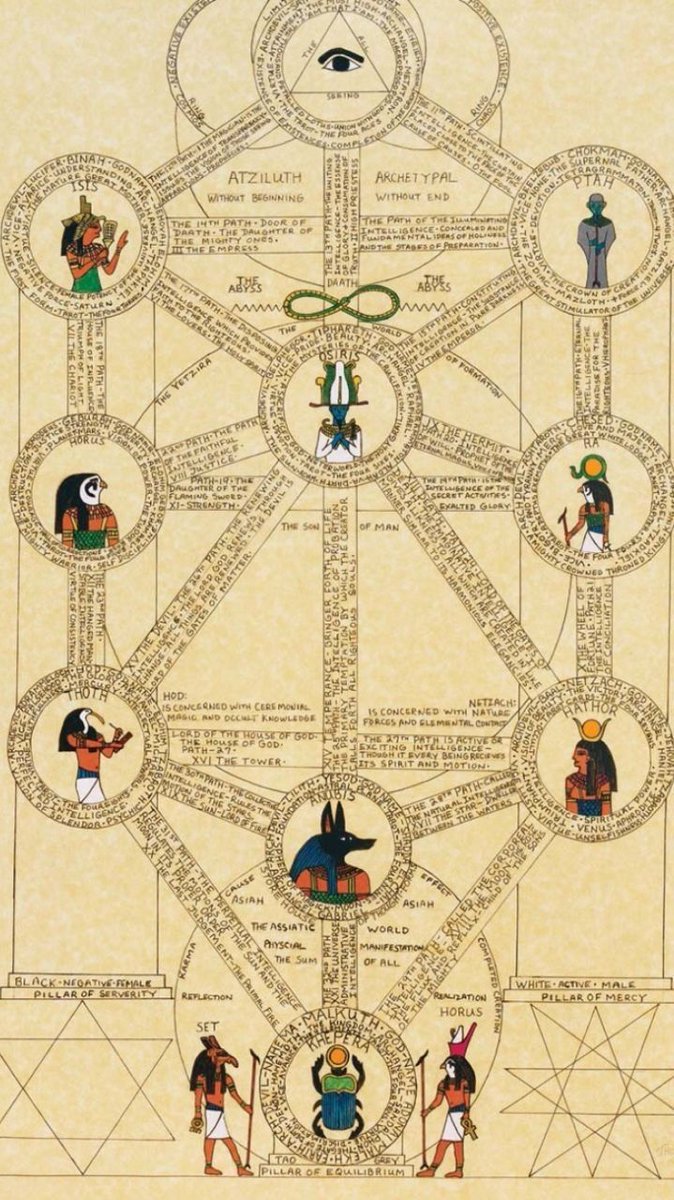
Enter Saint Guénolé. Exoterically, he is the stern monk condemning sin... Esoterically, he represents the Column of Severity, the unyielding voice of Reality. He is the internal alarm warning the Ego that you cannot exploit the material world forever.
The tragedy accelerates when King Gradlon falls into a deep, supernatural sleep. This "sleep of the King" is the ultimate spiritual crisis: the loss of awareness, lulled by wealth and routine, our higher consciousness dozes off, losing its grip.
While the king slept, a mysterious visitor arrived. A knight dressed entirely in crimson red... In medieval tales, he is the Devil... In hermeticism, he is the sulfurous agent, the catalyst that ignites the shadow aspects already hiding in the dark.
The Red Knight easily seduced Dahut, playing on her craving for unbridled freedom. He convinced her to do the unthinkable: steal the golden key from her sleeping father’s neck and open the bronze gates to let the raw power of the ocean join the party.
The golden key is the solar awareness and self-mastery, by handing it to her shadow impulses, Dahut unlocked the floodgates. As a monstrous storm battered the coast, the heavy bronze gates groaned open, and the Atlantic roared into the streets of Ys.
This moment perfectly mirrors the 16th Tarot card: The Tower. It represents the sudden destruction of a false structure. When the Ego tries to lock nature out, nature doesn't just knock, it smashes the door down... The flood is the return of the repressed.

Awakened by a frantic Guénolé, King Gradlon mounted his magical horse and fled the rising waters. He found Dahut drowning and pulled her onto the saddle. But as they raced toward the cliffs, the horse began to sink, weighed down by an immense gravity.
This is the most agonizing part of initiation... Gradlon trying to ride to safety with Dahut on his back is the soul trying to ascend to higher consciousness while stubbornly dragging its old attachments, addictions, and toxic egos along... It cannot be done.
Guénolé shouted through the storm: "Cast off the demon behind you!" He wasn't telling the king to hate his daughter; he was commanding the initiate to perform the ultimate act of Nigredo, the painful, conscious sacrifice of lower psychological ties.
With a breaking heart, Gradlon let go. Dahut slipped into the foaming abyss, and the horse instantly leaped to safety on the high cliffs of Quimper. The sea calmed, but Ys was gone, buried forever beneath the gray waters of the Atlantic.
If we stop here, we get the classic Christian cleanup job: the wicked girl is punished, the monk is vindicated, and order is restored. But the church’s rewrite did a massive disservice to the myth by turning a lesson on balance into a tool of fear.
The Church weaponized Ys to demonize the earth, the feminine, and the body. They took a holistic system, where humans must respect both society's structure and nature's wildness, and split it into a rigid duality... The ocean became a weapon of a vengeful God.
By forcing Gradlon to drown his own daughter, the narrative taught people to amputate their creative, instinctual selves for institutional submission. But true initiation doesn't destroy energy; it transmutes it... And Breton folklore secretly knew this.
Dahut didn't die. Local folklore insists she became a Morgen, a mermaid inhabiting the ruins of Ys. Her transformation means that when we repress our vital energies, they don't vanish; they simply retreat into the unconscious, waiting for the cycle to turn.
This brings us squarely to today. Our hyper-technological, dopamine-fueled civilization is the modern Ys. We have built an incredible "dike of bronze", our financial systems and digital networks, and convinced ourselves we are immune to the planet's limits.
The old Breton proverb says: "When Paris is swallowed, Ys will rise again." It’s a prophecy of cycles. When our purely material way of life falls, submerged spiritual wisdom will return. The choice is ours: keep building higher dikes, or learn to navigate the deep.
• • •
Missing some Tweet in this thread? You can try to
force a refresh