Guides on Moorea will often refer to the iconic 2890-ft shark's-tooth peak Mou'aroa as 'The Bali Hai Mountain'. Some will state that it was featured in the movie South Pacific. True or false? Well, the answer is a nuanced Yes and No.
As far as the classic 1958 film goes, it's a No. The movie was filmed on Kauai (in the NORTH Pacific, no less). Mitzi Gaynor as Nellie washed that man right out of her hair on Lumahei Beach and Mt. Makana's peak in the background was used in some shots to represent Bali Hai.
But most of the scenes of Bali Hai in the 1958 film were painted, imagined creations.
Yet Mou'aroa did indeed make it to the big screen in the 2001 made-for-TV remake of South Pacific with Glenn Close and Harry Connick Jr. So it's fair to call it 'the Bali Hai mountain' in that respect.
Was Bali Hai purely a fictional, unattainable paradise? It was surreal in Michener's 'Tales of the South Pacific' but (per the man himself) it was inspired by the real volcanic island of Ambae in present-day Vanuatu, which young Michener could see from his office in Luganville.
Hollywood stardom claims aside, Mou'aroa is a stunning beauty. Jack London described the sail-in to Opunohu Bay as "a dream of green and blue, with jagged peaks stabbing the sky.” His wife Charmian wrote of "pinnacled Moorea, with a virgin and breathtaking beauty." Both spot on.
More on the provenance and beauty of Moorea's dramatic spires here:
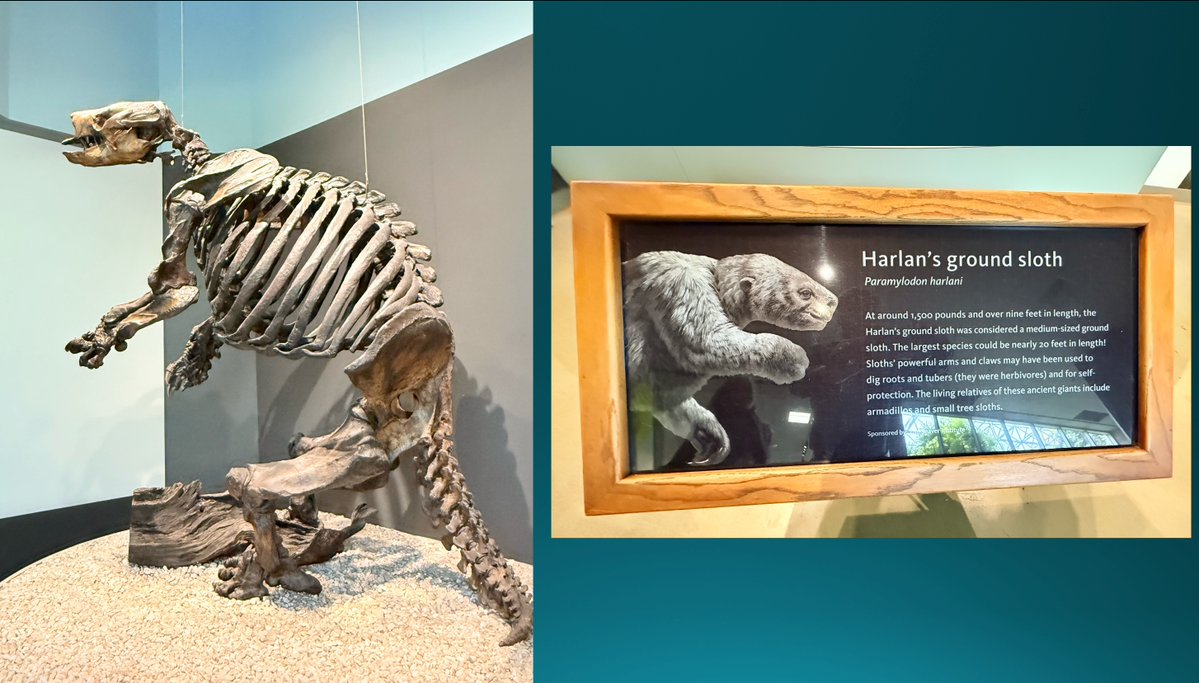
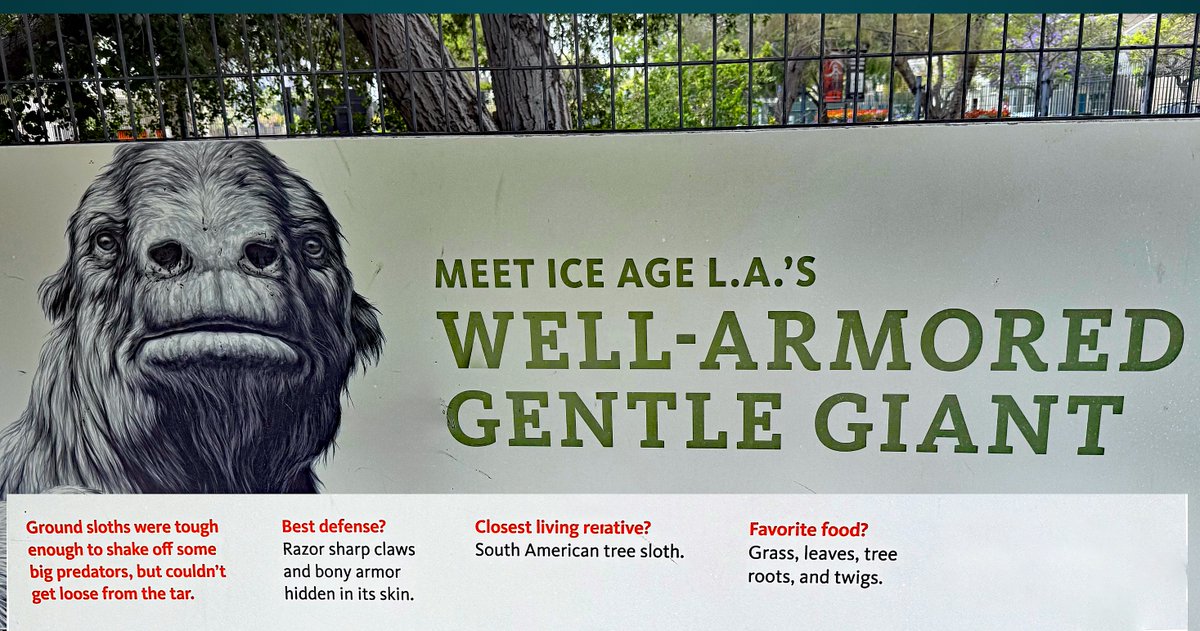
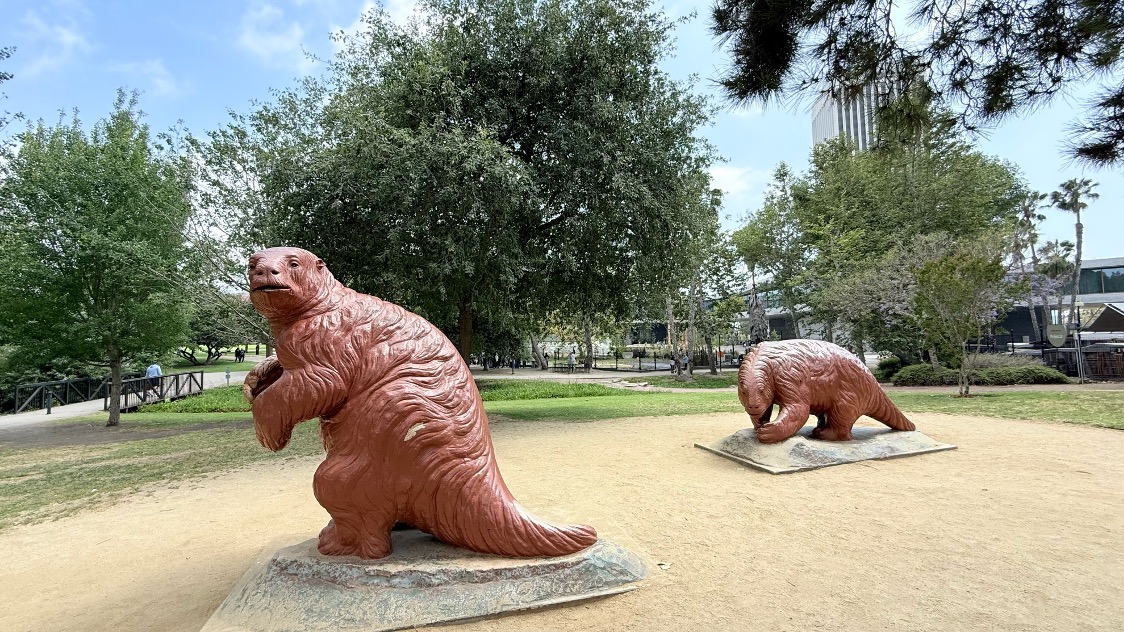
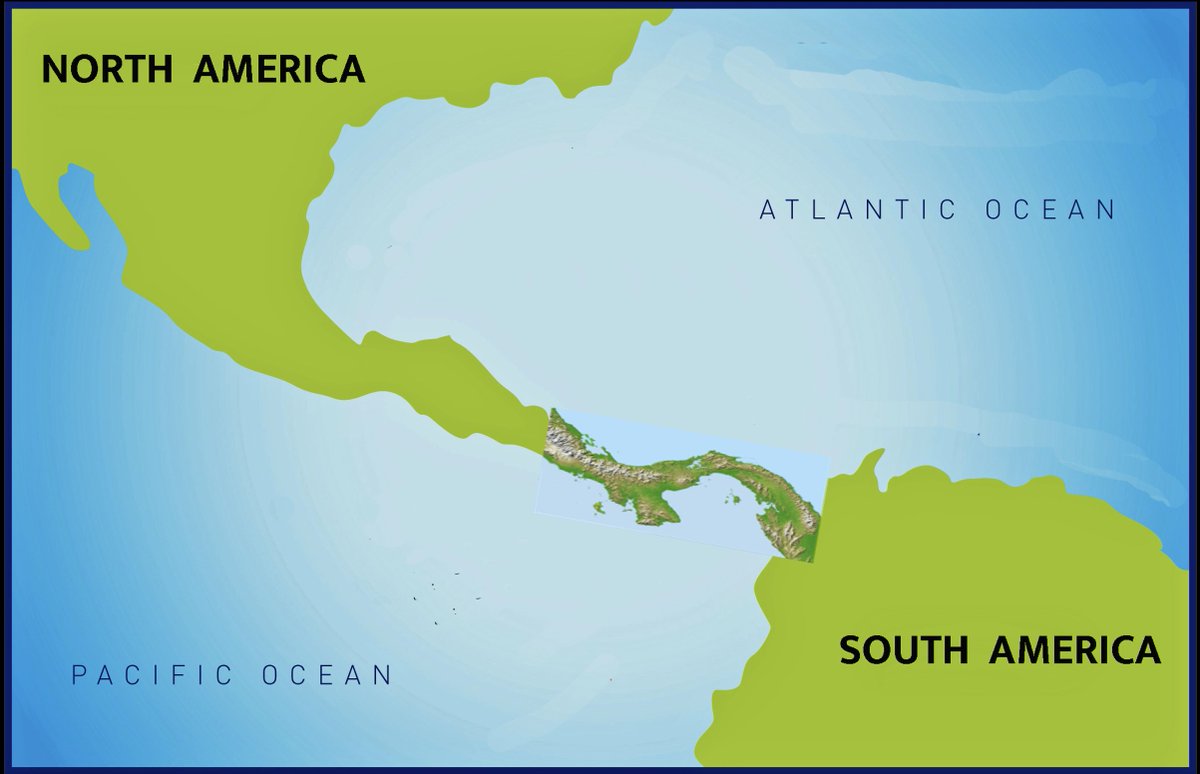
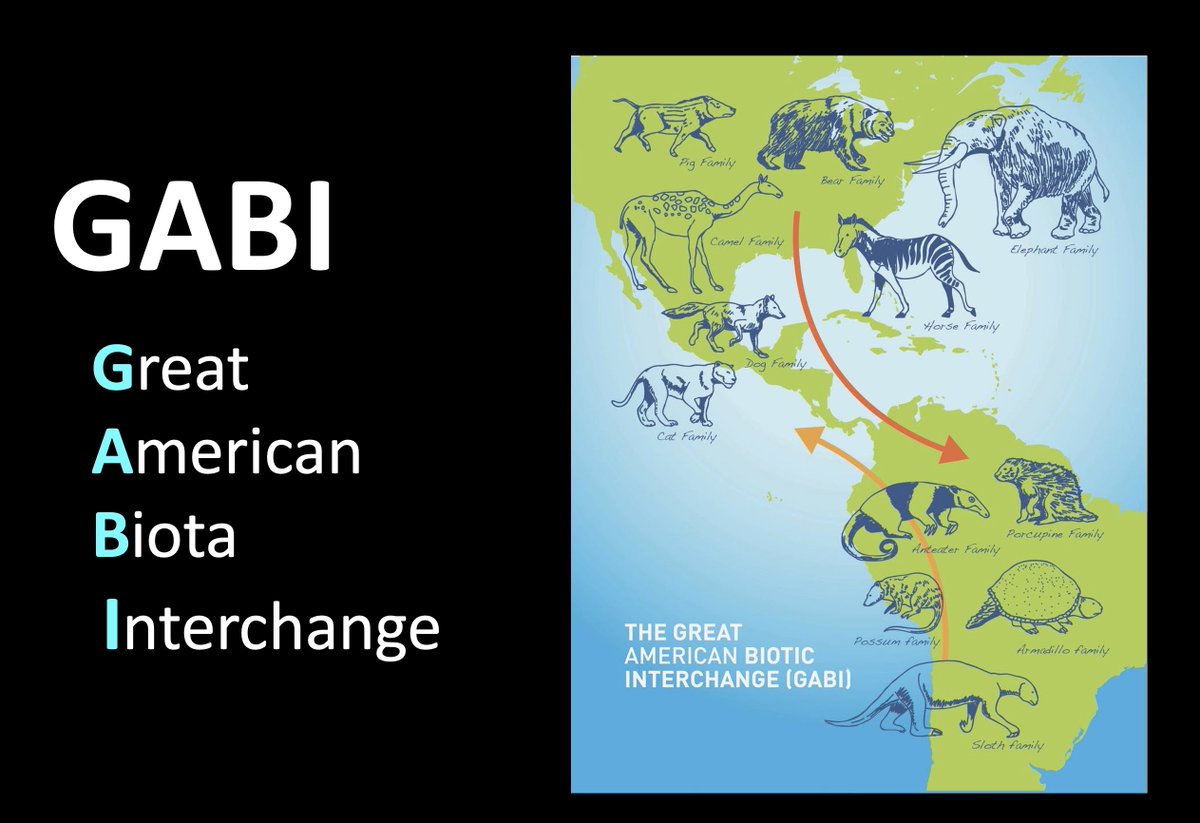
Giant ground sloths (fossil below is at the wonderful La Brea Tar Pits Museum in L.A.) were big winners in the Great American Biota Interchange that began when the isthmus of Panama was created around 2.8 million years ago. They made it all the way from South America to Alaska.
The interchange was highly asymmetric: N to S migration success far exceeded S to N. Today about half of S American mammals derive from N American progenitors - whereas only 1/10 of N American mammals originated in S America (e.g., opossums, porcupines & armadillos).
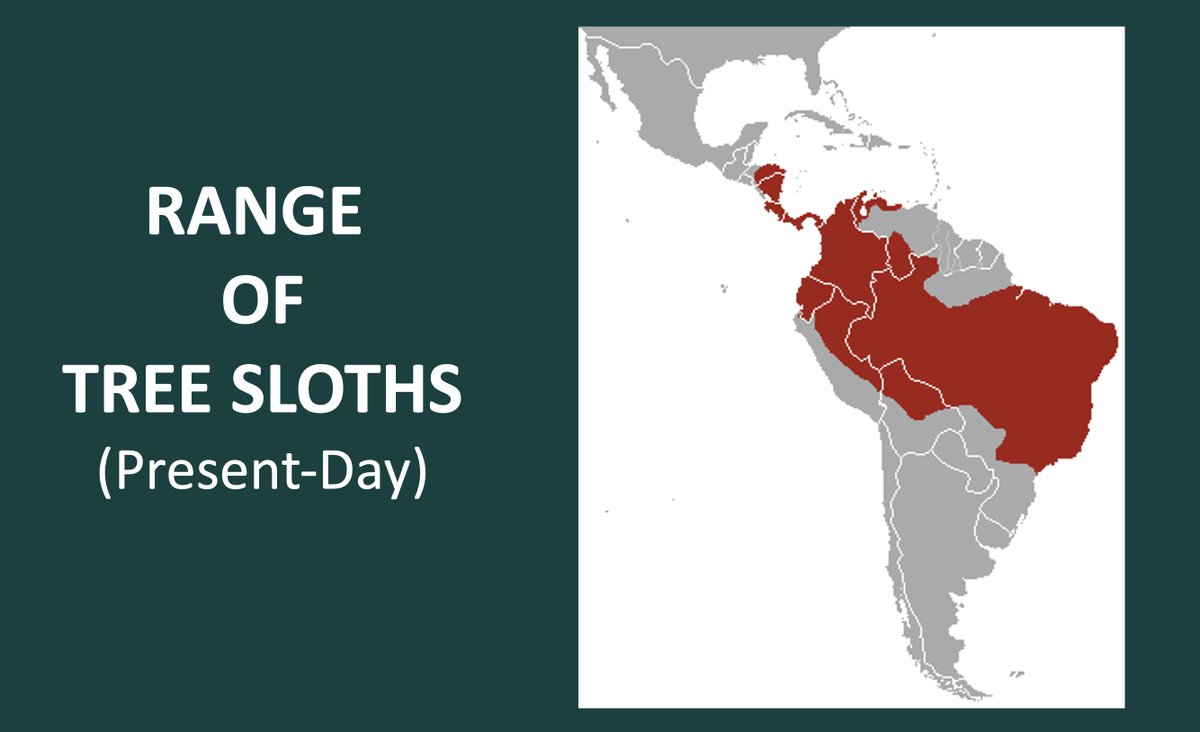
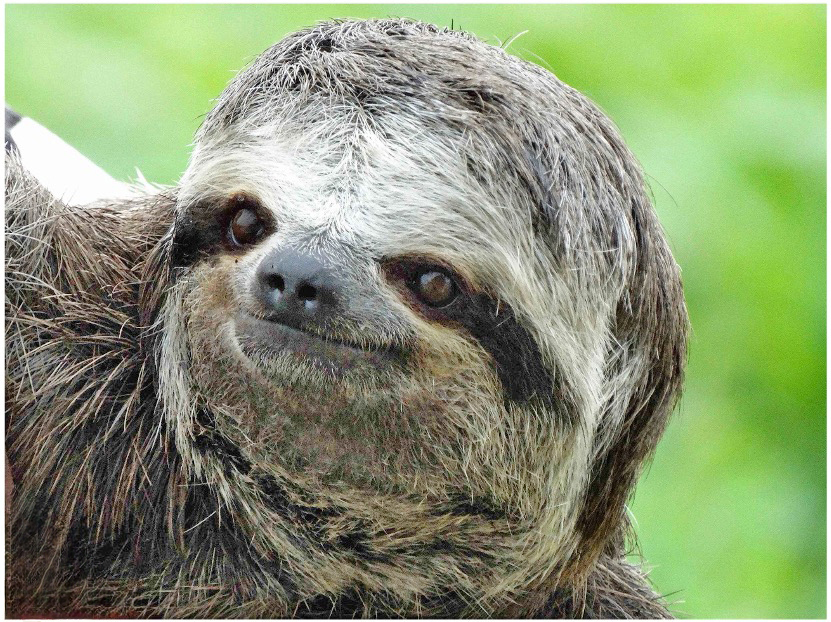
Giant ground sloths co-existed with humans for thousands of years before becoming extinct on the mainland about 10,000 yrs ago and in the Caribbean about 5,000 yrs ago. Adorable tree sloths are their surviving descendants (the one below lives in the Brazilian Amazon).
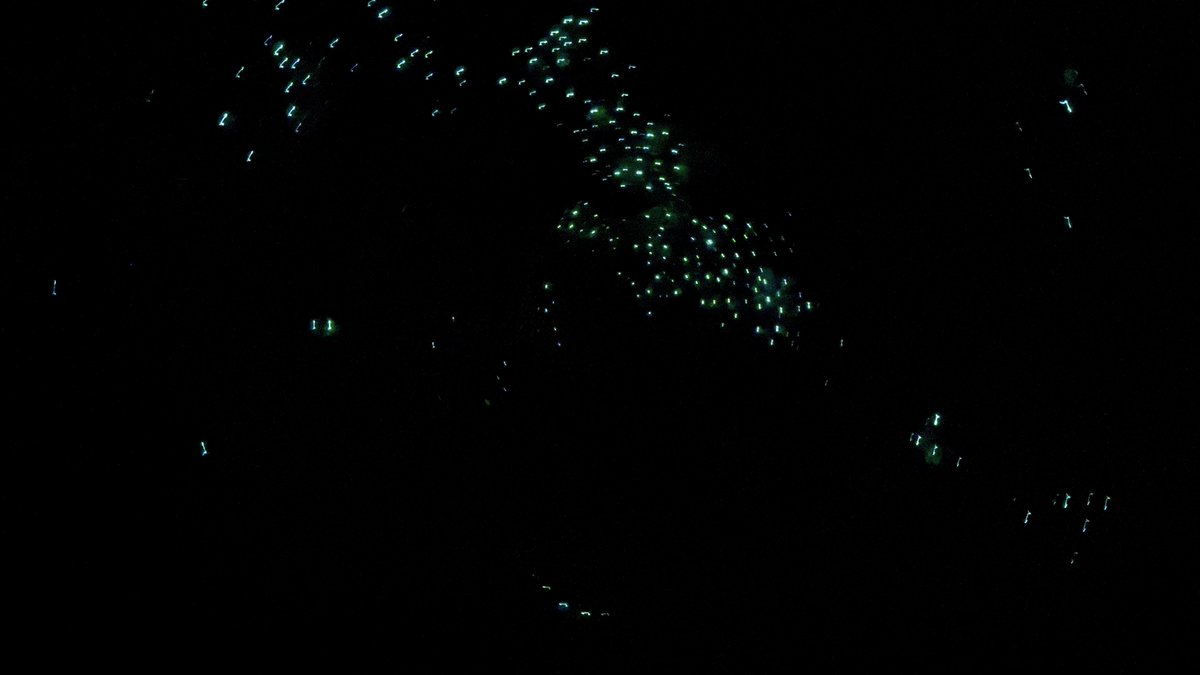
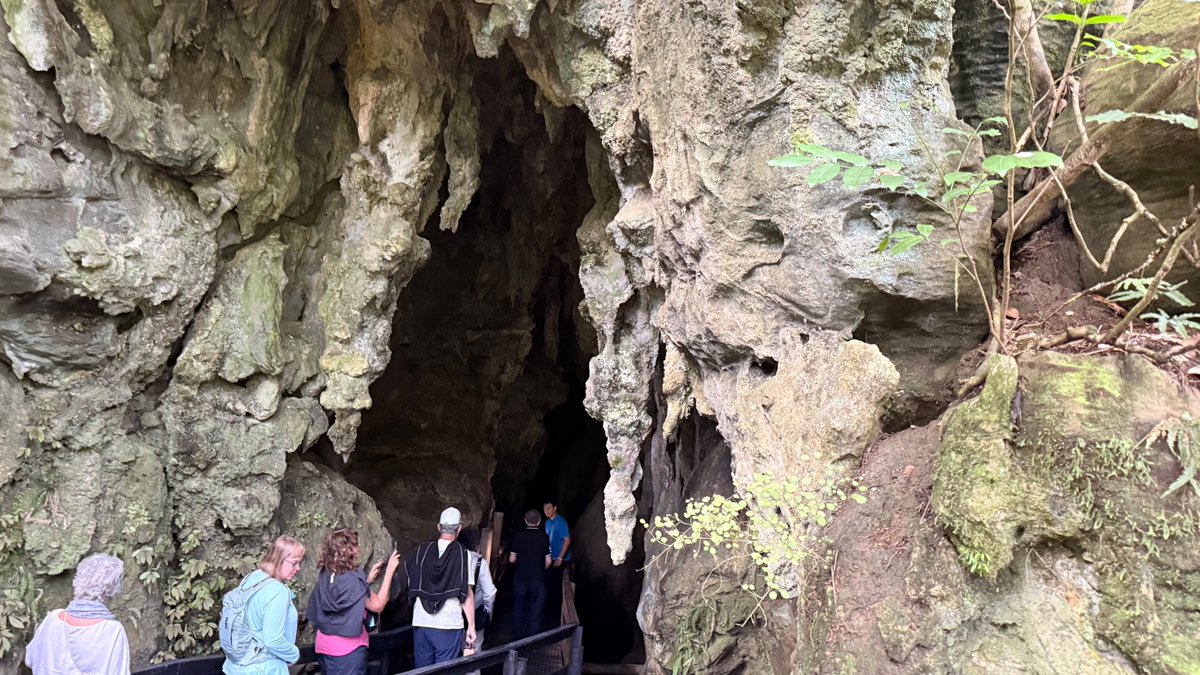
New Zealand's bioluminescent cave-dwelling glowworms (Arachnocampa luminosa) simulate the night sky. They are a mind-boggling evolutionary wonder. And they aren't actually worms at all - they're the larval stage of a fungus gnat endemic to New Zealand.
These inch-long carnivores create a blue-green bioluminescence from a light organ in their tail (their tail-light!) using a firefly-like enzyme acting on a luciferin molecule in an amazingly efficient process that generates minimal heat. nikaucave.co.nz/our-stories/8g…
The voraciously hungry larvae spin silken nests on cave ceilings from which their glow (the hungrier they are, the stronger the glow) simulates a Van Gogh-ian starry night sky toward which small insects gravitate. 3/5
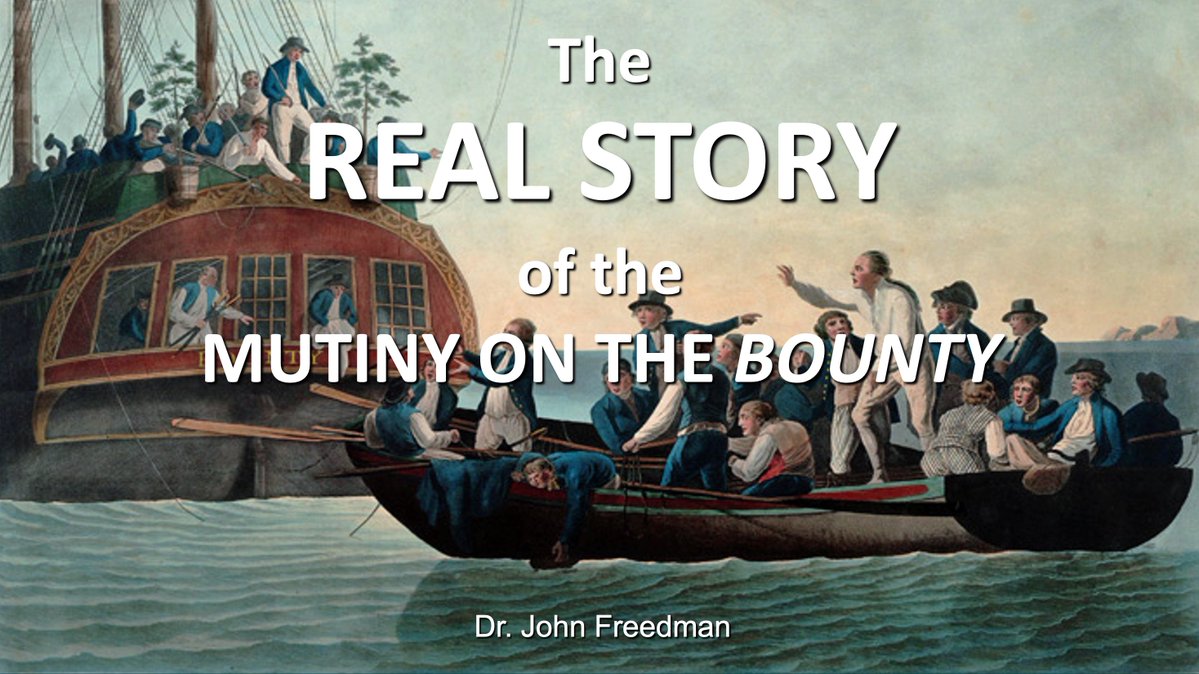
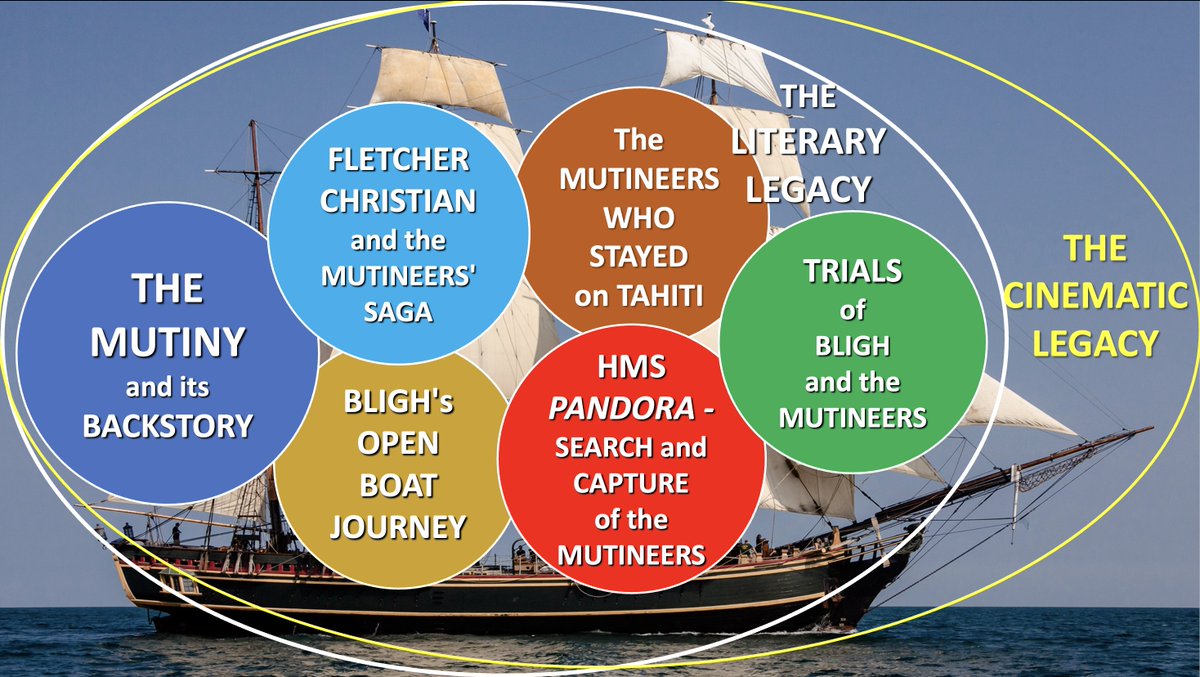
Finished Part 1 of 'Everybody's Favorite Mutiny' as we sailed between Rangiroa and Huahine. All 6 intersecting stories of the Bounty saga are rife with intriguing psychodrama. In Part 2 we'll meet the real villain of the story: Capt. Edward Edwards of the ill-fated HMS Pandora.
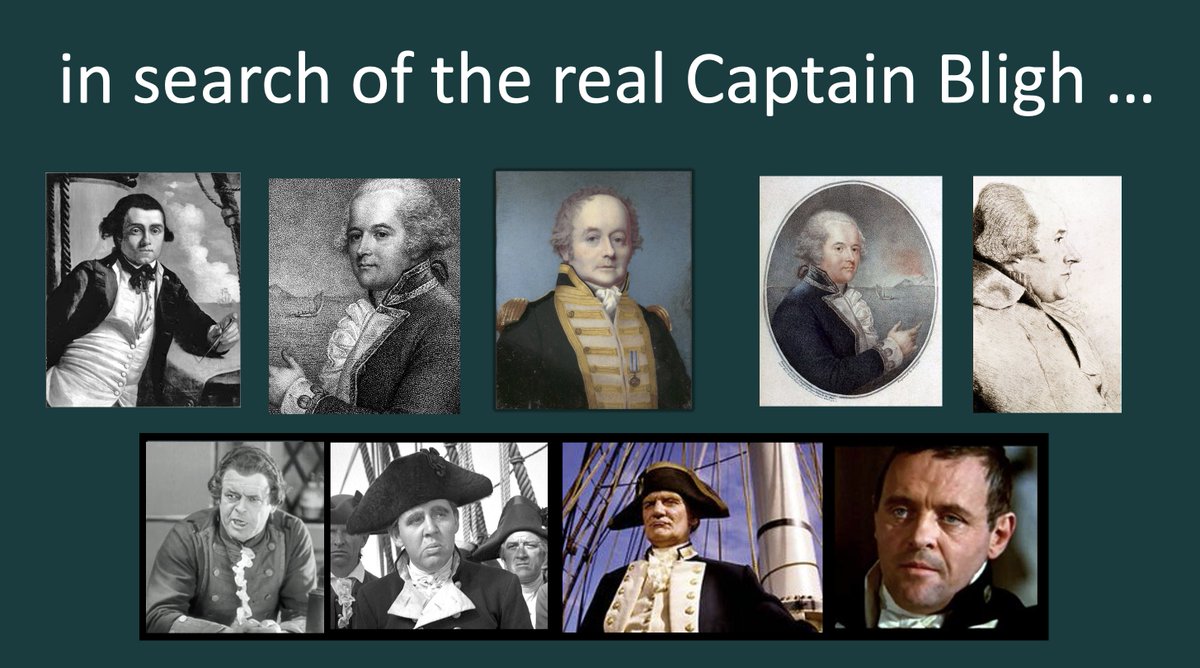
As we analyze the story in search of the real Captain Bligh, one thing emerges amidst the psychological complexities: It was his permissiveness on land - allowing the men to live off the ship and 'go native' - which ultimately played a major role in the dramatic turn of events.
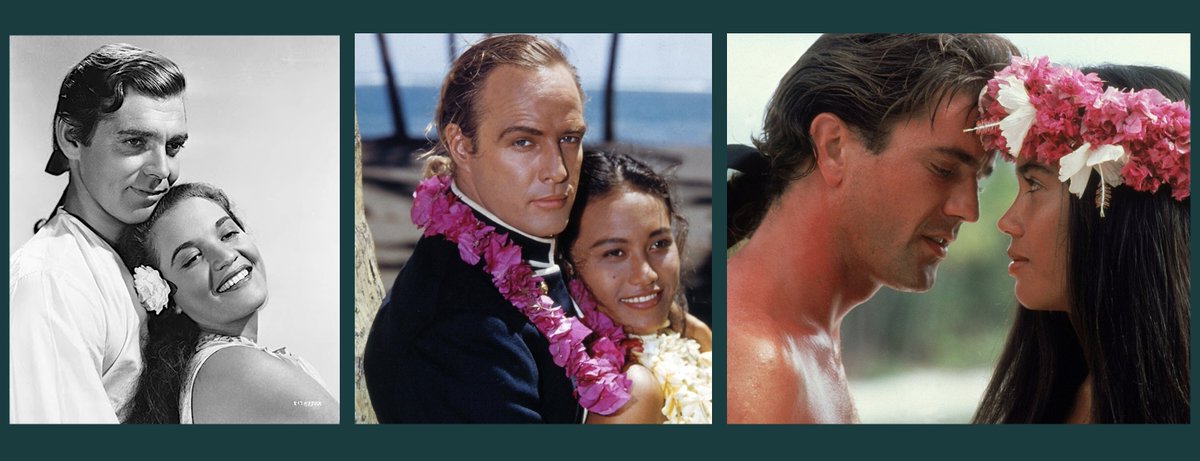
Thus the Hollywood caricature of Bligh as a tyrannical and sadistic martinet - based on fictionalized historical accounts which in turn were largely based on a smear campaign during the trials back in London - doesn't square with the facts.
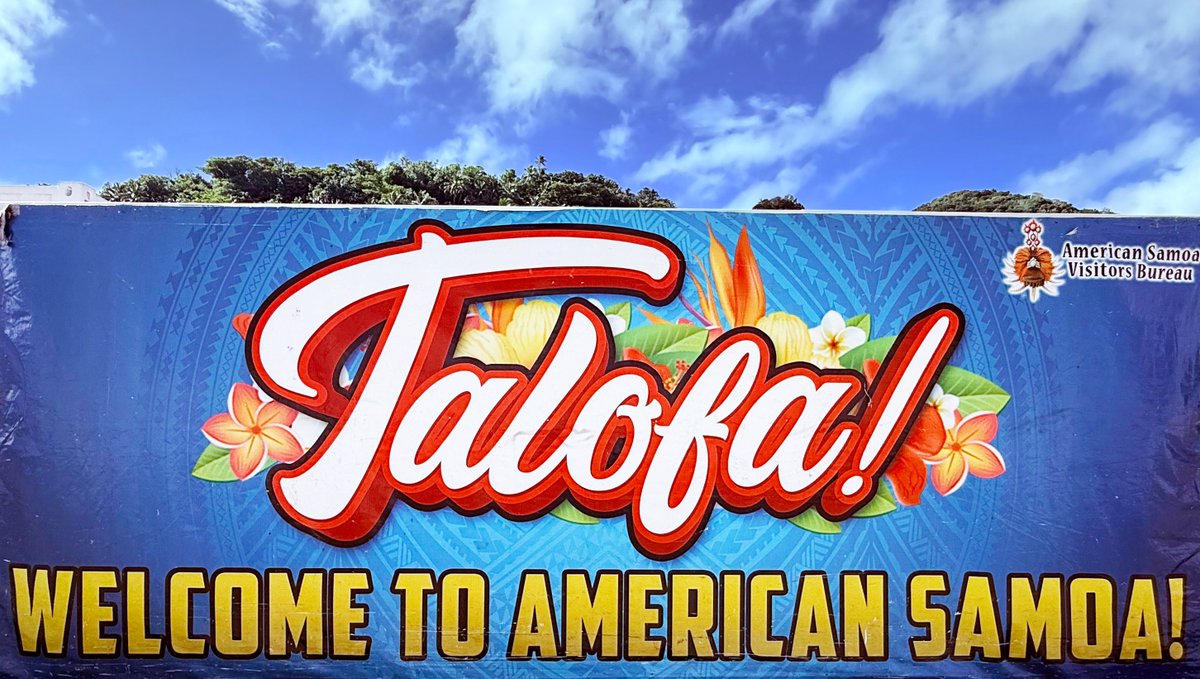
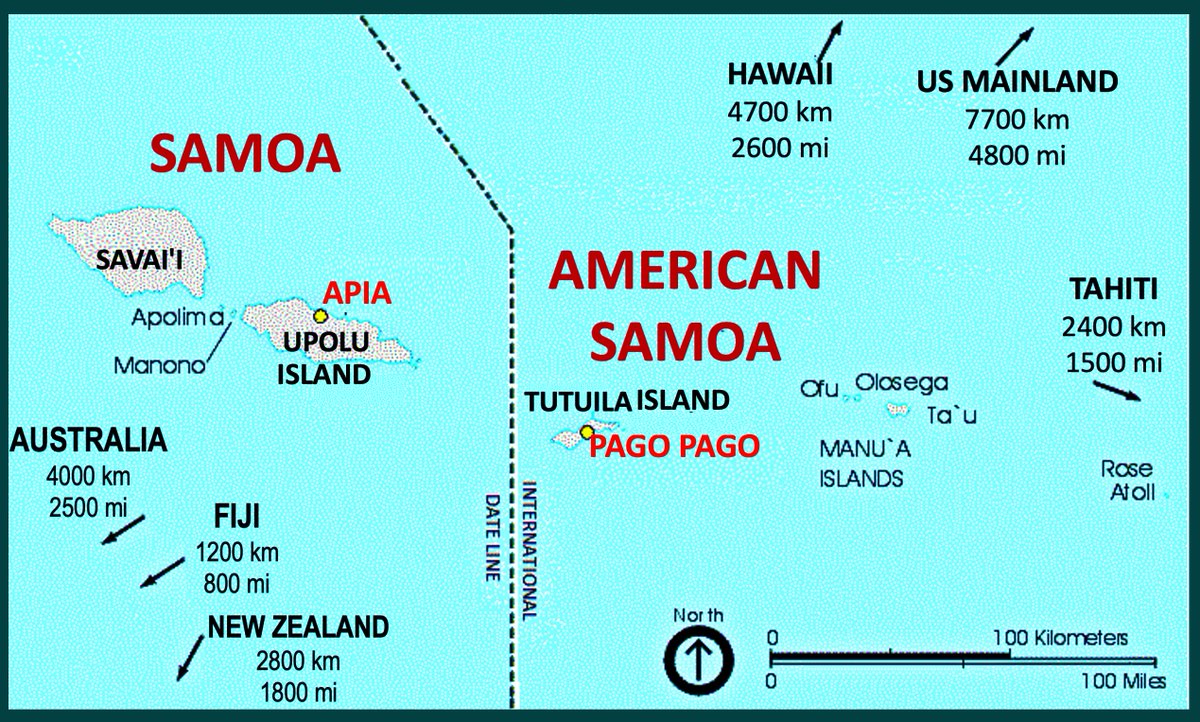
The Americans had their first glint in the eye for Samoa in 1839 when the U.S. Exploring Expedition visited and concluded it would make a good coaling station. That came to fruition in 1872 and in 1878 a Treaty of Friendship established a U.S. Naval station.
In 1899 The Tripartite Convention and Treaty of Berlin formalized German control of the western islands and American control of the eastern islands. Britain agreed to defer on Samoa and keep busy in Tonga and Fiji. (Germany would relinquish its islands to New Zealand after WWI).
The U.S. territory was administered by the Navy until 1951 when oversight was shifted to the Department of the Interior. Today the islands have considerable self-governance and maintain an active embrace of their indigenous culture.
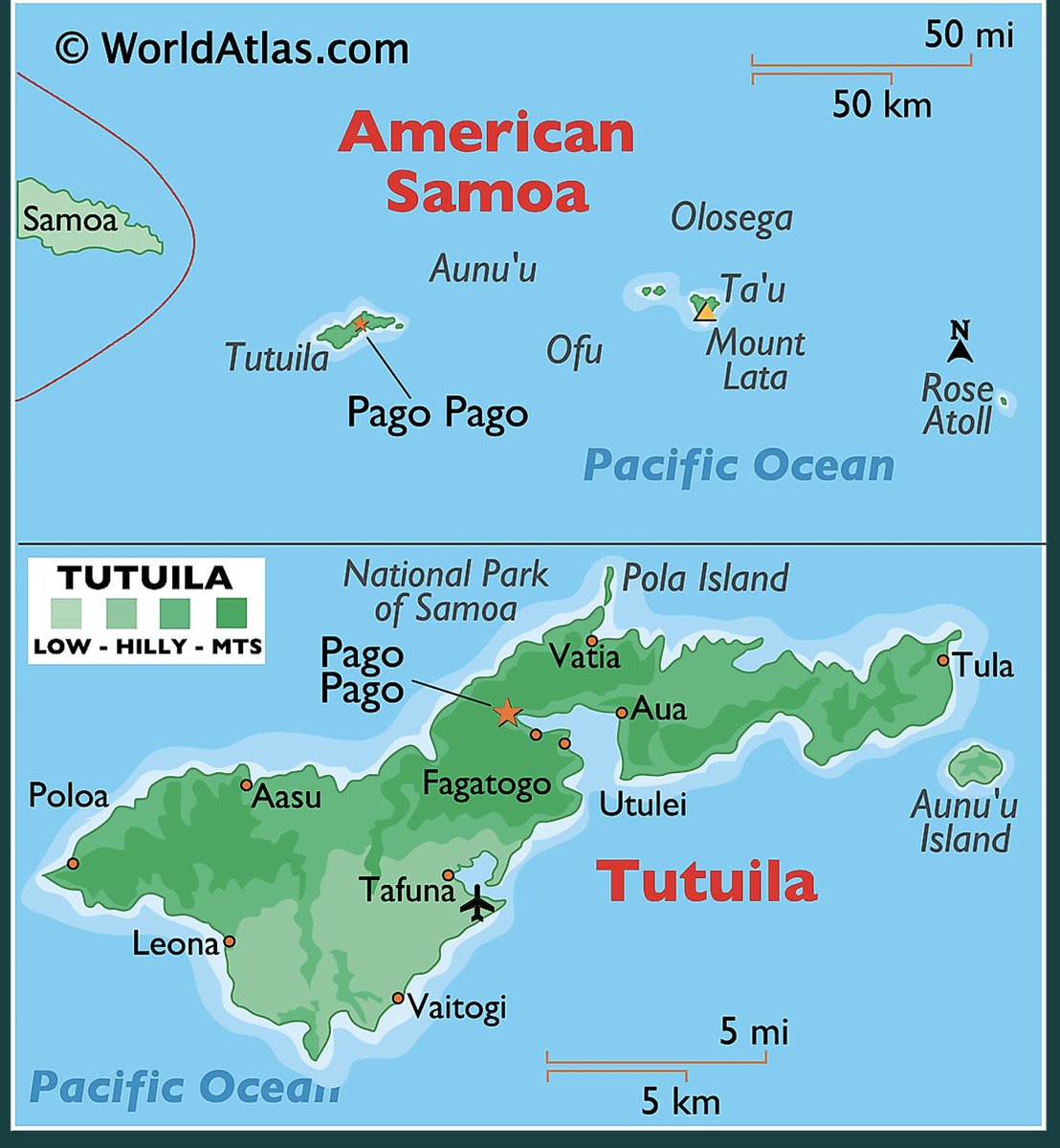
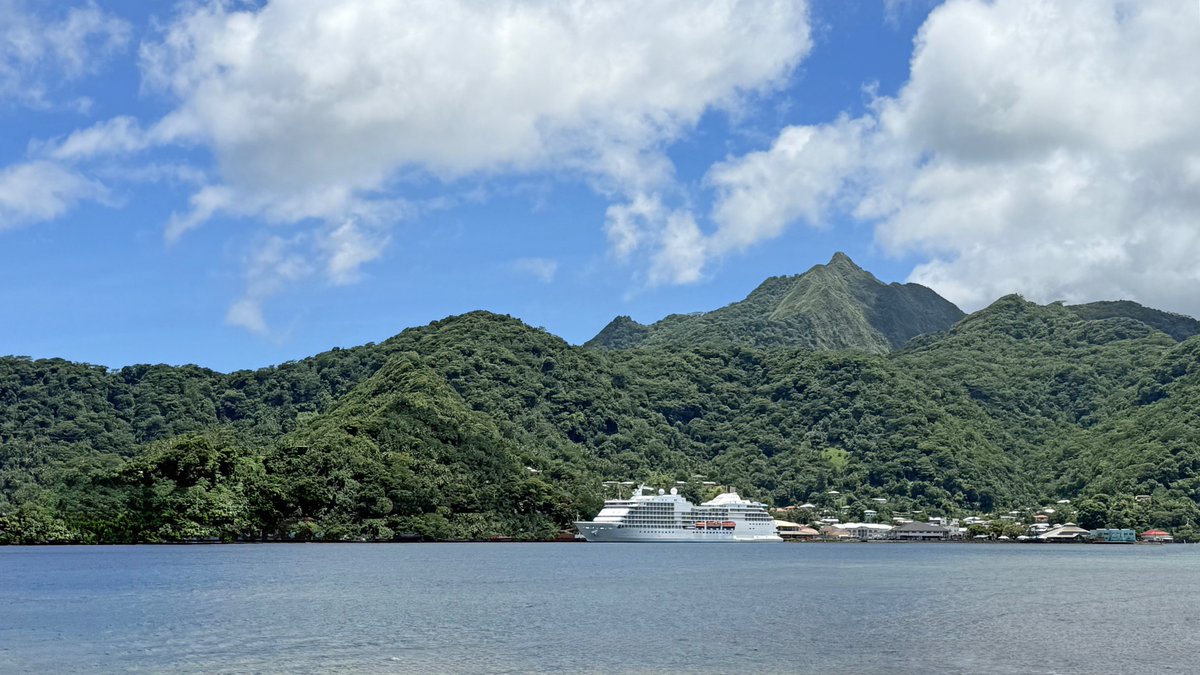
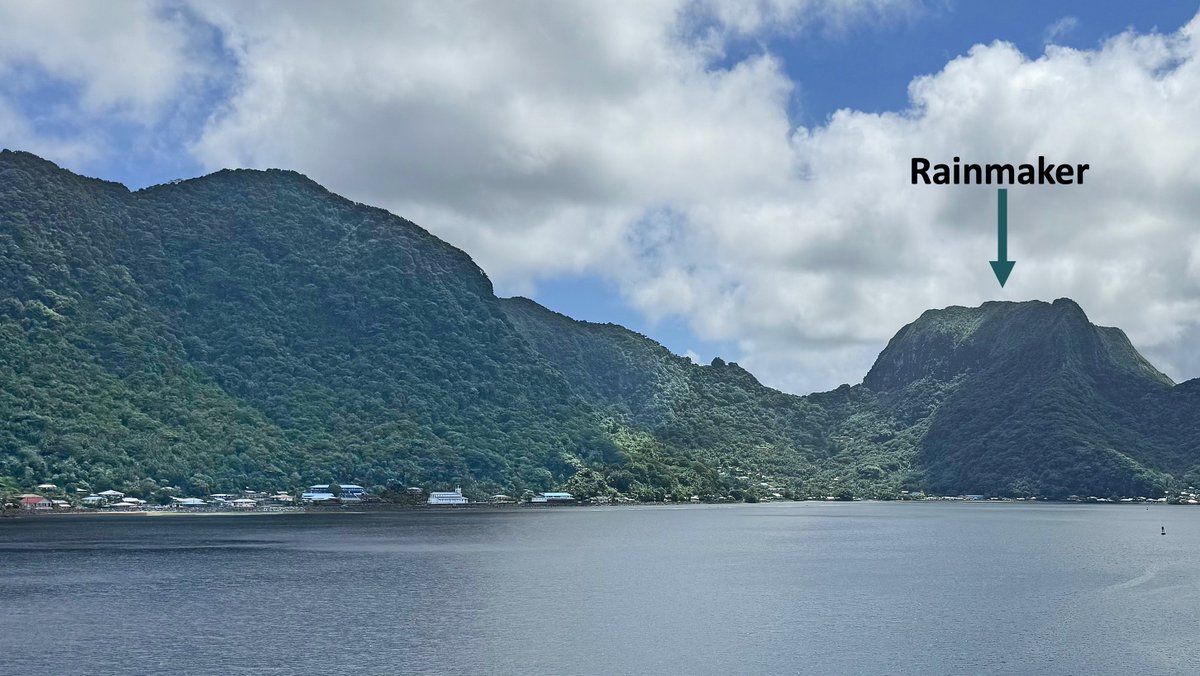
Pago Pago (pronounced Bahngo-Bahngo) is the capital of American Samoa. Its harbor is one of the world's most beautiful natural deepwater harbors. Formed within the caldera of an extinct volcano, the large sheltered bay is surrounded by steep, densely forested mountains. 1/4
Among the surrounding mountains is the hulking Rainmaker Mountain - which lives up to its name.
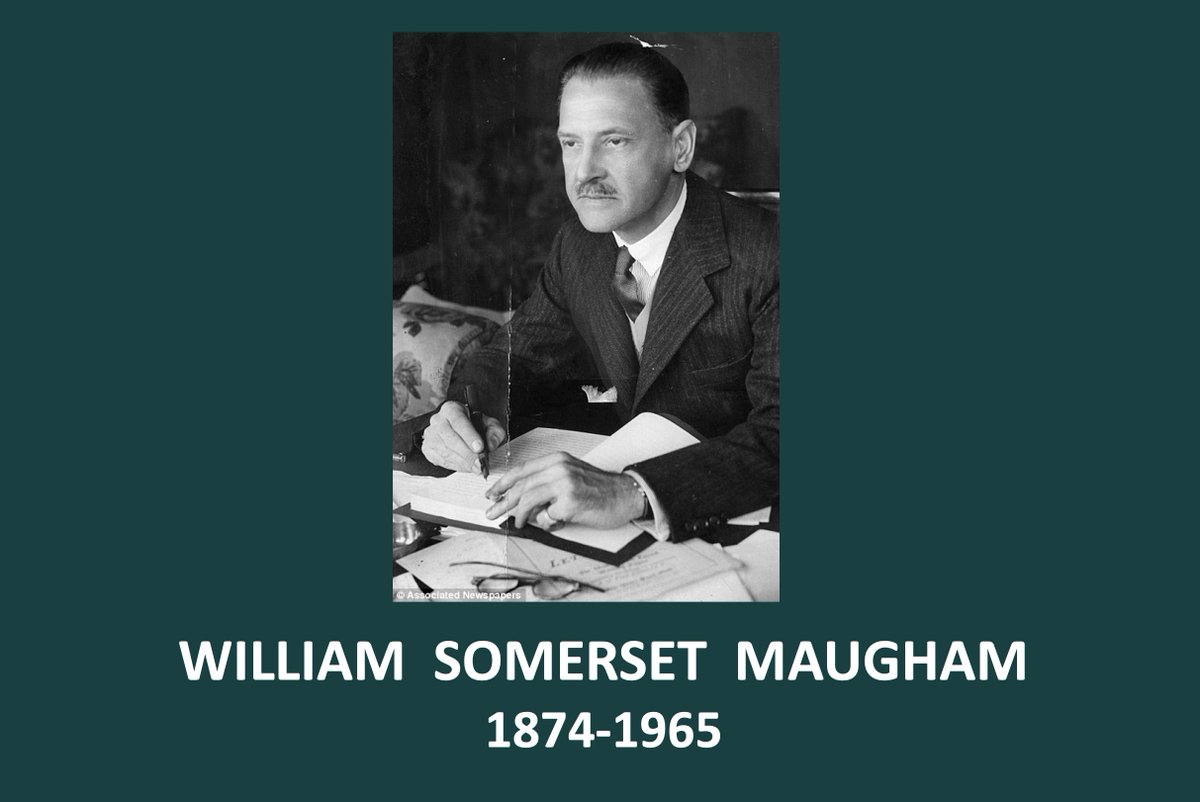
Speaking of rain, Somerset Maugham's classic story 'Rain' is set in Pago Pago and is based on the author's real-life experience and the characters he met while quarantined at a guesthouse in 1916. The hotel is still there and is now named after the story's infamous seductress.
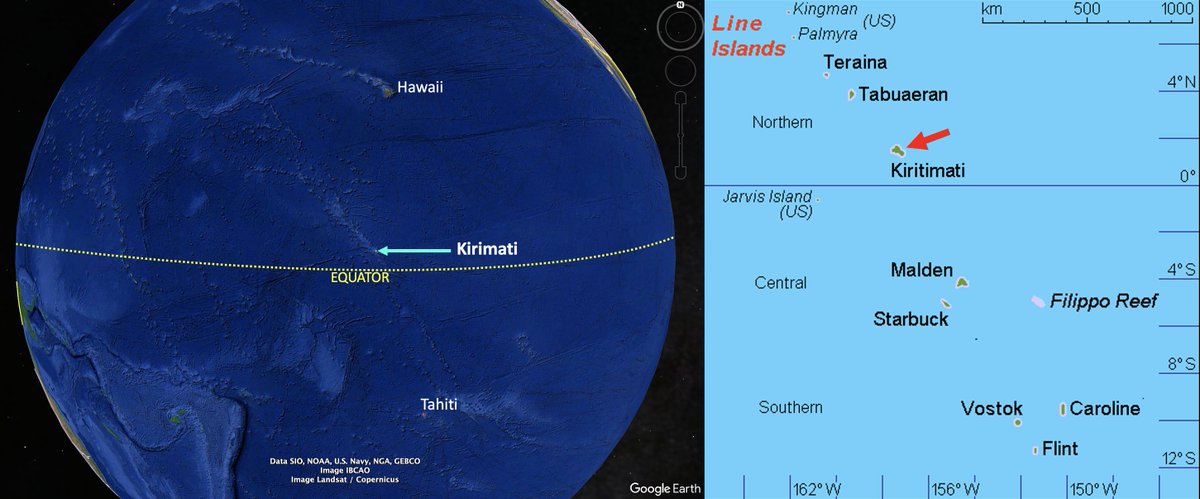
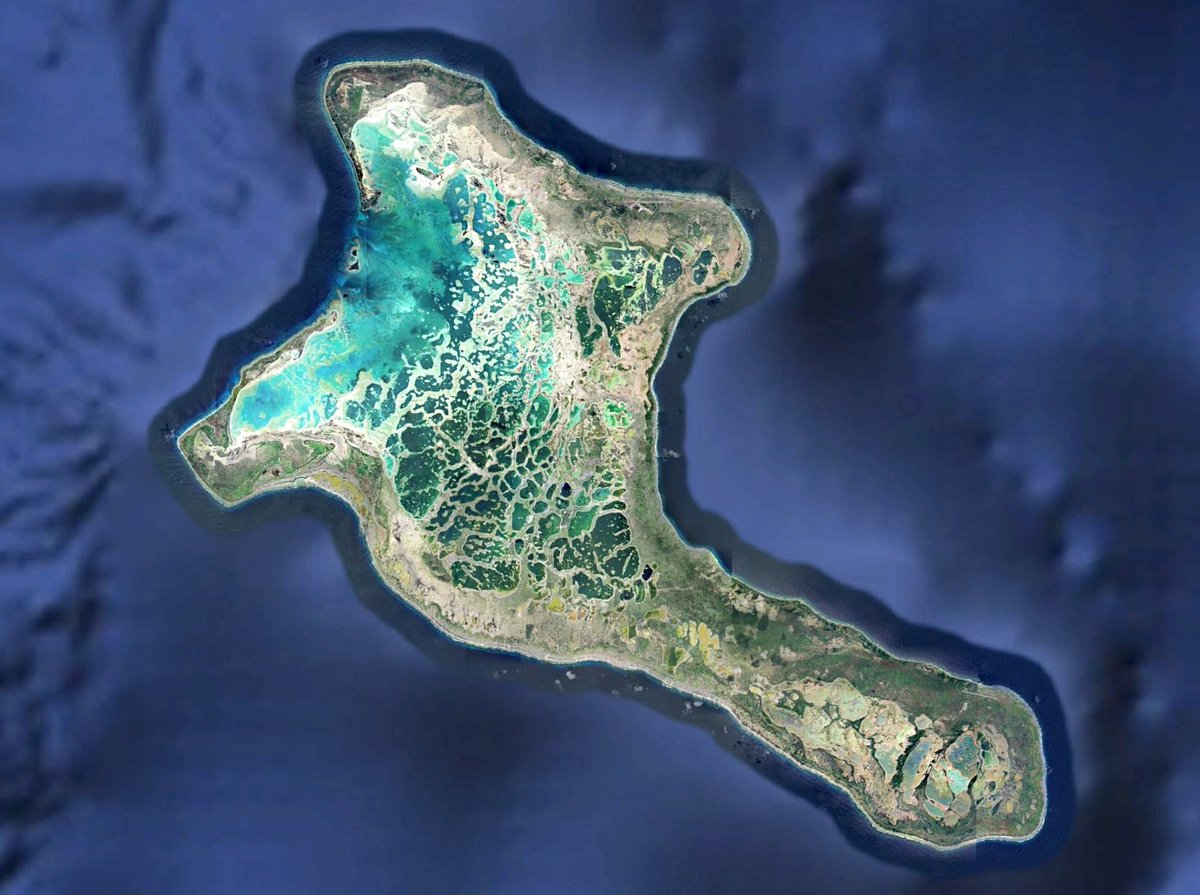
HAPPY NEW YEAR TO ALL. And a bit of interesting trivia to celebrate the day: Where is the first inhabited place on Earth to see in the New Year? Answer: Kiritimati, aka Christmas Island, a small atoll in the Line Islands of the Republic of Kiribati.
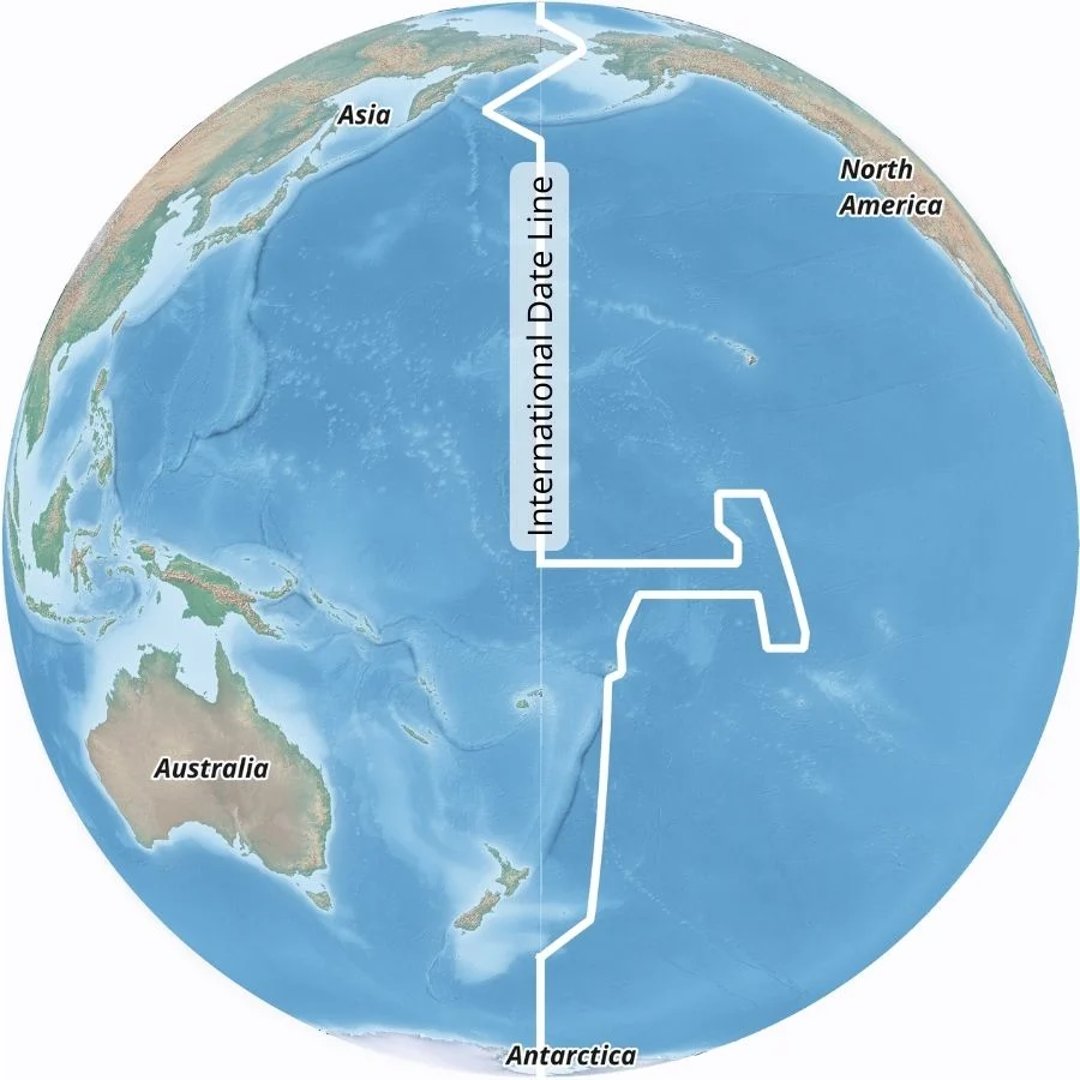
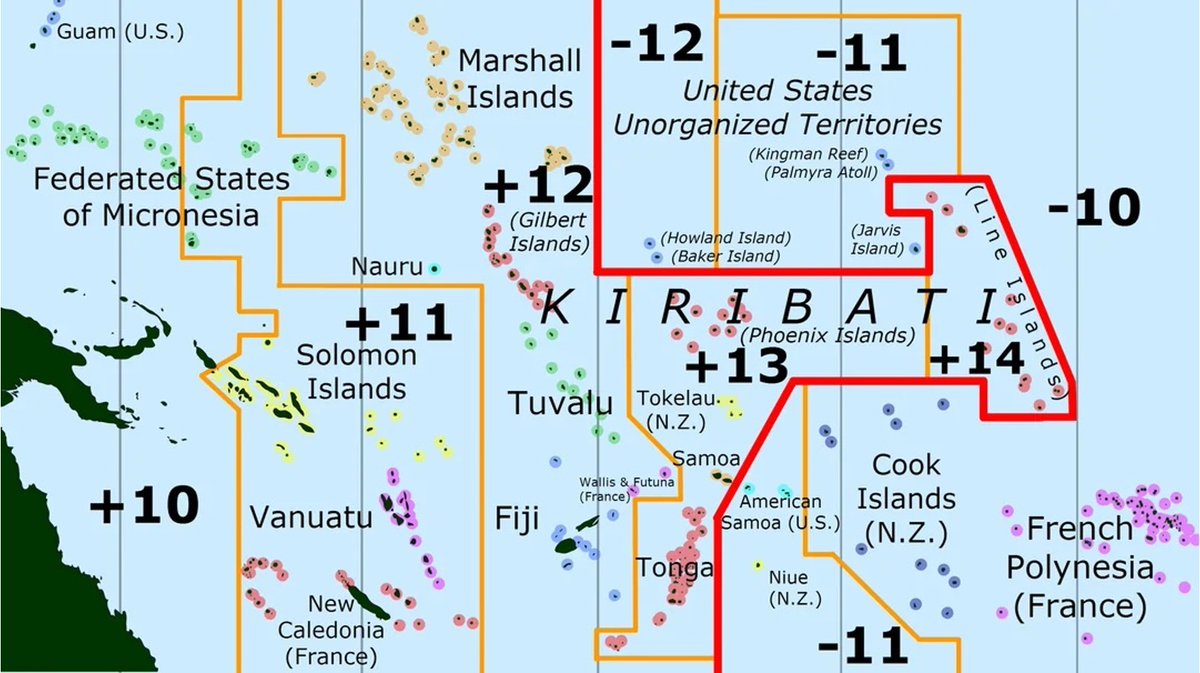
It's first because the international date line pooches way out in an irregular pattern (since 1995) to encompass all of Kiribati's 3 sprawling island chains: the Line, Gilbert, and Phoenix archipelagoes. The easternmost portion around Kiritimati is the UTC+14 time zone. 2/4
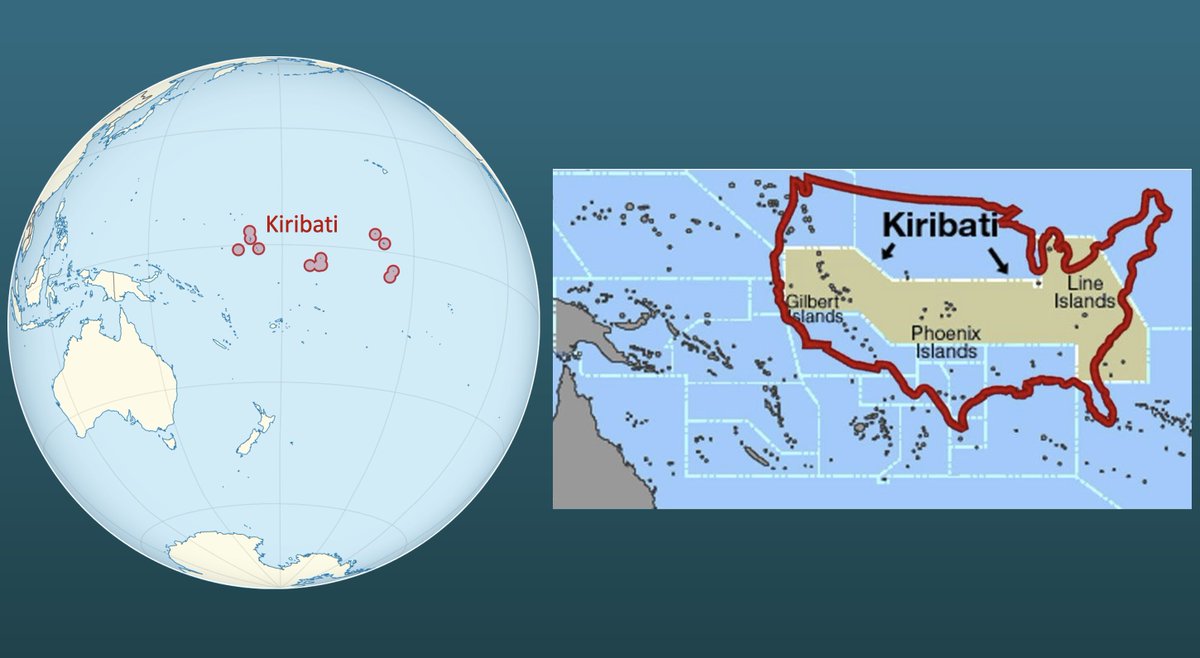
Kiribati is the only country (and yes, it is a sovereign UN Member State) to straddle all 4 hemispheres. It extends a sprawling 2400 miles east to west in the Pacific- more than the distance from Los Angeles to Washington DC. 3/4