NEW: The Mellon Foundation gave $1.5 million to establish a "center for the defense of academic freedom."
In audio I've obtained, the group's leader says his goal is to undermine the newly launched classical civics centers: "map who these f---ers are... and knock them out." 🧵
I wanted to see what "The Center for the Defense of Academic Freedom" did in practice. So I FOIAed the emails of one of its fellows. They included links to meeting audio, transcripts, grant records, and more.
Housed within the American Association of University Professors (AAUP), the group's conception of academic freedom seems to have little to do with free speech.
Here's a meeting where one fellow says that UPenn punishing Amy Wax for her speech was academic freedom in practice.
The group reserves special ire for the new civics centers, like the UF's Hamilton School for Classical and Civic Education.
Here's its president, Isaac Kamola, again saying he wants to run projects that will boost their "political cost" and decrease their "legitimacy."
Kamola specifically argues that, through "right-wing" centers, donors pull a sneaky trick, funding new faculty for a limited time, only to later leave universities to foot the bill.
This is an especially ironic complaint, given the practices of Kamola's own funder...
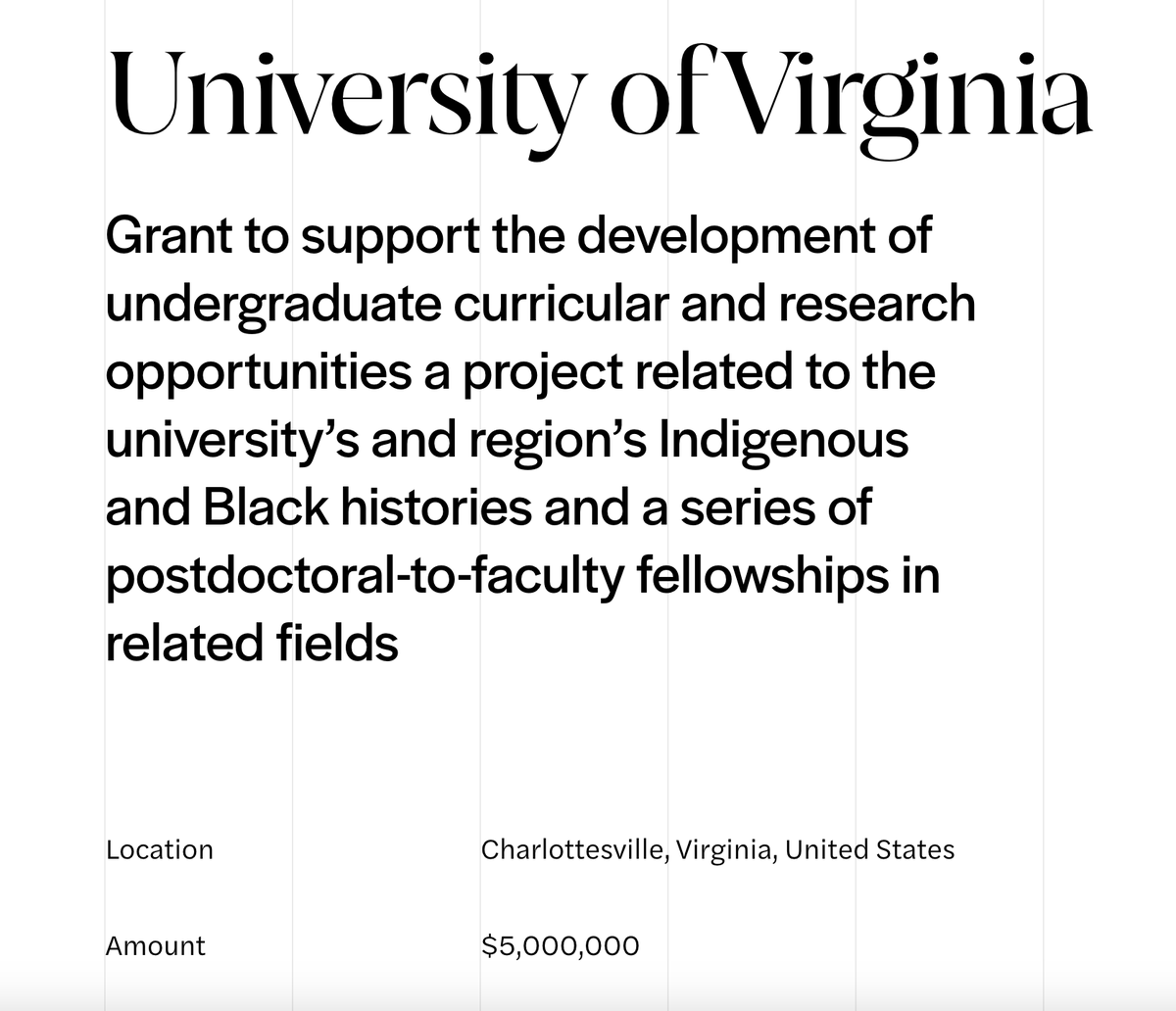
As I've reported before, Mellon does exactly that: funding faculty through the like of the UC's "President's Postdoctoral Fellowship Program" and UVA's "Race, Place, and Equity" program, which eventually make universities pick up the tab. wsj.com/opinion/the-me…
In fact, the center appears to be part of a larger Mellon project to fight reform efforts.
"This is not public, so don’t share this anywhere, please... They’ve gotten a budget that looks like it may be $10 million to create a new organization that would do rapid response."
This, of course, raises questions about what Mellon has been up to in the two years since its stopped updating its grants database. At the very least, the center itself seems to have more funding, so reformers should expect more pushback.
NEW: a report from Vanderbilt and WashU just dropped, taking on the "state of scholarship in the humanities and social sciences," a big topic among critics of higher ed.
Read along w/ me 🧵
The report's premise is that support for the humanities and social sciences has cratered among basically everyone.
It gives several possible reasons: the misuse of the hard sciences, "problematic philosophical view," and—most notably—ideological distortions.
Interestingly, the report immediately narrows its scope down to that last complaint, that scholarship has been overrun by political goals, distorting disciplinary standards and producing bad research.
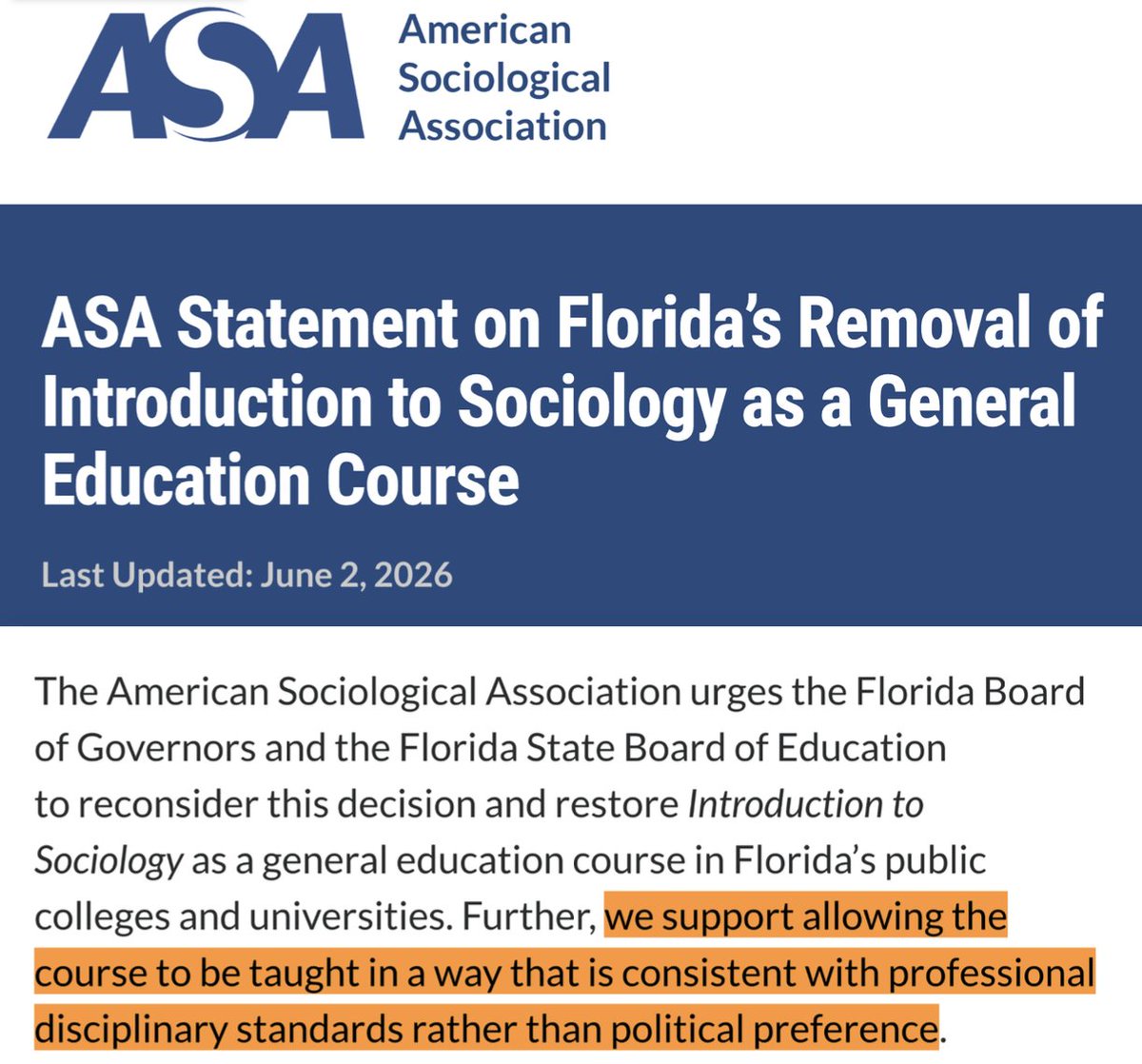
American Sociological Association: SOC 101 should be taught "consistent with disciplinary standards" and not "political preferences."
That objection fails when a discipline itself mirrors political preferences—and, judging by the ASA's own output, that seems to be happening 🧵
"Rethinking Social Movements: Can Changing the Conversation Change the World?"
The title of the ASA's 2016 meeting, which asks whether movements like Occupy Wall Street can "muster the power to achieve lasting social change?"
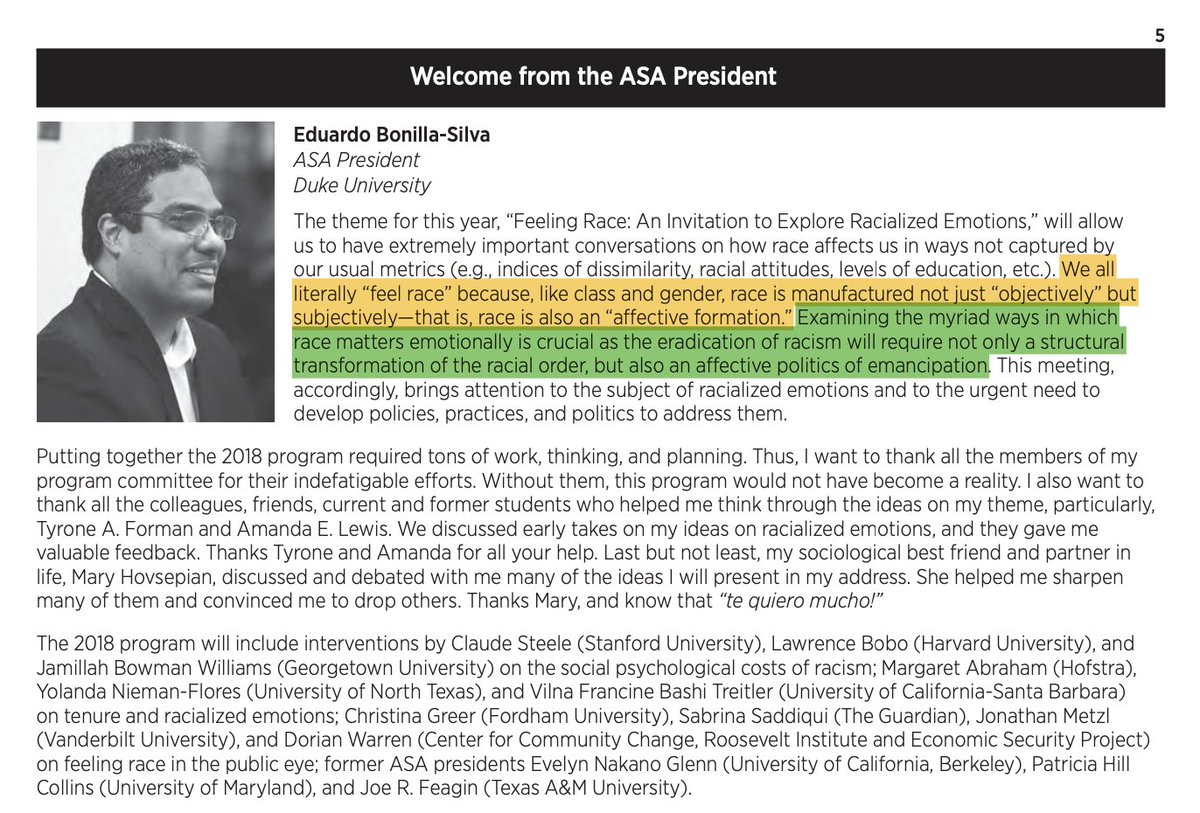
"Feeling Race: An Invitation to Explore Racialized Emotions" was the title of the 2018 ASA conference—which promises to brings "attention to the subject of racialized emotions and to the urgent need to develop policies, practices, and politics to address them."
The University of Alabama scrubbed the "Path Forward Diversity Report" from its website, but archived webpages show just how extensive it was—and how President Bell directly supported it.
"I look forward to the work of this committee," he said. Take a look at that work 🧵🧵🧵
The plan calls for embedding "DEI competencies" into annual performance reviews which would "measure inclusive behavior" and "ensure accountability" for the university's social justice commitment.
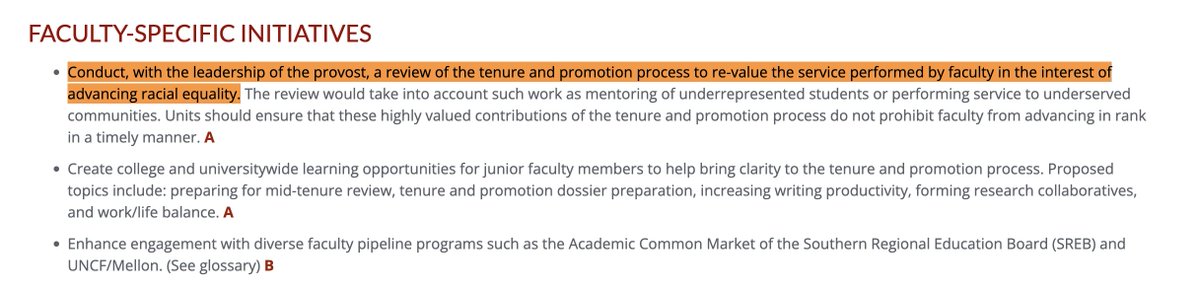
It proposes conducting "a review of the tenure and promotion process" to recognize faculty service "in the interest of advancing racial equality."
Whenever you see a bizarre trend in academia, it’s worth asking whether its homegrown or funded from outside. I recently wrote about how the Andrew W. Mellon Foundation has worked hard to make “trans studies" a legitimate academic field.
Here are some of Mellon's grants 🧵
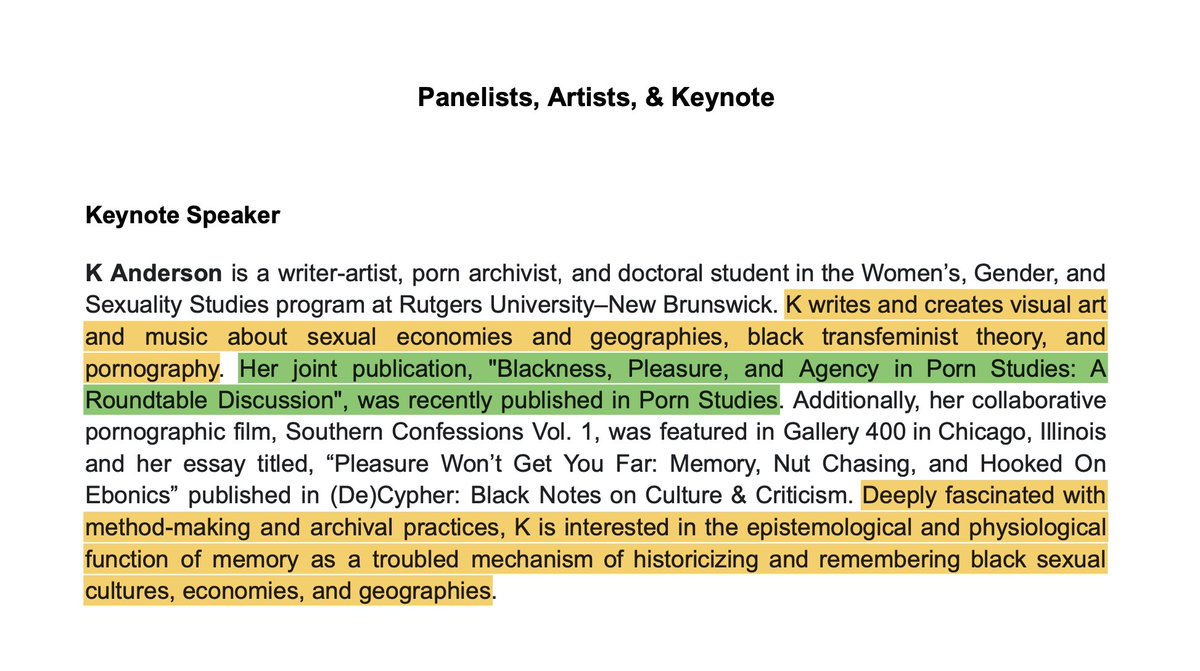
The “Black, Indigenous, & Trans of Color Histories Lab” received $460,000 from Mellon in 2024. The “lab” recently hosted a symposium titled “Trans Joy, Pleasure, Freedom.” Its keynote address was delivered by a Rutgers doctoral student & self-described “p*rn archivist.”
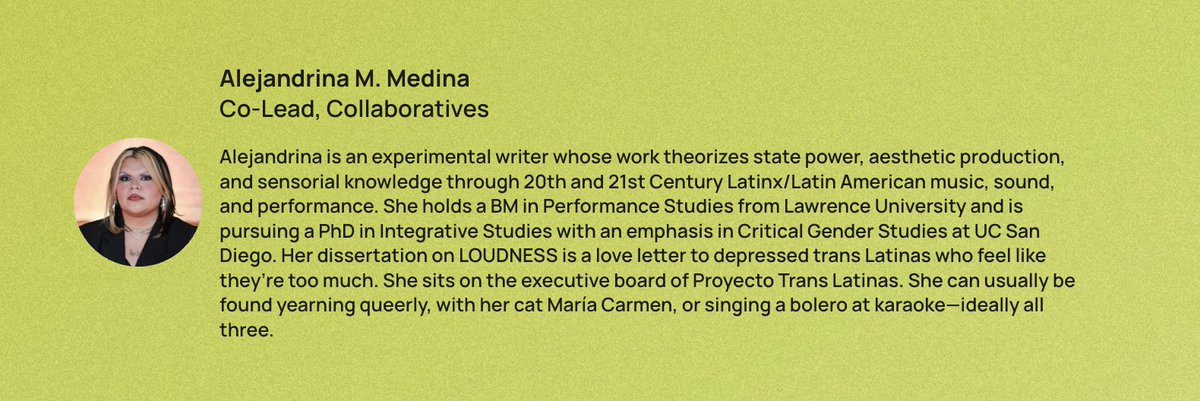
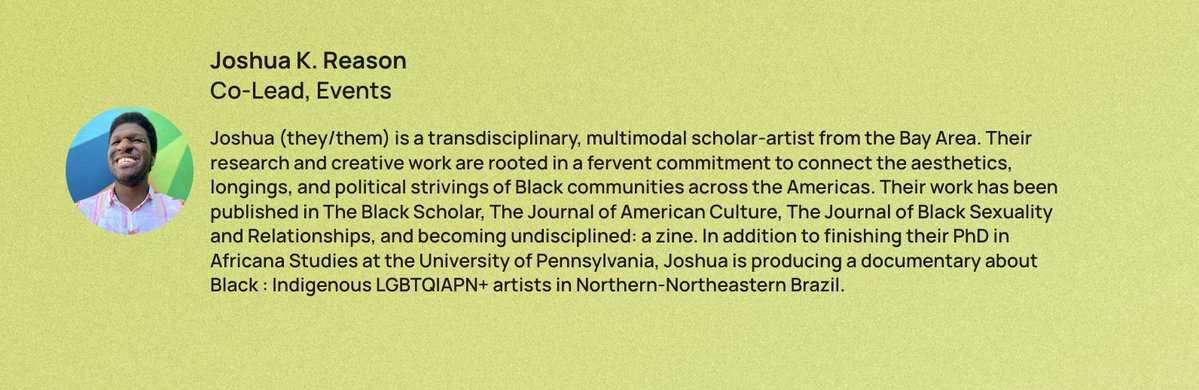
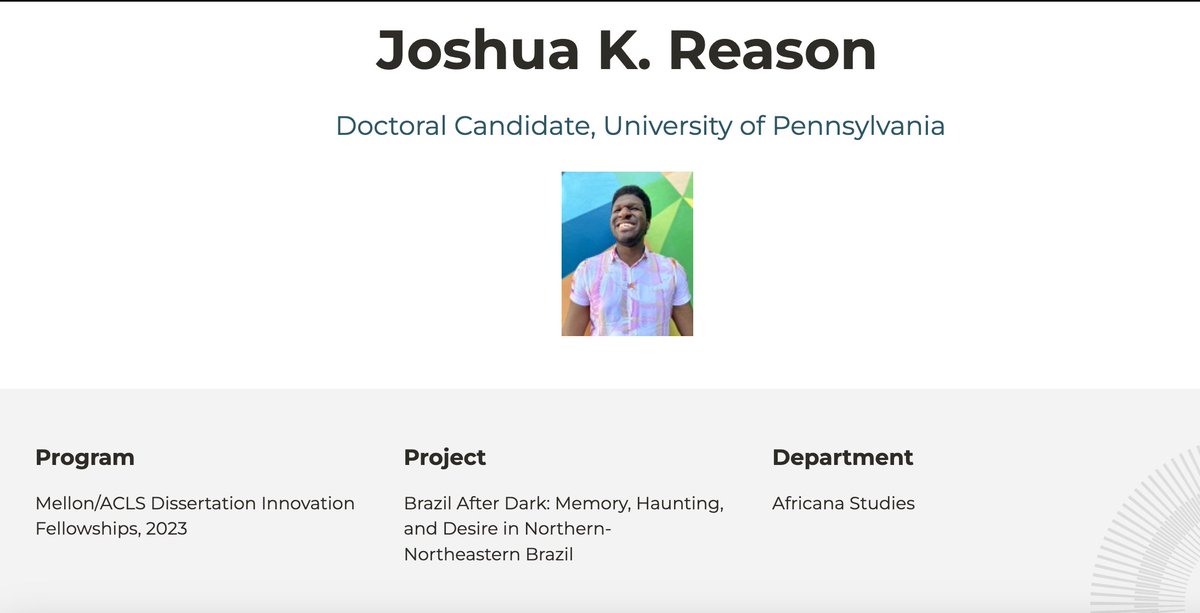
Notably, the “lab” includes several Mellon grantees. Co-lead Joshua Reason was a Mellon undergrad & dissertation fellow. Alejandrina Medina, another co-lead, received a Mellon-funded “Trans Studies” fellowship—as did the event’s keynote speaker.
NEW: The Mellon Foundation doesn’t just fund research; it helps distribute jobs. In doing so, it blurs the lines between charitable patronage and a different sort: the patronage of a political machine.
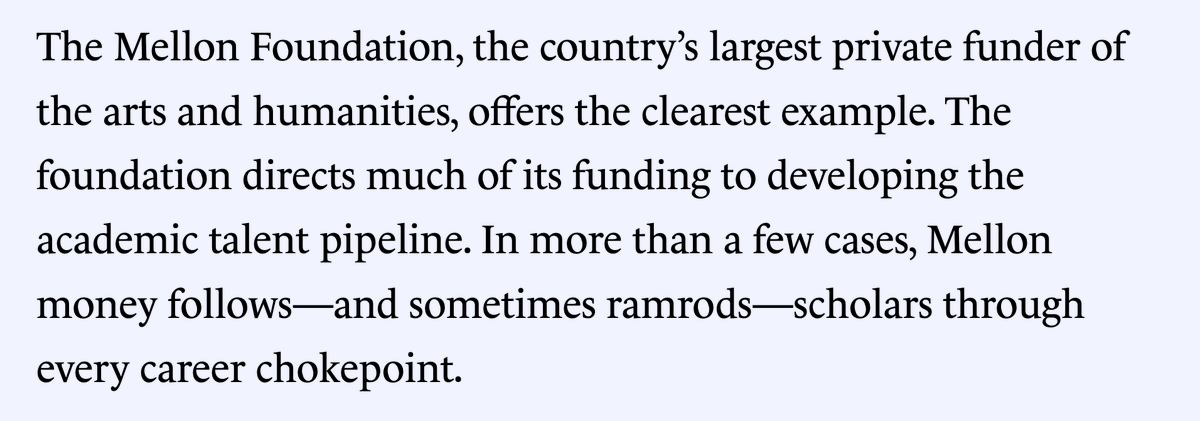
Mellon is the country’s largest funder of humanities by a mile. In its giving, it focuses aggressively on creating career opportunities for scholars.
Mellon money follows—and sometimes ramrods—these scholars through every career chokepoint.
This can virtually guarantee a scholar’s career. To see how it works, consider Kaneesha Parsard, who is now professor at University of Chicago.
DOCUMENTS: In 2018, the $7.7 billion-endowed Mellon Foundation announced that social justice would be its overriding priority. For academia, the consequences have been huge.
Through FOIA, I’ve acquired dozens of proposals for Mellon-funded projects. Here are a few ⬇️🧵
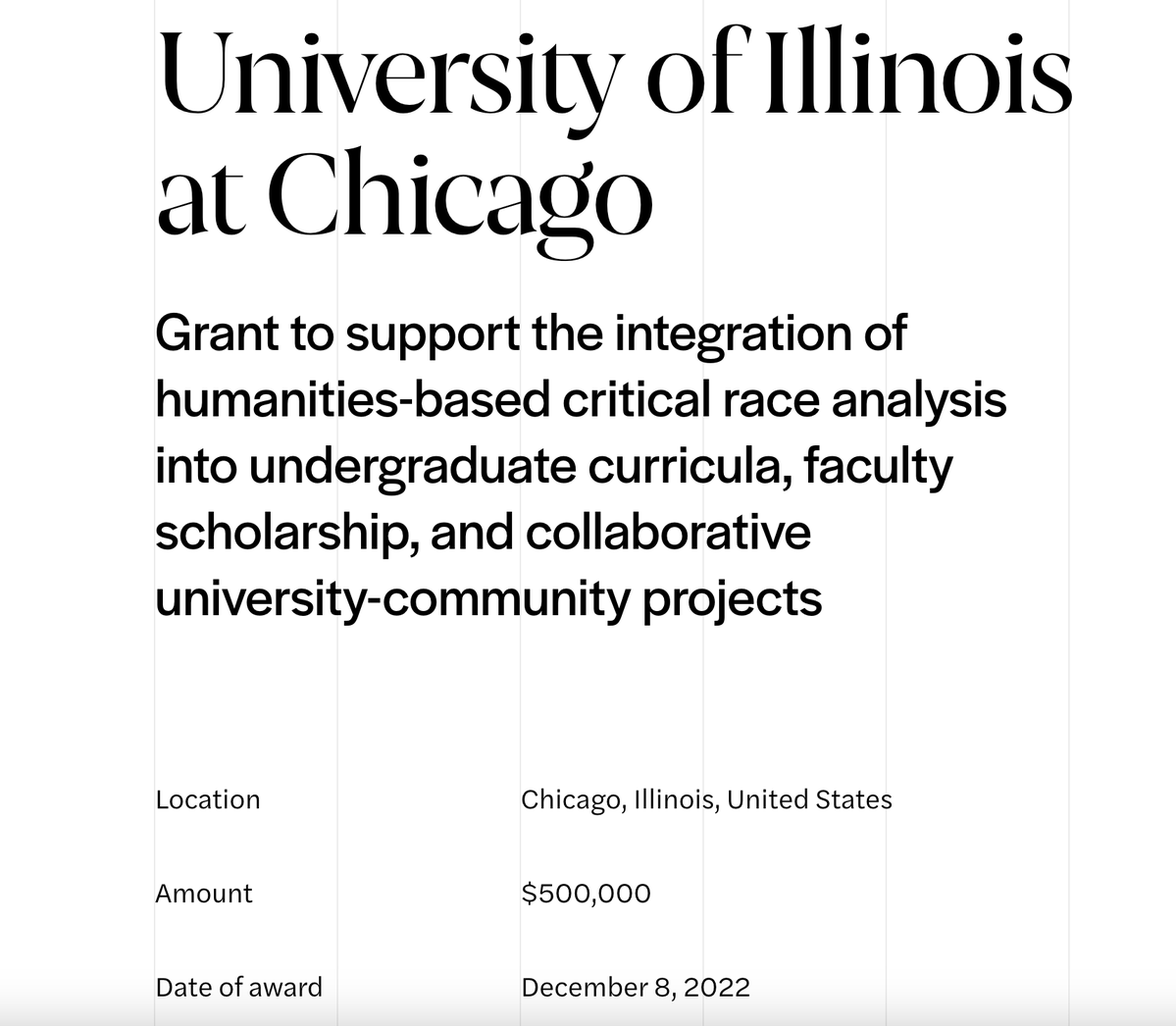
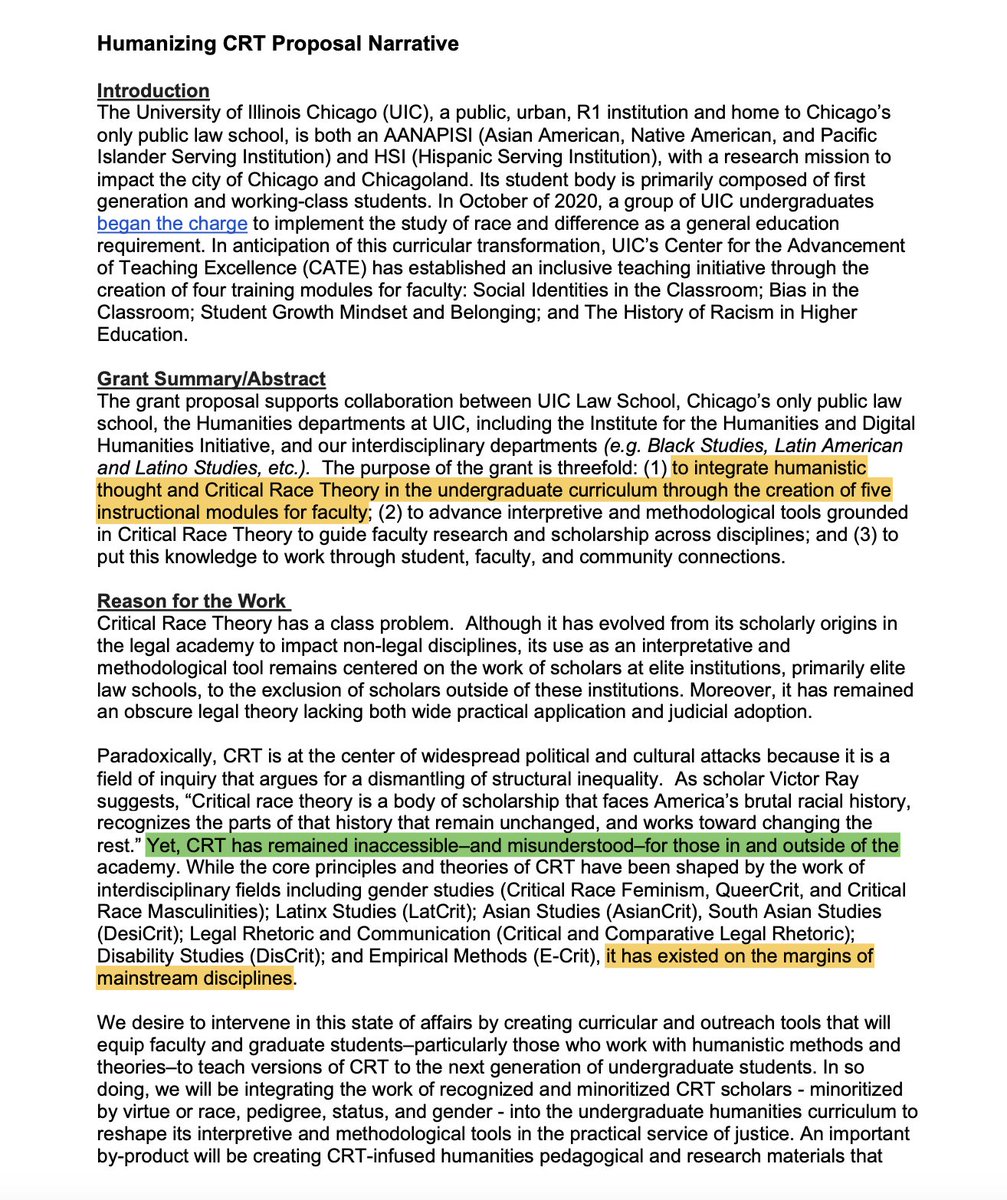
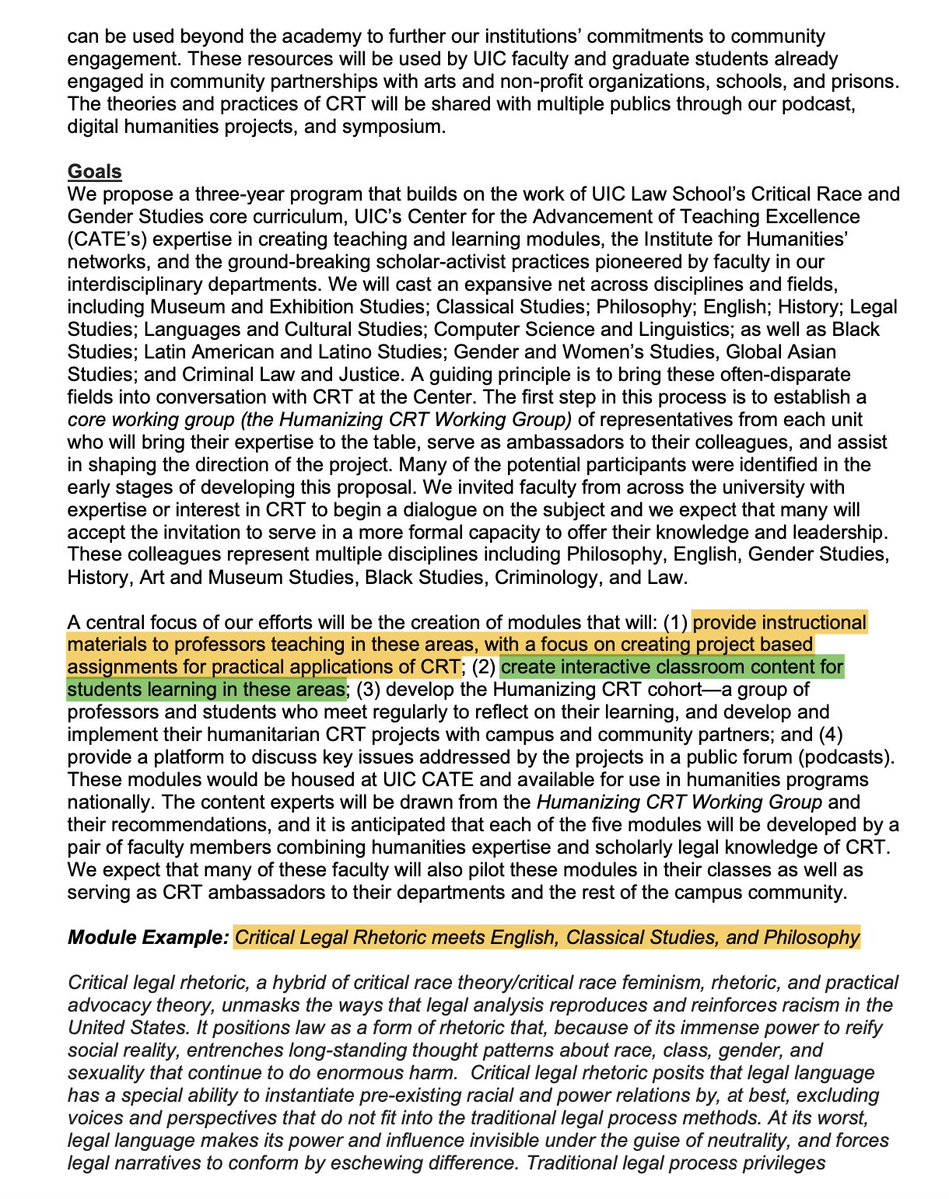
"Humanizing CRT," a $500k project at University of Illinois Chicago, seeks to "integrate... Critical Race Theory in the undergraduate curriculum."
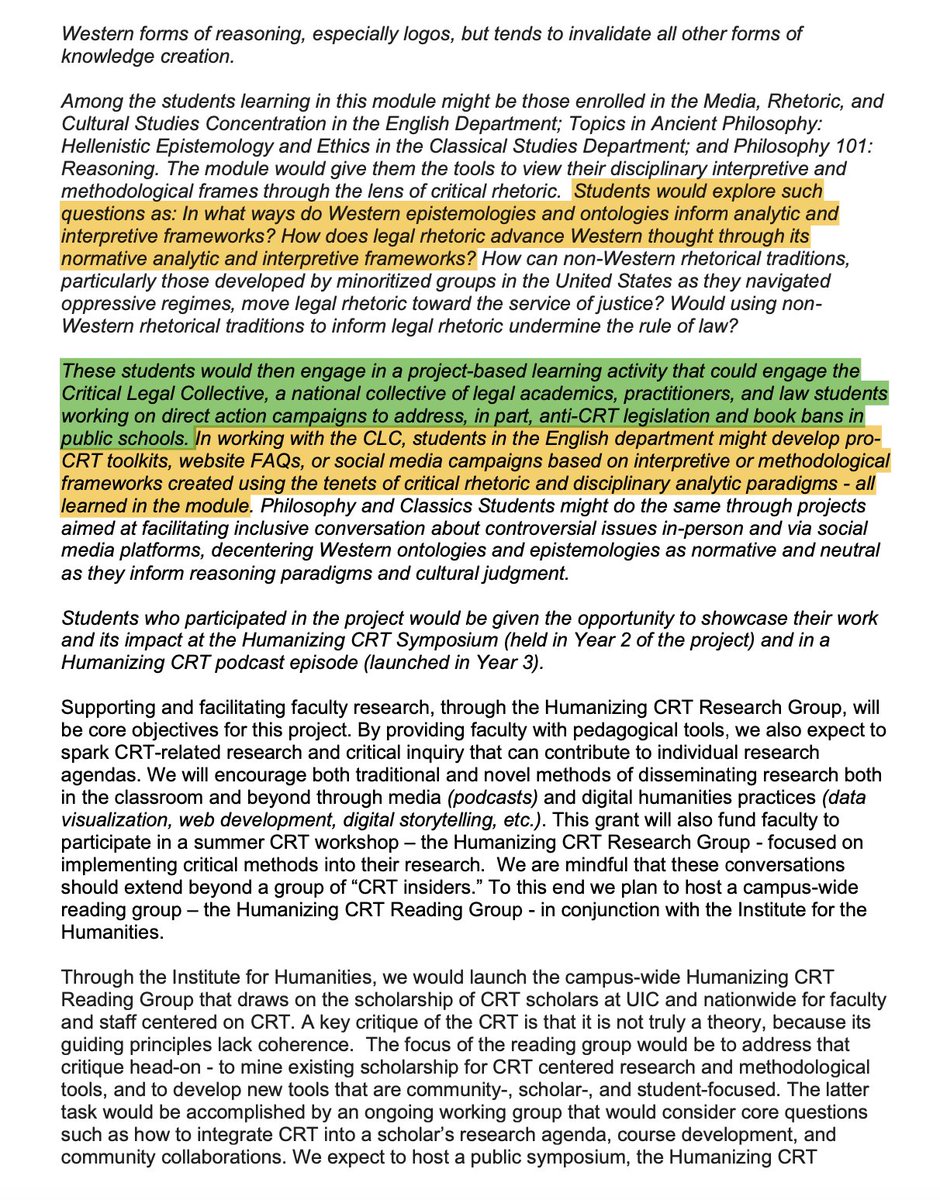
The proposal describes a class module titled "Critical Legal Rhetoric meets English, Classical Studies, and Philosophy" (see ⬇️).
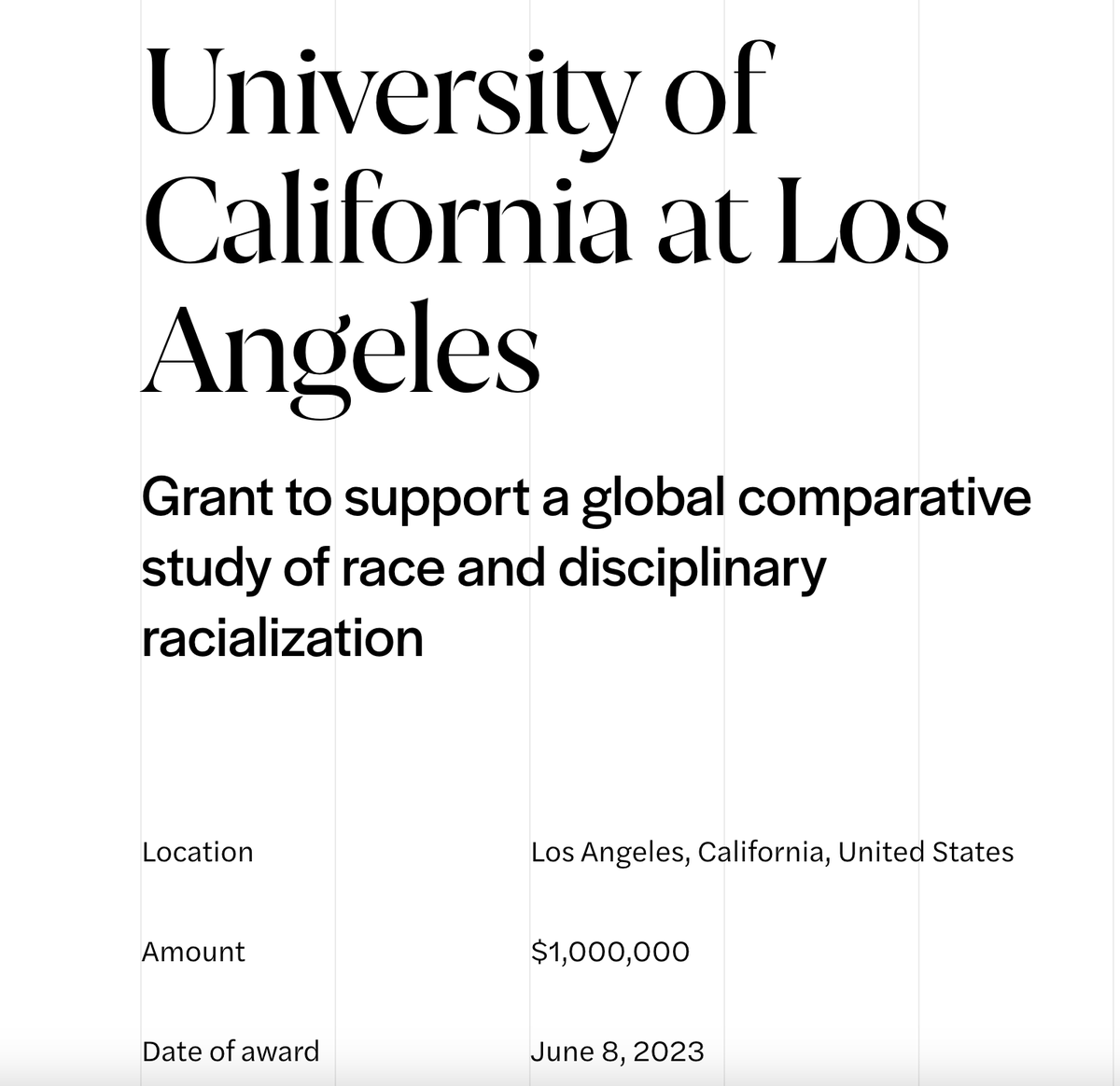
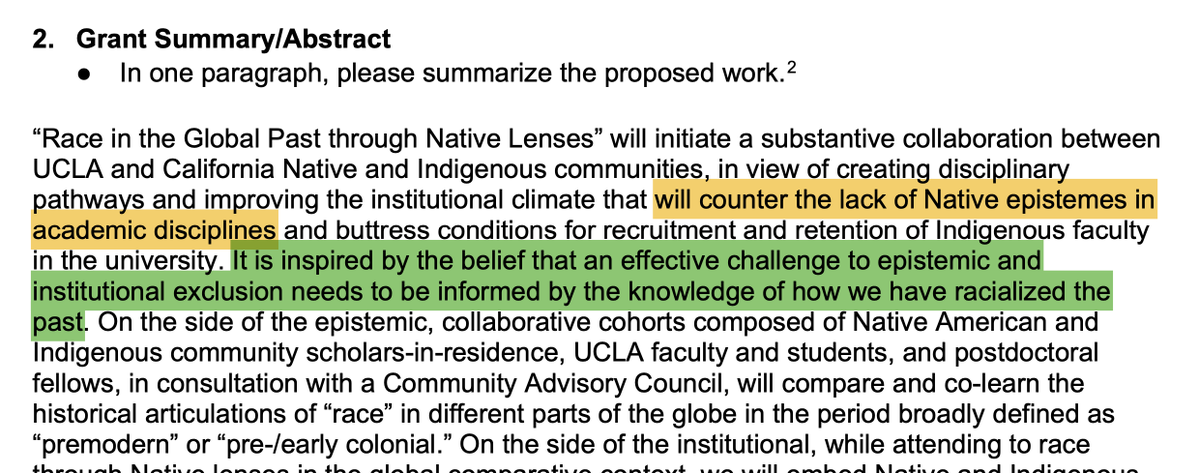
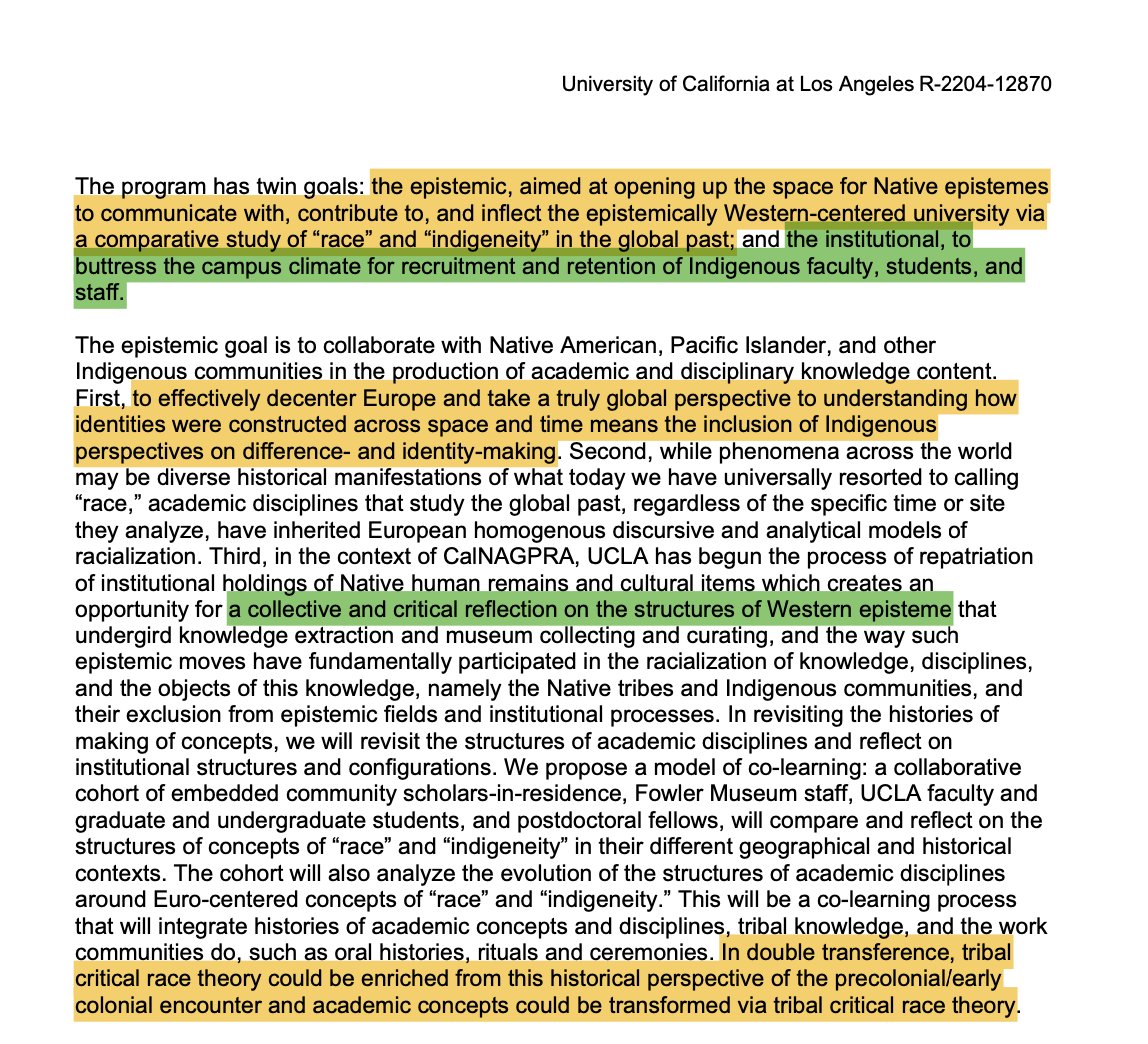
"Race in the Global Past through Native Lenses,: a $1 million project at UCLA, seeks to "counter the lack of Native epistemes in academic disciplines."
It does this in part by employing "tribal critical race theory."