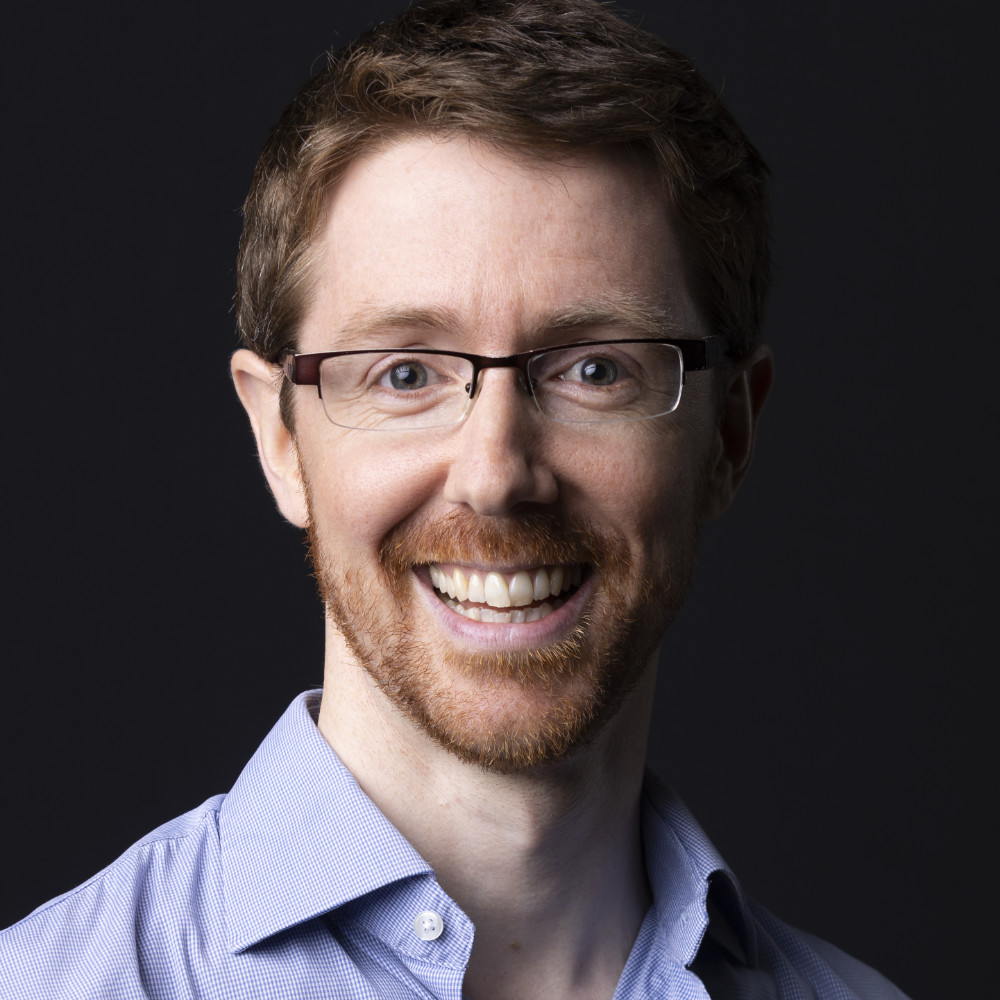
This is Dr. László Boros.
A Hungarian medical doctor, retired professor at UCLA, author of 100+ scientific papers & one of the world's leading deuterium researchers.
His message? Every chronic disease begins when the body loses control of deuterium.
Here is his framework: 🧵
A Hungarian medical doctor, retired professor at UCLA, author of 100+ scientific papers & one of the world's leading deuterium researchers.
His message? Every chronic disease begins when the body loses control of deuterium.
Here is his framework: 🧵


1/ Your mitochondria exist primarily to produce deuterium-depleted water — not just ATP.
According to Boros, ATP is generated on the way to the real objective: metabolic water.
Protons fall through the ATP synthase nanomotor, generate ATP in passing, then combine with oxygen to form metabolic water.
Water formation in the mitochondrial matrix releases ~280 kJ/mol of energy as heat.
ATP synthesis adds only ~20–30 kJ/mol.
The metabolic water produced is also the most deuterium-depleted water in the body: below 5 ppm — allowing the mitochondria to operate "practically without" deuterium.
When this water production fails — everything fails simultaneously.
Not just energy.
Every system in the body that depends on clean water at the cellular level collapses at once.
This is why mitochondrial failure is not just fatigue.
It is the simultaneous failure of DNA repair, hormone synthesis, immune function, and neurotransmitter production.
Boros: Every chronic disease is simply a "tissue-specific presentation of a deuterium overload".
According to Boros, ATP is generated on the way to the real objective: metabolic water.
Protons fall through the ATP synthase nanomotor, generate ATP in passing, then combine with oxygen to form metabolic water.
Water formation in the mitochondrial matrix releases ~280 kJ/mol of energy as heat.
ATP synthesis adds only ~20–30 kJ/mol.
The metabolic water produced is also the most deuterium-depleted water in the body: below 5 ppm — allowing the mitochondria to operate "practically without" deuterium.
When this water production fails — everything fails simultaneously.
Not just energy.
Every system in the body that depends on clean water at the cellular level collapses at once.
This is why mitochondrial failure is not just fatigue.
It is the simultaneous failure of DNA repair, hormone synthesis, immune function, and neurotransmitter production.
Boros: Every chronic disease is simply a "tissue-specific presentation of a deuterium overload".
2/ Deuterium is the only isotope in chemistry where the mass doubles — and that doubling uniquely destroys biological machinery.
An isotope is a version of the same element with the same number of protons but a different number of neutrons.
That changes their mass.
Changing mass changes reaction speed — scientists call this the kinetic isotope effect.
Carbon-13 is 8% heavier than carbon-12.
Nitrogen-15 is 7% heavier than nitrogen-14.
These produce small effects and don't fundamentally alter biological behavior.
Deuterium — the heavy isotope of hydrogen — is 100% heavier than regular hydrogen.
No other isotope pair in biology comes close to this mass difference.
That doubling makes deuterium 10–15 times harder to remove from a chemical bond than hydrogen.
If deuterium bonds to proline — a structural amino acid — it can be cooked in 20% hydrochloric acid (the same corrosive acid used by your stomach to digest food) for three days without losing the bond.
In nature, deuterium appears at 155 parts per million in oceanic water — 1 in every 6,600 hydrogen atoms.
Rare.
But hydrogen makes up approximately 60–70% of the atomic composition of the human body.
Protons are involved in every biochemical reaction, in enzyme active sites, in the nanomotors spinning at 9,000 rpm inside your mitochondria.
Even a small fraction of deuterium, if unregulated, disrupts the machinery.
Boros: "Imagine somebody's juggling and then all of a sudden you give them a twice as heavy ball. The juggler immediately loses the rhythm and dynamics of their movement."
That's what deuterium does to enzymes and proteins.
It disrupts their functional timing — not by being toxic, but by being too heavy for machinery calibrated to hydrogen.
An isotope is a version of the same element with the same number of protons but a different number of neutrons.
That changes their mass.
Changing mass changes reaction speed — scientists call this the kinetic isotope effect.
Carbon-13 is 8% heavier than carbon-12.
Nitrogen-15 is 7% heavier than nitrogen-14.
These produce small effects and don't fundamentally alter biological behavior.
Deuterium — the heavy isotope of hydrogen — is 100% heavier than regular hydrogen.
No other isotope pair in biology comes close to this mass difference.
That doubling makes deuterium 10–15 times harder to remove from a chemical bond than hydrogen.
If deuterium bonds to proline — a structural amino acid — it can be cooked in 20% hydrochloric acid (the same corrosive acid used by your stomach to digest food) for three days without losing the bond.
In nature, deuterium appears at 155 parts per million in oceanic water — 1 in every 6,600 hydrogen atoms.
Rare.
But hydrogen makes up approximately 60–70% of the atomic composition of the human body.
Protons are involved in every biochemical reaction, in enzyme active sites, in the nanomotors spinning at 9,000 rpm inside your mitochondria.
Even a small fraction of deuterium, if unregulated, disrupts the machinery.
Boros: "Imagine somebody's juggling and then all of a sudden you give them a twice as heavy ball. The juggler immediately loses the rhythm and dynamics of their movement."
That's what deuterium does to enzymes and proteins.
It disrupts their functional timing — not by being toxic, but by being too heavy for machinery calibrated to hydrogen.
3/ Deuterium is not inherently a toxin — it is a structural tool that belongs in your connective tissue, not your nanomotors.
Deuterium has a deliberate, dual role in human biology.
According to Boros, the body continuously separates and distributes hydrogen and deuterium into different biological compartments.
Because deuterium bonds are up to 15 times harder to break than regular hydrogen bonds, the body actively concentrates deuterium into structural proteins — bone collagen, ligaments, cartilage — specifically within the amino acids proline and hydroxyproline.
Where you need strength and durability, deuterium delivers it.
Biology confirms this.
Dr. Roman Zubarev's group found that proline and hydroxyproline within grey seal connective tissue contained deuterium concentrations exceeding 300 ppm — roughly double the concentration found in the surrounding seawater.
A seal diving hundreds of meters into the ocean while evading predators places enormous mechanical demands on its connective tissue.
Stronger bonds are exactly what those structures need.
The problem is not deuterium itself.
The problem is location.
When deuterium stays in structural tissue — bone, collagen, cartilage — it is an asset.
When it spills into the fast-moving parts of the cell — the ATP synthase nanomotors spinning at thousands of rotations per minute — its mass physically breaks the machinery.
For structural proteins, deuterium may be useful.
For rotating nanomotors, it becomes a liability.
The challenge is not eliminating deuterium entirely.
The challenge is keeping it in the right place.
And much of human metabolism appears organized around exactly that task.
Deuterium has a deliberate, dual role in human biology.
According to Boros, the body continuously separates and distributes hydrogen and deuterium into different biological compartments.
Because deuterium bonds are up to 15 times harder to break than regular hydrogen bonds, the body actively concentrates deuterium into structural proteins — bone collagen, ligaments, cartilage — specifically within the amino acids proline and hydroxyproline.
Where you need strength and durability, deuterium delivers it.
Biology confirms this.
Dr. Roman Zubarev's group found that proline and hydroxyproline within grey seal connective tissue contained deuterium concentrations exceeding 300 ppm — roughly double the concentration found in the surrounding seawater.
A seal diving hundreds of meters into the ocean while evading predators places enormous mechanical demands on its connective tissue.
Stronger bonds are exactly what those structures need.
The problem is not deuterium itself.
The problem is location.
When deuterium stays in structural tissue — bone, collagen, cartilage — it is an asset.
When it spills into the fast-moving parts of the cell — the ATP synthase nanomotors spinning at thousands of rotations per minute — its mass physically breaks the machinery.
For structural proteins, deuterium may be useful.
For rotating nanomotors, it becomes a liability.
The challenge is not eliminating deuterium entirely.
The challenge is keeping it in the right place.
And much of human metabolism appears organized around exactly that task.
4/ Your mitochondria contain nanomotors spinning at 9,000 rpm — and deuterium breaks them permanently.
Each cell contains approximately 1,000 mitochondria.
Each mitochondrion contains roughly 1,500 ATP synthase nanomotors (Complex V).
That means a single cell contains around 1.5 million ATP synthase motors.
These motors spin at approximately 9,000 rpm in human cells — roughly the speed of a Formula 1 engine.
These motors are powered by hydrogen.
Because deuterium carries the same positive electrical charge, it enters the exact same pathways.
But deuterium is twice as heavy.
When deuterium enters the proton tunnel instead of hydrogen, the motor stutters.
It's like putting sand into a Formula 1 engine.
The damage is irreparable.
That nanomotor is permanently damaged.
The cell signals apoptosis (programmed cell death) through cytochrome C.
Dead cells are replaced by fibrotic or inflammatory tissue.
This is not a metaphor.
This is the molecular sequence of organ failure.
The entire biology of the human body is organized around protecting these motors.
Each cell contains approximately 1,000 mitochondria.
Each mitochondrion contains roughly 1,500 ATP synthase nanomotors (Complex V).
That means a single cell contains around 1.5 million ATP synthase motors.
These motors spin at approximately 9,000 rpm in human cells — roughly the speed of a Formula 1 engine.
These motors are powered by hydrogen.
Because deuterium carries the same positive electrical charge, it enters the exact same pathways.
But deuterium is twice as heavy.
When deuterium enters the proton tunnel instead of hydrogen, the motor stutters.
It's like putting sand into a Formula 1 engine.
The damage is irreparable.
That nanomotor is permanently damaged.
The cell signals apoptosis (programmed cell death) through cytochrome C.
Dead cells are replaced by fibrotic or inflammatory tissue.
This is not a metaphor.
This is the molecular sequence of organ failure.
The entire biology of the human body is organized around protecting these motors.
5/ Your mitochondria cannot adapt to ultra-processed food.
Your body must close a 31-fold deuterium gap every day of your life.
Ocean water: approximately 155 ppm.
Mitochondrial matrix target: below 5 ppm.
Gap: more than 31-fold depletion.
From every meal.
Every day.
The proteins responsible for maintaining that gap are remarkably limited.
Mitochondrial DNA codes for just 13 proteins.
They represent approximately 0.006% of total human genetic material.
Yet all 13 participate directly in the machinery responsible for moving electrons and protons through the mitochondrial membrane.
This is where Boros makes an important observation.
These proteins function as molecular tunnels.
They are designed to move electrons and protons.
Nothing else.
The entire electron transport chain is built around particles operating at the scale of hydrogen.
In Boros's view, this is not a system that can simply adapt to larger molecules, heavier isotopes, or radically different fuel inputs.
The tunnel is built for a proton.
Just as a train tunnel cannot accommodate an airplane, these proteins cannot be redesigned to accommodate something fundamentally different.
The system is locked.
Humans evolved in a lower-deuterium environment than exists today.
Analysis of ancient oceanic vapor trapped in volcanic ash deposits suggests deuterium concentrations were approximately 135 ppm — around 20 ppm lower than modern ocean water.
Yet the proteins responsible for managing deuterium have remained unchanged.
These proteins are inherited exclusively from the mother.
The father's mitochondrial DNA is destroyed during fertilization.
There are no allelic variations in these 13 proteins anywhere in the human population.
Any meaningful mutation produces severe disease.
Leigh syndrome, for example, can result from a mutation affecting ATP synthase and is incompatible with long-term survival.
Boros's conclusion: The mitochondria cannot adapt to processed food.
There is no evolutionary path. The system is locked.
Your body must close a 31-fold deuterium gap every day of your life.
Ocean water: approximately 155 ppm.
Mitochondrial matrix target: below 5 ppm.
Gap: more than 31-fold depletion.
From every meal.
Every day.
The proteins responsible for maintaining that gap are remarkably limited.
Mitochondrial DNA codes for just 13 proteins.
They represent approximately 0.006% of total human genetic material.
Yet all 13 participate directly in the machinery responsible for moving electrons and protons through the mitochondrial membrane.
This is where Boros makes an important observation.
These proteins function as molecular tunnels.
They are designed to move electrons and protons.
Nothing else.
The entire electron transport chain is built around particles operating at the scale of hydrogen.
In Boros's view, this is not a system that can simply adapt to larger molecules, heavier isotopes, or radically different fuel inputs.
The tunnel is built for a proton.
Just as a train tunnel cannot accommodate an airplane, these proteins cannot be redesigned to accommodate something fundamentally different.
The system is locked.
Humans evolved in a lower-deuterium environment than exists today.
Analysis of ancient oceanic vapor trapped in volcanic ash deposits suggests deuterium concentrations were approximately 135 ppm — around 20 ppm lower than modern ocean water.
Yet the proteins responsible for managing deuterium have remained unchanged.
These proteins are inherited exclusively from the mother.
The father's mitochondrial DNA is destroyed during fertilization.
There are no allelic variations in these 13 proteins anywhere in the human population.
Any meaningful mutation produces severe disease.
Leigh syndrome, for example, can result from a mutation affecting ATP synthase and is incompatible with long-term survival.
Boros's conclusion: The mitochondria cannot adapt to processed food.
There is no evolutionary path. The system is locked.
6/ Fat is the only fuel that enters the mitochondria without deuterium screening — and grass-fed vs grain-fed determines what that unscreened fuel delivers to your nanomotors.
Every other substrate carries deuterium risk.
The body has built elaborate screening systems for carbohydrates and amino acids.
Fat bypasses all of them — because of where it originates.
Fat is synthesized from citrate.
Citrate forms inside the mitochondrial matrix — where deuterium is already below 5 ppm.
Citrate synthase uses this deuterium-depleted water for the reaction.
The citrate is shuttled out through the citrate shuttle into the cytoplasm.
Fatty acid synthase converts it into long-chain fatty acids.
These fatty acids are inherently deuterium-depleted at synthesis.
When a grass-fed cow eats grass, its microbiome and four-stomach digestive system deplete deuterium from plant material.
What enters circulation is already low-deuterium.
That substrate then passes through mitochondrial citrate synthesis, producing even lower-deuterium fat.
The cow's fat is the cumulative product of multiple deuterium-depletion steps.
When you eat that fat, it enters the mitochondria directly through the carnitine acylcarnitine transport system — no glycolysis required.
Cells expect fatty acids to be clean.
They treat them like diplomats at an airport: straight through, no screening.
Grass-fed animal fat: ~95–120 ppm.
Grain-fed animal fat: ~130–140 ppm.
Difference: 26 ppm — described by Boros as "not a joke."
Grain-fed fat at 130–140 ppm shoots directly into the mitochondria without glycolytic pre-filtering.
In terms of deuterium load delivered to nanomotors, it is not meaningfully different from eating carbohydrates.
Every other substrate carries deuterium risk.
The body has built elaborate screening systems for carbohydrates and amino acids.
Fat bypasses all of them — because of where it originates.
Fat is synthesized from citrate.
Citrate forms inside the mitochondrial matrix — where deuterium is already below 5 ppm.
Citrate synthase uses this deuterium-depleted water for the reaction.
The citrate is shuttled out through the citrate shuttle into the cytoplasm.
Fatty acid synthase converts it into long-chain fatty acids.
These fatty acids are inherently deuterium-depleted at synthesis.
When a grass-fed cow eats grass, its microbiome and four-stomach digestive system deplete deuterium from plant material.
What enters circulation is already low-deuterium.
That substrate then passes through mitochondrial citrate synthesis, producing even lower-deuterium fat.
The cow's fat is the cumulative product of multiple deuterium-depletion steps.
When you eat that fat, it enters the mitochondria directly through the carnitine acylcarnitine transport system — no glycolysis required.
Cells expect fatty acids to be clean.
They treat them like diplomats at an airport: straight through, no screening.
Grass-fed animal fat: ~95–120 ppm.
Grain-fed animal fat: ~130–140 ppm.
Difference: 26 ppm — described by Boros as "not a joke."
Grain-fed fat at 130–140 ppm shoots directly into the mitochondria without glycolytic pre-filtering.
In terms of deuterium load delivered to nanomotors, it is not meaningfully different from eating carbohydrates.
7/ Fat produces nearly twice the metabolic water as carbohydrates.
Fat oxidation produces approximately 1.1 grams of metabolic water per gram of substrate burned.
Carbohydrate oxidation produces approximately 0.6 grams.
Nearly half as much.
Fat produces substantially more metabolic water per unit of food consumed.
And that water is exceptionally important because metabolic water is the most deuterium-depleted water in the human body.
Below 5 ppm.
Every gram helps refresh the mitochondrial matrix.
Every gram helps dilute whatever deuterium has entered the system.
More fat oxidized means more continuous deuterium depletion.
This is one reason Boros spends so much time discussing fat metabolism and follows a carnivore ketogenic diet himself.
It is also why desert animals rely so heavily on fat oxidation.
A camel’s hump is not a water reservoir.
It is a fat reservoir.
Camels survive long periods without drinking because they continuously generate water internally from fat oxidation.
Boros: Newborns are born in ketosis: glucose 2.9 mmol/L, beta-hydroxybutyrate 1 mmol/L.
Fat oxidation and metabolic water production are the primary metabolic state — not the exception.
Modern eating habits override this baseline from the first meal.
Fat oxidation produces approximately 1.1 grams of metabolic water per gram of substrate burned.
Carbohydrate oxidation produces approximately 0.6 grams.
Nearly half as much.
Fat produces substantially more metabolic water per unit of food consumed.
And that water is exceptionally important because metabolic water is the most deuterium-depleted water in the human body.
Below 5 ppm.
Every gram helps refresh the mitochondrial matrix.
Every gram helps dilute whatever deuterium has entered the system.
More fat oxidized means more continuous deuterium depletion.
This is one reason Boros spends so much time discussing fat metabolism and follows a carnivore ketogenic diet himself.
It is also why desert animals rely so heavily on fat oxidation.
A camel’s hump is not a water reservoir.
It is a fat reservoir.
Camels survive long periods without drinking because they continuously generate water internally from fat oxidation.
Boros: Newborns are born in ketosis: glucose 2.9 mmol/L, beta-hydroxybutyrate 1 mmol/L.
Fat oxidation and metabolic water production are the primary metabolic state — not the exception.
Modern eating habits override this baseline from the first meal.

8/ Glycolysis is a deuterium filter, not an energy system.
Most people learn that glycolysis — the first stage of glucose metabolism — exists to produce energy.
According to Boros, that's not its primary purpose.
Its primary role is deuterium filtration.
Glucose contains six carbon atoms and twelve hydrogen atoms.
Any one of those hydrogen atoms can be deuterium.
That creates a problem.
Deuterium can use glucose as a Trojan Horse to enter the mitochondria.
Glycolysis exists to prevent that.
The pathway contains ten enzymatic steps.
Not because evolution wanted a complicated way to produce energy.
Because the cell must inspect, remove, and replace hydrogen atoms before the fuel reaches the mitochondria.
Several glycolytic reactions strip hydrogens from glucose and replace them with protons derived from cytoplasmic water.
By the time pyruvate or acetyl-CoA reaches the mitochondria, part of the deuterium burden has already been removed.
The filtration system works only as well as the surrounding water.
If cytoplasmic water is itself loaded with deuterium, the replacement process becomes less effective.
The filter contaminates its own medium.
And because approximately 99.9% of enzymatic reactions occur in water, the consequences extend far beyond energy production.
Reaction rates slow.
Biological machinery loses efficiency.
The entire system becomes harder to operate.
This perspective also offers a different interpretation of the Warburg effect.
The Warburg effect describes cancer cells relying heavily on glycolysis despite the presence of oxygen.
Traditionally, this has been viewed as a metabolic anomaly.
Boros proposes a different explanation.
Cancer cells increase glycolysis because glycolysis is the only remaining deuterium-depletion mechanism available once mitochondrial nanomotors have been compromised.
The cell is trying to manage a deuterium burden it can no longer process efficiently through the mitochondria.
Glycolysis accelerates because the backup system has become the primary system.
From this perspective, the Warburg effect is not a metabolic quirk.
It is deuterium triage.
This also changes how we should think about different sugars.
Fructose — fruit sugar — rises from approximately 2 mmol/L to 18 mmol/L in blood after consumption.
A 6–8 fold spike.
Glucose rises from approximately 4 mmol/L to 5–6 mmol/L only.
Nobody measures blood fructose in clinical practice.
Most people learn that glycolysis — the first stage of glucose metabolism — exists to produce energy.
According to Boros, that's not its primary purpose.
Its primary role is deuterium filtration.
Glucose contains six carbon atoms and twelve hydrogen atoms.
Any one of those hydrogen atoms can be deuterium.
That creates a problem.
Deuterium can use glucose as a Trojan Horse to enter the mitochondria.
Glycolysis exists to prevent that.
The pathway contains ten enzymatic steps.
Not because evolution wanted a complicated way to produce energy.
Because the cell must inspect, remove, and replace hydrogen atoms before the fuel reaches the mitochondria.
Several glycolytic reactions strip hydrogens from glucose and replace them with protons derived from cytoplasmic water.
By the time pyruvate or acetyl-CoA reaches the mitochondria, part of the deuterium burden has already been removed.
The filtration system works only as well as the surrounding water.
If cytoplasmic water is itself loaded with deuterium, the replacement process becomes less effective.
The filter contaminates its own medium.
And because approximately 99.9% of enzymatic reactions occur in water, the consequences extend far beyond energy production.
Reaction rates slow.
Biological machinery loses efficiency.
The entire system becomes harder to operate.
This perspective also offers a different interpretation of the Warburg effect.
The Warburg effect describes cancer cells relying heavily on glycolysis despite the presence of oxygen.
Traditionally, this has been viewed as a metabolic anomaly.
Boros proposes a different explanation.
Cancer cells increase glycolysis because glycolysis is the only remaining deuterium-depletion mechanism available once mitochondrial nanomotors have been compromised.
The cell is trying to manage a deuterium burden it can no longer process efficiently through the mitochondria.
Glycolysis accelerates because the backup system has become the primary system.
From this perspective, the Warburg effect is not a metabolic quirk.
It is deuterium triage.
This also changes how we should think about different sugars.
Fructose — fruit sugar — rises from approximately 2 mmol/L to 18 mmol/L in blood after consumption.
A 6–8 fold spike.
Glucose rises from approximately 4 mmol/L to 5–6 mmol/L only.
Nobody measures blood fructose in clinical practice.
9/ Your microbiome is your first line of deuterium defense — and when it fails, the cancer pathway begins.
The body does not wait until deuterium reaches the mitochondria before dealing with it.
It starts much earlier.
In the gut.
According to Boros and Stephanie Seneff — Senior MIT Researcher — one of the primary functions of the microbiome is deuterium management.
Bacteria use deuterium differently than human cells.
They use it to divide.
Their ATP synthase nanomotors run in reverse.
Instead of excluding deuterium, they retain it.
They effectively trap heavy hydrogen inside themselves before it reaches your tissues.
The mechanism is straightforward.
Bacteria absorb deuterium-containing compounds arriving from digested food.
They ferment those compounds into metabolites such as butyrate and propionate.
These metabolites are relatively deuterium-depleted compared to the original substrate.
They are then absorbed through the gut wall and delivered to the mitochondria as cleaner fuel.
The deuterium remains behind.
Eventually leaving the body through the stool.
From this perspective, the microbiome is not just producing beneficial metabolites.
It is functioning as a filtration system.
A biological buffer between dietary deuterium and the mitochondria.
There are examples of this adaptation in extreme physiology.
Fat-adapted marathon runners develop specific Veillonella bacteria colonies that convert circulatory lactate into propionic acid — a deuterium-depleted 3-carbon ketone body — protecting nanomotors during extreme endurance.
Alex McDonald, who ran 5 marathons in 5 consecutive days while fasted, showed this microbiome signature.
The implications become more interesting when the microbiome is damaged.
Antibiotics. Glyphosate. Processed food. Dietary inconsistency.
When the microbiome loses its ability to perform this filtration role, the burden shifts elsewhere.
The cells must compensate.
They do this through glycolysis.
Glycolytic flux increases.
The cell attempts to compensate for the loss of microbial deuterium filtration.
The backup system becomes the primary system.
Cells running continuous high-flux glycolysis are operating in Warburg metabolism.
According to Boros, this is the initiation of the cancer pathway.
A 1988 paper published in Nature found that when mouse fibroblasts were transfected with bacterial ATP synthase that retains deuterium, the cells became cancerous.
For Boros, this observation fits a larger pattern.
Deuterium control is not an occasional task.
It is a constant task.
When the microbiome is functioning properly, much of that burden is handled before nutrients ever reach the cell.
When the microbiome fails, the burden shifts to the cell.
The cell responds through glycolysis.
And according to Boros, that is how the cancer pathway begins.
His conclusion is blunt:
"That's how cancer develops. Meaning that it originates from the microbiome."
The body does not wait until deuterium reaches the mitochondria before dealing with it.
It starts much earlier.
In the gut.
According to Boros and Stephanie Seneff — Senior MIT Researcher — one of the primary functions of the microbiome is deuterium management.
Bacteria use deuterium differently than human cells.
They use it to divide.
Their ATP synthase nanomotors run in reverse.
Instead of excluding deuterium, they retain it.
They effectively trap heavy hydrogen inside themselves before it reaches your tissues.
The mechanism is straightforward.
Bacteria absorb deuterium-containing compounds arriving from digested food.
They ferment those compounds into metabolites such as butyrate and propionate.
These metabolites are relatively deuterium-depleted compared to the original substrate.
They are then absorbed through the gut wall and delivered to the mitochondria as cleaner fuel.
The deuterium remains behind.
Eventually leaving the body through the stool.
From this perspective, the microbiome is not just producing beneficial metabolites.
It is functioning as a filtration system.
A biological buffer between dietary deuterium and the mitochondria.
There are examples of this adaptation in extreme physiology.
Fat-adapted marathon runners develop specific Veillonella bacteria colonies that convert circulatory lactate into propionic acid — a deuterium-depleted 3-carbon ketone body — protecting nanomotors during extreme endurance.
Alex McDonald, who ran 5 marathons in 5 consecutive days while fasted, showed this microbiome signature.
The implications become more interesting when the microbiome is damaged.
Antibiotics. Glyphosate. Processed food. Dietary inconsistency.
When the microbiome loses its ability to perform this filtration role, the burden shifts elsewhere.
The cells must compensate.
They do this through glycolysis.
Glycolytic flux increases.
The cell attempts to compensate for the loss of microbial deuterium filtration.
The backup system becomes the primary system.
Cells running continuous high-flux glycolysis are operating in Warburg metabolism.
According to Boros, this is the initiation of the cancer pathway.
A 1988 paper published in Nature found that when mouse fibroblasts were transfected with bacterial ATP synthase that retains deuterium, the cells became cancerous.
For Boros, this observation fits a larger pattern.
Deuterium control is not an occasional task.
It is a constant task.
When the microbiome is functioning properly, much of that burden is handled before nutrients ever reach the cell.
When the microbiome fails, the burden shifts to the cell.
The cell responds through glycolysis.
And according to Boros, that is how the cancer pathway begins.
His conclusion is blunt:
"That's how cancer develops. Meaning that it originates from the microbiome."
10/ Sleep is a nightly deuterium depletion cycle — every hour of delayed ketosis is an hour of missed nocturnal deuterium depletion.
During sleep, your body switches from hemoglobin-delivered oxygen to dissolved oxygen, activates peroxisomal fat oxidation, and depletes deuterium from fat.
REM activity and muscle movement burn through glucose and glycogen reserves.
Once glucose clears: breathing slows.
Hemoglobin-delivered oxygen drops.
The body shifts oxygen sourcing to dissolved O₂ in blood — a small but sufficient supply that doesn't require active breathing to access.
Peroxisomes — small organelles that specialize exclusively in fat and ketone oxidation — activate.
They can only process fatty acids and ketones — no glucose, no amino acids.
They use dissolved O₂ directly. They produce hydrogen peroxide (H₂O₂) from fat.
This hydrogen peroxide is inherently low in deuterium because it comes from fat.
Catalase — an enzyme in the mitochondrial matrix — converts that hydrogen peroxide into metabolic water. The oxygen is recycled in the process.
The water is deuterium-depleted. The matrix refreshes its water supply.
This is the nocturnal deuterium depletion cycle.
The body is producing clean metabolic water from the lowest-deuterium substrate available — fat — without requiring food intake.
Eating too close to bed delays glucose clearance by hours.
The peroxisomal cycle cannot begin.
Every hour of delayed ketosis is an hour of missed nocturnal deuterium depletion.
People on ketogenic diets report needing 1–2 fewer hours of sleep and waking more rested.
Boros's mechanistic explanation: less deuterium accumulated during the day + nocturnal depletion cycle running efficiently = faster metabolic cleanup = shorter required sleep duration.
During sleep, your body switches from hemoglobin-delivered oxygen to dissolved oxygen, activates peroxisomal fat oxidation, and depletes deuterium from fat.
REM activity and muscle movement burn through glucose and glycogen reserves.
Once glucose clears: breathing slows.
Hemoglobin-delivered oxygen drops.
The body shifts oxygen sourcing to dissolved O₂ in blood — a small but sufficient supply that doesn't require active breathing to access.
Peroxisomes — small organelles that specialize exclusively in fat and ketone oxidation — activate.
They can only process fatty acids and ketones — no glucose, no amino acids.
They use dissolved O₂ directly. They produce hydrogen peroxide (H₂O₂) from fat.
This hydrogen peroxide is inherently low in deuterium because it comes from fat.
Catalase — an enzyme in the mitochondrial matrix — converts that hydrogen peroxide into metabolic water. The oxygen is recycled in the process.
The water is deuterium-depleted. The matrix refreshes its water supply.
This is the nocturnal deuterium depletion cycle.
The body is producing clean metabolic water from the lowest-deuterium substrate available — fat — without requiring food intake.
Eating too close to bed delays glucose clearance by hours.
The peroxisomal cycle cannot begin.
Every hour of delayed ketosis is an hour of missed nocturnal deuterium depletion.
People on ketogenic diets report needing 1–2 fewer hours of sleep and waking more rested.
Boros's mechanistic explanation: less deuterium accumulated during the day + nocturnal depletion cycle running efficiently = faster metabolic cleanup = shorter required sleep duration.
11/ Sunlight reduces mitochondrial water viscosity, making nanomotors spin more efficiently — which is why populations eating high-deuterium equatorial diets aren't uniformly diseased.
Red light at 670 nanometers penetrates tissue and reduces the viscosity of interfacial water inside the mitochondrial matrix — allowing nanomotors to spin faster even when dietary deuterium is slightly elevated.
Mitochondria contain only structural water — water molecules arranged tightly around the inner membrane surfaces, not freely flowing bulk water.
Its viscosity is directly affected by deuterium content and by electromagnetic radiation in the red and near-infrared range.
670nm red light energizes the water molecules inside the matrix, making them less viscous.
ATP synthase rotates more freely.
ATP synthesis efficiency improves.
It also helps explain the equator paradox.
People near the equator consume higher-deuterium diets
They have the same nanomotors as everyone else.
Why aren't they uniformly diseased?
Higher photon pressure — more intense red and near-infrared light year-round — compensates by continuously reducing mitochondrial water viscosity.
At higher latitudes: lower environmental deuterium in rainfall and food (altitude, distance from ocean, temperature all deplete deuterium from precipitation).
But less sunlight.
The body must compensate through diet alone.
The dietary requirement for low-deuterium food is stricter the further from the equator you live.
This is why food must be local and seasonal.
It is not a cultural preference.
The deuterium signature of food grown in your geography matches the photon pressure of your geography, your microbiome composition, and your light environment.
A mango grown in Brazil consumed in Stockholm carries a deuterium signature calibrated for equatorial photon pressure.
In Stockholm's winter light, that compensation mechanism is absent.
The body cannot process it the same way.
Red light at 670 nanometers penetrates tissue and reduces the viscosity of interfacial water inside the mitochondrial matrix — allowing nanomotors to spin faster even when dietary deuterium is slightly elevated.
Mitochondria contain only structural water — water molecules arranged tightly around the inner membrane surfaces, not freely flowing bulk water.
Its viscosity is directly affected by deuterium content and by electromagnetic radiation in the red and near-infrared range.
670nm red light energizes the water molecules inside the matrix, making them less viscous.
ATP synthase rotates more freely.
ATP synthesis efficiency improves.
It also helps explain the equator paradox.
People near the equator consume higher-deuterium diets
They have the same nanomotors as everyone else.
Why aren't they uniformly diseased?
Higher photon pressure — more intense red and near-infrared light year-round — compensates by continuously reducing mitochondrial water viscosity.
At higher latitudes: lower environmental deuterium in rainfall and food (altitude, distance from ocean, temperature all deplete deuterium from precipitation).
But less sunlight.
The body must compensate through diet alone.
The dietary requirement for low-deuterium food is stricter the further from the equator you live.
This is why food must be local and seasonal.
It is not a cultural preference.
The deuterium signature of food grown in your geography matches the photon pressure of your geography, your microbiome composition, and your light environment.
A mango grown in Brazil consumed in Stockholm carries a deuterium signature calibrated for equatorial photon pressure.
In Stockholm's winter light, that compensation mechanism is absent.
The body cannot process it the same way.
12/ Cold exposure is one of the fastest ways to deplete deuterium — but only if you eat the right diet.
Cold activates uncoupling proteins in the inner mitochondrial membrane.
Protons bypass ATP synthase and shoot directly into the matrix, producing deuterium-depleted metabolic water at high speed without passing through the nanomotor.
Normal ATP pathway:
Protons fall through ATP synthase → the motor spins → ATP is produced → protons combine with oxygen → water.
Uncoupled pathway:
Uncoupling proteins (UCPs) open alternative channels through the inner membrane.
Protons bypass ATP synthase entirely.
No motor rotation.
No ATP.
Rapid proton-to-oxygen combination.
Metabolic water and heat only.
Brown adipose tissue operates almost entirely this way.
High concentrations of uncoupling proteins.
Very few ATP synthase motors.
Heat production, not ATP production.
This is why newborns possess significant amounts of brown fat.
They must regulate body temperature before shivering becomes possible.
Cold activates brown fat and stimulates uncoupling proteins in other tissues as well.
This accelerates metabolic water production from fat by bypassing the rate-limiting ATP synthase step.
But the condition is absolute:
The substrate must be fat.
Cold exposure in the presence of carbohydrates produces metabolic water from a deuterium-loaded substrate.
The water formed carries deuterium.
The matrix becomes deuterium-loaded through the very mechanism intended to deplete it.
For years, high-altitude climber Adrian Ballinger failed to summit Mount Everest without supplemental oxygen, turning back six times while fueled by a standard glycogenic diet built around pizza, pasta, and carbohydrate gels.
Everything changed when he eliminated these foods and switched to a ketogenic diet centered around fat oxidation.
According to Boros, this produced a profound shift in tissue oxygenation and metabolic efficiency.
Operating in sustained nutritional ketosis, Ballinger finally summited the 8,848-meter peak without supplemental oxygen on May 27, 2017.
A 2024 medical hypothesis paper co-authored by Boros examines this case and proposes that oxidizing low-deuterium fat allowed Ballinger's mitochondria and peroxisomes to recycle oxygen and metabolic water more efficiently despite extreme altitude.
Cold activates uncoupling proteins in the inner mitochondrial membrane.
Protons bypass ATP synthase and shoot directly into the matrix, producing deuterium-depleted metabolic water at high speed without passing through the nanomotor.
Normal ATP pathway:
Protons fall through ATP synthase → the motor spins → ATP is produced → protons combine with oxygen → water.
Uncoupled pathway:
Uncoupling proteins (UCPs) open alternative channels through the inner membrane.
Protons bypass ATP synthase entirely.
No motor rotation.
No ATP.
Rapid proton-to-oxygen combination.
Metabolic water and heat only.
Brown adipose tissue operates almost entirely this way.
High concentrations of uncoupling proteins.
Very few ATP synthase motors.
Heat production, not ATP production.
This is why newborns possess significant amounts of brown fat.
They must regulate body temperature before shivering becomes possible.
Cold activates brown fat and stimulates uncoupling proteins in other tissues as well.
This accelerates metabolic water production from fat by bypassing the rate-limiting ATP synthase step.
But the condition is absolute:
The substrate must be fat.
Cold exposure in the presence of carbohydrates produces metabolic water from a deuterium-loaded substrate.
The water formed carries deuterium.
The matrix becomes deuterium-loaded through the very mechanism intended to deplete it.
For years, high-altitude climber Adrian Ballinger failed to summit Mount Everest without supplemental oxygen, turning back six times while fueled by a standard glycogenic diet built around pizza, pasta, and carbohydrate gels.
Everything changed when he eliminated these foods and switched to a ketogenic diet centered around fat oxidation.
According to Boros, this produced a profound shift in tissue oxygenation and metabolic efficiency.
Operating in sustained nutritional ketosis, Ballinger finally summited the 8,848-meter peak without supplemental oxygen on May 27, 2017.
A 2024 medical hypothesis paper co-authored by Boros examines this case and proposes that oxidizing low-deuterium fat allowed Ballinger's mitochondria and peroxisomes to recycle oxygen and metabolic water more efficiently despite extreme altitude.
13/ Carbohydrates carry ~150 ppm deuterium. Animal fats carry ~118 ppm. Proteins sit in between.
- Coconut water: 155 ppm
- Wheat flour: 150 ppm
- Table sugar: 146 ppm
- Potato: 142 ppm
- Oat grain: 141 ppm
- Beef: 138 ppm
- Pork: 138 ppm
- Chicken: 136 ppm
- Cottage cheese: 136 ppm
- Olive oil: 130 ppm
- Butter: 124 ppm
- Beef fat: 121 ppm
- Pork fat: 118 ppm
Grass-fed butter: ~110 ppm.
Grain-fed butter: ~136 ppm.
26 ppm difference — Boros
Fat bypasses glycolytic screening entirely. That 26 ppm goes straight to the nanomotors.
Sources: Somlyai et al. (2022), & Répás et al. (2025).
- Coconut water: 155 ppm
- Wheat flour: 150 ppm
- Table sugar: 146 ppm
- Potato: 142 ppm
- Oat grain: 141 ppm
- Beef: 138 ppm
- Pork: 138 ppm
- Chicken: 136 ppm
- Cottage cheese: 136 ppm
- Olive oil: 130 ppm
- Butter: 124 ppm
- Beef fat: 121 ppm
- Pork fat: 118 ppm
Grass-fed butter: ~110 ppm.
Grain-fed butter: ~136 ppm.
26 ppm difference — Boros
Fat bypasses glycolytic screening entirely. That 26 ppm goes straight to the nanomotors.
Sources: Somlyai et al. (2022), & Répás et al. (2025).
14/ Boros: Cancer is a deuterium regulation failure — at the mitochondria, at the DNA, and at the microbiome simultaneously.
How it starts: broken nanomotors
Deuterium enters the mitochondria and breakse the ATP synthase nanomotors.
The cell can no longer burn fuel efficiently.
It experiences metabolic crowding.
It switches to glycolysis as a backup energy system.
This is Boros's explanation for the Warburg effect — cancer cells using glycolysis even in the presence of oxygen.
The nanomotors are destroyed.
Glycolysis accelerates because it is the only remaining mechanism to strip deuterium from the fuel supply.
How it becomes uncontrollable: the DNA trap
When a cell is overloaded with deuterium, it integrates into the deoxyribose sugar backbone of DNA — specifically at the 3rd and 5th carbon positions.
Deuterium bonds are up to 15 times harder to break than normal hydrogen bonds.
DNA repair enzymes cannot cut or fix them.
The DNA becomes sticky.
It cannot be properly repaired or dismantled.
The cell receives a continuous signal to replicate.
The division cycle never turns off.
This is the defining hallmark of cancer — explained by submolecular chemistry, not random genetic mutation.
The fumarate hydratase case
In 2010, Dr. Marston Linehan of the National Cancer Institute identified a patient with aggressive clear cell renal cell carcinoma whose tumor cells showed only one genetic abnormality: a missing enzyme called fumarate hydratase — responsible for recycling deuterium-depleted metabolic water inside the mitochondria.
Without it, clean water pooled uselessly inside the cells, creating the large watery patches visible under a microscope, hence "clear cell."
The mitochondrial engine started running in reverse.
The cell became cancerous.
When researchers restored fumarate hydratase, the cells reverted to normal.
The cancer was eliminated.
Fumarate hydratase was originally identified by Albert Szent-Györgyi — Nobel Prize 1937, whose medical school Boros attended.
Where it originates: the microbiome
When the microbiome is destroyed — by glyphosate, antibiotics, or processed food — the first line of deuterium filtration fails.
Body cells take over through glycolysis.
Boros:
"That's how cancer develops. Meaning that it originates from the microbiome."
The fake keto warning
Some ketogenic diet studies have failed to stop tumor growth.
Boros analyzed the food given to the animals in these failed trials.
The culprit: 58% Crisco vegetable shortening — an artificially hydrogenated industrial seed oil containing up to 250 ppm deuterium.
Feeding cancer cells deuterium-loaded fat provides no therapeutic value regardless of the macronutrient ratio.
For ketogenic therapy to work against cancer, the fat source must be naturally deuterium-depleted — grass-fed animal fat, not industrial seed oil.
Clinical evidence
Approximately 20 published case reports document deuterium-depleted water improving cancer outcomes across breast, prostate, lung, and brain metastases.
Cancer is not primarily a genetic disease.
Genetic mutations are the result of a deeper submolecular crisis — deuterium overload.
How it starts: broken nanomotors
Deuterium enters the mitochondria and breakse the ATP synthase nanomotors.
The cell can no longer burn fuel efficiently.
It experiences metabolic crowding.
It switches to glycolysis as a backup energy system.
This is Boros's explanation for the Warburg effect — cancer cells using glycolysis even in the presence of oxygen.
The nanomotors are destroyed.
Glycolysis accelerates because it is the only remaining mechanism to strip deuterium from the fuel supply.
How it becomes uncontrollable: the DNA trap
When a cell is overloaded with deuterium, it integrates into the deoxyribose sugar backbone of DNA — specifically at the 3rd and 5th carbon positions.
Deuterium bonds are up to 15 times harder to break than normal hydrogen bonds.
DNA repair enzymes cannot cut or fix them.
The DNA becomes sticky.
It cannot be properly repaired or dismantled.
The cell receives a continuous signal to replicate.
The division cycle never turns off.
This is the defining hallmark of cancer — explained by submolecular chemistry, not random genetic mutation.
The fumarate hydratase case
In 2010, Dr. Marston Linehan of the National Cancer Institute identified a patient with aggressive clear cell renal cell carcinoma whose tumor cells showed only one genetic abnormality: a missing enzyme called fumarate hydratase — responsible for recycling deuterium-depleted metabolic water inside the mitochondria.
Without it, clean water pooled uselessly inside the cells, creating the large watery patches visible under a microscope, hence "clear cell."
The mitochondrial engine started running in reverse.
The cell became cancerous.
When researchers restored fumarate hydratase, the cells reverted to normal.
The cancer was eliminated.
Fumarate hydratase was originally identified by Albert Szent-Györgyi — Nobel Prize 1937, whose medical school Boros attended.
Where it originates: the microbiome
When the microbiome is destroyed — by glyphosate, antibiotics, or processed food — the first line of deuterium filtration fails.
Body cells take over through glycolysis.
Boros:
"That's how cancer develops. Meaning that it originates from the microbiome."
The fake keto warning
Some ketogenic diet studies have failed to stop tumor growth.
Boros analyzed the food given to the animals in these failed trials.
The culprit: 58% Crisco vegetable shortening — an artificially hydrogenated industrial seed oil containing up to 250 ppm deuterium.
Feeding cancer cells deuterium-loaded fat provides no therapeutic value regardless of the macronutrient ratio.
For ketogenic therapy to work against cancer, the fat source must be naturally deuterium-depleted — grass-fed animal fat, not industrial seed oil.
Clinical evidence
Approximately 20 published case reports document deuterium-depleted water improving cancer outcomes across breast, prostate, lung, and brain metastases.
Cancer is not primarily a genetic disease.
Genetic mutations are the result of a deeper submolecular crisis — deuterium overload.
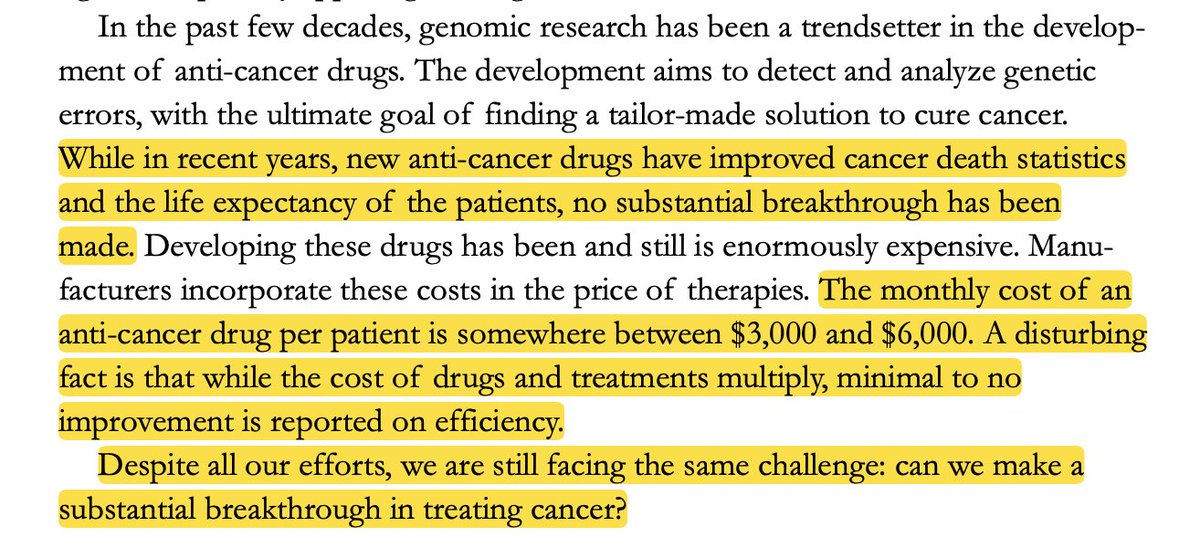
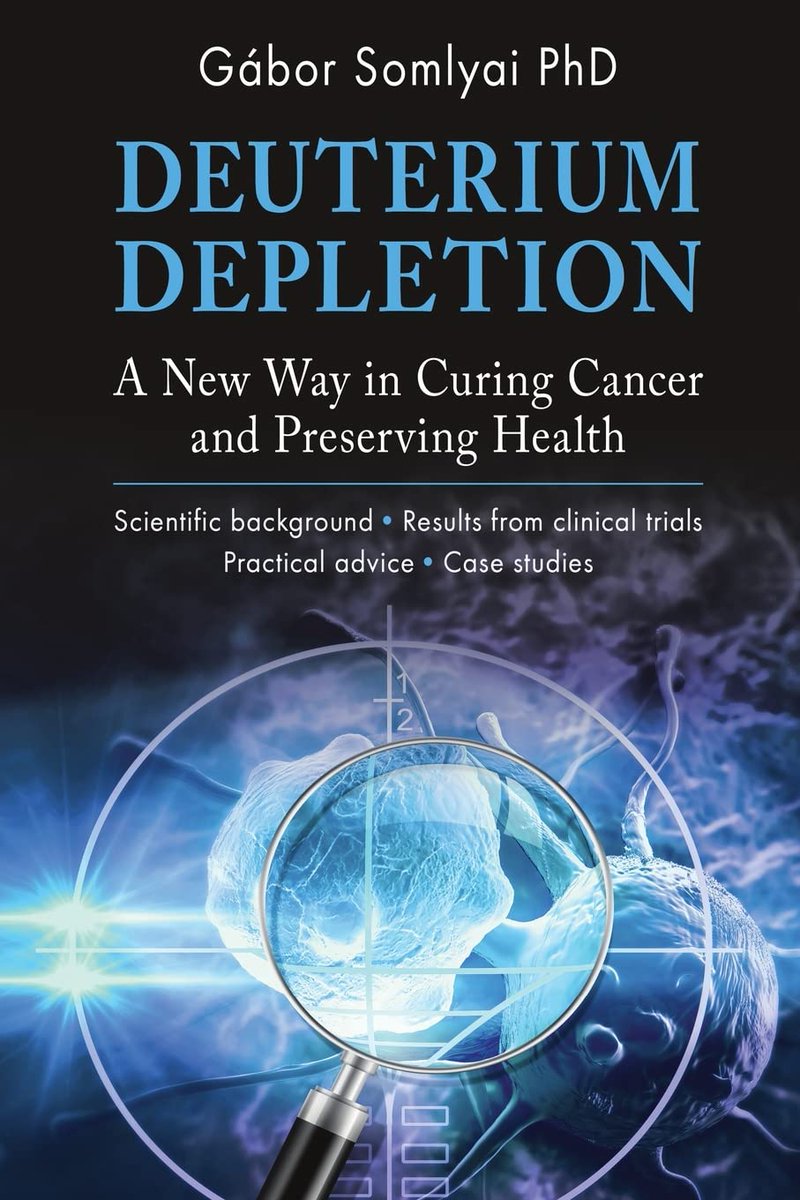
15/ Dr. Gábor Somlyai spent 32 years following 2,649 cancer patients on deuterium-depleted water protocols.
The outcomes data is here:
The outcomes data is here:
https://x.com/the_no_mind/status/2057473436218200214?s=
16/ Visceral fat is a deuterium storage depot.
Most people think of visceral fat as stored energy.
According to Boros, it is something else entirely.
Weight gain, obesity, and the accumulation of visceral fat are the physical consequences of a deuterium overload causing what he calls metabolic crowding.
The process begins with the nanomotors.
When high-deuterium foods enter the system, the bulky deuterium atoms enter the mitochondria and damage the spinning ATP synthase nanomotors.
Once these nanomotors become impaired, cells can no longer completely oxidize fuel into carbon dioxide and water.
The fuel cannot be cleanly burned.
It begins to accumulate.
Boros calls this metabolic crowding.
Fuel continues entering the system.
The oxidative machinery responsible for burning it slows down.
The body must store what it can no longer process.
As Boros puts it:
"When the system is overloaded with deuterium, it will find a storage form for itself."
That storage form is visceral fat.
The unoxidized, deuterium-loaded fatty acids are packed away as visceral and ectopic fat.
From this perspective, gaining body mass is not simply the result of excess calories.
It is the direct consequence of broken nanomotors failing to clear a growing carbon and deuterium burden.
If the burden continues, the storage depots eventually reach capacity.
Then the spillover begins.
Visceral fat accumulates first.
When those storage depots become insufficient, fat begins accumulating under the skin.
As the process continues, fat is deposited throughout other tissues and organs.
Inflammation follows.
Cells are signaling that they are damaged and struggling to survive.
According to Boros, these depots can even be visualized on MRI.
Because deuterium suppresses the normal proton signal, highly deuterated fat deposits appear darker than surrounding tissue on standard proton MRI scans.
Boros also argues that high-deuterium food is not the only trigger.
Excessive water consumption can contribute to the same process.
Chronically drinking beyond thirst suppresses antidiuretic hormone (ADH), disrupts metabolic regulation, and promotes the accumulation of visceral fat.
In this framework, visceral fat is not merely stored energy.
It is a chemical quarantine zone.
A place where the body stores heavy hydrogen and unburned carbon that damaged mitochondria can no longer process.
Most people think of visceral fat as stored energy.
According to Boros, it is something else entirely.
Weight gain, obesity, and the accumulation of visceral fat are the physical consequences of a deuterium overload causing what he calls metabolic crowding.
The process begins with the nanomotors.
When high-deuterium foods enter the system, the bulky deuterium atoms enter the mitochondria and damage the spinning ATP synthase nanomotors.
Once these nanomotors become impaired, cells can no longer completely oxidize fuel into carbon dioxide and water.
The fuel cannot be cleanly burned.
It begins to accumulate.
Boros calls this metabolic crowding.
Fuel continues entering the system.
The oxidative machinery responsible for burning it slows down.
The body must store what it can no longer process.
As Boros puts it:
"When the system is overloaded with deuterium, it will find a storage form for itself."
That storage form is visceral fat.
The unoxidized, deuterium-loaded fatty acids are packed away as visceral and ectopic fat.
From this perspective, gaining body mass is not simply the result of excess calories.
It is the direct consequence of broken nanomotors failing to clear a growing carbon and deuterium burden.
If the burden continues, the storage depots eventually reach capacity.
Then the spillover begins.
Visceral fat accumulates first.
When those storage depots become insufficient, fat begins accumulating under the skin.
As the process continues, fat is deposited throughout other tissues and organs.
Inflammation follows.
Cells are signaling that they are damaged and struggling to survive.
According to Boros, these depots can even be visualized on MRI.
Because deuterium suppresses the normal proton signal, highly deuterated fat deposits appear darker than surrounding tissue on standard proton MRI scans.
Boros also argues that high-deuterium food is not the only trigger.
Excessive water consumption can contribute to the same process.
Chronically drinking beyond thirst suppresses antidiuretic hormone (ADH), disrupts metabolic regulation, and promotes the accumulation of visceral fat.
In this framework, visceral fat is not merely stored energy.
It is a chemical quarantine zone.
A place where the body stores heavy hydrogen and unburned carbon that damaged mitochondria can no longer process.
17/ What Boros calls metabolic crowding, aligns well with what Martin Picard describes as excessive energy resistance.
https://x.com/the_no_mind/status/2045886894689452452?s=20
18/ You are probably drinking too much water.
Dr. Laszlo Boros strongly warns against drinking water habitually or in large quantities without the natural cue of thirst.
He considers environmental water the sneakiest source of deuterium because it enters the body without carbon, directly absorbing into your tissues and mixing with your cytoplasmic water.
This matters because the body is already designed to produce its own deuterium-depleted water.
Every day.
As mitochondria combine protons with oxygen, they create metabolic water inside the mitochondrial matrix.
According to Boros, this is the most important water in the body.
And the amount of metabolic water you produce depends heavily on the fuel you burn.
Fat oxidation produces approximately 1.1 grams of metabolic water per gram of substrate burned.
Carbohydrate oxidation produces approximately 0.6 grams.
Nearly half as much.
Fat produces substantially more metabolic water per unit of food consumed.
This is one reason Boros spends so much time discussing fat metabolism and follows a carnivore ketogenic diet himself.
Excessive water intake creates a different problem.
According to Boros, drinking too much water — especially without salt — lowers blood osmolarity, which causes the brain to swell.
The pituitary gland sits inside a tight bony compartment at the base of the skull called the sella turcica.
When the brain swells from excess water, it physically compresses the pituitary gland inside this rigid bone.
That can shut down its ability to release crucial hormones.
Because the pituitary regulates sex hormones, fertility hormones, and thyroid-stimulating hormones, overdrinking can disrupt the entire endocrine system and contribute to chronic conditions like infertility and autoimmune thyroid issues.
The most critical hormone affected is antidiuretic hormone (ADH).
ADH normally signals the kidneys to reabsorb and preserve the body's own deuterium-depleted metabolic water.
Without ADH, your body cannot hold onto its clean water.
Boros points out that if you drink a liter of water in 30 minutes, you will simply pee it right back out.
Because people constantly suppress ADH by forcing themselves to drink water, Boros notes that the average American has an ADH level of about 0.6, compared to a normal level of 1.0.
In his view, the general population has essentially given itself a water-wasting disease called diabetes insipidus.
The downstream consequence is not just water loss.
The suppression of these metabolic regulators contributes to the buildup of visceral and subcutaneous fat.
To show how dangerous overriding thirst can become, Boros gives an extreme example.
A mother in New Jersey took her kids on a mountain walk and drank approximately 1.5 liters of water in 15 minutes.
The rapid water influx caused severe brain swelling.
By the time she drove back to her garage, she fell into a coma and died.
Extreme case.
But the principle is clear.
More water is not always better.
Boros does not see a reason to drink water when you are not thirsty.
Thirst is the signal.
It tells you when to drink.
It also tells you when to stop.
His argument is not that people should restrict water.
His argument is that people should stop overriding the signals that evolved to regulate it.
This is an important distinction.
Boros is not saying: Don't drink water.
He is saying: Drink when thirsty. Drink enough. Then stop.
In his framework, thirst is a precise physiological signal.
Like sleepiness.
Like hunger.
Overriding that signal because of arbitrary hydration rules or bottled water marketing damages the systems designed to regulate your cellular water.
Dr. Laszlo Boros strongly warns against drinking water habitually or in large quantities without the natural cue of thirst.
He considers environmental water the sneakiest source of deuterium because it enters the body without carbon, directly absorbing into your tissues and mixing with your cytoplasmic water.
This matters because the body is already designed to produce its own deuterium-depleted water.
Every day.
As mitochondria combine protons with oxygen, they create metabolic water inside the mitochondrial matrix.
According to Boros, this is the most important water in the body.
And the amount of metabolic water you produce depends heavily on the fuel you burn.
Fat oxidation produces approximately 1.1 grams of metabolic water per gram of substrate burned.
Carbohydrate oxidation produces approximately 0.6 grams.
Nearly half as much.
Fat produces substantially more metabolic water per unit of food consumed.
This is one reason Boros spends so much time discussing fat metabolism and follows a carnivore ketogenic diet himself.
Excessive water intake creates a different problem.
According to Boros, drinking too much water — especially without salt — lowers blood osmolarity, which causes the brain to swell.
The pituitary gland sits inside a tight bony compartment at the base of the skull called the sella turcica.
When the brain swells from excess water, it physically compresses the pituitary gland inside this rigid bone.
That can shut down its ability to release crucial hormones.
Because the pituitary regulates sex hormones, fertility hormones, and thyroid-stimulating hormones, overdrinking can disrupt the entire endocrine system and contribute to chronic conditions like infertility and autoimmune thyroid issues.
The most critical hormone affected is antidiuretic hormone (ADH).
ADH normally signals the kidneys to reabsorb and preserve the body's own deuterium-depleted metabolic water.
Without ADH, your body cannot hold onto its clean water.
Boros points out that if you drink a liter of water in 30 minutes, you will simply pee it right back out.
Because people constantly suppress ADH by forcing themselves to drink water, Boros notes that the average American has an ADH level of about 0.6, compared to a normal level of 1.0.
In his view, the general population has essentially given itself a water-wasting disease called diabetes insipidus.
The downstream consequence is not just water loss.
The suppression of these metabolic regulators contributes to the buildup of visceral and subcutaneous fat.
To show how dangerous overriding thirst can become, Boros gives an extreme example.
A mother in New Jersey took her kids on a mountain walk and drank approximately 1.5 liters of water in 15 minutes.
The rapid water influx caused severe brain swelling.
By the time she drove back to her garage, she fell into a coma and died.
Extreme case.
But the principle is clear.
More water is not always better.
Boros does not see a reason to drink water when you are not thirsty.
Thirst is the signal.
It tells you when to drink.
It also tells you when to stop.
His argument is not that people should restrict water.
His argument is that people should stop overriding the signals that evolved to regulate it.
This is an important distinction.
Boros is not saying: Don't drink water.
He is saying: Drink when thirsty. Drink enough. Then stop.
In his framework, thirst is a precise physiological signal.
Like sleepiness.
Like hunger.
Overriding that signal because of arbitrary hydration rules or bottled water marketing damages the systems designed to regulate your cellular water.
19/ Boros takes zero supplements — and explains why collagen, NMN, and vitamin D are specifically risky.
Boros takes no supplements.
His reasoning comes down to deuterium.
The source and manufacturing process of a molecule determine its deuterium content.
According to Boros, industrial extraction, chemical processing, and artificial saturation often load molecules with deuterium.
When you consume an industrially synthesized supplement, you risk delivering concentrated deuterium directly to your mitochondria, which breaks your ATP synthase nanomotors.
Collagen: eating the animal's deuterium depot
Boros is particularly skeptical of collagen supplements.
Commercial collagen supplements are typically sourced from large herbivores like cows.
Because of their massive body weight, these large animals must pack their cartilages and structural proteins with high concentrations of deuterium to make their connective tissues strong and durable enough to support them.
The same principle discussed earlier in grey seals, which accumulate 300+ ppm deuterium in their bones.
Boros explicitly contrasts these two parts of the animal.
While the animal's fat is always safely deuterium-depleted because it is synthesized through the mitochondrial citrate shuttle, its collagen and structural proteins are a high-deuterium zone.
According to Boros, when you consume hydrolyzed collagen supplements, you are consuming a concentrated source of the very heavy hydrogen the animal was attempting to keep away from its moving parts.
NAD+ Precursors (NMN, NR)
Boros warns against synthetic NAD supplements.
Biologically, NAD+ acts as a proton carrier, shuttling hydrogen from the TCA cycle to the electron transport chain.
If you ingest industrially processed, high-deuterium NAD precursors, you are essentially loading your transport molecules with deuterium.
Instead of delivering clean hydrogen, NAD will deliver heavy deuterium directly to the electron transport chain, which can severely damage mitochondrial function.
Vitamin D
Boros also questions the use of vitamin D supplements.
According to his model, vitamin D must undergo specific conformational changes after exposure to sunlight.
Those changes depend on molecular resonance.
The specific resonance required to interact with UV light is compromised if the molecule is loaded with heavy hydrogen.
Capsaicin: the industrial contamination example
To prove how industrial processing ruins natural compounds, Boros cites a French study that measured capsaicin, the active compound in chili peppers.
Natural, home-grown paprika contained a safe deuterium level of 95 to 110 ppm.
However, chemical-grade capsaicin purchased from a major supplier measured at 125 to 160 ppm — a massive and dangerous increase in deuterium simply due to the industrial extraction process.
For Boros, that observation raises a broader question.
If industrial processing can alter the deuterium content of capsaicin, why would we assume it does not alter the deuterium content of countless other supplements?
His conclusion is simple:
"The animals I eat consumed 200–300 plant types on Hungarian grassland and processed every nutrient I need into bioavailable, fat-soluble form. I don't need to supplement what a grass-fed animal has already done for me."
Boros takes no supplements.
His reasoning comes down to deuterium.
The source and manufacturing process of a molecule determine its deuterium content.
According to Boros, industrial extraction, chemical processing, and artificial saturation often load molecules with deuterium.
When you consume an industrially synthesized supplement, you risk delivering concentrated deuterium directly to your mitochondria, which breaks your ATP synthase nanomotors.
Collagen: eating the animal's deuterium depot
Boros is particularly skeptical of collagen supplements.
Commercial collagen supplements are typically sourced from large herbivores like cows.
Because of their massive body weight, these large animals must pack their cartilages and structural proteins with high concentrations of deuterium to make their connective tissues strong and durable enough to support them.
The same principle discussed earlier in grey seals, which accumulate 300+ ppm deuterium in their bones.
Boros explicitly contrasts these two parts of the animal.
While the animal's fat is always safely deuterium-depleted because it is synthesized through the mitochondrial citrate shuttle, its collagen and structural proteins are a high-deuterium zone.
According to Boros, when you consume hydrolyzed collagen supplements, you are consuming a concentrated source of the very heavy hydrogen the animal was attempting to keep away from its moving parts.
NAD+ Precursors (NMN, NR)
Boros warns against synthetic NAD supplements.
Biologically, NAD+ acts as a proton carrier, shuttling hydrogen from the TCA cycle to the electron transport chain.
If you ingest industrially processed, high-deuterium NAD precursors, you are essentially loading your transport molecules with deuterium.
Instead of delivering clean hydrogen, NAD will deliver heavy deuterium directly to the electron transport chain, which can severely damage mitochondrial function.
Vitamin D
Boros also questions the use of vitamin D supplements.
According to his model, vitamin D must undergo specific conformational changes after exposure to sunlight.
Those changes depend on molecular resonance.
The specific resonance required to interact with UV light is compromised if the molecule is loaded with heavy hydrogen.
Capsaicin: the industrial contamination example
To prove how industrial processing ruins natural compounds, Boros cites a French study that measured capsaicin, the active compound in chili peppers.
Natural, home-grown paprika contained a safe deuterium level of 95 to 110 ppm.
However, chemical-grade capsaicin purchased from a major supplier measured at 125 to 160 ppm — a massive and dangerous increase in deuterium simply due to the industrial extraction process.
For Boros, that observation raises a broader question.
If industrial processing can alter the deuterium content of capsaicin, why would we assume it does not alter the deuterium content of countless other supplements?
His conclusion is simple:
"The animals I eat consumed 200–300 plant types on Hungarian grassland and processed every nutrient I need into bioavailable, fat-soluble form. I don't need to supplement what a grass-fed animal has already done for me."
20/ At 62, Boros's heart function tests like a 25-year-old's — on 31 push-ups per day, one meal per day, zero supplements, and zero medications.
Boros recently ran a cardiac function assessment that measures pressure change during each heartbeat via capillary dilation.
Over 2 minutes, approximately 140 contractions are measured.
The slope of each contraction reflects how efficiently ATP synthase nanomotors regenerate ATP between beats — both during contraction AND during relaxation.
Heart muscle requires nanomotor function for both.
Skeletal muscle only needs ATP during contraction.
The heart never stops. Any metabolic insufficiency shows up there first.
He placed in the under-25 age group.
What drove him here:
In 2006, his identical twin brother died of esophageal cancer at 44. Standard chemotherapy failed to save him.
Because they were identical twins, Boros immediately underwent gastroscopy and colonoscopy.
He was diagnosed with advanced esophageal hyperplasia and Barrett's esophagus — a serious precancerous condition.
His medical team wanted to send him to an oncologist immediately.
He refused.
His reasoning: standard oncology was exactly what failed his brother.
At the time he weighed 102 kg and was constantly sick.
He overhauled his diet entirely, switching to a grass-fed animal fat-based carnivore diet to begin actively depleting his deuterium levels.
Over time he dropped 30 kilograms — returning to his exact high school body weight.
In 2011, a routine medical workup discovered a tumor in his right chest. He was instructed to see an oncologist a second time.
He refused again.
He intensified his deuterium depletion protocol and incorporated deuterium-depleted water.
He did not pursue standard oncological care.
He attributes his current health entirely to this metabolic intervention.
This is not medical advice.
This is one scientist's personal decision based on his own research.
He documents it publicly as a case study, not a prescription.
His current protocol:
- Exercise: 31 push-ups every morning outdoors, barefoot, regardless of temperature. 8–10 km daily dog walk. Lives on 7th floor, no elevator.
- Eating: one meal per day at dinner. Grass-fed meat, fat, organs (liver, kidney, heart, lung). Egg yolk. Occasionally small amounts of homegrown vegetables and greens — tomatoes, peppers — grown in his own backyard, eaten when his body signals for them.
He will eat fruit only if it is local, in season, and naturally fallen — mimicking how a wild animal would encounter it. He grows his own produce specifically because he knows the source.
- Supplements: none.
- Water: deuterium-depleted at 105 ppm — only when genuinely thirsty.
- Coffee: one cup in the morning.
- Alcohol: stopped 2008. Smoking: stopped 2011.
- Sunlight and grounding: daily outdoor exposure, barefoot when possible.
He eats raw meat when the source is trustworthy.
He can assess water deuterium content by taste and viscosity — a sensory capacity he believes modern humans have suppressed but not lost.
His breath deuterium: approximately 130–137 ppm.
Boros recently ran a cardiac function assessment that measures pressure change during each heartbeat via capillary dilation.
Over 2 minutes, approximately 140 contractions are measured.
The slope of each contraction reflects how efficiently ATP synthase nanomotors regenerate ATP between beats — both during contraction AND during relaxation.
Heart muscle requires nanomotor function for both.
Skeletal muscle only needs ATP during contraction.
The heart never stops. Any metabolic insufficiency shows up there first.
He placed in the under-25 age group.
What drove him here:
In 2006, his identical twin brother died of esophageal cancer at 44. Standard chemotherapy failed to save him.
Because they were identical twins, Boros immediately underwent gastroscopy and colonoscopy.
He was diagnosed with advanced esophageal hyperplasia and Barrett's esophagus — a serious precancerous condition.
His medical team wanted to send him to an oncologist immediately.
He refused.
His reasoning: standard oncology was exactly what failed his brother.
At the time he weighed 102 kg and was constantly sick.
He overhauled his diet entirely, switching to a grass-fed animal fat-based carnivore diet to begin actively depleting his deuterium levels.
Over time he dropped 30 kilograms — returning to his exact high school body weight.
In 2011, a routine medical workup discovered a tumor in his right chest. He was instructed to see an oncologist a second time.
He refused again.
He intensified his deuterium depletion protocol and incorporated deuterium-depleted water.
He did not pursue standard oncological care.
He attributes his current health entirely to this metabolic intervention.
This is not medical advice.
This is one scientist's personal decision based on his own research.
He documents it publicly as a case study, not a prescription.
His current protocol:
- Exercise: 31 push-ups every morning outdoors, barefoot, regardless of temperature. 8–10 km daily dog walk. Lives on 7th floor, no elevator.
- Eating: one meal per day at dinner. Grass-fed meat, fat, organs (liver, kidney, heart, lung). Egg yolk. Occasionally small amounts of homegrown vegetables and greens — tomatoes, peppers — grown in his own backyard, eaten when his body signals for them.
He will eat fruit only if it is local, in season, and naturally fallen — mimicking how a wild animal would encounter it. He grows his own produce specifically because he knows the source.
- Supplements: none.
- Water: deuterium-depleted at 105 ppm — only when genuinely thirsty.
- Coffee: one cup in the morning.
- Alcohol: stopped 2008. Smoking: stopped 2011.
- Sunlight and grounding: daily outdoor exposure, barefoot when possible.
He eats raw meat when the source is trustworthy.
He can assess water deuterium content by taste and viscosity — a sensory capacity he believes modern humans have suppressed but not lost.
His breath deuterium: approximately 130–137 ppm.
21/ Bottom line:
Boros: Any chronic disease — mental or physical or related to any organ — those are always tissue-specific presentations of a deuterium overload.
Whether it manifests as Alzheimer's in the brain, fatty liver, diabetes, or cancer — the root cause is the same:
Broken ATP synthase nanomotors causing metabolic crowding.
Different tissue.
Same molecular event.
The one number to track: breath deuterium.
Breath vapor reflects the deuterium-depleted metabolic water your mitochondria produce internally.
Saliva and urine reflect what your body is actively excreting.
The gap between them is the diagnostic window.
A healthy metabolism:
Breath deuterium significantly lower than saliva and urine
Your mitochondria are producing clean water internally and dumping heavy hydrogen into waste.
Boros's personal baseline: breath 134-136 ppm.
Saliva and urine simultaneously at 146 ppm.
A 9 ppm gap — the body is fractionating efficiently.
A failing metabolism: breath deuterium approaches saliva and urine levels.
The gap closes.
The body has lost the ability to fractionate and excrete deuterium.
It is pooling in tissues.
The clinical thresholds:
- Below 140 ppm breath: safe range. Normal mitochondrial function. Athletic performance intact.
- Below 135 ppm breath: Boros's target for anyone facing a medical problem.
His exact words: "If you're still facing medical problems, first your deuterium level has to be brought down below 135 ppm. If we've done that and you still come back — it's very likely you are not going to see me ever again."
The missing label.
Boros: "Deuterium content has to be shown just like kilocalories and sugar content. I really just want to see the deuterium content. I don't care what else is in there."
Deuterium should be on food labels.
It is not.
It's not on your food label.
It's not on your water bottle.
It's not in your blood panel.
Yet It determines whether your mitochondria are winning or losing.
Boros: Any chronic disease — mental or physical or related to any organ — those are always tissue-specific presentations of a deuterium overload.
Whether it manifests as Alzheimer's in the brain, fatty liver, diabetes, or cancer — the root cause is the same:
Broken ATP synthase nanomotors causing metabolic crowding.
Different tissue.
Same molecular event.
The one number to track: breath deuterium.
Breath vapor reflects the deuterium-depleted metabolic water your mitochondria produce internally.
Saliva and urine reflect what your body is actively excreting.
The gap between them is the diagnostic window.
A healthy metabolism:
Breath deuterium significantly lower than saliva and urine
Your mitochondria are producing clean water internally and dumping heavy hydrogen into waste.
Boros's personal baseline: breath 134-136 ppm.
Saliva and urine simultaneously at 146 ppm.
A 9 ppm gap — the body is fractionating efficiently.
A failing metabolism: breath deuterium approaches saliva and urine levels.
The gap closes.
The body has lost the ability to fractionate and excrete deuterium.
It is pooling in tissues.
The clinical thresholds:
- Below 140 ppm breath: safe range. Normal mitochondrial function. Athletic performance intact.
- Below 135 ppm breath: Boros's target for anyone facing a medical problem.
His exact words: "If you're still facing medical problems, first your deuterium level has to be brought down below 135 ppm. If we've done that and you still come back — it's very likely you are not going to see me ever again."
The missing label.
Boros: "Deuterium content has to be shown just like kilocalories and sugar content. I really just want to see the deuterium content. I don't care what else is in there."
Deuterium should be on food labels.
It is not.
It's not on your food label.
It's not on your water bottle.
It's not in your blood panel.
Yet It determines whether your mitochondria are winning or losing.
Thanks for reading!
If you found this valuable, repost the first tweet so more people can access this information.
Follow @the_no_mind for health & energy insights you won’t find anywhere else.
If you found this valuable, repost the first tweet so more people can access this information.
Follow @the_no_mind for health & energy insights you won’t find anywhere else.
P.S. Want the complete biological framework behind mitochondrial energy & how to apply it daily?
I built a free 5-day email course.
Day 4 covers why seasonal eating matters for deuterium levels & the latitude based eating protocol.
Get it here ↓
energy.no-mind.io
I built a free 5-day email course.
Day 4 covers why seasonal eating matters for deuterium levels & the latitude based eating protocol.
Get it here ↓
energy.no-mind.io
• • •
Missing some Tweet in this thread? You can try to
force a refresh