Ok, so it looks very likely that we are going to be a very consequential housing bill out of Congress and to the President for his signature. Here’s a cheat sheet of some of the most important parts of the bill (just going through the text in order). 1/10
Section 102- Point access blocks. Directs HUD to create a model code for single-stair buildings. This will be very helpful in creating more family-oriented apartments. (see this article of mine from last year on that). 2/10
Section 103- Environmental exception for infill housing. It’s ridiculous that building new housing on already developed land can sometimes trigger special environmental reviews. This fixes that. Sections 206, 501, and 802 make similar additive moves here. 3/10
Section 106- Temperature Sensor Pilot program. It creates a pilot program to study having temp sensors in federally funded housing. The idea being that if taxpayers are funding you, we get to make sure to aren’t roasting tenants in summer or freezing them in winter. 4/10
Section 107 has good provisions on model zoning reform. Similarly, Section 209 has some cool grant stuff around pattern books. Section 210 has pilot funds for turning empty spaces (old warehouses, dead malls, etc.) in housing. 5/10
Section 201- Opportunity Zones. Makes it easier to build housing in places that the government has already put effort into attracting investment and jobs. Section 211 updates FHA loan limits for multifamily housing. 6/10
Section 202 funds deep repairs for low-income homeowners and small-scale landlords. 213 does some great carrot-and-stick work around to tie the CDBG to housing supply growth. Section 504 also does good stuff with CDBG around disaster relief. 7/10
Section 301 repeals the chassis rule. This is going to be big for manufactured housing and is a personal favorite of mine. Section 302 fixes some financing issues around modular housing- that will help too. 8/10
Section 1001- this is the much modified provision around institutional investors. Thankfully, it’s much, much better than what was being proposed a few months ago. Build-to-rent is safe with this. 9/10
This is the most consequential federal housing legislation in decades. It’s got reforms to single-stair buildings, NEPA, chassis rule repeal, USDA rural housing, FHA loan limits, CDBG, and all kinds of other stuff.
In other words.....LFG! Time to build some housing. 10/10
• • •
Missing some Tweet in this thread? You can try to
force a refresh

This seems like a reasonable request, and I am one of the people who has made the case for Democrats moderating on culture. So let me lay out what I mean by that. Others can judge if they find this “mortifying” or common sense. 1/
Democrats’ childcare policies should also be aimed at stay-at-home parents and home-based care, not just center-based daycare. I’ve previously referred to this as ‘all-of-the-above’ childcare policy. Leaning into pro-family rhetoric would also be helpful. 2/
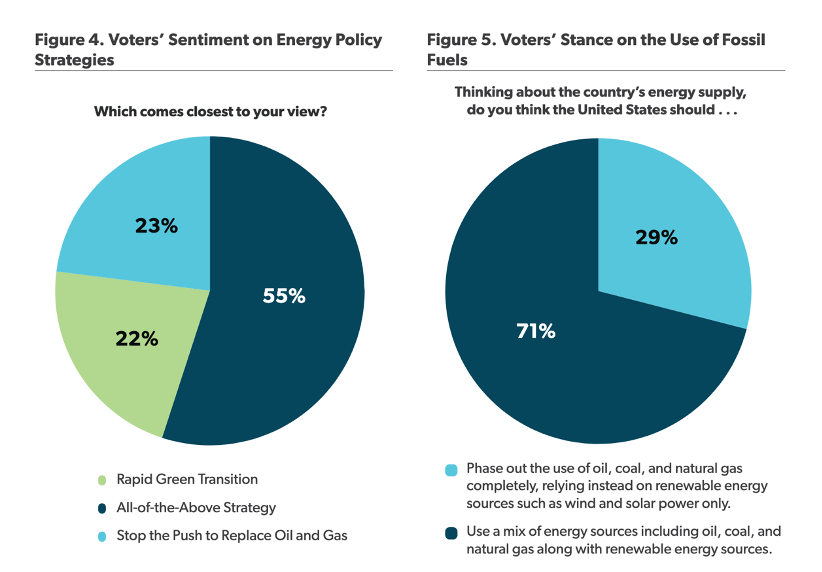
Speaking of ‘all-of-the-above.’ Democrats should pursue an all-of-the-above energy policy. Yes, green energy is awesome! But oil and gas is great too. 3/
I want to take Cassie's challenge here seriously because there's a lot of truth to it. So here are 10 moral principles of modern liberalism, at least as I see it.
1. The world is positive sum. You do not need to get poorer for me to get richer or vice versa.
2. There are a wide variety of valid, legitimate interests and understandings of “the good life.” We all need to try to be pretty pluralistic and tolerant toward one another.
3. For the most part, progress is real. Material prosperity keeps going up and the human condition keeps improving. Yes, this is a moral point because it morally points toward leaning into incremental reform over revolution or revanchism.
Austin had an interesting question here about what Abundance can do for rural areas and small towns. As someone who writes from an Abundance framework and cares a lot about these kinds of places, I’d like to answer his question. 1/9
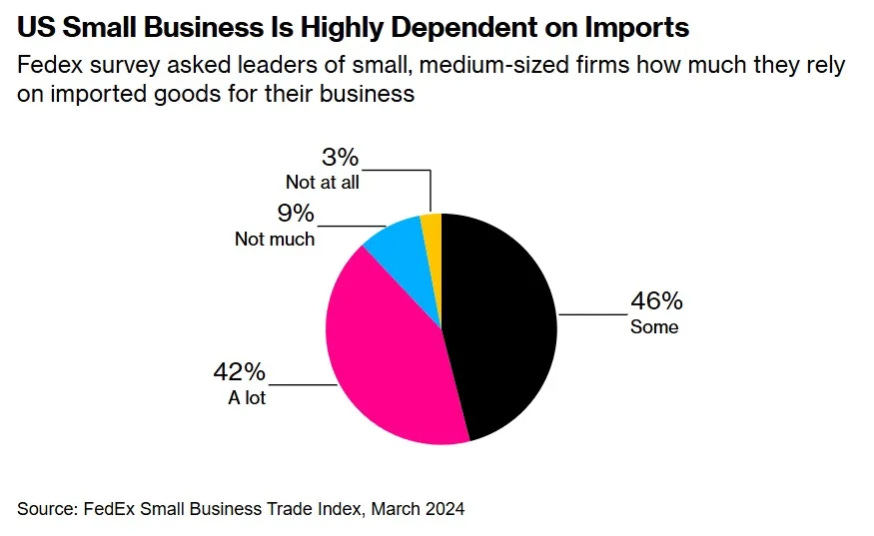
First, for this would-be small business owner, an Abundance orientation would help him or her out by cutting Trump’s tariffs, which are causing huge problems for small businesses. We’d also help him find workers via more liberalized immigration policies. 2/9
Democrats can also help these kinds of places by leaning into an all-of-the-above energy strategy and celebrating resource extraction jobs. This is something I’ve written about on several occasions. 3/9
Earlier today, the House of Representatives passed the Housing for the 21st Century Act out of committee by a 50-1 vote.
It's the House companion to the Senate's Road to Housing Act. There are some great housing policy reforms in here. 1/4
It directs HUD to create new federal guidelines for point-access, i.e. single stair, in order facility the construction of more family style apartments. This was introduced by @RepRitchie. cc: @UrbanCourtyard @jasonc_nc 2/4
It repeals the chassis rule- a real passion of mine!
It expands categorical exclusions under NEPA for housing construction.
It has competitive grants for localities to adopt pre-reviewed housing designs (i.e. pattern books).
And more. 3/4
I got a good bit of pushback on this so I’d like to respond to some of that pushback. I still think the narrative that things were once great for the working class but that greatness was somehow stolen is wrong and unhelpful. 1/
First, I never said that “no one had a nice life then.” On a good salary you clearly could. But people have this habit of thinking their family was often much more working class then it was. Take for instance this person. 2/
Their dad made $21k in 1968. That was really good money then- equivalent to just under $200k today. Of course the family did well! That’s a good income. No one, including me, ever said no one had it nice then. But that’s not the same thing as “working class.” 3/
Vermont is actually an interesting case of flood politics that not a lot of people know about. It pits rural romanticism against the realities of climate change and pragmatism about risk and public finances. Short thread. 1/10
When most people think of floods, they do not think of a place like Vermont. It’s inland and mountainous. But historically, Vermont developed as these little villages along rivers that created opportunities for mills. (Middlebury is a good example of this) 2/10
And then later, you got this Boomer back-to-the-land thing that specifically wanted to prevent building out into the countryside. They had this bizarre hippie-ish idea that their parents’ generation that built suburban neighborhoods had in some sense messed up. 3/10