Half way between Pune and the Ajanta caves lies one of the most neglected centres of Marathi culture.
The Ahmadnagar Sultanate was founded in 1490 by Malik Ahmad Nizam Shah, a Brahmin-convert general of the Bahmani dynasty.
Unlike the other Deccan sultanates, Ahmadnagar embraced Marathi cultural and administrative traditions, integrating local Maratha chieftains into governance and military structures.
Indeed its rulers patronized Marathi language and literature alongside Persian, fostering a unique syncretic identity that influenced later Maratha statecraft.
This fusion of Persianate and indigenous Marathi traditions laid the groundwork for the emergence of the Maratha Empire under Chattrapati Shivaji in the 17th century.
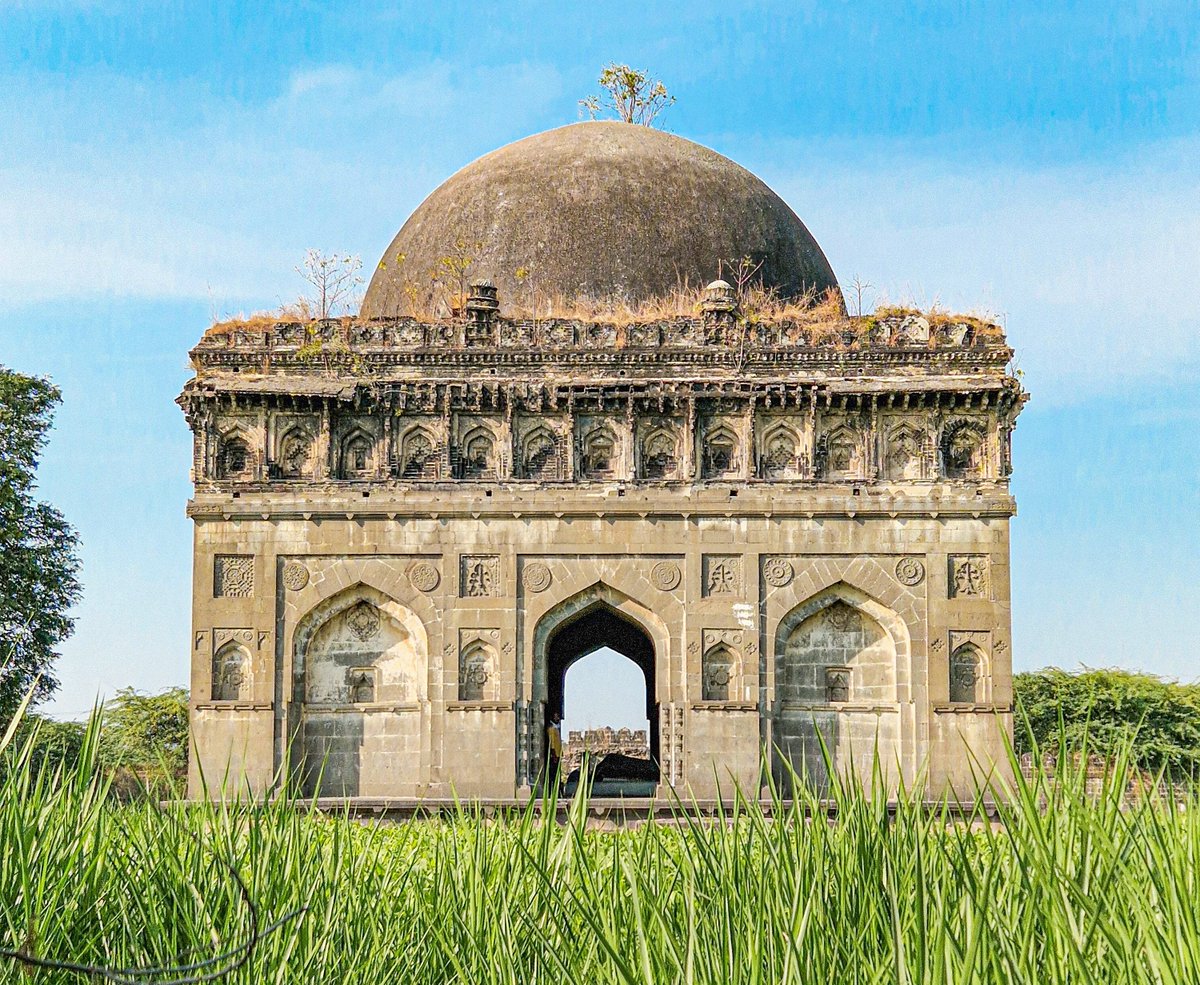
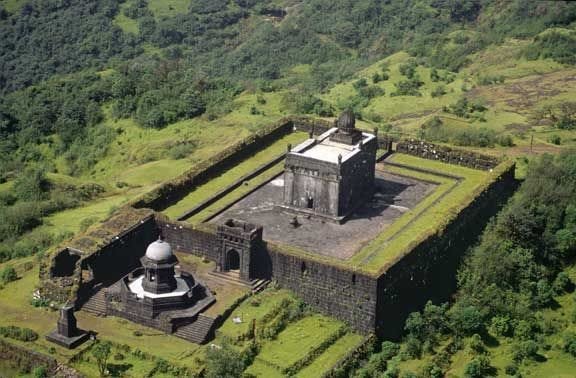
Indeed Maloji Bhonsle - Shivaji's grandfather - was one of the Ahmadnagar Sultanate's leading generals. His samadhi can be found in Ellora near a municipal rubbish dump.
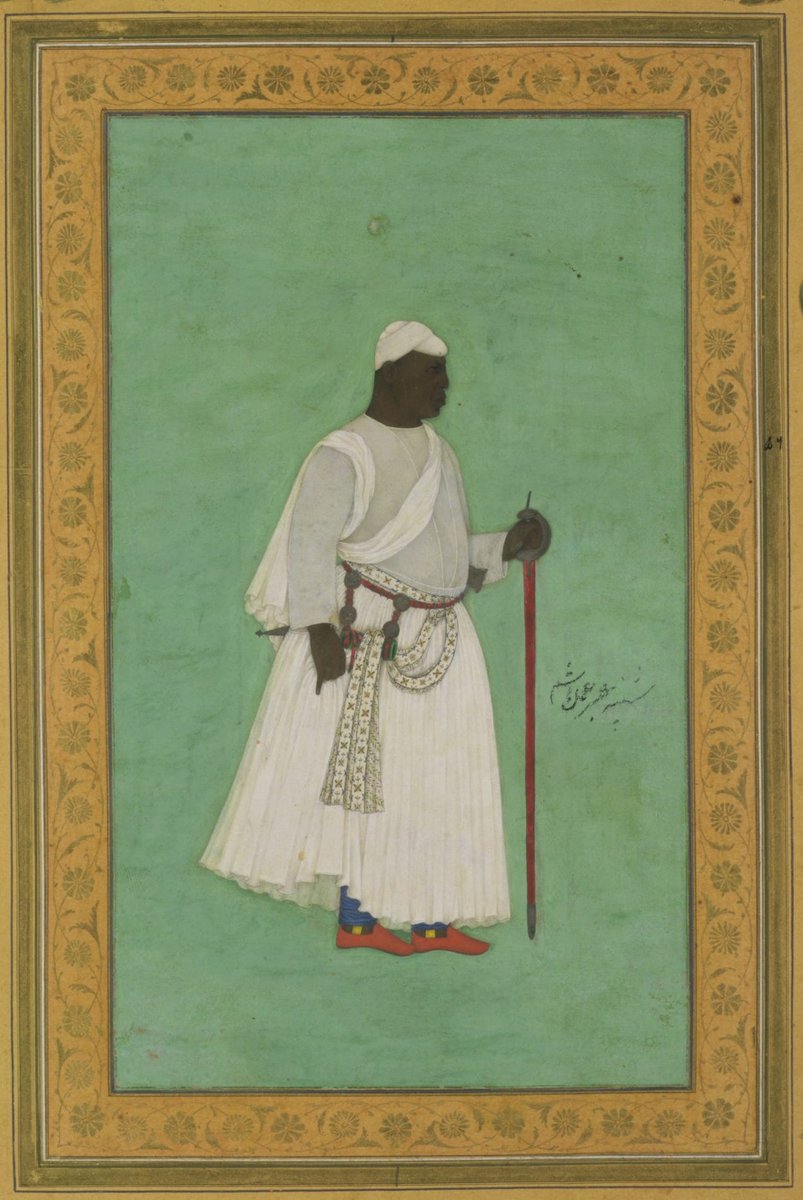
Twenty minutes walk away, above Ellora's Kailashanatha temple, is the Ahmadnagar Necropolis. The biggest tomb belongs to Maloji Bhonsle's close companion, the Ethiopian-origin general Malik Ambar
Together, Malik Ambar and Maloji Bhonsle attempted to preserve Ahmadnagar's independence from the ever growing Mughal Empire. It was Maloji's grandson Shivaji, however, who would finally break apart the Mughal Empire.
In the 18th century Talpur Mirs fortified the fishing settlement of Kolachi into a major port, and over the next two centuries, it transformed into one of the great ports in Asia.
One of the earliest was the Parsi community, and the H. J. Behrana Parsi Dar-e-Meher, a Zoroastrian fire temple consecrated in 1849, still stands in the heart of Saddar.
The Parsi community subsequently built much of modern Karachi, and also gave the city its first elected mayor, Jamshed Nusserwanjee.
In the 1730s, the Mughal Empire was still the richest place in Asia.
Caravans of pilgrims, merchants and aristocrats trekked across the deserts of Rajasthan or the scrub of the Doab for just a glimpse of its glittering capital of Delhi.
It had been in decline for decades and was racked by instability, but in recent years a new Emperor called Muhammad Shah ‘Rangeela’ (the colourful) had stabilised the realm.
Scholars are now reassessing Rangeela's rule as one of the great periods of Indian painting. It was Rangeela’s court that first elevated the sitar and tabla to an imperial genre of music, and the courtesans who played them grew more powerful than ever.
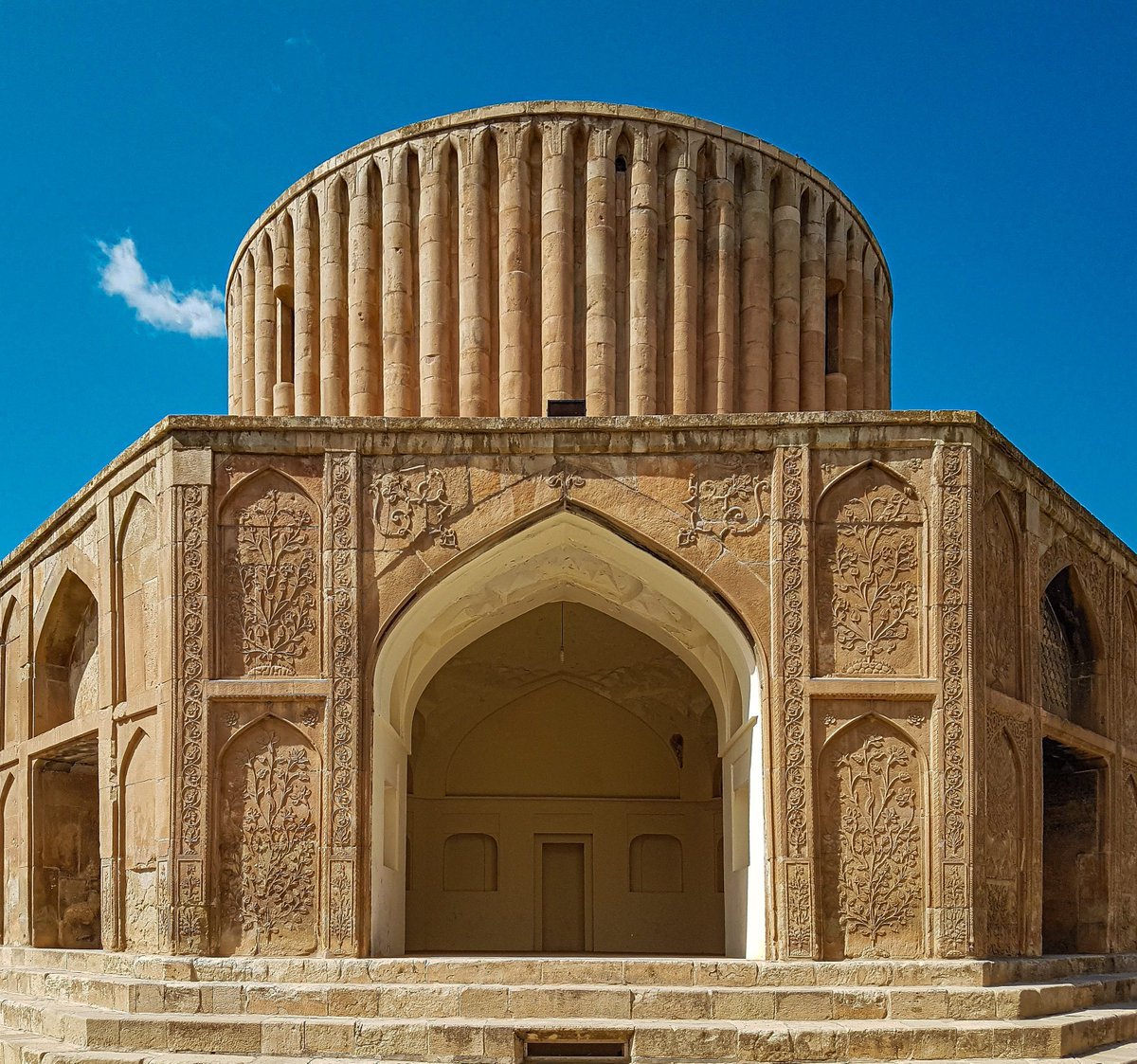
In the small town of Kelat-i-Naderi, two hours north of the Iranian pilgrimage town Mashhad, lies a sandstone Mughal tomb that feels straight out of Delhi.
However, this tomb was not built for a Mughal, but for the man who destroyed the Mughal Empire: Nader Shah.
Born in 1698 to a family of coat-makers, Nader Shah's life is one of the most remarkable rags-to-riches stories in history
After toppling the reigning Safavid dynasty, he amassed an empire stretching from Russia to the Gulf and from the Euphrates to the Indus.
In the central Mexican city of Puebla, a short drive from the largest pyramid ever built, stands the world’s most unexpected Mughal tomb.
It’s hidden inside the 18th century Templo Explatorio del Espiritu Santo, a baroque masterpiece just off the city's main square with the most incredible sacristy.
The art fuses Baroque European and local Nahua (Aztec) motifs, with doors that wouldnt be out of place in the Alhambra. You know you're in the right place when you spot a giant fresco of Francis Xavier bringing Catholicism to India.
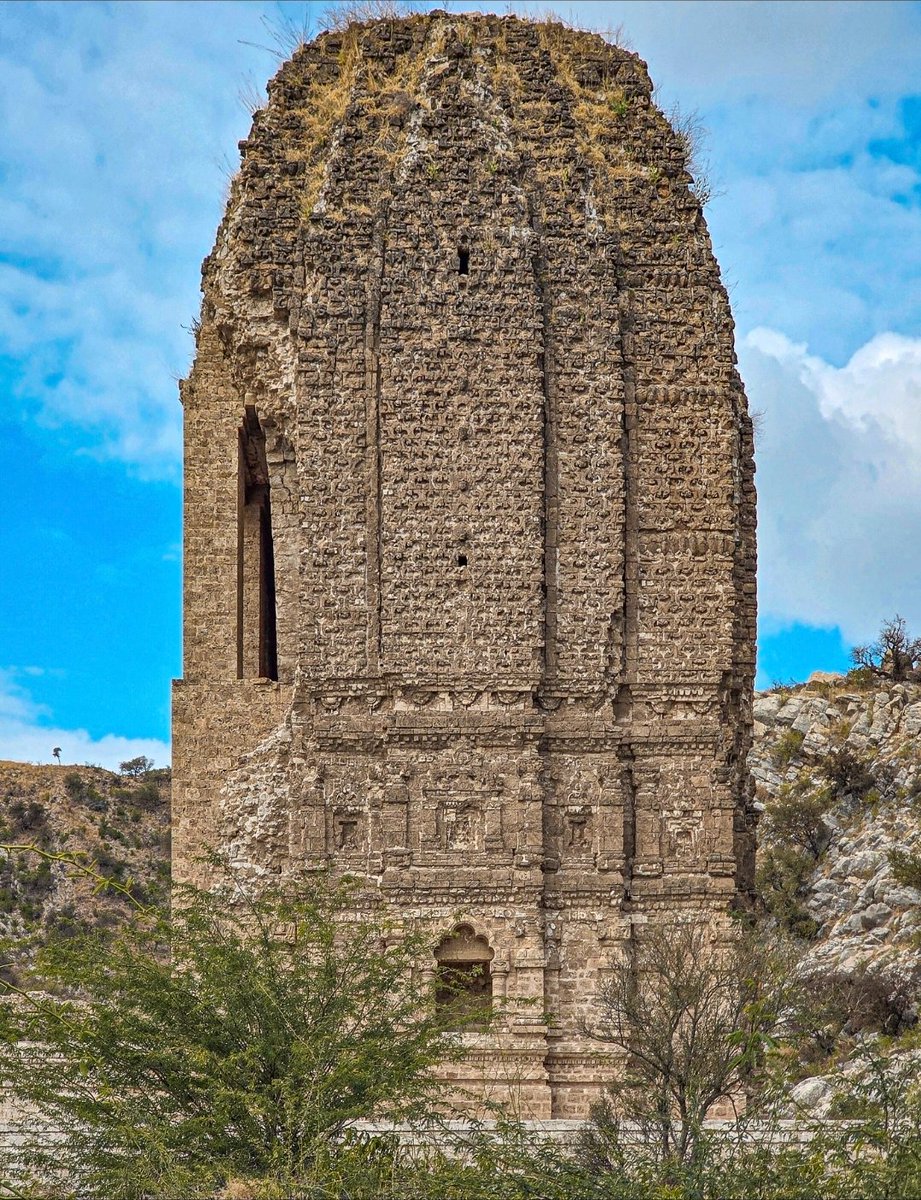
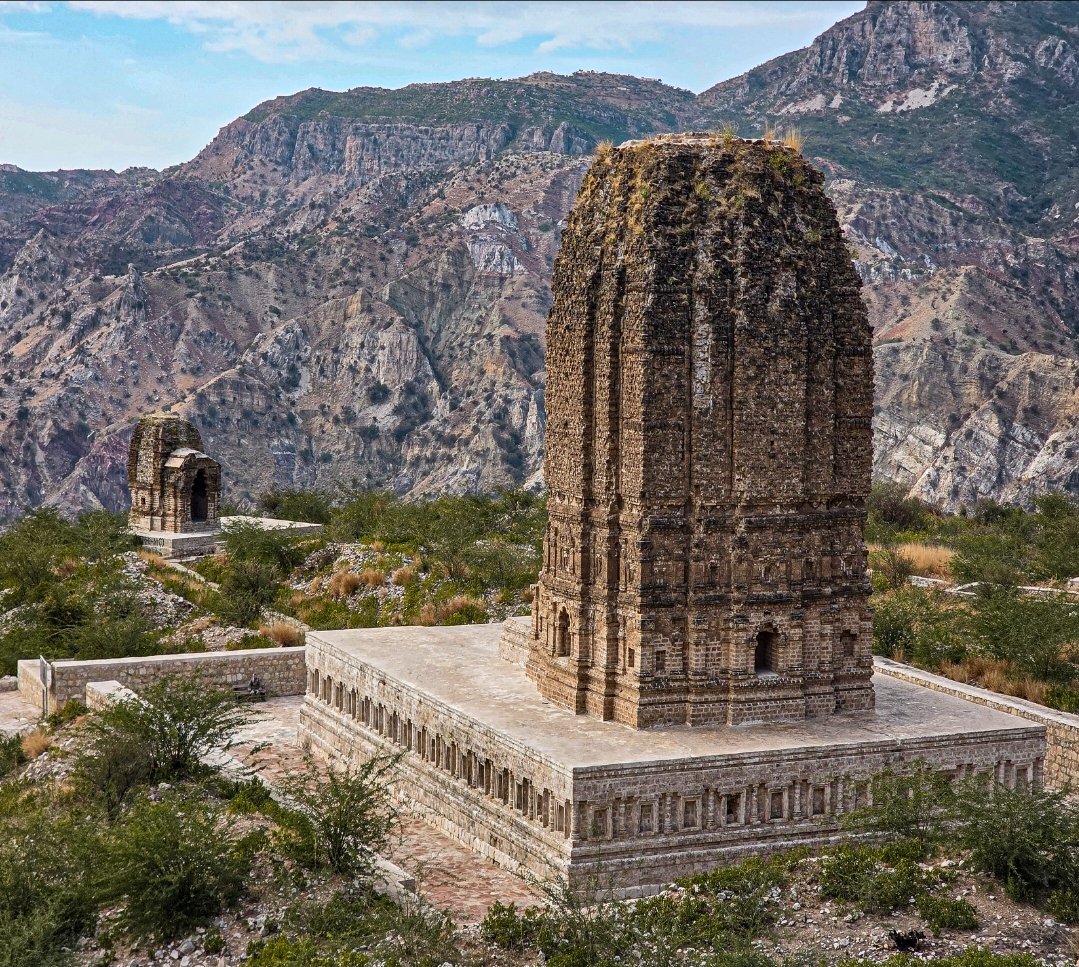
To finish off my Temples of Pakistan series, Ive decided to post the first temple we actually visited. Amb Shariff is one of the earliest Hindu Shahi temples in Pakistan and can be found in the ruins of a Kushan-era fortress.
The Amb Shariff temples were far larger than any of us imagined. The main one stood on a vast Gandharan style platform, and had three floors that we could climb up. Until recently they were in pretty bad shape, but a fantastic restoration was recently completed.
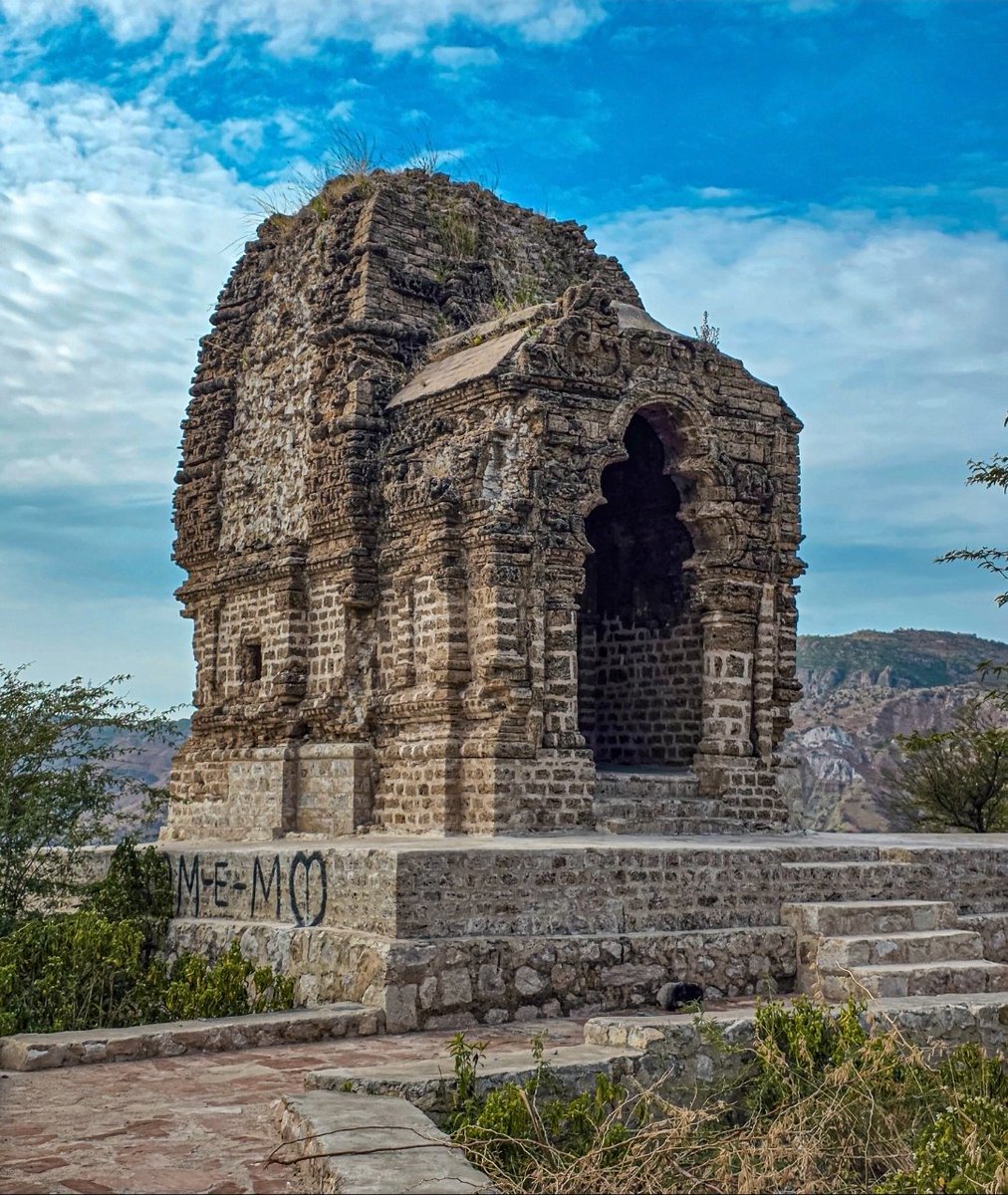
A second, smaller temple, stood off to one side. Built from kanjur, a porous type of sedimentary stone, the temples are built in the North Indian nagara style but betray Kashmiri influences like the trefoil arch.