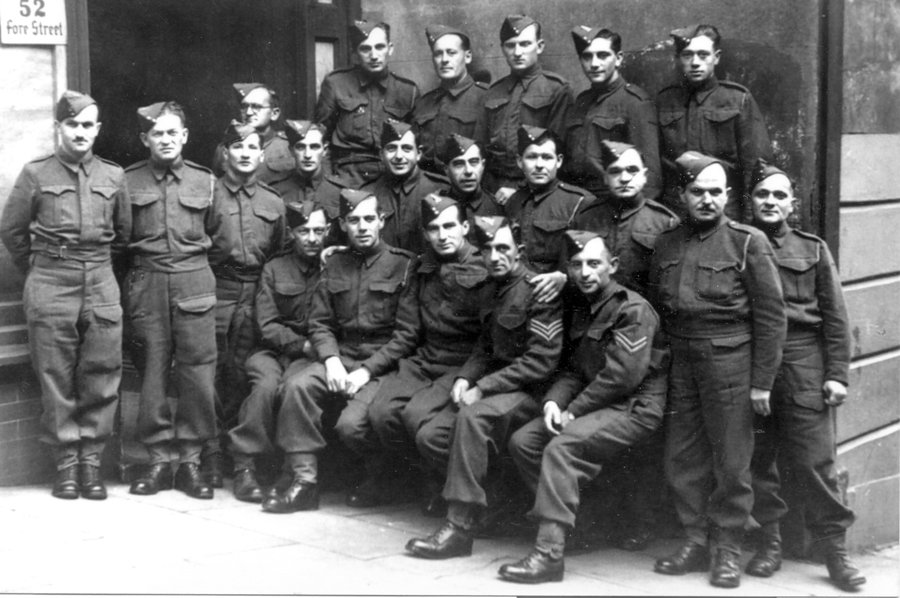
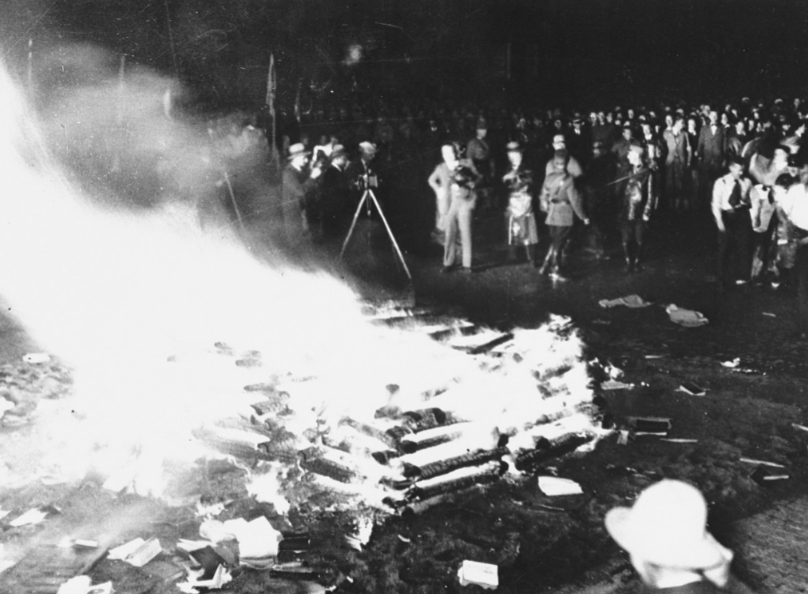
During Kristallnacht in November 1938, a 15 year old Jewish boy and his father walked the streets of Munich to avoid the Gestapo.
One small item from World War One may have saved their lives:
(🧵)
One small item from World War One may have saved their lives:
(🧵)
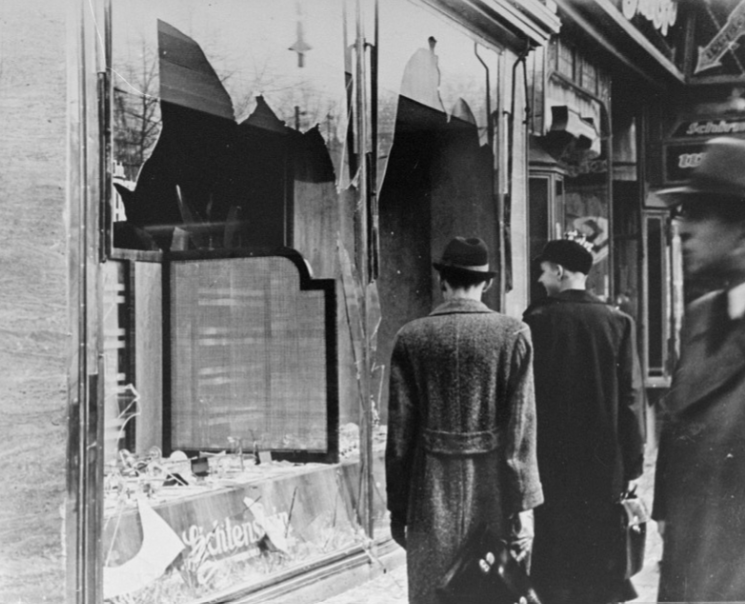
During the day of 9 November and night of 10 November, the Nazis unleashed Kristallnacht, which translates as ‘the Night of Broken Glass’.
In towns, villages and cities, Stormtroopers and Brownshirts smashed the windows of Jewish businesses, looted Jewish shops, torched their buildings and set fire to synagogues.
More than 1,400 synagogues were destroyed that night in Germany and annexed territories, many left as burnt-out shells of their former glory.
(continued)
In towns, villages and cities, Stormtroopers and Brownshirts smashed the windows of Jewish businesses, looted Jewish shops, torched their buildings and set fire to synagogues.
More than 1,400 synagogues were destroyed that night in Germany and annexed territories, many left as burnt-out shells of their former glory.
(continued)
The main synagogue in Munich’s Herzog-Max-Strasse, where Howard Triest had celebrated his bar mitzvah (coming of age) at the age of 13, had already been razed to the ground by the Nazi authorities in June that year to make space for a car park.
Other Munich synagogues were destroyed on Kristallnacht, including Ohel Jacob, the Orthodox synagogue on Herzog-Rudolf-Strasse. (The synagogue near Berthold’s factory remained untouched and still functions today).
For the Jewish inhabitants living close to or within the districts where the violence was carried out, it was a night of absolute terror and heralded a prolonged fear for their lives. These events intensified the urgency and panic amongst Jews trying to leave the country.
(continued)
Other Munich synagogues were destroyed on Kristallnacht, including Ohel Jacob, the Orthodox synagogue on Herzog-Rudolf-Strasse. (The synagogue near Berthold’s factory remained untouched and still functions today).
For the Jewish inhabitants living close to or within the districts where the violence was carried out, it was a night of absolute terror and heralded a prolonged fear for their lives. These events intensified the urgency and panic amongst Jews trying to leave the country.
(continued)
Many remained behind closed doors, terrified that the Gestapo would come and arrest the male members of the household. In fact, thousands were rounded up and sent to concentration camps. Nearly a hundred Jews were killed, with around 26,000 arrested and deported to the camps. That night was an ominous sign of worse to come for Europe’s Jews.
If ever they had been in doubt about Hitler’s ability to last as Chancellor of the Third Reich, the actions of that night proved them wrong. Hitler had an iron grip on power and had singled them out, although the full policy of the Final Solution would not be formalised until the Wannsee Conference in January 1942.
(continued)
If ever they had been in doubt about Hitler’s ability to last as Chancellor of the Third Reich, the actions of that night proved them wrong. Hitler had an iron grip on power and had singled them out, although the full policy of the Final Solution would not be formalised until the Wannsee Conference in January 1942.
(continued)
Howard was 15 years old during Kristallnacht and living in a suburb of Munich far from the area where the violence occurred. The family learned about it the following morning.
Howard and his father Berthold walked a short distance to a tree-lined path along the River Isar, an area which Berthold knew would be deserted. They walked around the park for some time, before Berthold happened across a business acquaintance.
They chatted by the river for a while about the events of the previous night and it was then that Berthold learned more about the destruction of the synagogues and Jewish businesses.
(continued)
Howard and his father Berthold walked a short distance to a tree-lined path along the River Isar, an area which Berthold knew would be deserted. They walked around the park for some time, before Berthold happened across a business acquaintance.
They chatted by the river for a while about the events of the previous night and it was then that Berthold learned more about the destruction of the synagogues and Jewish businesses.
(continued)
His old factory had escaped damage because it was no longer Jewish-owned. Howard took in their conversation and said nothing. Finally, they took their leave of Berthold’s acquaintance.
'We continued walking and were passed by SS officers. My father and I were not arrested because we did not look Jewish, and my father was wearing a miniature emblem Iron Cross from the First World War that was issued to German veterans. It was a replica of the real one he had been given. He wore it that day to signify he was a German war veteran and that he had fought for Germany. He felt that if he had fought in the war, how could anyone say he wasn’t a German? I still believe it was my father’s Iron Cross that saved us that day.'
(continued)
'We continued walking and were passed by SS officers. My father and I were not arrested because we did not look Jewish, and my father was wearing a miniature emblem Iron Cross from the First World War that was issued to German veterans. It was a replica of the real one he had been given. He wore it that day to signify he was a German war veteran and that he had fought for Germany. He felt that if he had fought in the war, how could anyone say he wasn’t a German? I still believe it was my father’s Iron Cross that saved us that day.'
(continued)
The two spent the rest of the day moving between different addresses so that the Gestapo and SS could not arrest them at their apartment. They walked to his father’s sister, a widow with no males in her household except Howard’s elderly grandfather, who was in his eighties. They believed they would be safe there. After a while, Berthold telephoned Lina and told her to meet them at another address, which belonged to the aunt’s sister.
Howard said, ‘We figured the police wouldn’t call if there were no males registered at a particular address. We managed to get through the day without being arrested like other Jewish males. We finally returned home that evening and learned from our maid that no one had called to arrest us. Our family doctor, who was also Jewish, came over to our apartment to see how we were.’
(continued)
Howard said, ‘We figured the police wouldn’t call if there were no males registered at a particular address. We managed to get through the day without being arrested like other Jewish males. We finally returned home that evening and learned from our maid that no one had called to arrest us. Our family doctor, who was also Jewish, came over to our apartment to see how we were.’
(continued)
The day after Kristallnacht, 11 November 1938, Berthold asked one of Howard’s aunts to call at the apartment because he had an urgent task. He did not want anything in the place that resembled a weapon, in case it was raided by the Gestapo.
From a cupboard, he took a dagger and helmet from his days in the army. She hid them under her coat, slipped out of the apartment, walked down to the riverbank and threw them into the Isar.
(continued)
From a cupboard, he took a dagger and helmet from his days in the army. She hid them under her coat, slipped out of the apartment, walked down to the riverbank and threw them into the Isar.
(continued)
A few nights later, the Triest family received a knock at the door. SA troops stood on the doorstep ready to search the apartment. Howard’s mother told them that her husband was extremely sick in bed. They pushed their way in and searched the apartment, confiscated book they deemed to be anti-Nazi, but mercifully left Berthold alone.
During the search, Howard recognised one of the SA men as living only a block away from them. ‘From our balcony we could see his balcony. I never did find him after the war or what happened to him. It is possible that he died fighting for the Nazis.’
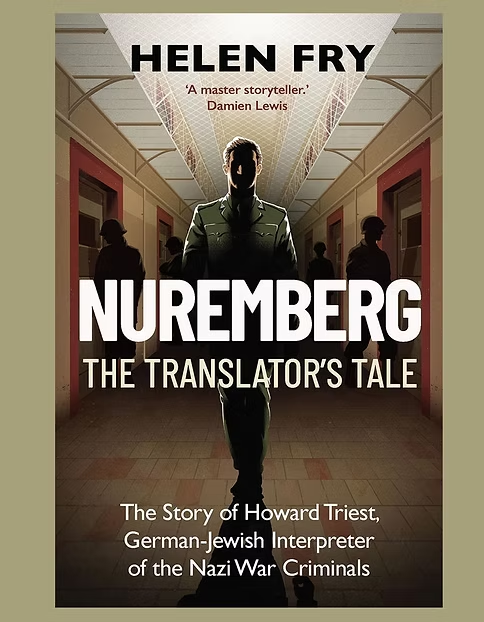
For more on this story, see my latest book 'Nuremberg: The Translator's Tale'. Howard Triest was the sole German-Jewish interpreter at Nuremberg Prison during the trials. It is an incredible true account of his life and wartime work: amzn.to/4vfi0Iq
(continued...ending)
During the search, Howard recognised one of the SA men as living only a block away from them. ‘From our balcony we could see his balcony. I never did find him after the war or what happened to him. It is possible that he died fighting for the Nazis.’
For more on this story, see my latest book 'Nuremberg: The Translator's Tale'. Howard Triest was the sole German-Jewish interpreter at Nuremberg Prison during the trials. It is an incredible true account of his life and wartime work: amzn.to/4vfi0Iq
(continued...ending)
Did you learn something new from this thread?
If so, please consider showing your support by 'Reposting' it and also 'Follow' my X page @DrHelenFry for more unique 20th century history like this.
I still have plenty more to share!
(end).
If so, please consider showing your support by 'Reposting' it and also 'Follow' my X page @DrHelenFry for more unique 20th century history like this.
I still have plenty more to share!
(end).
• • •
Missing some Tweet in this thread? You can try to
force a refresh