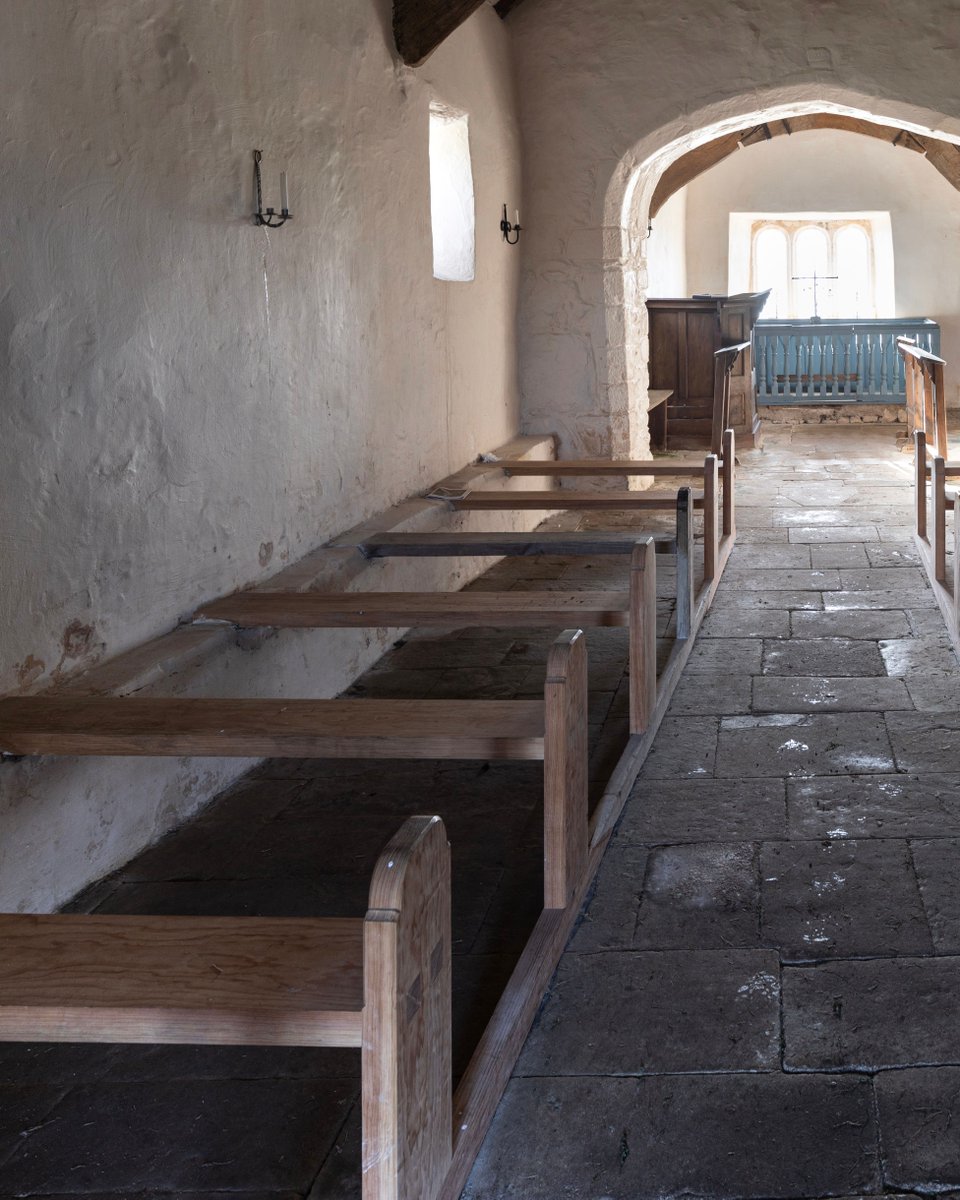
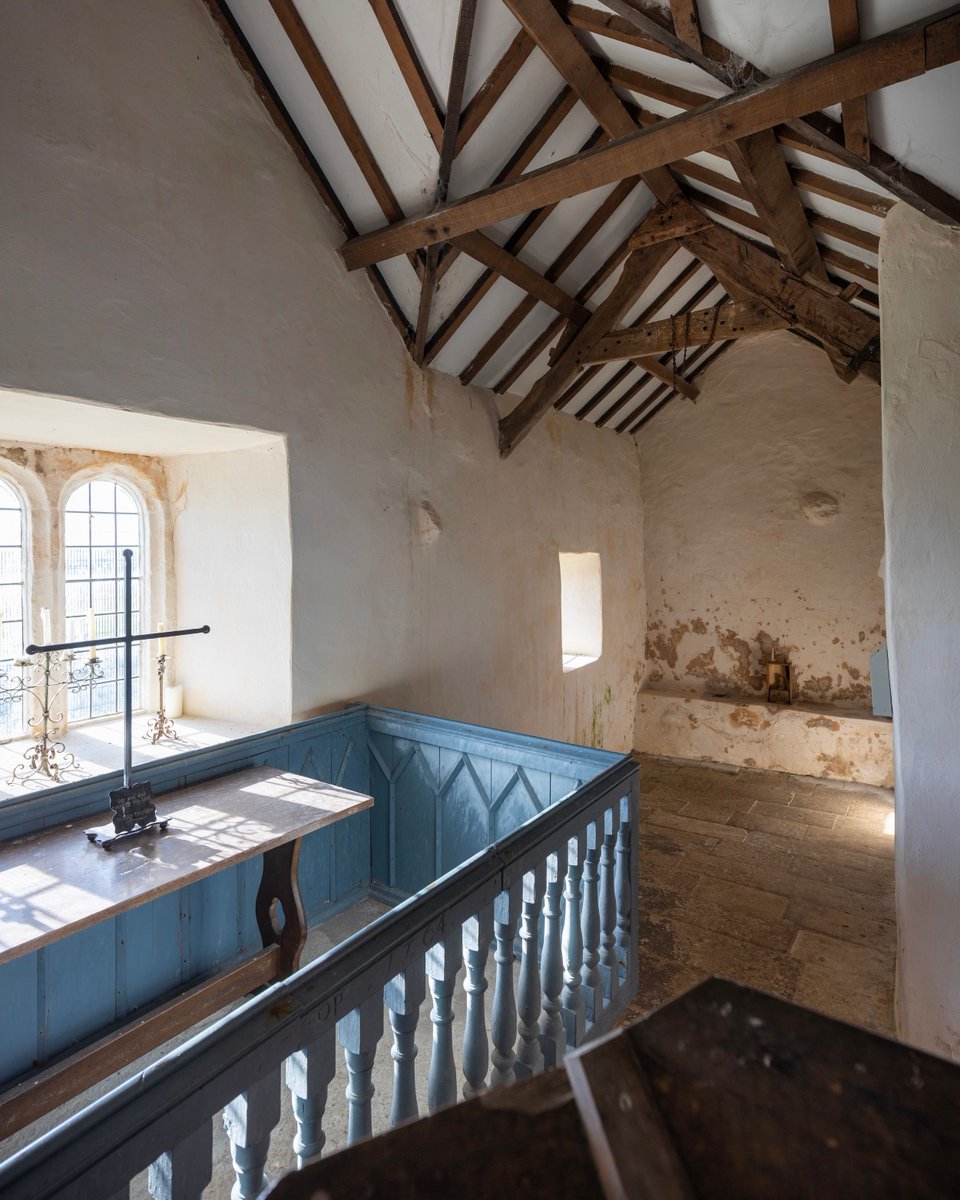
For most of the medieval period there weren’t actually benches inside churches and a small detail at St Mary's, Tal-y-Llyn on Anglesey alludes to this fact.
1/9
It was only in the late 14th century that benches - as we would recognise them today - started appearing inside churches. Before that, the laity would either stand or kneel in the nave during services.
2/9
Sometimes there were a few portable stools for those that couldn’t stand or, as at St Mary’s, Tal-y-Llyn, there were narrow stone benches built into the walls of the church.
3/9
Supposedly, these stone benches that run along the walls of medieval churches are the origins of the phrase “the weakest go to the wall” as this limited seating was said to be reserved for the frail and elderly.
4/9
However, the less than ideal position of these stone benches for viewing the elevation of the host during Mass casts doubt on their assumed function.
5/9
Nevertheless, it is certainly true that there weren’t benches in churches for most of the medieval period. As, it was only by the 15th century that they became common place, largely due to the rising popularity of sermons.
6/9
Then, after the Reformation, benches and box pews became ubiquitous in churches across England and Wales.
7/9
The incredibly simple wooden benches at St Mary’s, Tal-y-Llyn were installed in the 18th century. Unfortunately most of these were stolen while the church stood abandoned in the 1990s.
8/9
After we took St Mary’s into our care in 1999, we had copies of the sole surviving bench made to repopulate the nave of this austere medieval church.
9/9
• • •
Missing some Tweet in this thread? You can try to
force a refresh

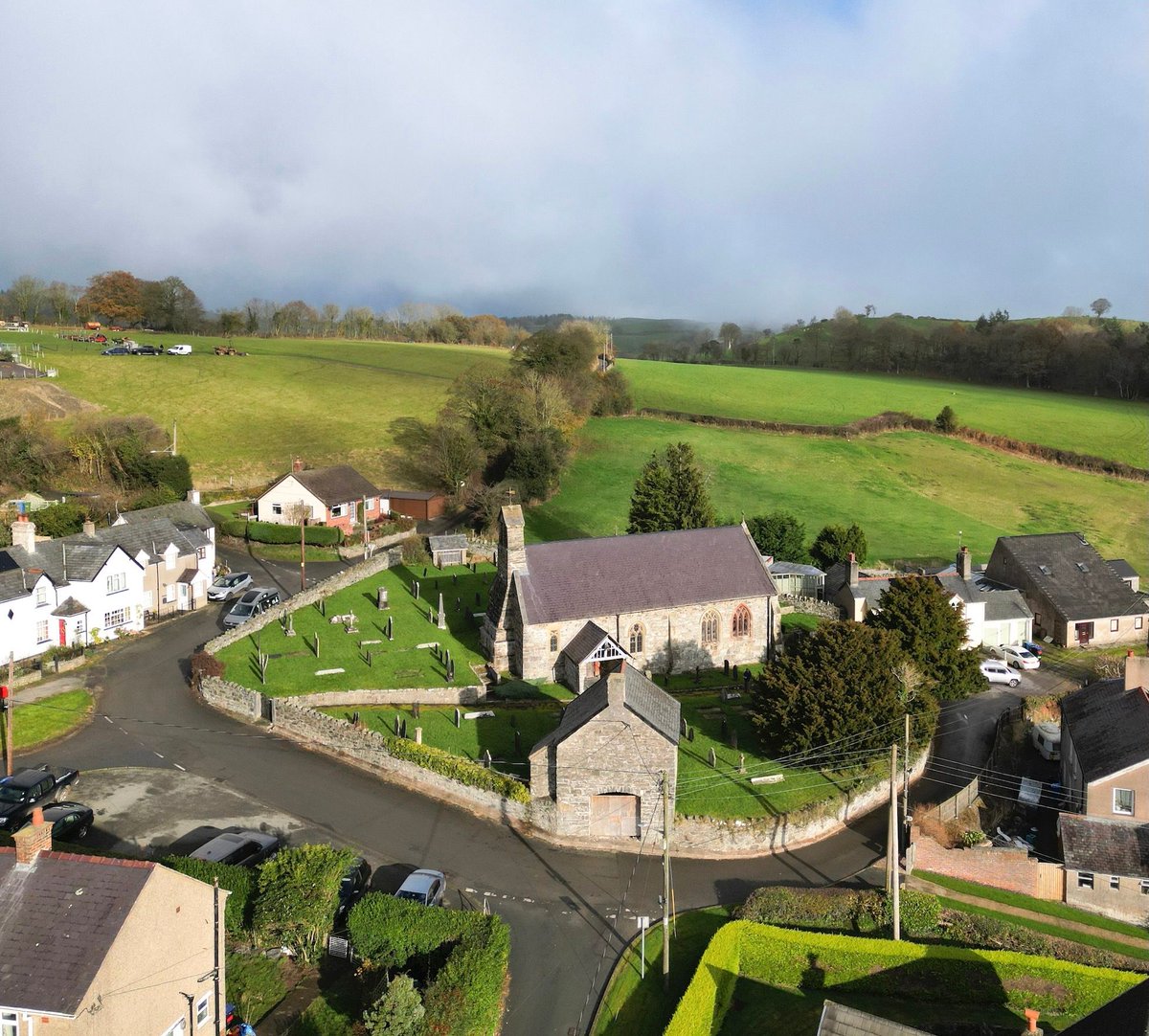
Nestled in the centre of a small village in the Welsh countryside, St Mary's, Derwen is renowned for its wondrous collection of medieval woodwork.
1/9
The church is entered through a charming late medieval wooden door, with iron studs and fleur-de-lys decorated hinges, set in a surround of gorgeous South Cheshire sandstone.
2/9
Naturally, the medieval wooden treasures of this Denbighshire church continue inside. Foremost is the the fine late 15th-century rood screen and loft that dominate this interior.
A heavily Victorianised small church, St Anno's, Llananno in Powys is, from the outside, a humble and largely forgettable building.
However, inside visitors can feast their eyes upon one of the finest pieces of medieval carpentry in Wales.
1/9
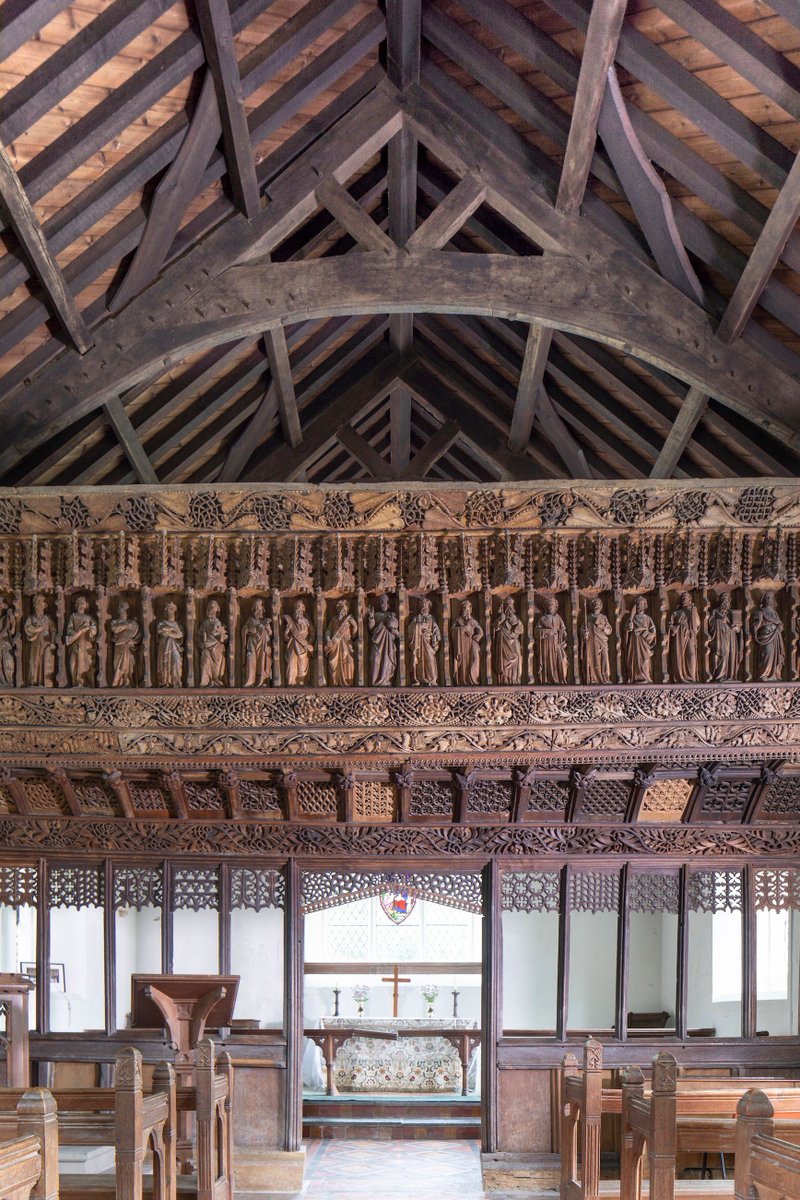
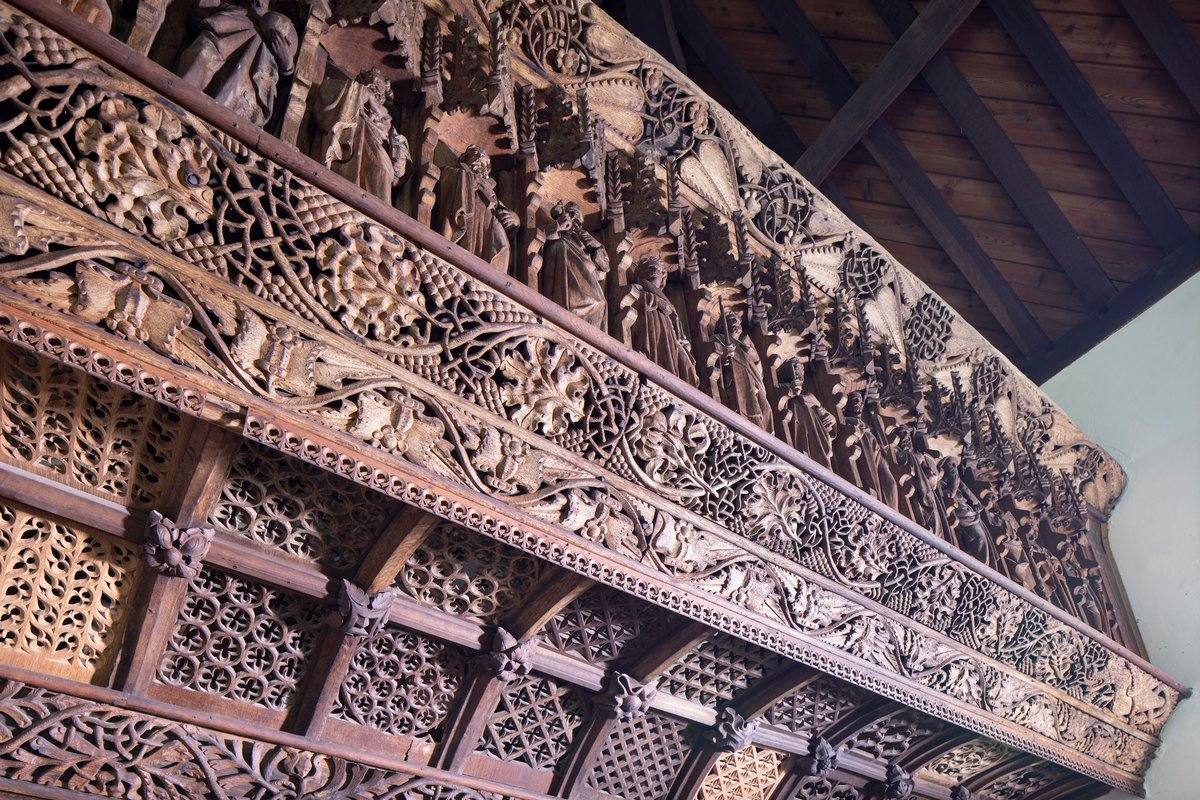
The rood screen and loft inside St Anno's, Llananno is a medieval gem that no visitor will forget in a hurry. Spanning the entire width of the building, this magnificent piece of medieval craftsmanship dates from the 15th century.
2/9
The term for these pieces of church furnishings (rood screen and rood loft) relates to the fact that, in the medieval period, above these magnificent wooden structures there would have been a rood - a carving of the crucified Christ on the Cross.
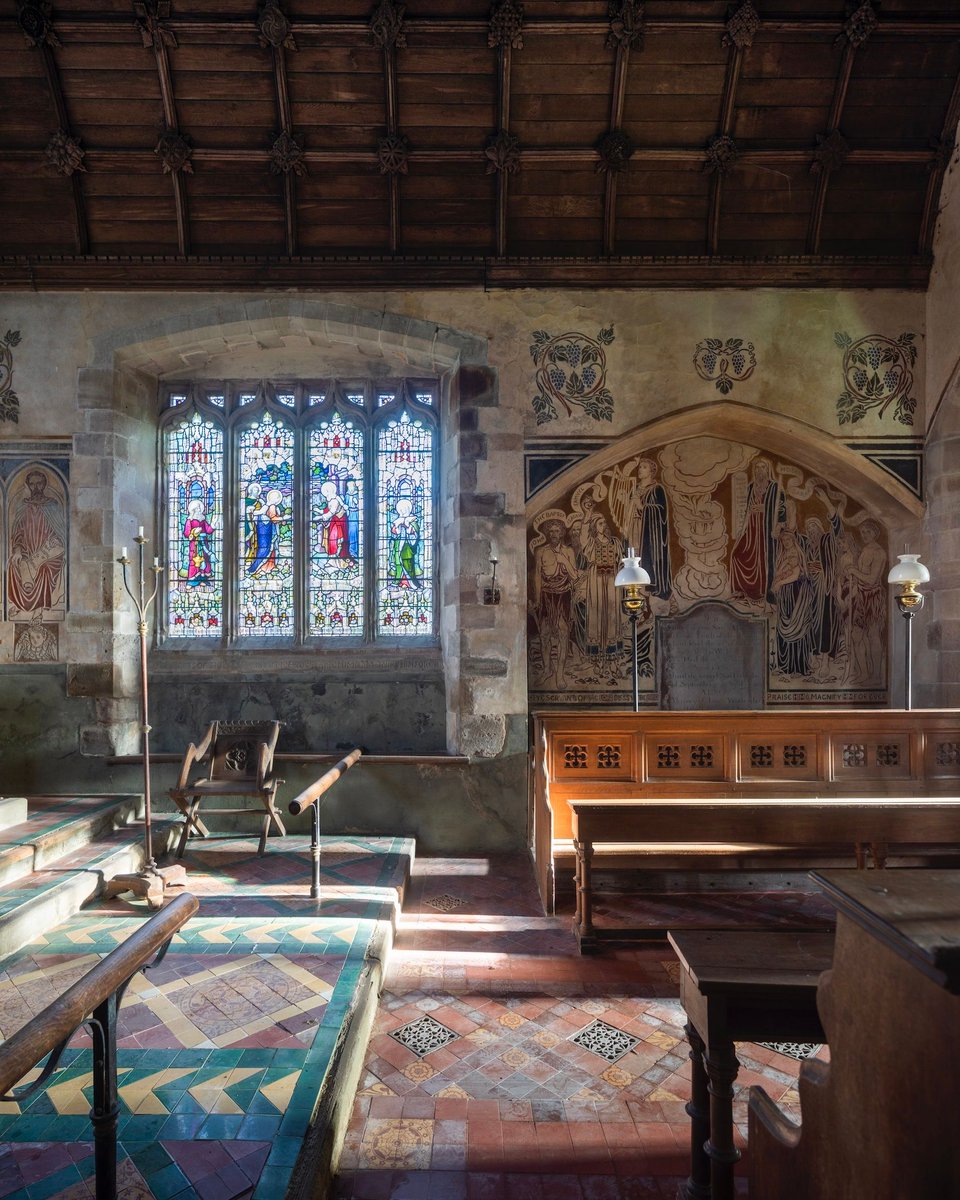
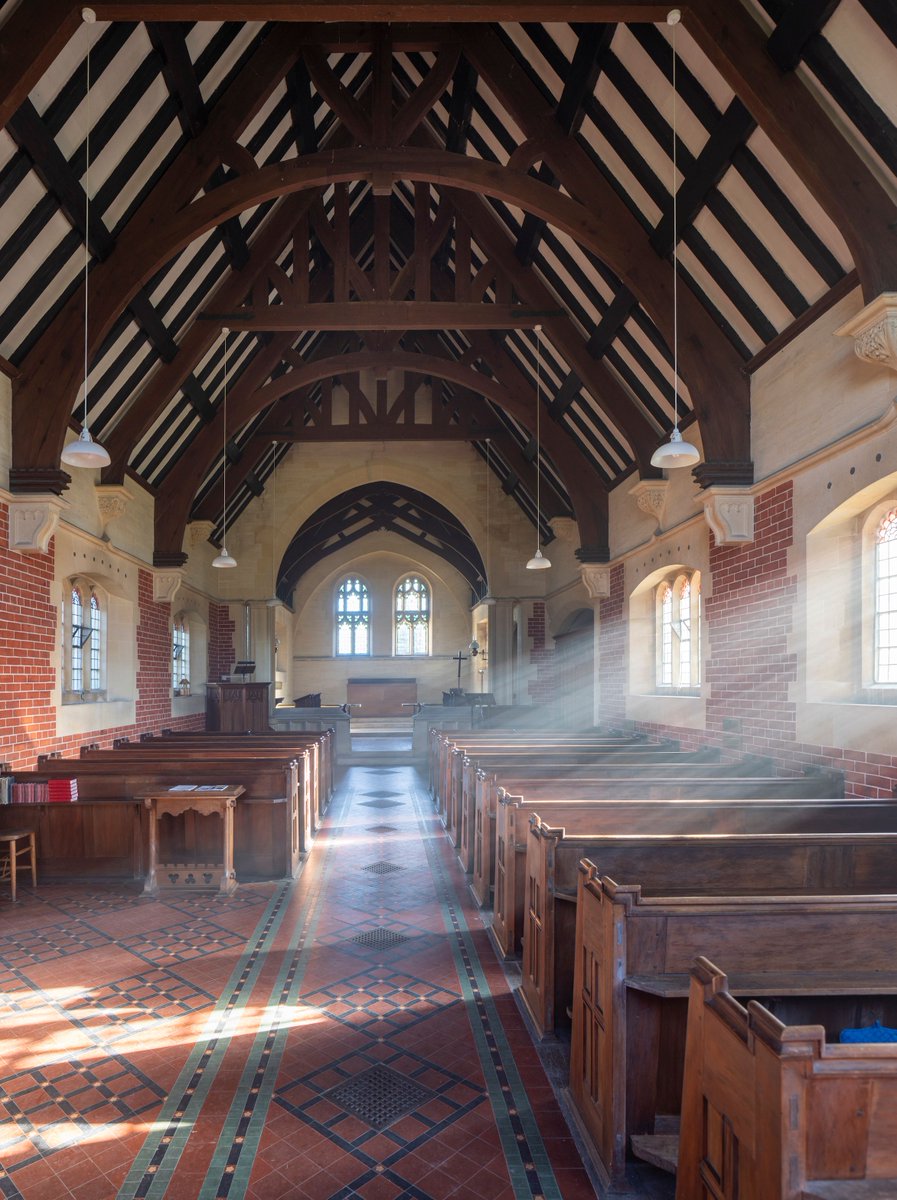
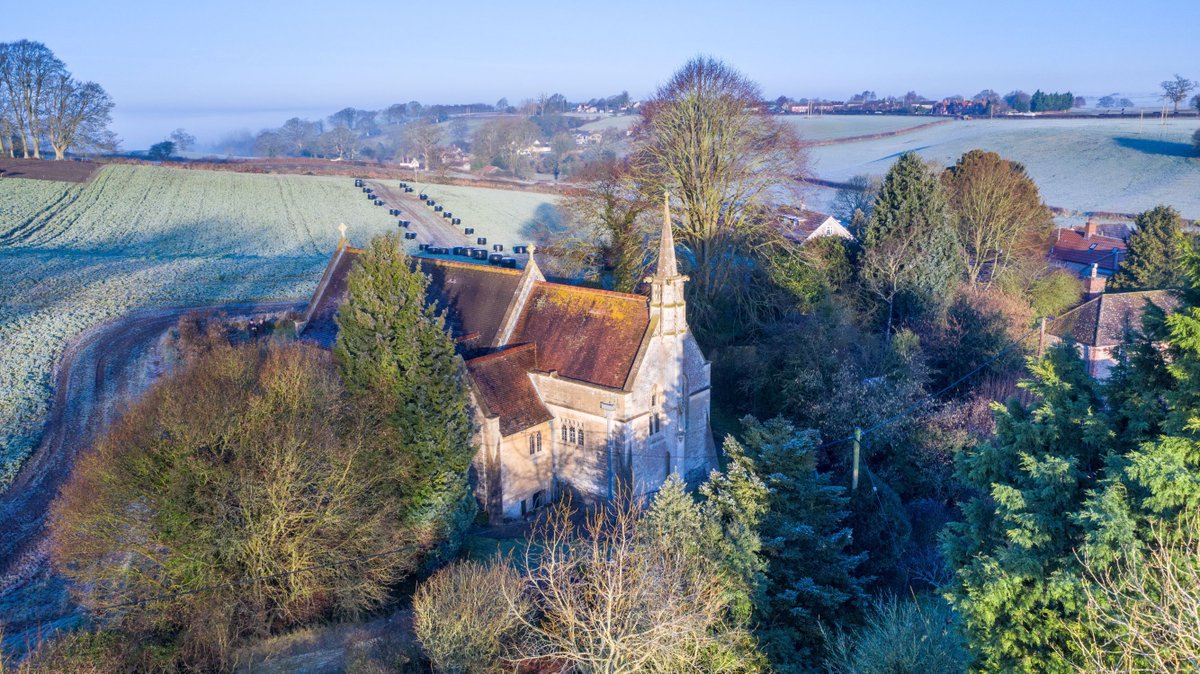
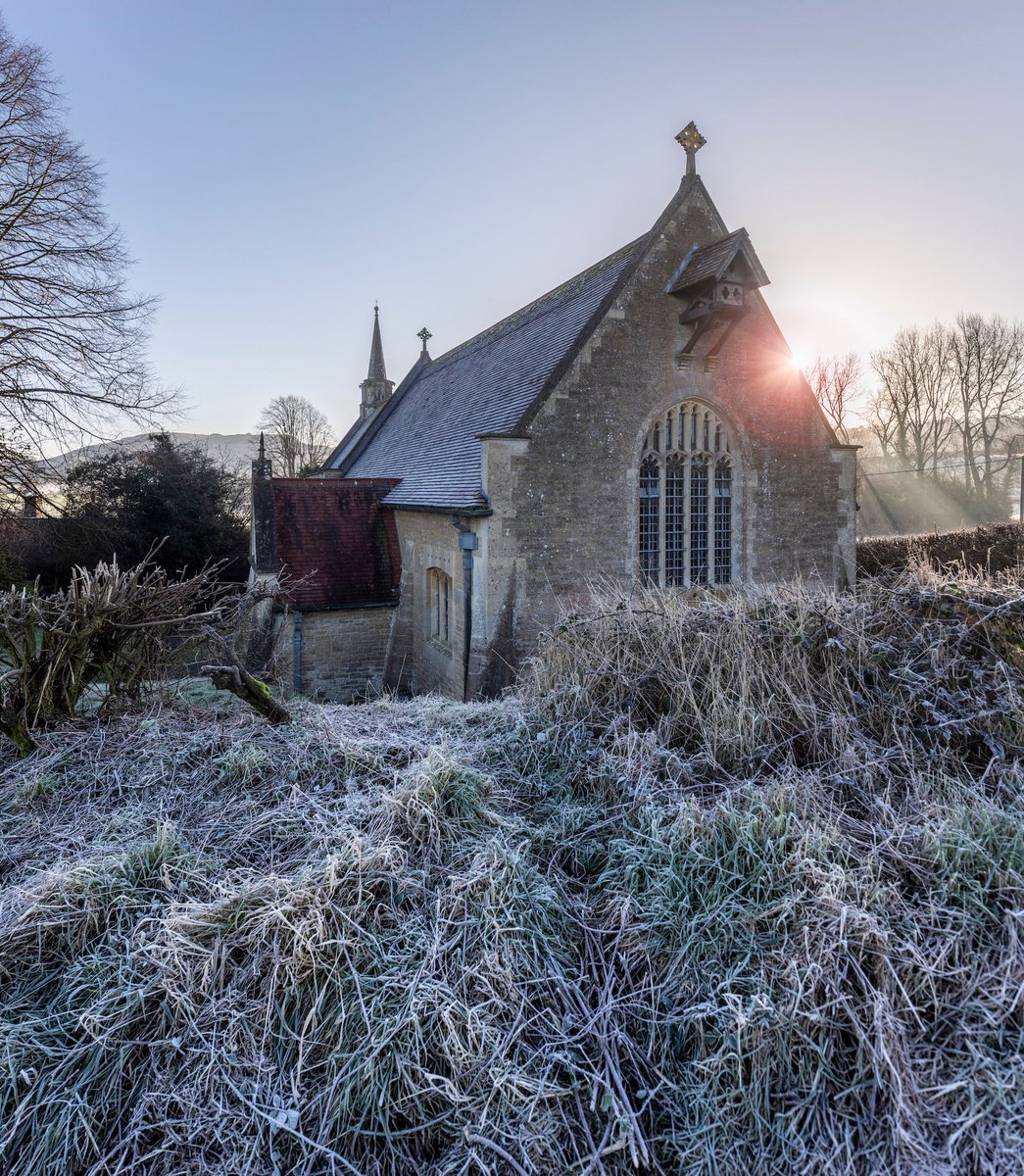
St Mary's, Temple, Corsley is a stunning example of Arts and Crafts Gothic architecture.
This charming church was built in the early 20th century, when the Arts and Crafts architectural style had reached its acme.
1/6
The chapel was constructed in memory of the husband and son of Mary Barton of Corsley House. When Mary died in 1899, she left £10,000 to establish a trust to build and then care for the chapel.
2/6
The chapel was designed by W. H. Stanley of Trowbridge – his only known building – and built by Buyers Brothers of Westbury.
A marriage of faith, farming, landscape and language, placenames remind us of the personal, poetic origins of a location. This is true for Llangua.
1/10
‘Llan’ is an enclosure usually associated with a church. The element which follows, most commonly a personal name, is mutated. Llangua is the church of St Cywa (English: Kew, Ciwa).
2/10
Although there is no obvious physical evidence for a church being here before the 12th century, the survival of that placename is our first clue in understanding the development of the religious foundation on this site.