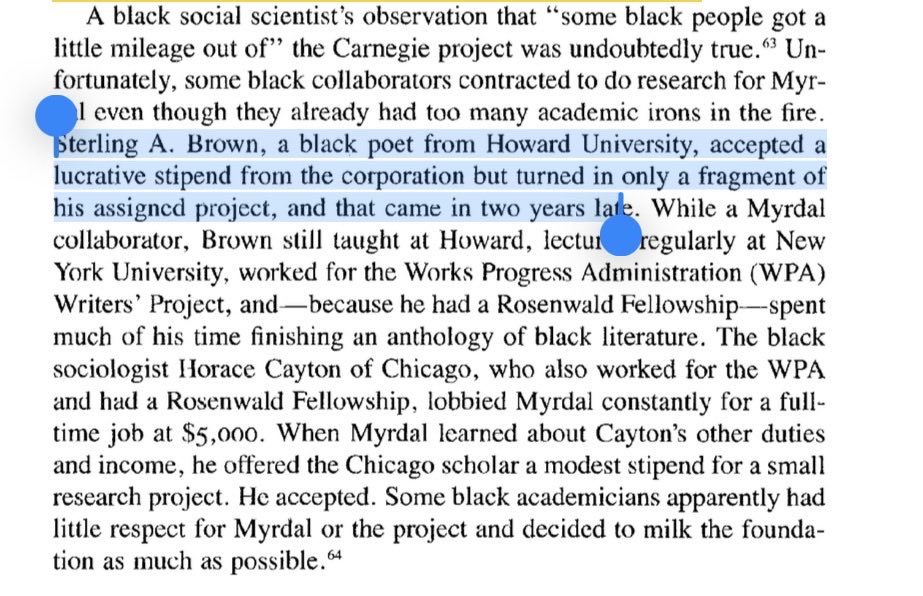
“An American Dilemma” is a perfect example of foundation-led social science because Myrdal splashed around so much money to other scholars for “research.”
“When the generosity of the Carnegie Corporation became known… black academics were demanding salaries of $10,000 or more.”
Naturally, giving away all that money guaranteed good reviews from the relevant experts.
“As his staff member and confidant Guy Johnson put it, ‘If you hadn't involved all these people and spent all this money … the reception [of the book] might not have been as enthusiastic.’”
Gunnar Myrdal originally thought he should have at least one white Southerner read the manuscript, but he couldn’t find a suitably friendly person so he gave up.
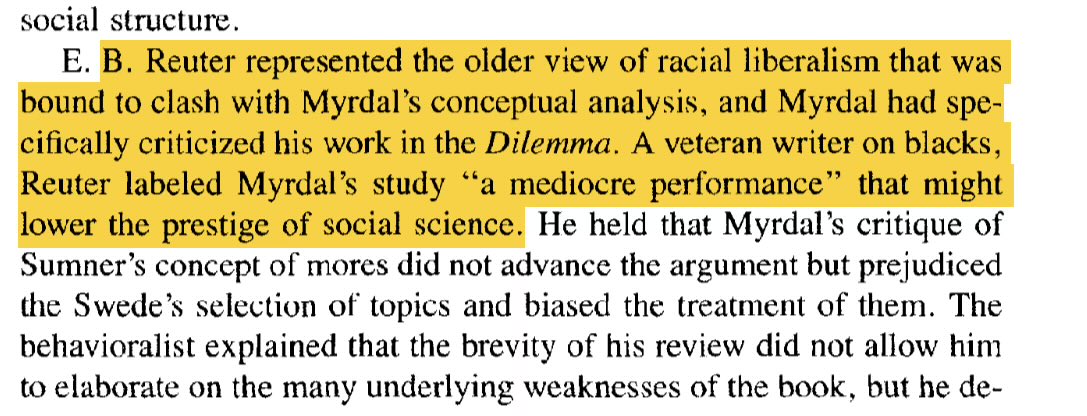
Actual scholars were not impressed by “An American Dilemma.” Sociologist Edward B. Reuter, author of “The American Race Problem” (a very valuable book full of data), called it “a mediocre performance.”
• • •
Missing some Tweet in this thread? You can try to
force a refresh

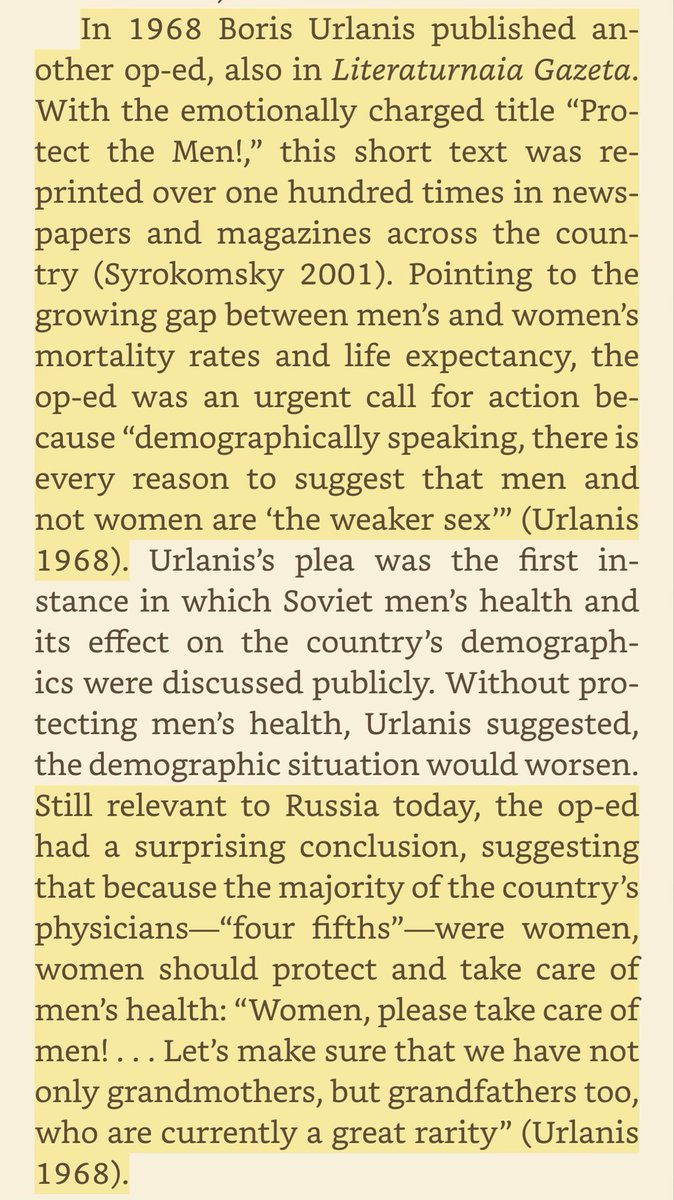
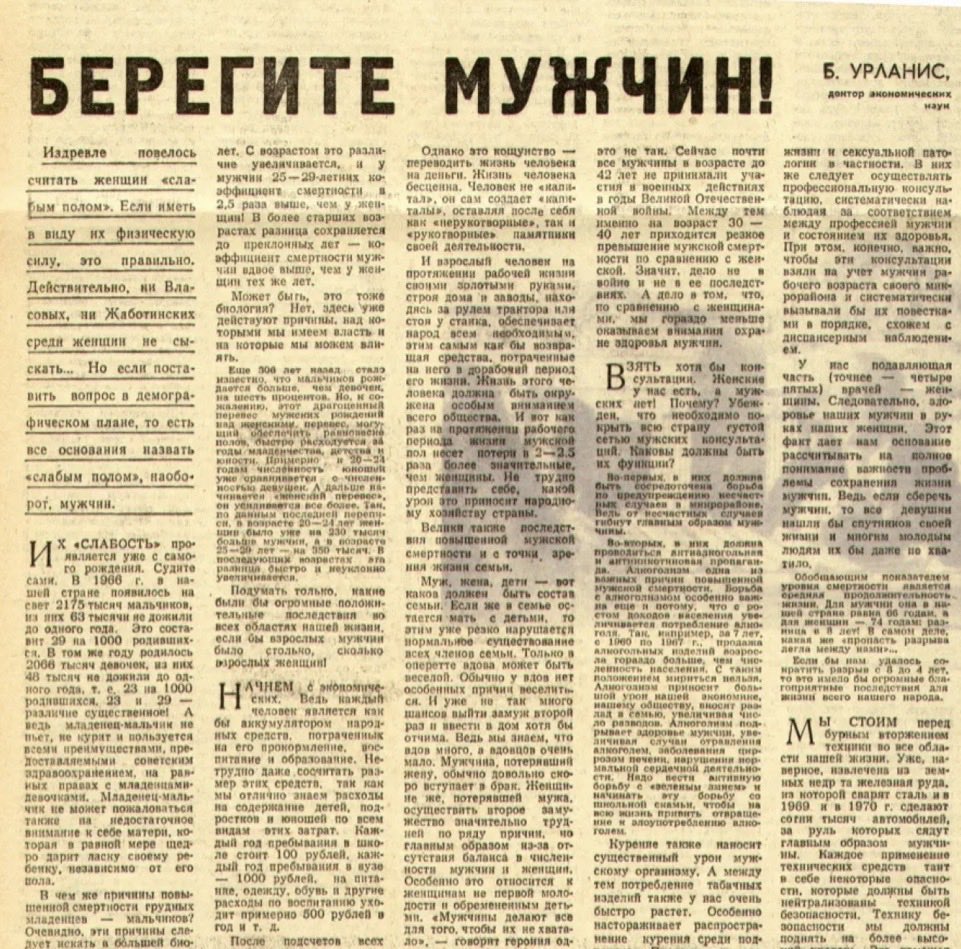
Great Feminization, Soviet-style: In 1968, demographer Boris Urlanis published a bombshell article, “Save the Men!,” arguing that men were the second sex with higher mortality rates. Since nearly 80% of Soviet doctors were female, he said, it was up to women to save the men.
Women were 36 percent of Soviet professionals in 1940, 59 percent in 1980. Universities became majority female in 1976. Technical schools were 57 percent women. “In 1978, 26 percent of Leningrad brides said yes to less-educated grooms; two decades ago only 5 percent did.”
The “Save the Men!” phrase became a cultural landmark and prompted a flurry of responses. It even became a movie in 1982. Marfa Petrovna runs a research institute, hates cooking, and bosses her husband around. Can he reclaim his masculinity and avert their divorce?
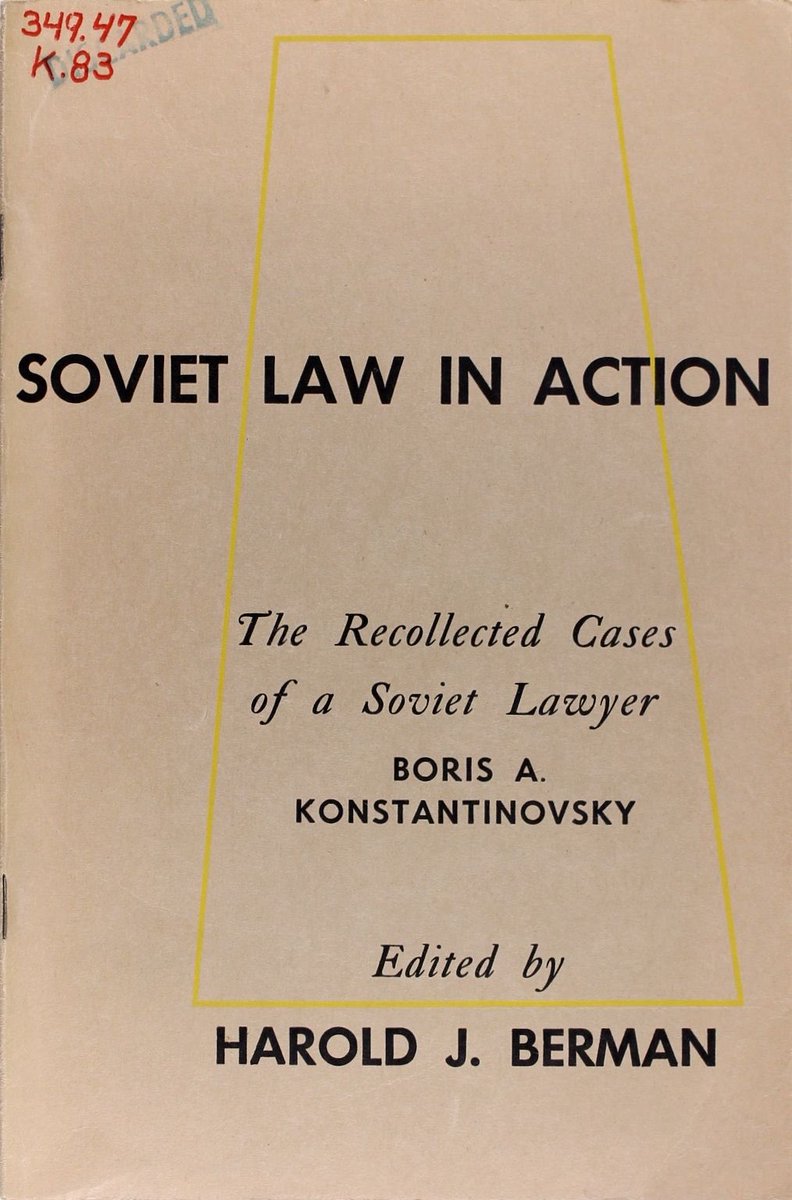
Soviet law is hilarious. A factory manager was imprisoned by the NKVD as a “Trotskyist” and sentenced to a labor camp, but then Yezhov fell and he was one of the political prisoners released. He got his job back—and sued for back pay for the months he was in prison. Successfully.
This poor widow with a young daughter deserves legal relief from the bad housemate who is trying to get the house to himself by driving them out with obnoxious behavior, but her husband was an officer in the White Army so the Soviet court will do nothing for her.
Misha Dresher lied to get into college, concealing that his parents were “class enemies.” When his secret was revealed, he was sentenced for the crime of “swindling” (financial fraud), later reversed on grounds that Misha had made himself “essentially” a worker by good conduct.
Good piece with a simple thesis: The girlboss lifestyle would not exist if it were not massively subsidized.
Cheap immigrant labor to do their cooking, cleaning, and child care; student loans and the whole higher ed sector; email jobs that don’t need to exist; etc.
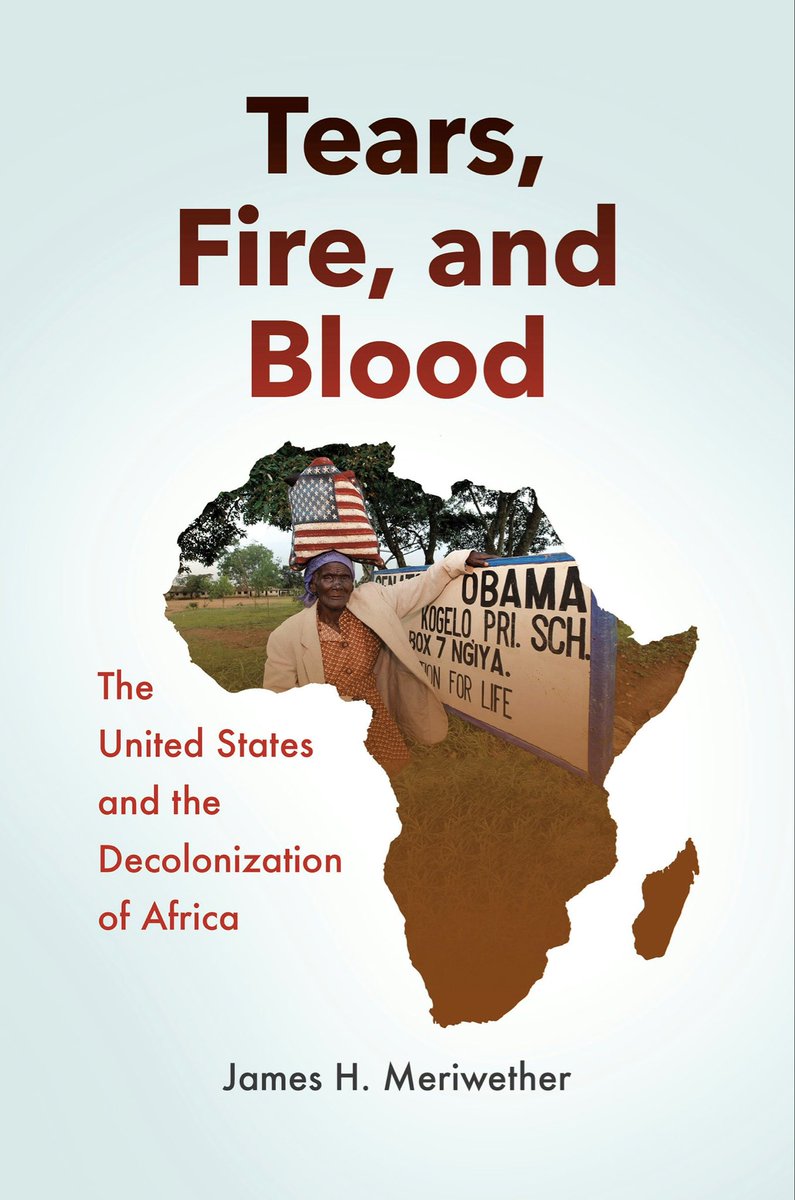
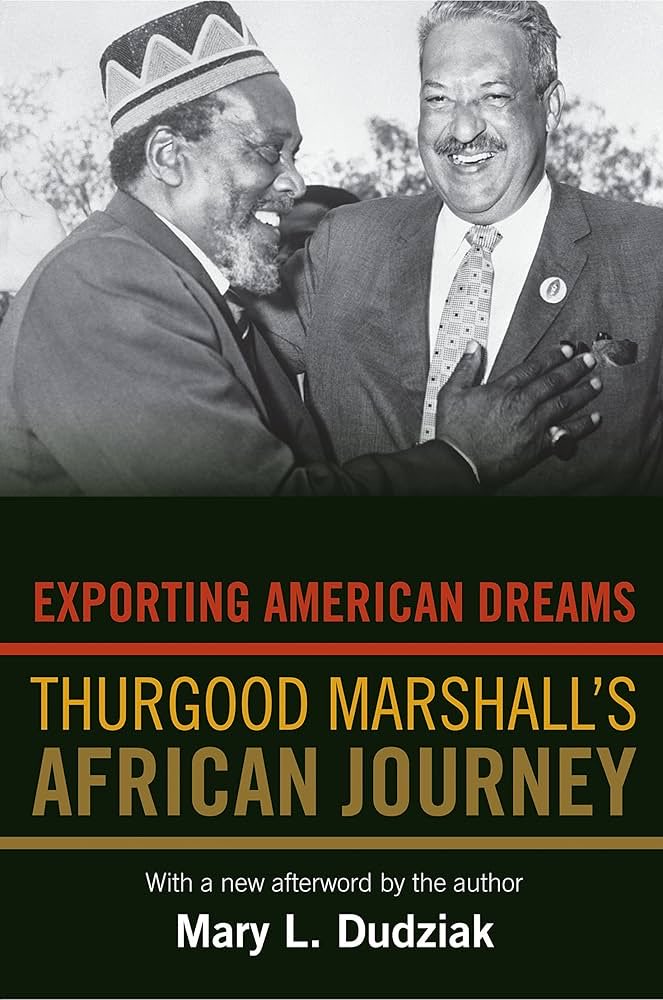
The thing about decolonization is, every colony in Africa was unique: the white population was small or large, transient or settled; were schools built; was native labor exploited; etc.
Britain tailored independence plans to each specific case—yet the result was always the same.
All the complexities that were pondered in the run-up to independence—the moral claims of various parties, the colony’s unique history, the economic needs of the future state—collapsed before the simple Fanonist logic of white man bad.
Don’t overthink it, is what I’m saying.
“It’s not communism, and it’s not just
sheer racism. It’s race communism. It’s the merging of the two.”
Good podcast on this topic today, Lomez says some wise things:
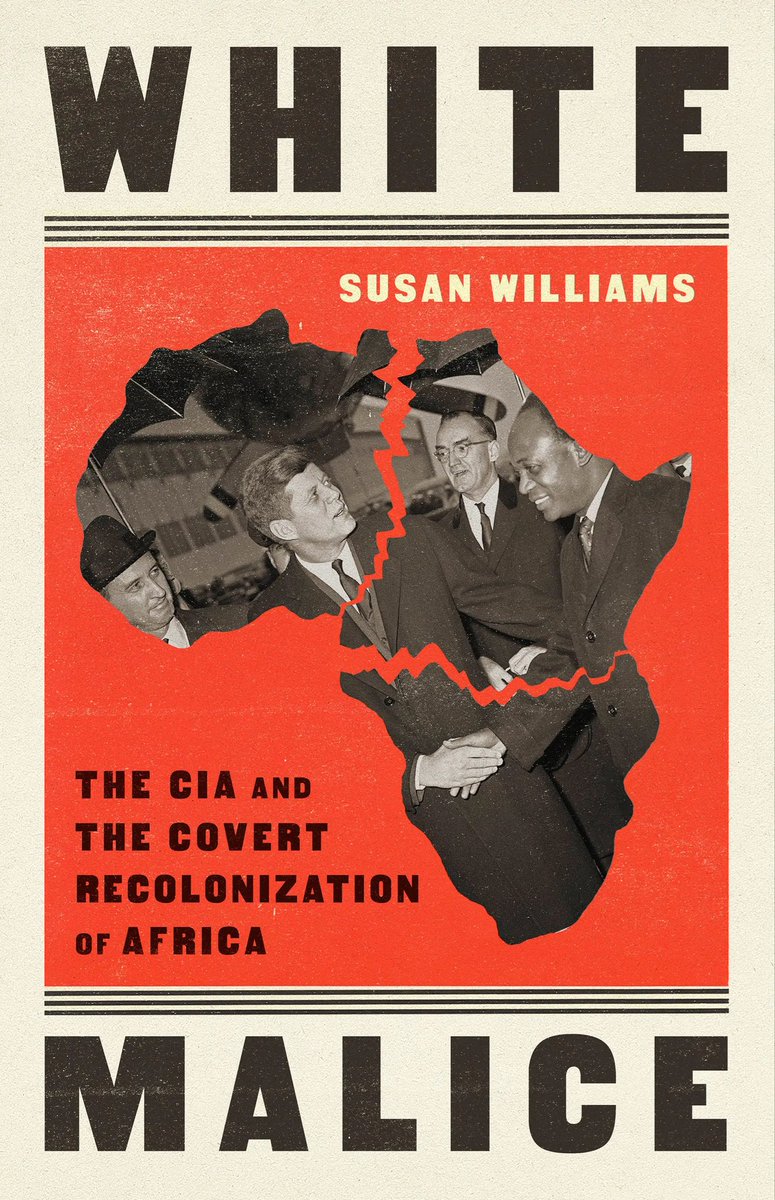
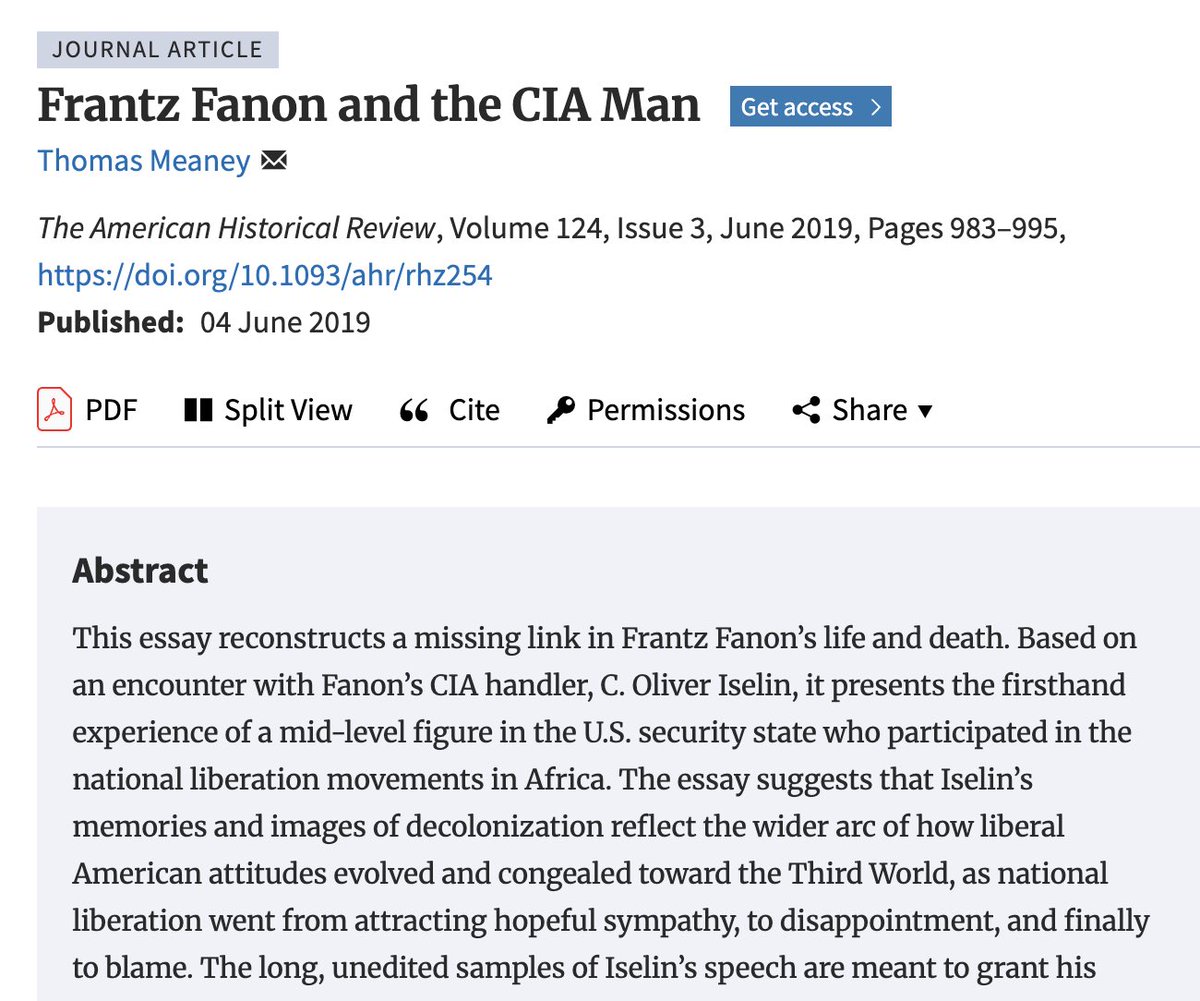
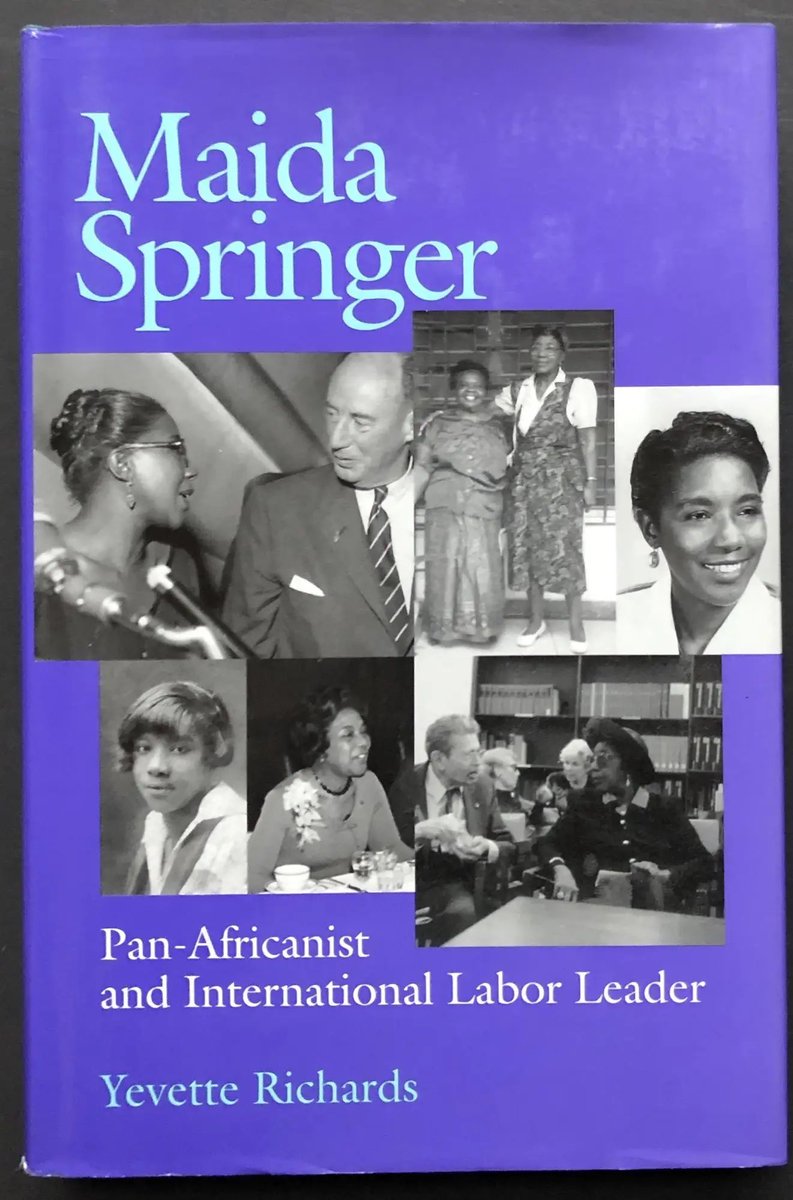
The American deep state was the best friend decolonization ever had. The Cold War in Africa was all about us outbidding the Soviets by being more pro-liberation than they were.
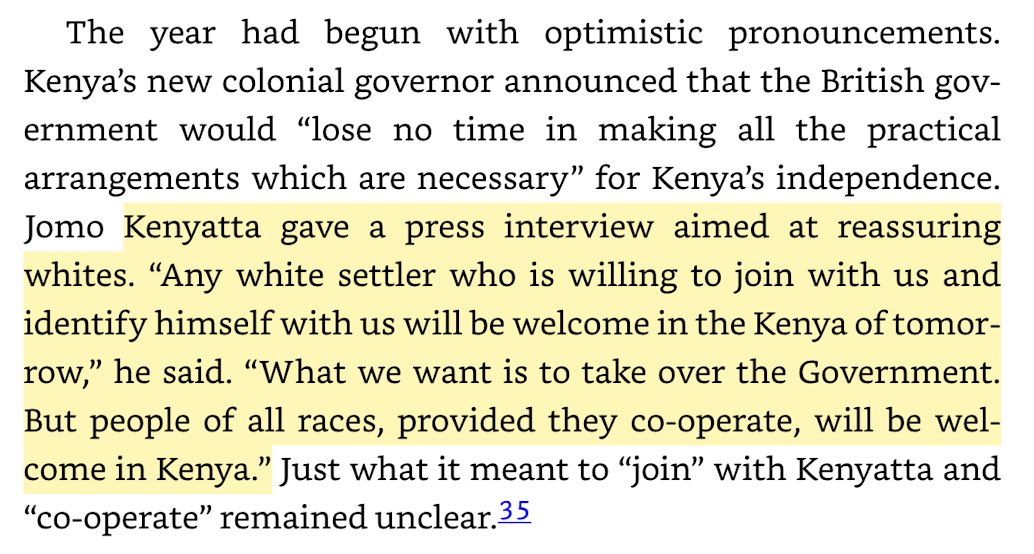
It’s true that our Third World clients often paid lip service to colorblind liberalism: We invite white settlers to stay and build the new Kenya! “We shall not steal anything from them except our freedom.” And yet in not a single decolonized country did this multiracial democracy actually materialize. Odd.
It’s an interesting question: Is anti-racism/critical race theory an American import? Both sides have good arguments but on balance I say yes. America invented this model and then spread it abroad.
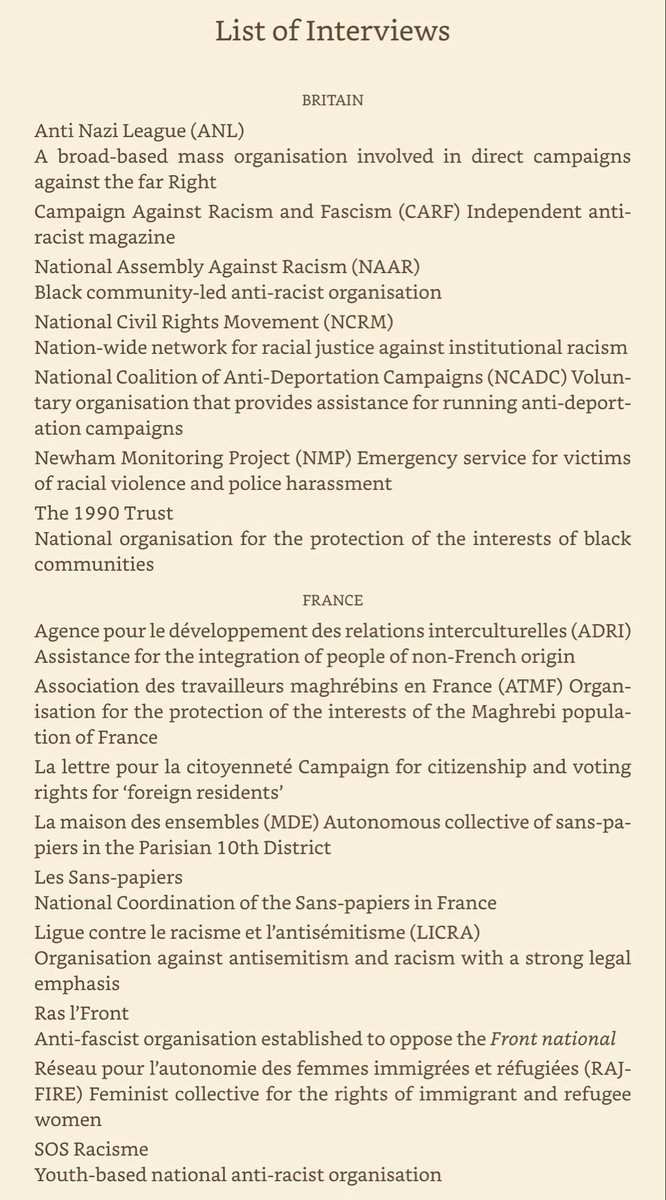
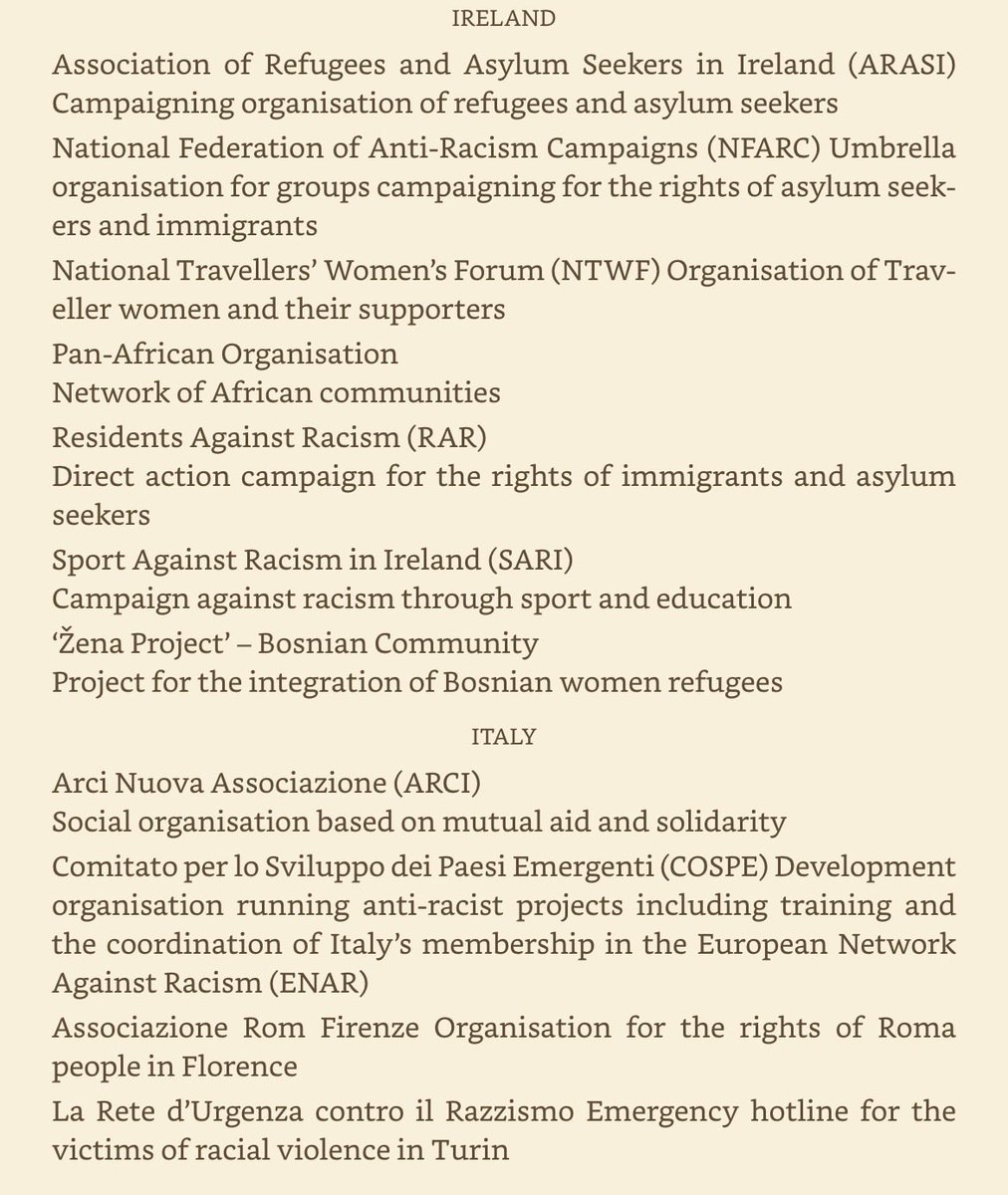
Obviously “anti-racism” here doesn’t mean just the idea that racism is bad. It means the specific model of NGOs that (1) use anti-discrimination measures for lawfare; (2) lobby for infinity migrants; and (3) keep watchlists of “far-right” groups that spread “hate,” i.e. dissent from the above, and work with the deep state and other establishment organizations to weaponize those lists.
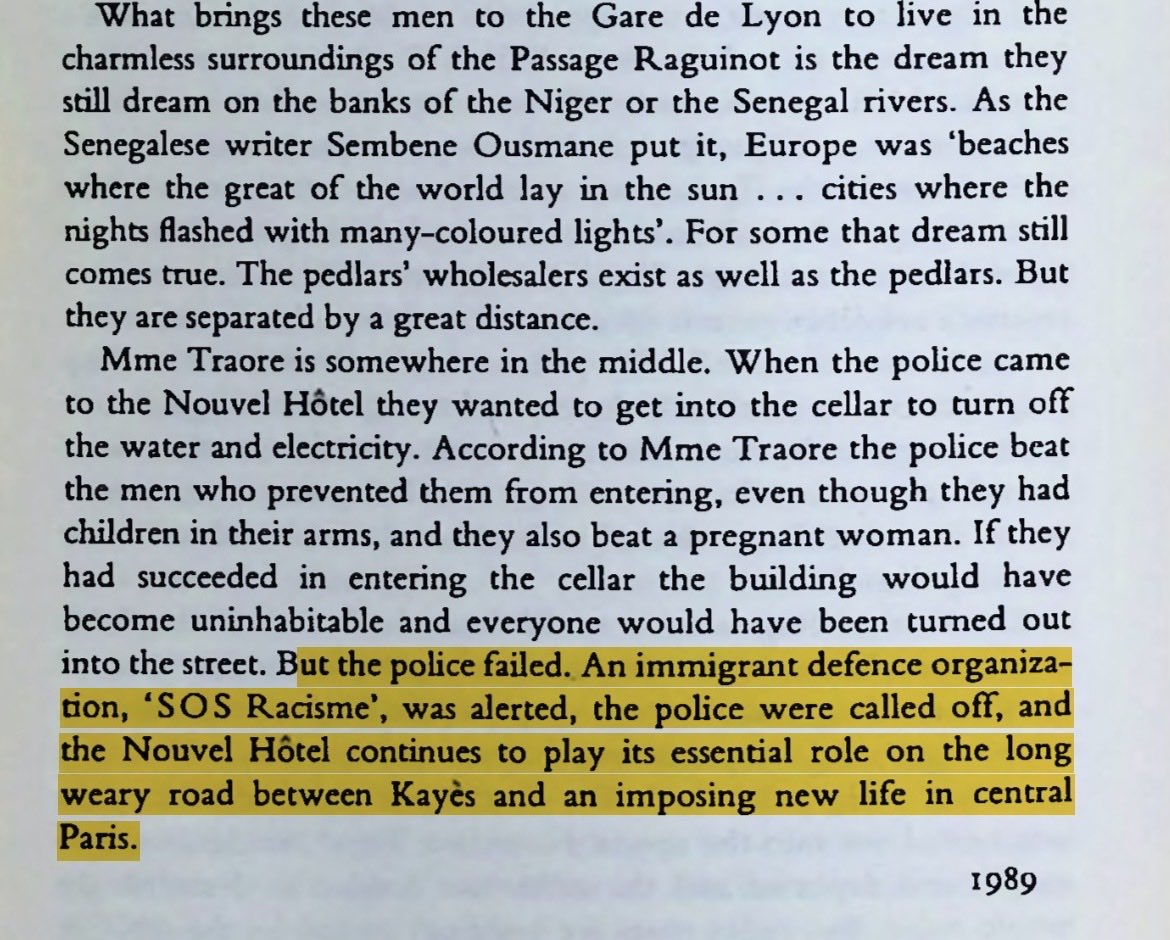
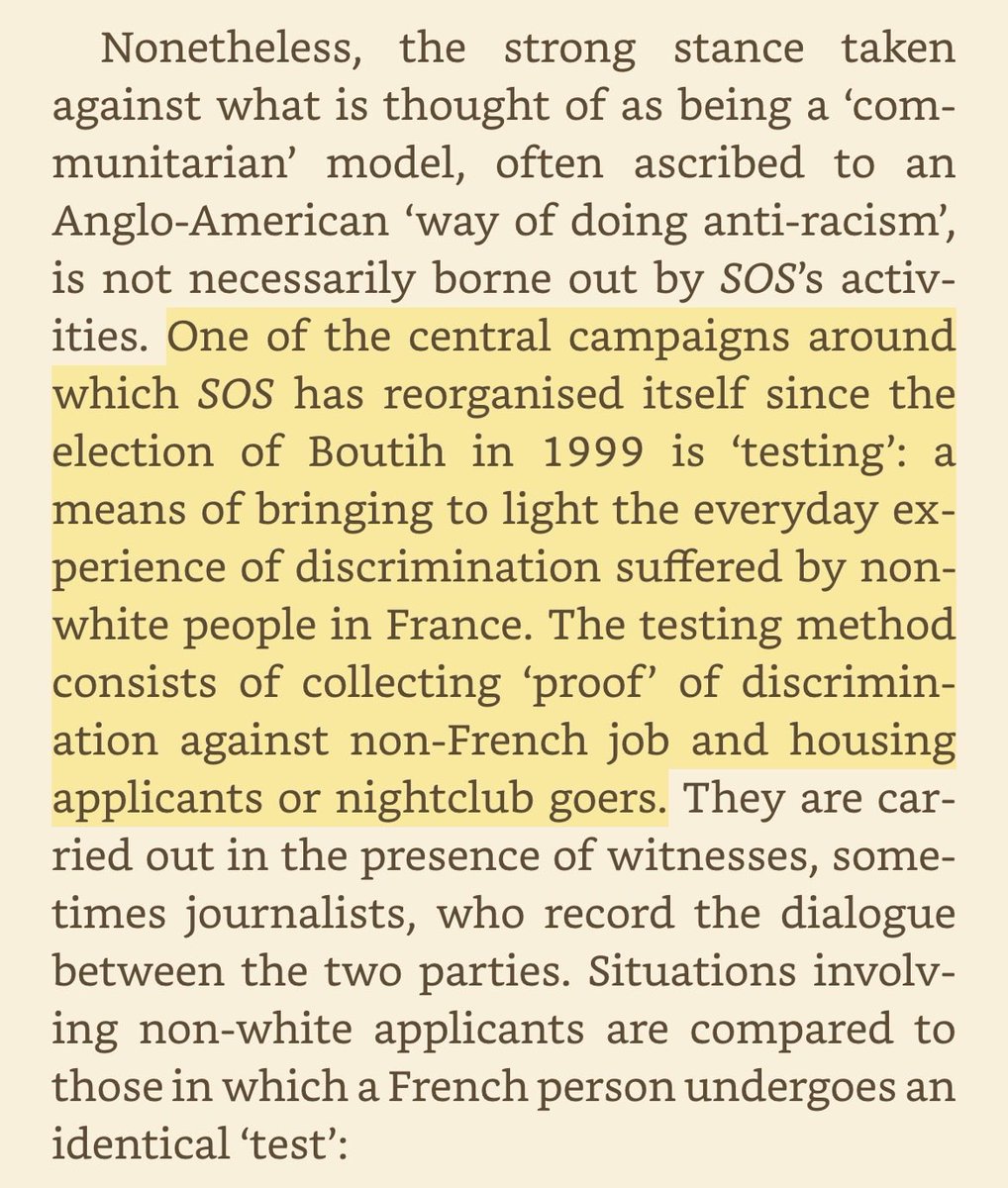
There were anti-racist groups in France after WWII (MRAP, LICRA) but the first NGO on this model was SOS Racisme, founded in 1984. Below, we see SOS Racisme providing lawyers for African squatters to prevent them from being evicted and also “testing” for bias in landlords, employers, nightclub bouncers.