Echoes of War Profile picture
Jul 26 1 tweets 1 min read Read on X
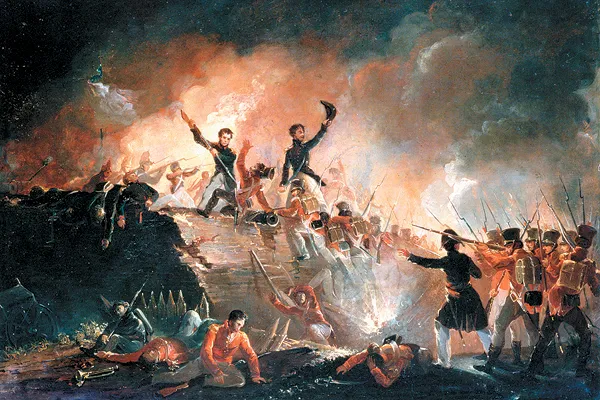
July 25, 1814. One of the bloodiest and most vicious battles of the War of 1812 was fought in the dark right next to Niagara Falls, close enough that soldiers could hear the roar of the water over the guns.

The war had dragged on for two years, and American forces had pushed across the border trying to take Canada from the British. Near the falls, at a spot called Lundy's Lane, the two armies slammed into each other late in the day and kept fighting well into the night.

It was a brutal, confused, close range slugfest in the darkness. Men fought hand to hand over a single hilltop and its cannon, taking and retaking it in the smoke and confusion, often unable to tell friend from foe. By the time it was over, both sides had been mauled, with well over a thousand casualties on that small patch of ground.

Neither side could really claim a clean victory, but the exhausted, battered Americans pulled back afterward, and their invasion of Canada stalled out for good. It stands as a grim reminder that a war Americans often barely remember was, in places like this, as savage as any the country ever fought. All of it unfolded by the falls on this day.Image

• • •

Missing some Tweet in this thread? You can try to force a refresh

 

Keep Current with Echoes of War

Echoes of War Profile picture

Stay in touch and get notified when new unrolls are available from this author!

Read all threads

This Thread may be Removed Anytime!

PDF

Twitter may remove this content at anytime! Save it as PDF for later use!

Try unrolling a thread yourself!

how to unroll video
  1. Follow @ThreadReaderApp to mention us!

  2. From a Twitter thread mention us with a keyword "unroll"
@threadreaderapp unroll

Practice here first or read more on our help page!

More from @EchoesofWarYT

Apr 26
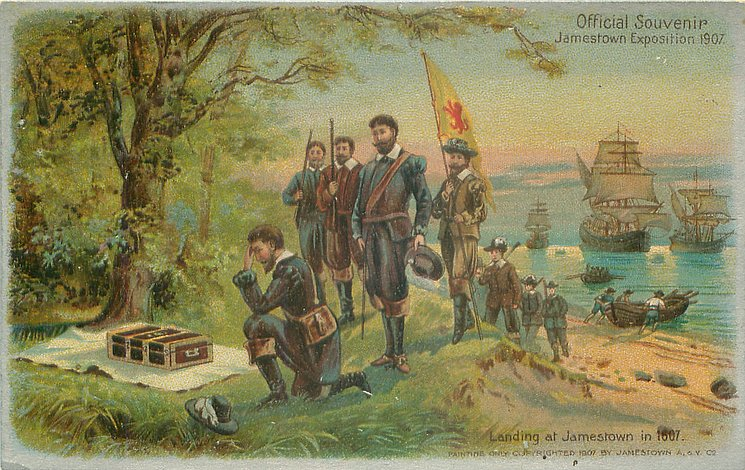
🧵419 years ago today, three tiny English ships anchored off a sandy Virginia beach at 4 a.m.

105 men stumbled ashore. By nightfall, two were bleeding from arrow wounds.

This is the story of the morning that birthed America, and the sealed box no one was allowed to open 👇 Image
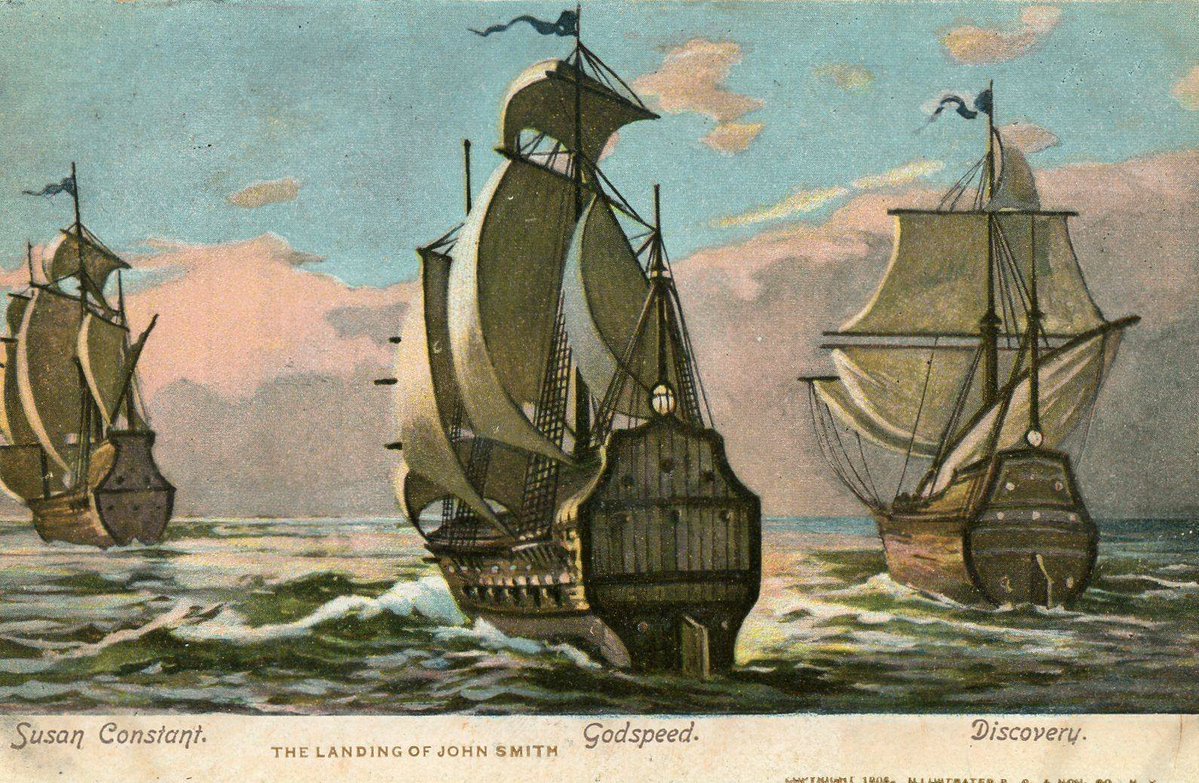
1/ They left London on December 20, 1606.

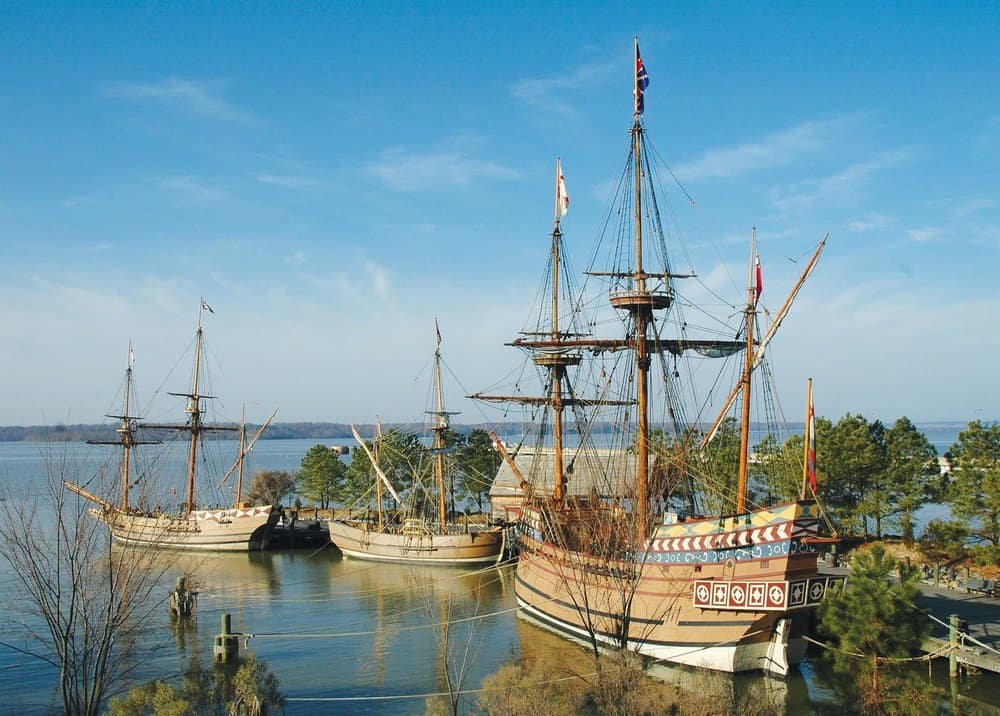
The Susan Constant. The Godspeed. The Discovery.
The biggest was 116 feet long. The smallest was barely bigger than a modern tugboat.

The crossing was supposed to take two months.
It took 144 days. Image
2/ Five months in cramped, stinking holds. Worms in the biscuit. Salt pork going green. Storms in the Canaries. A refit in Puerto Rico. Men dying of fever.

By the time they sighted land, the survivors barely knew what year it was. Image
Read 14 tweets
Apr 20
🧵251 years ago today, a ragtag group of farmers had just done the unthinkable.

They'd humiliated the most powerful army on Earth.

And the British didn't even realize the war had already started 👇 Image
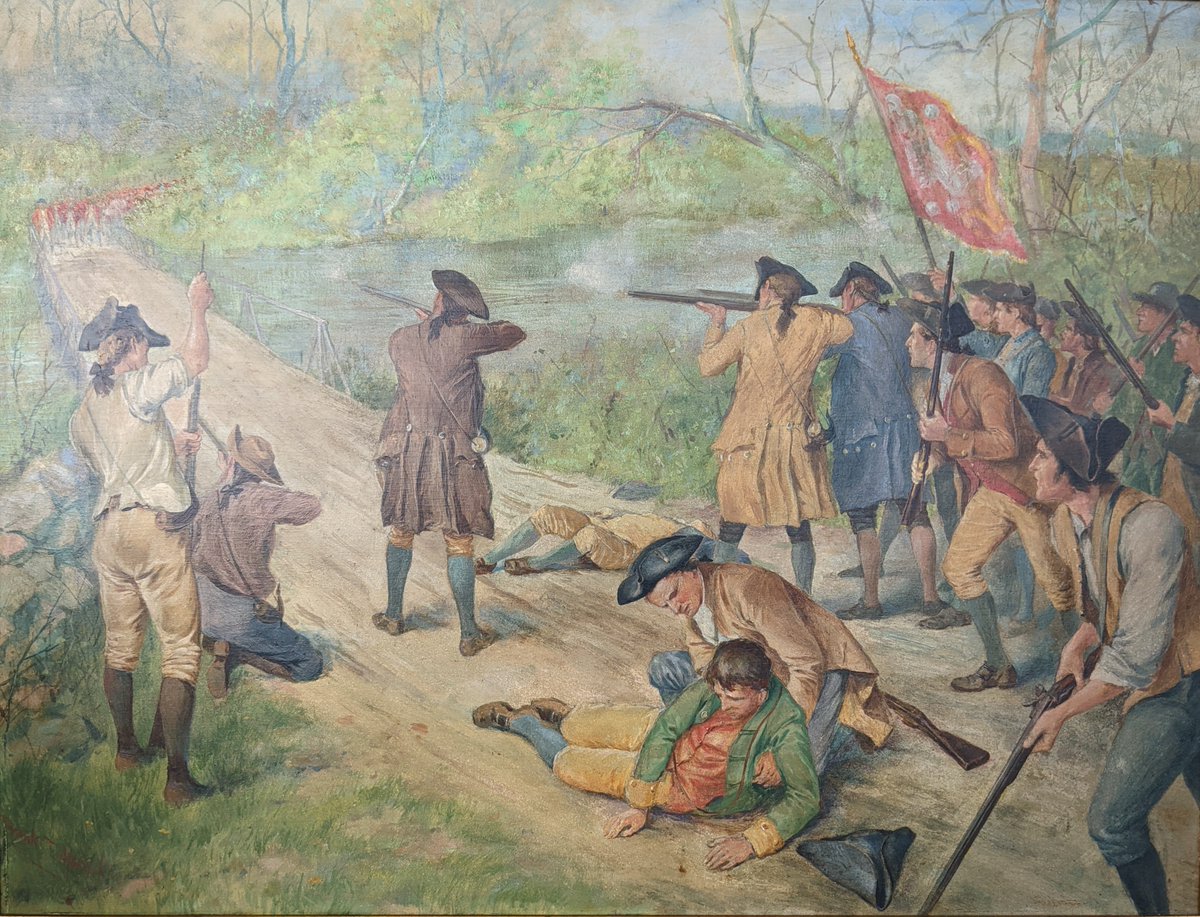
1/ April 19, 1775. Lexington and Concord.

700 elite British Redcoats marched out to seize colonial weapons.

By sundown, they were running for their lives, bleeding through the woods, chased by men they called "country people." Image
2/ What happened on April 20 is the part they don't teach you.

The British limped back into Boston thinking it was over. One bad day. Lesson learned.

They woke up surrounded. Image
Read 10 tweets
Mar 8
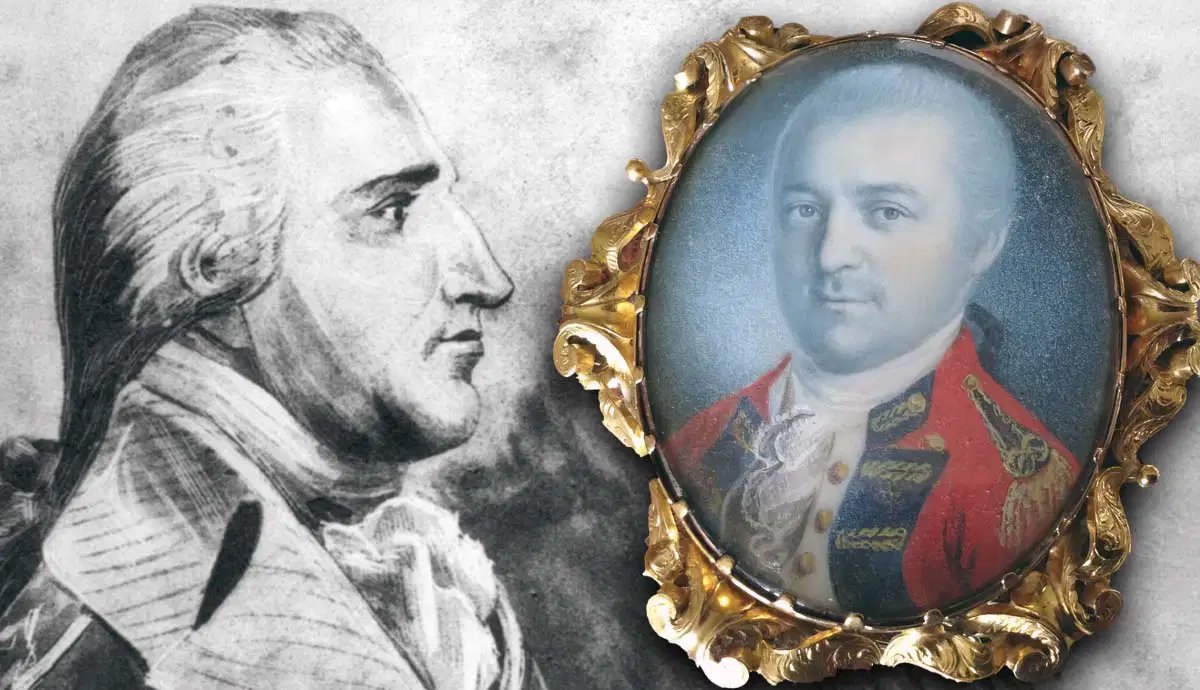
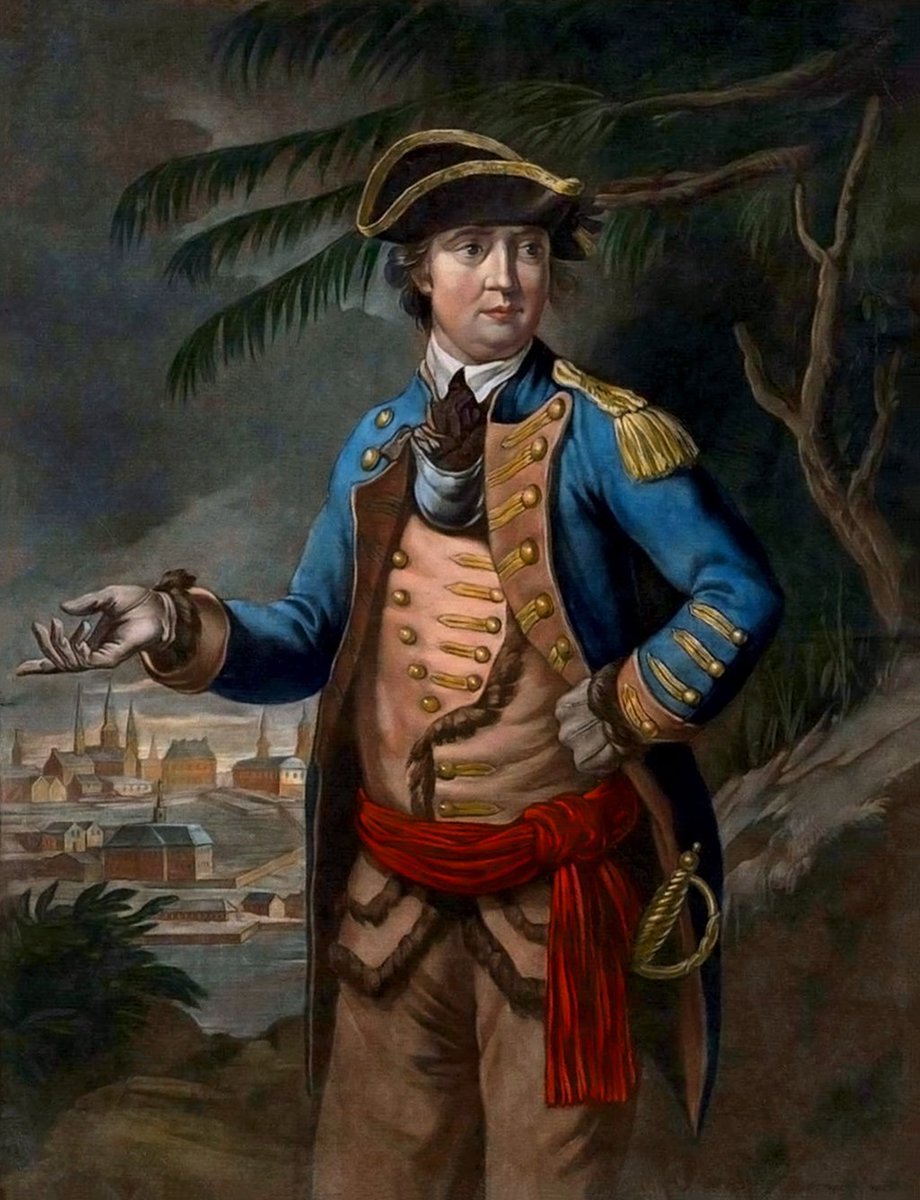
🧵Benedict Arnold is America's most infamous traitor. But before he sold out West Point, he was one of the Revolution's greatest heroes. So what turned him?

A thread on how resentment, debt, love, and wounded pride created America's first villain 👇 Image
1/ First, understand how good Arnold was. He helped capture Fort Ticonderoga in 1775.

He led a brutal wilderness march to Quebec. He built a makeshift navy on Lake Champlain to slow the British advance. The man was fearless and tactically brilliant. Image
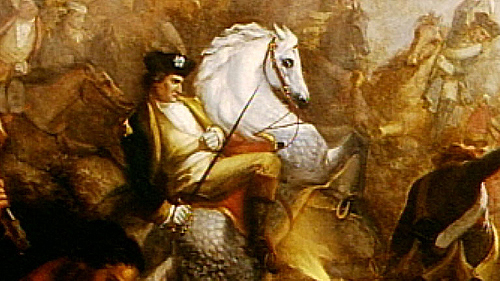
2/ His finest hour: the Battle of Saratoga, 1777 — the turning point of the entire Revolution.

Arnold disobeyed his commanding officer's orders, charged onto the battlefield, and led the attack that broke the British lines. He took a musket ball to the leg and his horse collapsed on top of him. He refused amputation. That leg would be 2 inches shorter for life.Image
Read 15 tweets
Jan 17
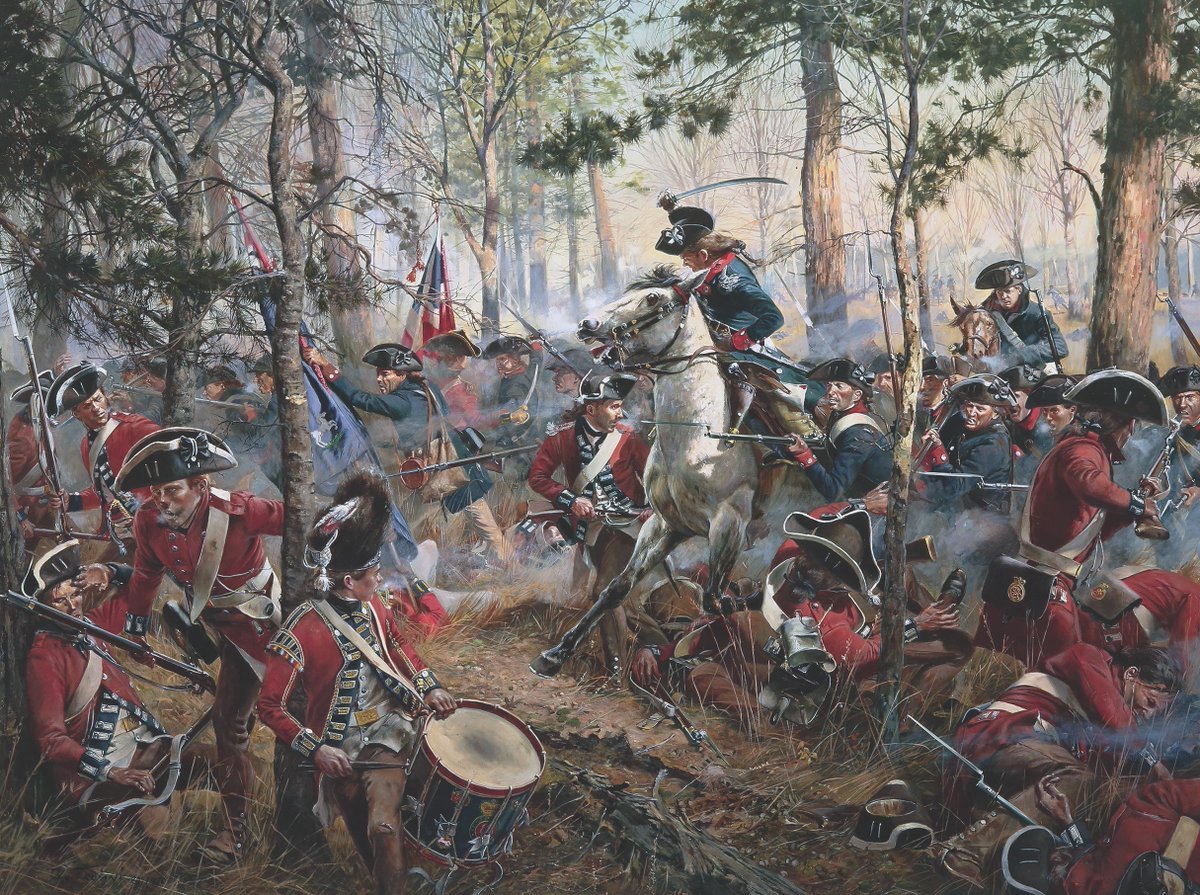
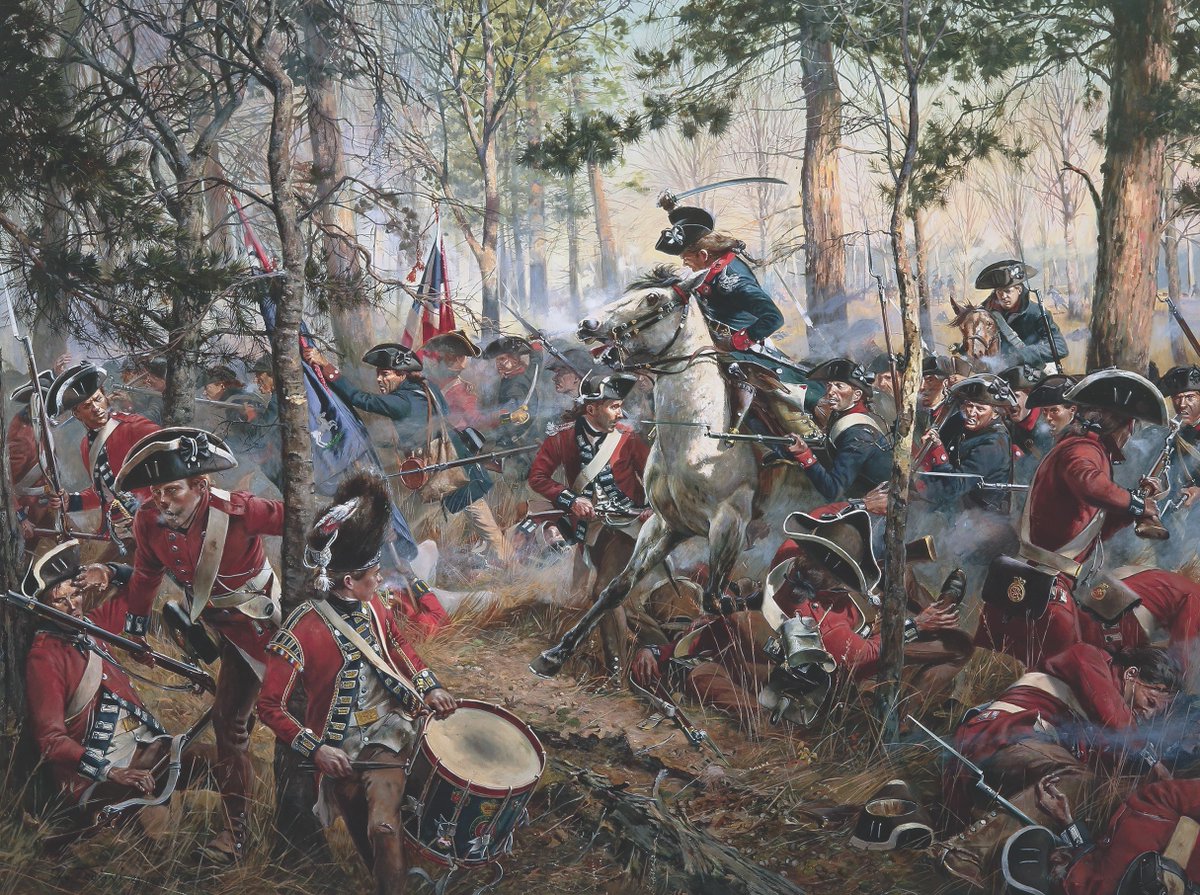
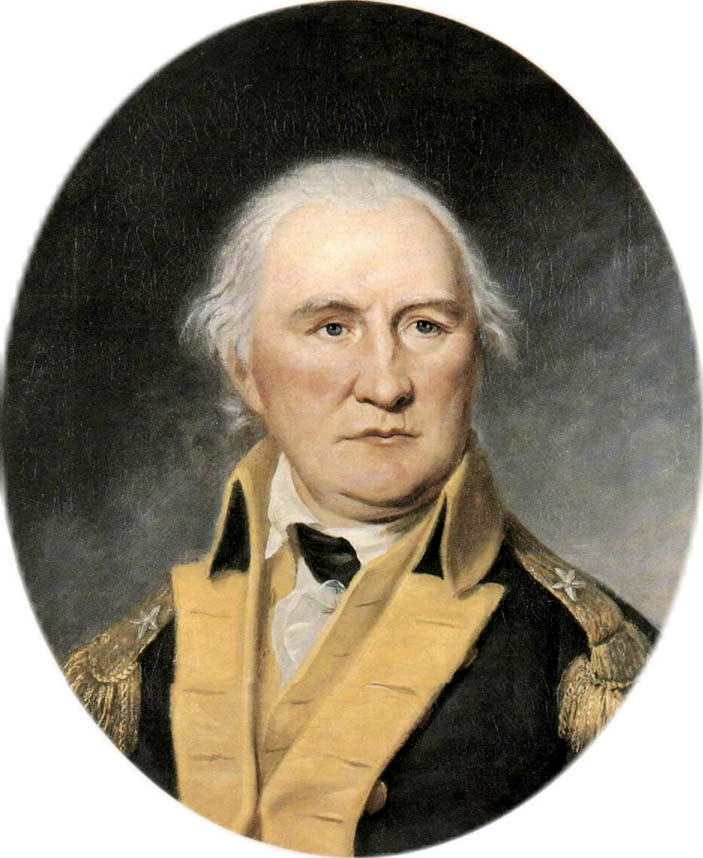
🧵The Battle of Cowpens (Jan 17, 1781); 245 years ago today.

A freezing dawn on the South Carolina backcountry. One of the most brilliantly executed American battles of the entire Revolution is about to unfold—and it will shatter British momentum in the South.

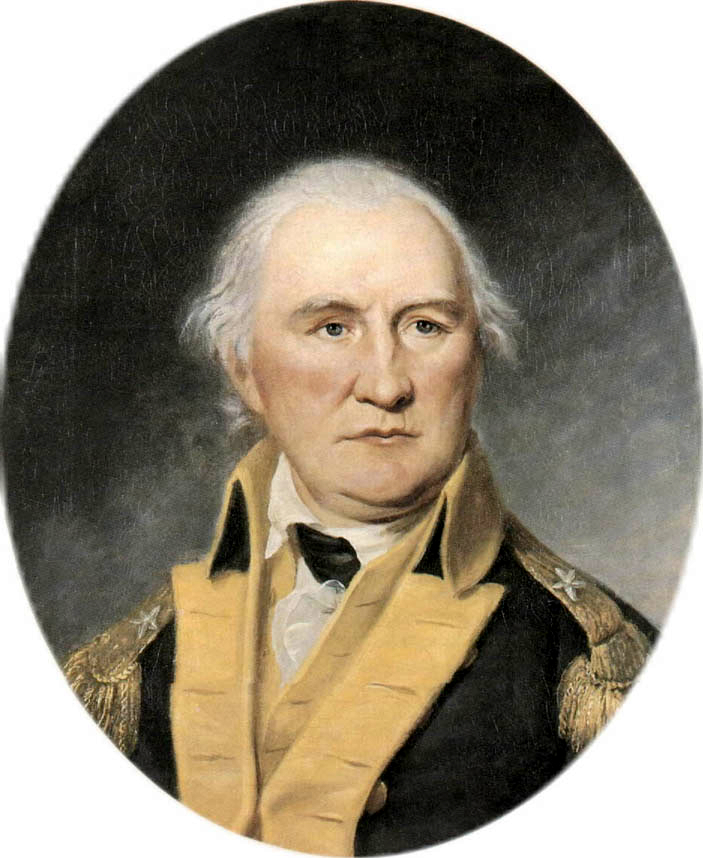
American commander Daniel Morgan knows he’s being hunted. And he’s about to turn the tables 👇Image
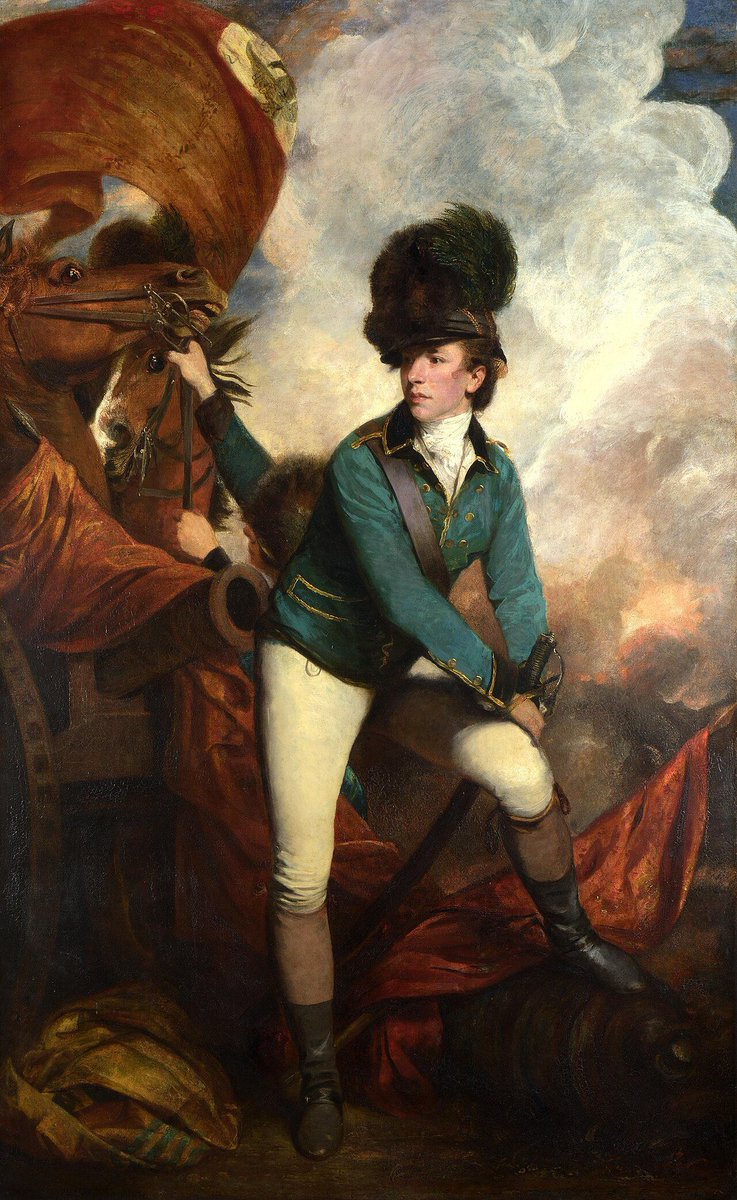
1/ Banastre Tarleton is coming.

Known for speed, aggression, and a reputation for brutality, Lt. Col. Banastre Tarleton and his British-Loyalist force race toward Morgan, determined to crush him in a decisive strike.

Morgan doesn’t panic—he smiles. He has a plan. Image
2/ Daniel Morgan’s genius is simplicity.

He divides his force into three lines, each with a specific task:
• Skirmishers to sting the British, then fall back
• Militia to fire two volleys, then withdraw
• His tough Continental regulars holding the final line

This controlled “retreat” is a trap.Image
Read 11 tweets
Dec 3, 2025
🧵The Battle of Cowpens (Jan 17, 1781)

A freezing dawn on the South Carolina backcountry. One of the most brilliantly executed American battles of the entire Revolution is about to unfold—and it will shatter British momentum in the South.

American commander Daniel Morgan knows he’s being hunted. And he’s about to turn the tables 👇Image
1/ Banastre Tarleton is coming.

Known for speed, aggression, and a reputation for brutality, Lt. Col. Banastre Tarleton and his British-Loyalist force race toward Morgan, determined to crush him in a decisive strike.

Morgan doesn’t panic—he smiles. He has a plan. Image
2/ Daniel Morgan’s genius is simplicity.

He divides his force into three lines, each with a specific task:
• Skirmishers to sting the British, then fall back
• Militia to fire two volleys, then withdraw
• His tough Continental regulars holding the final line

This controlled “retreat” is a trap.Image
Read 11 tweets
Oct 29, 2025
🧵The Lewis & Clark Expedition lasted over 2 years, crossed 8,000+ miles of wilderness, and faced everything from grizzlies to starvation.

And yet, only one man died.

That single death, in one of history’s most dangerous journeys, is almost miraculous 👇 Image
1/ When the Corps of Discovery set out in 1804, they were entering the unknown.

No accurate maps. No towns. No backup.

Just a river winding into the heart of a continent no American had yet crossed.

Jefferson told them to explore to the Pacific, and somehow come back alive. Image
2/ They faced every kind of peril:
Rapids that could crush a boat
Swarms of mosquitoes thick as smoke
Temperatures over 100°F in summer, below freezing in winter
Grizzly bears, hostile encounters, and diseases with no doctors in sight

It should have been a death sentence for many.Image
Read 10 tweets

Did Thread Reader help you today?

Support us! We are indie developers!


This site is made by just two indie developers on a laptop doing marketing, support and development! Read more about the story.

Become a Premium Member ($3/month or $30/year) and get exclusive features!

Become Premium

Don't want to be a Premium member but still want to support us?

Make a small donation by buying us coffee ($5) or help with server cost ($10)

Donate via Paypal

Or Donate anonymously using crypto!

Ethereum

0xfe58350B80634f60Fa6Dc149a72b4DFbc17D341E copy

Bitcoin

3ATGMxNzCUFzxpMCHL5sWSt4DVtS8UqXpi copy

Thank you for your support!

Follow Us!

:(