This past week Biden gave a major speech about his plan to put fighting #ClimateChange at the center of America's post-Covid recovery.
Foolishly I assumed that the Sunday shows would have discussed this speech today.
How stupid of me. They didn't even mention it.
THREAD
Foolishly I assumed that the Sunday shows would have discussed this speech today.
How stupid of me. They didn't even mention it.
THREAD

Usually when my research assistant tells me that the broadcast news has failed to cover a climate story, I will do back-channel outreach and then, if that's ignored, @EndClimtSilence will take to Twitter to call out anchors and producers for their climate silence.
2/n
2/n
But I'm not going to do that today. I am exhausted. And I am filled with a sense of foreboding, since I've seen this happen before.
When I was first active on Twitter, I wrote a thread about attending a 2015 speech Hillary Clinton gave about climate & manufacturing.👇
3/n
When I was first active on Twitter, I wrote a thread about attending a 2015 speech Hillary Clinton gave about climate & manufacturing.👇
3/n

And in this thread I reported that an HRC staffer had said that Clinton had wanted to campaign on #ClimateChange in 2016, but she dropped climate as a focus because it didn't earn her any media.
4/n
4/n

I feel like I'm in a nightmare version of Groundhog Day.
Biden gives a speech about an American economic renaissance grounded in climate standards, investments, and justice, and the broadcast news media buries it. Just like they buried Clinton's climate vision in 2016.
5/n
Biden gives a speech about an American economic renaissance grounded in climate standards, investments, and justice, and the broadcast news media buries it. Just like they buried Clinton's climate vision in 2016.
5/n
In 2017 I blamed the Democratic party for the fact that "climate messaging" was failing to gain traction. Now I know better.
Now I know that the fault lies with the broadcast news media's climate silence.
6/n
Now I know that the fault lies with the broadcast news media's climate silence.
6/n

As @davidshor points out in this illuminating interview with @EricLevitz in @NYMag, " Most persuadable voters get their news from the networks’ nightly news broadcasts and CNN."
nymag.com/intelligencer/…
7/n
nymag.com/intelligencer/…
7/n
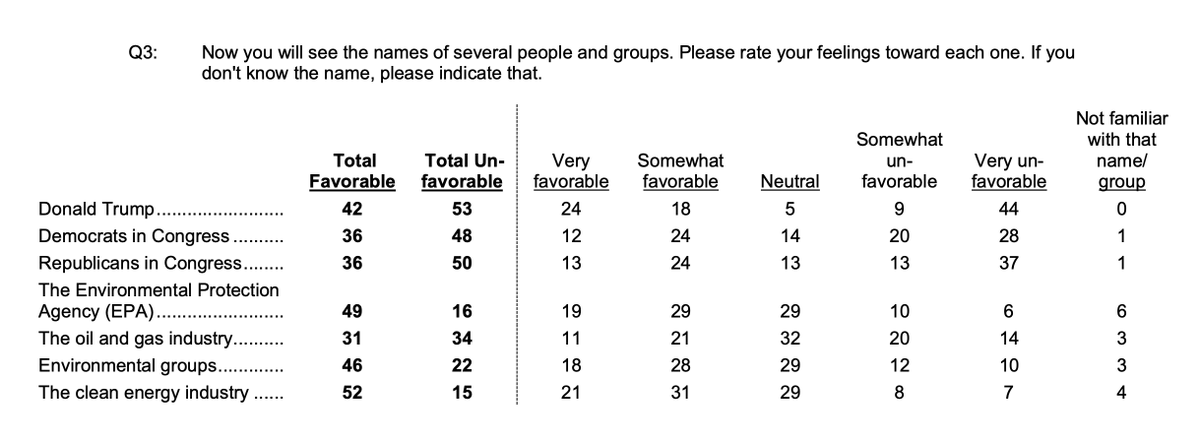
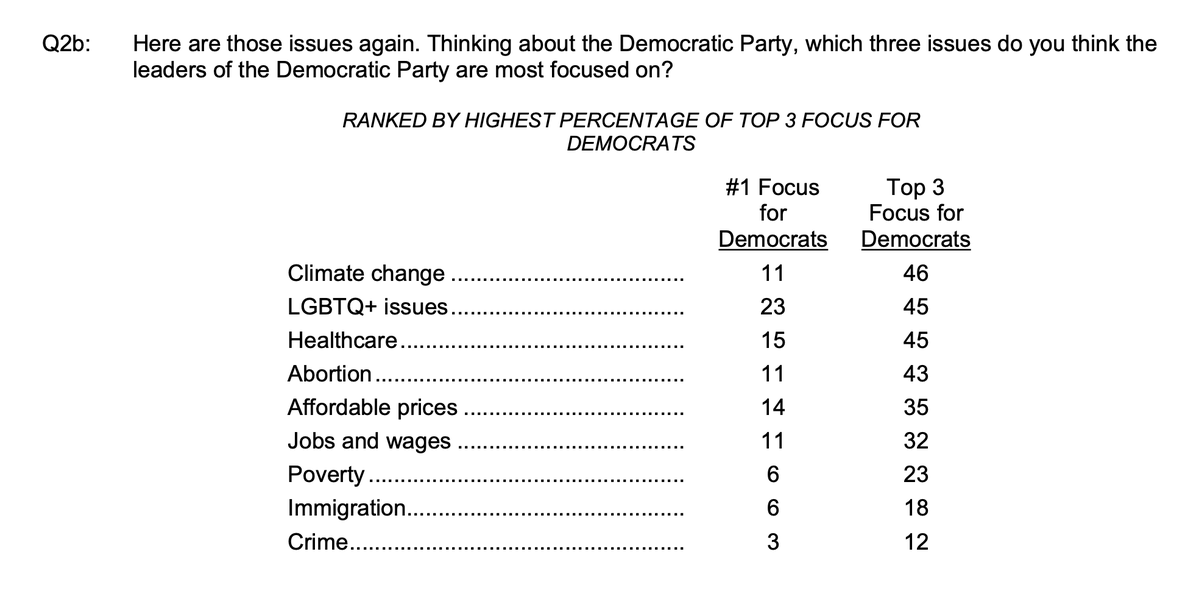
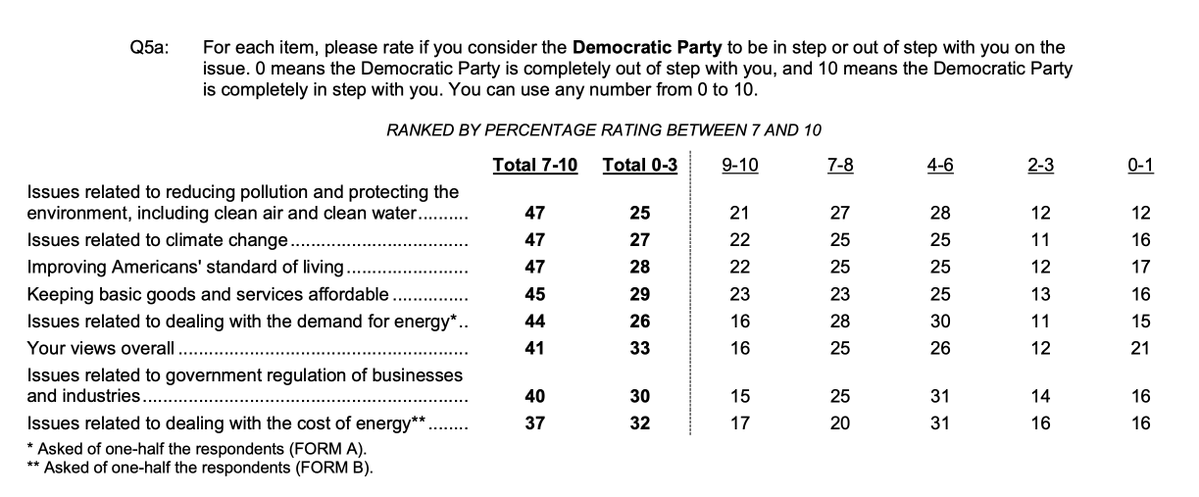
But polling from @amprog and @DataProgress shows that persuadable voters overwhelmingly disapprove of the GOP position on climate change and fundamentally LIKE climate policy.
8/n
cdn.americanprogressaction.org/content/upload…
8/n
cdn.americanprogressaction.org/content/upload…

@EndClimtSilence is now doing polling which we expect will show that these voters *also* want to hear about climate change in their news coverage. We will bring that polling to the networks and CNN.
9/n
9/n
But so that Biden's #GreenRecovery gets traction, & so that our children have a chance at a future, we hope that @algore, @JohnKerry, @AOC, @ClimatePower, @EvergreenAction, & @sunrisemvmt will also push the broadcast news media to cover #ClimateChange & #EndClimateSilence.
/fin
/fin
• • •
Missing some Tweet in this thread? You can try to
force a refresh