
[OPEN ACCESS READINGS ON PHILIPPINE HISTORY, CULTURE, AND POLITICS]
Hello, Twitter!
Just in case some of you are interested (or have time) to read the Philippines, here are some recommended articles.
All freely accessible online-- see the link provided. 🙂
Hello, Twitter!
Just in case some of you are interested (or have time) to read the Philippines, here are some recommended articles.
All freely accessible online-- see the link provided. 🙂
1. Mulder's FILIPINO IMAGES OF THE NATION which underscores the role (and the failure) of the middle class in advancing nationalism through cultivating collective imagination in the public sphere.
Available at: philippinestudies.net/files/journals…
Available at: philippinestudies.net/files/journals…
2. Fallows' A DAMAGED CULTURE: A NEW PHILIPPINES? which cites phenomena and practices under the Filipino culture that are instrumental in the overall stagnation (and even backwardness) of the country. Relevant today as it was post-Marcos regime.
es.scribd.com/document/10018…
es.scribd.com/document/10018…
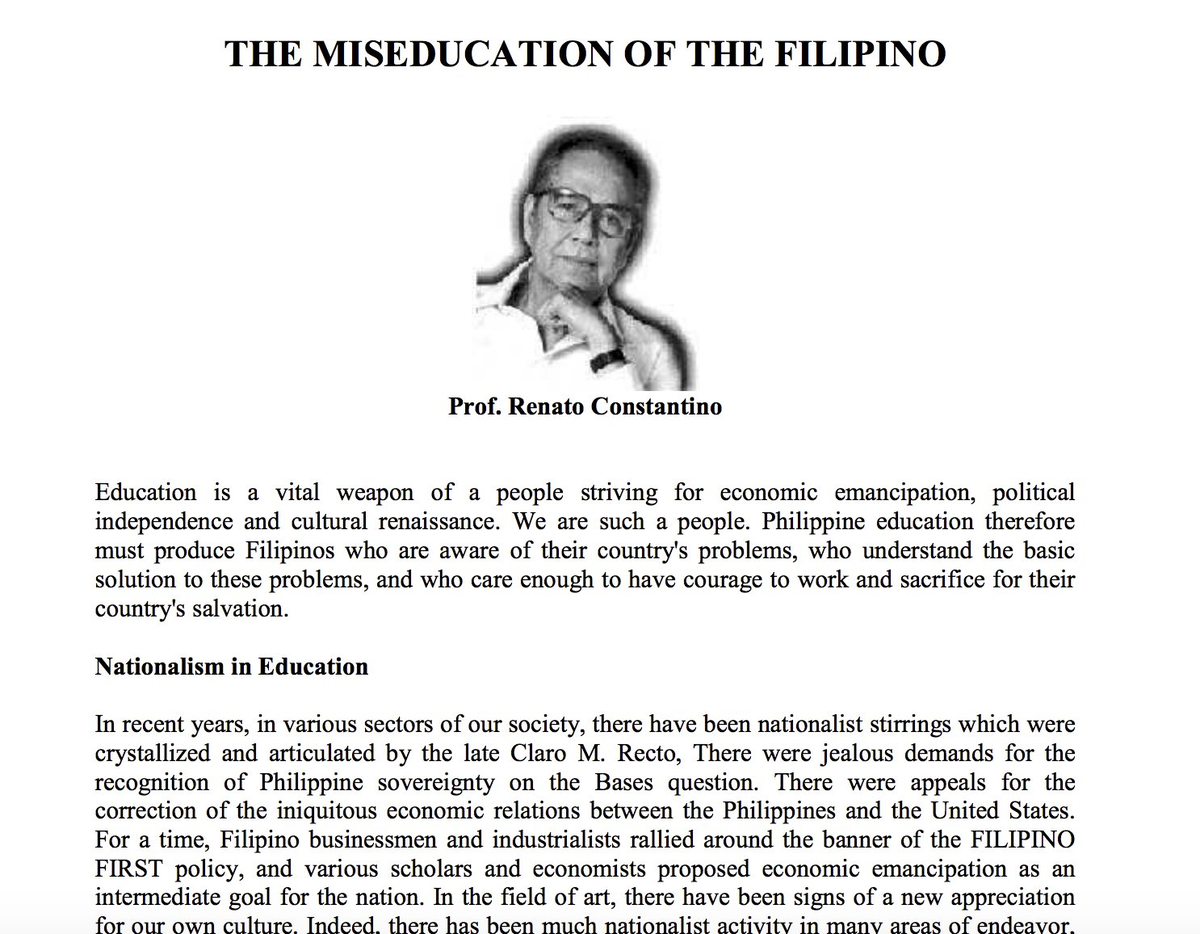
3. Prof. Renato Constantino's THE MISEDUCATION OF THE FILIPINO which talks about the problems and the necessary goals of the Philippine educational system. The kind of education Constantino criticized is still widely seen up to this day.
Link here: pdfs.semanticscholar.org/7735/865e2ea8f…
Link here: pdfs.semanticscholar.org/7735/865e2ea8f…
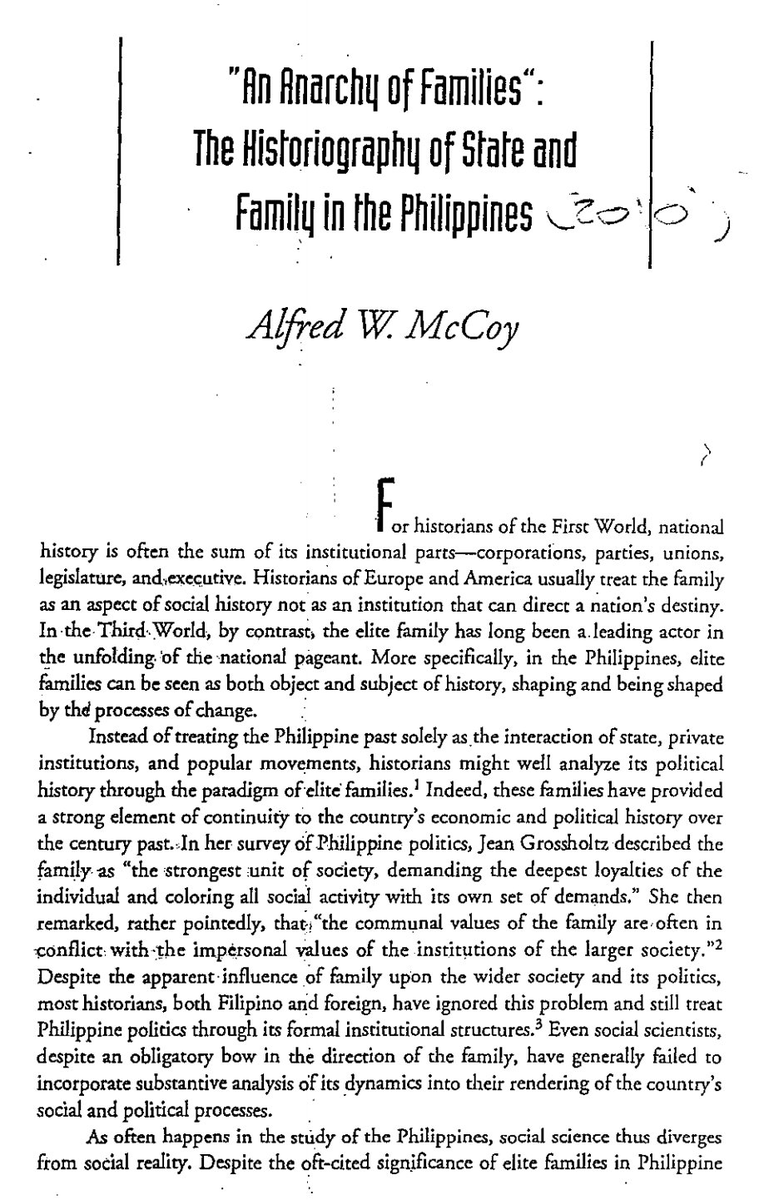
4. McCoy's AN ANARCHY OF FAMILIES. This is a classic and a must-read for those who want to understand elite democracy in particular and the Philippine politics in general. Keywords: oligarchy, political dynasty, corruption, warlordism.
Available at: sirmykel.files.wordpress.com/2016/07/alfred…
Available at: sirmykel.files.wordpress.com/2016/07/alfred…
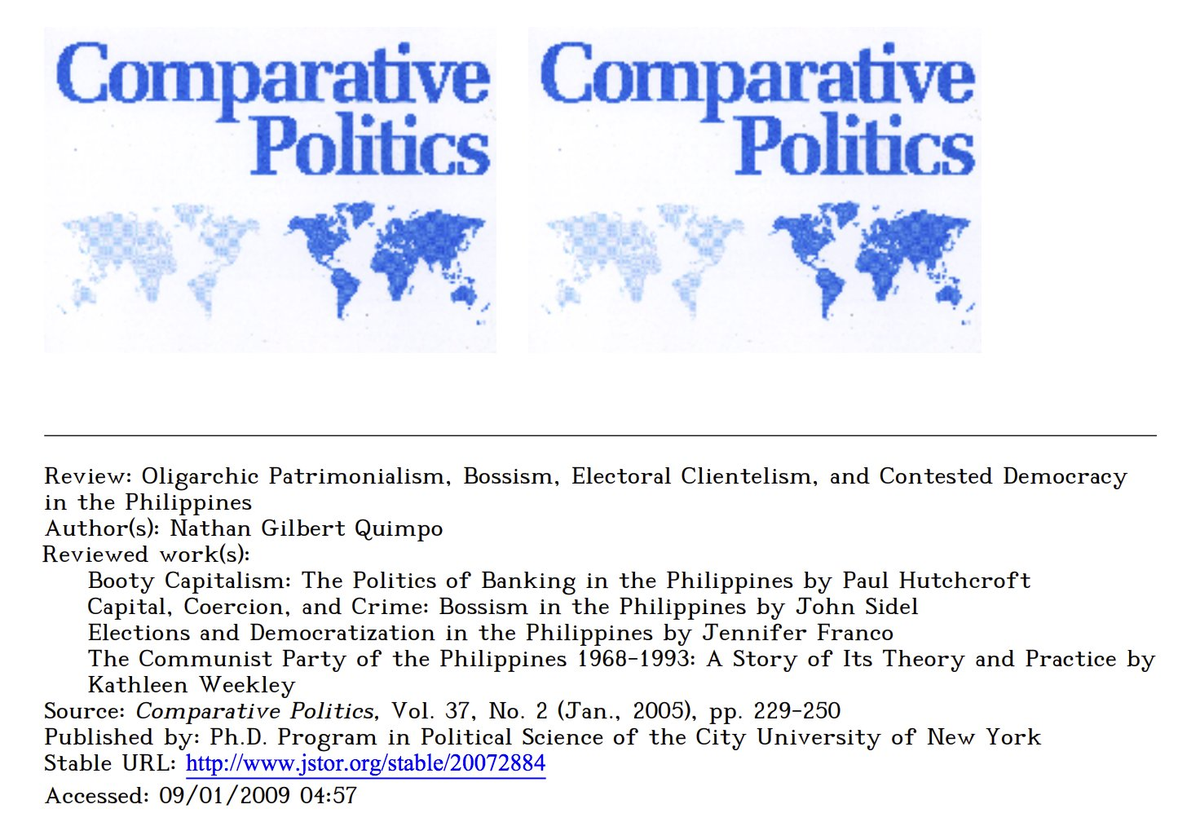
5. Quimpo's REVIEW: OLIGARCHIC PATRIMONIALISM, BOSSISM, ELECTORAL CLIENTELISM, AND CONTESTED DEMOCRACY IN THE PHILIPPINES, which is about the different (and dominant) frameworks making sense of Philippine politics.
jstor.org/stable/2007288…
jstor.org/stable/2007288…
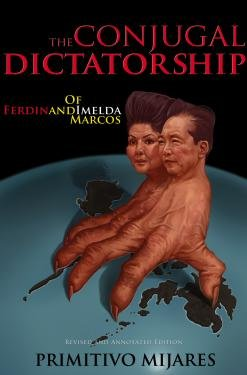
6. Mijares' THE CONJUGAL DICTATORSHIP OF FERDINAND AND IMELDA MARCOS. This book is a detailed exposé of the Marcoses' corruption written by the late dictator's media adviser himself.
Read full here: archive.org/details/TheCon…
Read full here: archive.org/details/TheCon…
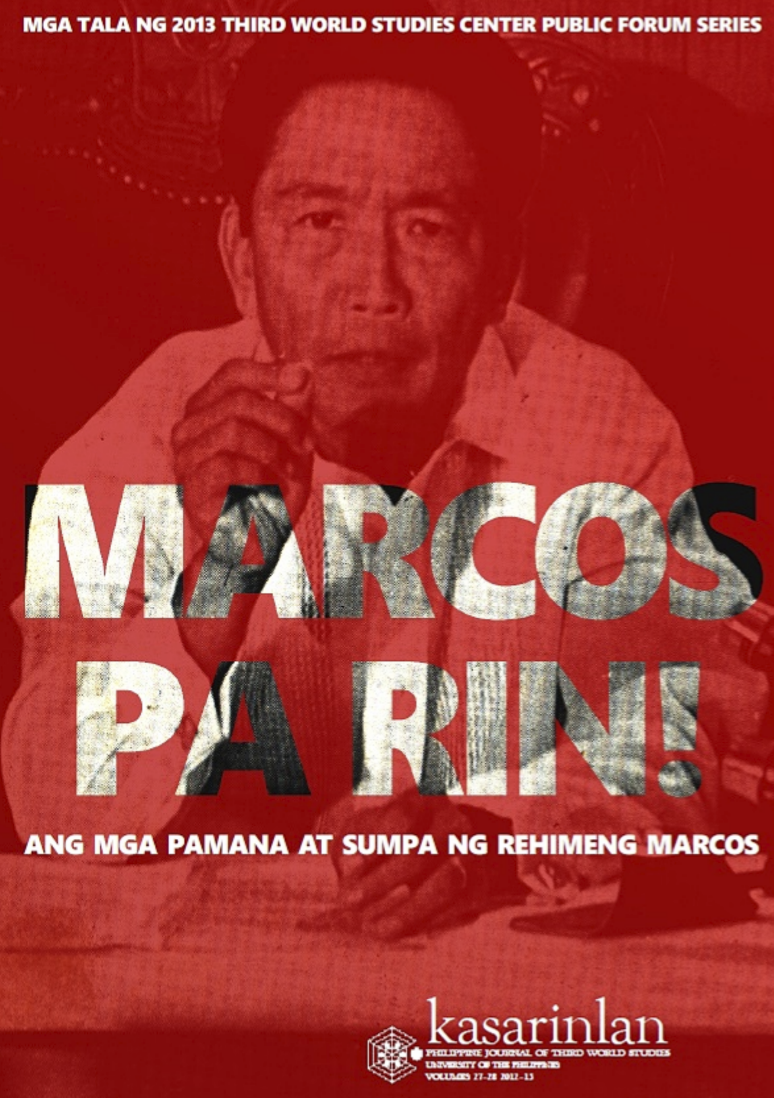
7. "MARCOS PA RIN!", a special issue of the UP Third World Studies Center's journal Kasarinlan. Want to know more about human rights violations under the Marcos martial law? Historical revisionism? The problems we inherited from the 1970s?
Read: drive.google.com/file/d/12T7GgL…
Read: drive.google.com/file/d/12T7GgL…
8. Prof. May Taqueban's A WAY OUT IN EDEN: MATERNAL HEALTH CRISIS IN MANILA. This article unpacks urban poor women's maternal choices vis-a-vis their socio-economic condition and the social norms that blame them for their victimhood. Eye-opening.
tmc.upd.edu.ph/index.php/pssr…
tmc.upd.edu.ph/index.php/pssr…
9. Prof. Racelis and Ms. Aguirre's CHILD RIGHTS FOR URBAN POOR CHILDREN IN CHILD FRIENDLY PHILIPPINE CITIES: VIEWS FROM THE COMMUNITY. Touchin on urban poor's rights, this article shows children's rational opinion-making and socio-political sense-making.
journals.sagepub.com/doi/pdf/10.117…
journals.sagepub.com/doi/pdf/10.117…
10. BEING LGBT IN ASIA: THE PHILIPPINES COUNTRY REPORT. This provides a comprehensive view of how the Philippines treats the LGBT community in terms of various institutions (family, religion, media, politics, etc).
Read the full report here: undp.org/content/dam/ph…
Read the full report here: undp.org/content/dam/ph…
11. Nicole Curato's FLIRTING WITH AUTHORITARIAN FANTASIES? RODRIGO DUTERTE AND THE NEW TERMS OF PHILIPPINE POPULISM. Ever been curious about a strongman's rise to the presidency last 2016? This article is helpful.
tandfonline.com/doi/full/10.10…
tandfonline.com/doi/full/10.10…
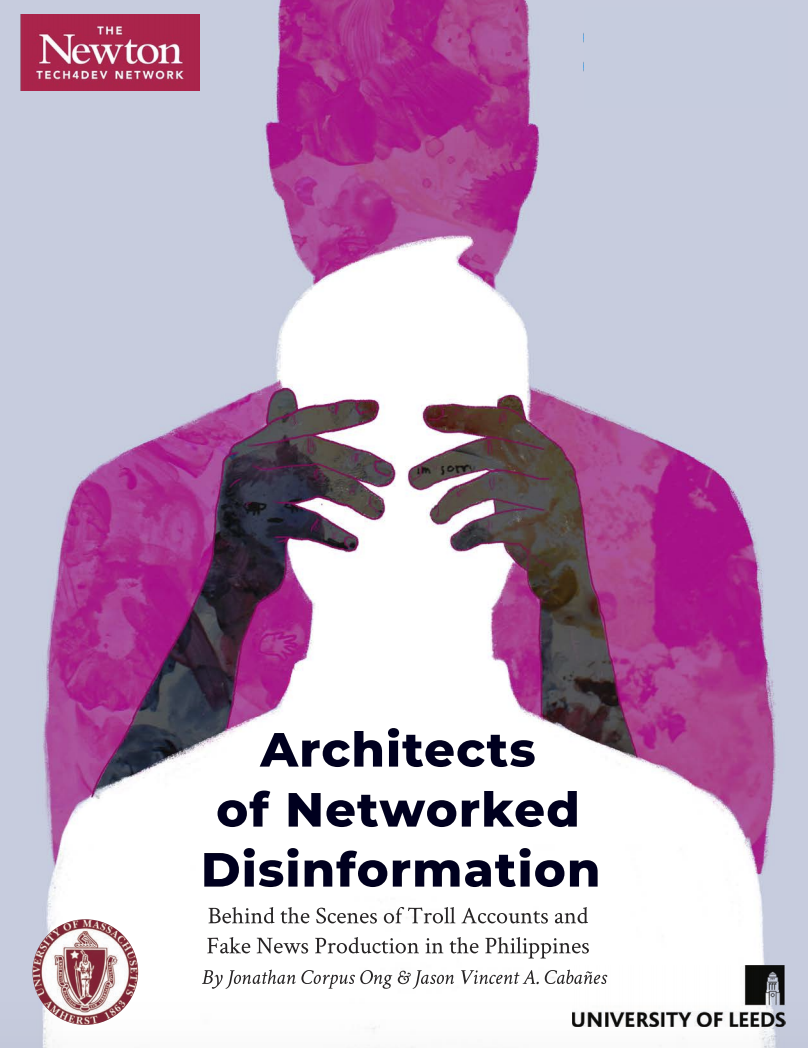
12. Jonathan Ong and Jason Cabañes' ARCHITECTS OF NETWORKED DISINFORMATION: Behind the Scenes of Troll Accounts and Fake News Production in the Philippines. This is an in-depth look at the disinformation industry in the Philippines.
Read: scholarworks.umass.edu/cgi/viewconten…
Read: scholarworks.umass.edu/cgi/viewconten…
All for now 🙂
If you crave more recommended books, here's an article I wrote listing other resources useful in reading the Philippines. This list is chronologically organized, and includes debates and inquiries that the mentioned readings open.
newmandala.org/reading-the-ph…
If you crave more recommended books, here's an article I wrote listing other resources useful in reading the Philippines. This list is chronologically organized, and includes debates and inquiries that the mentioned readings open.
newmandala.org/reading-the-ph…
• • •
Missing some Tweet in this thread? You can try to
force a refresh




