Not all languages have a word for every kind of relationship between things or people. If however, they do, then they become relevant to speakers of that language.
https://twitter.com/JSEllenberg/status/1296433689698721794
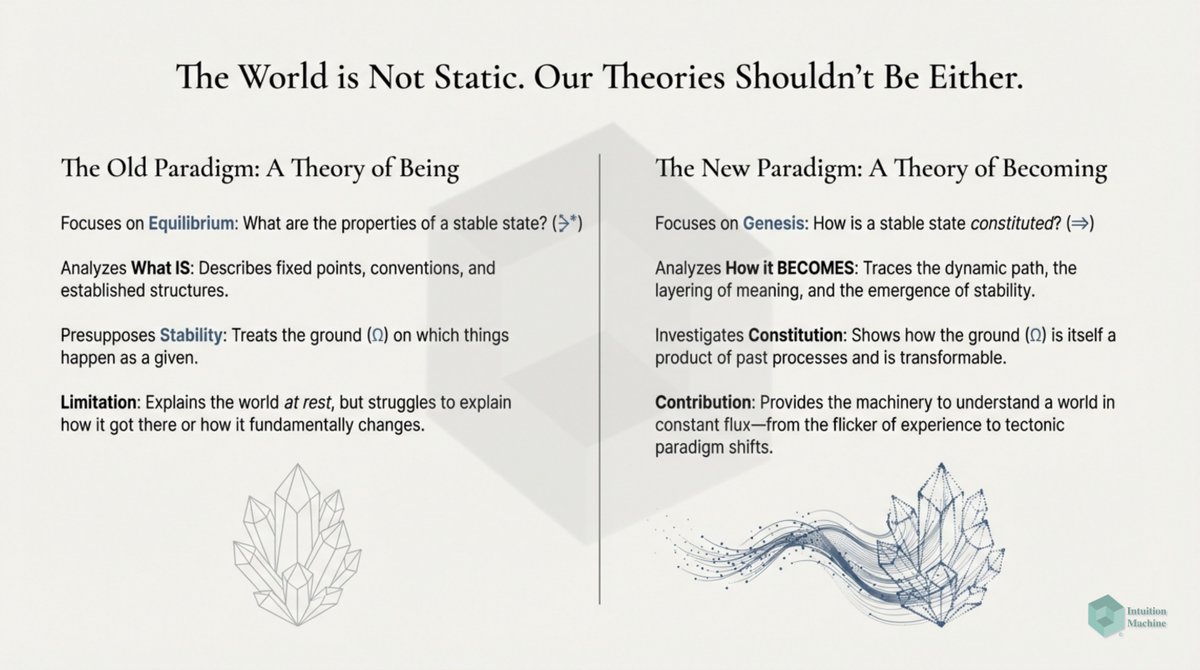
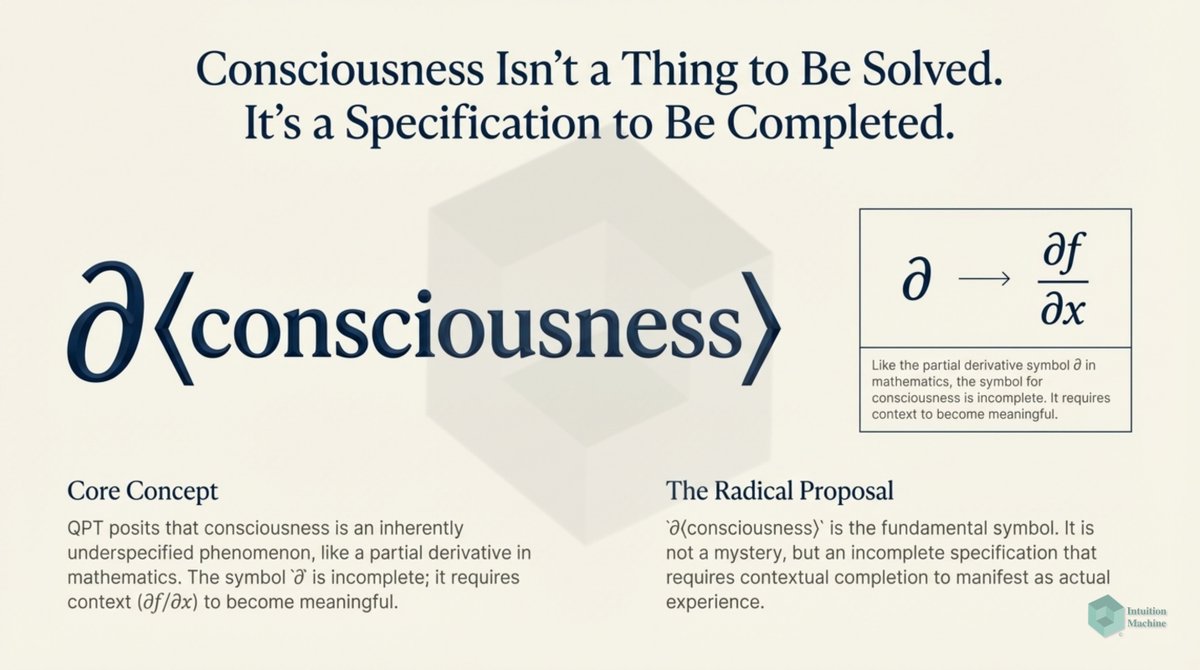
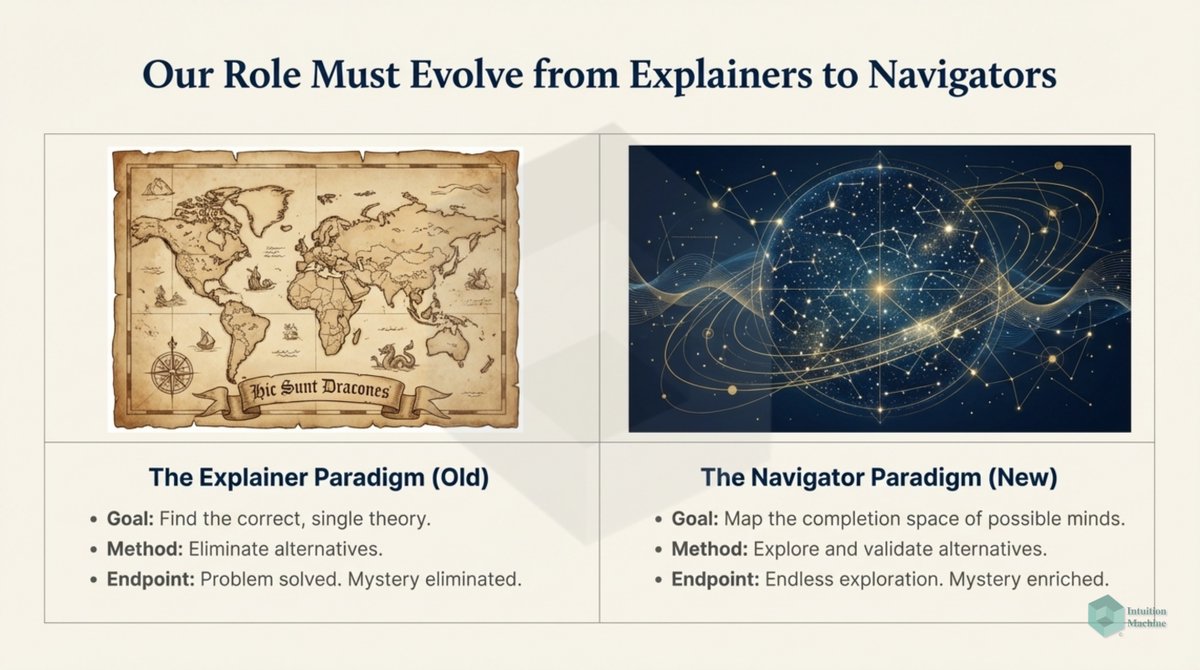
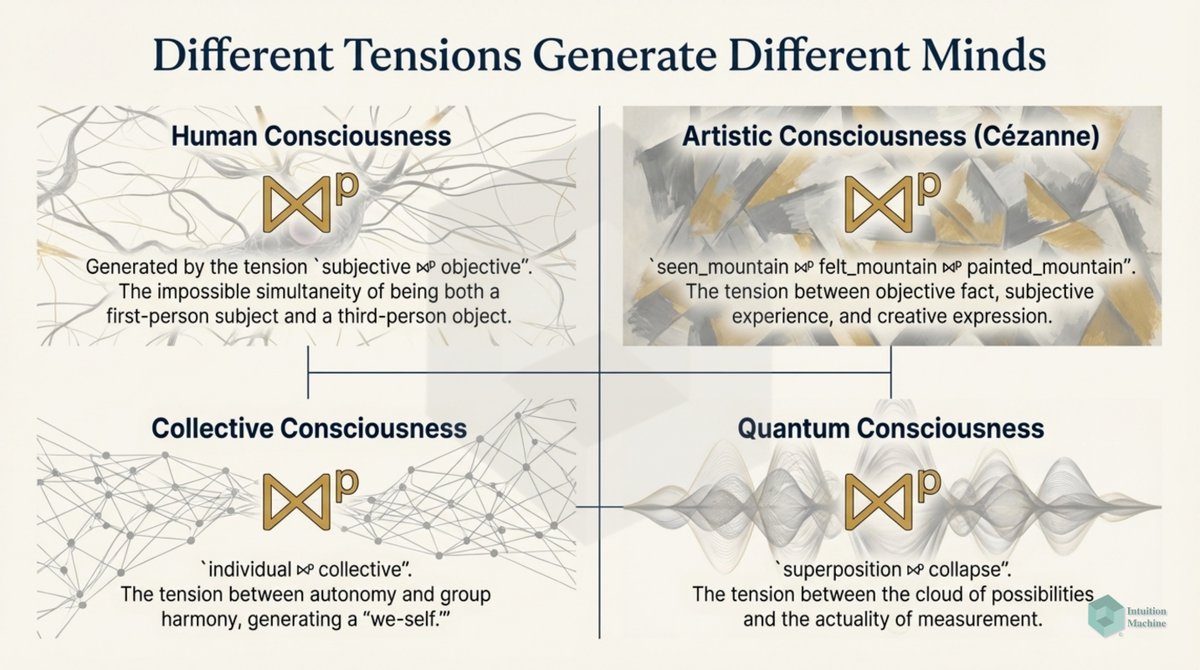
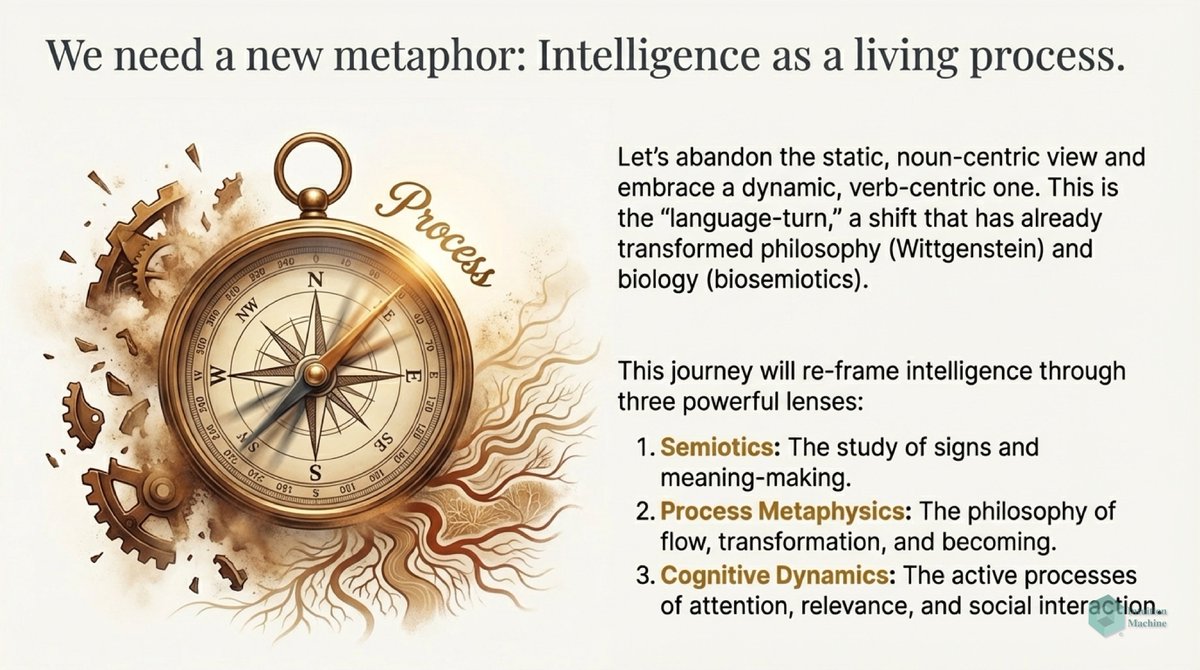
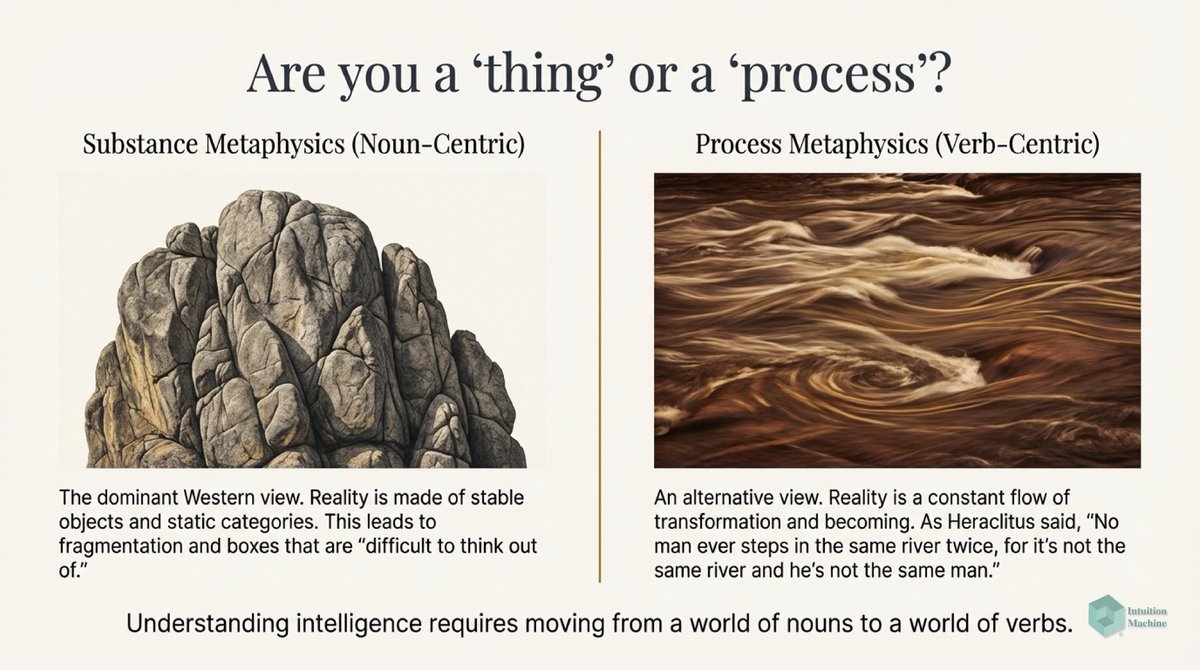
Now let's imagine a language that emphasizes instead the relationship between nouns and not the nouns. How does this kind of language change how we think of the world?
How does such a language permit us to think differently about human cognition?
Such a language leads to the realization of distinctions on how we think of the world. Distinctions that were unconscious have now surfaced to our awareness.
Indeed interesting that E-prime (en.wikipedia.org/wiki/E-Prime) is used in the Laws of Form (a book about distinctions).
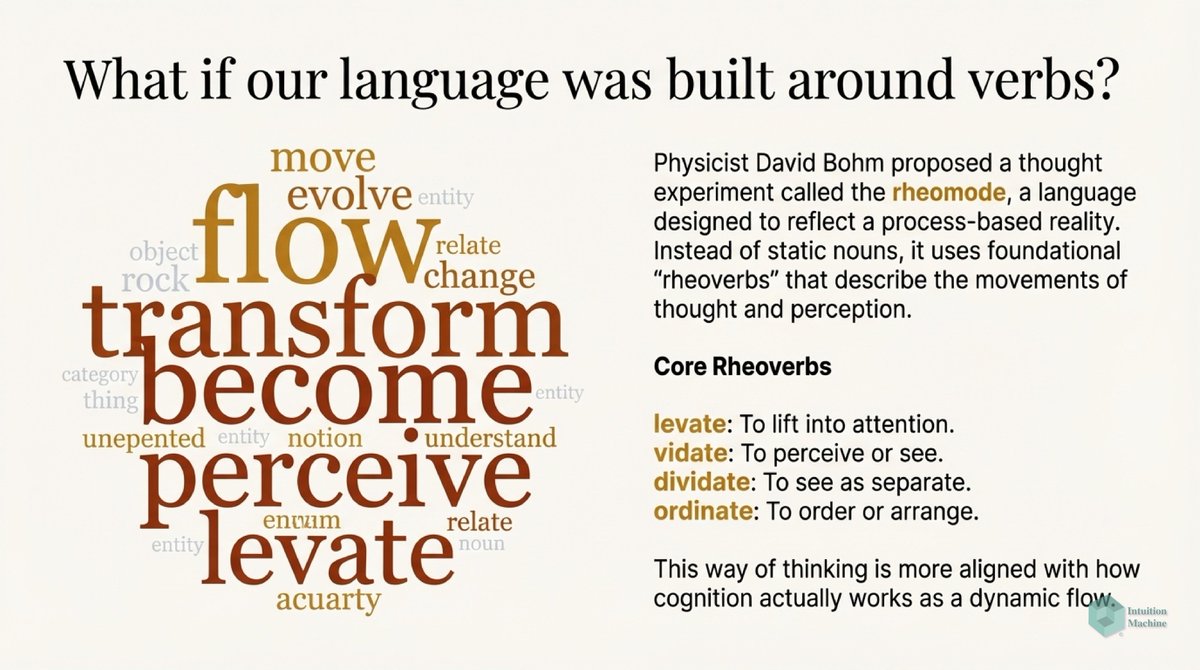
David Bohm described a kind of language he called Rheomode. A language that emphasized movement, change, flux and transformation. In doing so, he showed the many distinctions on how we are able to 'grasp' concepts.
@threadreaderapp unroll
• • •
Missing some Tweet in this thread? You can try to
force a refresh