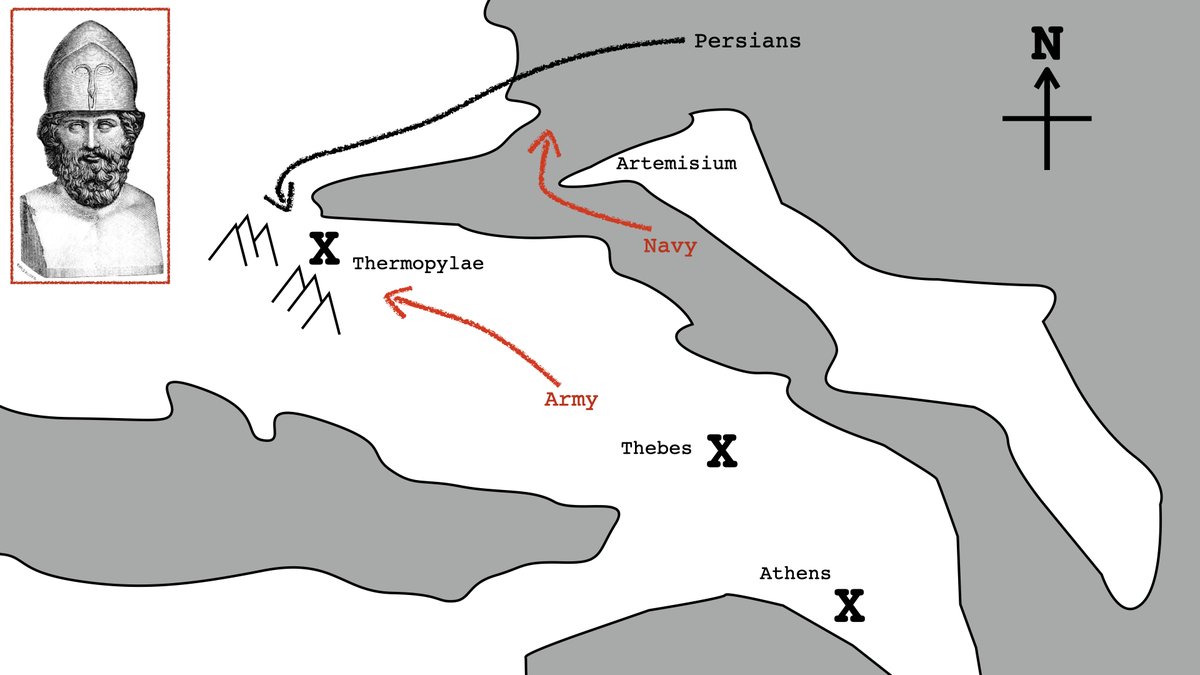
Understanding and managing conflict of physical sovereignty is challenging but possible when using maps.
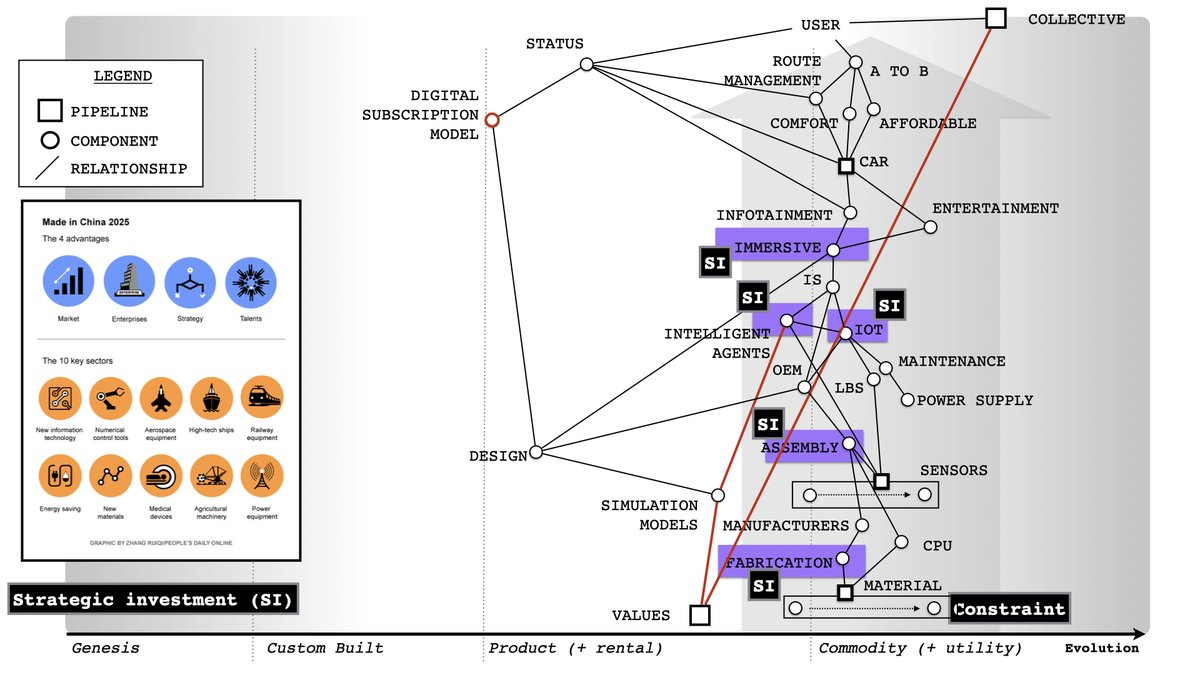
Understanding and managing conflict of digital sovereignty is challenging but possible when using maps.
Try doing either at scale without maps. Hint : you can't.
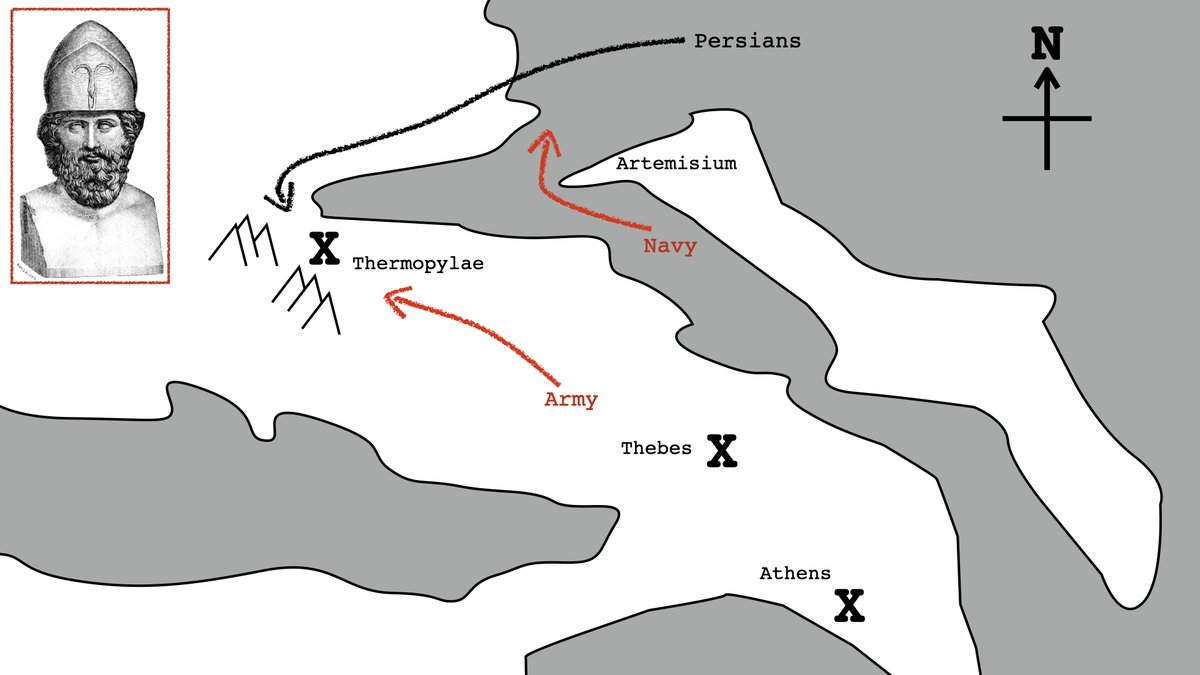
I do love people trying to understand digital / technological / economic and political sovereignty through the power of stories. If there's a landscape and you're competing over it then take a suggestion from the old Egyption Kingdom (3000 BC) ... use a map.
X : I don't understand the map connection.
Me : With physical sovereignty, you have multiple collectives with different values fighting over a landscape that you can visualise with a map to both communicate and learn from.
Me : With digital sovereignty, you have multiple collectives with different values fighting over a landscape that you can visualise with a map to both communicate and learn from.
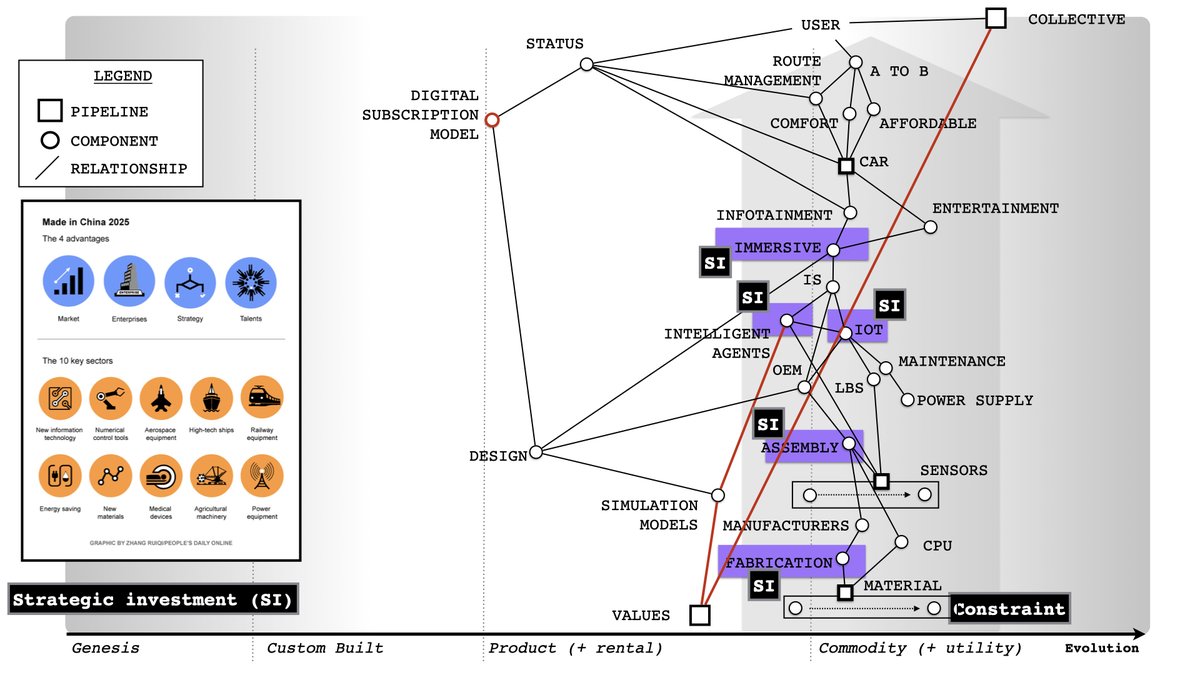
Me : We decided in the military field to progress from using stories to using maps to communicate and learn from about 5,000 years ago. In the world of business, technology and poltics, we're still using stories ...
Me : ... you can see this in the digital sovereignty space where there are rarely maps but an awful lot of effort going into finding a description .... it's like not using a map to explain the physical sovereignty of Greece but trying to find the perfect description of its land.
X : Is this just a problem with sovereignty?
Me : No, it is rife across many fields. We have landscapes which we don't map but try to use stories instead. Another example is Culture where anthropologists have been trying to agree on a definition for over one hundred years.
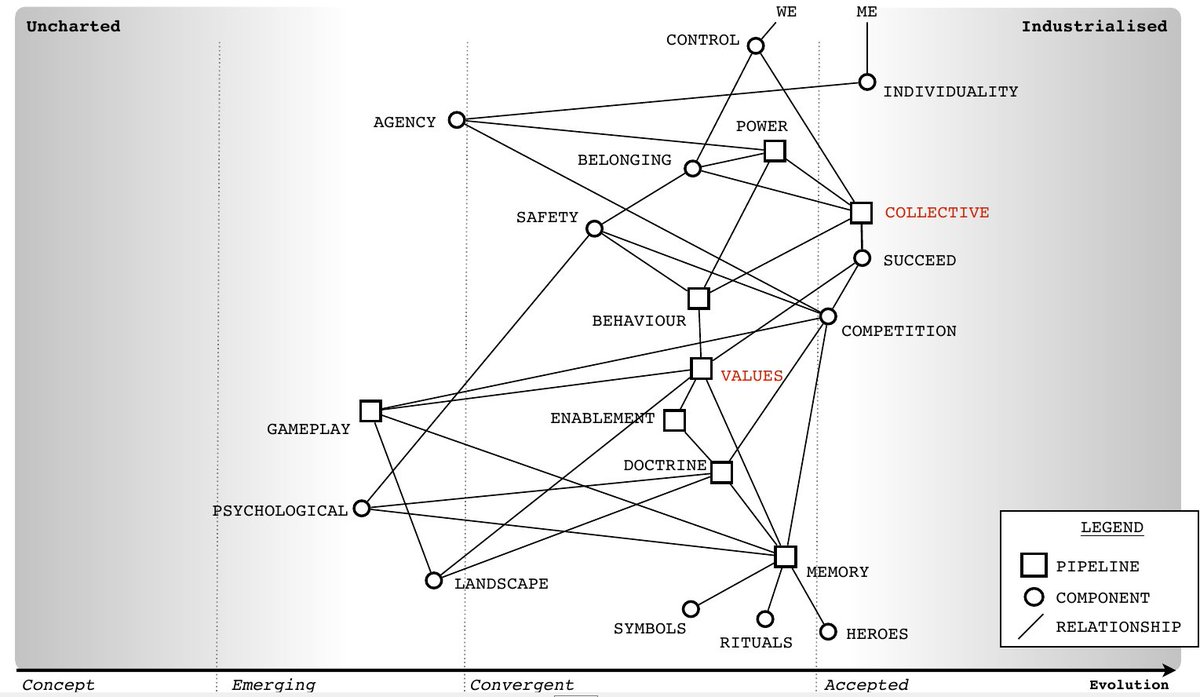
X : I don't see culture on that map.
Me : That's because it's all culture. It's a visual representation of culture, a map of what's involved.
X : Is that right?
Me : All maps are imperfect. All models are wrong. It's not about being right, it's simply about better maps.
X : Why haven't I see these before?
Me : It's slowly spreading, it's appearing in pockets but remember what it's up against.
X : Explain?
Me : The world is run by stories and storytellers. Maps threaten this, they allow for challenge. Hence there will be inertia against change.
• • •
Missing some Tweet in this thread? You can try to
force a refresh

X : What is the deep state?
Me : Depends. You have various conspiracy theory forms and then there's the general term used to describe networks of power operating outside traditional democratic processes. This includes the influence of corporate interests, financial bodies, think tanks, wealthy individuals, lobbysts firms and institutions on government policy. Why?
X : Is Trump going to war on the deep state?
Me : I suspect you'll find that Trump brings his own corporate interests, financial bodies, think tanks, wealthy individuals, lobbysts firms and institutions that will have influence on government policy outside of the normal democratic process.
X : What does that mean?
Me : It means the deep state doesn't usually go away, it just changes i.e. a different group have influence. Unless Trump is planning on a radical program of transparency. Now, that would be interesting. Never seen Trump as a transparency champion.
X : Did you research healthcare investment?
Me : Back in 2023. A group of clinicians mapped multiple perspective of healthcare - including AI, clinical decision making, healthcare value chain - then we used those to determine where to invest from a societal and market benefit.
Me : ... from the table, if your focus is on society then your priority for investment should be measurement of health outcomes (against Patient Reported Outcome Measures) and sharing of medical data. If you're after market growth then try personalised medicine and preventative healthcare.
X : How do you produce those tables?
Me : Pick a field ... like healthcare. Ideally get 40-60 people together with experience i.e. clinicians. Ask them to write down post-it notes of what matters ...
X : What is the most essential skill for AI in the future?
Me : Critical thinking in humans. Alas, we don't usually teach this at school because we're too focused on producing useful economic units.
X : Useful economic units?
Me : Turning humans into automatons for the workplace.
X : Do you have evidence for this.
Me : I took a group of educational consultants, academics and teachers in 2023 and mapped out education from multiple perspectives ... purpose, micro-credentials, asynchronous & synchronous learning, learning models, social learning ...
... we then used the maps to identify where to invest for both societal and market benefit. We then aggregated the results, into the table attached.
If your focus in on societal benefit, then invest in lifelong learning and critical thinking. If your focus is on making money then invest in educational AI and digital access.
It amazes me that the most important metrics (lines of code, story points, cycle time, devex satisfaction) in development are the two that are never discussed, let alone measured ... mean time to answer (mttA) and mean time to question (mttQ).
Whenever we start with building a system or managing a legacy environment, we need to ask questions and get answers. Those are skills which can be hindered or supported by the toolset around you ...
... in the very worst cases, engineers are forced into reading code to try and understand a system. Upto 50% of development time can be spent on reading code ... a process we never question or optimise. That is madness.
X : Thoughts on a return to office policy?
Me : It happens for two basic reasons:- 1) loss of status symbols (top floor office etc). Many execs need these to say "I'm the boss" 2) headcount reduction (i.e. people will leave) due to a weakness in the finances.
Why?
X : What about productivity and innovation?
Me : Those are "reasons" given but they're all bogus and don't stand up to scrutiny. However, there is a third.
X : Colloboration?
Me : Stranded assets - offices etc. No exec likes looking at an empty building they spent £300M on.
X : Basically - status symbols, weaknesses of finances and political capital?
Me : Sounds about right.
X : Did you see Amazon has a return to office policy -
Me : Oh. That's concerning.geekwire.com/2024/survey-by…
X : Our strategy doesn't align with our business.
Me : How do you mean?
X : We create these strategy documents but they never really get implemented as the day to day business takes over.
Me : That's common. Can I ask a question?
X : Sure
Me : ...
Me : Do you map?
X : I've heard of your technique but we don't use it.
Me : Ok, so your business operations is not based upon a map of the landscape?
X : No
Me : And your strategy is not based upon a map of the landscape?
X : No
Me : What made you think they would align?
X : They are supposed to align and we wrote our strategy on our understanding of the business.
Me : Your wrote your strategy based upon stories. There's no means to create a consensus of your landscape, to challenge what your are doing. There is no mechanism for alignment.