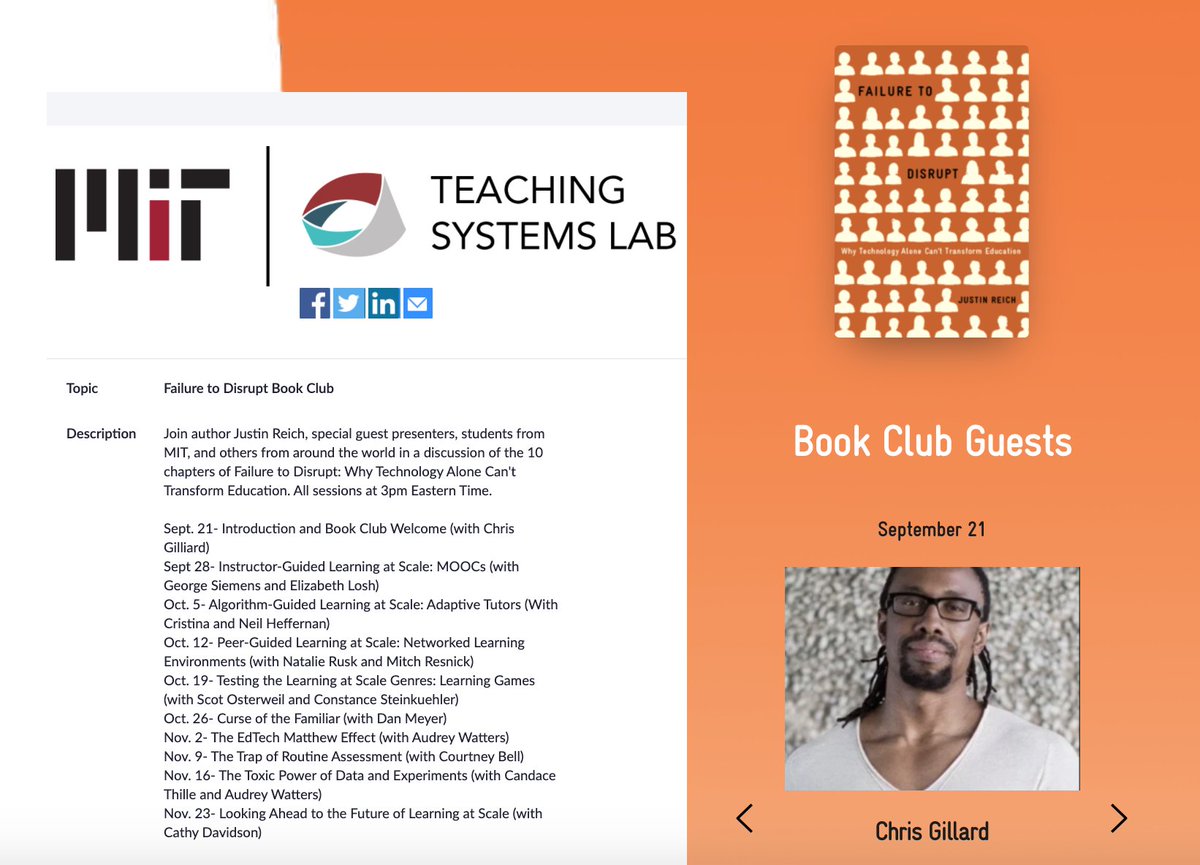
Tomorrow is publication day for #FailureToDisrupt from @Harvard_Press! Find bookseller links and reviews at failuretodisrupt.com. You can also sign up to join our free 10-week book club, starting Sept 21 at 3pm ET, recorded or live. We have great guests including...
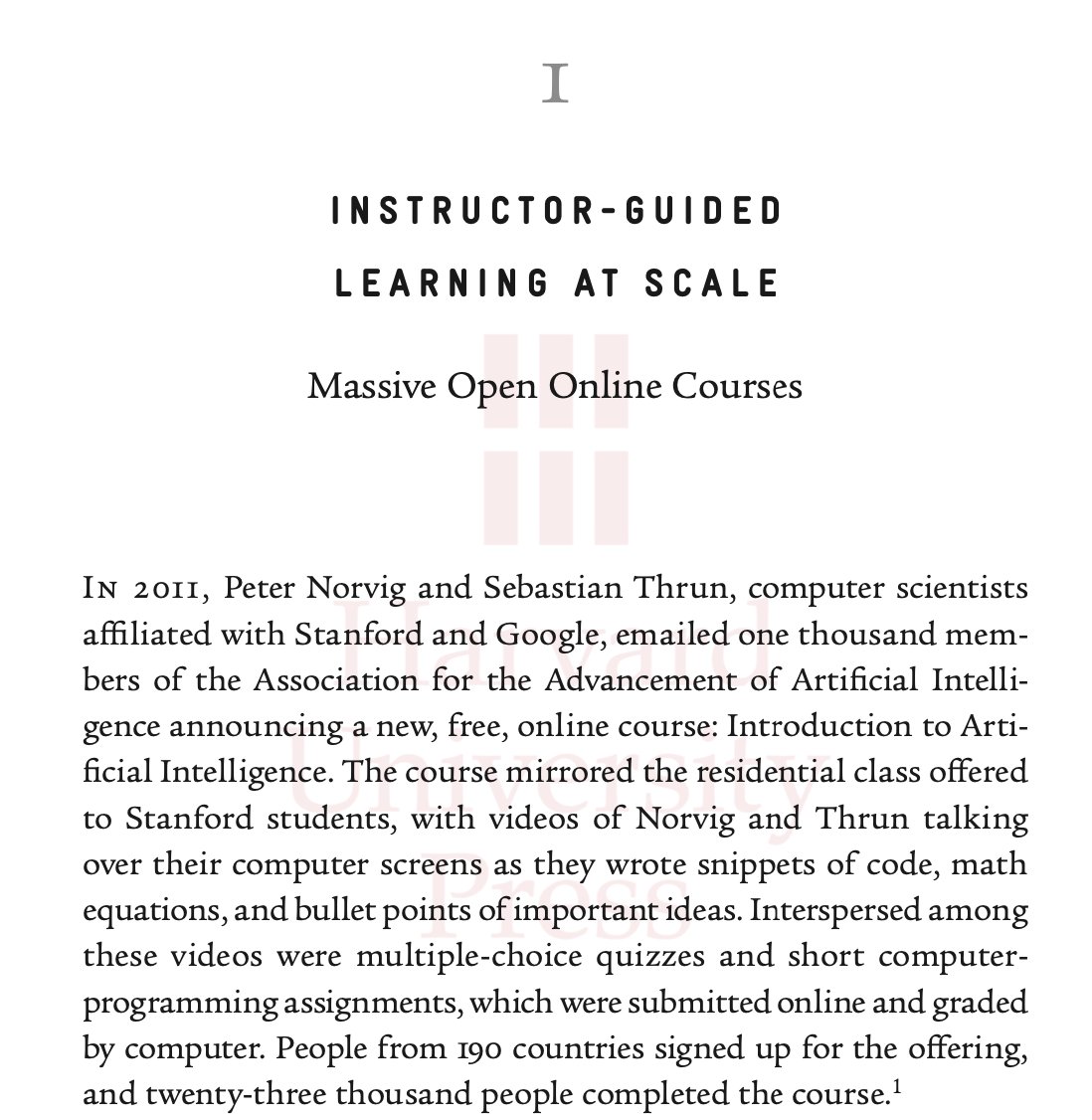
Discussing instructor-guided courses like MOOCs we have @gsiemens and Liz Losh. We'll talk algorithm-guided tools like adaptive tutors w/ Cristina & Neil Heffernan from @assistments ... #failuretodisrupt
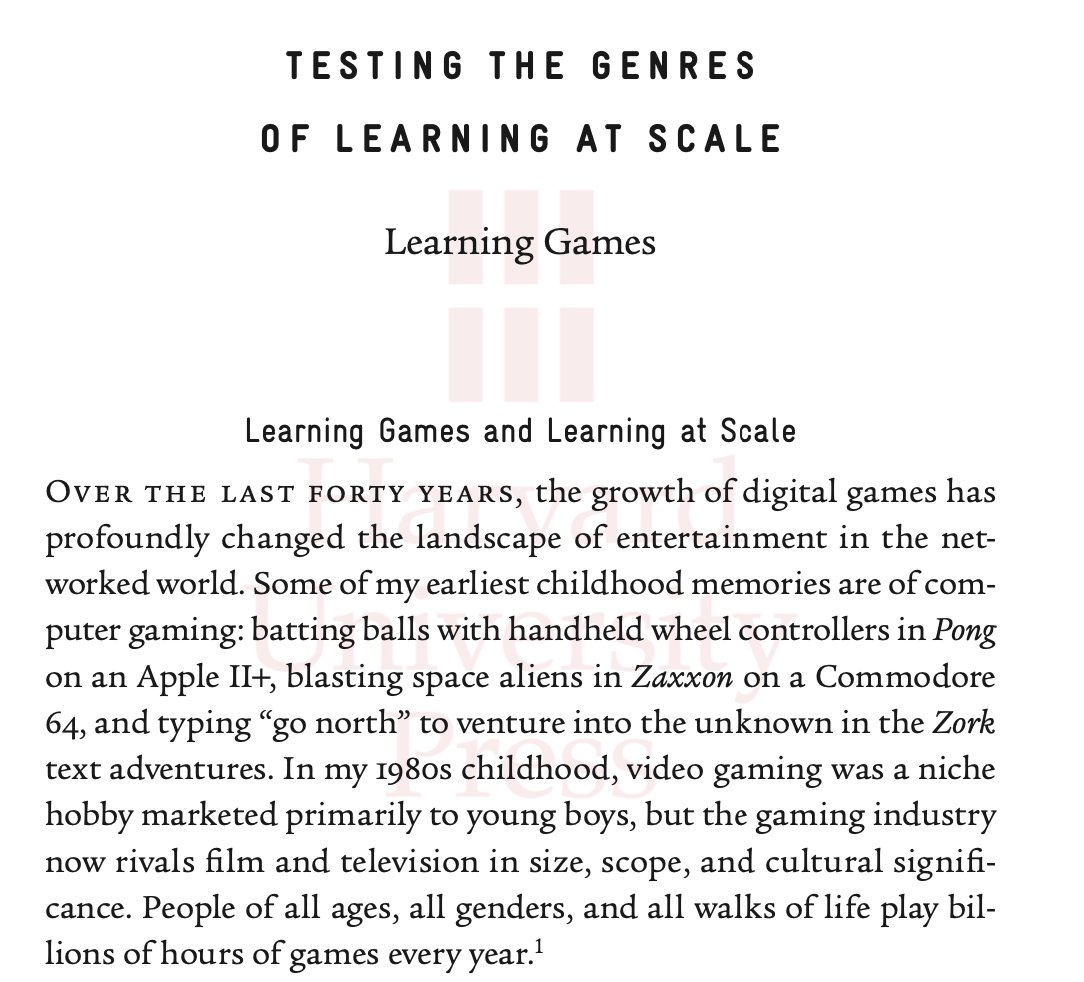
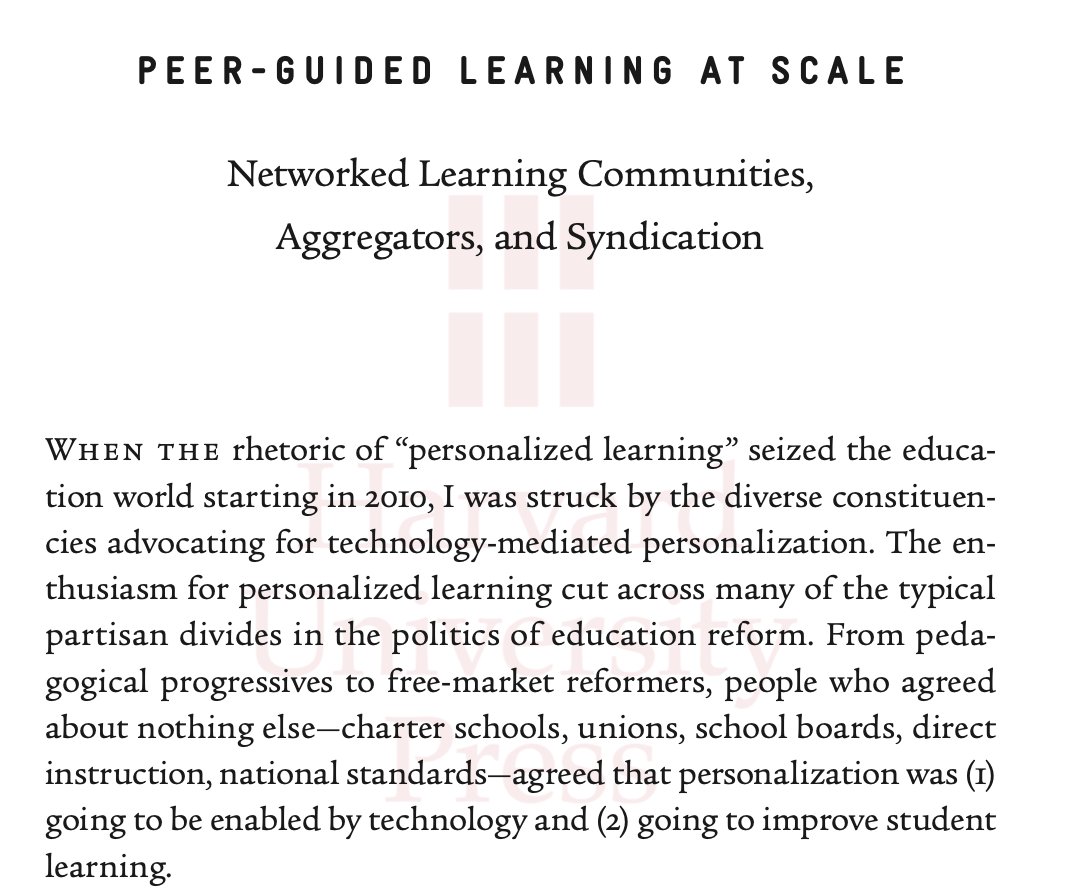
We'll have @NatalieRusk and @mres from @scratch on for peer-guided, networked communities...Then, we'll talking about learning games, and how they cut across these these genres in interesting ways with @scot_o and @constances...
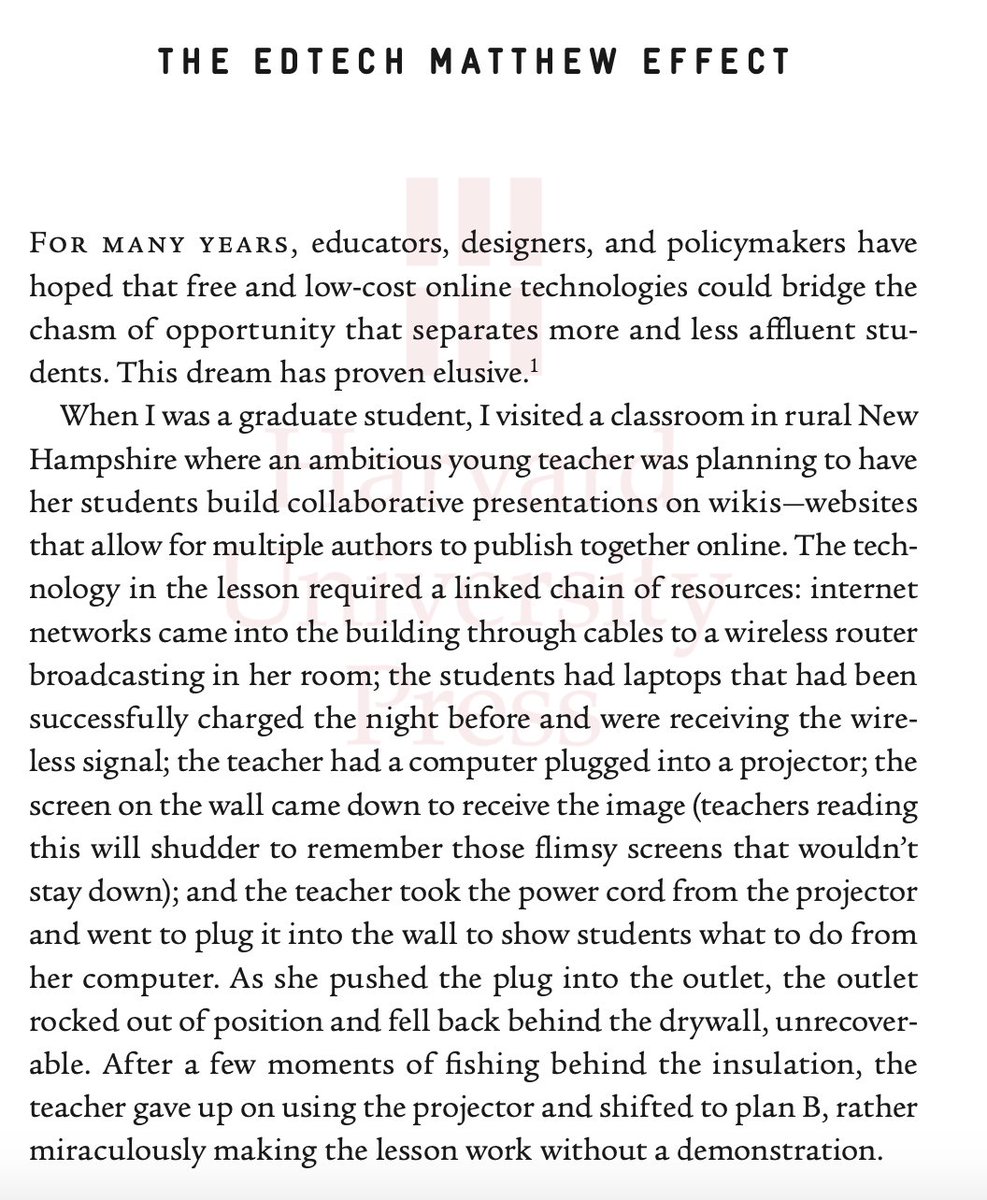
In part II of the book, I address four "As-Yet Intractable Dilemmas" that are consistent obstacles to the impact of #edtech in schools. @ddmeyer from @Desmos will come in to discuss the Curse of the Familiar. @audreywatters will come back for the EdTech Matthew Effect.
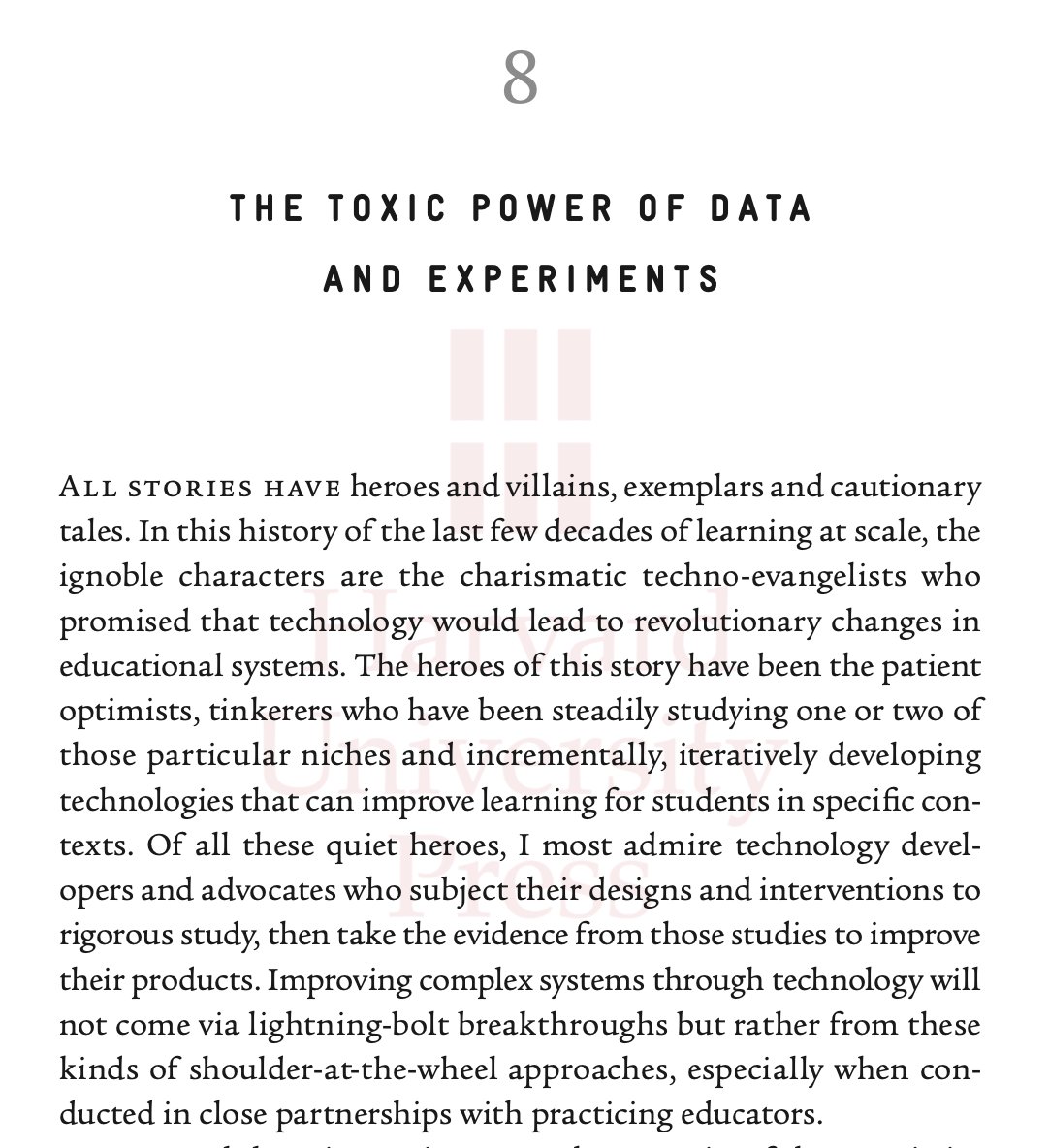
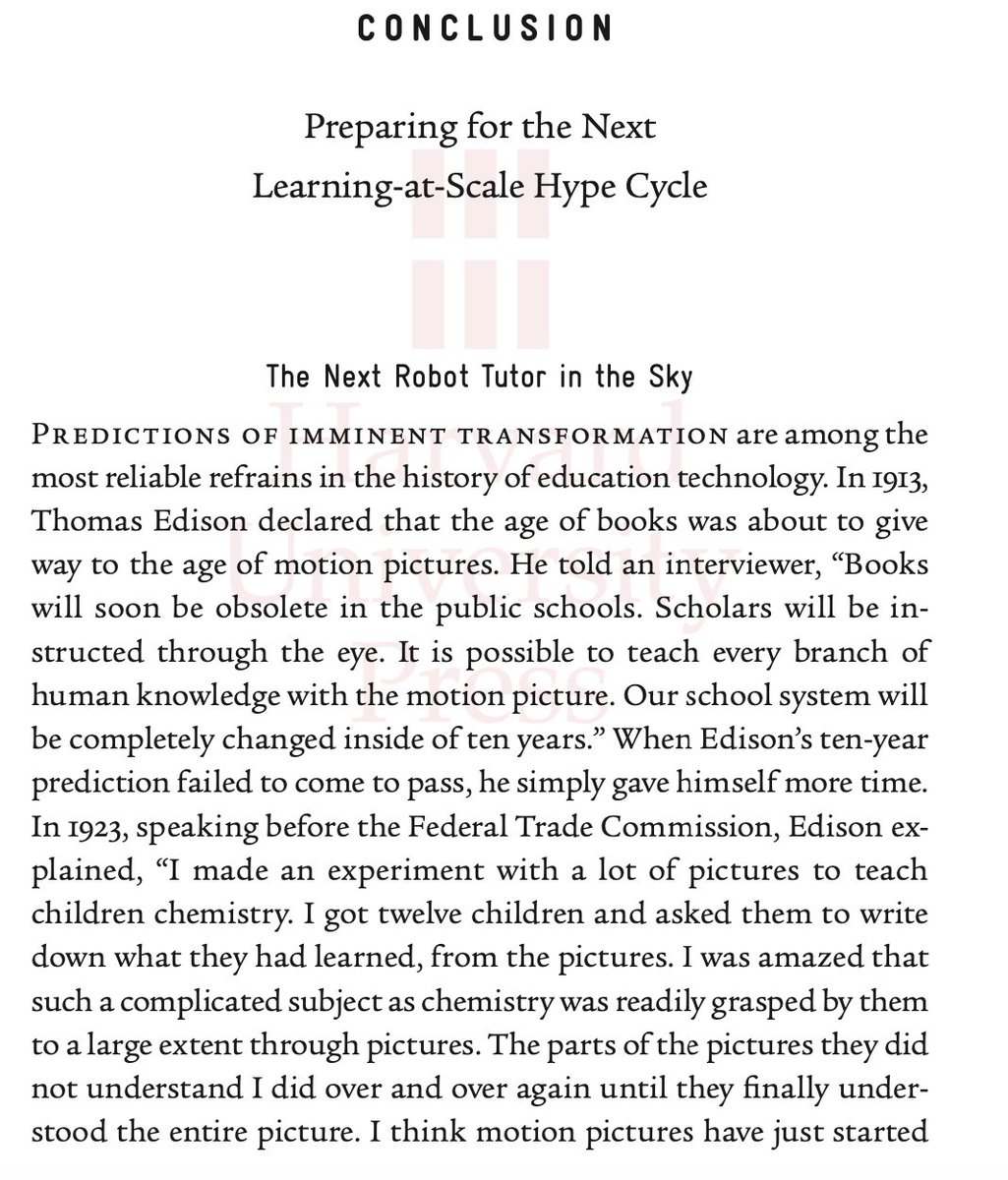
We'll have Courtney Bell from ETS and U Wisc-Madison talking about the Trap of Routine Assessment and Candace Thille and @audreywatters will join for the Toxic Power of Data and Experiments. Then finally, Cathy Davidson will come join us to discuss the Future of Learning at Scale
The wide availability of powerful AI tools has created opportunities and challenges in K-12 education. The MIT Teaching Systems Lab has been talking with students and educators about the arrival of “the homework machine”. Here are some products of that research: (thread)
In “The Arrival of the Homework Machine” on the Teachlab podcast, we explore the basics of how LLM AI works, and how educators may start adapting to their arrival. 2bit.ly/4dMkeHh
In “Dispatches from the Integrity Trenches” @curiousdukes shares stories of teachers encountering AI plagiarism. We raise the question of whether teachers should focus their efforts on AI detection, or revising assignments. 3bit.ly/4dEfeEY
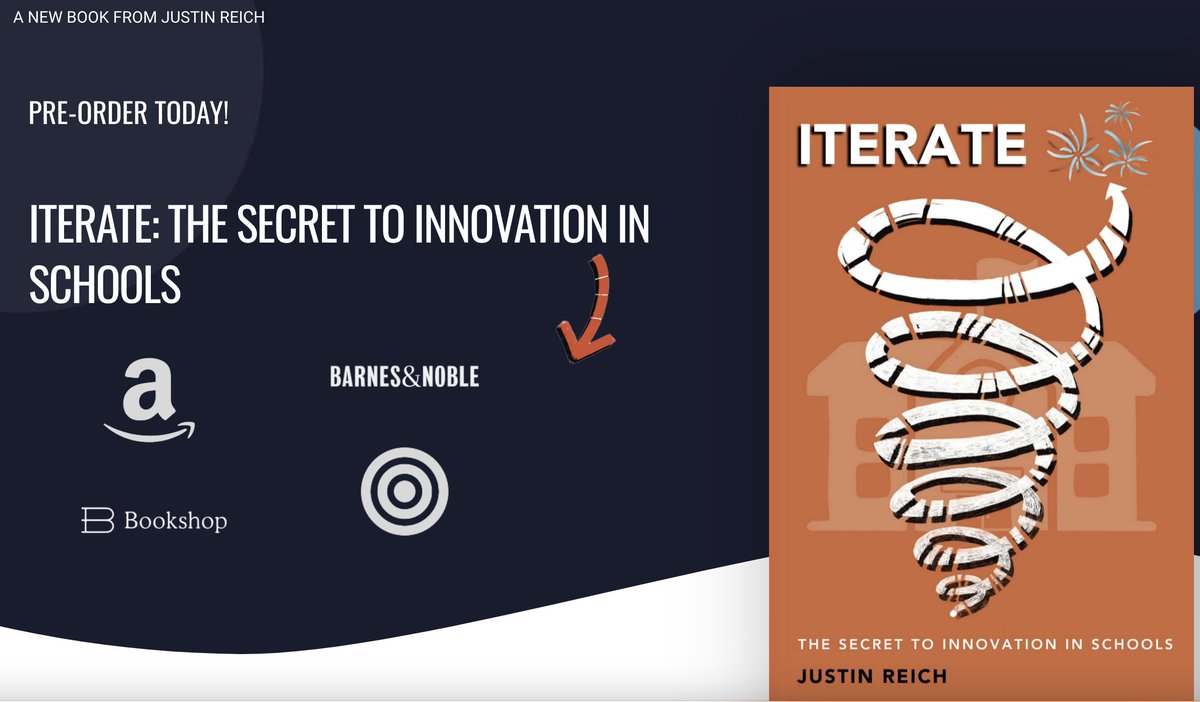
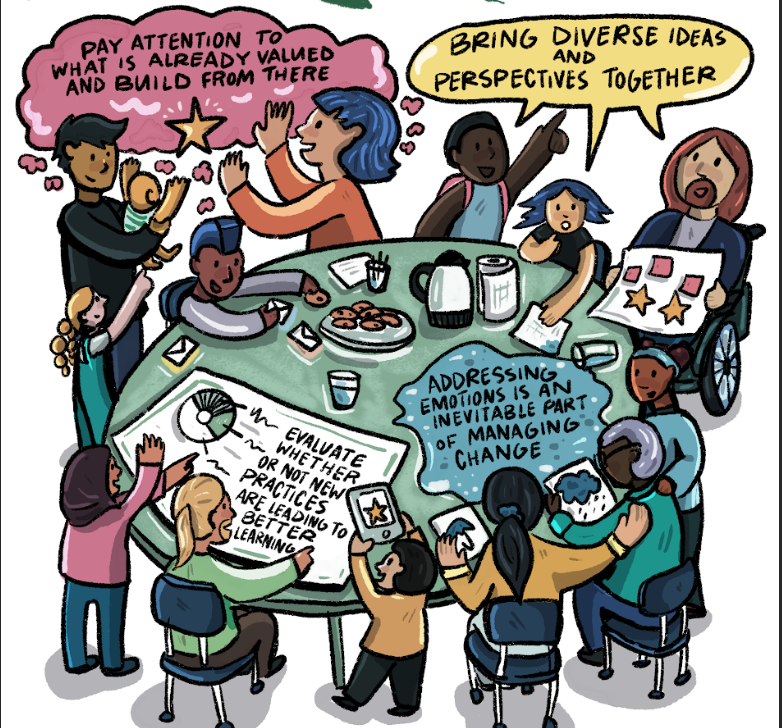
Iterate: The Secret to Innovation in Schools is a new book I have coming on Sept. 20. Preorders are available now! Learn more at . Let me tell you about it, show some fabulous artwork, and share a new online course for folks who pre-order! 1/x iteratebook.com
First, here's the book trailer, which is another overview of this thread. 2/x
For 20 years, I’ve worked in schools on all kinds of projects: transforming curriculum, integrating technology, re-engaging students, making school meaningful and relevant to young people and families. 3/x
Over the last two months, for the @TeachLabPodcast, I've had a great series of conversations with teachers, school leaders, and researchers about Subtraction in Action: making schools simpler so we can focus on the most important things. Here's a bit of what we learned: 1/10
With @jal_mehta, we start by discussing how I used to drive my mom crazy around this time of year by jamming every light and ornament we owned on our Christmas Tree, and how schools a little too much like a overdecorated tree:
Then we had @Leidyklotz from the University of Virginia Engineering School come to talk his Nature paper "People Systematically Overlook Subtractive Solutions" and his book Subtract. tl;dr, people always want to fix things by adding! Not sustainable! teachlabpodcast.com/episodes/subtr… 3/10
We asked nearly 200 teachers to interview their (~4000) students about this past year and their hopes for next year. Then, we asked them what they planned to do differently next year as a result. This is some of what they said: 🧵
"All students were proud of something. I need to make more space for students to share what they are proud of."
"I have to stop thinking of community building as one 'unit' at the beginning that I rush through, and how community can play a much larger, systemic, role in my classroom."
We had over 150 teachers interview their students about pandemic learning and what should happen next year, and then report back. Here's what students said: 🧵
“We’re still doing school”
"I hope teachers approach whatever our return to normal looks like with the same degree of empathy as they have during the pandemic. People are just much more understanding of our lives and pressures."
There has been lots of discussion about camera-required versus camera-optional in class, but I don't think I've seen an analysis yet that looks at how virtual backgrounds can be yet another marker of social status. 1/ #failuretodisrupt
Paul Attewell proposed that the digital divide had two parts, access and usage, and even when we close gaps in access, there can still be differences in opportunities between more and less affluent students. People often hope edtech closes gaps, but it more often opens them 2/
Affluent kids are more likely to have access to quiet, private workspaces, that also communicate social status through markers of consumption positioned in frame. Poverty-impacted students are less likely to have access to such spaces in the real world. But it gets worse. 3/