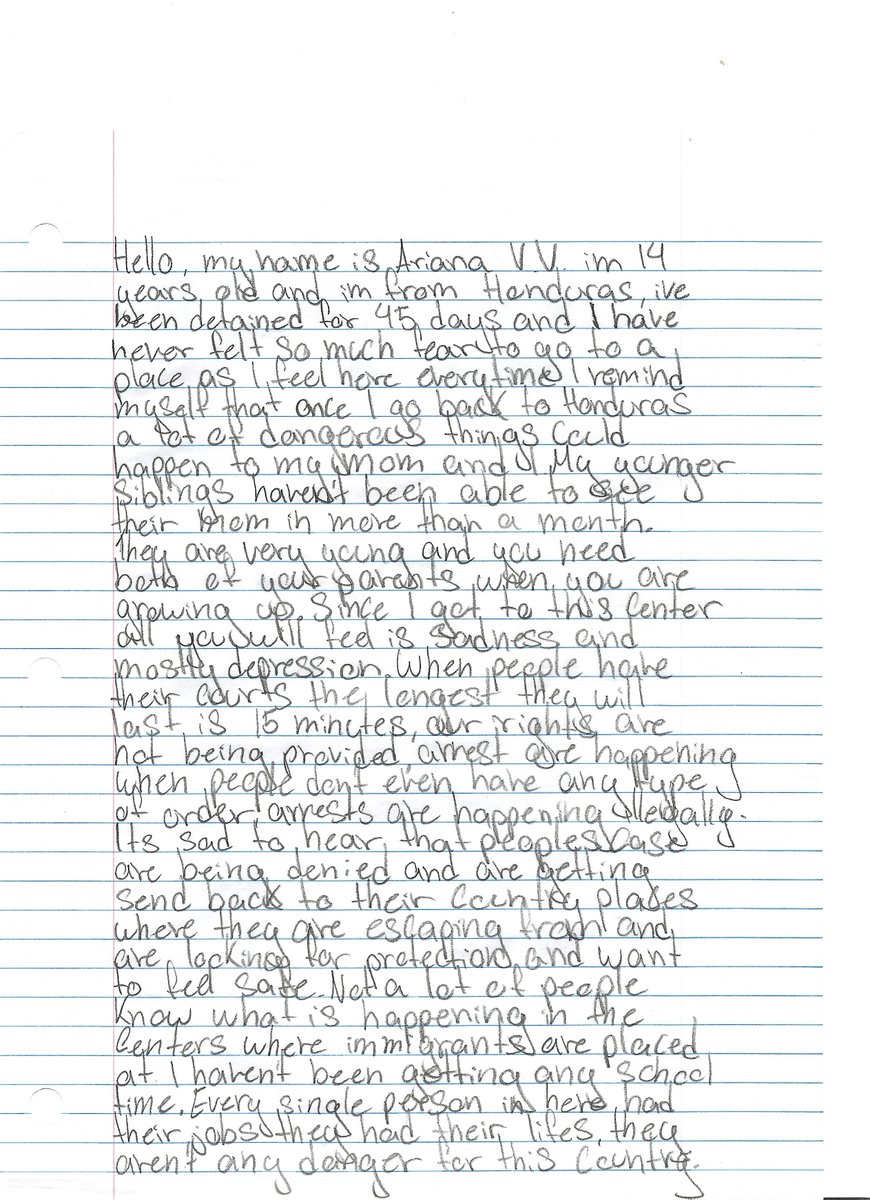
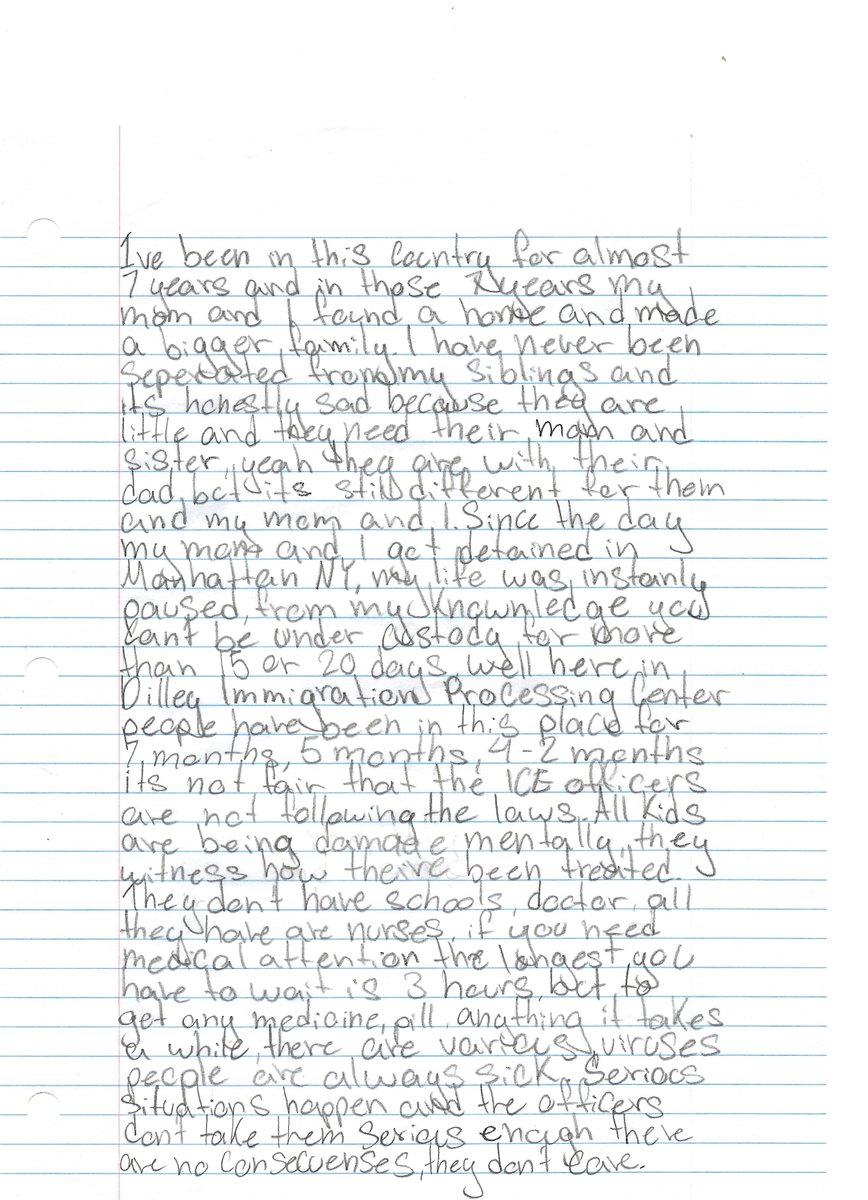
1/ Once you accept that climate change is *already* making large parts of the United States nearly uninhabitable, the future looks like this:
With time, the bottom half of the country grows inhospitable, dangerous and hot.
And that’s just the beginning.
With time, the bottom half of the country grows inhospitable, dangerous and hot.
And that’s just the beginning.
Something like a tenth of the people who live in the South and the Southwest — from South Carolina to Southern California — will decide to move north in search of better economies + a more temperate environment.
Those who stay behind will be disproportionately poor and elderly.
Those who stay behind will be disproportionately poor and elderly.
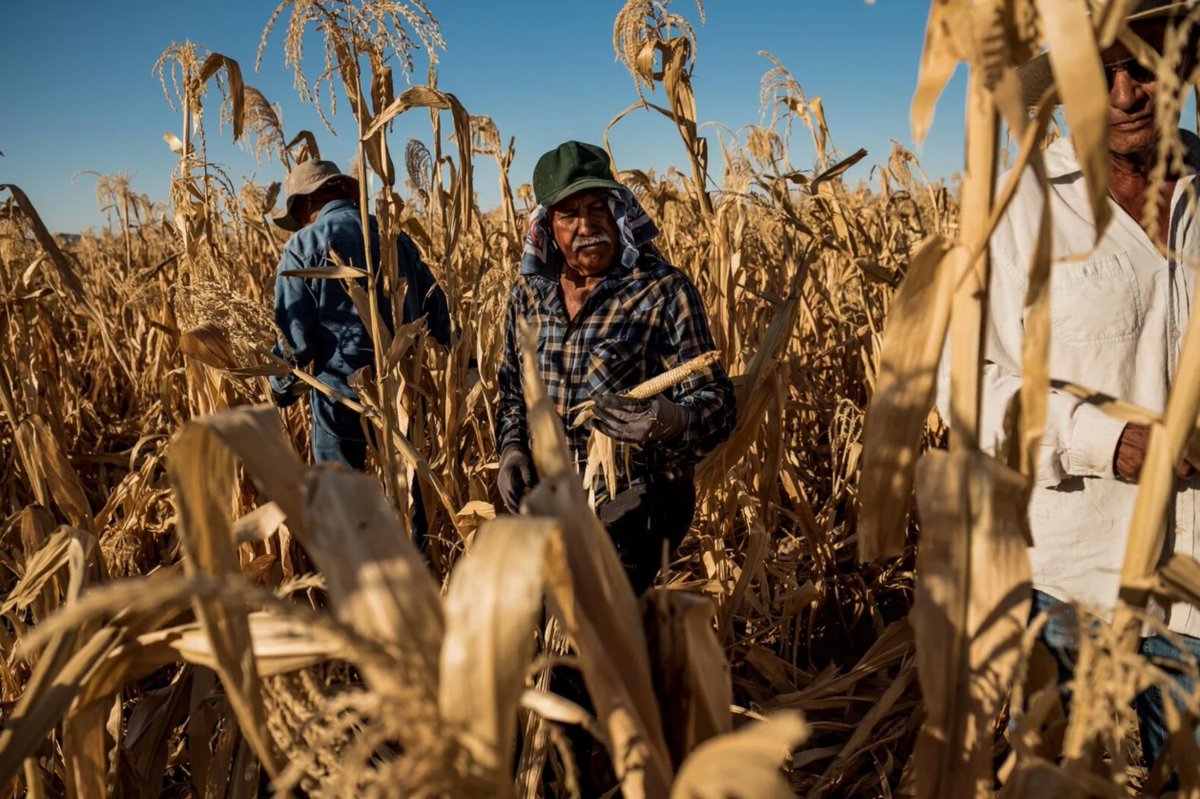
In these places, heat alone will cause as many as 80 additional deaths per 100,000 people.
(The opioid crisis, by comparison, causes 15 additional deaths per 100,000.)
But it‘s not just the south.
Across the country, it’s going to get hot.
For example...
(The opioid crisis, by comparison, causes 15 additional deaths per 100,000.)
But it‘s not just the south.
Across the country, it’s going to get hot.
For example...
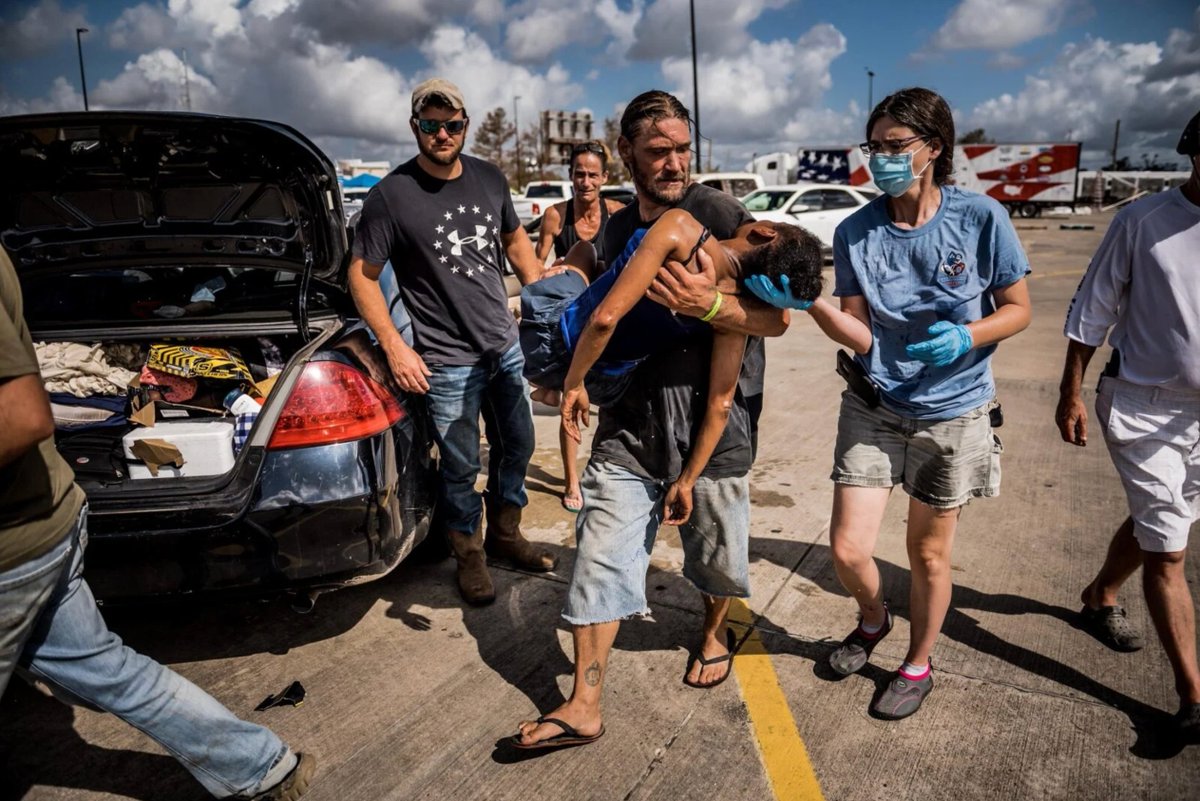
In a few decades, Buffalo, New York, may feel like Tempe, Arizona, does today.
Tempe will sustain 100-degree average summer temperatures by the end of the century.
Tempe will sustain 100-degree average summer temperatures by the end of the century.
Fresh water will also be in short supply, not only in the West but also in places like Florida, Georgia and Alabama.
By 2040, according to federal government projections, extreme water shortages will be nearly **ubiquitous** west of Missouri.
By 2040, according to federal government projections, extreme water shortages will be nearly **ubiquitous** west of Missouri.
At the same time, 100 million Americans — largely in the Mississippi River Basin from Louisiana to Wisconsin — will increasingly face humidity so extreme that working outside or playing school sports could cause heatstroke.
Crop yields will be decimated from Texas to Alabama, all the way through Oklahoma and Kansas and into Nebraska.
https://twitter.com/lhwaldron/status/1305914723745935360
“One day, it’s possible that a high-speed rail line could race across the Dakotas, through Idaho’s up-and-coming wine country and America’s new breadbasket along the Canadian border, to the megalopolis of Seattle...”
propub.li/32xl34w
propub.li/32xl34w
Some of the nation’s largest metro areas — Miami, New York, Boston and more — will be profoundly altered.
Imagine large concrete walls separating Fort Lauderdale, Florida, condominiums from a beachless waterfront, or dozens of new bridges connecting the islands of Philadelphia.
Imagine large concrete walls separating Fort Lauderdale, Florida, condominiums from a beachless waterfront, or dozens of new bridges connecting the islands of Philadelphia.
For years, Americans have avoided confronting these changes in our own backyards.
The decisions we make about where to live are distorted by politics that play down climate risks AND by expensive subsidies and incentives aimed at defying nature.
The decisions we make about where to live are distorted by politics that play down climate risks AND by expensive subsidies and incentives aimed at defying nature.
https://twitter.com/AbrahmL/status/1306002392987525121
Until now, market mechanisms have essentially socialized the consequences of high-risk development.
People have gravitated toward environmental danger, building along coastlines from New Jersey to Florida and settling across the cloudless deserts of the Southwest.
But...
People have gravitated toward environmental danger, building along coastlines from New Jersey to Florida and settling across the cloudless deserts of the Southwest.
But...
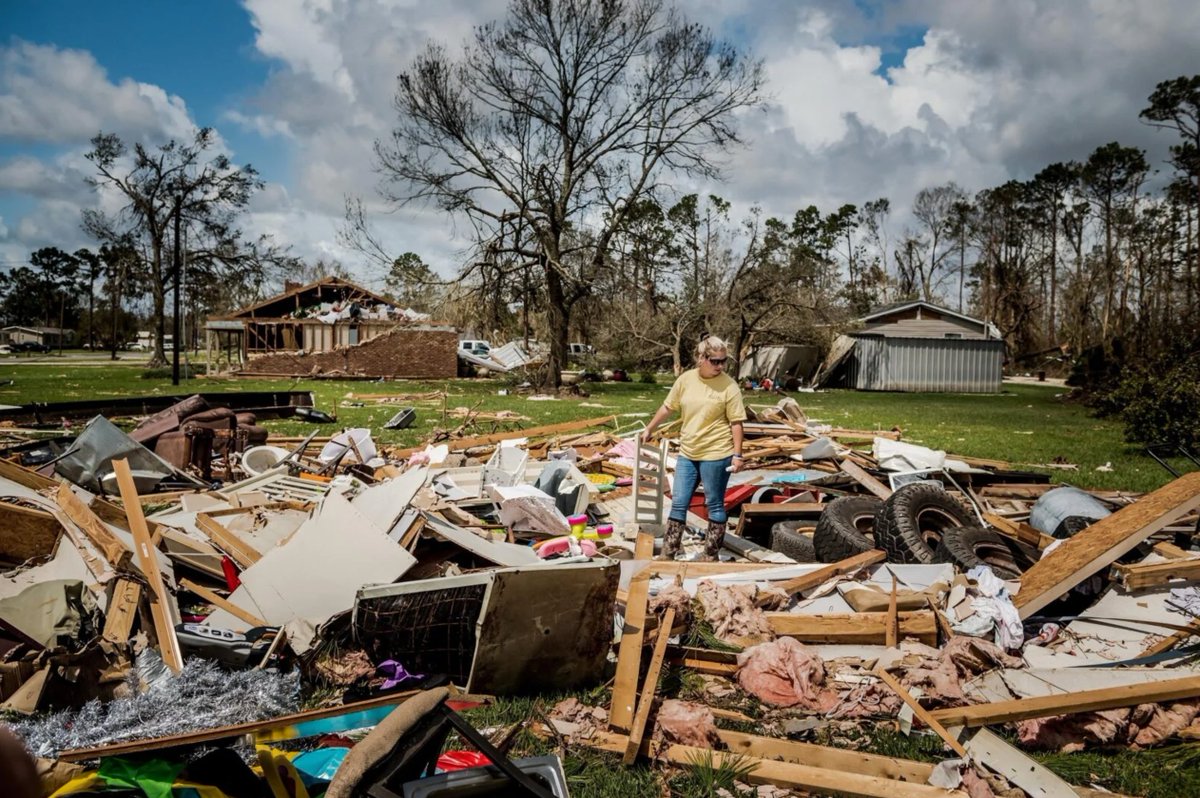
As the costs rise — and the insurers quit, and the bankers divest, and the farm subsidies prove too wasteful, and so on — the full weight of responsibility will fall on individual people.
...like you.
And that’s when the real migration might begin.
propub.li/32xl34w
...like you.
And that’s when the real migration might begin.
propub.li/32xl34w
👆For @AbrahmL’s story (feat photos by @MeridithKohut, pubbed this week w/ @NYTMag + support from @pulitzercenter) he interviewed dozens of experts:
Economists
Demographers
Climate scientists
Insurance execs
Architects
Urban planners...
Economists
Demographers
Climate scientists
Insurance execs
Architects
Urban planners...
...and mapped out the danger zones for the next 30 years, combining:
Climate data via @rhodium_group
Wildfire projections via @forestservice
Data about America’s shifting climate niches, an evolution of @PNASNews’ work
More maps here:
propub.li/32yNuiu
Climate data via @rhodium_group
Wildfire projections via @forestservice
Data about America’s shifting climate niches, an evolution of @PNASNews’ work
More maps here:
propub.li/32yNuiu
Serious question: Who needs to read all of this?
How do we get it in front of them?
We genuinely want to know.
DM’s are open.
propub.li/32xl34w
How do we get it in front of them?
We genuinely want to know.
DM’s are open.
propub.li/32xl34w
FYI: This is part 2 of a 3 part series.
Sign up here to get part 3: propub.li/32zK5jD
And read part 1 here: propub.li/3ixqjdW
Sign up here to get part 3: propub.li/32zK5jD
And read part 1 here: propub.li/3ixqjdW
• • •
Missing some Tweet in this thread? You can try to
force a refresh