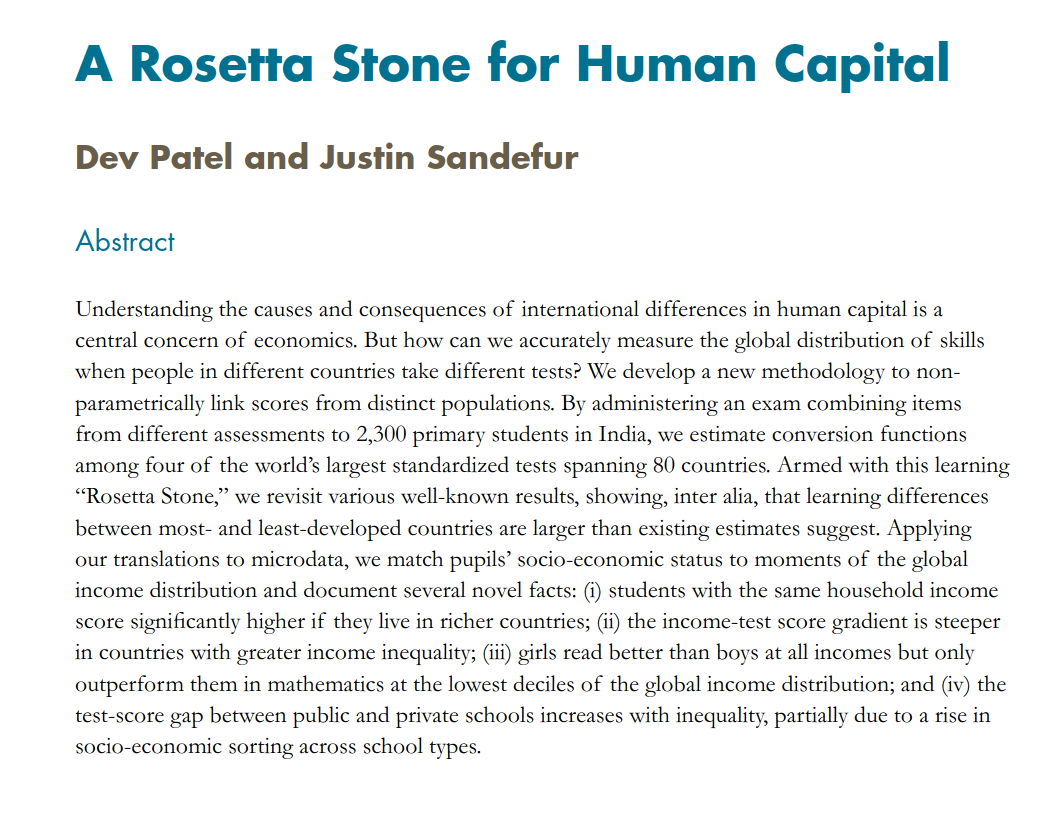
"Armed with this learning “Rosetta Stone,” we revisit various well-known results, showing, inter alia, that learning differences between most- and least-developed countries are larger than existing estimates suggest."
So, it's another item linking study. The idea is to find items that have been reused across these tests, and thus one can link the scores with some math tricks. Coverage looks like this.
The results look pretty much like every other such ranking.
Unsurprisingly, the correlation of these new results with existing ones are very similar. There is a comparison to the Altinok 2018 scores, these are the World Bank ones, r = .90 or so.
These authors are very PC and only talk about vague "human capital", "test scores" and the like. Like the other PC researchers in the area, they are puzzled by the oil country results, and returns to schooling. The magic education pill is in another castle.
There is of course no mention of intelligence, nor any of the intelligence researchers who have been using these country comparisons for decades: Lynn, Meisenberg, Rindermann, Becker, et al, not even Garett Jones.
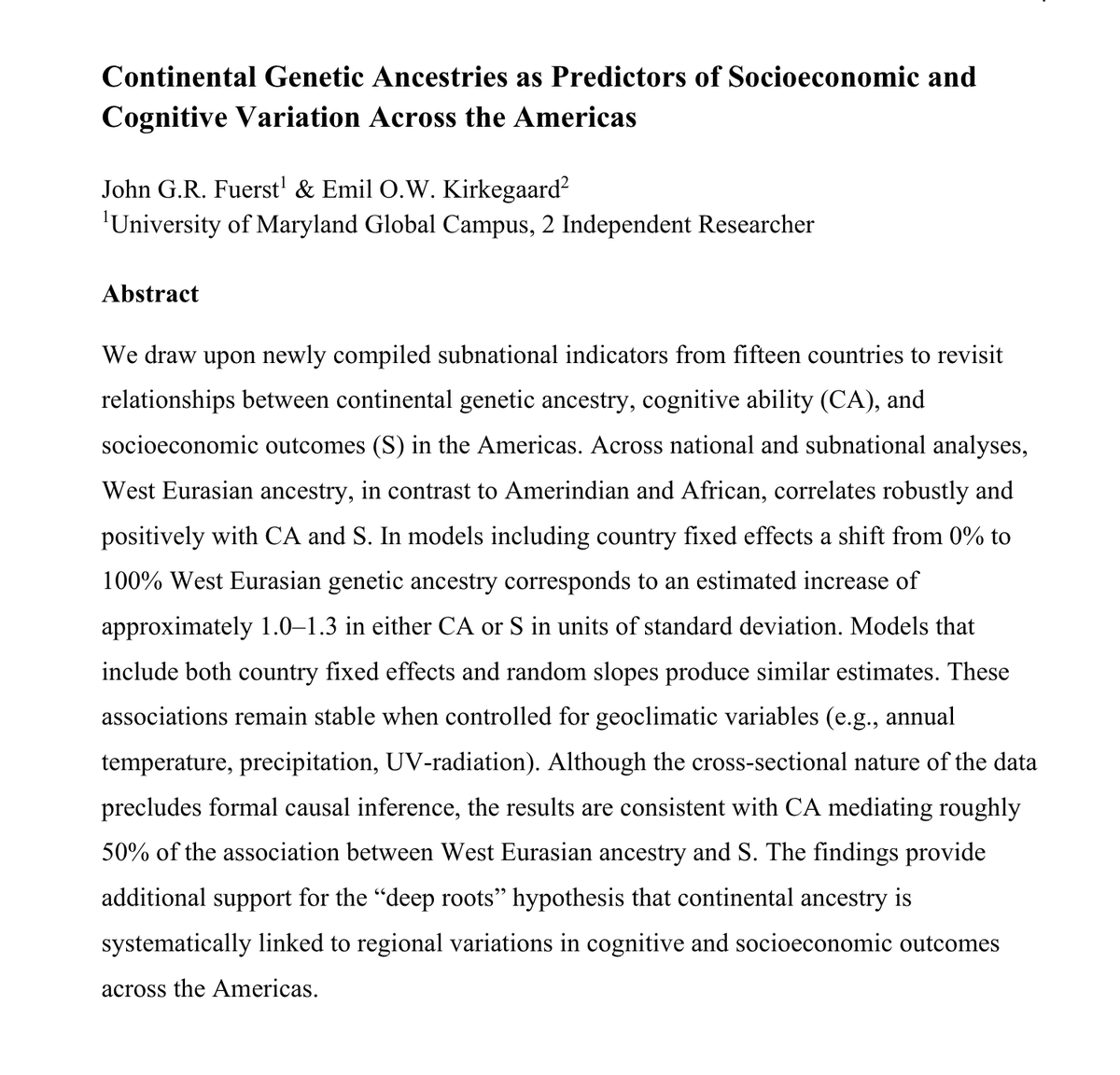
Happy to release our newest and largest admixture project. 🧵 Thread with the main findings.
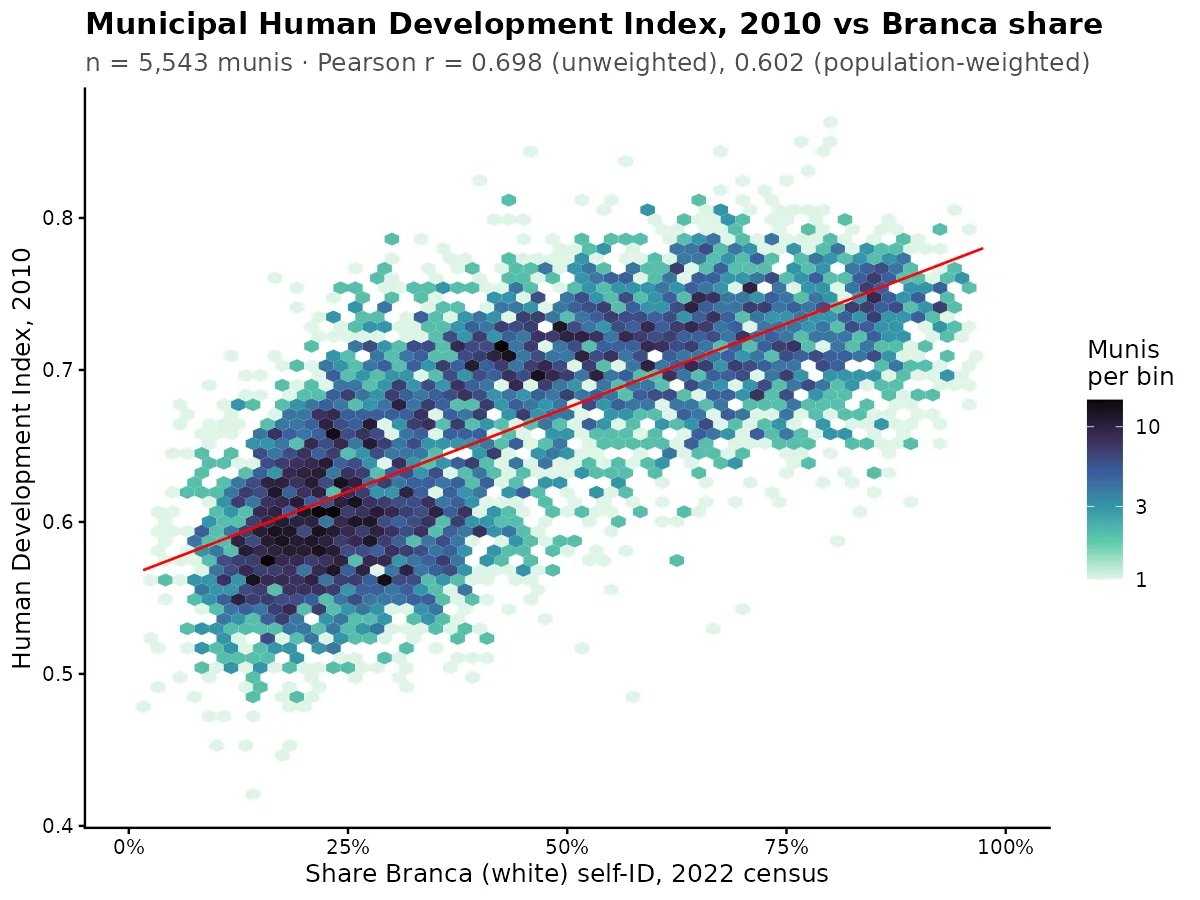
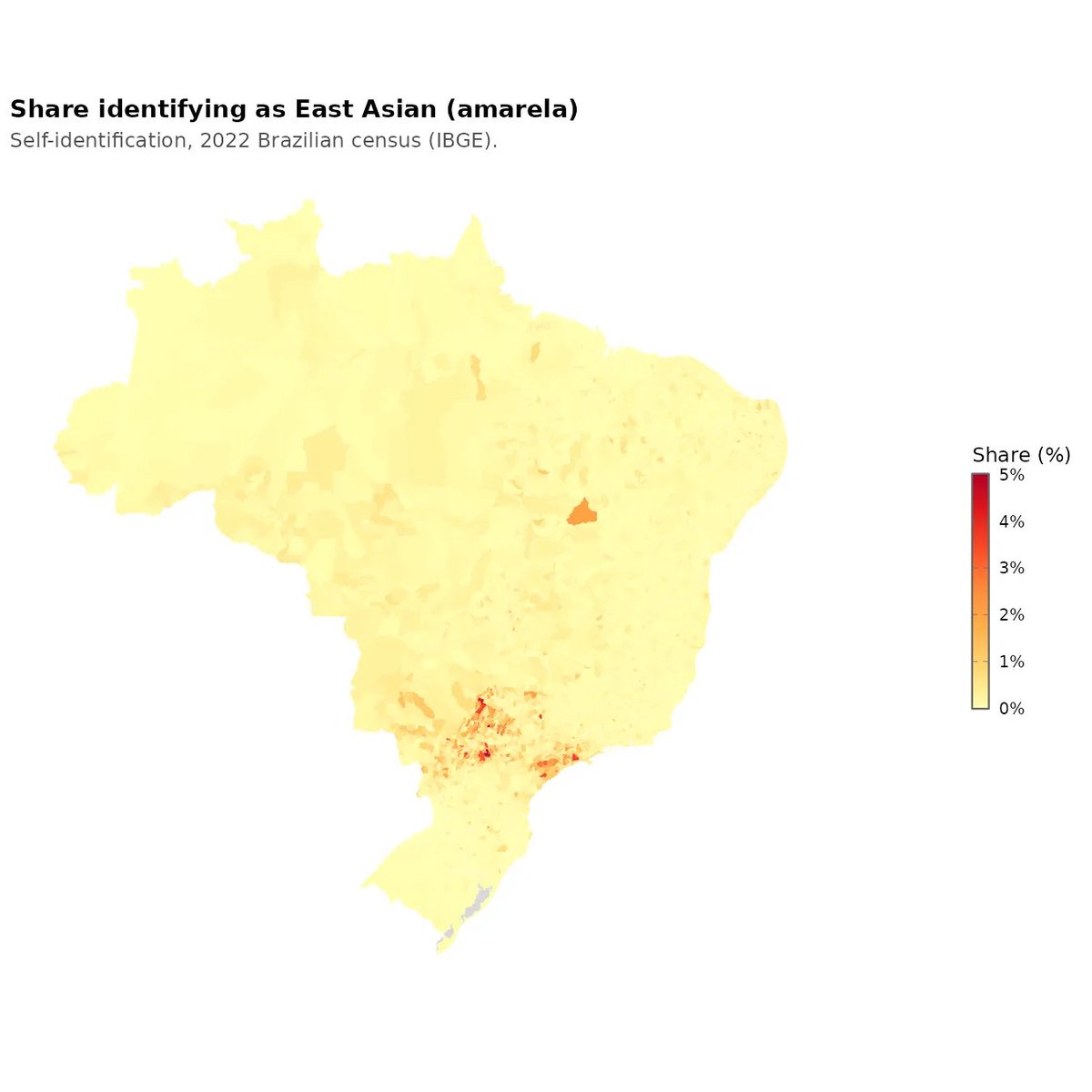
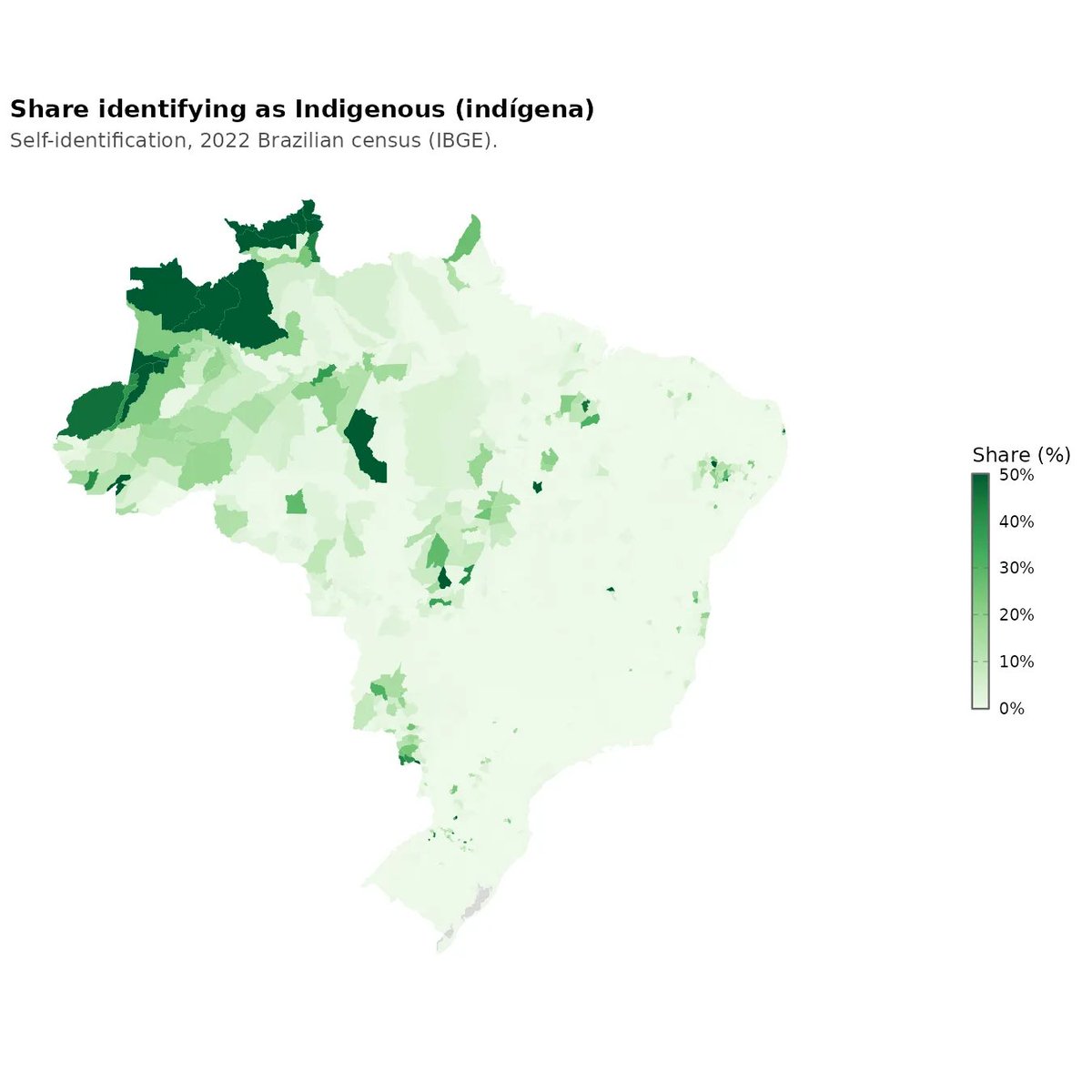
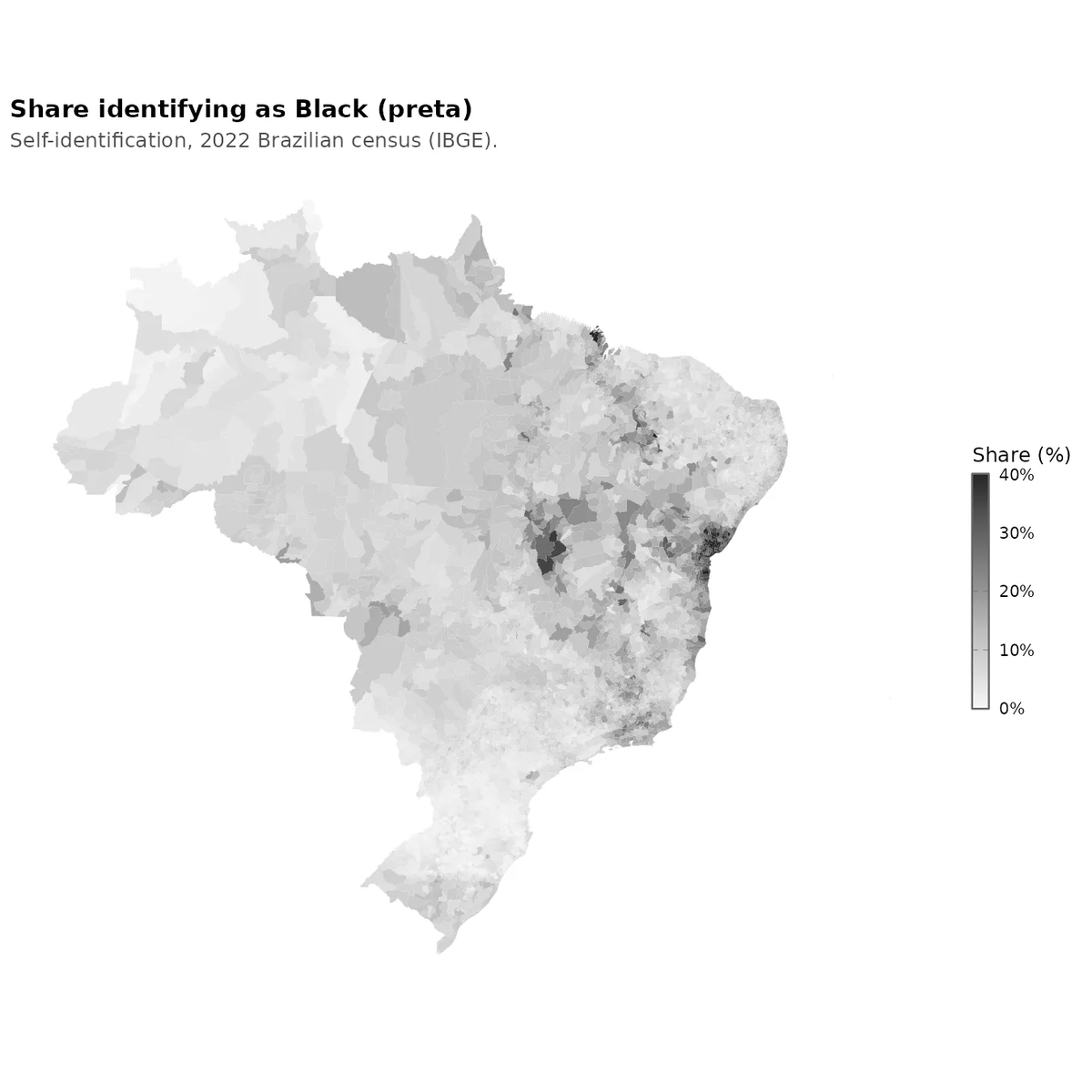
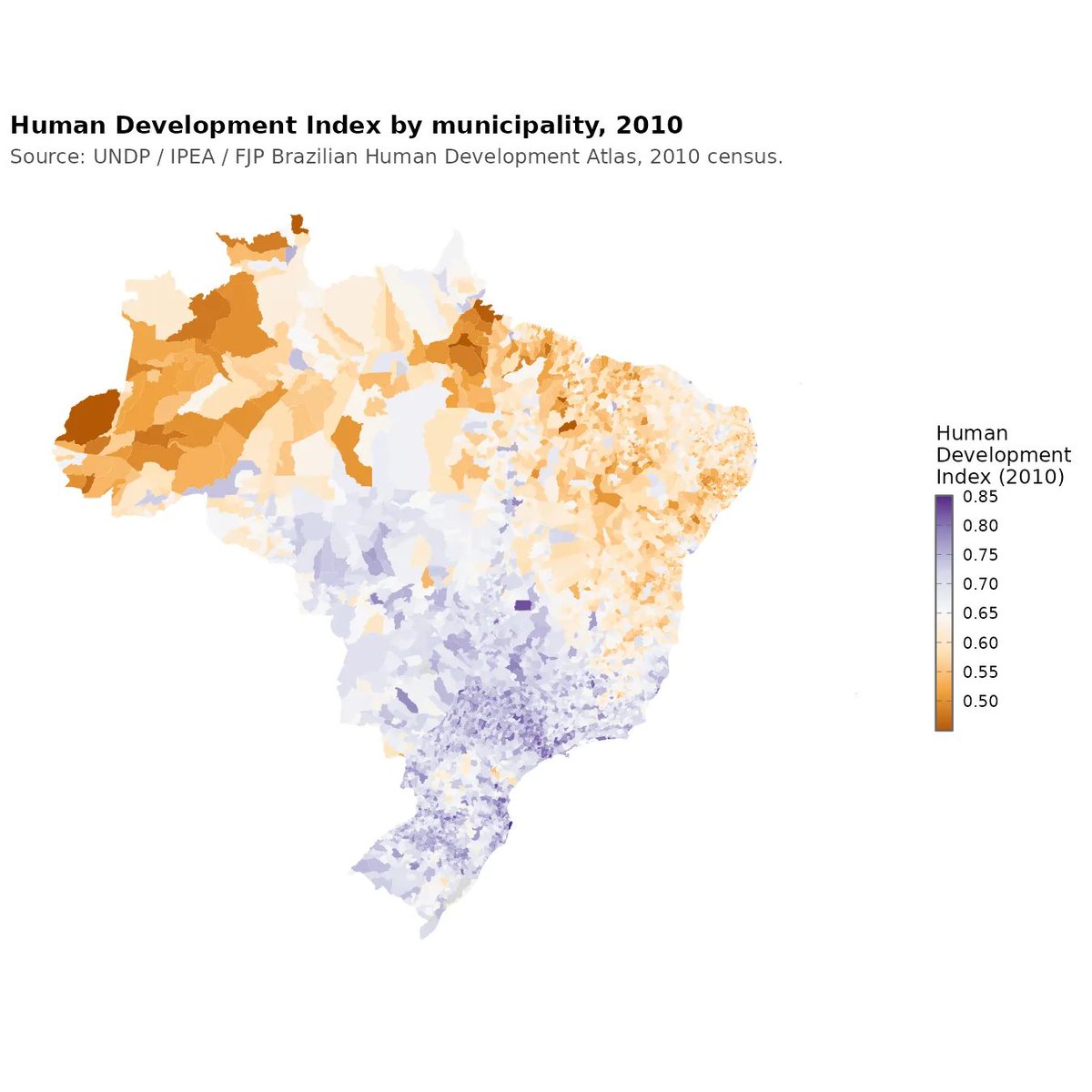
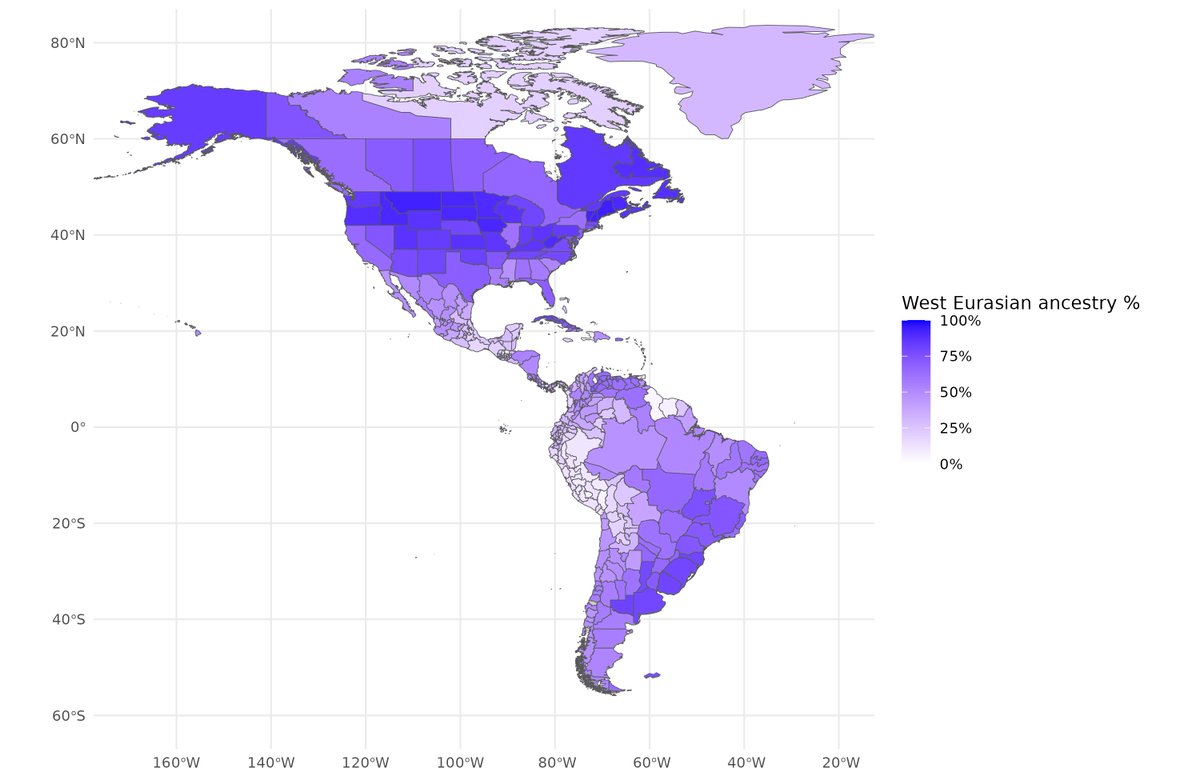
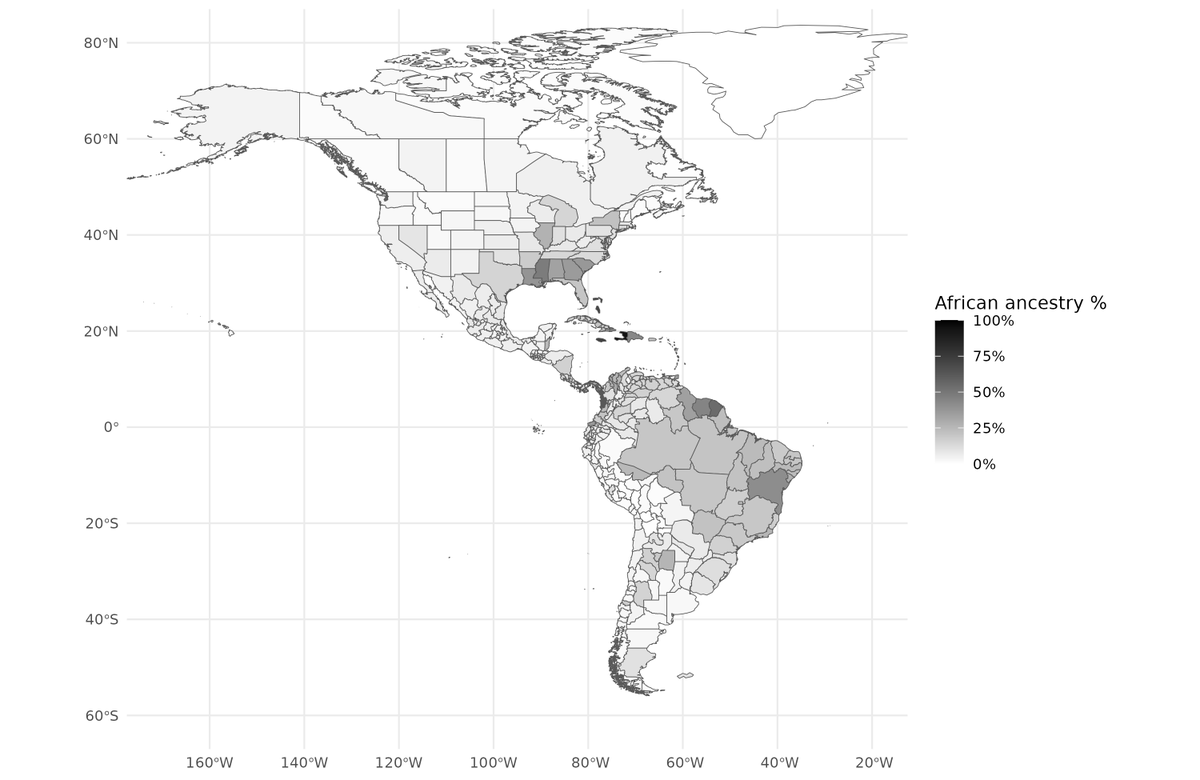
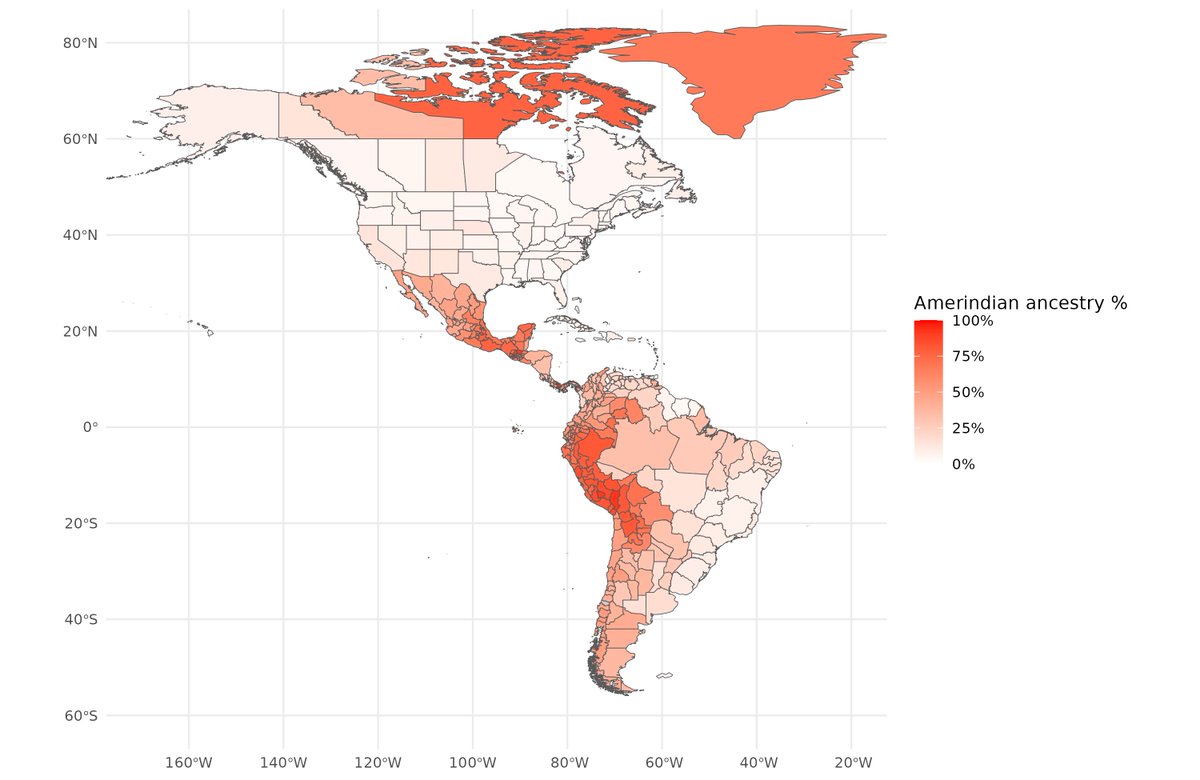
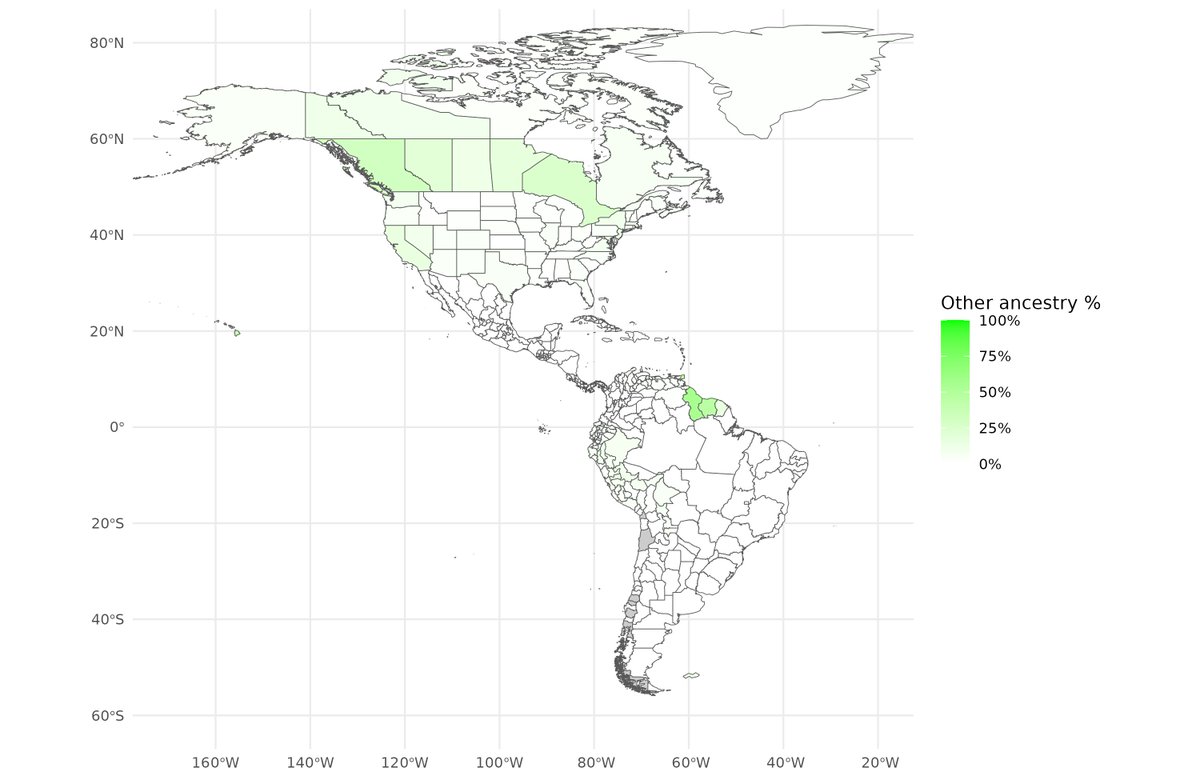
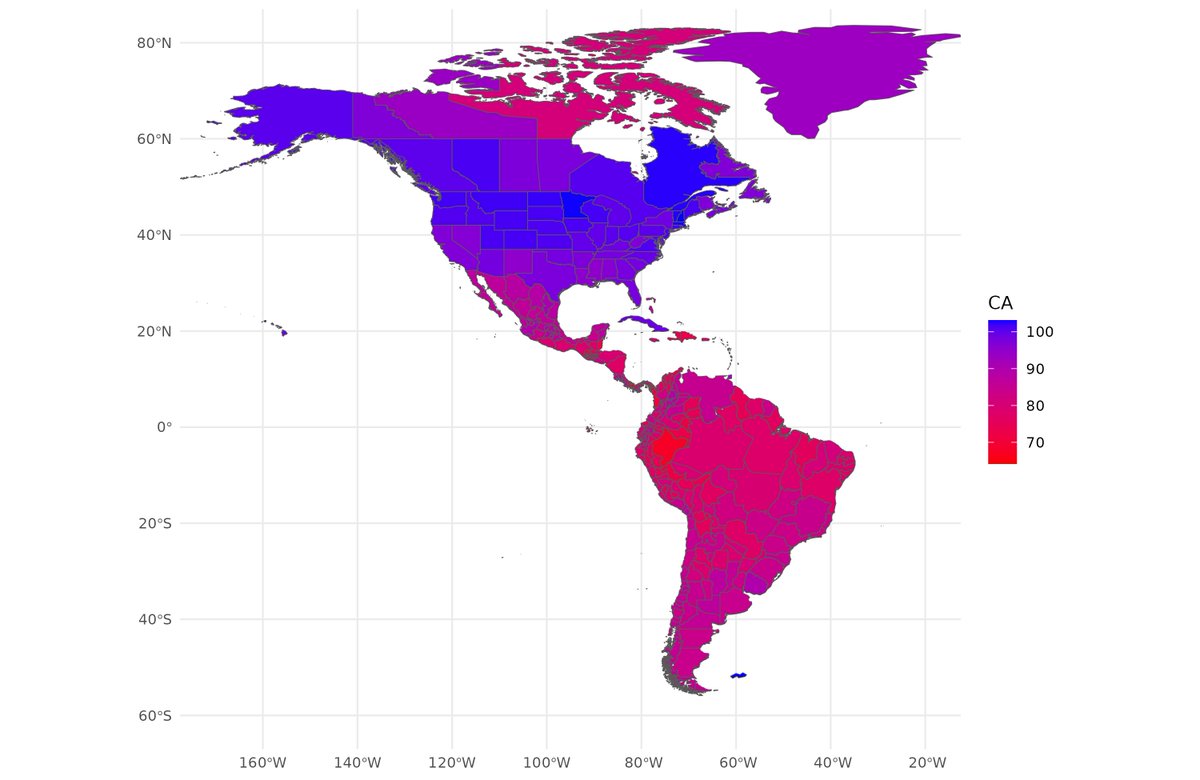
First, we compiled data from 100s of sources to estimate genetic ancestry for over 400 units in the Americas. These are countries and subnational divisions of the larger countries, such as US states, Canadian provinces, various Caribbean islands. Results can be seen in these 4 maps.
It was a real pain in the ass to merge the spatial data to produce the maps!
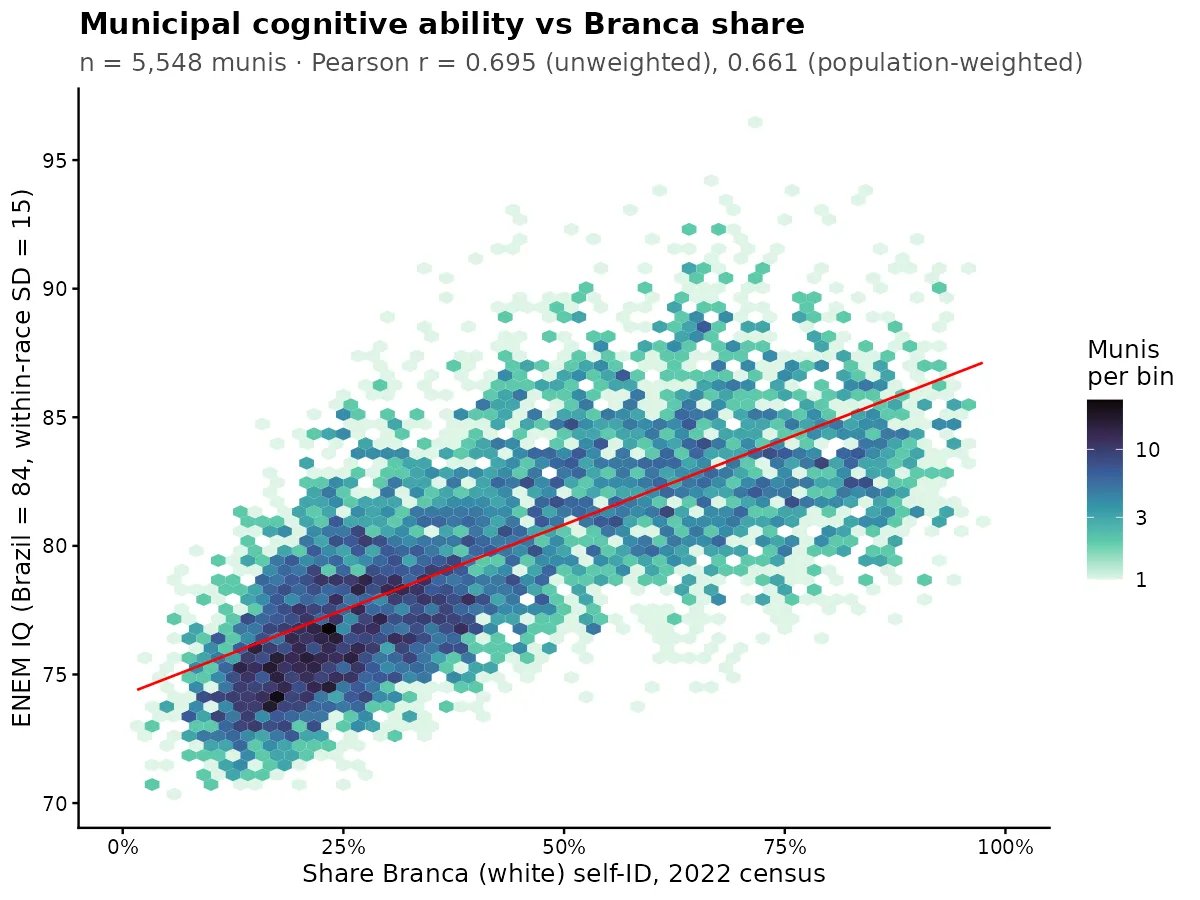
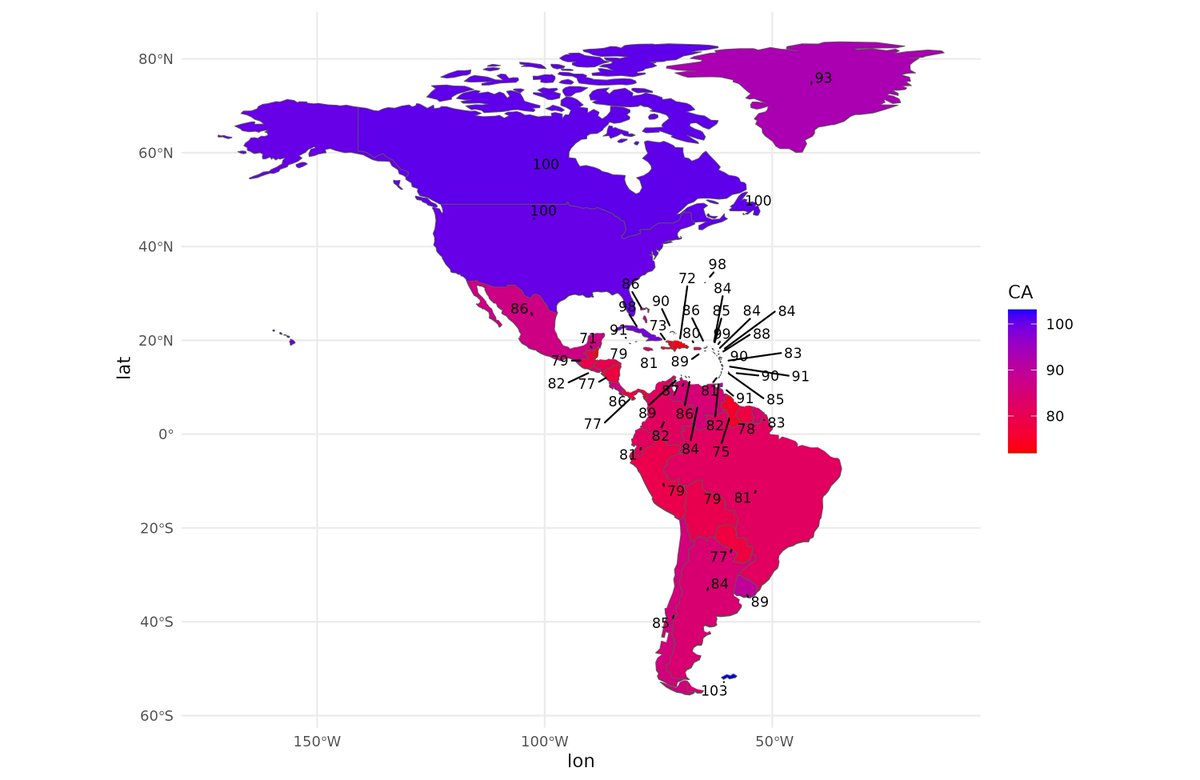
Next up, we gathered cognitive ability data from international datasets, and various regional and subnational scholastic tests, and any other source of standardized testing we could find. These were then converted to British international norms (Greenwich mean IQ) as best we could. It gives this map.
Using data from across the world, we estimated the speed of selection against intelligence across countries.
There is a certain regionality to the data
Relatively atheistic north Europeans have apparently quite weak selection, while more religious areas have stronger negative selection. This is the opposite of what American data suggested when studying individuals.
Some big accounts as asking why so many MAGA types are suddenly so very anti-Indian, considering that Indians in the US and to some degree in the rest of the West, are model immigrants (high performance, low crime). The main answer is not difficult to understand.
This answer is based on the typical finding of sociology. In terms of partisanship, whichever groups in society you dislike is just the ones you perceive to be most different from you politically. Brandt and colleagues worked this out in 2014.
On top of this general pattern, there's the fact that importing a bunch of foreign workers depress local salaries. That is of course why the companies do this. What's the largest source of such foreigners? India. So capitalists love them (cheaper labor) and workers dislike them (suppress their wages).
Maybe you've seen a map like this one. It gives one the impression that Europeans were uniquely or particularly evil regarding slavery, in this case of Africans.
However, slavery was more or less a human universal. Pre-Columbian Americas, ancient China, or the Islamic world.
Europeans, rather than being the master enslavers (which they were also for a time), were rather the liberators. The only group of people who decided to take matters into their hands to free the slaves of the world.