Here are 4 threads on randomized controlled trials (RCT) that may be useful for those interested in doing one, or learning about the process and what it takes. #MedTwitter #MedStudentTwitter
1. The process is not easy. Certainly not for investigator initiated RCTs in the US.
1. The process is not easy. Certainly not for investigator initiated RCTs in the US.
https://twitter.com/VincentRK/status/1230248123148230656
2. Here is an example of the process from start to finish of an RCT we did in @eaonc @SagarLonialMD
It gives you an idea of the process for investigator initiated NIH cancer trials— which is totally different from a Pharma company sponsored Pharma company run trial.
It gives you an idea of the process for investigator initiated NIH cancer trials— which is totally different from a Pharma company sponsored Pharma company run trial.
https://twitter.com/vincentrk/status/1189715922489090048
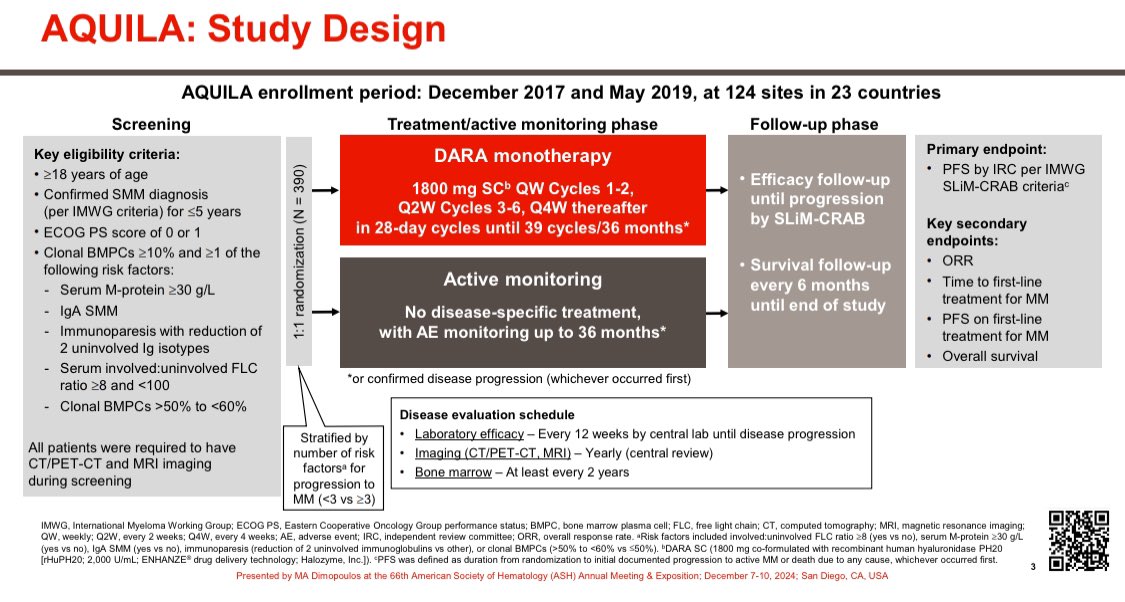
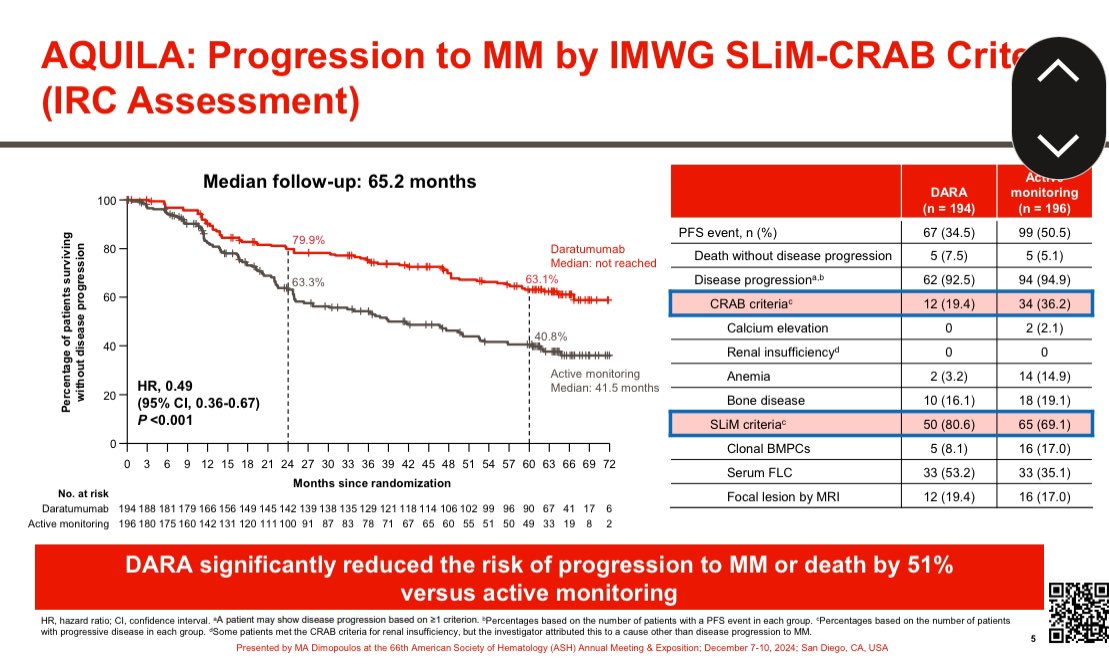
3. RCTs can be done for various reasons including incremental advances and drug approvals. Many of these are well done by Pharma. And Pharma has the resources to pull it off. But we also need strategic investigator initiated trials to answer important clinical questions.
https://twitter.com/vincentrk/status/1066702911055511557
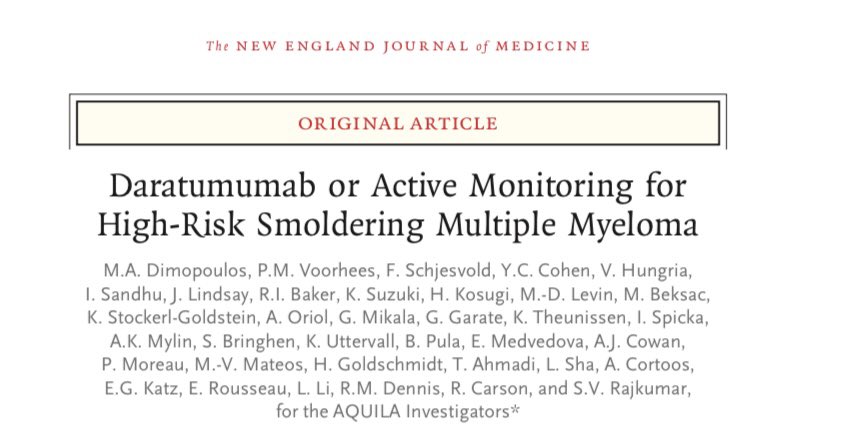
4. Here are RCTs I have worked on. A mix of investigator initiated trials and Pharma trials. I learnt many lessons during the process. Luck was always important, as was the help of patients, collaboration with superb colleagues, and hard work.
https://twitter.com/VincentRK/status/1301883203385462785
Other colleagues who have led investigator initiated RCTs please add your comments. @SagarLonialMD @mvmateos @myelomaMD @Myeloma_Doc @DrAnasYounes @chadinabhan @sgiraltbmtdoc @Rfonsi1 @BldCancerDoc @PLMcCarthyMD @JohnPLeonardMD @drkomanduri et al.
• • •
Missing some Tweet in this thread? You can try to
force a refresh