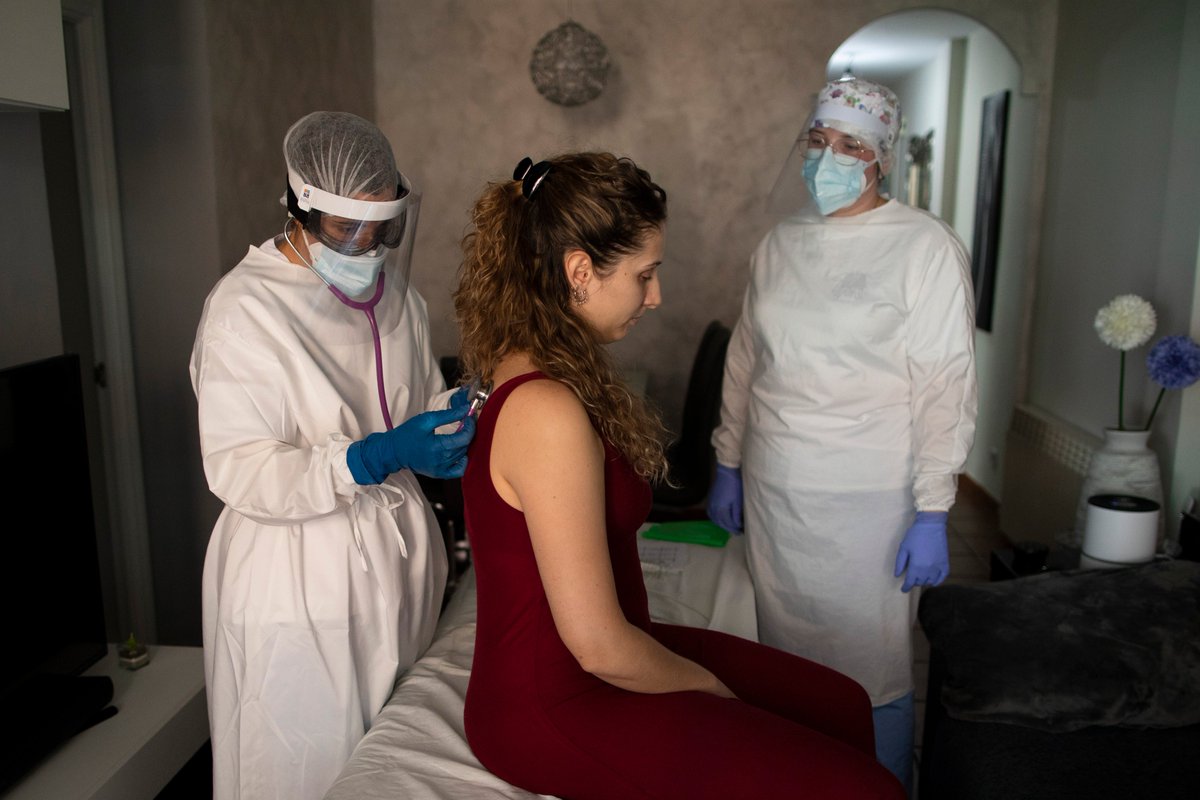
After six months’ experience with Covid-19, medical researchers have learned a lot. But there’s still a big open question:
How many people who’ve been infected will suffer lasting symptoms and health problems? trib.al/DB6VXOZ
How many people who’ve been infected will suffer lasting symptoms and health problems? trib.al/DB6VXOZ
Like other illnesses, Covid-19 can cause enduring problems, even in those who were never ill enough to be hospitalized.
Victims have reported serious symptoms weeks and months after infection trib.al/DB6VXOZ
Victims have reported serious symptoms weeks and months after infection trib.al/DB6VXOZ
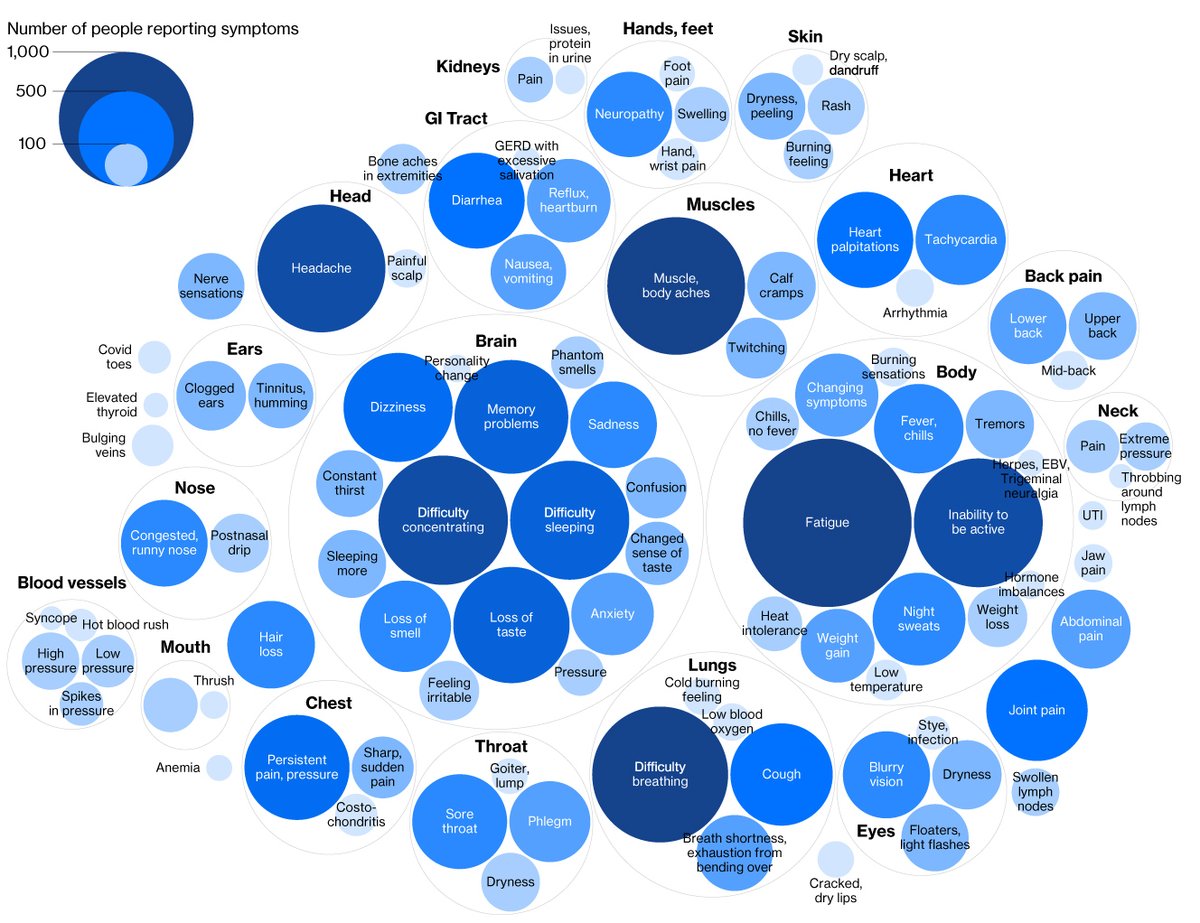
In a survey of more than 1,500 patients by Indiana University Medical School researcher Natalie Lambert, nearly 100 different problems have been reported, including:
💤Fatigue
😖Body aches
🌬Difficulty breathing
🤕Headaches
👁Blurry vision
💇🏻♀️ Hair loss trib.al/DB6VXOZ
💤Fatigue
😖Body aches
🌬Difficulty breathing
🤕Headaches
👁Blurry vision
💇🏻♀️ Hair loss trib.al/DB6VXOZ
In studies of Covid patients, researchers have found evidence of damage to the:
👉🏼Lungs
👉🏼Kidneys
👉🏼Heart
One paper described a mechanism by which the virus may have long-term effects on the brain trib.al/DB6VXOZ
👉🏼Lungs
👉🏼Kidneys
👉🏼Heart
One paper described a mechanism by which the virus may have long-term effects on the brain trib.al/DB6VXOZ
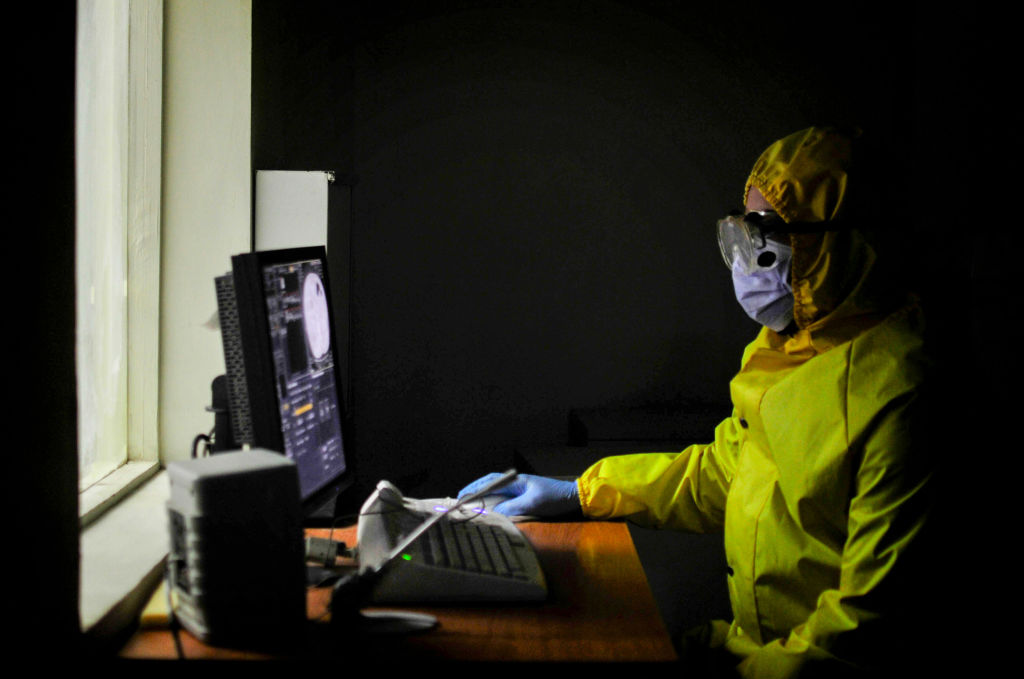
Some Covid-19 long-haulers report weakness after exertion and brain fog, which are signs of chronic fatigue syndrome, a poorly understood condition that has been linked to other viral infections trib.al/DB6VXOZ
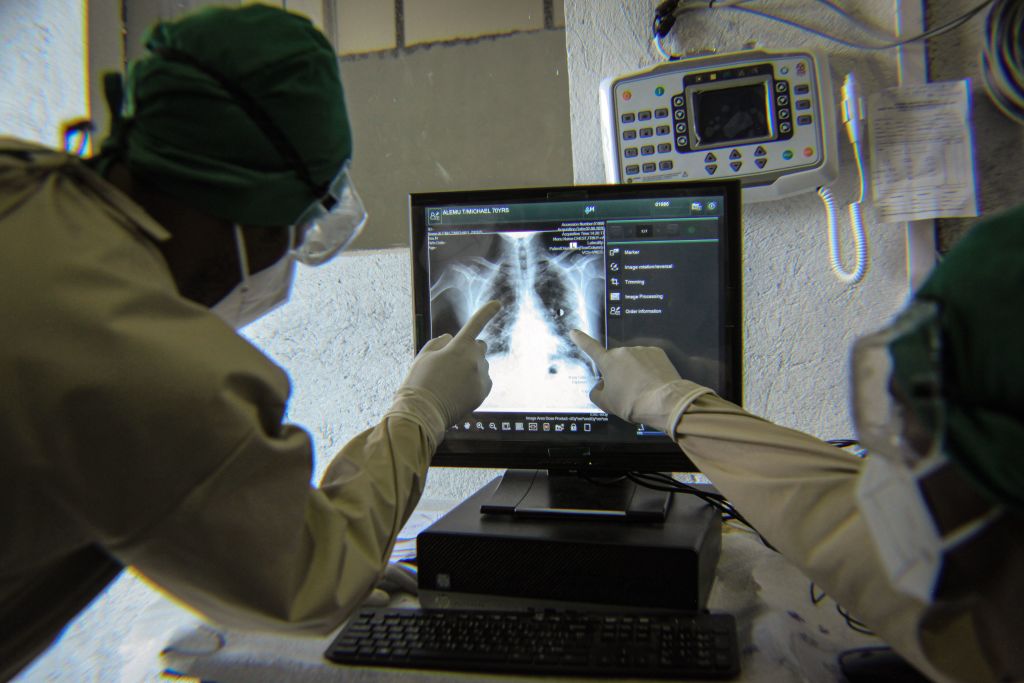
Researchers have yet to ascertain what share of people infected with Covid-19 suffer long-term symptoms.
But the potential for harm is vast: At least 6.5 million people in the U.S. along have been infected trib.al/DB6VXOZ
But the potential for harm is vast: At least 6.5 million people in the U.S. along have been infected trib.al/DB6VXOZ
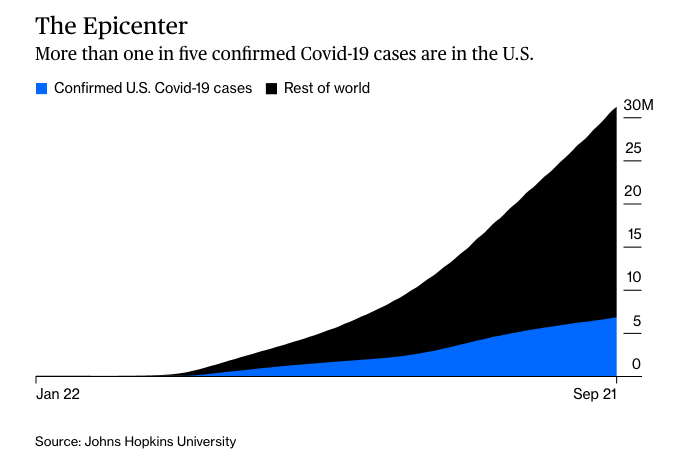
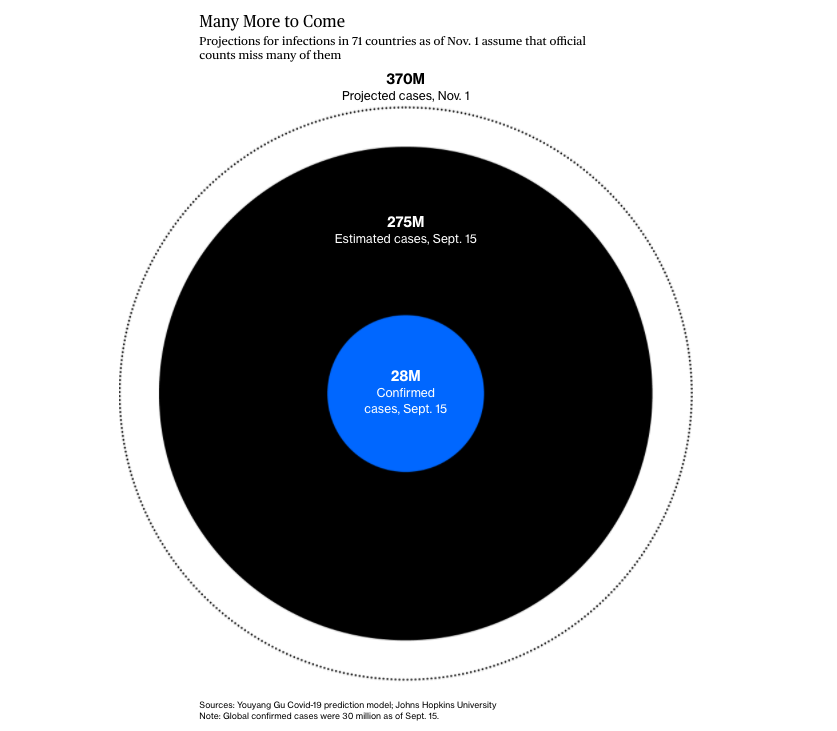
The actual number of cases is almost certainly much higher, because limited testing misses many victims.
@youyanggu, an M.I.T.-trained data scientist estimates that in March and April, true U.S. case numbers were 10 to 15 times as high as those reported trib.al/DB6VXOZ
@youyanggu, an M.I.T.-trained data scientist estimates that in March and April, true U.S. case numbers were 10 to 15 times as high as those reported trib.al/DB6VXOZ
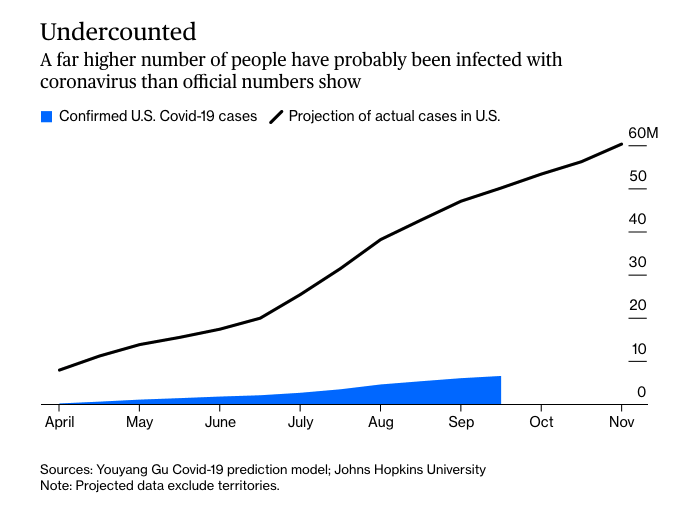
By November, Gu projects the U.S. will reach about 60 million infections, almost double the current global case count.
The real global total could be more than 300 million trib.al/DB6VXOZ
The real global total could be more than 300 million trib.al/DB6VXOZ
To be prepared for long Covid, all health systems will need to:
👉🏼Monitor “recovered” patients
👉🏼Assess the prevalence of lasting symptoms
👉🏼Look for ways to help trib.al/DB6VXOZ
👉🏼Monitor “recovered” patients
👉🏼Assess the prevalence of lasting symptoms
👉🏼Look for ways to help trib.al/DB6VXOZ
• • •
Missing some Tweet in this thread? You can try to
force a refresh