1/ Aerosol scientists don't agree. What kind of consensus is that?
Does the discipline who studies transport of particles through the air, NOT count for a "consensus" of which particles travel through the air??
Does the discipline who studies transport of particles through the air, NOT count for a "consensus" of which particles travel through the air??
https://twitter.com/DrTomFrieden/status/1309189334487232512
2/ this "consensus' is incorrect.
SARS-CoV-2 transmits better to people nearby because aerosols are most concentrated there. And then it can transmit in a room, if we "help it" w/ low ventilation, long time etc.
SARS-CoV-2 transmits better to people nearby because aerosols are most concentrated there. And then it can transmit in a room, if we "help it" w/ low ventilation, long time etc.
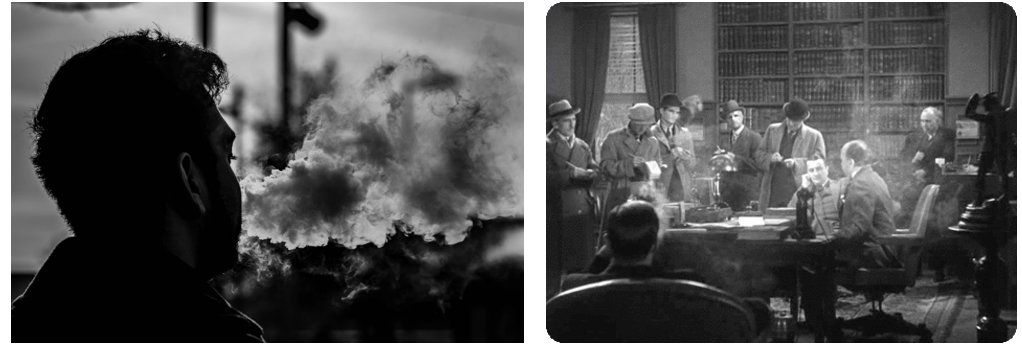
3/ If it can infect in a room, it MUST infect much more easily in close proximity, where it is ~50-100 times more concentrated than in room air.
Just like smoke (an aerosol), which is far more concentrated in close proximity than at the room level.
Just like smoke (an aerosol), which is far more concentrated in close proximity than at the room level.
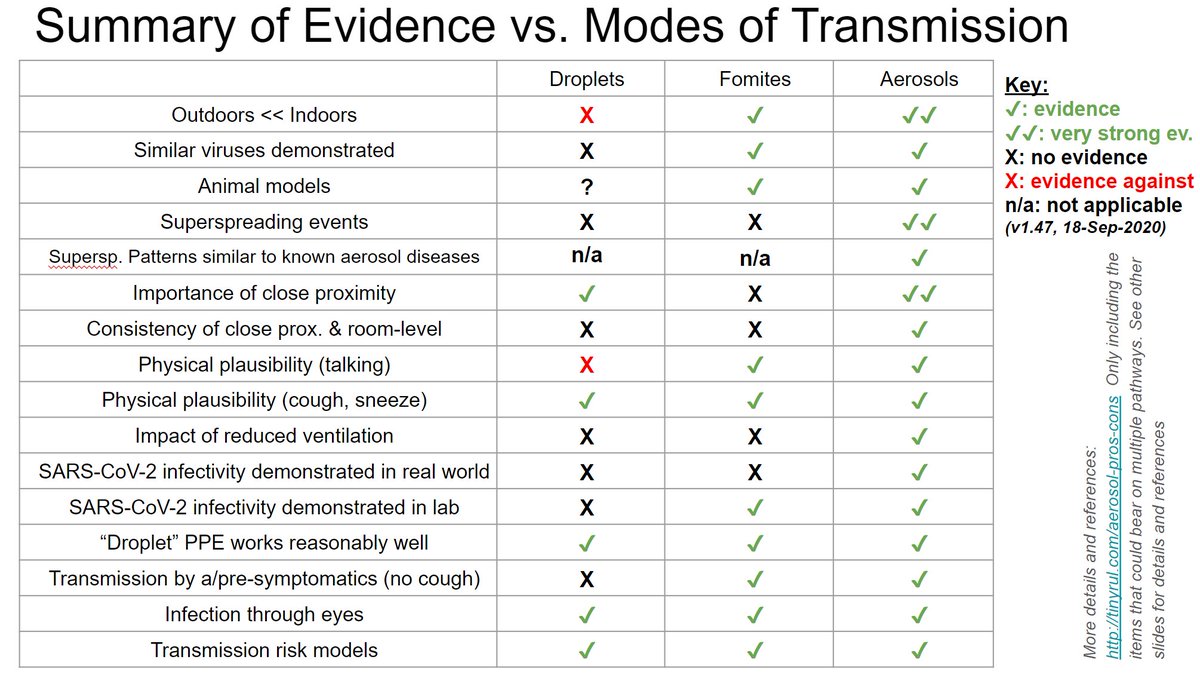
4/ And then, droplets are NOT needed at all to explain the patterns of transmission. We can explain everything with aerosols.
Which is consistent with almost no evidence for droplets, and a ton of evidence for aerosols:
Which is consistent with almost no evidence for droplets, and a ton of evidence for aerosols:
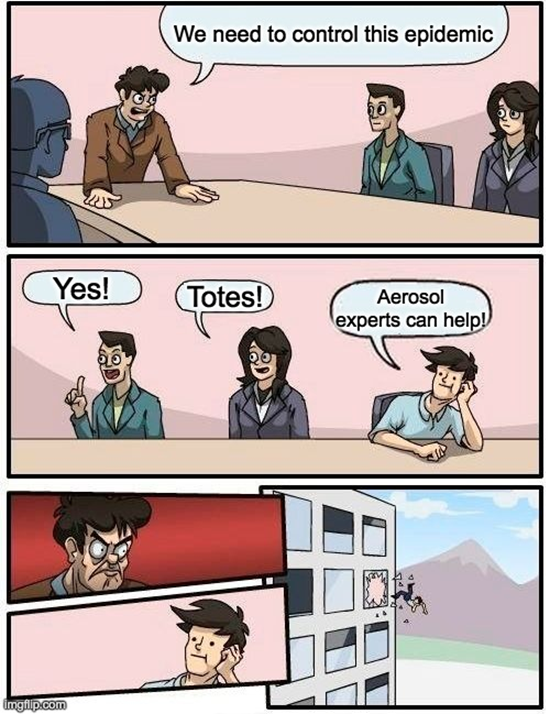
5/ But to see a high level person like @DrTomFrieden say that there is a consensus that aerosols is not important, in matters (transport through the air) where a primary discipline is aerosol science, makes us feel again very welcome into this debate...
(Cartoon thx to @DFisman)
(Cartoon thx to @DFisman)
• • •
Missing some Tweet in this thread? You can try to
force a refresh