I think it would be interesting to study, if SCOTUS overturns Roe and Casey, how many states have already declared fetuses to be persons, which would make abortion, or travel to get abortion, murder, with no statute of limitations.
Also interesting would be whether a law that is on the books, but unenforceable, may be applied retroactively if that law is declared constitutional.
If I were looking to point out the problems with forcing women to give birth, I think the purely discretionary enforcement of laws carrying mandatory life sentences would be a good thing to focus on.
I think I can acknowledge that ACB is a brilliant woman and a potentially great justice and also that the end of the right to privacy under the 9th would be a nightmare.
And I would propose that this is a more fruitful line of attack than showing women in little red outfits.
• • •
Missing some Tweet in this thread? You can try to
force a refresh

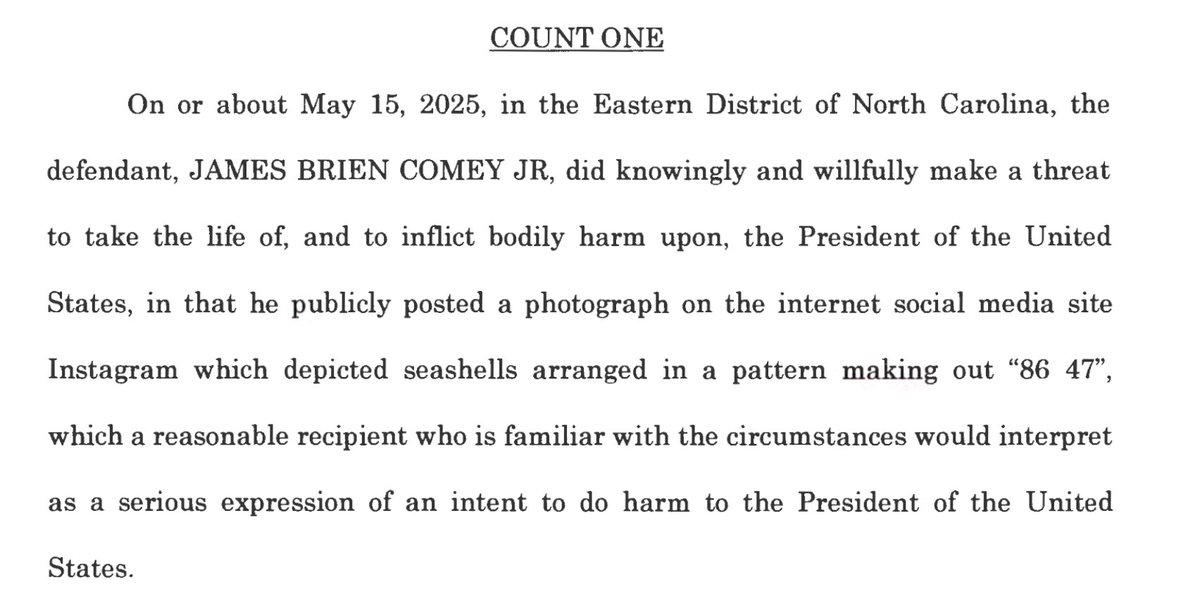
1. The government must establish that "86 47" is a true threat.
2. True threats are “serious expression[s]” conveying that a speaker means to “commit an act of unlawful violence.
3. This ain't that.
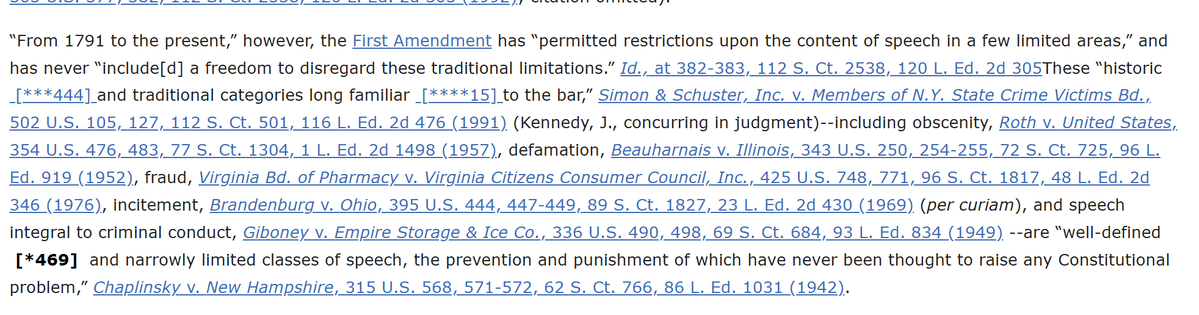
Let's start with the basics. The vast majority of speech is protected. For speech to be prosecutable, it must fall into one of a small number of categories of speech unprotected at the time of the founding.
Here, it must be either a "true threat" or "incitement."
Incitement must be:
1. intended to incite or produce imminent lawless action
2. likely to incite or produce imminent lawless action.
This fails every element. It's not intended to cause someone to shoot the president right that second.
The one thing movies never get right about trials is the rules of evidence.
And I don't just mean whether the objections are accurate or the evidence is admissible.
Planning how you are going to get your evidence in, and keep their evidence out, is a big part of trial prep.
So, for instance, this past week I had a DUI trial where the police officer who initially detained by client had pleaded guilty to DUI. IN FRONT OF ME.
Two weeks before the trial.
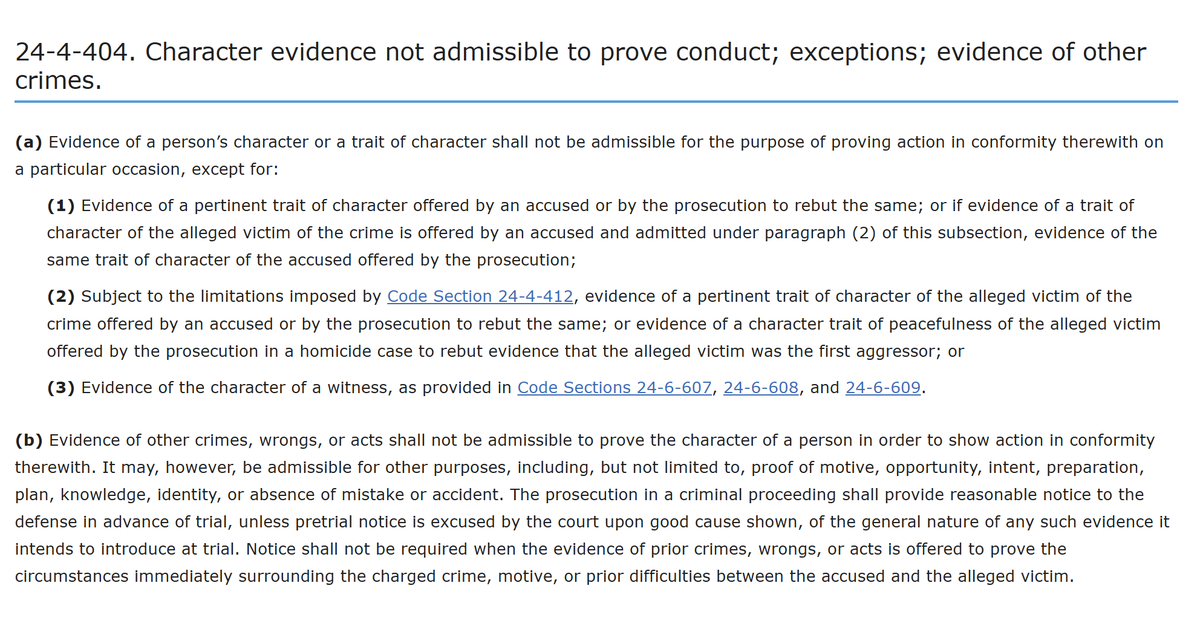
But under Rule 404, that sort of evidence is not normally admissible.
But obviously, this fact is going to be devastating to the officer's credibility and piss the jury off. So how do you get it in?
Well, now you have to start thinking of reasons to get it in, and how you are going to ask questions consistent with those reasons.
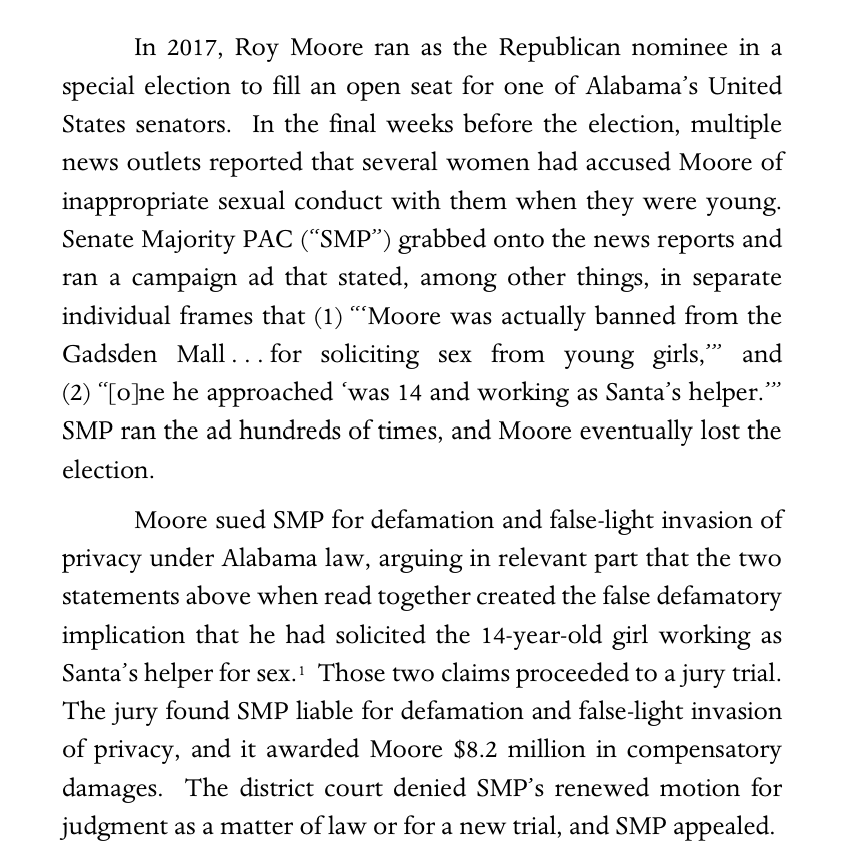
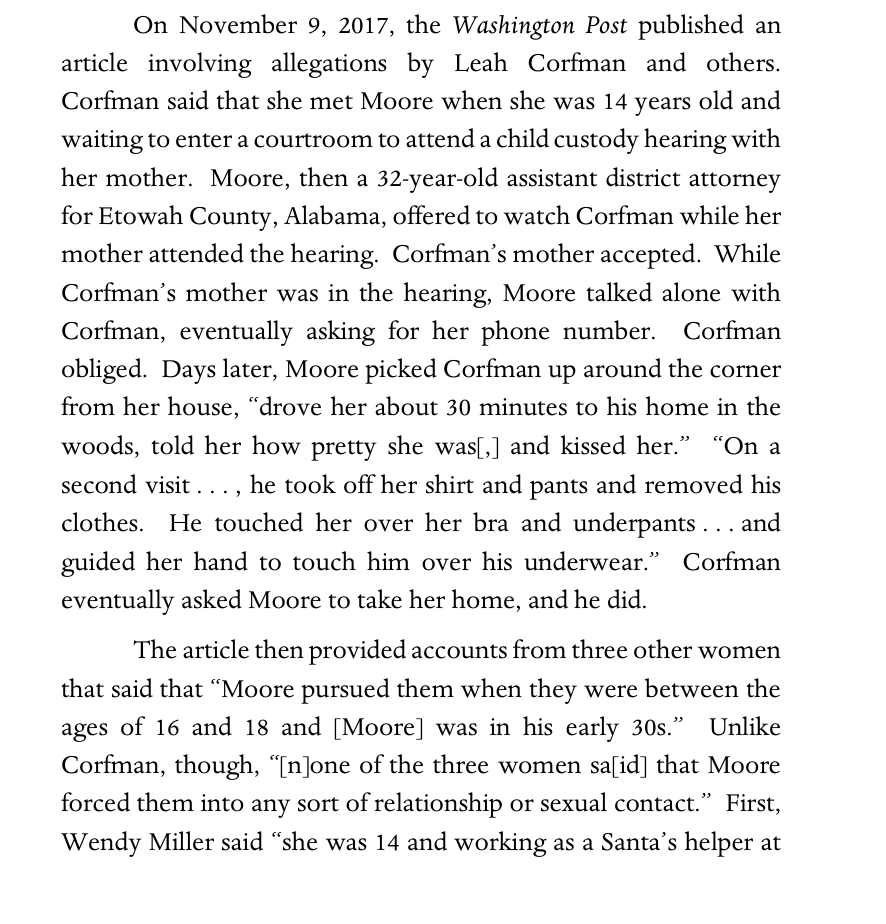
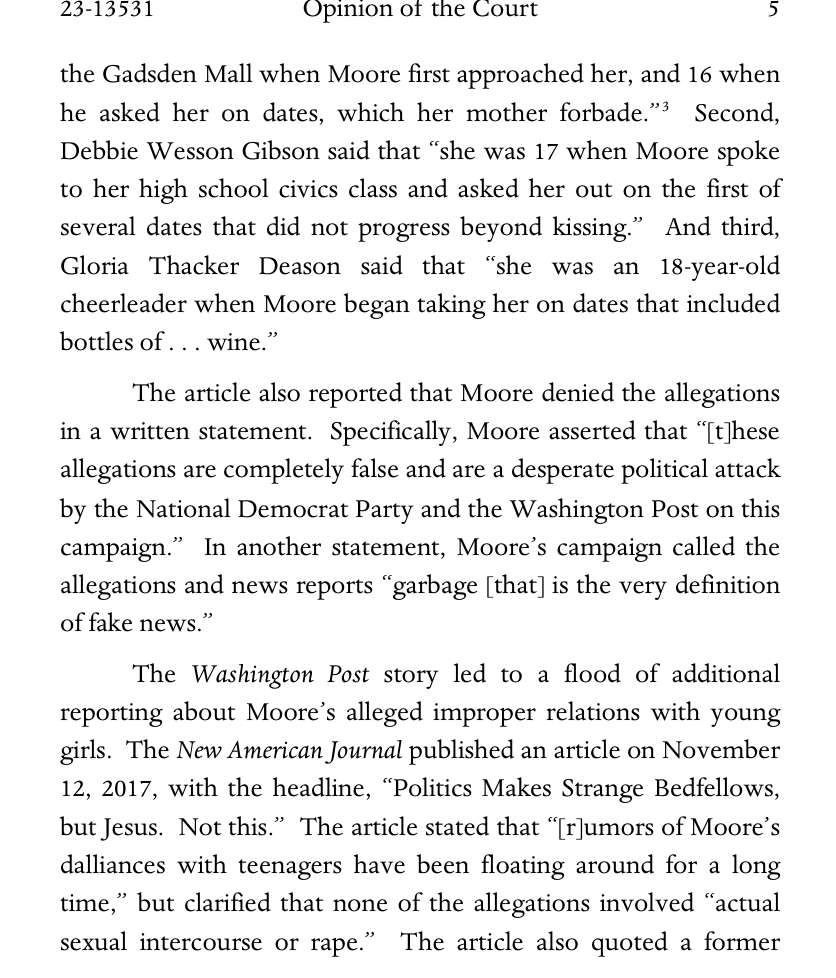
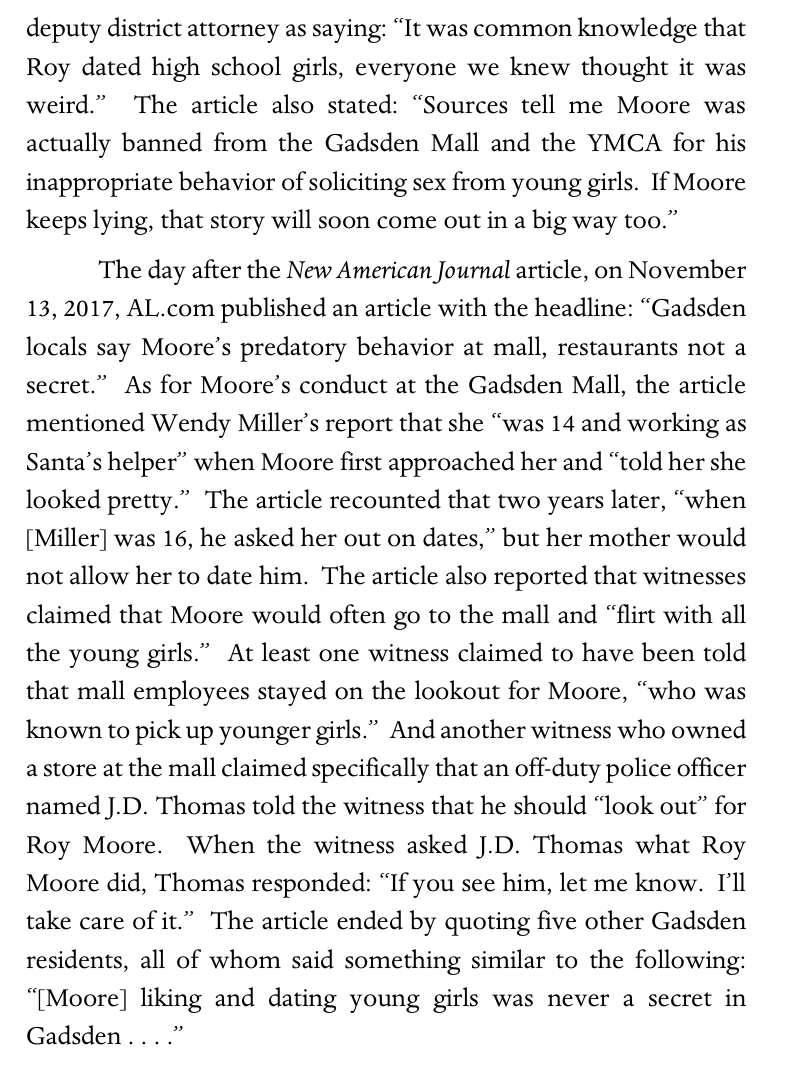
One fun little tidbit you may have forgotten from this saga: James O'Keefe tried to troll the Washington Post with a fake account of Roy Moore having done this to an additional victim, only to be foiled by their excellent investigative reporting.
The alleged victim in this case, Kenneth Herring, blew through a red light and slammed into a semi-trailer, hard enough to make it tilt. An off-duty officer who approached him noticed that he seemed impaired.
Hannah Payne witnessed the accident. And she waited around for 20 minutes, just in case the officer needed her to be a witness. But eventually, Herring's behavior grew more erratic.
He started mumbling to himself. Pacing. The officer told him not to go back into his car. /2
But Herring ignored the officer. Instead he got back into his car, which was visibly disabled, leaking oil and hissing, and "floored it" into traffic.
The officer asked Hannah Payne to get his tag number. She jumped into her Jeep and followed Herring. /3
1. Be nice, and polite, even if the cop is a jerk. Especially if the cop is a jerk, because if the cop comes off as a jerk on body cam, the jury may acquit you for this and no other reason.
2. Hand over your license and registration is asked. You may have some sort of technical argument for why you don't have to. That argument is going to land you in jail for no personal benefit. Just hand them over.
3. You do have to stop out of the car if the officer asks you. But you should always politely decline searches. "I'm sorry, I don't feel comfortable with you searching my car."
This is the EASIEST kind of lawyer to allege ineffectiveness against. If you point out something he didn't think of, he's going to say "gosh I didn't think of that and it was not strategic."
Because the fact is, we all miss stuff all the time.
Your biggest concern, truly, is that you want to ensure that the admission is credible to the judge.
And that means going through all the work the lawyer did a great job on, and pointing out how this is like the one little misstep in their strategy. /3