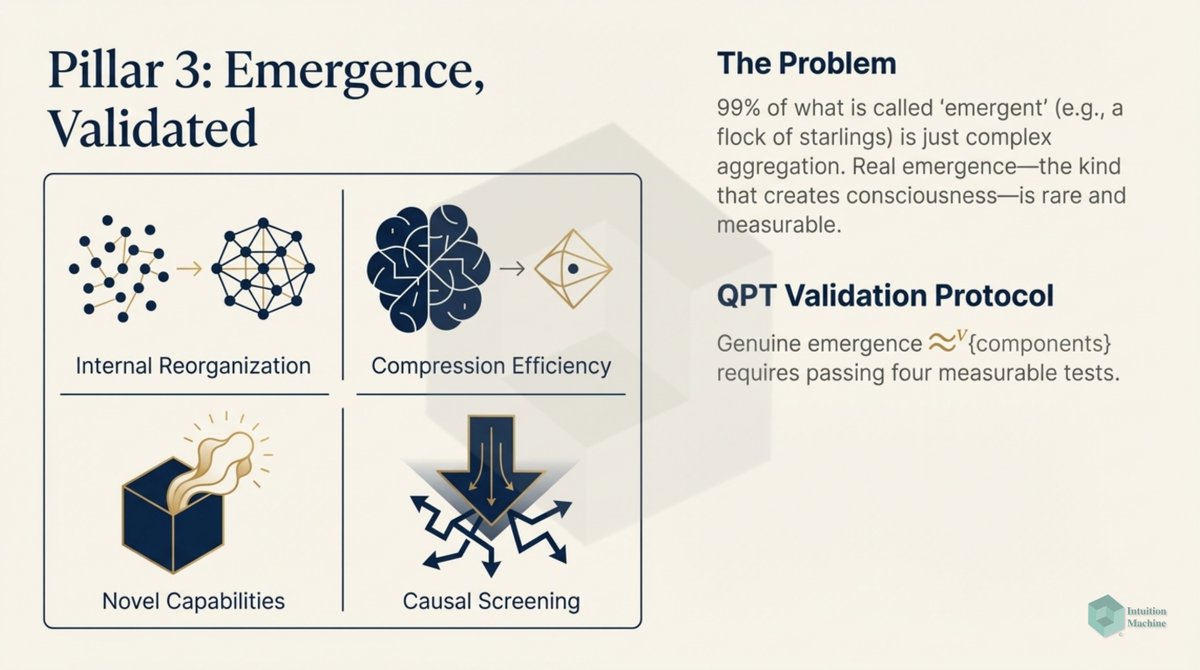
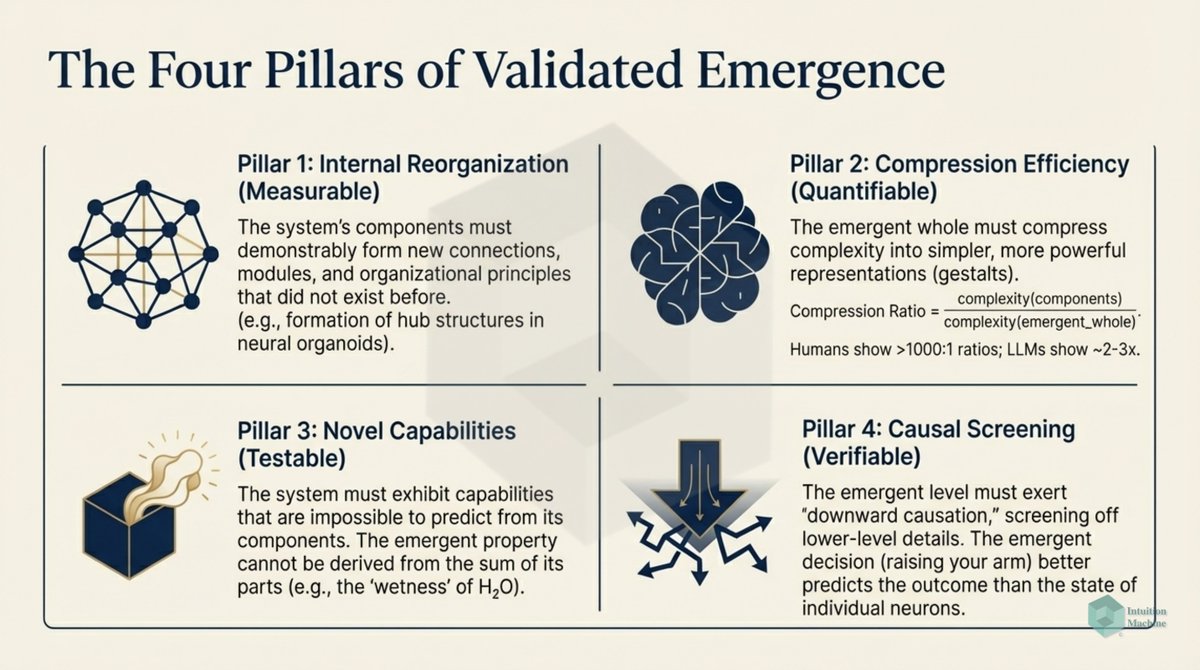
The biggest misconception that people make is the belief that you can generate an entire organism with only its DNA code. This is false.
You still need the DNA in its original vehicle (i.e. seed, eggs, stem cell etc).
This is so damn obvious that it is a surprise that so many don't get it!
Perhaps this misconception is driven by a bias towards reductionism. In reality, all life is dependent on its original context. The context is the cells with all its scaffolding and its environment.
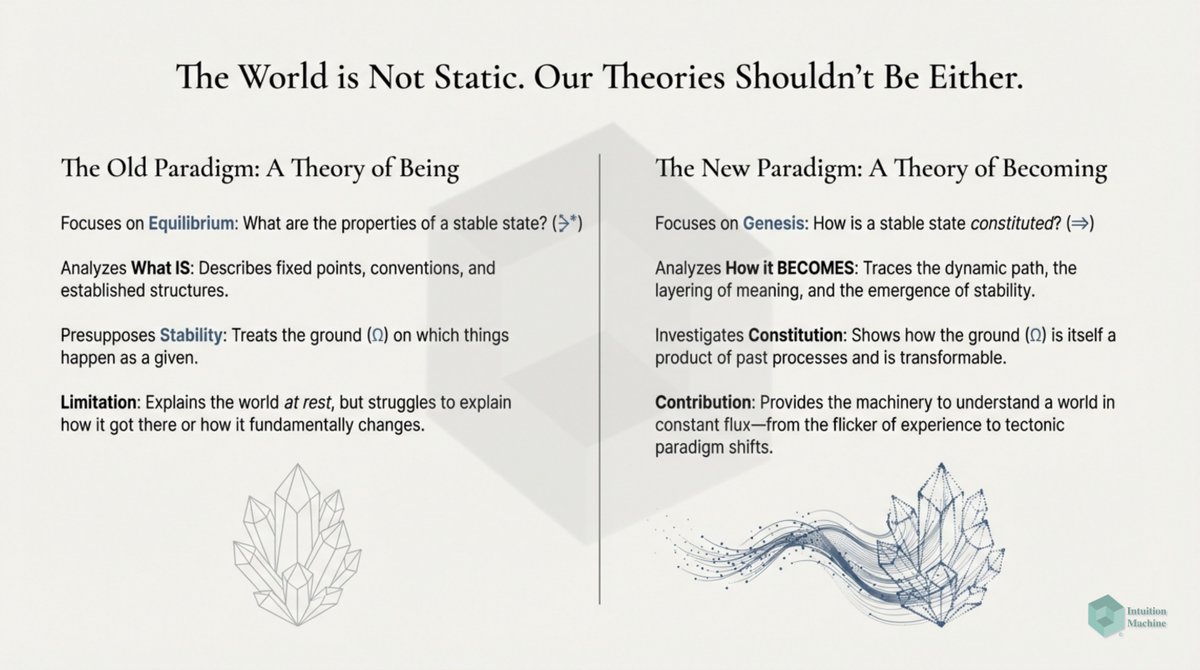
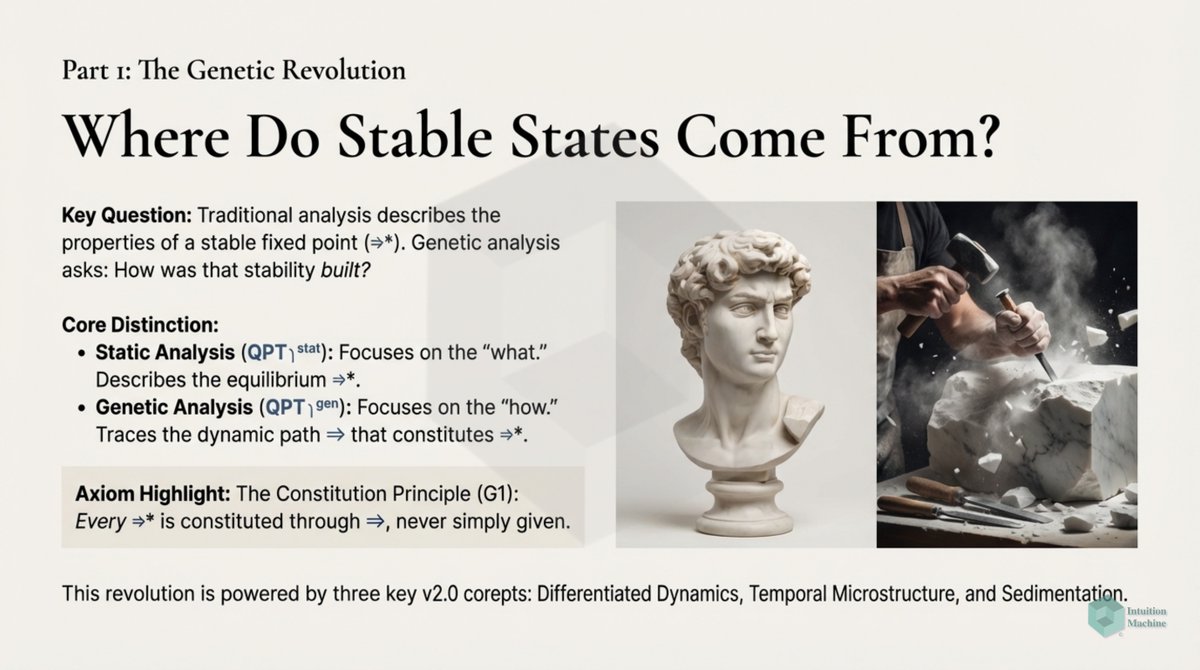
In fact, the development process of transforming a stem cell into an entire organism is a learning process. It is a cognitive process where development is making adjustments by interacting with its environment.
It is not a mechanical process where the only information needed is the DNA blueprint. That's an entirely incorrect metaphor.
• • •
Missing some Tweet in this thread? You can try to
force a refresh

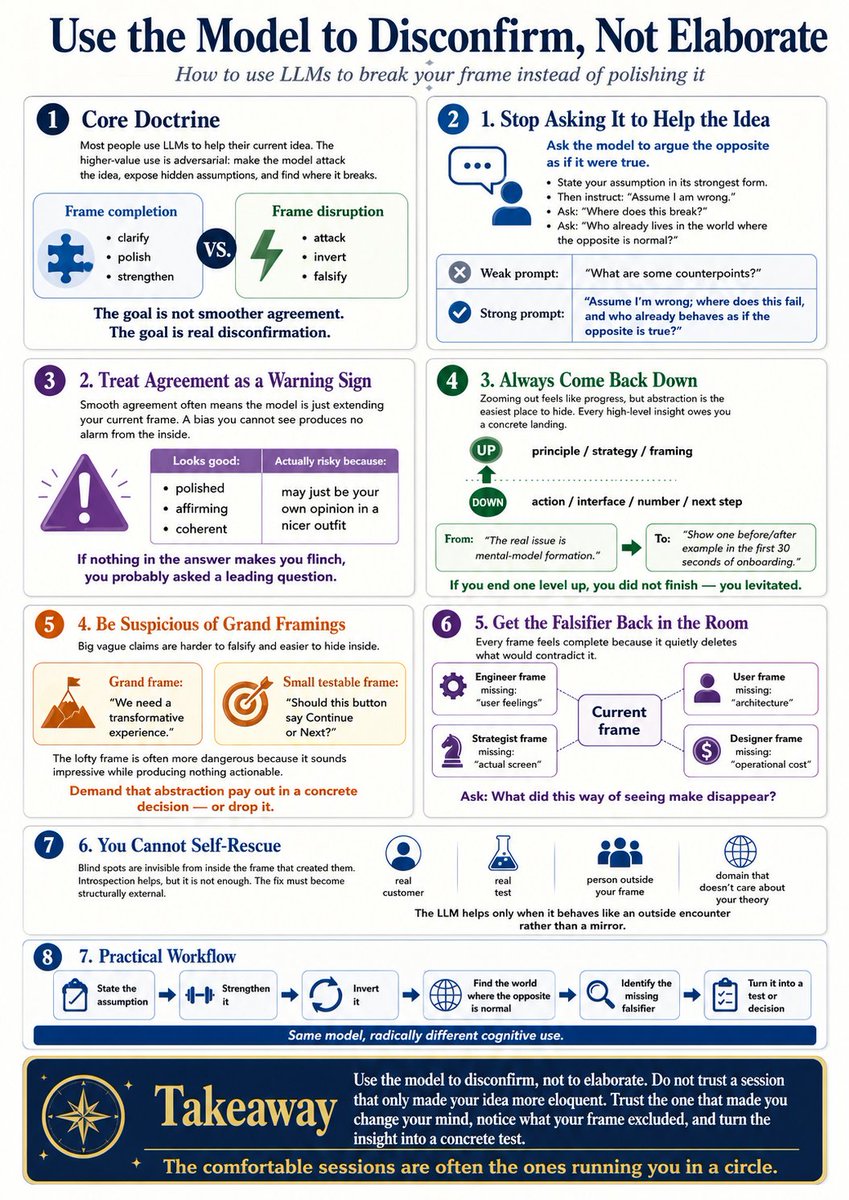
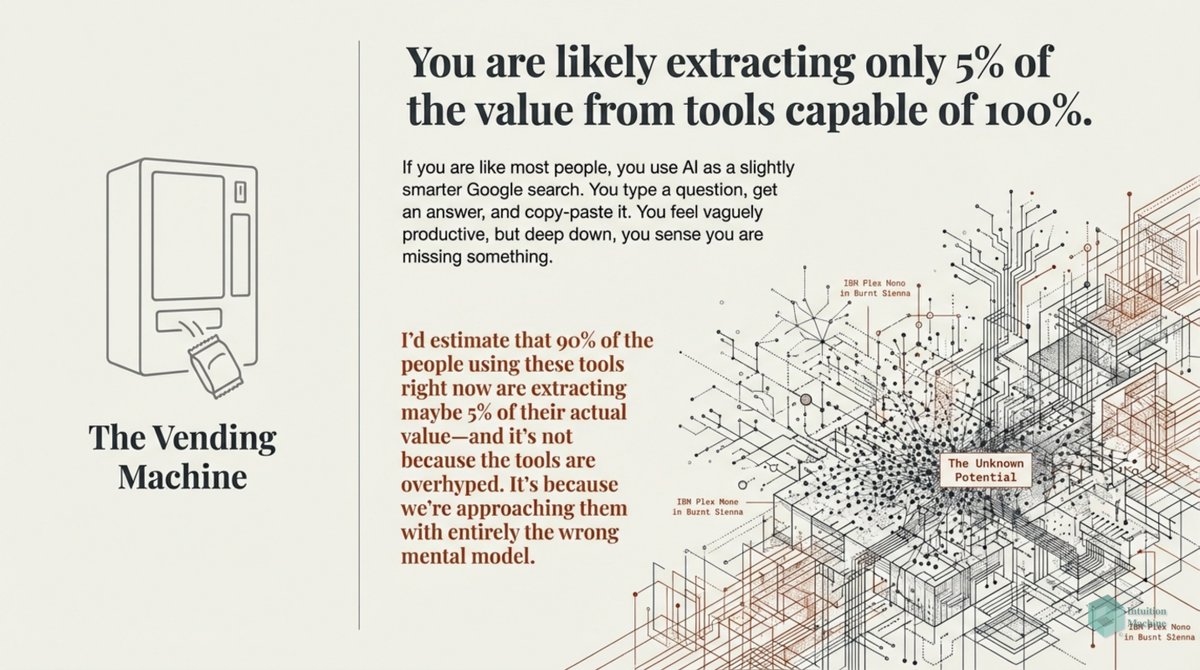
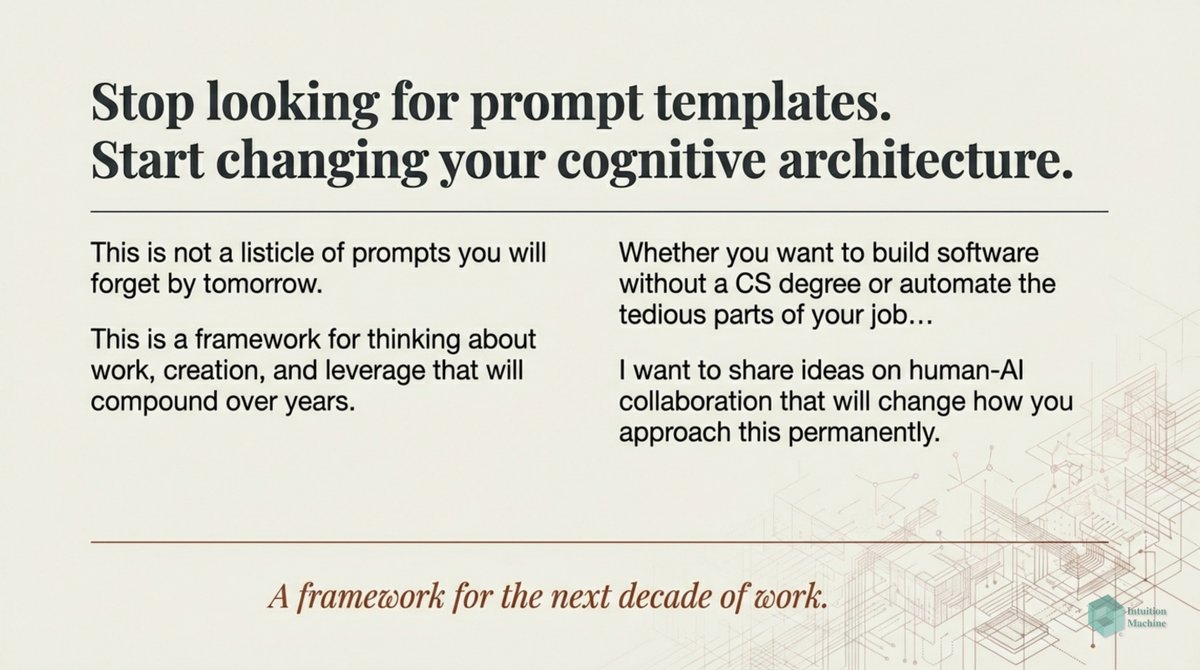
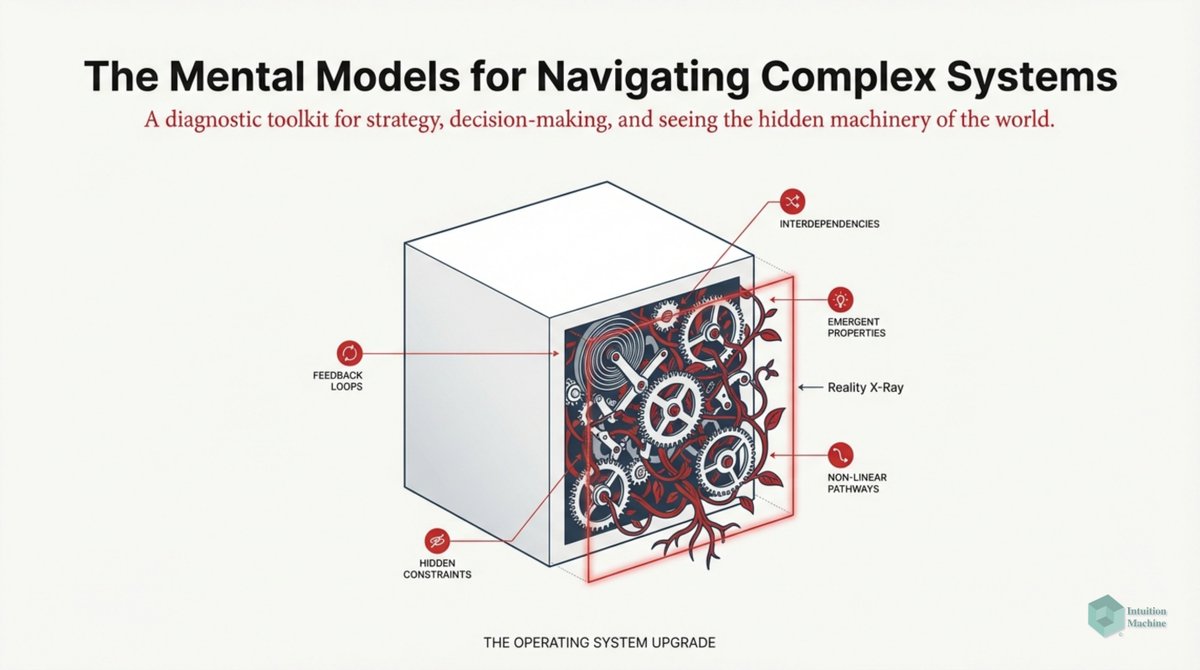
Humans tend to experience thought through one dominant frame at a time, which creates tunnel vision: the active viewpoint determines what we notice, ignore, and consider possible. Productive exploration with LLMs counteracts this by making frames explicit and allowing us to move deliberately across abstraction levels and perspectives. The value is not just more answers, but more ways of seeing.
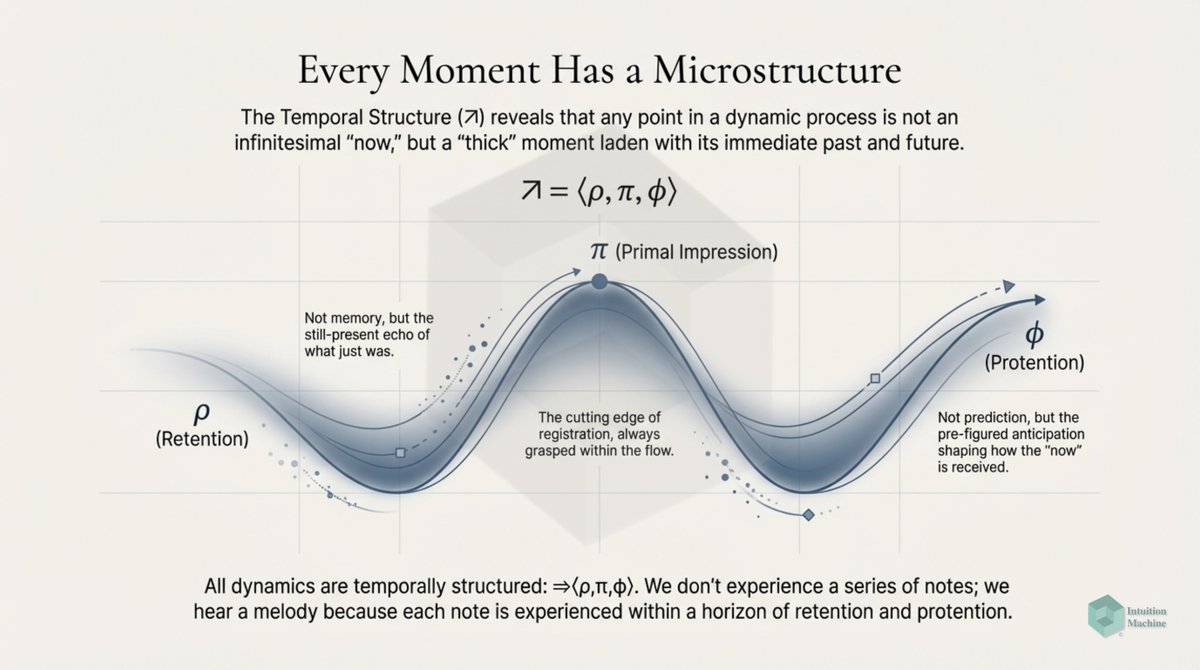
Wordcells remain captured by the abstractions encoded in language, while shape rotators recognize abstractions as movable frames. They can zoom out, zoom in, and rotate perspective rather than merely elaborate the current verbal frame.
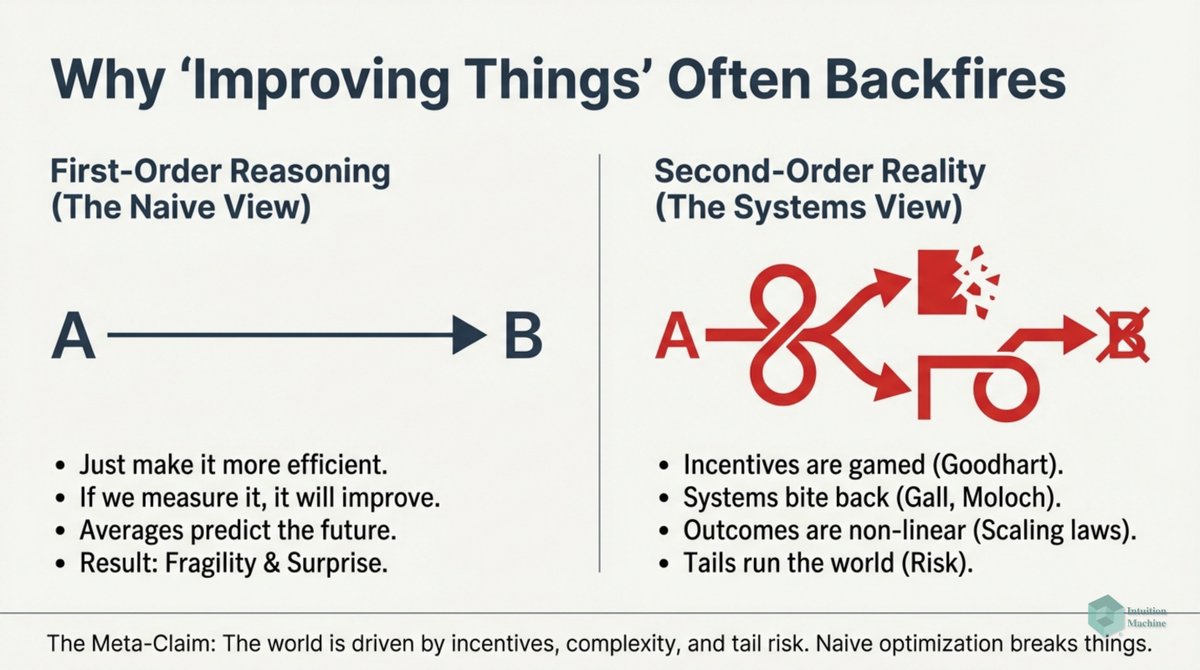
Most people use LLMs to complete their current frame. That feels productive because the idea becomes clearer, smoother, and more persuasive. But the highest-value use is to make the model attack the frame itself. Ask it to assume you are wrong, find the world where the opposite is true, identify what your framing made invisible, and force every abstraction back into a concrete test or decision. Agreement is cheap. Disconfirmation is where the value is.