CJI SA Bobde led bench begins hearing the Suo Motu petition concerning the unprecedented financial crisis being faced by lawyers all across the country due to COVID19 induced lockdown.
CJI: All Bar Councils are saying that Centre should prepare a contingency fund for lawyers
Senior Adv Ajit Kumar: I appear for all HC bar associations. I have filed an affidavit
CJI: You have not filed a reply
Kumar: We are relying on BCI's affidavit, the only one
Senior Adv Kumar reads the provision in law which authorizes Centre to prepare an emergency fund for lawyers also known as a contingency fund to meet unforeseen circumstances.
Kumar: The bar council will have to ensure that if an interest free loan is provided then it has to be repaid. A monthly installment should be capped at under 10,000
CJI: we find the response of all these associations inadequate. You are connected to society to rich business houses. Its a difficult situation and what we say is only for COVID19. We have asked the Centre but should not be the major part of the funding be from bar associations?
Kumar: HC bar associations are different. SC bar is more capable. I have just cited Section 4 which states how certain unforeseen circumstances may be dealt with.
CJI: We feel primary responsibility is of the association of advocates. Centre has to spend on a lot of people.
Kumar: from last seven months they are doing all they can.
CJI: We had issued a notice. But we are saying that create a fund. Why are you not agreeing to create a fund
Kumar: in 8 months, the funds have exhausted
CJI: Why does every HC not have a fund?
CJI to Adv Shekhar Naphade: important thing is to identify lawyers who are entitled to such hep. the really deserving ones may not get the help due to the power structure and here most powerful get most. the unfortunate ones don't get it. we need your help to identify them
CJI: If an advocate has been making certain amount of income and due to pandemic it has become zero, then I can understand>? but a lawyer who made no money, can this help become a source of income? the pandemic cannot become a boon for them. we have to be careful
CJI: we need to find the eligibility of the deserving one for these loans.
SC adjourns case by two weeks. HC bar associations to reply to the query posed by the top court
Supreme Court is set to examine the Union Government's status report on the "Digital Arrest" cyber fraud epidemic
Top cout will review the coordination between the MHA, RBI, and telecom authorities to curb transnational syndicates targeting Indian citizens #SupremeCourt
In a connected case, CJI Kant remarks "we have seen bank officials are completely hand in gloves with the accused in these cases of digital arrest"
AG R Venkataramani places status report on record
CJI: there are senior citizens.. there was a retired couple. Their entire life savings went away.
AG: Rajasthan and Kerala HC judgments are exhaustive. SOP for now is fairly comprehensive
Supreme Court takes up suggestions seeking sweeping reforms in SCBA elections, including reservation for members with disabilities, 50% relaxation in eligibility norms, rotational representation for women, and inclusion of gender neutrality and ability inclusion as core objectives of the Bar Association
#SupremeCourt #SCBA #BarReforms
CJI Surya Kant: Please give all the suggestions to Adv Pragya Baghel.
CJI to Adv Sneha Kalita: As a woman member, as an AoR and as someone seeking empowerment.
Sr Adv Vijay Hansaria: Suggestion by Ms Kalita on reservation for differently abled is praiseworthy
CJI: yes we will make sure that and we are under an obligation to create the infrastructure for the same.
Adv Kalita: 76 years has passed and we still do not have a woman present of the Supreme Court Bar
. I am stressing on the point of rotational representation
Another woman lawyer: no no that cannot be. It has to be on merit.
CJI: environment created should not look like one is completely dependant for the post. Everytime one cannot depend on reservation
#THREAD Supreme Court is set to hear today West Bengal CM Mamata Banerjee’s plea raising concerns over the SIR electoral roll revision exercise in the State. @MamataOfficial is scheduled to appear in person. #SupremeCourt #WestBengal
Follow updates here 👇
West Bengal CM Mamata Banerjee has urged the Supreme Court to issue urgent directions in the SIR process, warning that mandatory hearings, document rejections and use of Micro Observers could lead to large scale voter disenfranchisement #SupremeCourt #SIR @MamataOfficial
@MamataOfficial All eyes on the Supreme Court today as a Bench led by CJI Surya Kant, with Justices Joymalya Bagchi and Vipul Pancholi, hears Mamata Banerjee’s plea on the SIR process, with the final electoral roll deadline close at hand. #SupremeCourt #SIR #WestBengal
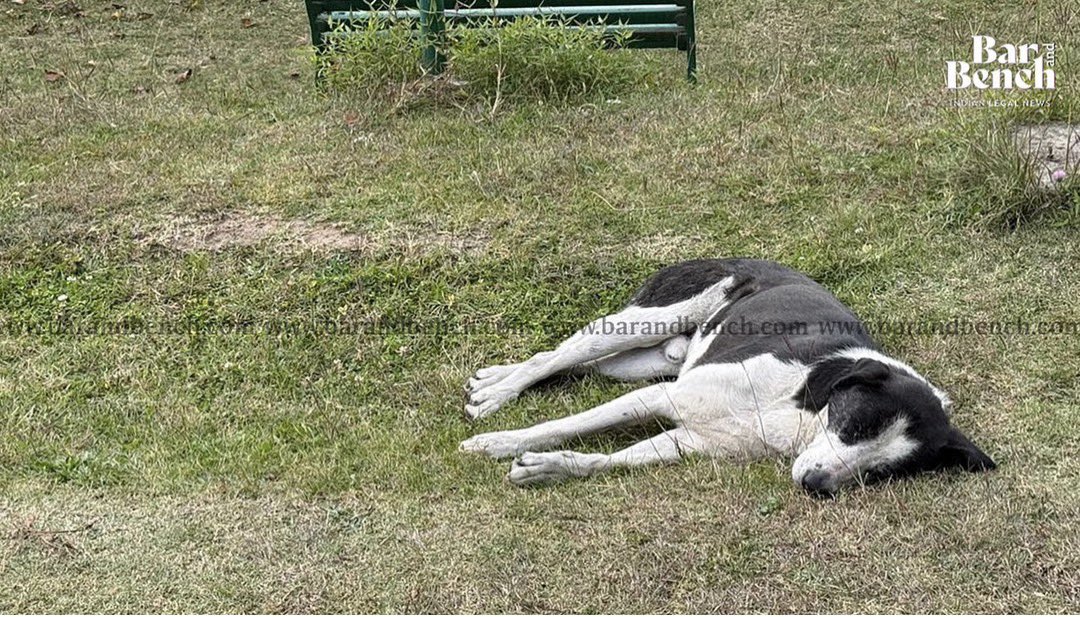
Supreme Court to shortly resume hearing its suo motu case on stray dogs.
Bench: Justices Vikram Nath, Sandeep Mehta, and NV Anjaria
#straydogs #SupremeCourt
The court is expected to continue reviewing compliance affidavits filed by various states with respect to its 7th November order relating to removal of stray dogs from institutional areas etc.
Yesterday, the Court took a dim view of “vague” affidavits filed by some states.
Amicus Curiae Gaurav Agarwal: Punjab has not submitted any action plan etc.
Counsel for Punjab: there is a budgetary allocation of 11cr. There are 20 dog catching vehicles available. There is a district level committee which we have formed. We have given a full action plan for institutions.
Court: how many dogs have you collected from institutions?
Counsel: for Malerkotla it is 108. I will place as and when information comes.
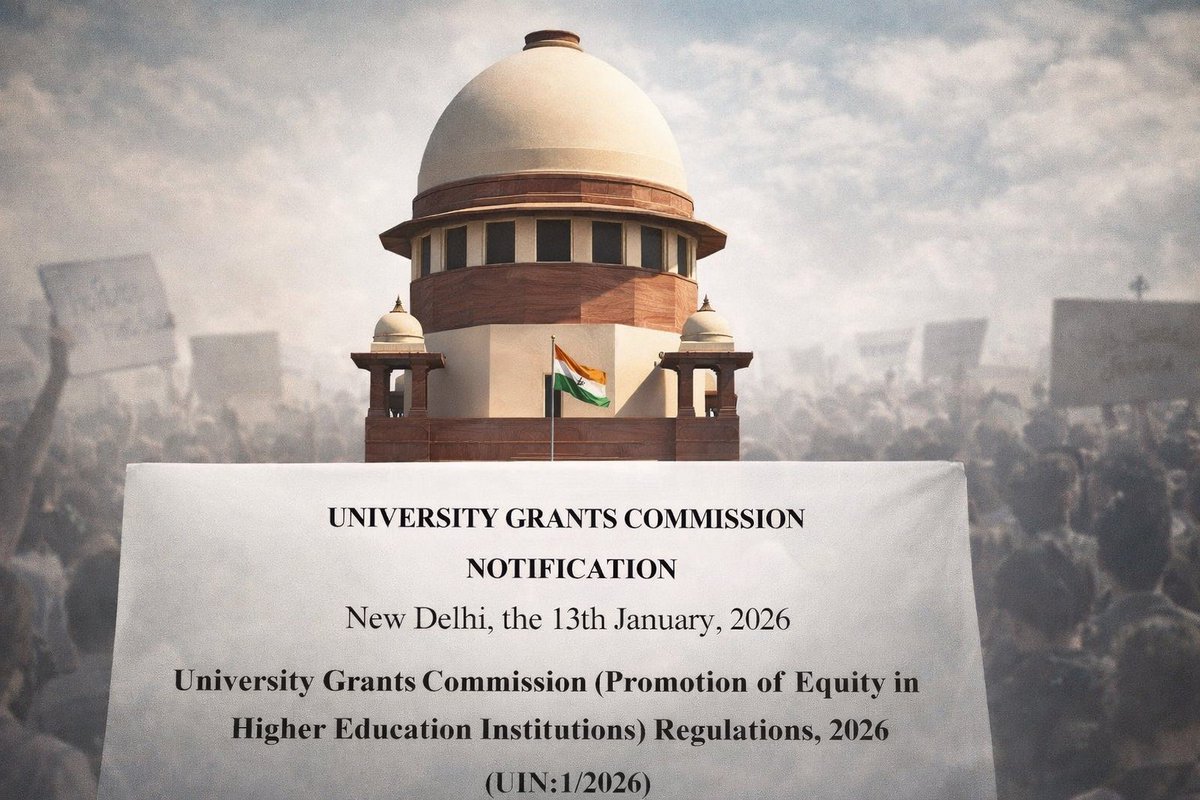
Supreme Court to hear petitions challenging the University Grants Commission (UGC)'s recently notified rules intended to prevent caste discrimination in educational institutions #UGC #UGCRegulations #SupremeCourt
The rules have been challenged for excluding 'general category' students from complaining under its grievance redressal mechanism #UGC #UGCRegulations
University Grants Commission (Promotion of Equity in Higher Education Institutions) Regulations, 2026 was notified on January 13 and applies to all higher educational institutions in India.
Its objective is to "eradicate discrimination only on the basis of religion, race, gender, place of birth, caste, or disability, particularly against the members of scheduled castes and scheduled tribes, socially and educationally backward classes, economically weaker sections, persons with disabilities, or any of them, and to promote full equity and inclusion amongst the stakeholders in higher education institutions."