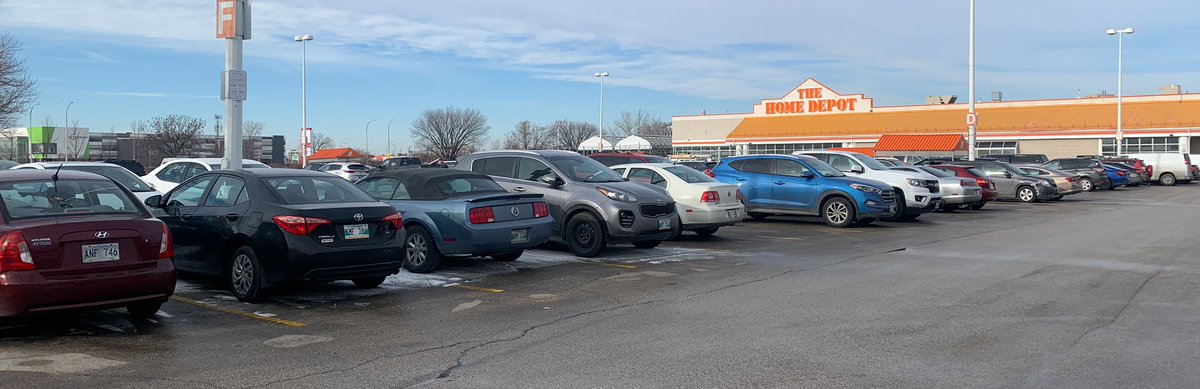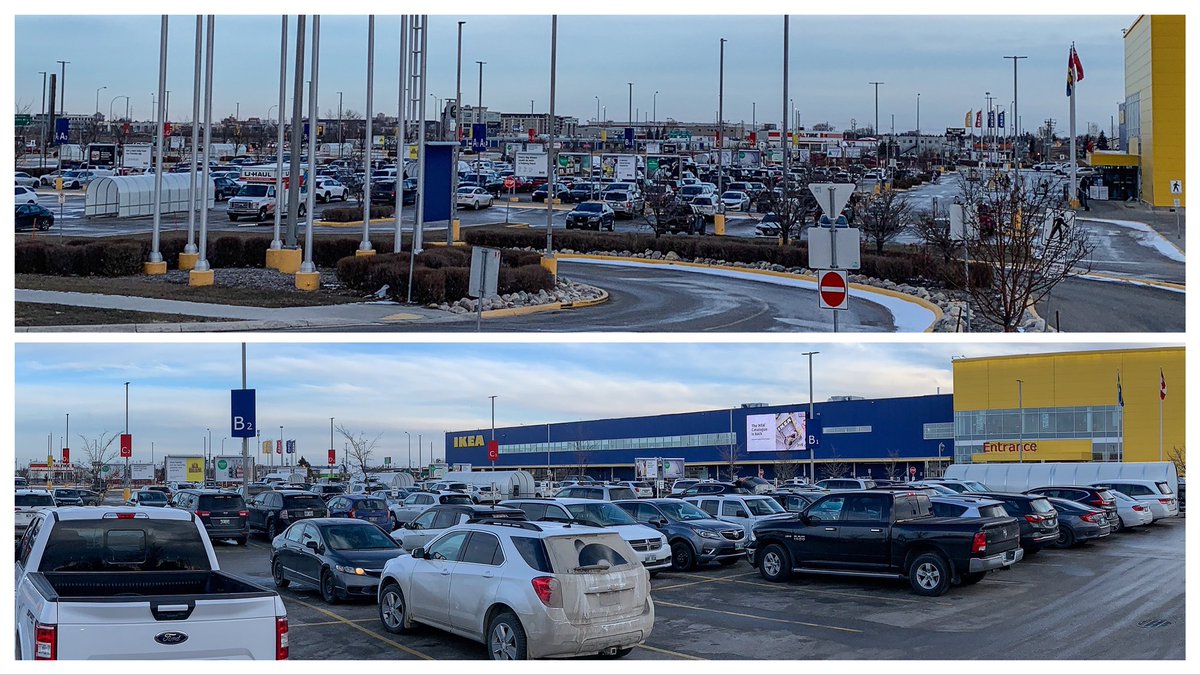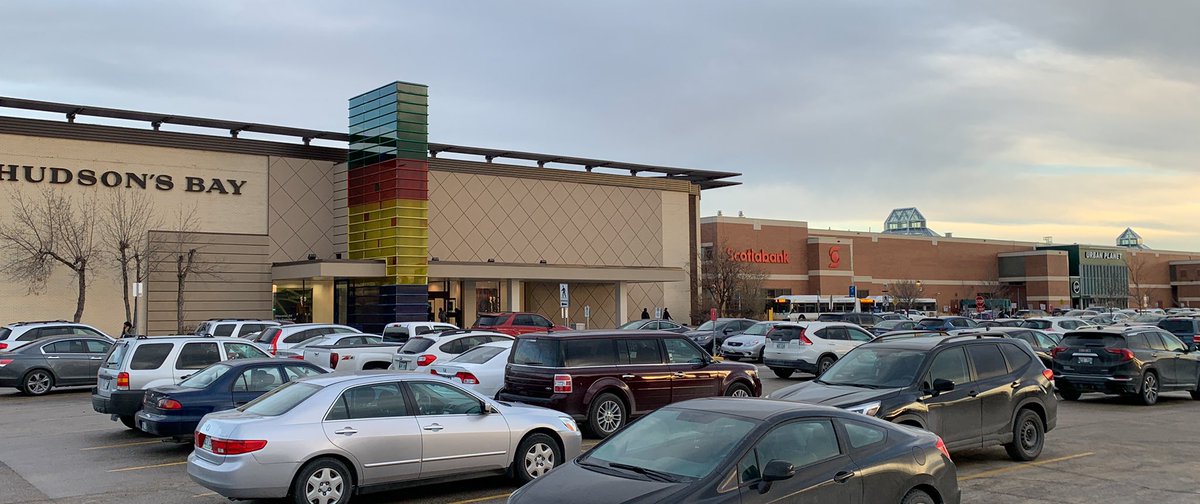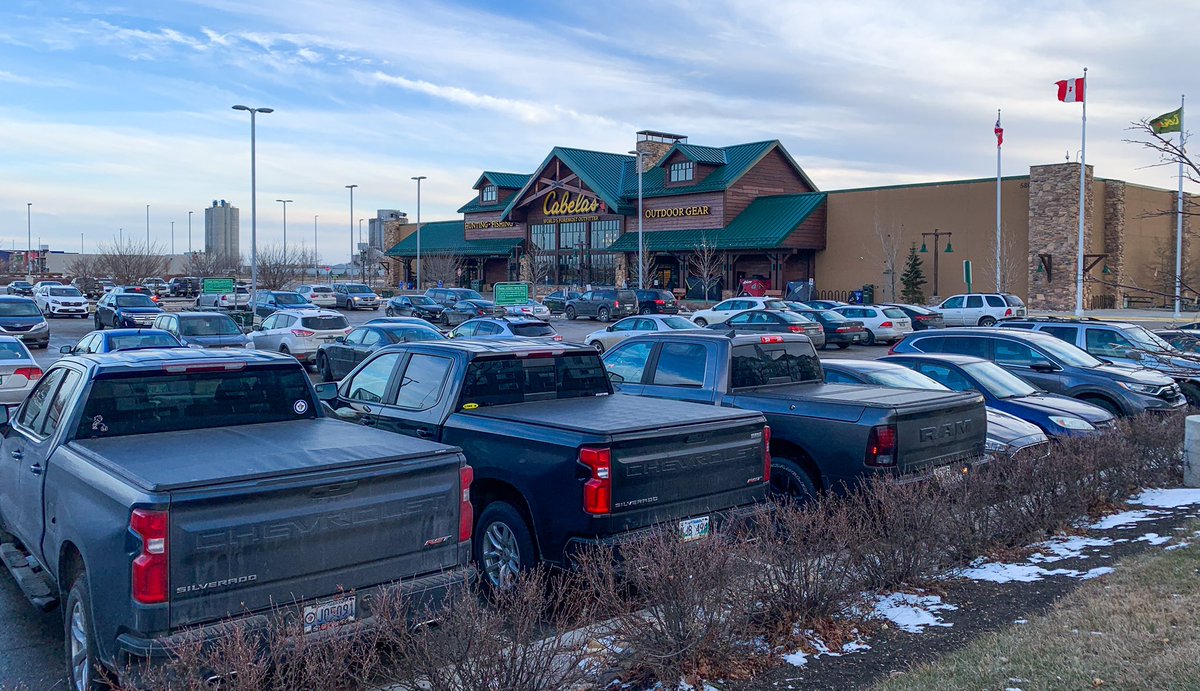
Went out to see what types of retail businesses are being hurt the most by Winnipeg’s new Code Red ‘lockdown’ regulations.
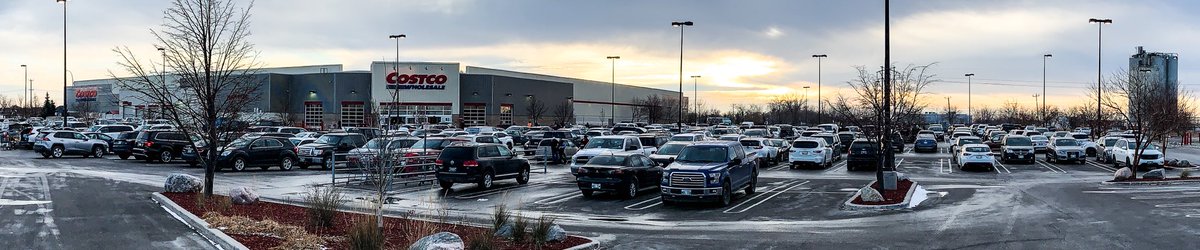
The most striking image was Costco’s 730 stall parking lot almost completely full. No lineup to get inside. 1/8
The parking lot at Home Depot looked like it does on Boxing Day. 2/8
If you own a furniture and home accessories store, your shop can’t be open, but the parking lot at IKEA had several hundred cars in it. No line up at the entry. 3/8
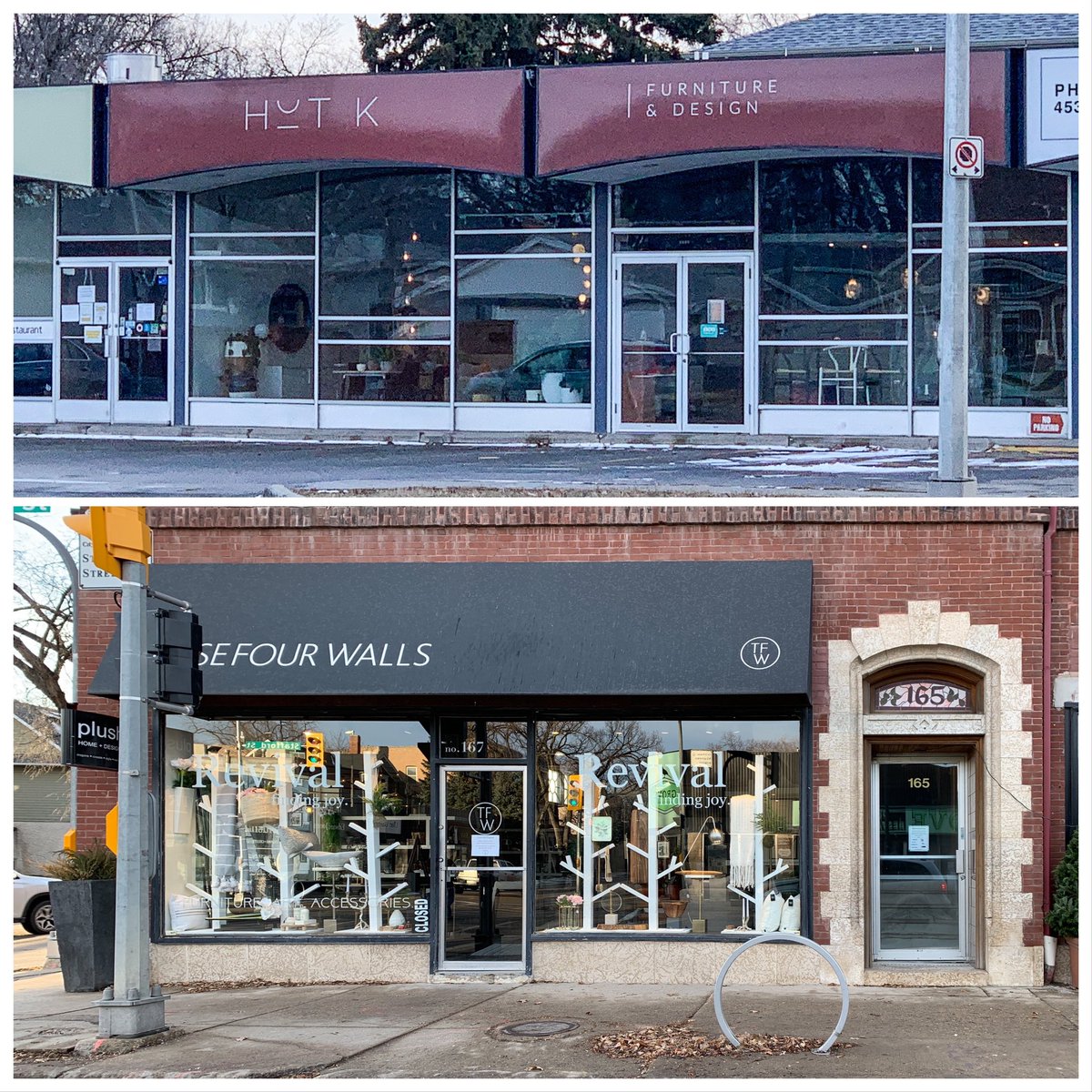
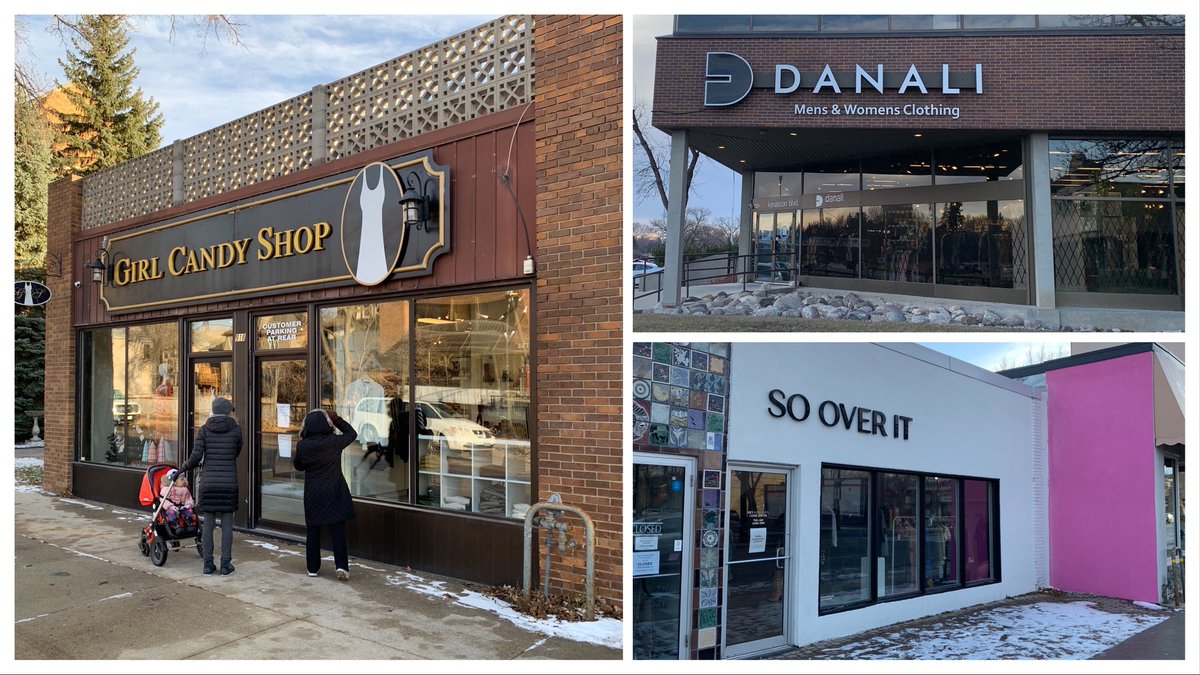
If you own a clothing store, your shop can’t be open, but The Bay and Cabela’s were busy selling a lot of clothes today. 4/8
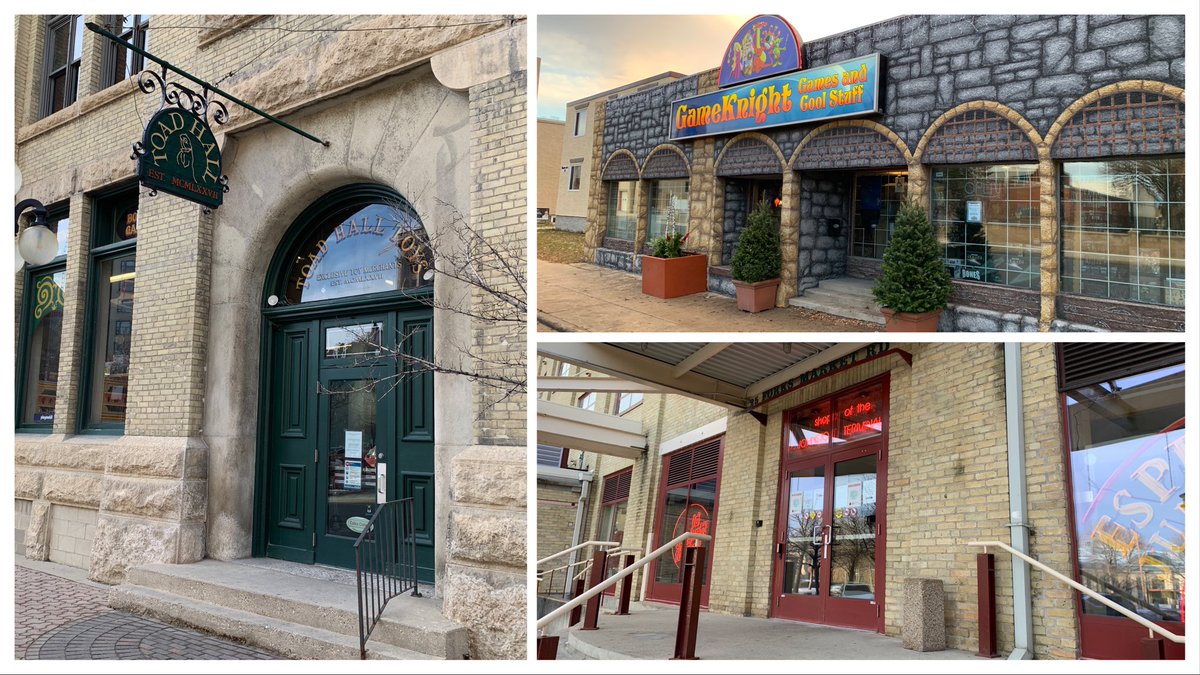
If you own a toy or games store, your shop can’t be open, but you can browse the aisles at Toys ‘R’ Us as much as you want. 5/8
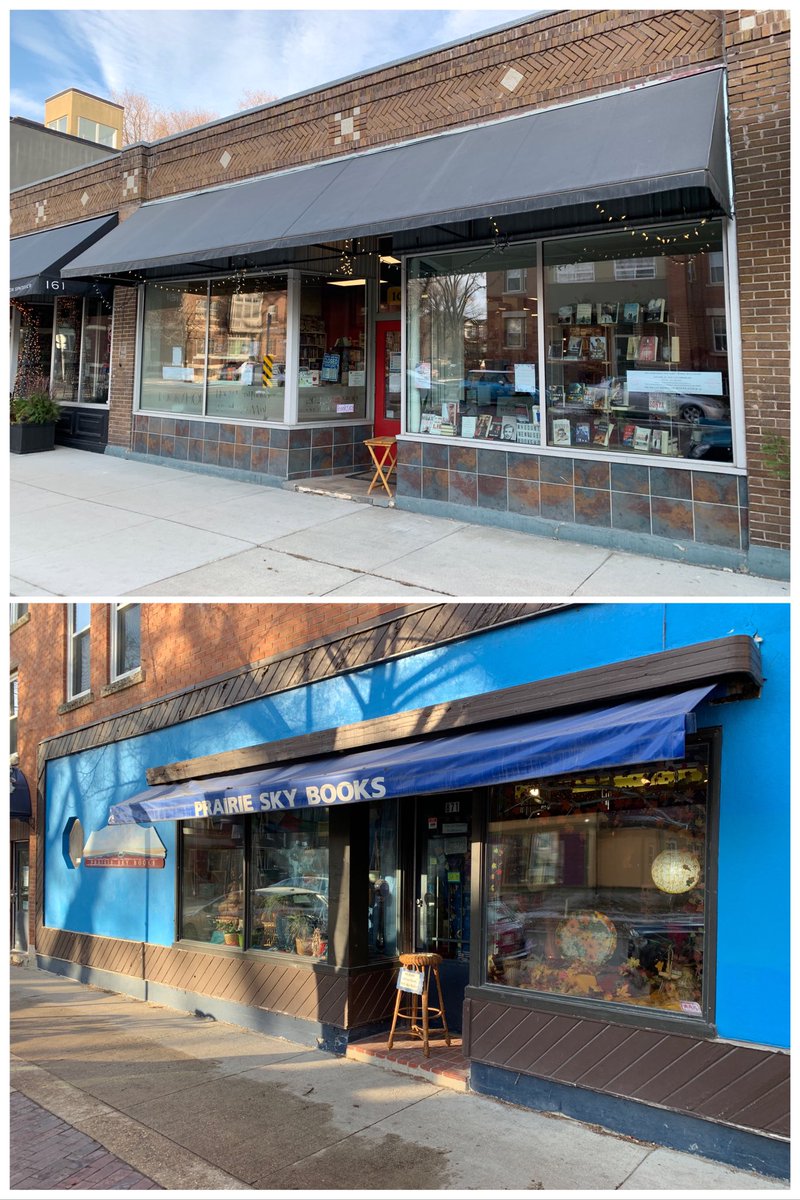
If you own a bookstore, your shop can’t be open, but Wal-Mart can sell you books. 6/8
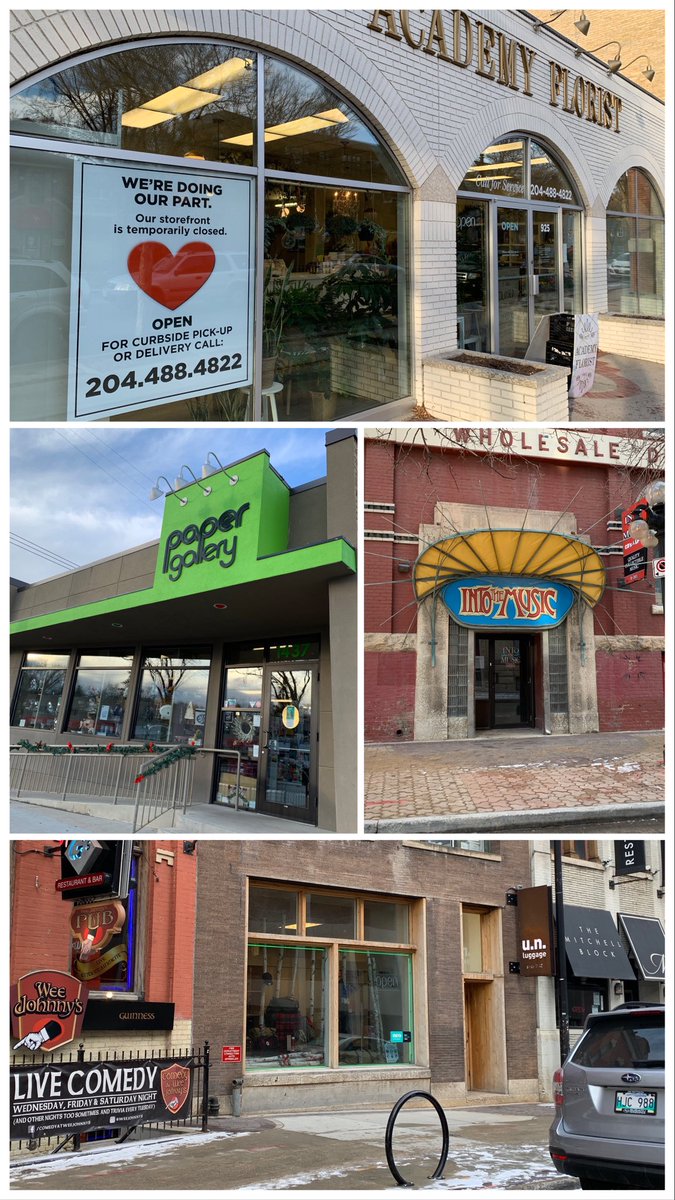
If you own a store that sells flowers, or stationary, or music, or luggage, you can’t have one person in your shop, but Costco can sell all those things to a thousand people at a time. 7/8
To be fair, there are lots of local shops open. It seems that if you sell one thing, you are likely forced to close. If you sell several things, you can probably find one considered essential, allowing you to sell anything. Overall, Code Red looks more like Code Light Pink. 8/8
I’m going to add to this thread with an important point provided by @ohdessa. Many local stores are working hard to keep business alive with delivery, curb-side and on-line. As Christmas approaches all of us must go out of our way to support them.
Half way through riding around to see all these places I stopped to check Manitoba’s COVID-19 numbers for the day and realized again it’s not just about saving local business. Is having 1,000+ people in one building, no matter how big it is, the best way to slow transmission?
Adding to this thread. (US)
The founders of Amazon and Walmart have gotten $133 billion richer during the pandemic.
Meanwhile, 20% of all small businesses have closed forever.
My column today. Four National Historic Sites that can fill a summer ‘staycation’ with lasting memories and bring a new appreciation for Manitoba’s varied and often under appreciated architectural history. @TravelManitoba winnipegfreepress.com/opinion/column…
Did you know there’s a building in northern Manitoba that began construction almost 300 years ago, making it the oldest building west of Montreal. Fort Prince of Wales.
Here’s a fun NFB Vignette about it.
Did you know Grain Elevators National Historic Site in Inglis, Manitoba is the last remaining elevator row in Canada. There was once 6,000 grain elevators in the west, less than 10% exist. Some argue that wooden grain elevators represent Canada’s only distinct architectural style
Went for a bike ride to find Winnipeg’s oldest trees. McBeth Park in West Kildonan is the oldest remaining stand of native trees in the city. Riding through it is like entering a set from Lord of the Rings. Felt like some of the trees were going to start talking.
This Cottonwood in McBeth Park is thought to be the largest tree in Winnipeg. It is 35 meters (115’) tall. It is as tall as a 12 storey apartment building currently being built on Broadway.
This tree known as the McBeth Cottonwood is thought to be the oldest tree in Winnipeg at least 160 years old. It is not long for the world. A giant limb recently broke off. The base is hollowed out and it sppears to be a local beer drinking hang out.
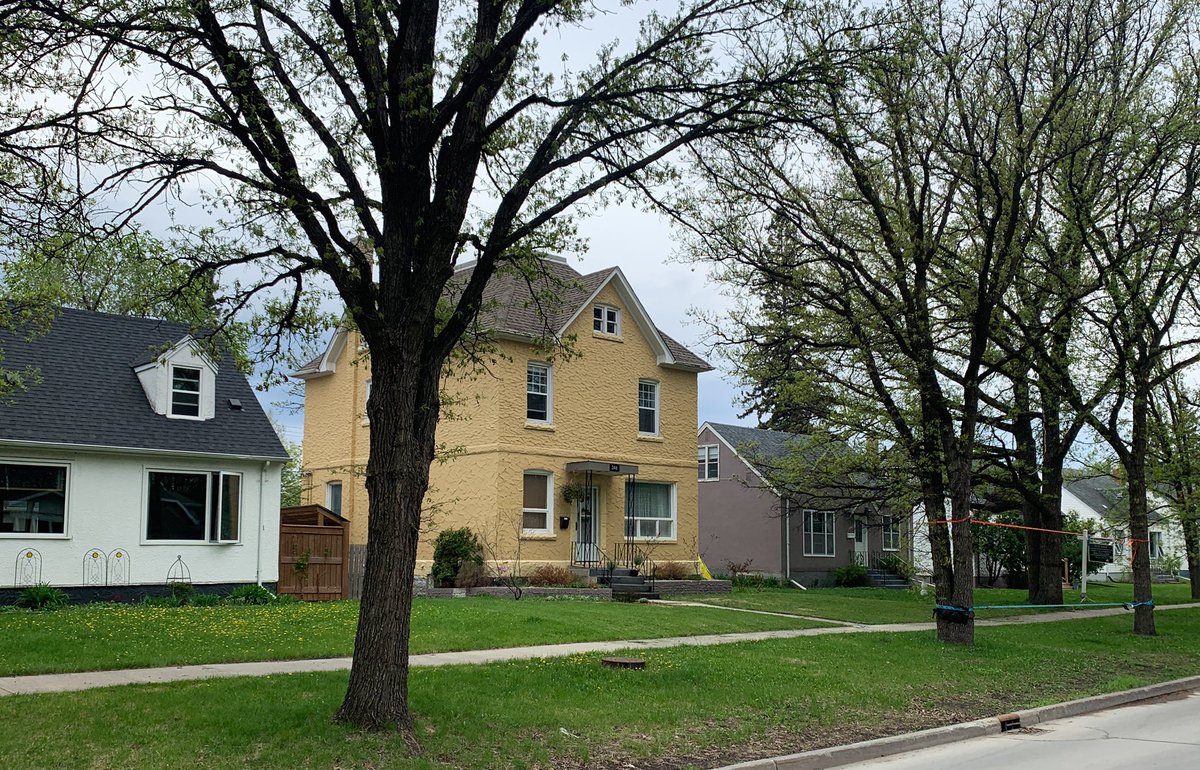
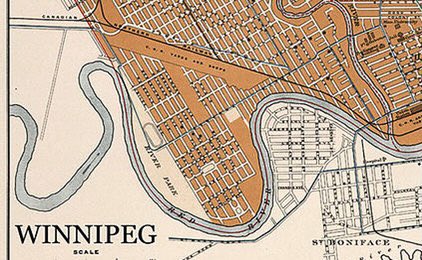
There’s a little known remnant of an important part of Winnipeg’s history still standing on Clare Avenue in the Riverview neighbourhood. This yellow house rising above its neighbours was once the superintendent’s building of River Park. The last standing piece of the park. 1/8
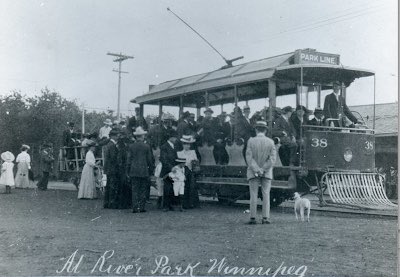
Winnipeg Street Railway Company wanted to run electric streetcars instead of horse drawn, but City Hall thought they would be dangerous and only allowed them outside of downtown. The Park Line running down Osborne Street became the first electric streetcar in Canada in 1891. 2/8
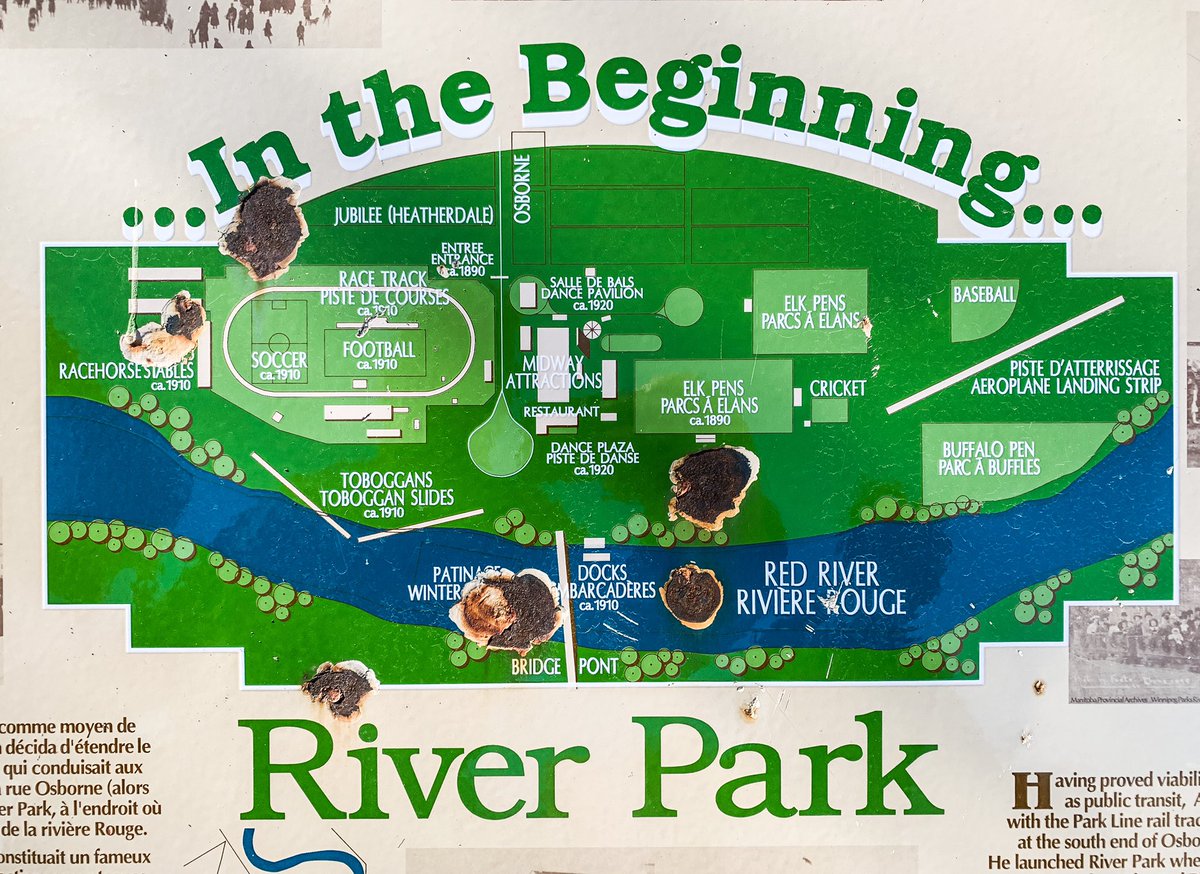
To provide a destination at the end of the Park Line, the rail company bought a large piece of riverfront property and built River Park in 1891, with sports fields, a dance hall, racetrack, zoo, and amusement park. 3/8
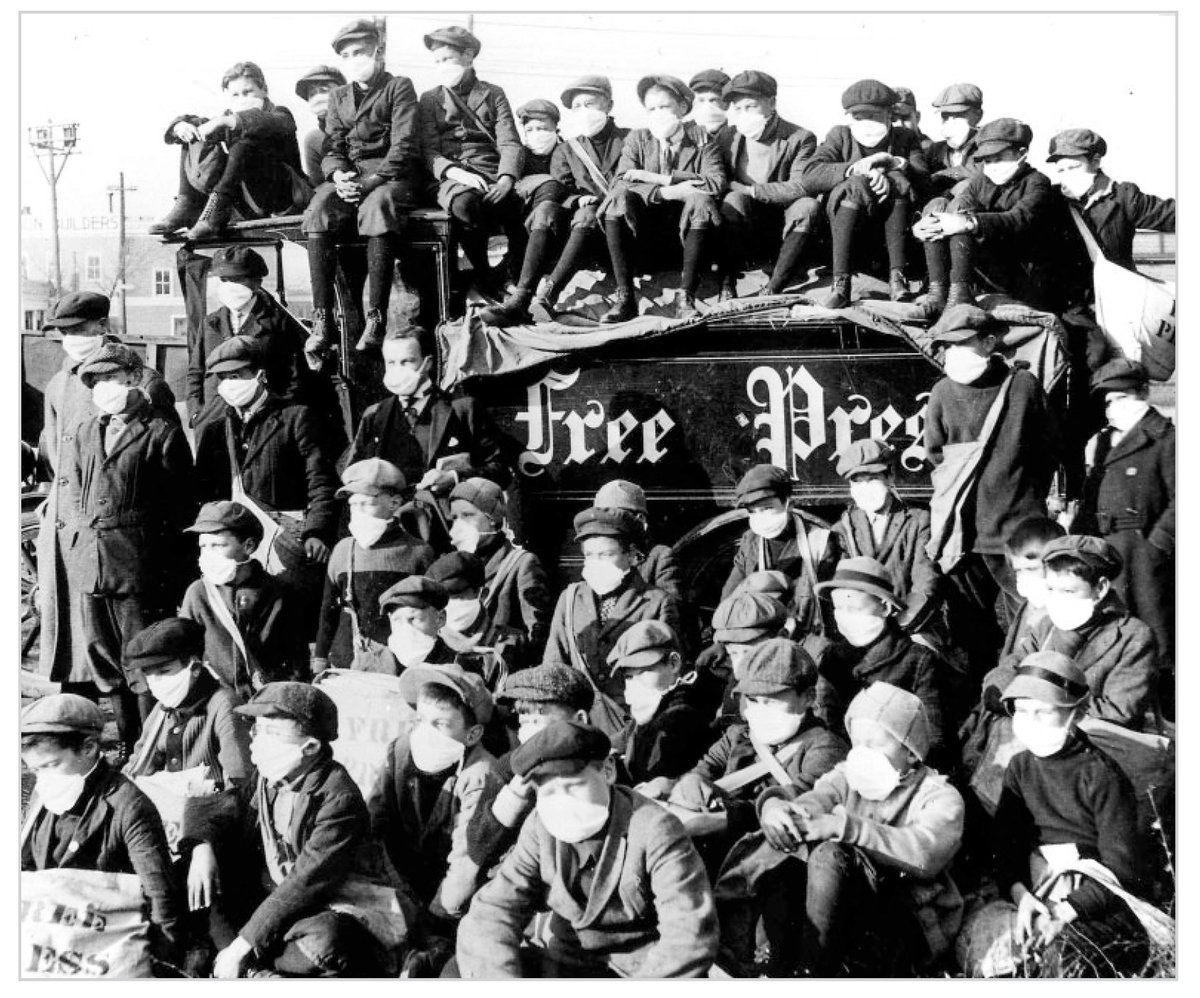
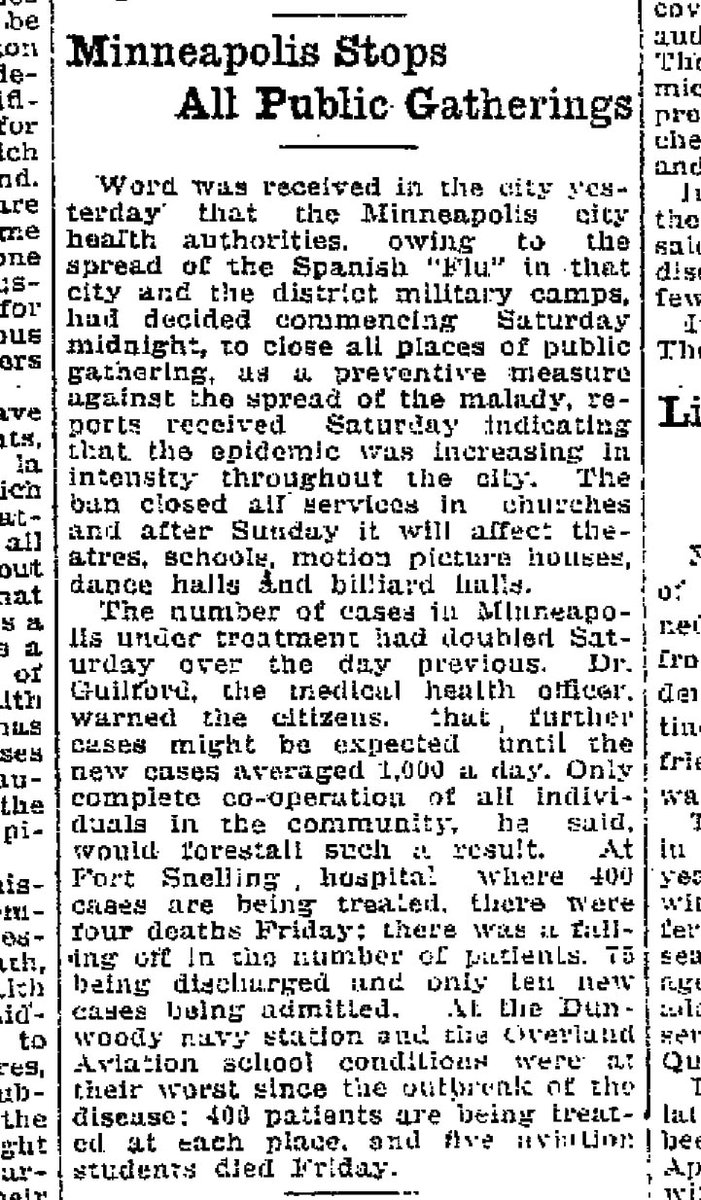
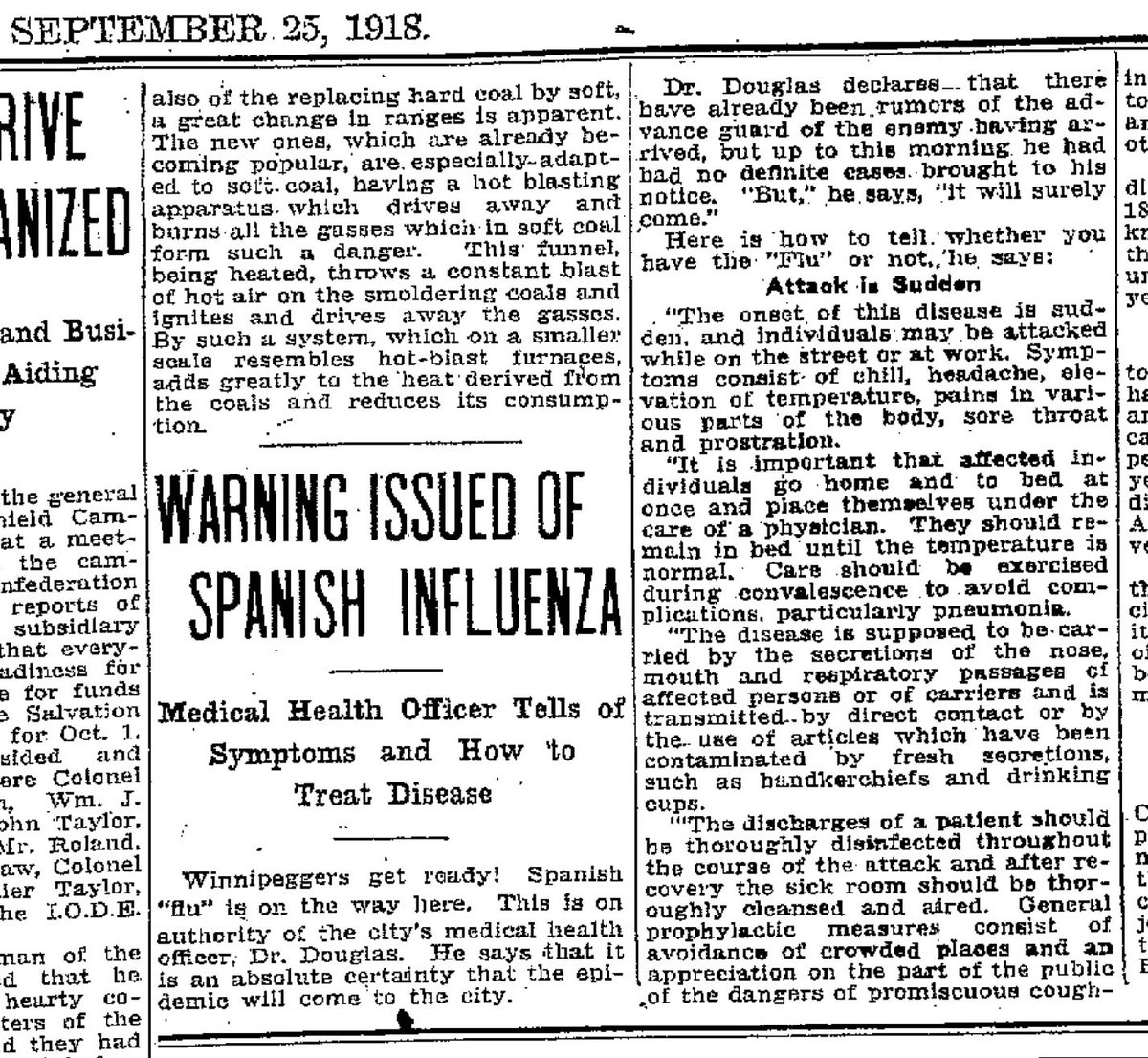
I took a look back through the @WinnipegNews archives to see what life was like in Winnipeg during the 1918 Spanish Flu Pandemic. So much of it is strikingly familiar and could be lifted off those old pages and reprinted today.
– a very long thread (I know you have time) 1/50
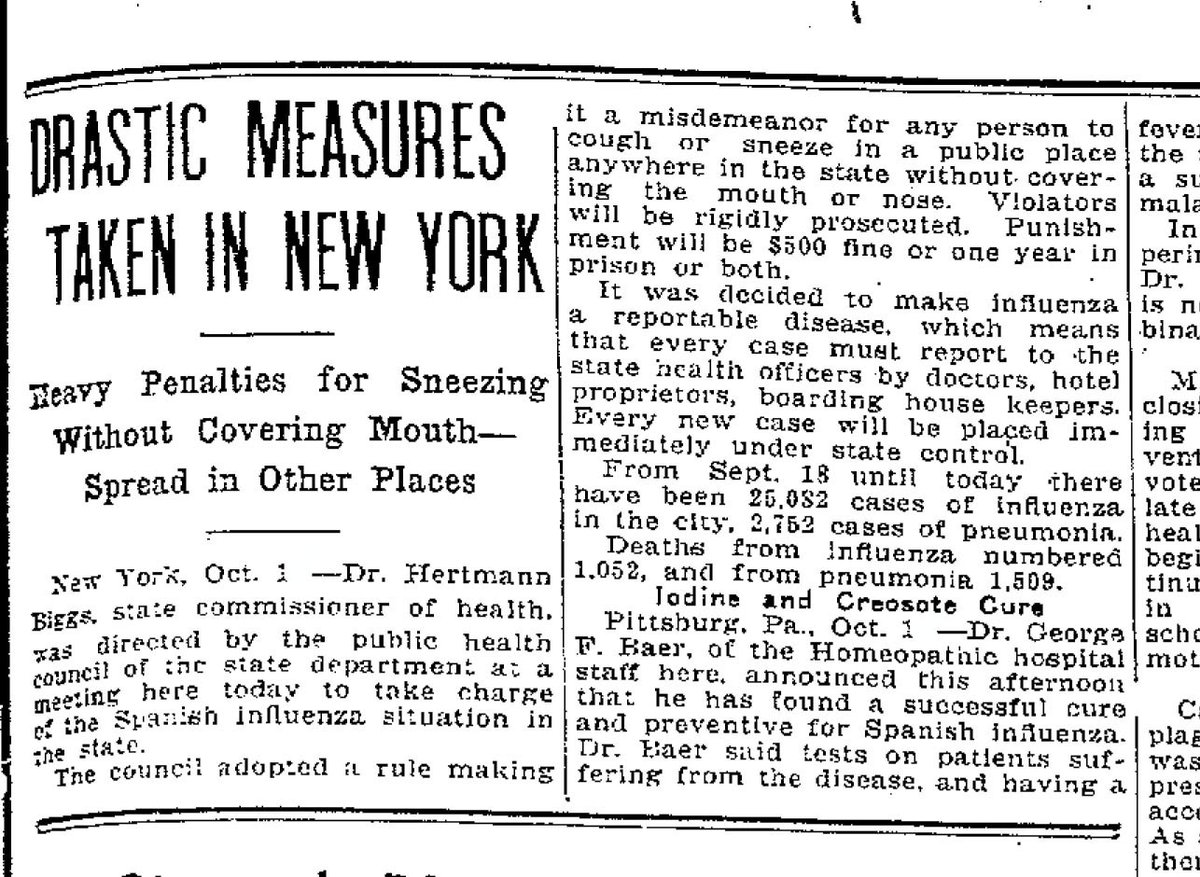
At first the local news was watching in disbelief as headlines from other places showed a devastating pandemic sweeping across the world. First on another continent and then to the eastern United States. Like today, New York was a hot spot reporting 25,000 cases in a few weeks.
‘Winnipeggers get ready!’ - By the last week of September 1918, a statement was issued by the medical health officer, warning that the pandemic was coming and explaining what could be expected.
Thread about vehicle emissions from the TV show NOVA:
If the carbon coming from the tailpipe of a car was a solid instead of a gas, it would create the equivalent of emptying a 5 pound bag of charcoal briquettes on the ground, every 25 miles, or one gallon of gas consumed. 1/6
The average car is driven a distance of 12,000 miles annually, releasing over one ton of carbon per year. The equivalent of emptying 400 five pound bags of charcoal briquettes on the ground. 2/6
The one hundred million private passenger cars (representing only 40% of all vehicles) on the road in the U.S. alone, release about 330,000 tons of carbon daily. The equivalent of emptying 132 million, five pound bags of charcoal briquettes on the ground EVERY DAY. 3/6
A thread about an interesting theory called Marchetti’s Constant. I learned this from my friend @SwansonAnders - It is a great conversation starter for your next party.
Marchetti’s Constant is the idea that the maximum time people are willing to commute is about 1 hour per day. Throughout history as our means of transportation have sped up, instead of traveling less each day we travel further, but the average time has stayed constant.
Cesare Marchetti observed that ancient fortified cities tended to be a radius of 2.5km - a 1/2 hour walk. Despite advancements in transportation, people gradually adjust their conditions (location of homes relative to workplace) so that their average travel time stays constant.