#CORBYNISTA THREAD
I'm what some people might describe as a fairly typical "Corbynista".
I certainly don't speak for all Corbyn supporters - not least because like any large group, we have among us a very wide range of views & backgrounds.
Time to put a few myths to bed...
I'm what some people might describe as a fairly typical "Corbynista".
I certainly don't speak for all Corbyn supporters - not least because like any large group, we have among us a very wide range of views & backgrounds.
Time to put a few myths to bed...
Q How do you feel about being called a #Corbynista?
A Many people use the term 'Corbynista' as a pejorative, in order to scapegoat, demonize or negatively stereotype a large group of diverse people they tend to disagree with - but some Corbyn supporters embrace the term.
A Many people use the term 'Corbynista' as a pejorative, in order to scapegoat, demonize or negatively stereotype a large group of diverse people they tend to disagree with - but some Corbyn supporters embrace the term.

Q Aren't you part of an extremist Cult?
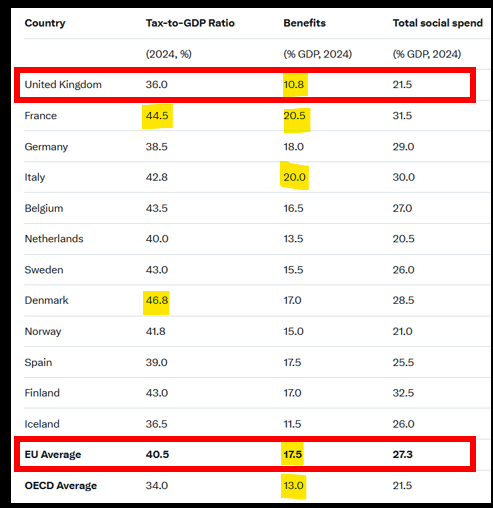
A LOL! All Corbyn supporters recognise & accept that Corbyn (like everyone else) has made mistakes. In fact, we often disagree about & debate exactly what they were, but the policies we support are popular, & normal across much of Europe.
A LOL! All Corbyn supporters recognise & accept that Corbyn (like everyone else) has made mistakes. In fact, we often disagree about & debate exactly what they were, but the policies we support are popular, & normal across much of Europe.

Q Aren't Corbynistas obsessed with ideological purity?
A No. As with anyone involved in politics, some Corbyn supporters are more or less willing than others to compromise, & we all know that while it's very important to be principled, sometimes realpolitik overrides ideology.
A No. As with anyone involved in politics, some Corbyn supporters are more or less willing than others to compromise, & we all know that while it's very important to be principled, sometimes realpolitik overrides ideology.
Q Don't Corbynistas believe antisemitism in @UKLabour is all a 'smear'?
A A tiny minority might think this. While 99% of us accept it IS a real problem, which must be eliminated, there's no doubt whatsoever that occasionally its scale has been exaggerated for political purposes.
A A tiny minority might think this. While 99% of us accept it IS a real problem, which must be eliminated, there's no doubt whatsoever that occasionally its scale has been exaggerated for political purposes.
Q Do Corbynistas hate "centrists"?
A Some do, some don't! Imho, much of the animosity & distrust comes from the belief that some "centrist" @UKLabour MPs are more ideologically aligned with "moderate" Conservatives than with traditional Labour or socialist policies & values.
A Some do, some don't! Imho, much of the animosity & distrust comes from the belief that some "centrist" @UKLabour MPs are more ideologically aligned with "moderate" Conservatives than with traditional Labour or socialist policies & values.
Q Why do Corbynistas demonize centrist @UKLabour MPs?
A SOME do. Corbynistas hate "free-market" ideology (embraced by some centrists) & many of us believe we'd be three years into a transformative @UKLabour Govt had some centrists not persistently attacked & undermined Corbyn.
A SOME do. Corbynistas hate "free-market" ideology (embraced by some centrists) & many of us believe we'd be three years into a transformative @UKLabour Govt had some centrists not persistently attacked & undermined Corbyn.

Q Why do Corbynistas hate Blair/Starmer?
A Some do, some don't. Many Corbynistas voted for both Blair & Starmer. Keir promised unity, but we're disappointed in this aspect of his leadership. New Labour did some great things, but Iraq & its embrace of neoliberalism disappointed.
A Some do, some don't. Many Corbynistas voted for both Blair & Starmer. Keir promised unity, but we're disappointed in this aspect of his leadership. New Labour did some great things, but Iraq & its embrace of neoliberalism disappointed.
Q Surely any Labour Govt is preferable to any Tory Govt?
A Most of us agree. However, many of us fear that reverting back to the failed pre-Corbyn strategy of 'Tory-Lite' will alienate many @UKLabour members, is not a wise strategy, & it will result in failure. Baby, bathwater.
A Most of us agree. However, many of us fear that reverting back to the failed pre-Corbyn strategy of 'Tory-Lite' will alienate many @UKLabour members, is not a wise strategy, & it will result in failure. Baby, bathwater.
Q So why don't you stop moaning & get behind Starmer?
A Labour must be a democratic Party. Some of us praise Starmer when he deserves it (eg commitment to cancelling student debt) & express displeasure when we think he doesn't (eg SpyCops). Disagreement is normal in politics!
A Labour must be a democratic Party. Some of us praise Starmer when he deserves it (eg commitment to cancelling student debt) & express displeasure when we think he doesn't (eg SpyCops). Disagreement is normal in politics!
Q if you're so bloody reasonable, why do so many people in @UKLabour hate you?
We're a broad range of people, with diverse backgrounds & opinions, but given our antiquated electoral system, only one of two parties can form a Govt, so many very left-wing people choose Labour.
We're a broad range of people, with diverse backgrounds & opinions, but given our antiquated electoral system, only one of two parties can form a Govt, so many very left-wing people choose Labour.
Q So what is a Corbynista?
A Depends who you ask! Language is malleable, & meaning is always context-dependent. But if I were to try & define it, I'd say it's simply someone who was inspired by Corbyn's values & the policies he introduced. We know he wasn't perfect - nobody is.
A Depends who you ask! Language is malleable, & meaning is always context-dependent. But if I were to try & define it, I'd say it's simply someone who was inspired by Corbyn's values & the policies he introduced. We know he wasn't perfect - nobody is.
Q So why are so many Corbynistas so rude?
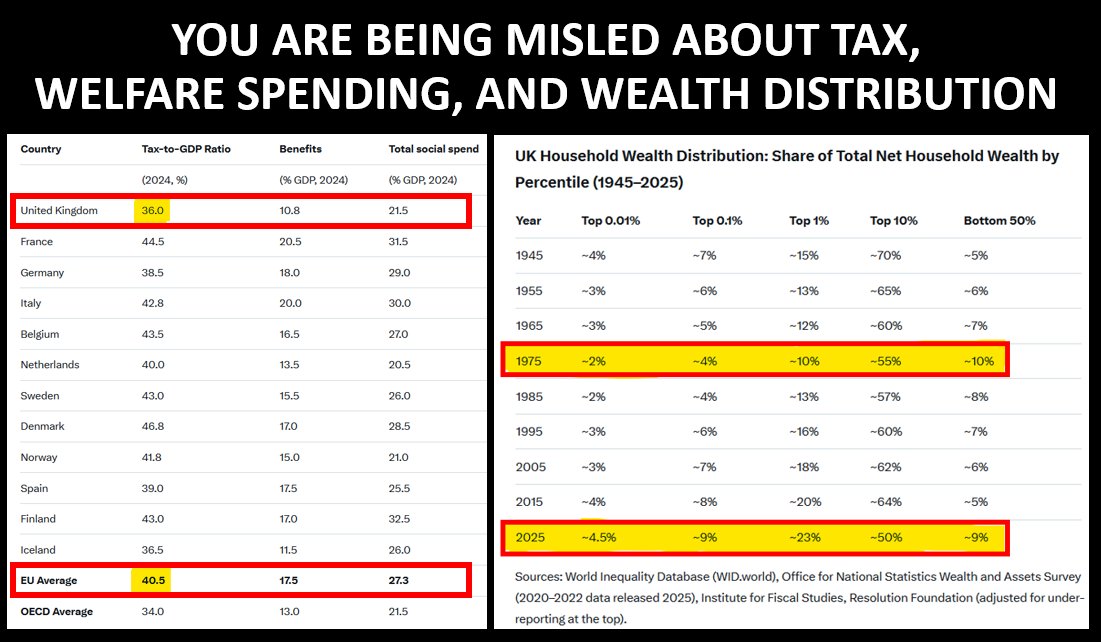
A Quite often, people who feel very passionately about the disgusting way already vulnerable people are treated by the Govt & the press, & who are angry about grotesque wealth inequality, let their tempers get the better of them. I do.
A Quite often, people who feel very passionately about the disgusting way already vulnerable people are treated by the Govt & the press, & who are angry about grotesque wealth inequality, let their tempers get the better of them. I do.

Like I say, I don't speak for all Corbynistas - that would be ridiculous. I feel angry about the direction our country is going in, & I feel anger toward the Govt. I try to be civil on Twitter, but sometimes I fail - we're all stressed, & we're all human.
It's fine to disagree.
It's fine to disagree.
• • •
Missing some Tweet in this thread? You can try to
force a refresh