1/ Influencer Seeding vs Gifting: What's the Difference? (Thread)
In both, brands send products for free.
In both, brands desire to create a community of people with their products.
In both, brands want something out of the deal.
But this is where the similarities end.
In both, brands send products for free.
In both, brands desire to create a community of people with their products.
In both, brands want something out of the deal.
But this is where the similarities end.
2/ Gifting is a one-time experience. Seeding uses the word "seed" on purpose (see below).
Gifting requires an opt-in from the influencers.
Seeding is, well, a free gift.
Gifting asks. Seeding gives.
One is transactional. The other is relational.
Gifting requires an opt-in from the influencers.
Seeding is, well, a free gift.
Gifting asks. Seeding gives.
One is transactional. The other is relational.
3/ You see with the word: seeding - this is an entirely different mindset. A seed planted. The gift (my product) is a seed to you that eventually, I want to blossom into a long-term relationship.
The problem with gifting programs is the REQUIREMENT.
The problem with gifting programs is the REQUIREMENT.
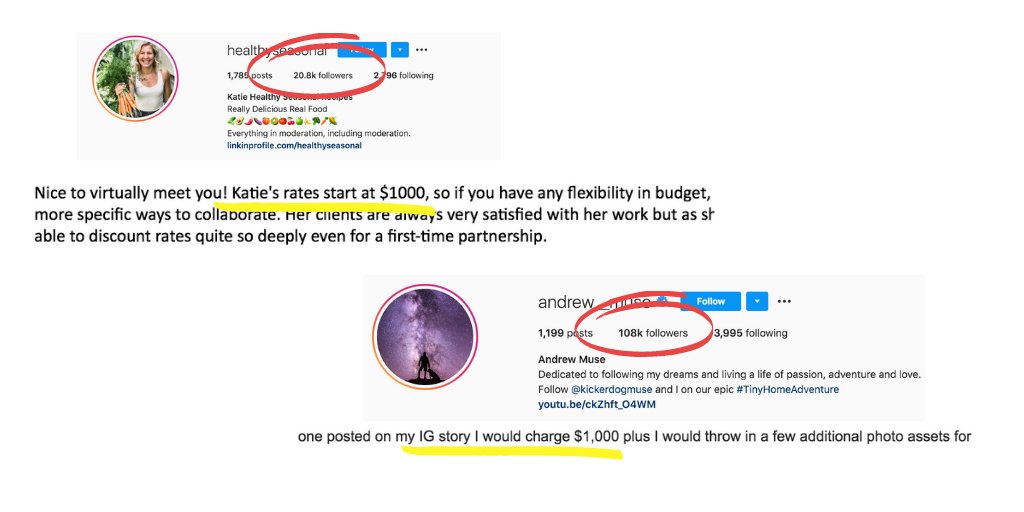
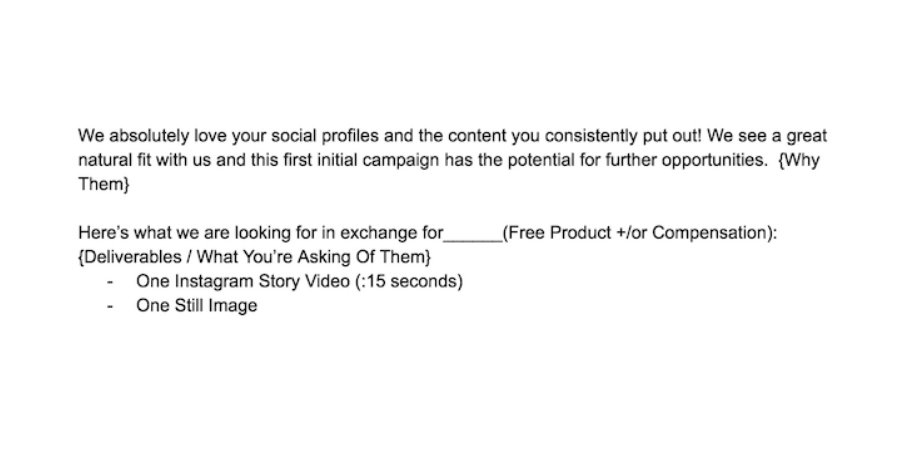
4/ I give you my product = you give me a post.
Programs and philosophies like this pride themselves on the guarantees. Guaranteeing a certain # of posts or impressions. It all sounds so sexy and data-driven.
Problem: you’re settling when you could have so much more.
Programs and philosophies like this pride themselves on the guarantees. Guaranteeing a certain # of posts or impressions. It all sounds so sexy and data-driven.
Problem: you’re settling when you could have so much more.
5/ Think about it like dating, I ask you out on a date (sending you my product) but then I tell you to buy dinner (ask for a post). We might enjoy our time but the prospects of a second date? Unlikely. The rush of that date loses out to any other future opportunities.
6/ With opt-in programs, the influencers forget about you the second they post, since the whole deal is based on this.
I'm not arguing the potential importance of organic buzz or UGC. I want those things (esp. UGC), I'm just not asking for this as the basis of the relationship
I'm not arguing the potential importance of organic buzz or UGC. I want those things (esp. UGC), I'm just not asking for this as the basis of the relationship
7/ IOW: the goal is the relationship, everything else is the bonus. So the question becomes, how do I start that relationship? Giving w/o asking.
Better yet, how do I turn an influencer, who’s never heard of me, doesn’t have my product, etc into an actual real fan of mine?
Better yet, how do I turn an influencer, who’s never heard of me, doesn’t have my product, etc into an actual real fan of mine?
8/ I have a goal for this relationship to be one I continually seed product to. I’m proud they represent my company. Eventually, they are under contract. Maybe they post/send me content to use consistently. What’s the better approach to getting to this point? You tell me.
9/ Founders love to tell me about how they want to build a strong brand, yet when I talk to them about this - I hear "how does that make me money?" And here is when they fall for “gifting programs” that tease and lure them in with guaranteed posts and impressions that’s all BS.
10/ The long-tail effect of the network of people that are actual users of your product is really critical. It’s a compounding value that you can build a brand on for a really long time. WOM is contagious. But there are no shortcuts. You have to do it the right way.
11/ Interested in affiliate? You now have a pool of people to kickstart this. Some celebrity influencers loved the product you sent, want them to become the face of your brand? Bc of your first impression to them, this will help in negotiations.
12/ Need consistent content? You've got 1, 2, 10, etc fans of your brand that you already know love the product.
How we do this on behalf of our clients - TLTR: Mass outreach + no strings attached messaging + send product + track content + follow up.
Want to hear more?
How we do this on behalf of our clients - TLTR: Mass outreach + no strings attached messaging + send product + track content + follow up.
Want to hear more?
13/ Additional Resources:
We're doing this right now for 31 Bits & @andrewjfaris
open.spotify.com/episode/1cnFSB…
Or here with a high-level overview:
open.spotify.com/episode/2odSCg…
We're doing this right now for 31 Bits & @andrewjfaris
open.spotify.com/episode/1cnFSB…
Or here with a high-level overview:
open.spotify.com/episode/2odSCg…
• • •
Missing some Tweet in this thread? You can try to
force a refresh