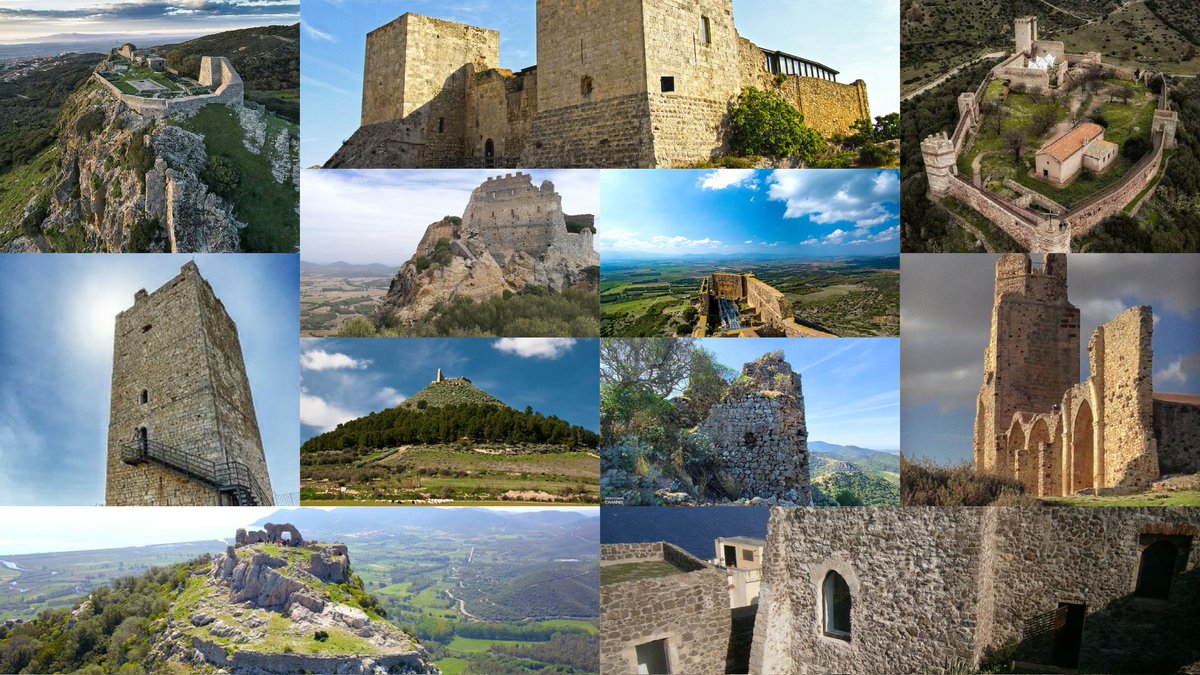
**SPECIAL THREAD: Sardinia in Dante's Comedy**
«E a dir di Sardigna le lingue lor non si senton stanche» (XXII Purgatory)
Dante tells Sardinians always speak of Sardinia. We don't want to gainsay him on this #Dantedì, so here we are 😁 #Dantedì2021 #Dantedi
«E a dir di Sardigna le lingue lor non si senton stanche» (XXII Purgatory)
Dante tells Sardinians always speak of Sardinia. We don't want to gainsay him on this #Dantedì, so here we are 😁 #Dantedì2021 #Dantedi

A few Sardinian/Sardinia-related characters appear in the Divine Comedy. The most famous is definitely the Count Ugolino della Gherardesca di Donoratico. He appears in the XXXIII Canto of the Inferno, where Dante puts him among the traitors of one's homeland.
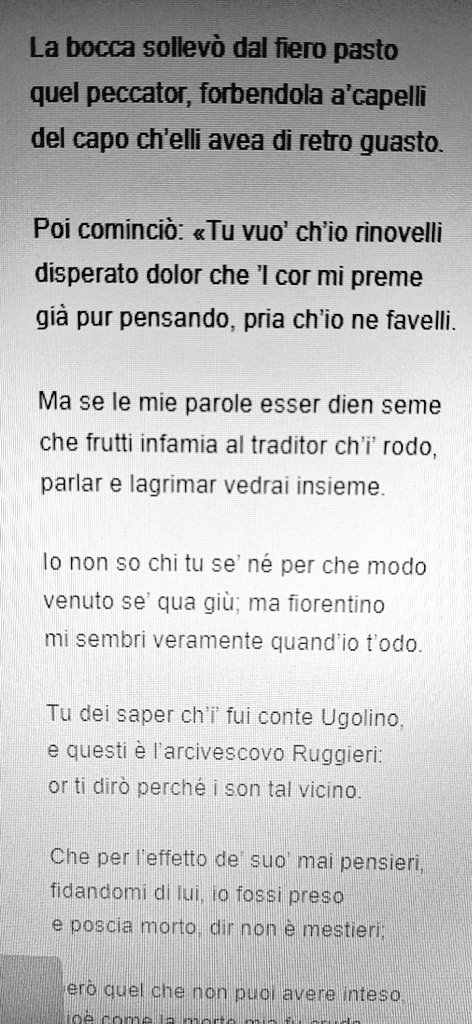
Ugolino was a noble man from Pisa, who first got involved in Sardinian businesses when he served Enzo, son of the HRE Friedrich and husband to Adelasia, Queen of Torres.
During the assault to Sant'Igia, capital of the Judicate of Calari, in 1258, after the victory of the Pisan-
During the assault to Sant'Igia, capital of the Judicate of Calari, in 1258, after the victory of the Pisan-
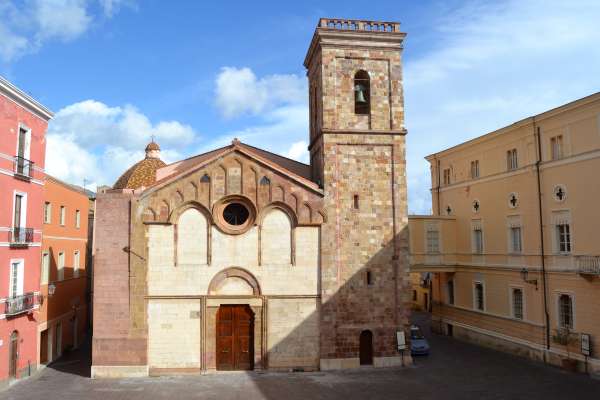
-alliance, his family got part of the former Judicate's lands and he acquired the Sigerro and the sixth part of the Judicate of Calari. He enclosed Villa di Chiesa in walls and started the construction of the now cathedral of Santa Chiara. He also owned several castles, of which-
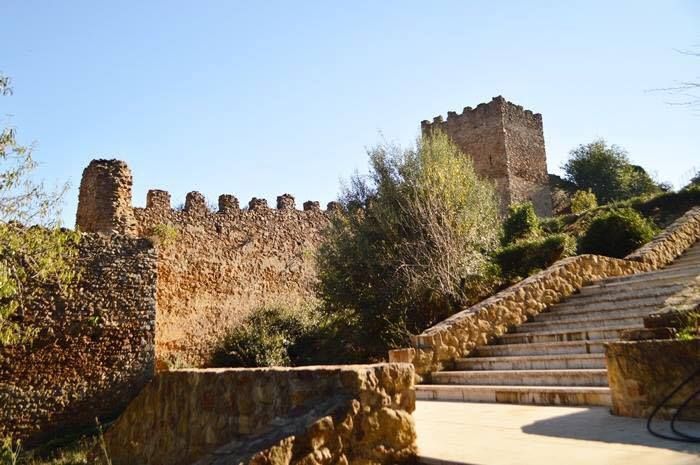
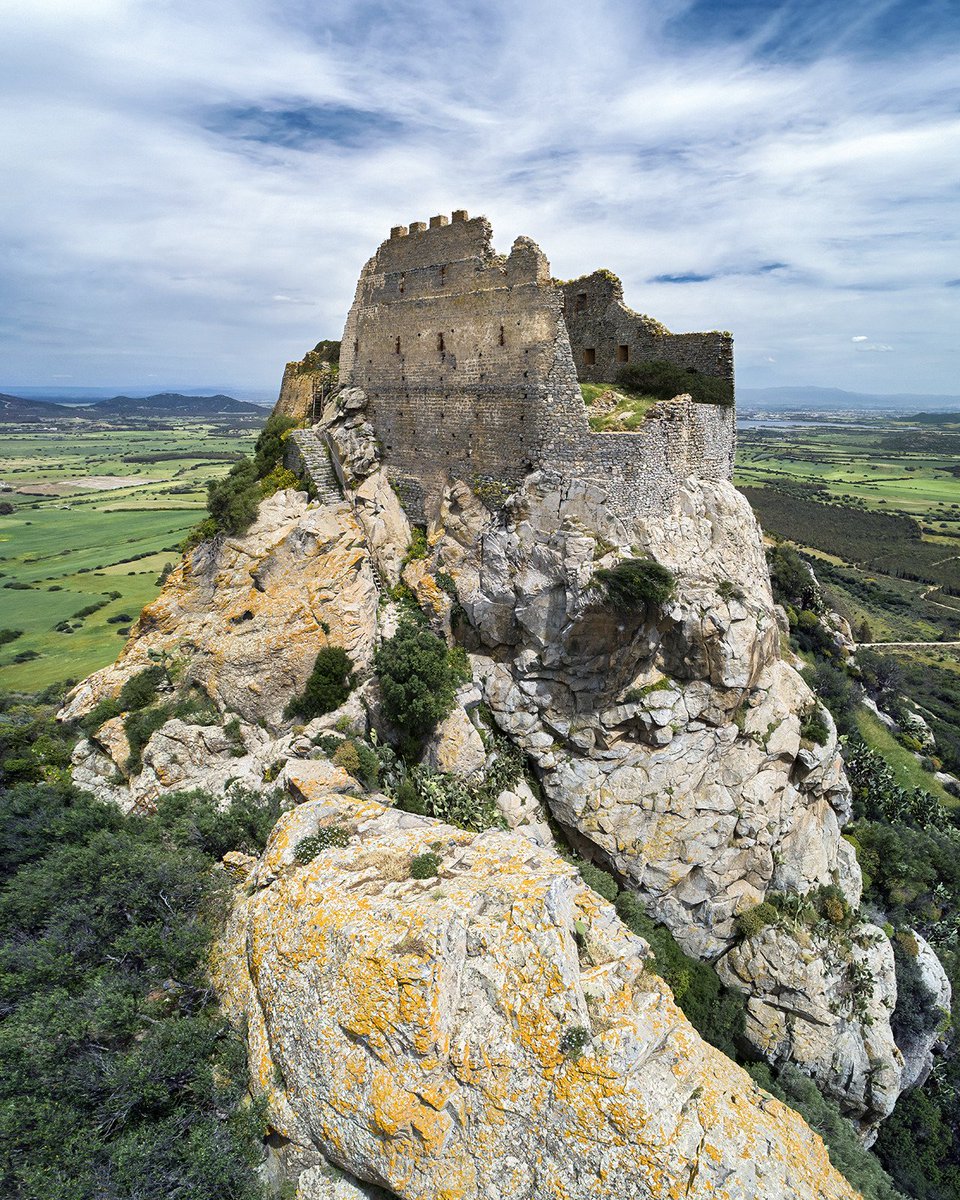
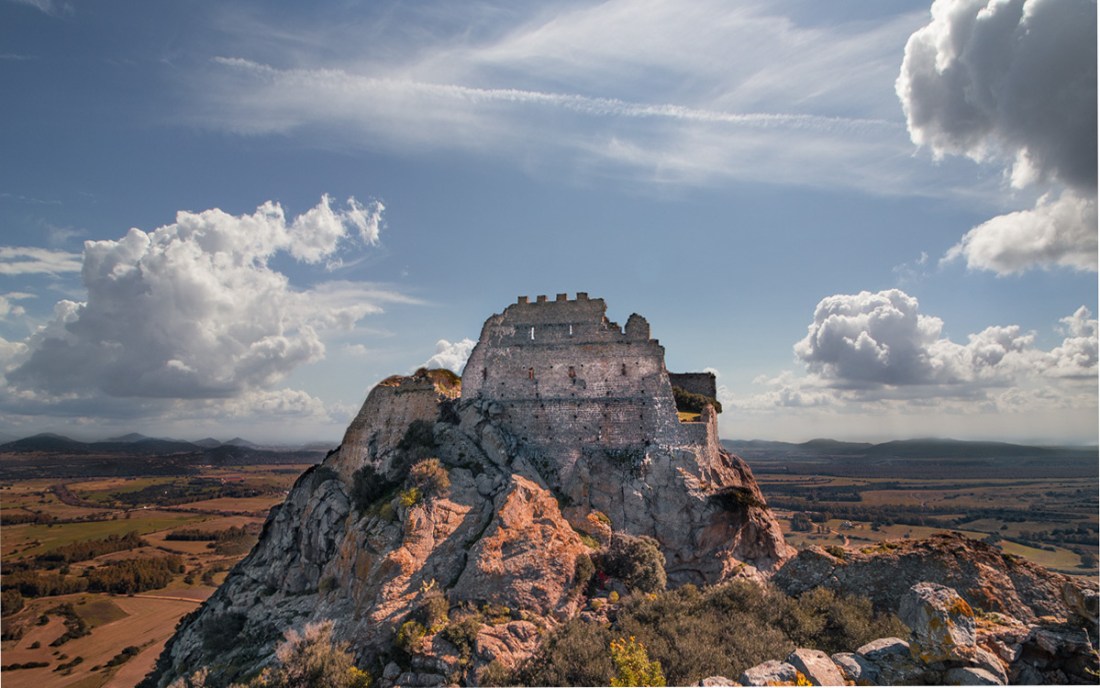
--the most famous is the castle of Acquafredda (Siliqua) ⬇️.
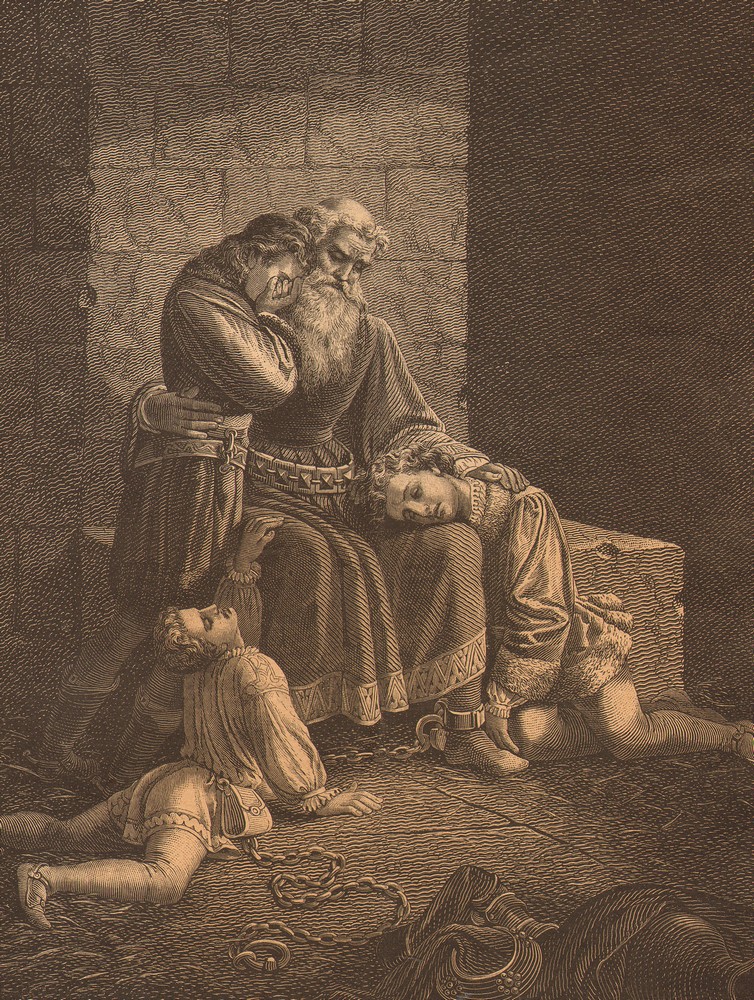
But things didn't end nicely for him. During the Battle of la Meloria against Genoa, he retired his troops when things got bad, giving rise to voices of betrayal. He was captured and held prisoner in the Tower of Muda-
But things didn't end nicely for him. During the Battle of la Meloria against Genoa, he retired his troops when things got bad, giving rise to voices of betrayal. He was captured and held prisoner in the Tower of Muda-
-where he died of hunger with some children. In his encounter with Dante in the Comedy, he tells of their last days.
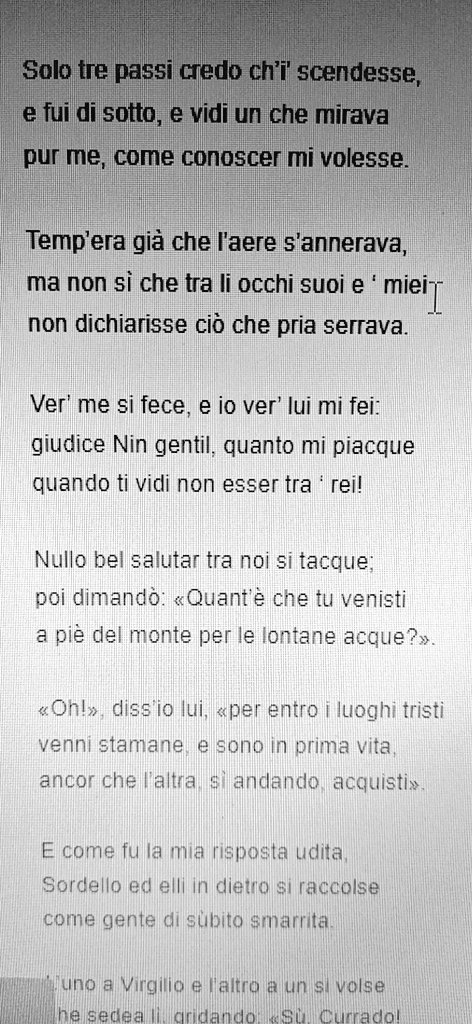
The next one is Nino Visconti, grandson of Ugolino and iudike of Gallura. This character appears in the VIII Canto of Purgatorio, among the negligent princes.
The next one is Nino Visconti, grandson of Ugolino and iudike of Gallura. This character appears in the VIII Canto of Purgatorio, among the negligent princes.
Dante tells of they knew each other in life and how he's happy to find him in Purgatory and not in hell.
Nino was a citizen of Pisa and king in Sardinia, the last one of the Judicate of Gallura, which he inherited from his father of the Sardinian branch of the Visconti family.
Nino was a citizen of Pisa and king in Sardinia, the last one of the Judicate of Gallura, which he inherited from his father of the Sardinian branch of the Visconti family.
For a time he was podestà of Pisa with his grandfather but they were kicked away with a plot by the archbishop Ruggieri. In Sardinia, he allied with Sassari, the Malaspinas and Dorias to try and conquer the Judicate of Arborea, without managing.
His daughter, Giovanna, is mentioned in the Comedy too, together with her mother Beatrice d'Este. Giovanna was the last heir to the Judicate but she never took power.
• • •
Missing some Tweet in this thread? You can try to
force a refresh