DPR is to oil & gas industry what CBN is to banking. It's the overall regulator of the oil & gas industry. There is virtually no major activity you want to carry out without
...needing DPR approval - whether drilling plan (upstream) or gas plant construction (midstream) or building filling station (downstream). DPR is also in charge of licensing and award of oil blocks (on behalf of the President and Minister of Petroleum). DPR is also in charge of
collection of certain monies payable to govt by oil & gas companies, including signature bonus (payment for award of oil&gas licence), to royalty (payment for extracting oil or gas from "govt land/water"), to all manner of approval fees. While signature bonus is payable once
and does not depend on the success of the field, royalty is payable based on production of oil and gas and it is continuous as long as you produce. It is a certain % of your production (for gas, % of sales)
DPR is also like the chief compliance officer of the oil & gas industry
It makes sure all health, safety and environment standards are complied with. They are involved in virtually every project and operation of oil companies to make sure the standards are followed. You also submit Environmental Impact Assessment (EIA) to them.
DPR is also the Chief Data Officer of the oil and gas industry. It keeps all data on the industry - from reserves to production.
DPR is also the chief adviser to government on the industry. Since it is closer to the industry, it knows more and advises govt on policies.
The Head of DPR is called Director, because DPR is actually a dept under Ministry of Petroleum, but their staff have different employment conditions from ministry because you don't want them to go into meeting with say Chevron and spend the whole 3 hours looking at the wrist ..
..watch of Chevron staff you are meant to regulate 😊. Okay, that's a joke, but as the regulator of the sector that makes the most money to the FGN, they need some special terms from other government jobs.
As the Chief Regulator of the industry, The DPR DIrector is actually
a very top position, perhaps the #1 person in the oil and gas industry (after President and Petroleum Minister), but holders of the position are less known (and less flamboyant) like NNPC GMD or CBN governor.
Let's stop here. We will treat other regulators in subsequent threads
• • •
Missing some Tweet in this thread? You can try to
force a refresh
It's tricky to classify NNPC as a regulator but it does have some regulatory functions so it may not be out of place to regard it as one, although the primary work of NNPC is to manage FGN interest
..in the oil & gas sector. So NNPC is the vehicle through which FGN participates in the oil industry. While DPR is the chief regulator and the eye of FGN in the industry, NNPC is the hand of govt in the industry. It is like other private oil companies only that it is FGN-owned
So it is not a regulator per se but it does have regulatory functions, mainly by enforcing govt contracts (JV and PSC) with other oil companies. NNPC (thru NAPIMS) also need to approve some budgets in some of these partnerships. So NNPC does regulate in a way.
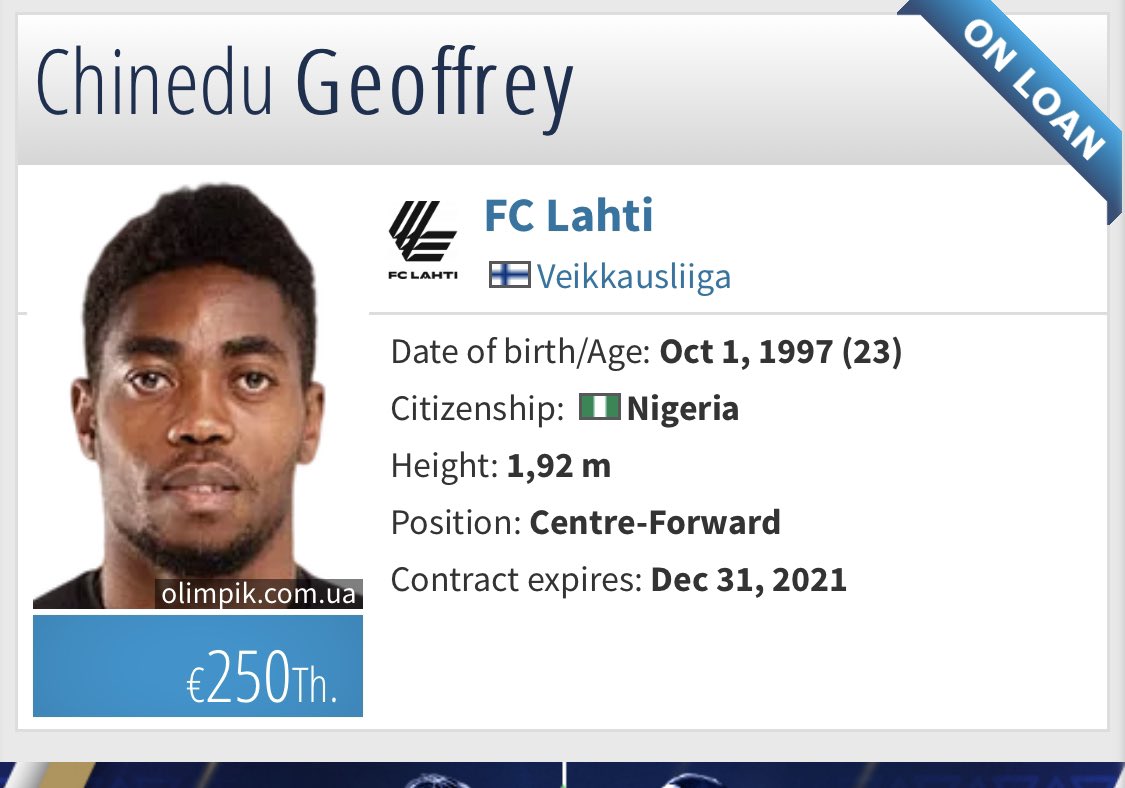
Professional sports really make athlete built sha. These guys were really small when playing street football in Ajah axis 5/6 yrs ago. Offor & Chinedu were two of the deadliest strikers here 5/6 yrs ago. Offor was the top scorer in a competition to open a turf in Bogije in 2015
Offor now plays in MLS for Chicago Fire while Chinedu plays in Finland on loan from Olimpik Donetsk in Ukrainian Premier League. Happy for these boys.
PS: There are many players in this axis, mostly Yoruba, but the 2 that made it to Europe/US are Igbo. Ever wonder why Igbo dominate Nigerian national team? I think it has to do with tenacity,discipline & focus. One of these boys practically grew up on wooden xture on top of water
Having breakfast now & remembering my 1st day in Lagos, fresh from secondary school, to visit a young banker bro, sharing apartment with his 2 other young Lagos worker friends. Before bro came back from work, his friends (who had also become family friends) put a loaf of sliced
bread with tea and egg, on the table and asked me to help myself for dinner, while they went to their room to shower and change after long day at work.
By the time they came back, I had finished the entire loaf of about 15 slices. Me wey just come from the village
Thought they were using it to welcome me for the long trip to Lagos
By the time one of them came to the sitting room to hav his own dinner, bread had finished. He shouted, half-jokingly, "Suraju, omo Offa, o ti pari bread". Didn't know it was meant to be the dinner for all of us
JV is an arrangement between government oil company (NOC - NNPC in Nigeria's case) and the private oil company where all risks, including exploration risks, are shared by all parties.
In other words, the government oil company is actively involved from start. Unlike in PSC where exploration is funded by the private company, in JV, all parties pool fund together to fund exploration and share the crude proceeds. If no oil is found, all parties have lost money
One party, usually one of the private oil companies, is designated operator. An operator is the party that coordinates the day to day running of the project and operations. It disburses funds to the vendors and contractors, amongst others. However, this does not mean ...
Because oil & gas (esp upstream) is highly capital intensive, there are usually all manner of partnerships among oil companies to pool fund (& technical know-how) together.
Also, because petroleum resources are ...
...usually too important to be left to non-state actors, the govt get involved & this also necessitates partnerships.
The partnerships could be between govt (thru their oil company, generically called National Oil Company, NOC - NNPC in Nigeria's case) and private oil coys, or
between oil companies (especially some marginal field JVs).
Here are the most common contract types
1. PRODUCTION SHARING CONTRACT (PSC)
PSC is a contract type where the govt transfers the exploration risk to the private company, usually the International Oil Companies(IOCs)
Oil servicing companies are specialist contractors that have expertise in handling different aspects of oil and gas activities. They do not own the crude oil, unlike E&P companies.
These are specialist contractors that help upstream (and sometimes midstream and downstream) companies carry out their projects. Examples of activities they handle are seismic data gathering and analysis, drilling, pipeline construction, plant construction, well servicing etc
Oil and gas companies contract with them to handle an activity for and pay them. Like the word implies, they "service" the industry. Some of them also have some proprietary technology.