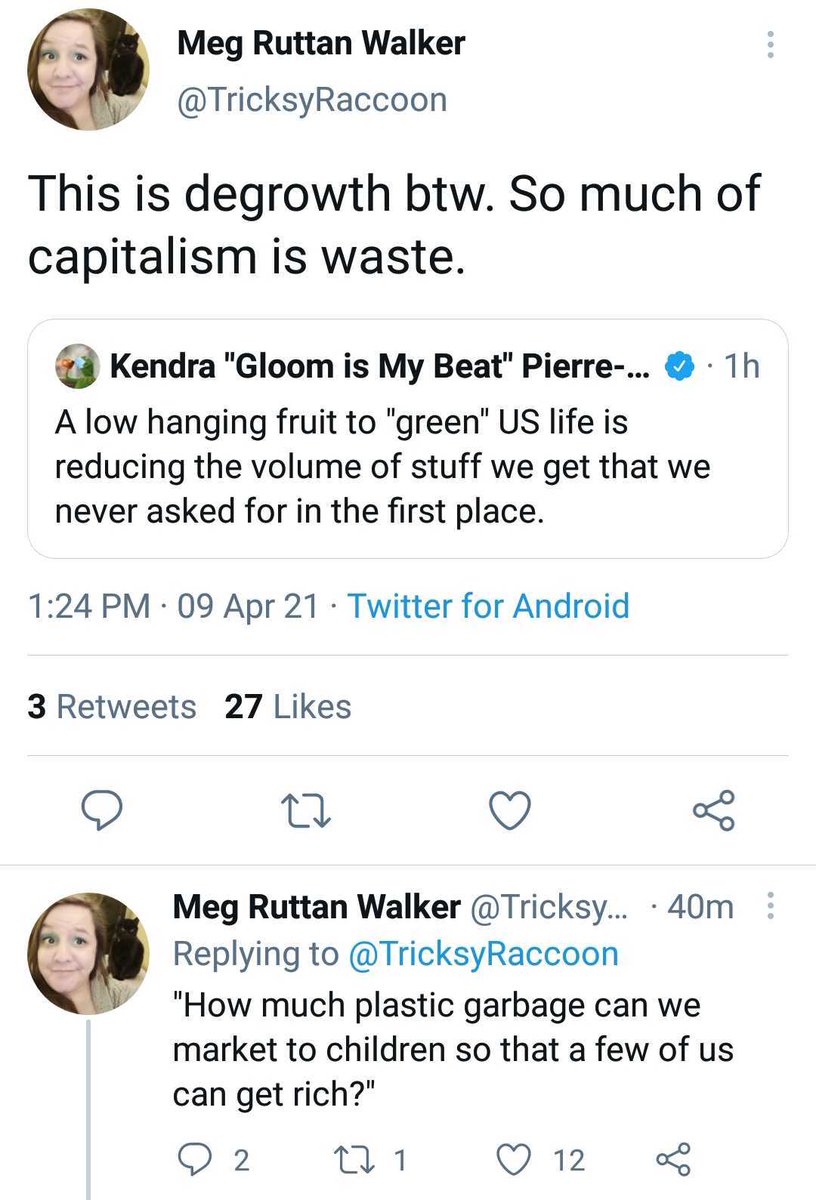
I will respectfully disagree with @TricksyRaccoon on the usefulness of this kind of degrowth too.
I do appreciate Meg (and Kendra) spotlighting this aspect of the conversation though since the back + forth over macro-level economic growth tends to suck up all the oxygen (THREAD)
I do appreciate Meg (and Kendra) spotlighting this aspect of the conversation though since the back + forth over macro-level economic growth tends to suck up all the oxygen (THREAD)

I don’t feel it’s generally wise for activists or policymakers to try deciding which industries/products we really need + which are unnecessary.
My reasons fall into five categories (1)
My reasons fall into five categories (1)
1. Little climate impact
2. Difficulty of implementation, political infeasibility
3. Rebound effect i.e. regulating some products just channels energies into others
4. Access to affordable goods
5. Forest of industries reflects human aspirations as much as corporate greed (2)
2. Difficulty of implementation, political infeasibility
3. Rebound effect i.e. regulating some products just channels energies into others
4. Access to affordable goods
5. Forest of industries reflects human aspirations as much as corporate greed (2)
First, important to recognize regulating this/that category of consumer goods likely has negligible climate/enviro impact.
To take Meg’s example which I interpret as a light jab at toymakers, I’m pretty sure the global toy sector is a negligible fraction of world emissions. (3)
To take Meg’s example which I interpret as a light jab at toymakers, I’m pretty sure the global toy sector is a negligible fraction of world emissions. (3)
Plastic earns hate for many valid reasons, yet a bag of plastic army men honestly may equal less co2 emissions than a couple toy soldiers cast from metal? Plus, compared to diesel or jet fuel, plastic is by far one of the less emissions-intensive oil/gas industry products. (4)

And in a net-zero world of electric cars, ammonia-powered ships, and hydrogen-fueled heavy industry, consumer products will be manufactured at low to no climate cost.
In this clean energy future, plastic demand alone will not save the oil and gas industry. (5)
In this clean energy future, plastic demand alone will not save the oil and gas industry. (5)
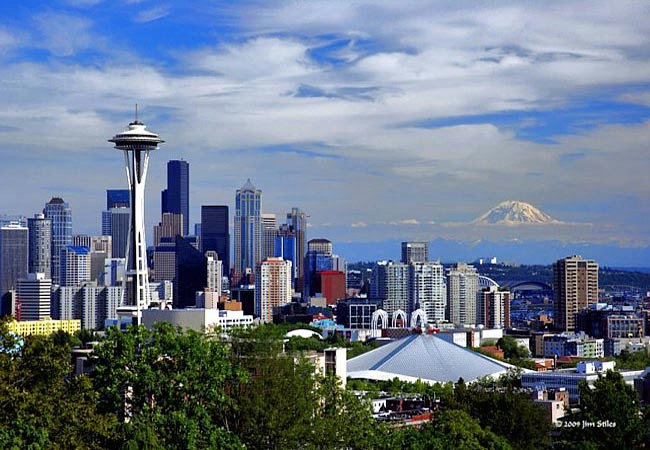
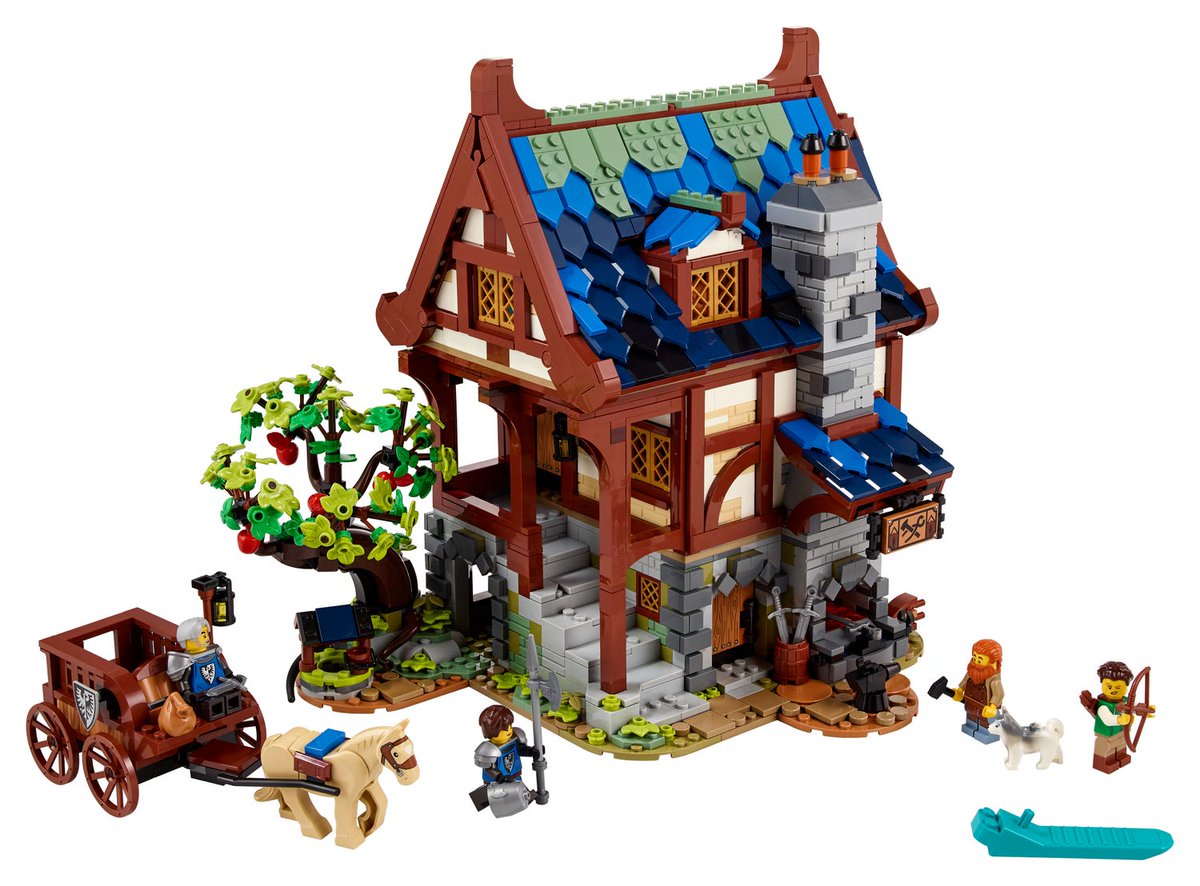
I don’t know how the combined carbon footprint of all the LEGOs, dollhouses, toy boats, etc… across history is compared to, say, the cumulative emissions needed to build all of Seattle’s skyscrapers is, but I suspect it's ultimately not very large... (6)
Sure though, if one went through every single group of products humanity makes and classified them as necessary or wasteful, then added up all the wasteful ones, the global total embodied emissions are probably very hefty, but individually each is really small. (7)

It’s almost like the individual action question all over again. Theoretically individual people/producers cutting impacts can produce a meaningful cumulative effect, but is that really the level of society where changes should be pursued? (8)
Each individual industry, say LEGO, could quite accurately argue before the government that regulation is unreasonable since their climate impact is infinitesimally small. Which brings me to my next point about implementation/feasibility. (9)
“Should we or shouldn’t we?” is an important Q, but the critical Q for this sector by sector, product by product approach to degrowth is “How do we actually get this into law?” As we have painfully learned, industries fight to the death while getting marched to the wall. (10)
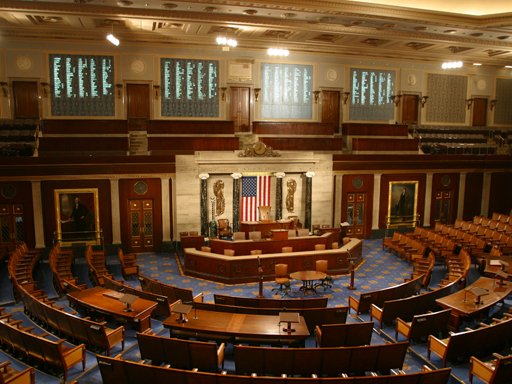
By labeling a company, group of companies societally unneeded and in need of degrowth, one makes highly committed (and often very powerful) enemies unnecessarily. Climate action doesn’t need any more strong political interests as opponents. (11)

Those opponents aren’t just limited to suits in corporate boardrooms. You really do make political opponents out of workers in those sectors too, and potentially of the lawmakers that heavily represent them. (12)
There’s also the question of mechanism to get laws passed.
Do you try and use a specific free-standing piece of legislation to ban unnecessary plastic in toys, luxury fossil cars, fast fashion, gag-gift fridge magnets, etc… or do it as part of a larger climate package? (13)
Do you try and use a specific free-standing piece of legislation to ban unnecessary plastic in toys, luxury fossil cars, fast fashion, gag-gift fridge magnets, etc… or do it as part of a larger climate package? (13)
If proposed as a free-standing law, I think we can all agree that has zero political hope.
And if included in a larger climate package, well, I’d much rather cut it out than torpedo the odds of a clean energy standard, clean vehicles mandate, etc… from passing. (14)
And if included in a larger climate package, well, I’d much rather cut it out than torpedo the odds of a clean energy standard, clean vehicles mandate, etc… from passing. (14)
At best, maybe one successfully slips in some language about banning excessive packaging or plastic bags, but we all know that means zero for the climate broadly. Anything more substantial just has no political route to enactment whatsoever. Court challenges also exist. (15)
Thirdly, even if one did succeed in, say, banning luxury gasoline cars, boats, and planes, I suspect some degree of a rebound effect would occur. I don’t understand the appeal personally, but conspicuous consumption has a record in human history well predating capitalism. (16)

I feel regulating consumption of many unnecessary things would replace it with consumption of other unnecessary products + services. Assuming enforcement isn’t inadequate or gutted by grandfather clauses + loopholes. Or noncompliance. I mean, we’ve tried Prohibition already. (17)
But lets return to where this convo started about superfluous, unneeded/unwanted cheap goods.
My fourth point is that cheap plastic garbage does have some social value, in that it’s easily accessible. (18)
ft.com/content/29c4f1…
My fourth point is that cheap plastic garbage does have some social value, in that it’s easily accessible. (18)
ft.com/content/29c4f1…
When my Dad was growing up (Mom grew up richer, if still in an apartment of 8 family members), any kind of manufactured toy was a luxury. The advent of plastic toys has undoubtedly created waste, but it’s also made toys more widely available. (19)
Plastic dinnerware, washbins, furniture, jewelry… it’s non-biodegradable, but also cheap + accessible. That cheap fan that breaks after a few months? An affluent family might toss it out, but a less affluent family can afford it and will tinker to keep it running. (20)
Fifth and last, I think it’s easy to identify corporate villains behind the torrent of mass marketing and the explosion of seemingly superfluous industries and products. But I feel it’s important to recall that there are a lot of dreams and aspirations at work here too. (21)
That isn’t to say that there aren’t ANY superfluous industries (who *are* these extended car warranty people??).
But for every Big Toy company making Dollhouse version 45QXZ11B, there’s also a toymaker who has a grand idea about dollhouses for boys. (22)
But for every Big Toy company making Dollhouse version 45QXZ11B, there’s also a toymaker who has a grand idea about dollhouses for boys. (22)

I dislike superhero films + the world may not *need* eight different Shang-Chi action figure models when Marvel finally debuts their 1st Asian superhero a decade too late, but if I had my own Asian kid at the right age...
I don’t think these toys existing is all bad. (23)
I don’t think these toys existing is all bad. (23)
The “All-Natural” energy drink replacement for caffeine I keep getting Youtube ads for? I might think it’s ridiculous and unnecessary, but there are probably a handful of hardscrabble entrepreneurs in an office somewhere for whom this is a dream of sorts. (24)
So I think we need to recognize that some of the pushing for growth we feel around us doesn’t come just from late-stage capitalism but also genuinely represents many aspirations at work, and I think a high amount of care is needed in legislating which are worthwhile and not. (25)
To sum up, evaluating some of degrowth’s more micro-lvl ideas, I’m really not sure they’re justifiable in principle or would have real climate impact.
And such ideas are infeasible politically to the point of distracting from/damaging more important climate efforts. (26 - END)
And such ideas are infeasible politically to the point of distracting from/damaging more important climate efforts. (26 - END)
• • •
Missing some Tweet in this thread? You can try to
force a refresh