Today’s the thirteenth anniversary of the launch of a game you probably haven’t heard of, unless you were in a specific demographic at the time.
Saddle up and hold on tight, it’s going to be a bumpy thread. Let’s talk about Ponystars… 🐎👇
Saddle up and hold on tight, it’s going to be a bumpy thread. Let’s talk about Ponystars… 🐎👇

Ponystars was a browser game, aimed at children, about breeding and customising cartoon ponies. According to the press release, it was created by Acclaim Games (the second company of that name, run by Howard Marks, who bought the name after the more famous one went bankrupt).

In fact, Acclaim had only licensed the rights to an English version of a French-made game, Pony Valley, that’d been running for a couple of years.
Pony Valley/Ponystars (we’ll just call it Ponystars) was, in turn, a… well, let’s call it a homage… to a game called Pony Island.
Pony Valley/Ponystars (we’ll just call it Ponystars) was, in turn, a… well, let’s call it a homage… to a game called Pony Island.
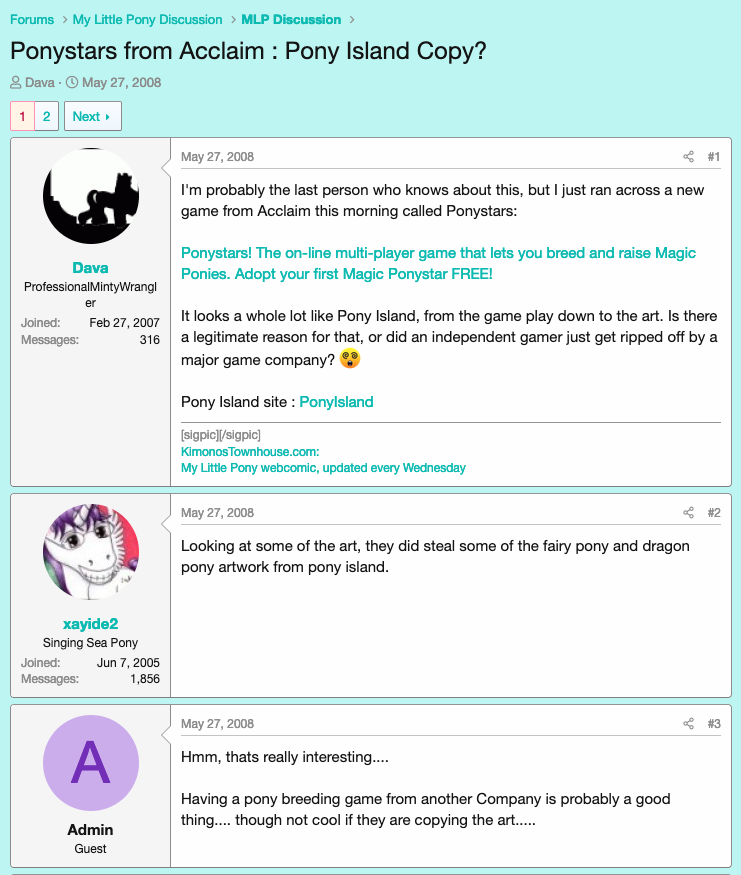
No, not the creepypasta thing from 2016. Pony Island was a subscription-based browser game created by a team of two in 2003.
Yes, it turns out there were a lot of online pony-breeding games. Maybe there still are?
Yes, it turns out there were a lot of online pony-breeding games. Maybe there still are?

There were accusations some of the art in Ponystars had been traced from art in Pony Island (created specifically for that game). The creators talked to lawyers, but apparently couldn’t afford to file a lawsuit… so the allegedly traced art stayed in Ponystars for years.

Ponystars was pretty successful! There were about 841,000 children registered, according to FTC documents (oh, we’re getting to that). And it was F2P with microtransactions. So it’s fair to say a lot of charges were being billed to a lot of childrens’ parents’ credit cards.

But people seem to have fond memories of the game! Here’s a good blog post from @Absludicrous with details of how the game worked and recollections of what the community meant to them: absoludicrousblog.wordpress.com/2017/09/17/the…
So, Acclaim licenses and runs Ponystars.
Acclaim is bought by Playdom.
Playdom is bought by Disney.
And then the FTC noticed that children could register, and could post their personal information on their public profiles, with no parental consent checks.
For four years.
Acclaim is bought by Playdom.
Playdom is bought by Disney.
And then the FTC noticed that children could register, and could post their personal information on their public profiles, with no parental consent checks.
For four years.

And it turns out that’s illegal! A serious COPPA violation. The FTC brought a case against both Disney (who’d only acquired this shitshow a few months earlier), and former Acclaim CEO Howard Marks (who wasn’t even working there any more), and fined them a collective $3 million.
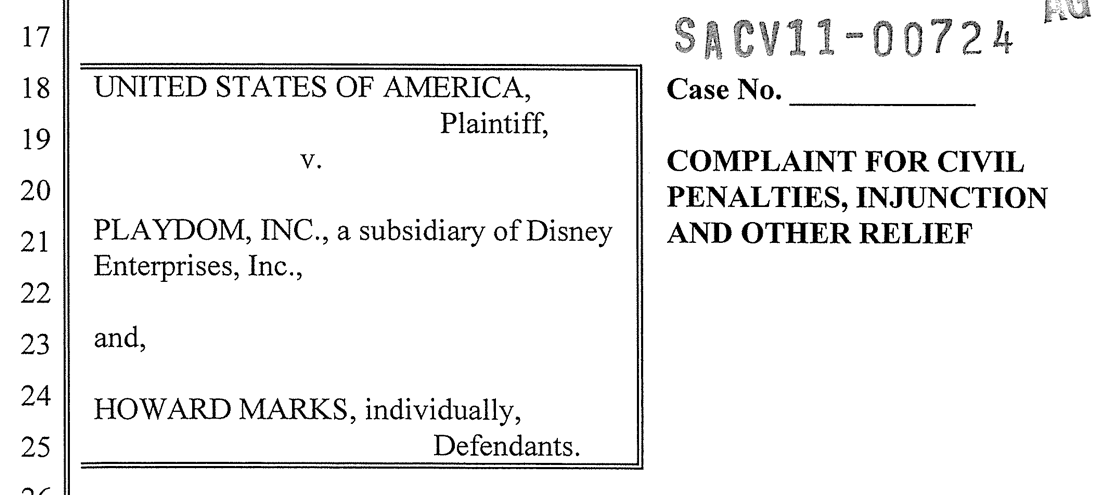
The settlement order doesn’t stipulate which defendant should pay how much (this LA Times article suggests Disney paid), but I imagine that Disney’s/Marks’s lawyers' conversation about who was more at fault was a pretty interesting one.

Ponystars, along with its player data, had been transferred back to its original French creators months earlier. They agreed to shut it down and delete the data.
With almost no notice given to hundreds of thousands of players, Ponystars was shut down on November 30, 2010.
With almost no notice given to hundreds of thousands of players, Ponystars was shut down on November 30, 2010.
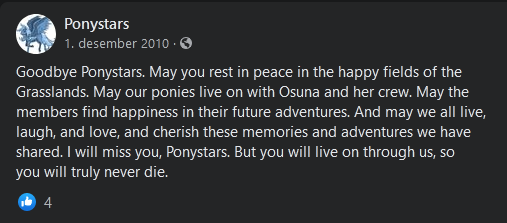
But the original French version, Pony Valley, remained running, and Feerik added a forum section for Pony Stars refugees. It ran for years, though was increasingly neglected, with no updates or staff. It finally died at the end of 2020 when Flash did.
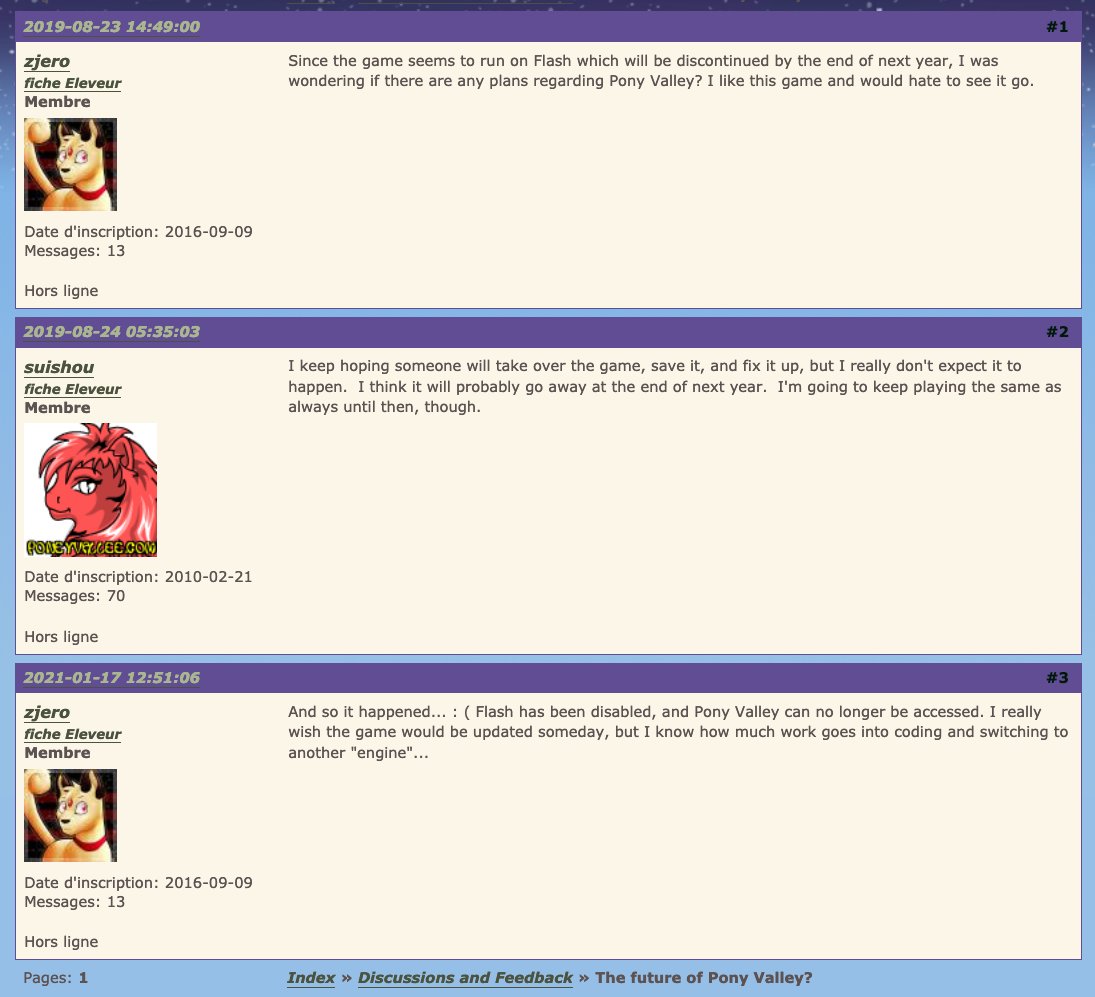
P.S. Pony Island, the browser game Ponystars was, uh, coincidentally similar to, never had the playerbase of hundreds of thousands that Ponystars did… but it did outlive it. It’s still running today after 18 years.

Okay, why did I just post a whole Twitter thread about a defunct pony breeding game from the 2000s? Why does any of this matter?
First, because nobody else had done it. And second, to try to prove a point about a game chosen *at random* from MobyGames’ ‘on this day’ page…
First, because nobody else had done it. And second, to try to prove a point about a game chosen *at random* from MobyGames’ ‘on this day’ page…
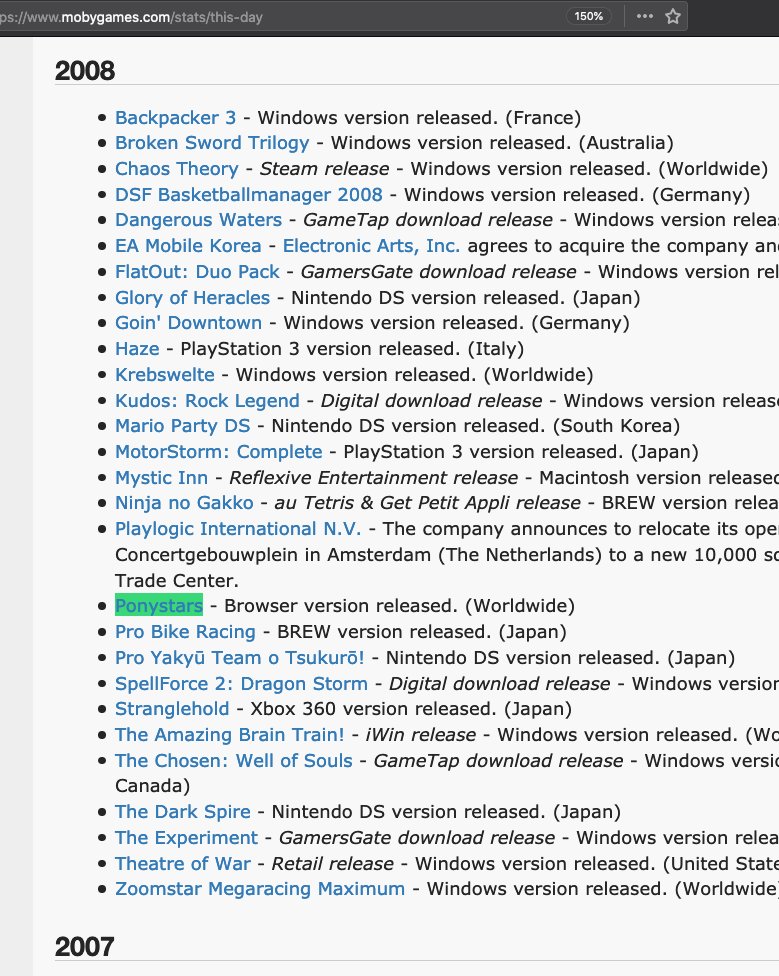
…that when you pull *any* thread, you never know what you’re going to find. And this wasn’t a deep dive, it was just a couple of hours of googling!
There’s a story behind every game.
There’s a story behind every game.
(Thanks to @Anonybody for digging up most of the above!)
• • •
Missing some Tweet in this thread? You can try to
force a refresh