

Today we’ll tweet with @SaaraTuovinen @OuluArchaeology about “Children of the Great Wrath (1713–21): Experiences and memorization”. During the hatred (#storaofreden #isoviha) the Russians occupied and looted Finland, then part of Sweden. It was a time of persecution. #PMAC21 1/15 

Acts of torture, raping and killing gave birth to russophobia. Tens of thousands of people fled to Sweden and 20–30,000 people were taken slaves to Russia. Records indicate that children were forced to watch the torture. #PMAC21 2/15
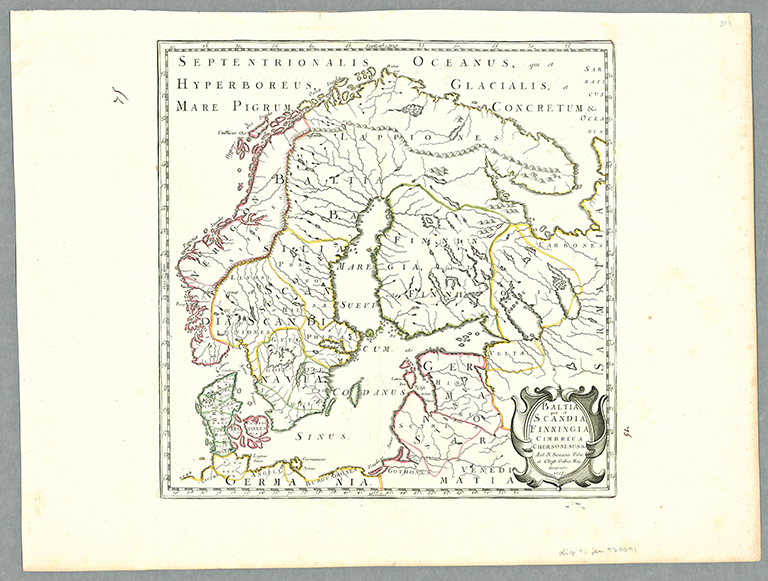
In 1716 tsar ordered that in northern Ostrobothnia all children and youth were to be captured and adults to be killed. Soldiers invaded homes, killed and took slaves, looted and burned the houses. People tried to hide in the forests, in vain. The massacre was total. #PMAC21 3/15

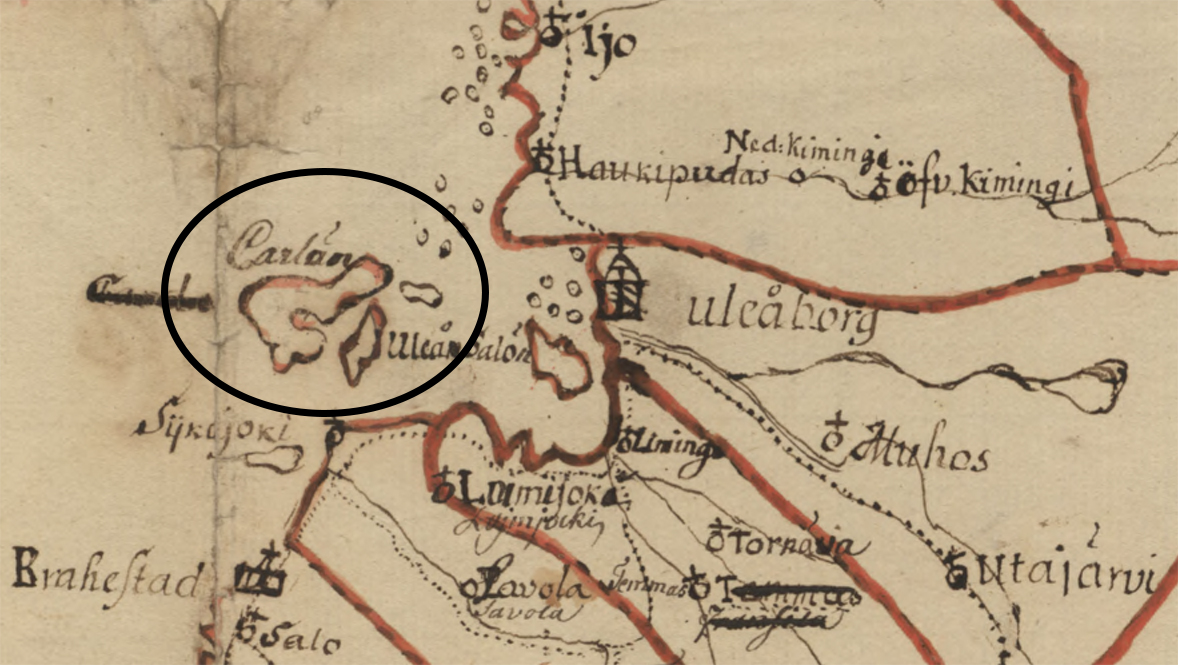
On Hailuoto (Karlö), an island outside Oulu (Uleåborg), about 800 refugees and locals were killed with axes during one day. In folklore the day is called as “Murder Friday” #murhaperjantai All men were killed except from one family, who were spared to bury the dead. #PMAC21 4/15
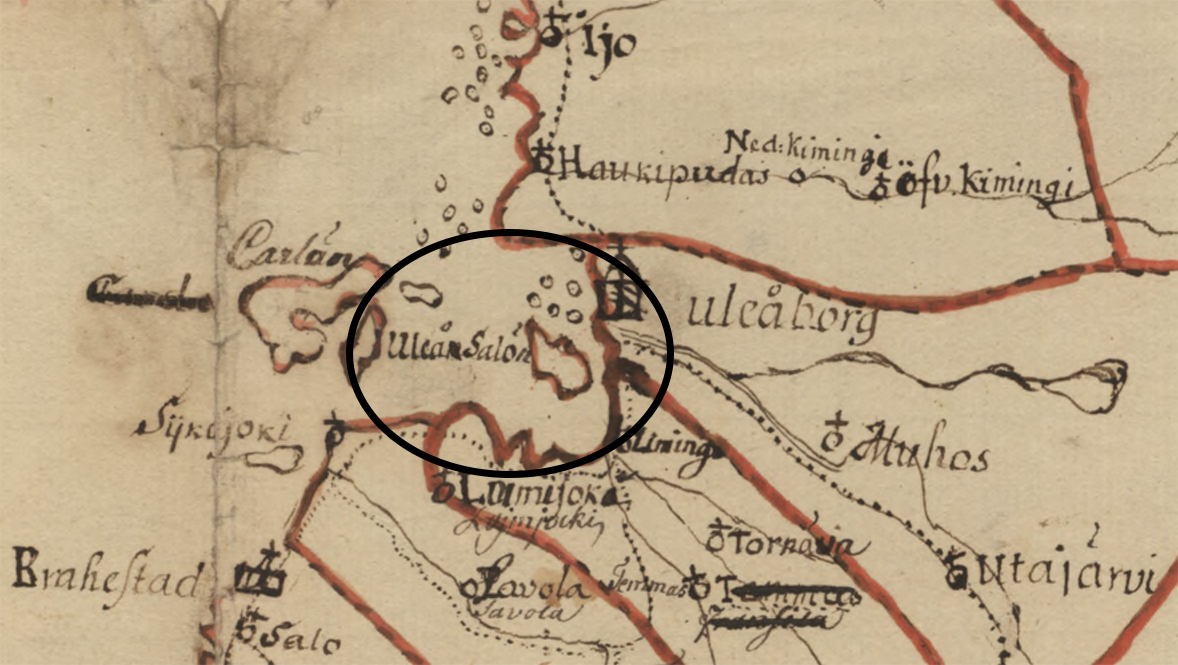
Returning his home at Oulunsalo in 1716 Esko Juhonpoika Eskosipo found c. 20 dead bodies and few severely tortured people. Surrounded by dead bodies two young children ate grains from the floor. People were too terrified to resist cruel violence and capturing. #PMAC21 5/15
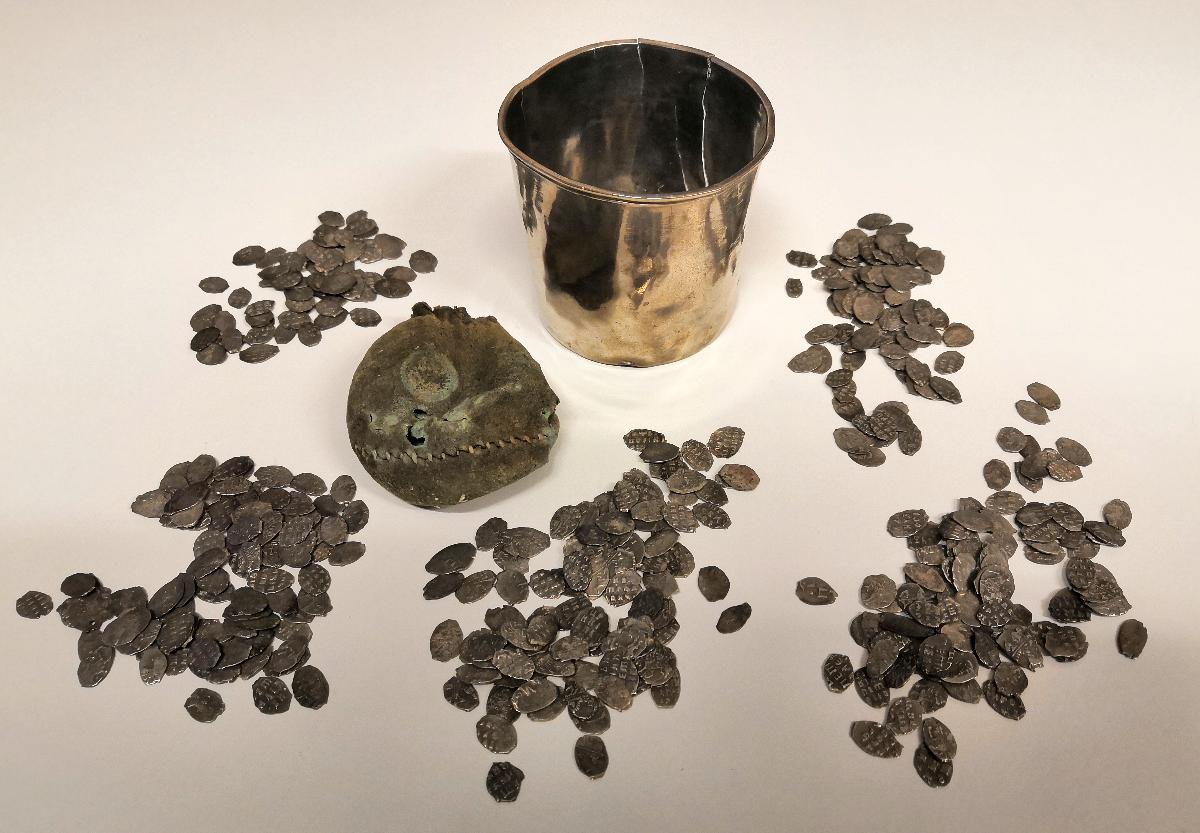
During the Great Warth the valuables were often hidden inside houses or buried in the ground. After the wrath many of the houses were deserted and the caches were forgotten. New owners or the prospective generations have found some of them. #PMAC21 6/15


In the Russian market boys were paid a better price. Many slaves were not instantly shipped to Russia but served their owners in the military camps in South-West Finland. They did laundry, made food and served as sex slaves. Young boys were trained as loyal helpers. #PMAC21 7/15
Life in Russia was miserable and often led to premature death. Children living in the elite families around St. Petersburg had a decent life, especially if other Finns lived in the same home. When possible both children and adults escaped and returned to Sweden. #PMAC21 8/15
The time of unrest was experienced both by adults and children but considering the childrens’ psychological growth, the development of their sense of self and self-worth was most likely greatly influenced by the cruelties they experienced. #PMAC21 9/15
Among Finns the russofobia lasted until Finland became the Grand Dutchy of Russia (1809–1917). Not even by then the common people had dealt with the trauma and were dissapointed that their experiences were dismissed. The local tales continued to be retold. #PMAC21 10/15
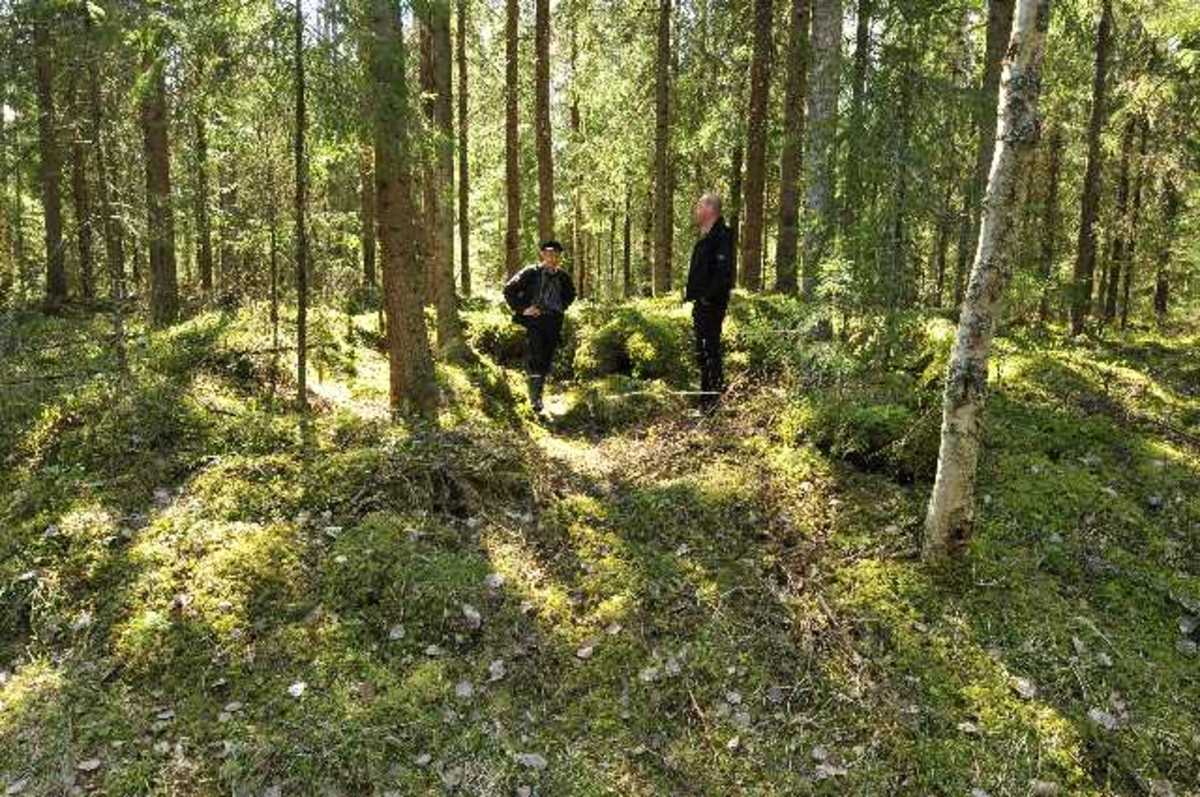
During the late 19th century few educational stories of the wrath were written for the children and youth. In 1852 Sakari Topelius wrote a children’s tale “The Birch and the Star” about his great grandfather’s experiences in Russia. #PMAC21 11/15

At age of 7–11 years, Kristoffer was captured from a remote cottage where his family was hiding. Later he was sold to an elite Russian family. After escaping he was by accident reunited with his mother in Stockholm. #PMAC21 12/15


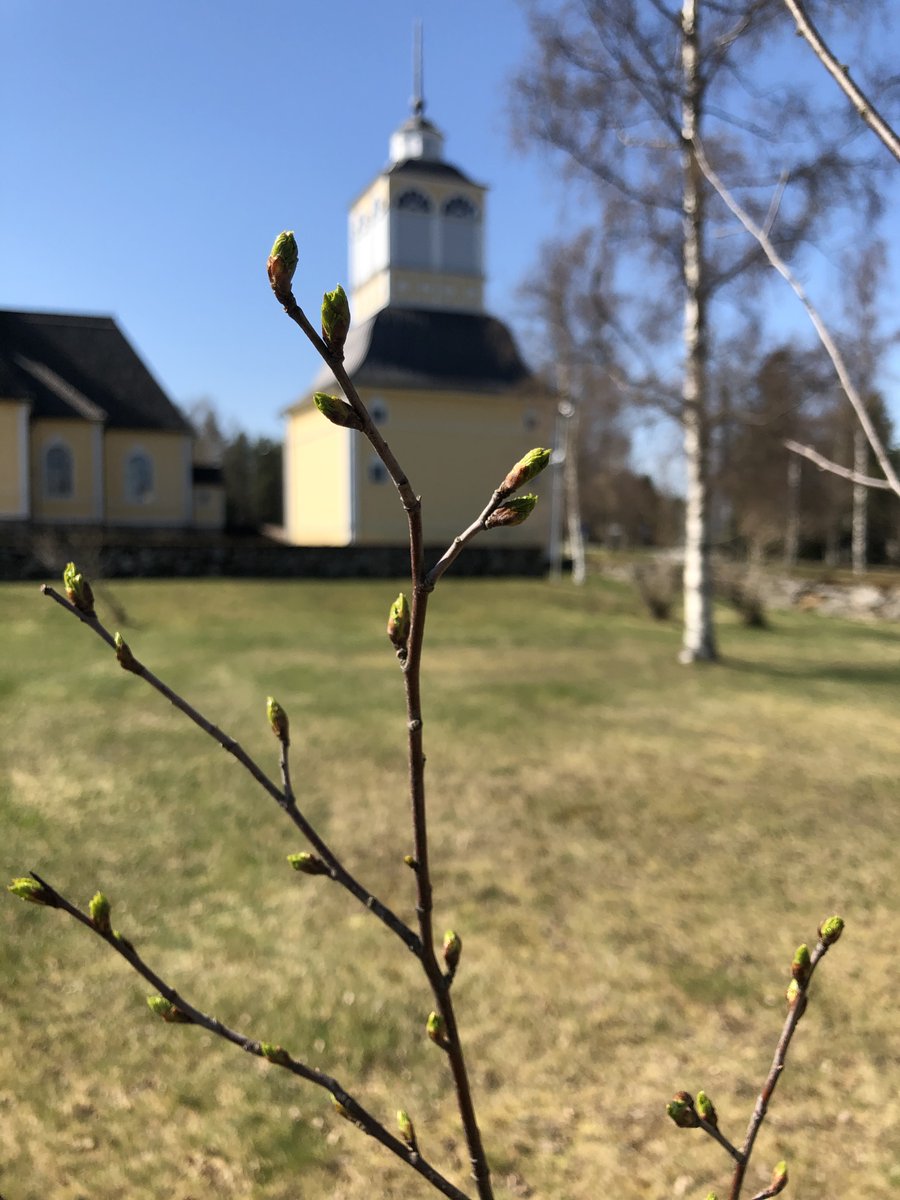
In the story encaptivated children missed the birch in their home yard, in which the birds sang, and a star twinkled between the leaves in the night. In Lohtaja, to memorise the fate of village’s 150 enslaved children, a birch was planted on the church yard in 2014. #PMAC21 13/15
Finnish Great Wrath memorials are usually simple. However the one erected to memorise the last – for the Swedes unfortunate – battle at Napue (February 19, 1714), is rather patriotic. No wonder, it was erected soon after (1920) Finland became an independent state. #PMAC21 14/15

Even though later historical research in the 1850s downplayed the experiences of the people they still strongly lived in oral heritage. The ability to talk about difficult experiences and to memorize them is an achievement that requires resilience and adaptability. #PMAC21 15/15
• • •
Missing some Tweet in this thread? You can try to
force a refresh



