1/n
The kingdom of Sindh was ruled by its last Hindu king Raja Dahir during the 8th century. When Muhammad-bin-Qasim invaded Sindh, he decimated Sindh in his savage bloodlust. The chronicles of his advent are described in the Chachnama.
The kingdom of Sindh was ruled by its last Hindu king Raja Dahir during the 8th century. When Muhammad-bin-Qasim invaded Sindh, he decimated Sindh in his savage bloodlust. The chronicles of his advent are described in the Chachnama.

2/n
The Chachnama describes in detail how the Arabs led by butcher Qasim conquered Sindh. It tells the terrible tale of bravery, treachery, & carnage marking the entry of Islamic conquest of India’s Hindus.
The Chachnama describes in detail how the Arabs led by butcher Qasim conquered Sindh. It tells the terrible tale of bravery, treachery, & carnage marking the entry of Islamic conquest of India’s Hindus.

3/n
When Muhammad-bin-Qasim attacked Sindh, Dahir had collected an army of 50,000 horses and marched from Brahamanabad to Rawar to face the invader. Qasim had an army that numbered in the tens of thousands with camels & horses.
When Muhammad-bin-Qasim attacked Sindh, Dahir had collected an army of 50,000 horses and marched from Brahamanabad to Rawar to face the invader. Qasim had an army that numbered in the tens of thousands with camels & horses.
4/n
Earlier Arab Alafis - Syeds from Prophet Mohammed’s own family had fled from Mecca with 500 men to Sindh and Raja Dahir had given them asylum. Trusting these Muslims would prove to be the fatal mistake for the downfall of Sindh & pave the way for Islamic invasion.
Earlier Arab Alafis - Syeds from Prophet Mohammed’s own family had fled from Mecca with 500 men to Sindh and Raja Dahir had given them asylum. Trusting these Muslims would prove to be the fatal mistake for the downfall of Sindh & pave the way for Islamic invasion.
5/n
On an “auspicious day” in A.D. 711, fixed by astrologers, Mohammed Bin Qasim started for Sindh at the head of the Iraqi, Syrian, and other Arab soldiers. His horses and camels were disguised to look like lions and elephants. Rebel Jats also joined Qasim’s army.
On an “auspicious day” in A.D. 711, fixed by astrologers, Mohammed Bin Qasim started for Sindh at the head of the Iraqi, Syrian, and other Arab soldiers. His horses and camels were disguised to look like lions and elephants. Rebel Jats also joined Qasim’s army.

6/n
On the way the Arab army besieged Debal (“Devalaya” - a temple) the battle raged for 10 days even though it was not a major town. The temple fell when a frightened boy told the Arabs to bring down the huge Bhagwa flag to demoralise the town. Carnage & bloodshed followed
On the way the Arab army besieged Debal (“Devalaya” - a temple) the battle raged for 10 days even though it was not a major town. The temple fell when a frightened boy told the Arabs to bring down the huge Bhagwa flag to demoralise the town. Carnage & bloodshed followed

7/n
They went next to Nerunkot (Hyderabad, Pakistan). Just when the Arabs were running out of food and fodder, Bhandarkan Shramani, the Buddhist incharge of Nerunkot, surrendered that town. The Buddhists said - they were men of peace and not interested in who ruled the country.
They went next to Nerunkot (Hyderabad, Pakistan). Just when the Arabs were running out of food and fodder, Bhandarkan Shramani, the Buddhist incharge of Nerunkot, surrendered that town. The Buddhists said - they were men of peace and not interested in who ruled the country.

8/n
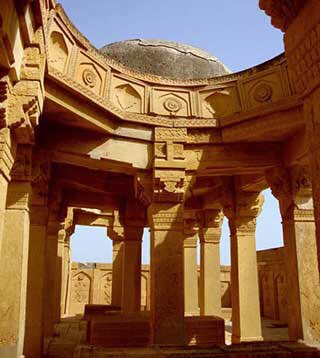
The same happened in the next town Sehwan where the Buddhists did not allow Bachehra, the governor to defend the town after a week. At a time when the Arabs did not know how to cross the Sindhu, Mokah, a Buddhist, gave boats & provisions in return for money & land.
The same happened in the next town Sehwan where the Buddhists did not allow Bachehra, the governor to defend the town after a week. At a time when the Arabs did not know how to cross the Sindhu, Mokah, a Buddhist, gave boats & provisions in return for money & land.
9/n
The astrologers now began to predict the “possible victory of the Arabs”, but Dahir still continued to be over-confident. He allowed the Arabs to cross the river Sindhu to be able to fight, “lest they think we have become very weak and powerless.”
The astrologers now began to predict the “possible victory of the Arabs”, but Dahir still continued to be over-confident. He allowed the Arabs to cross the river Sindhu to be able to fight, “lest they think we have become very weak and powerless.”
10/n
The Muslim problem of lndia was created with the very first man forced to convert renamed Maulana Islami & sent with a Syrian noble, to deliver a message to Dahir. When the two entered Dahir's court, the Syrian bowed low to salute, but the new Muslim refused to bow or salute
The Muslim problem of lndia was created with the very first man forced to convert renamed Maulana Islami & sent with a Syrian noble, to deliver a message to Dahir. When the two entered Dahir's court, the Syrian bowed low to salute, but the new Muslim refused to bow or salute
11/n
The fresh Muslim convert shocked Dahir when he said that with his change of religion his loyalty now was only to “the king of Islam”. Change of religion had resulted in change of nationality & thus the Pakistani mindset was created.
The fresh Muslim convert shocked Dahir when he said that with his change of religion his loyalty now was only to “the king of Islam”. Change of religion had resulted in change of nationality & thus the Pakistani mindset was created.
12/n
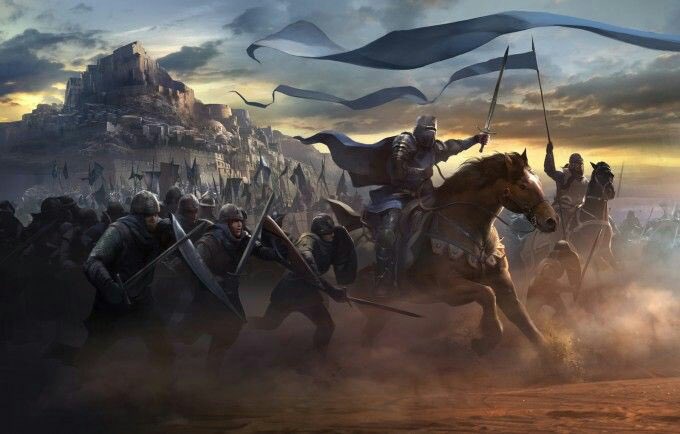
On 16th of June 712 CE. , the final and fierce battle was fought between Qasim & Dahir. Sadly a lieutenant of the traitorous Alafi whom Dahir had given asylum, secretly betrayed Dahir's plans. Dahir was beheaded & his army had to flee from the battlefield.
On 16th of June 712 CE. , the final and fierce battle was fought between Qasim & Dahir. Sadly a lieutenant of the traitorous Alafi whom Dahir had given asylum, secretly betrayed Dahir's plans. Dahir was beheaded & his army had to flee from the battlefield.
13/n
Part of the army fled back to Aror, the capital, and others, with Dahir's son Jayasimha, to Brahamanabad. Dahir’s brave widow Queen Rani Bai, a trained warrior - had to flee to the fort of Rawar with all the women & 15,000 remaining troops
Part of the army fled back to Aror, the capital, and others, with Dahir's son Jayasimha, to Brahamanabad. Dahir’s brave widow Queen Rani Bai, a trained warrior - had to flee to the fort of Rawar with all the women & 15,000 remaining troops
14/n
Right away Muhammad-bin-Qasim chased after her & besieged the fort of Rawar. His soldiers began to dig & destroy the fortifications. Queen Rani Bai, courageously put up a fierce resistance, and fought bravely to defend the fort for four days.
Right away Muhammad-bin-Qasim chased after her & besieged the fort of Rawar. His soldiers began to dig & destroy the fortifications. Queen Rani Bai, courageously put up a fierce resistance, and fought bravely to defend the fort for four days.

15/n
Finally when the army was exhausted and she had been fatally injured, she along with other lady warriors of her court, bravely committed Jauhar in the fire to escape the horrors of falling into the hands of “Chandals & cow-eaters”
Finally when the army was exhausted and she had been fatally injured, she along with other lady warriors of her court, bravely committed Jauhar in the fire to escape the horrors of falling into the hands of “Chandals & cow-eaters”
16/n
Dahir's other wife Ladi was captured. In the Arab camp she tried to act as a shock-absorber between the invaders and the local people. Qasim molested her & later Islamic historians created a disgusting myth of their love story to justify her rape.
Dahir's other wife Ladi was captured. In the Arab camp she tried to act as a shock-absorber between the invaders and the local people. Qasim molested her & later Islamic historians created a disgusting myth of their love story to justify her rape.

17/n
The Buddhist Shramans who had betrayed Dahir’s trust ended up bitterly regretting their treachery under the Arab rule. The Arabs enslaved them, ordering them not to cover their heads, and to walk barefoot in Arab presence.
The Buddhist Shramans who had betrayed Dahir’s trust ended up bitterly regretting their treachery under the Arab rule. The Arabs enslaved them, ordering them not to cover their heads, and to walk barefoot in Arab presence.
18/n
The enslaved Buddhists were ordered to entertain any Arab for in their homes for at least three days. The Arabs savagely molested the wives and daughters of their hosts. Then they went on a rampage destroying Buddhist temples & idols as well.
The enslaved Buddhists were ordered to entertain any Arab for in their homes for at least three days. The Arabs savagely molested the wives and daughters of their hosts. Then they went on a rampage destroying Buddhist temples & idols as well.

19/n
Even those who had been forced to embrace lslam to save their skin found themselves called mawalis (clients) & paid jeziya (head tax) like Hindus. Many of them later reconverted back to their ancestral faith.
Even those who had been forced to embrace lslam to save their skin found themselves called mawalis (clients) & paid jeziya (head tax) like Hindus. Many of them later reconverted back to their ancestral faith.
20/n
The Deval Smriti was enunciated to facilitate the purification & shuddhikaran (re-conversion) of these forced converts. Sadly, Hindus could never recover after the downfall of Sindh, setting the stage for Islamic conquest of India.
The Deval Smriti was enunciated to facilitate the purification & shuddhikaran (re-conversion) of these forced converts. Sadly, Hindus could never recover after the downfall of Sindh, setting the stage for Islamic conquest of India.
21/n
Later When Dahir's severed head was presented to the Caliph of Iraq by Qasim, Hajjaj, a courtier sang: “We have conquered Sindh after enormous trouble. Betrayed is Dahir by Mohammed Bin Qasim's masterly strategy.”
Later When Dahir's severed head was presented to the Caliph of Iraq by Qasim, Hajjaj, a courtier sang: “We have conquered Sindh after enormous trouble. Betrayed is Dahir by Mohammed Bin Qasim's masterly strategy.”
22/n
“Rejoice, the evil doers are disgraced. Their wealth has been brought away buy us. They are now solitary and brittle as eggs and their women, fair and fragrant as musk-deer, are now asleep in our harems.”
“Rejoice, the evil doers are disgraced. Their wealth has been brought away buy us. They are now solitary and brittle as eggs and their women, fair and fragrant as musk-deer, are now asleep in our harems.”
23/n
Dahir’s enslaved teenage daughters were presented by Qasim to the Caliphs harem. These brave girls had Sindh’s last revenge when they told the Caliph that Qasim had violated them first. As punishment, Qasim was wrapped in oxen hides till he suffocated to death.
Dahir’s enslaved teenage daughters were presented by Qasim to the Caliphs harem. These brave girls had Sindh’s last revenge when they told the Caliph that Qasim had violated them first. As punishment, Qasim was wrapped in oxen hides till he suffocated to death.
24/n
Pakistan celebrates Qasim’s conquest of Sindh calling it “Bab-e-Islam - The Gateway of Islam”. Even today a holiday Yom-e Bab ul-Islam is observed in Pakistan in Qasim’s memory. How ironic that a nation’s people celebrate the destruction of their own ancestors & heritage.
Pakistan celebrates Qasim’s conquest of Sindh calling it “Bab-e-Islam - The Gateway of Islam”. Even today a holiday Yom-e Bab ul-Islam is observed in Pakistan in Qasim’s memory. How ironic that a nation’s people celebrate the destruction of their own ancestors & heritage.
25/n
References:
sites.google.com/view/sindhstor…
R.C. Majumdar - The Classical Age, Vol. 3
Mountstuart Elphinstone, The History of India
References:
sites.google.com/view/sindhstor…
R.C. Majumdar - The Classical Age, Vol. 3
Mountstuart Elphinstone, The History of India
• • •
Missing some Tweet in this thread? You can try to
force a refresh