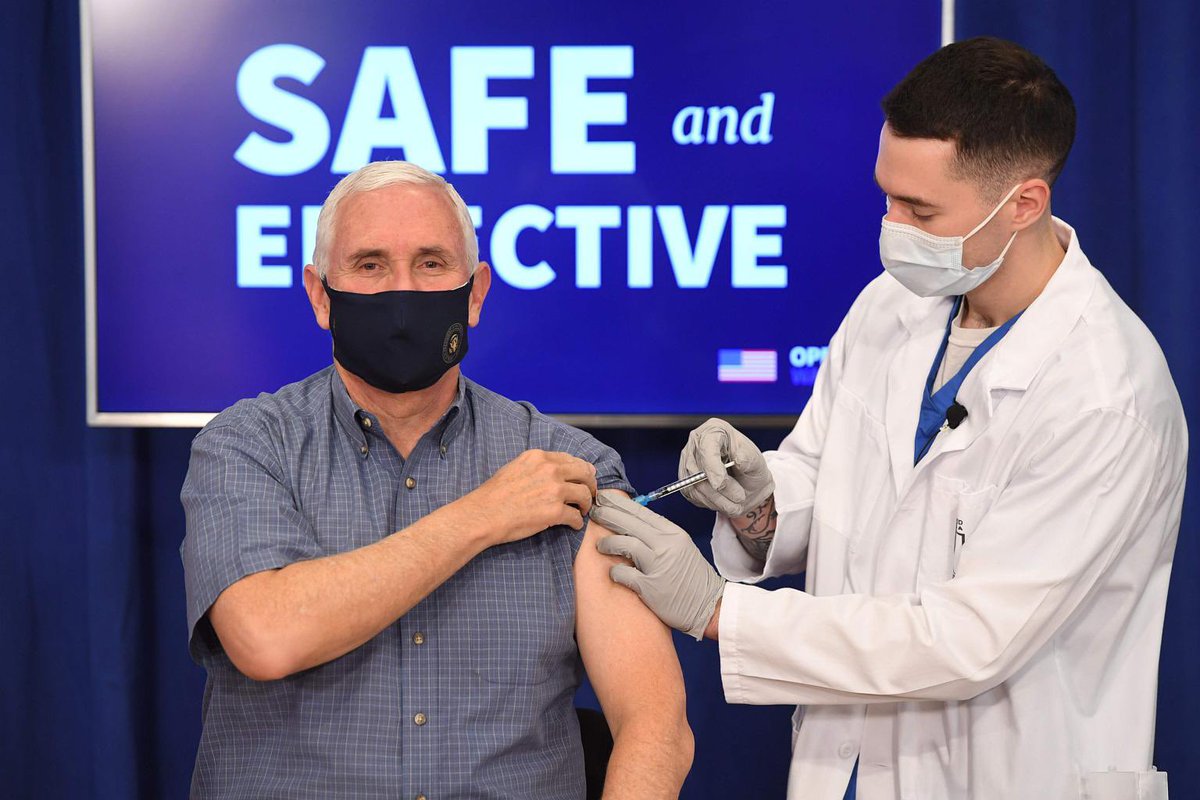
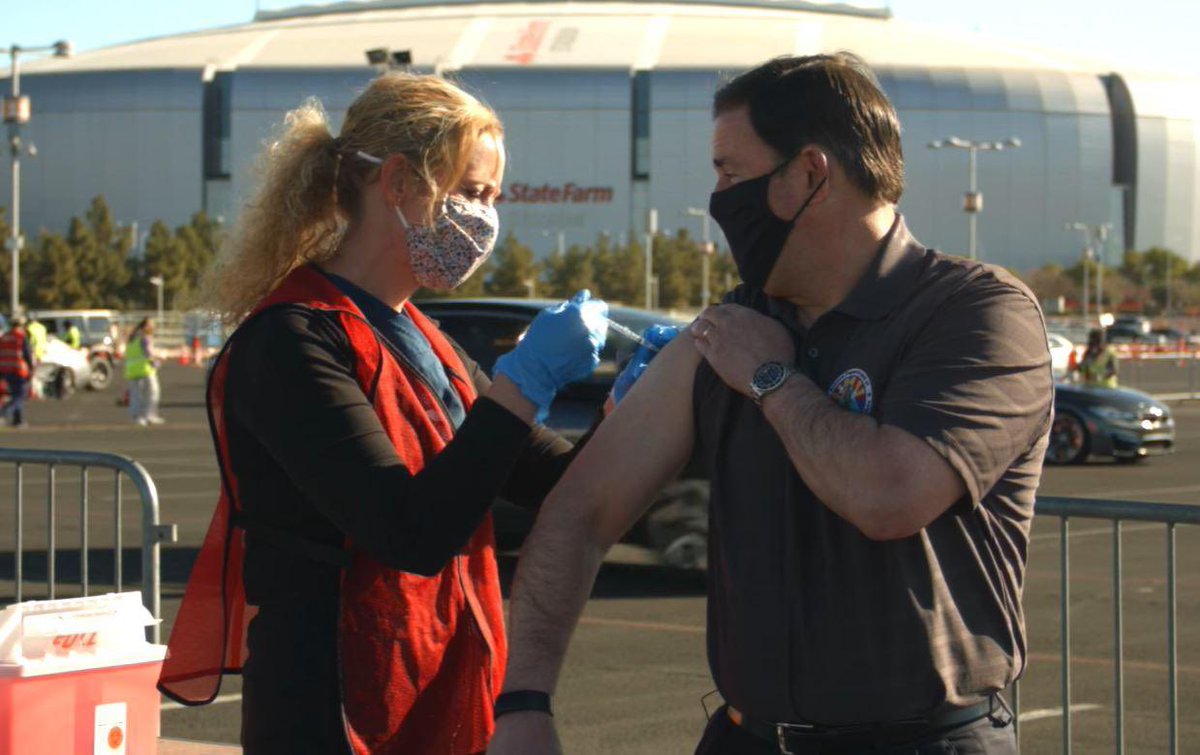
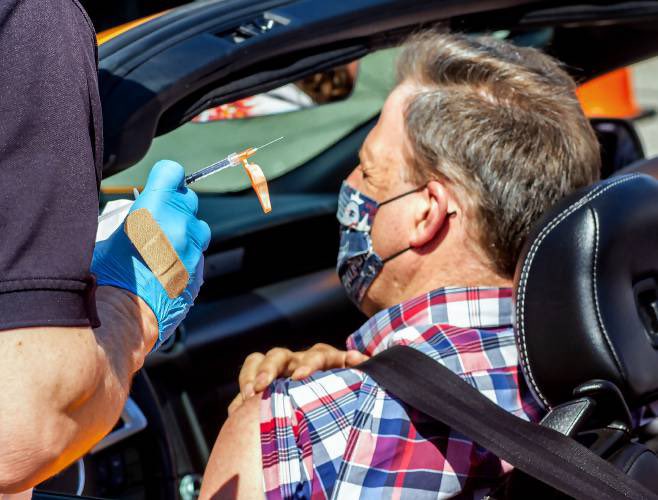
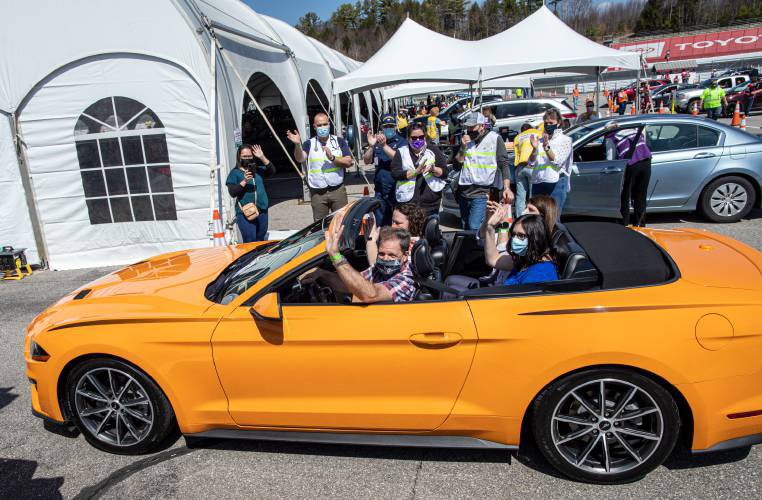
DYK @DennysDiner is based in South Carolina? Maybe SC Governor @henrymcmaster and his wife grabbed a Grand Slam (or a Moons over My Hammy) after getting their #COVID19 vaccinations! #republicansvax
Theres always a baseline of US measles cases, mostly from unvaxxed travelers. Normally, 1 case stays 1... or maybe 5-10, b/c CDC + state/local health depts have staff, funding, & authority to investigate, isolate contacts, and vaccinate in the outbreak zone. cnn.com/2026/02/27/hea…
But under RFK’s HHS, we've seen massive cuts: ~20,000 HHS jobs slashed (including thousands at CDC), funding clawed back from state/local response programs, and mixed/weak messaging on catch-up vaccination & isolation. Result? One case spirals into dozens/ hundreds / thousands. thelancet.com/journals/lance…
We're already at >1,100 confirmed cases in 2026 (on top of 2,281 in 2025 - the worst in decades), w/ outbreaks in dozens of states and US on the brink of losing measles elimination status. Most cases were unvaxxed before RFK was in office, but his response has been a catalyst.
We’re heading into another seasonal/post-holiday COVID surge - something that now happens EVERY winter. So it’s worth revisiting a fair question:
Why were (and are) COVID vaccines recommended by doctors, even for ‘healthy,’ lower-risk people, including kids?
🧵 1/
You may hear: “The Pfizer trial didn’t show fewer deaths in healthy people.”
That’s true - but here’s the key reason why:
Deaths were rare overall in the trial because participants were mostly healthy and followed for only a few months.
2/
With few overall deaths (29/44,000), random chance dominates.
The numbers don’t show the vaccine “kills people” - or that it “doesn’t work”(Claims made by our current HHS Secretary).
This oft cited study is simply not powered or informative for mortality in low-risk groups.
3/
Many European countries skip universal hepatitis B birth doses, giving only to high-risk infants & starting routine vax at 6-8 weeks. Why do U.S. Hep B birth dose recs differ from Europe? 🤔
I’m glad you asked! 🧵👇🏽
1/4
Big factor: U.S. healthcare access. No universal coverage means prenatal screening & follow-ups can slip - late care or barriers leave some maternal status unknown, risking exposure. Birth dose provides immediate protection & boosts completion rates. Europe’s universal systems enable near-100% screening & lower transmission. 2/4
Paid parental leave matters too. Europe’s generous policies (often 20+ weeks) make follow-up vax visits easier & keep babies home longer, cutting early exposure risks. Studies link paid leave to better timely vaccination. The US lacks federal paid leave, so shorter maternity time hinders follow-ups. These differences drive the policy gap. 3/4
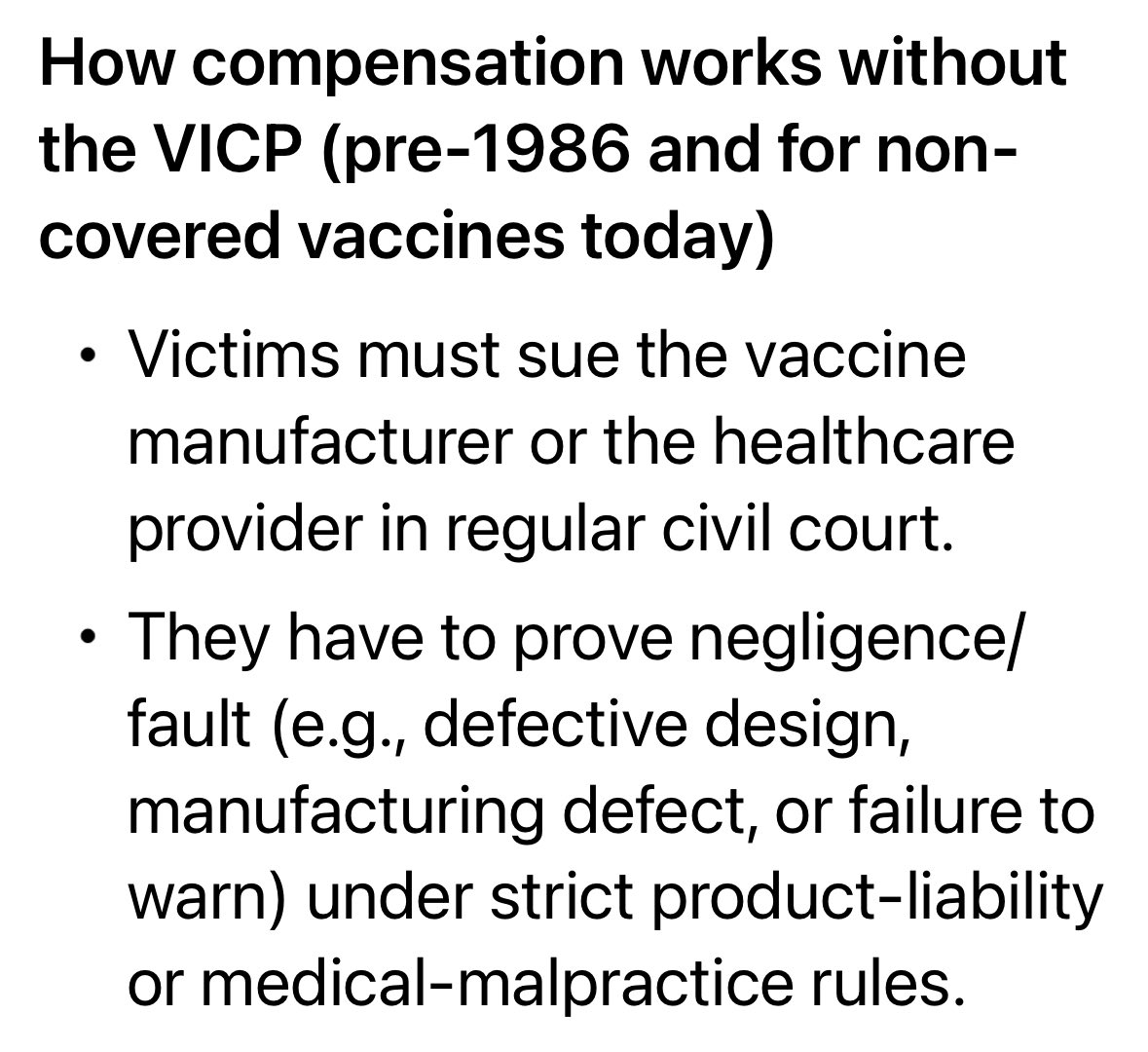
Why do vaccine makers have some immunity from lawsuits in U.S.?🤔
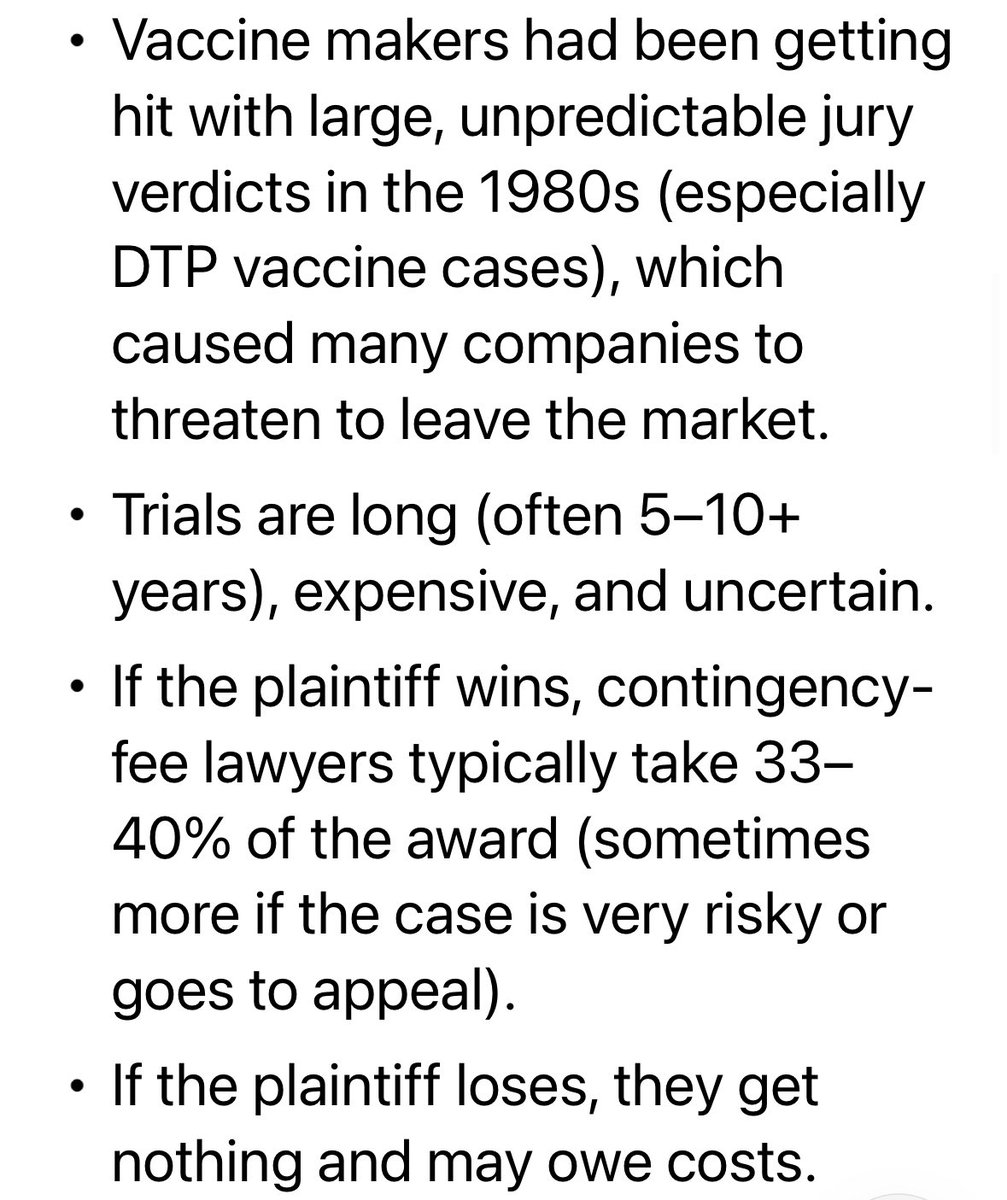
It started in the 1980s when lawsuits over the DTP (whooping cough) vaccine drove nearly every manufacturer out of the market. By 1986 only ONE company was making several childhood vaccines → shortages.
🧵 1/5
So Congress passed the 1986 Vaccine Act. Core idea is vaccines are different from other drugs. They’re given to most people, profit margins are tiny, and a 1-in-a-million side effect can trigger thousands of lawsuits. Unfettered liability = companies exit the business. 2/5
So Congress created a trade-off:
- Manufacturers got protection for FDA-approved vaccines
- A no-fault compensation fund (VICP) funded by a small tax on each dose pays injury claims quickly, w/o proving negligence
Goal: keep vaccines available while compensating injuries.
3/5
I’m deeply concerned about the new FDA move limiting COVID vaccines only to “high-risk groups.” CDC data shows those 50+ face rising risks, with 65+ at up to 340x higher death risk. Add in those with chronic disease and 71% of U.S. adults are at elevated risk!
Underlying conditions like diabetes or heart disease, plus long-term career residents (35% of deaths, <1% pop), and minorities with access barriers heighten risk. Even with this change, vaccination remains critical for all adults. Talk to your health provider and stay protected! cdc.gov/covid/risk-fac…
Here’s a short list of the conditions which put you at higher risk for severe COVID outcomes. Please share! 👇🏽
- Cancer
- Cerebrovascular disease
- Chronic kidney disease
- Chronic liver disease
- Chronic lung disease
- Cystic fibrosis
- Dementia or other neurological conditions
- Diabetes (type 1 or type 2)
- Disabilities
- Heart conditions
- Hemoglobin blood disorders
- HIV infection
- Immunocompromised condition or weakened immune system
- Mental health conditions
- Overweight and obesity
- Physical inactivity
- Pregnancy
- Smoking (current or former)